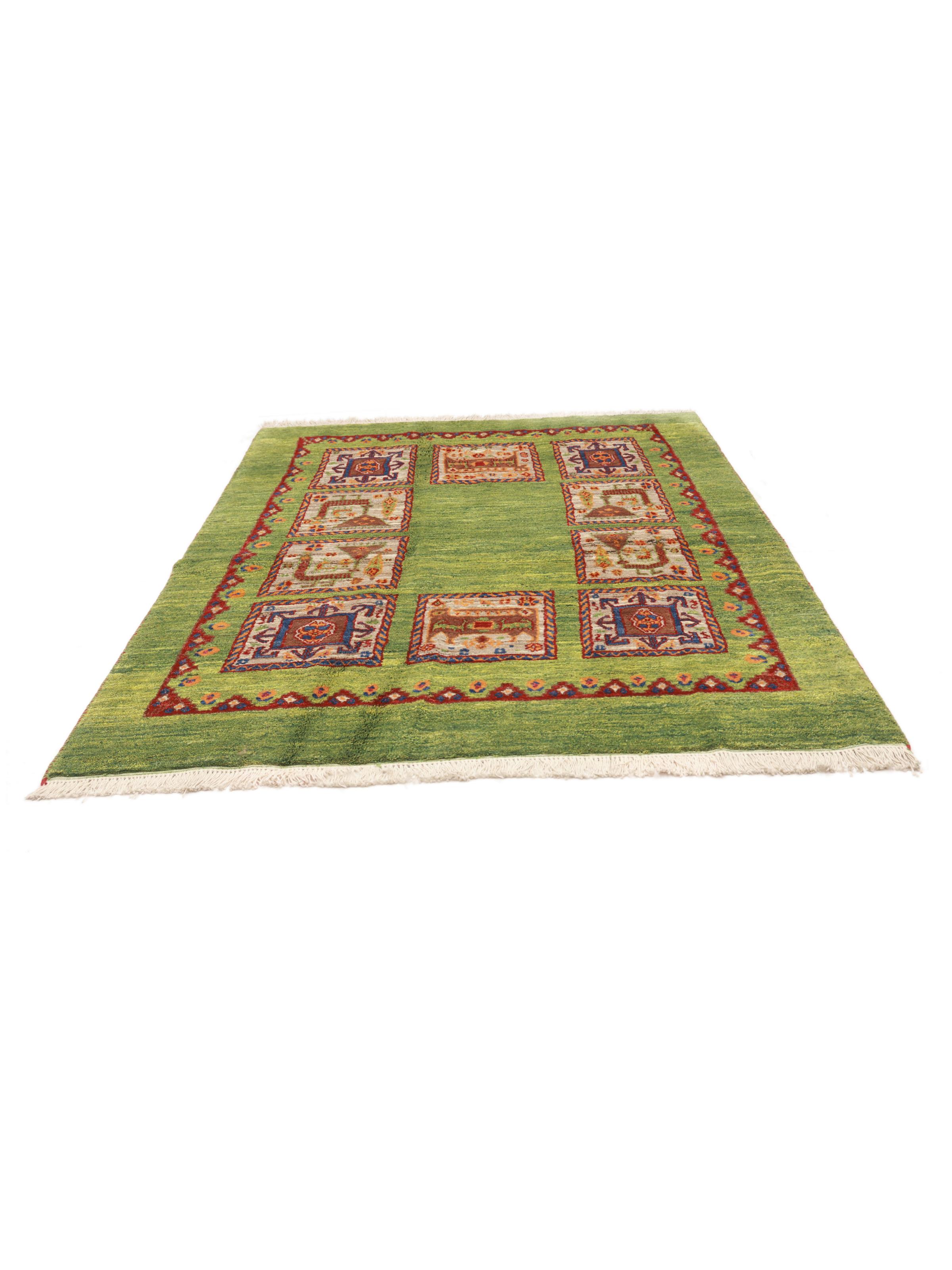
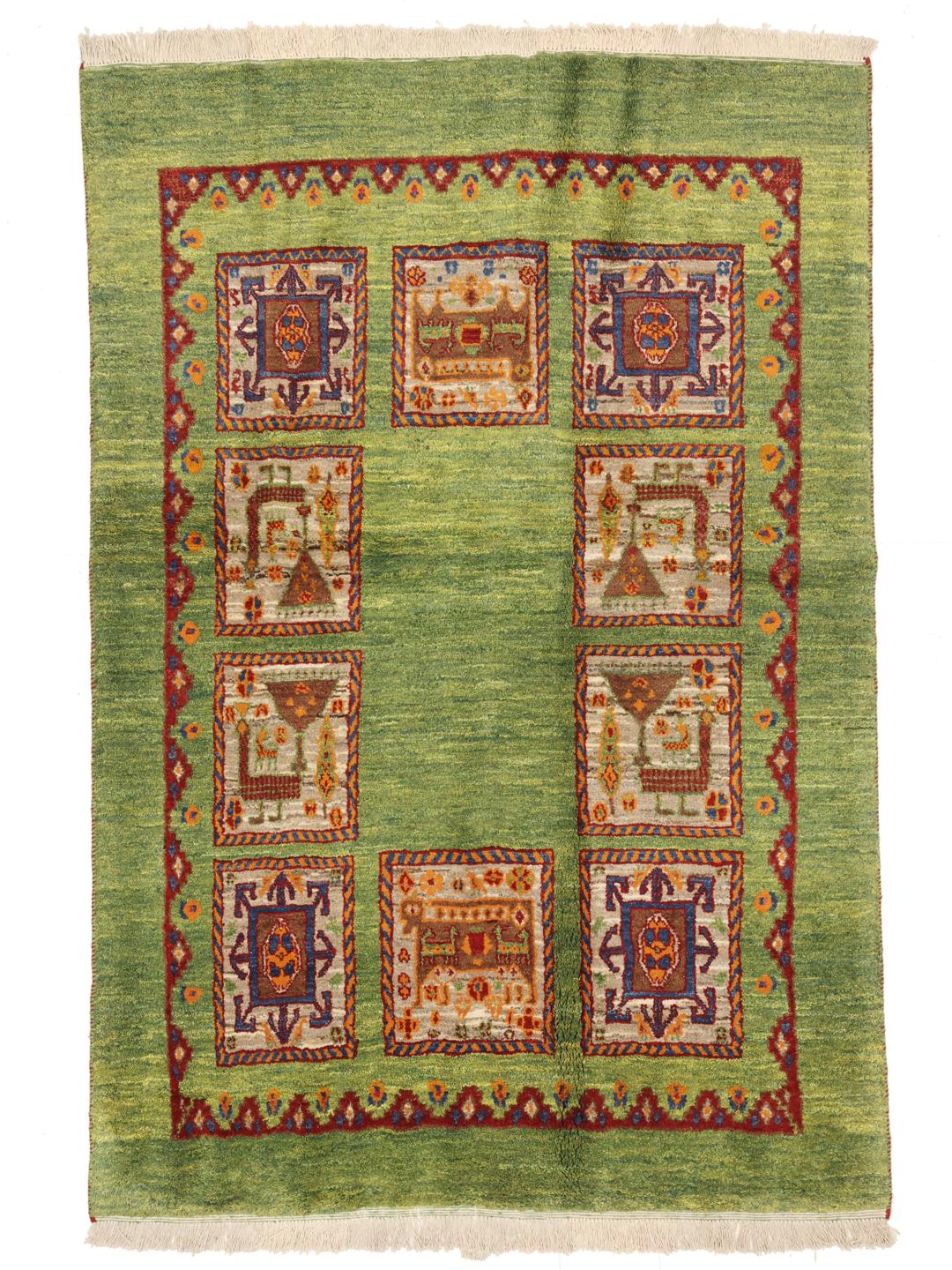
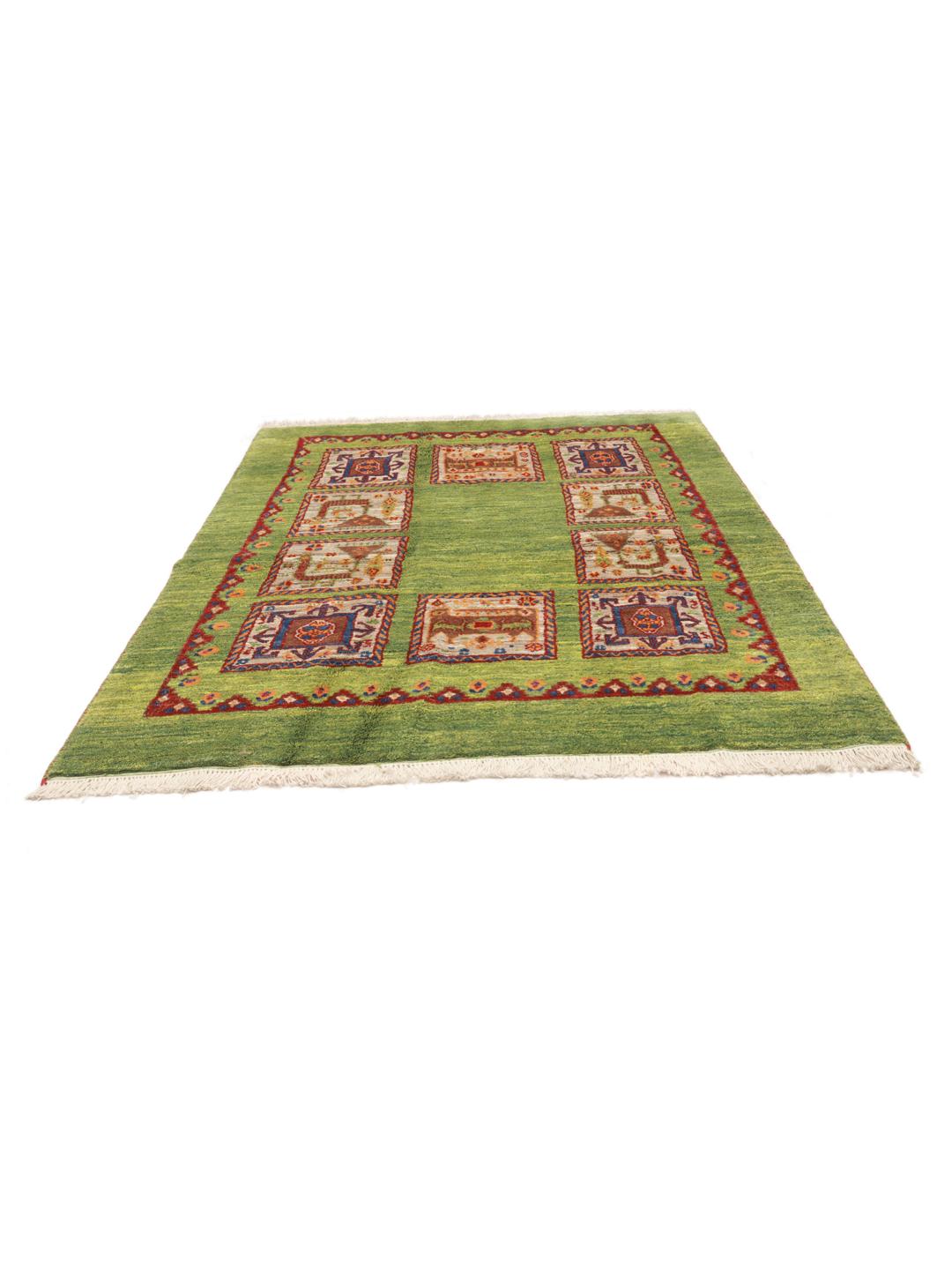
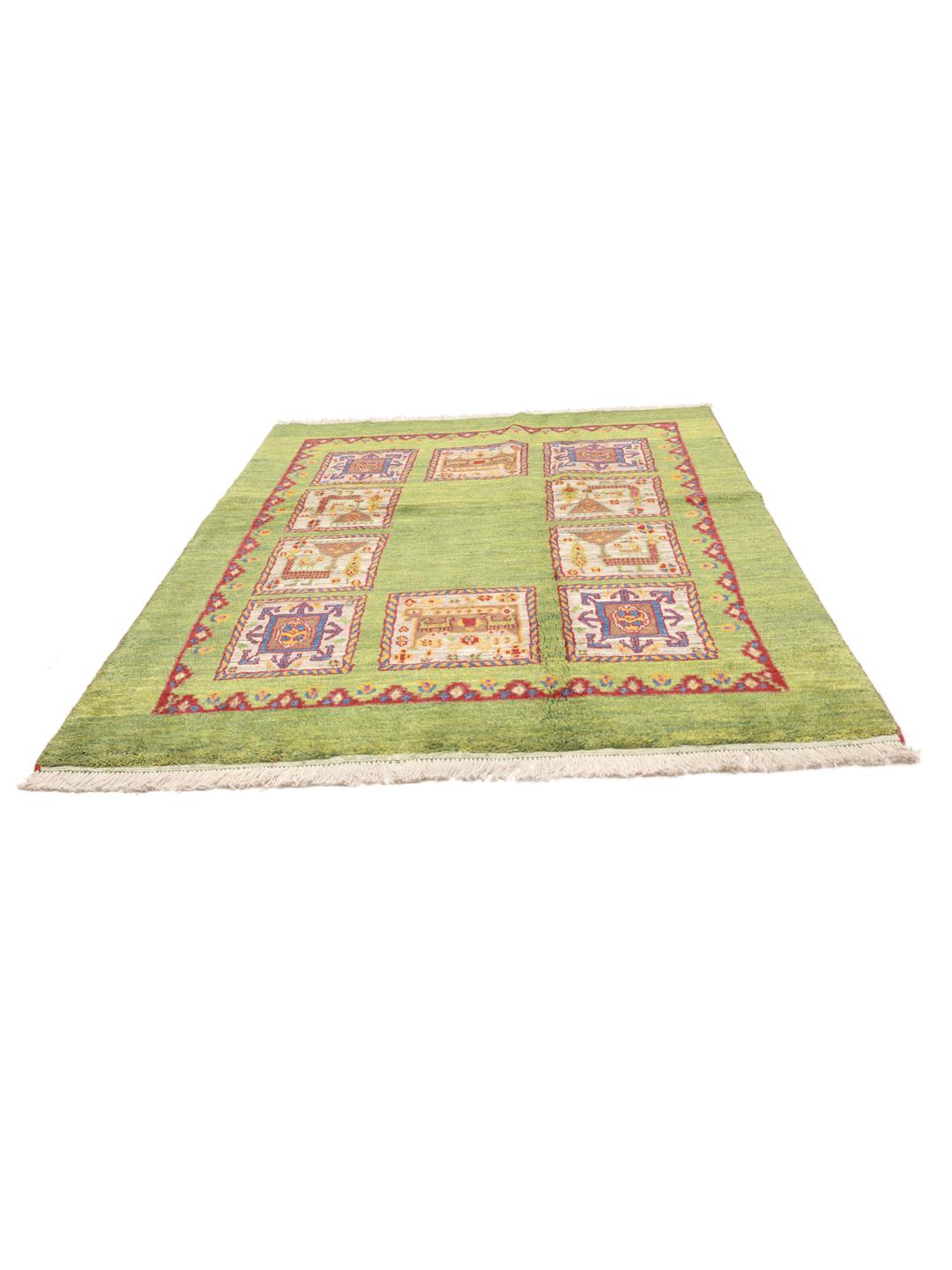
Loribaft rugs originate from the nomadic tribes of the Middle East, specifically the Luri people who have long been celebrated for their expressive and bold weaving traditions. These rugs are deeply tied to the landscape and the lifestyle of the tribes, often reflecting the natural colours and stories of the rugged, mountainous regions they call home. The transition of these styles into wider interior design has made them highly sought after by those who value authentic, culturally rich home decor.
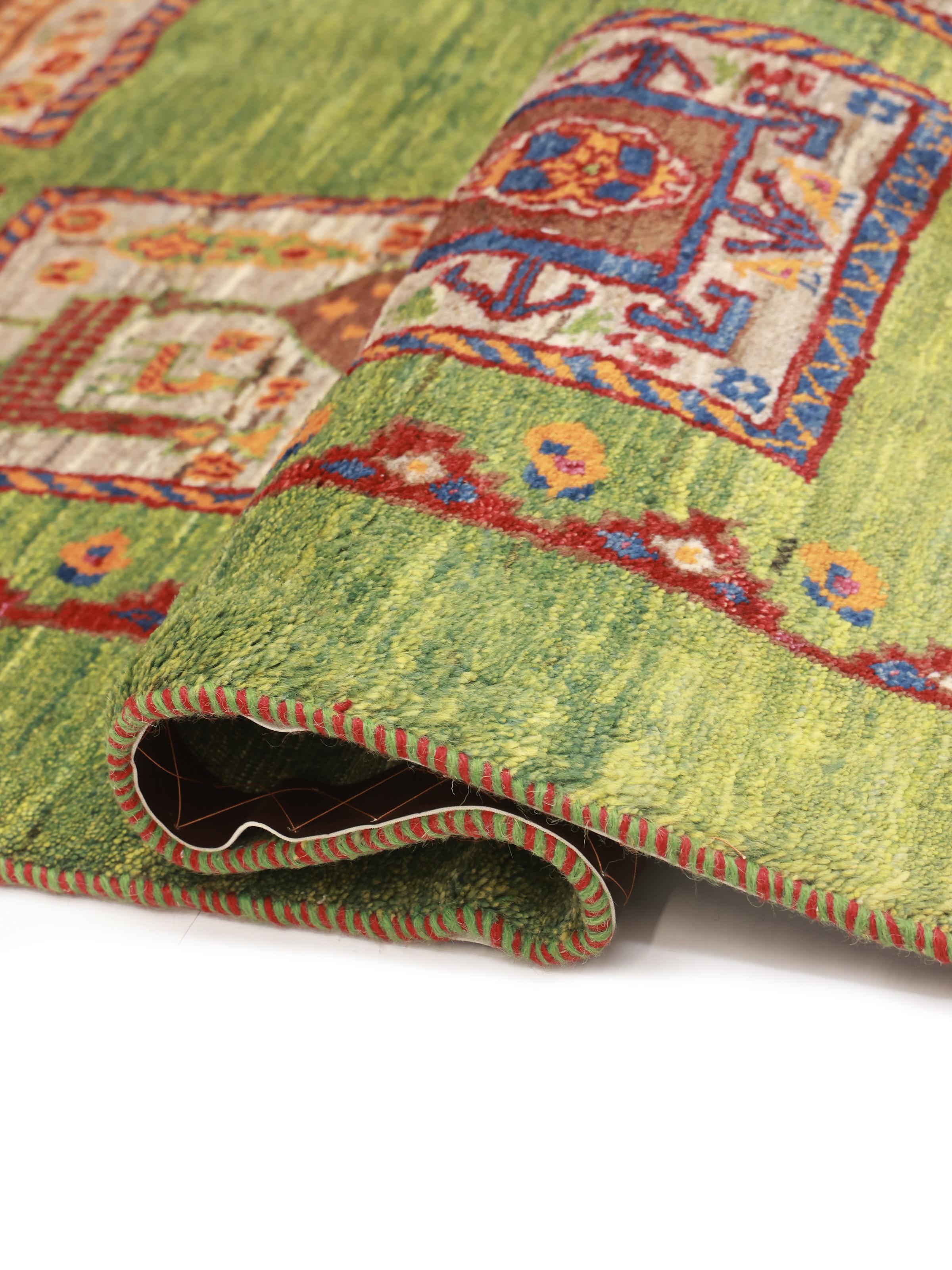
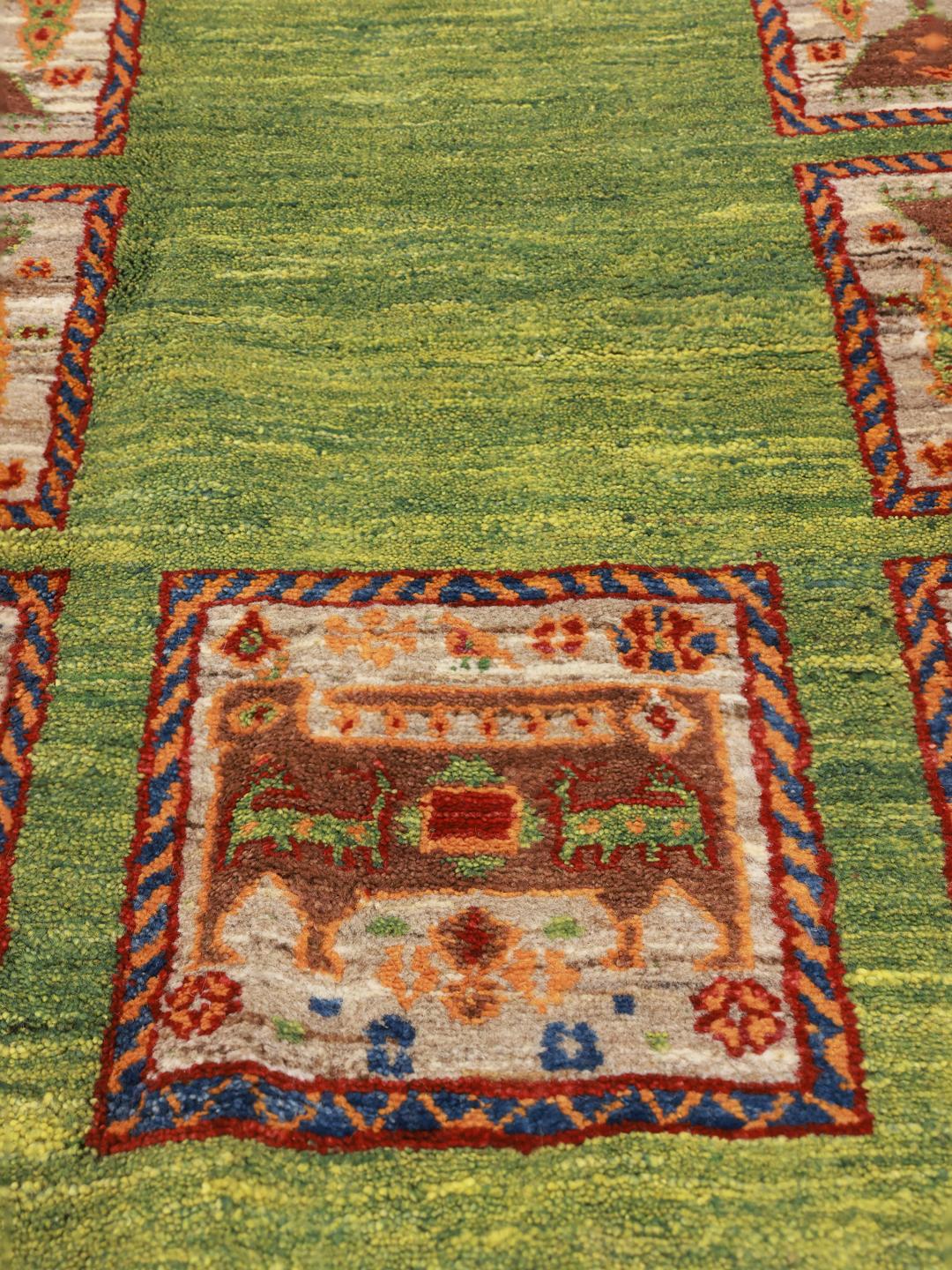
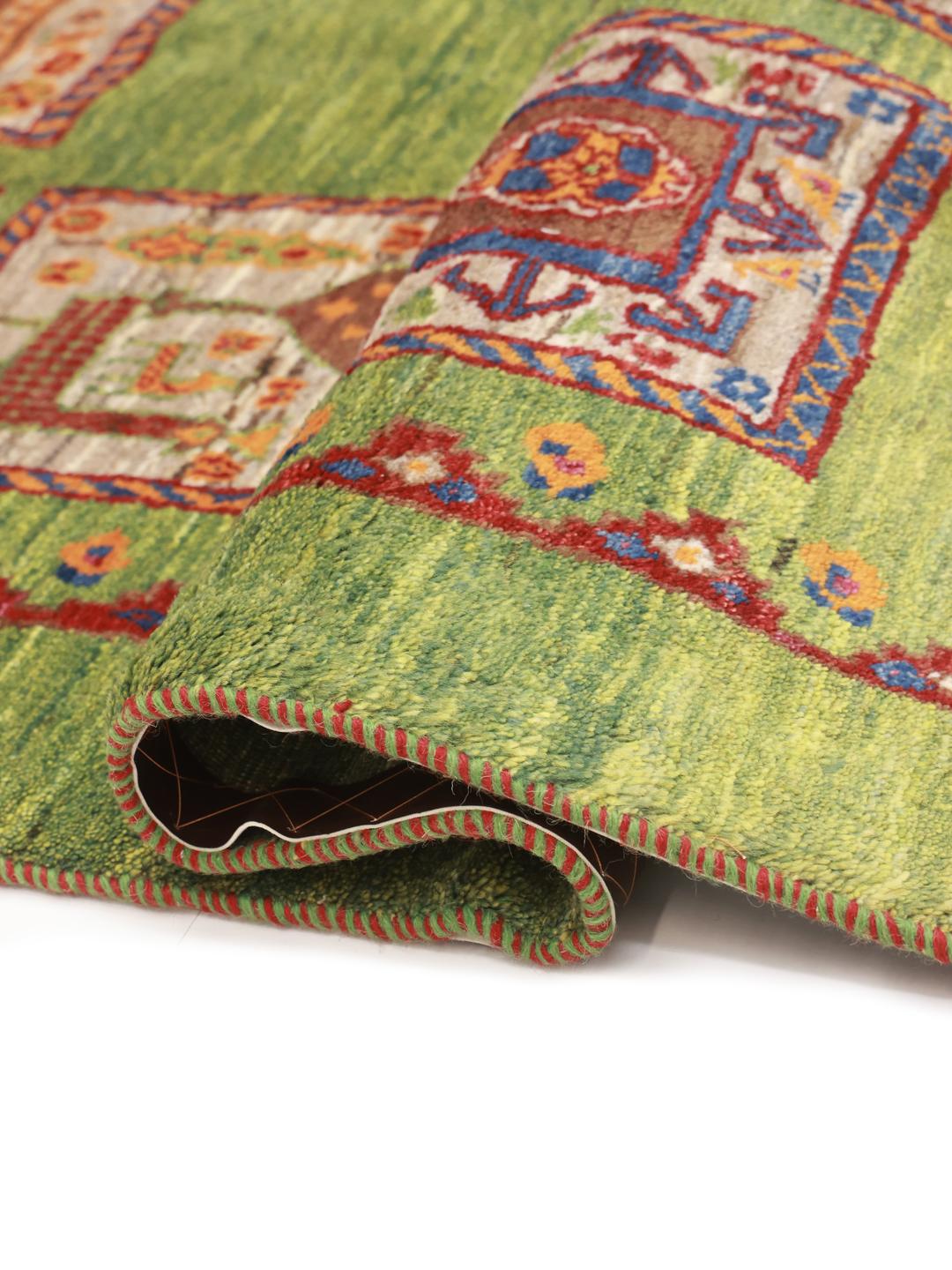
The name itself, often associated with the Kashkooli style, refers to a specific approach to weaving that prioritises a softer, more luxurious pile than traditional nomadic rugs. This is achieved through the use of high-quality, long-staple wool, which is carefully spun and then knotted to create a surface that is both exceptionally soft to the touch and remarkably durable. This technique allows for a more fluid and artistic expression of patterns compared to more rigid, geometric styles.
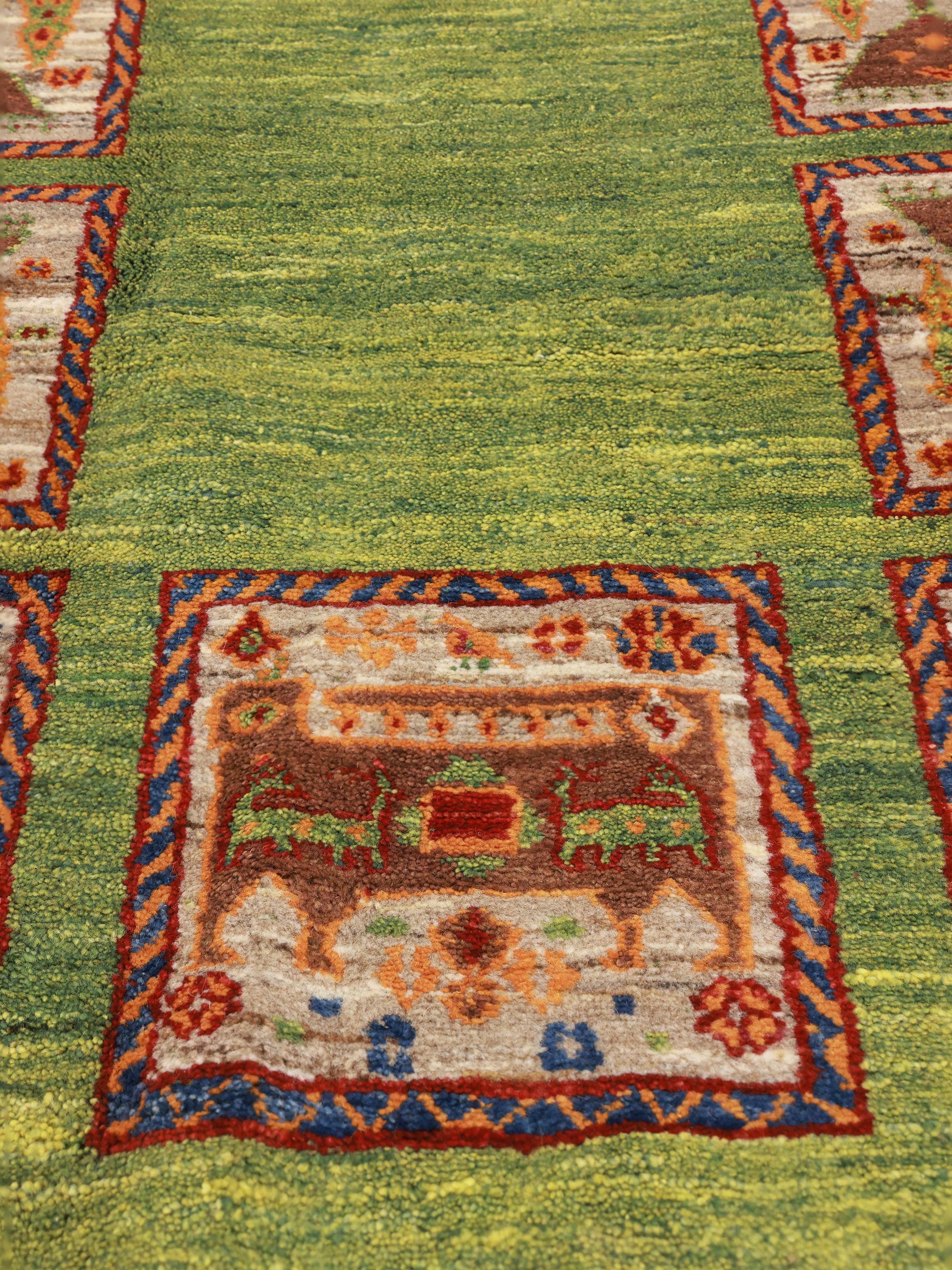
Signature elements of this tradition include the use of bold, saturated colours—often derived from natural plant and mineral dyes—and a focus on storytelling through motifs. While many rugs follow strict, repetitive patterns, Loribaft and Kashkooli rugs are known for their more spontaneous and artistic layouts. The motifs often include stylised animals, plants, and tribal symbols that serve as a visual language passed down through generations of weavers.
Collecting a rug from this tradition is an act of preserving a dying art form. Because these pieces are made by hand without the aid of modern technology, each rug carries the signature of its maker and the cultural heritage of its origin. Owning a Loribaft is more than just purchasing a floor covering; it is acquiring a piece of history that embodies the skill, patience, and creative spirit of Middle Eastern nomadic culture.