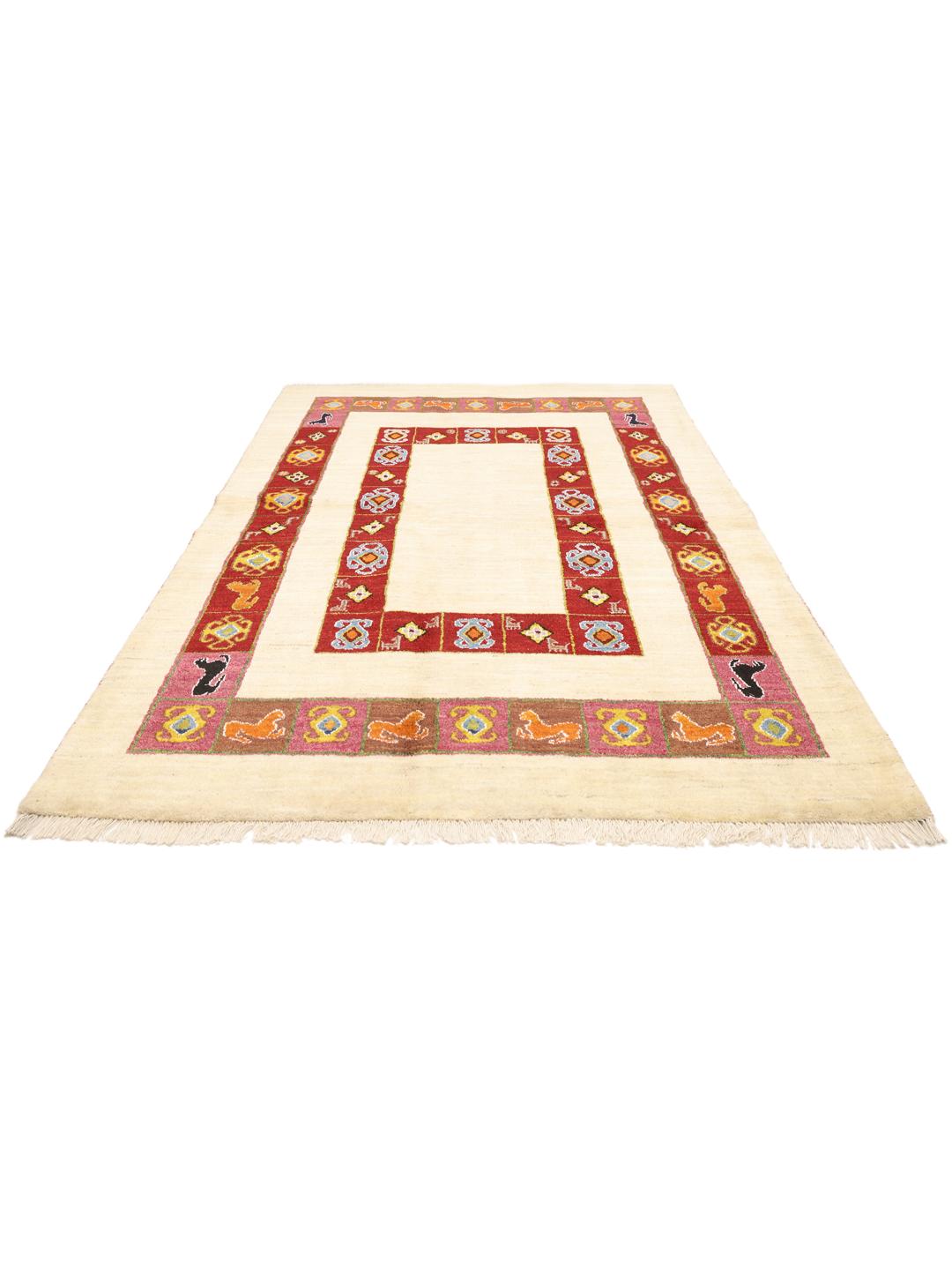
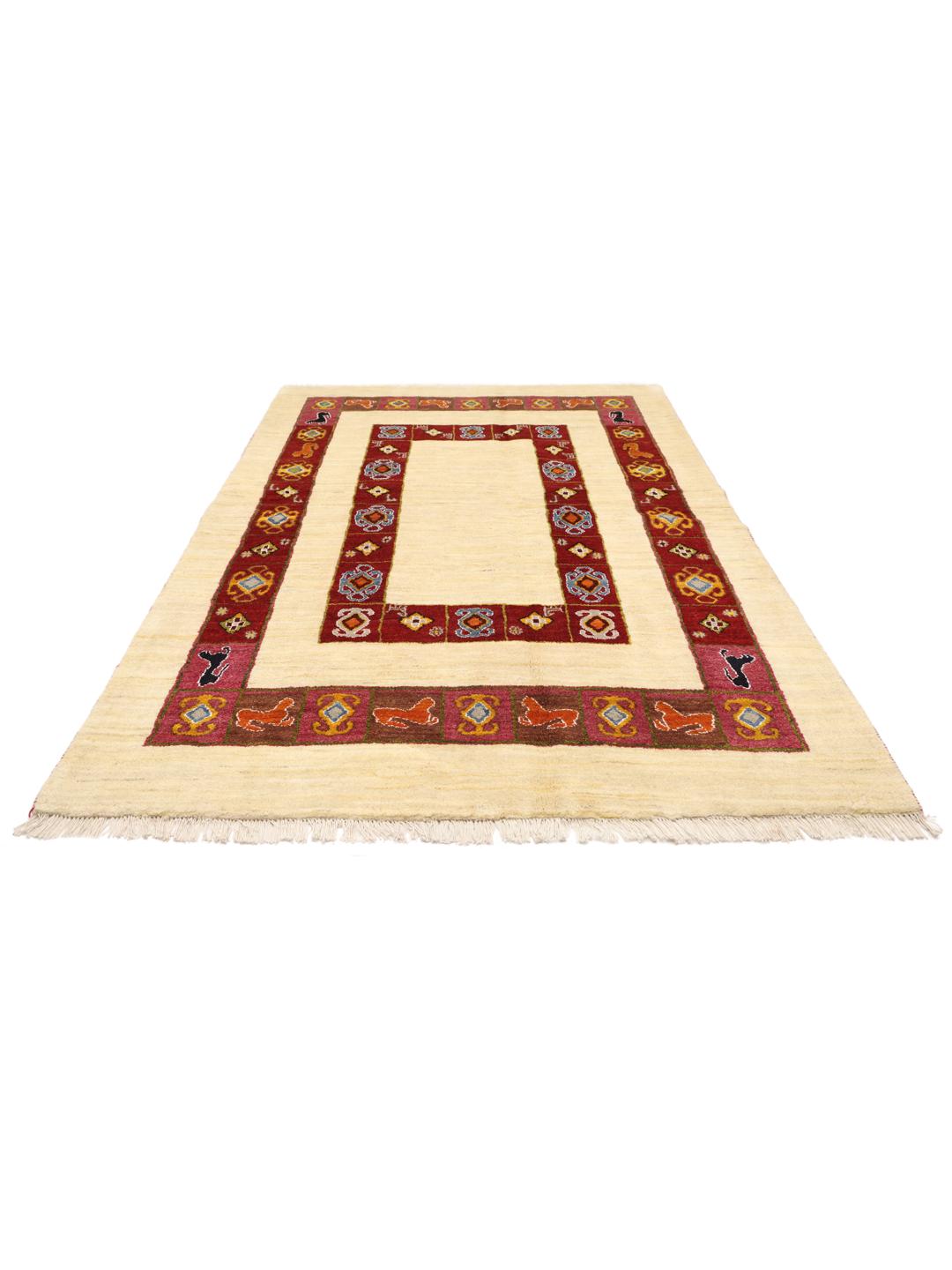
Loribaft rugs originate from the mountainous regions of the Middle East, deeply rooted in the nomadic traditions of the Luri and Qashqai tribes. These rugs were historically crafted for personal use within tents, serving as essential insulation against the harsh climate while doubling as canvases for storytelling and cultural expression.
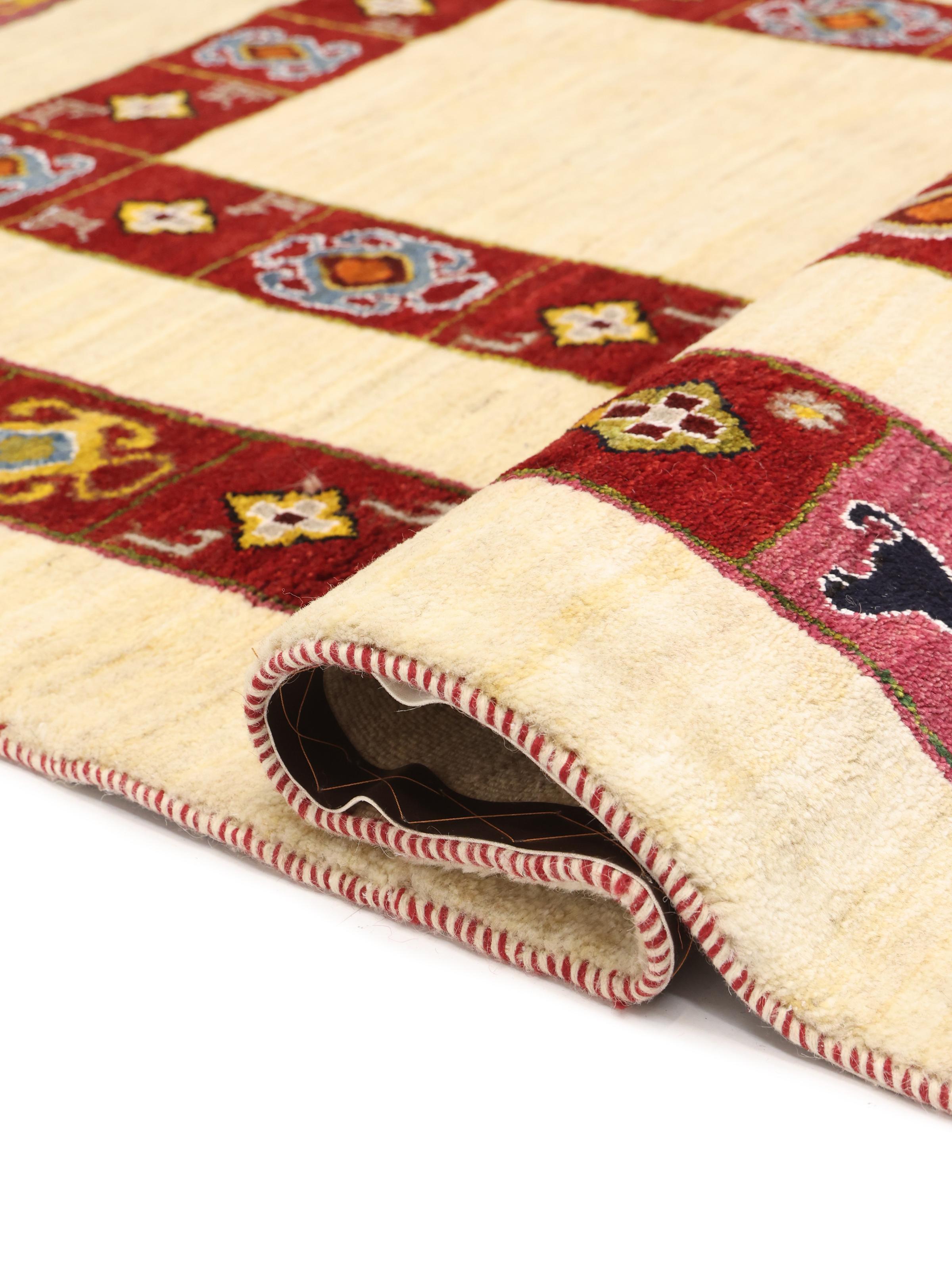
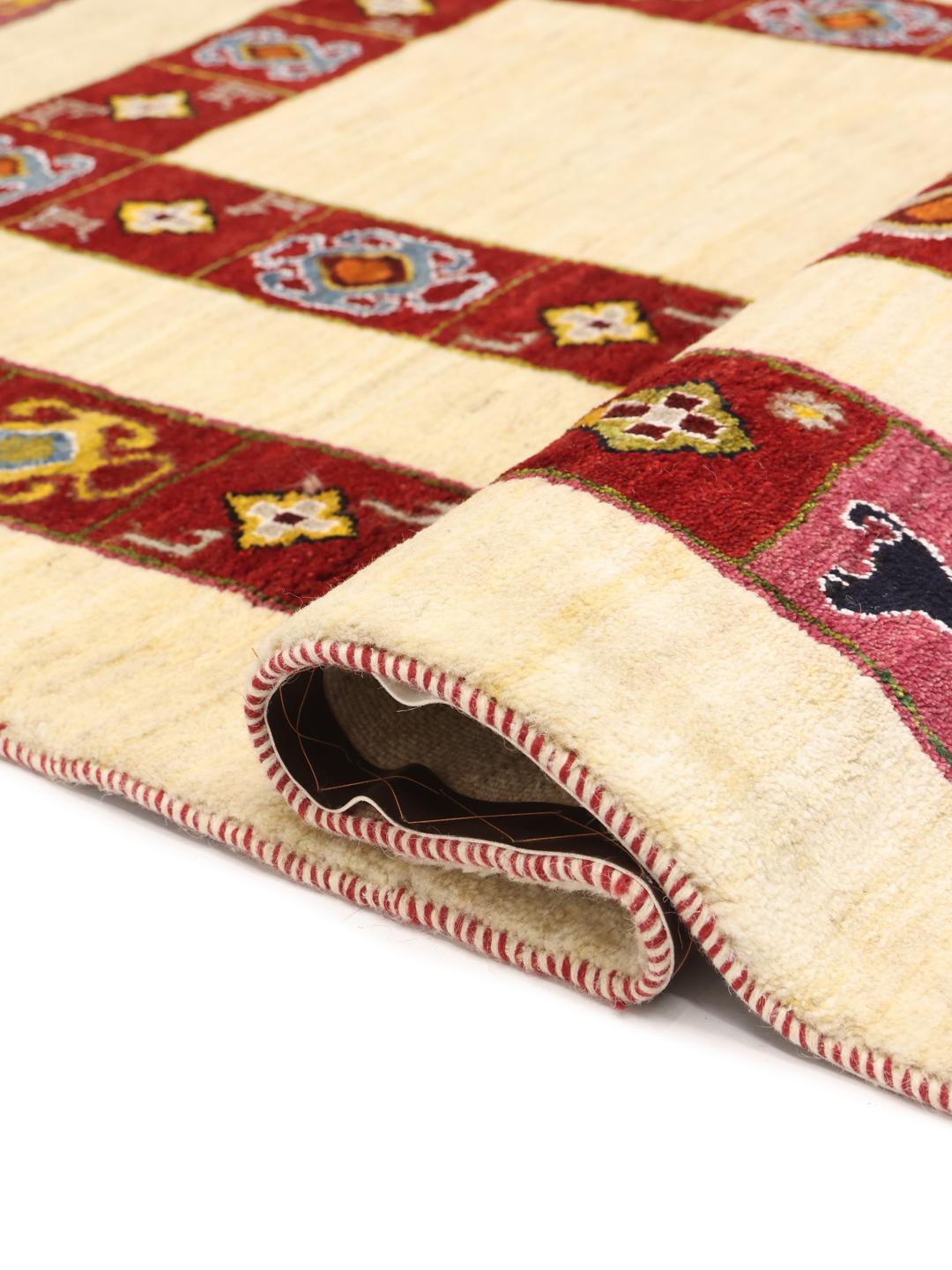
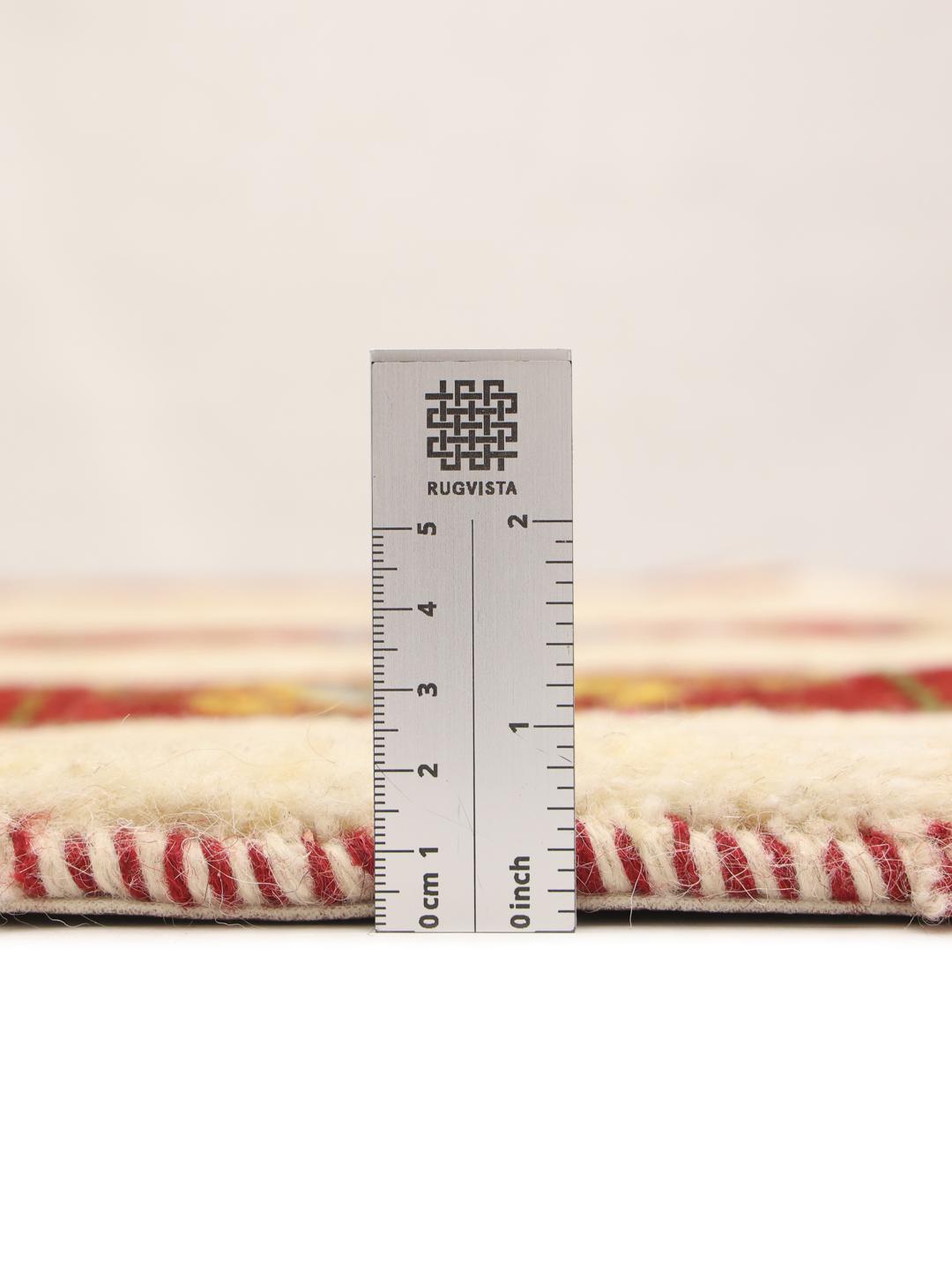
The term 'Loribaft' refers to a specific style of weaving that emphasises a denser, more plush pile compared to traditional flatweaves. By utilising high-quality wool, these rugs achieve a soft, deep texture that was designed to provide comfort in nomadic life. This evolution from purely functional floor coverings to prized decorative items has maintained the emphasis on quality and longevity.
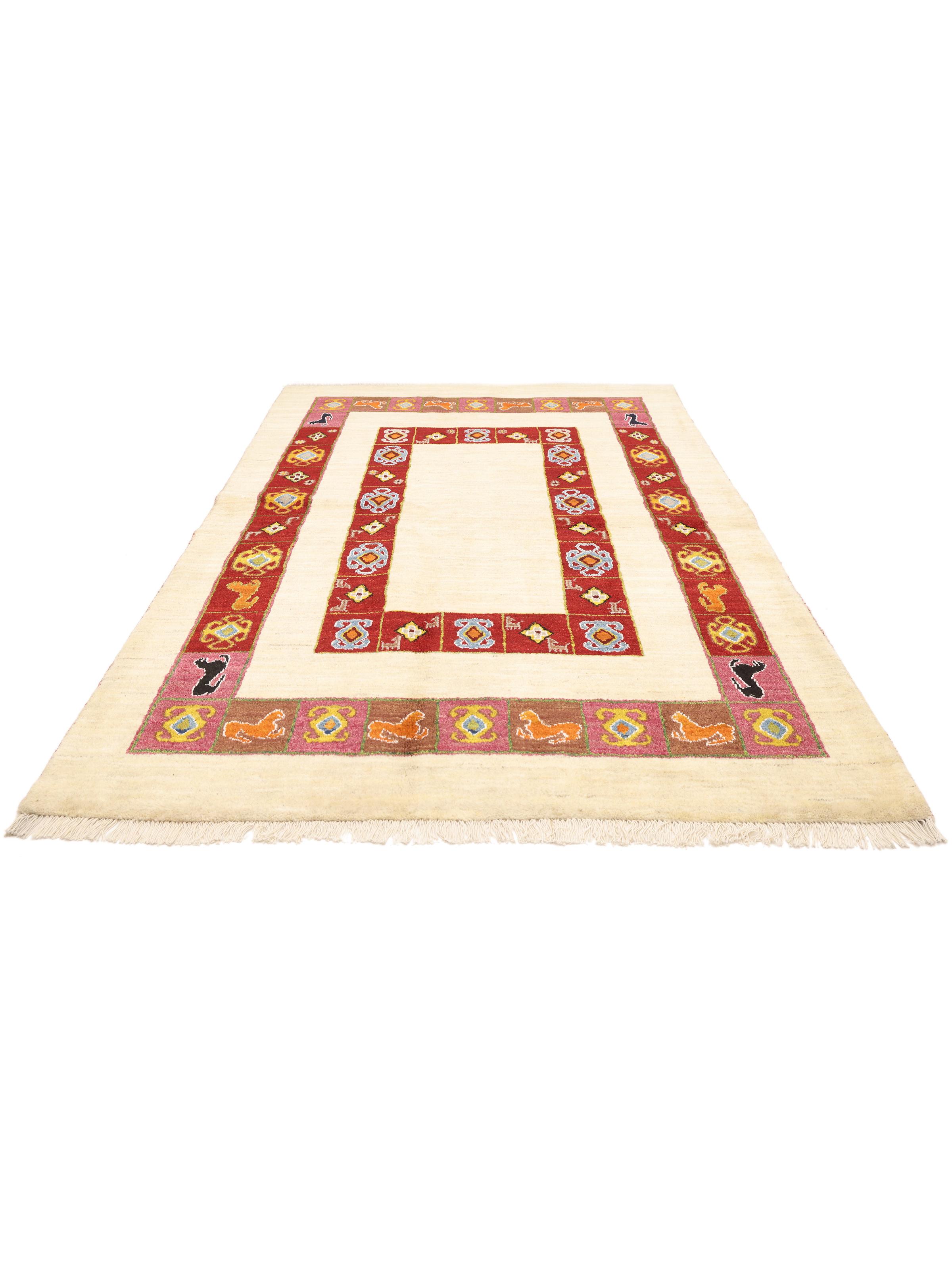
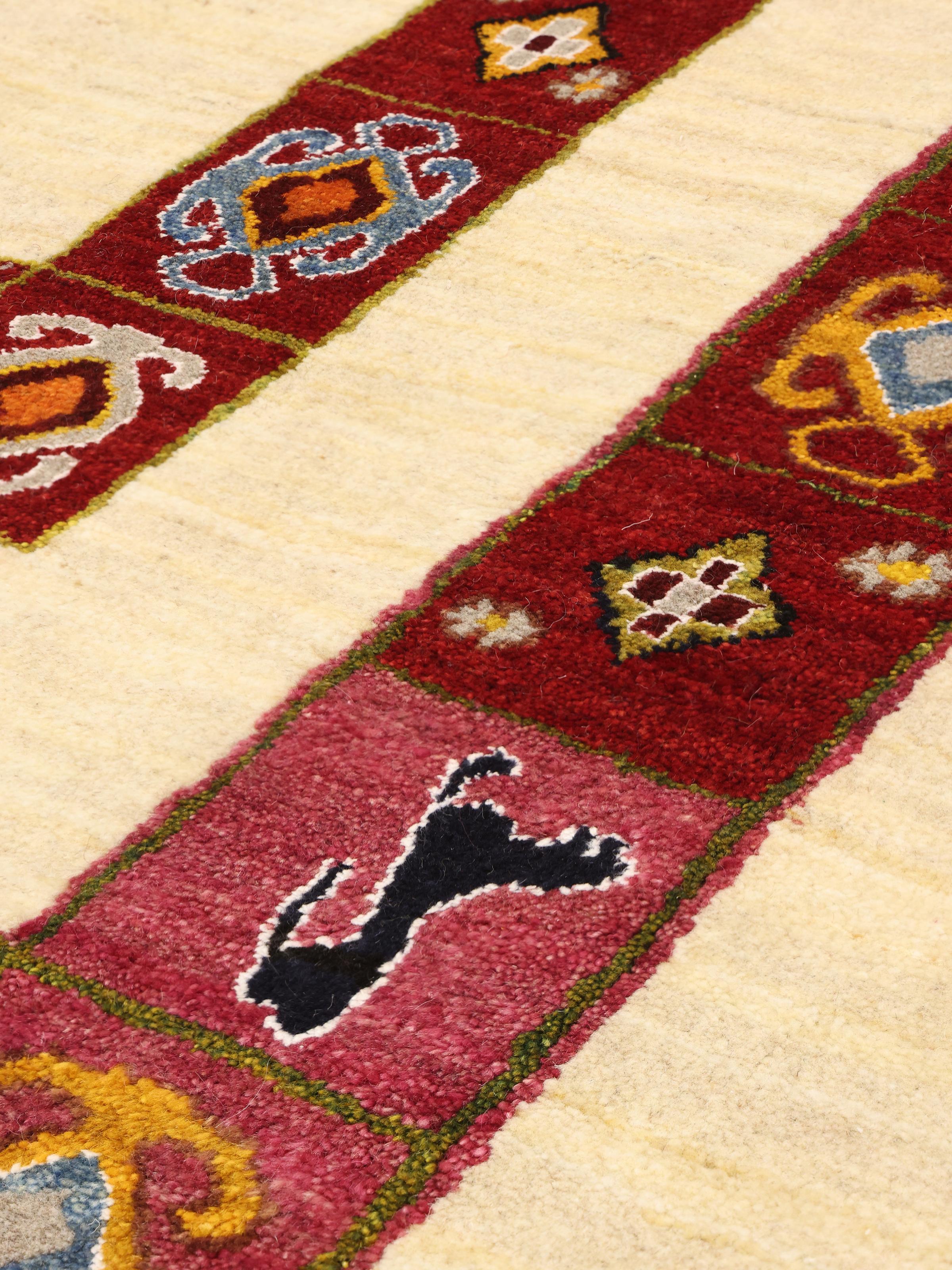
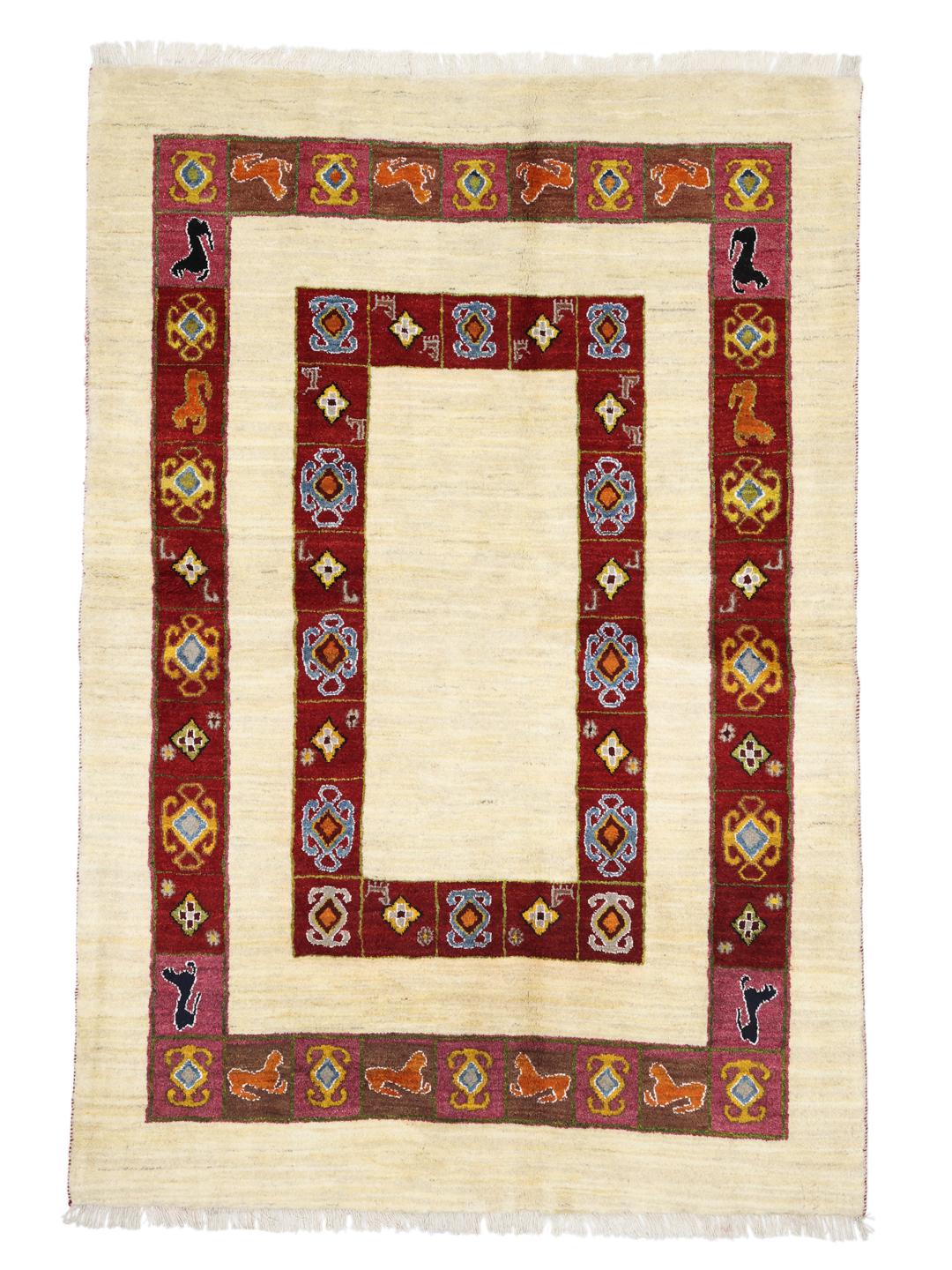
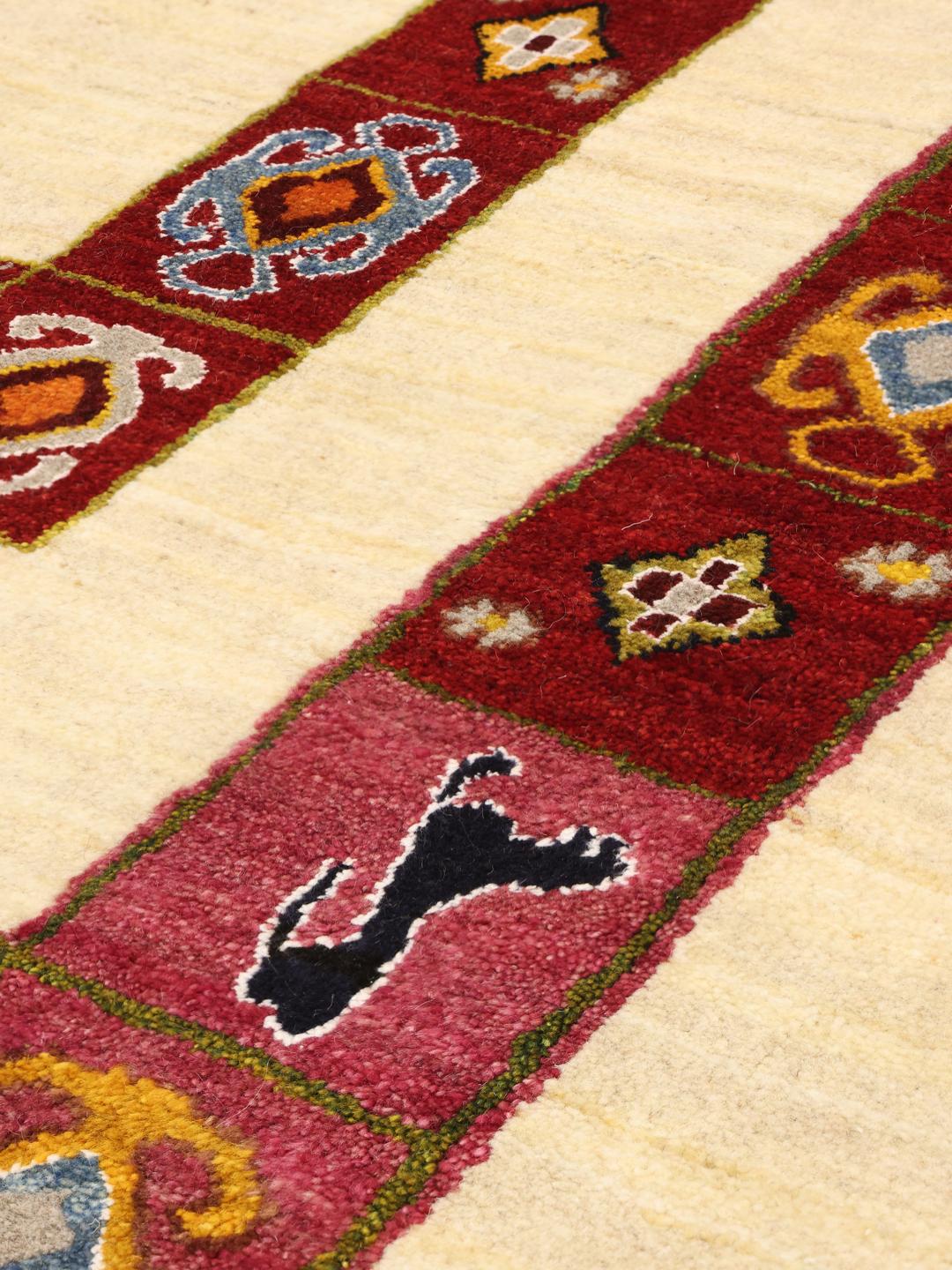
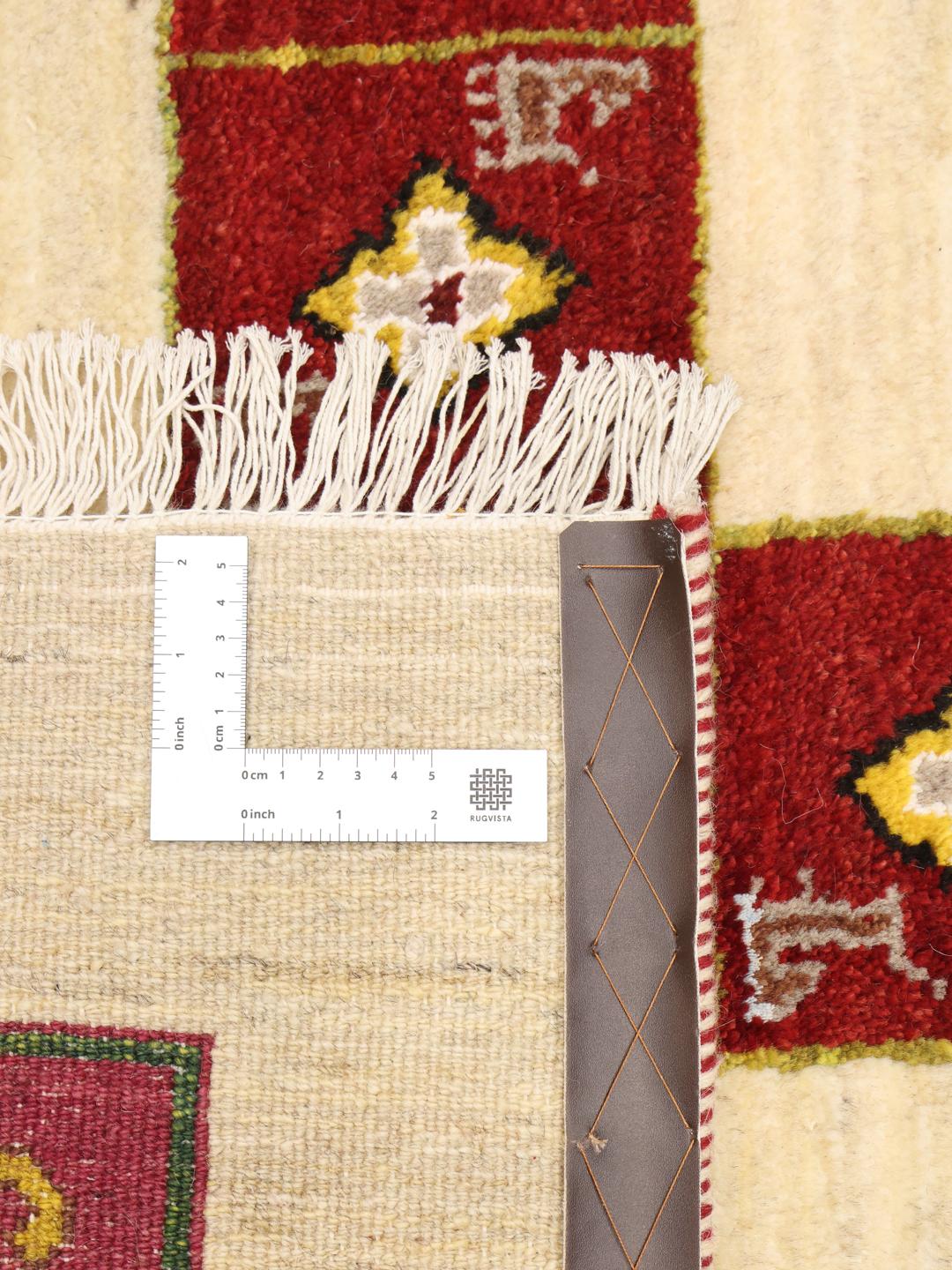
Visually, these rugs are celebrated for their bold, often whimsical geometric motifs, which frequently depict animals, plants, and tribal symbols. The borders are typically vibrant and expressive, contrasting beautifully with the more neutral, expansive fields. This specific piece features such decorative borders, showcasing the blend of creativity and formal structure that defines the Loribaft tradition.
Today, these rugs are highly sought after by collectors who value the preservation of ancient weaving techniques. Owning a Loribaft is not just about the aesthetic appeal, but about honouring the skill and heritage of the artisans who have passed these patterns down through generations. It is a piece that connects the modern home to a rich, enduring cultural legacy.