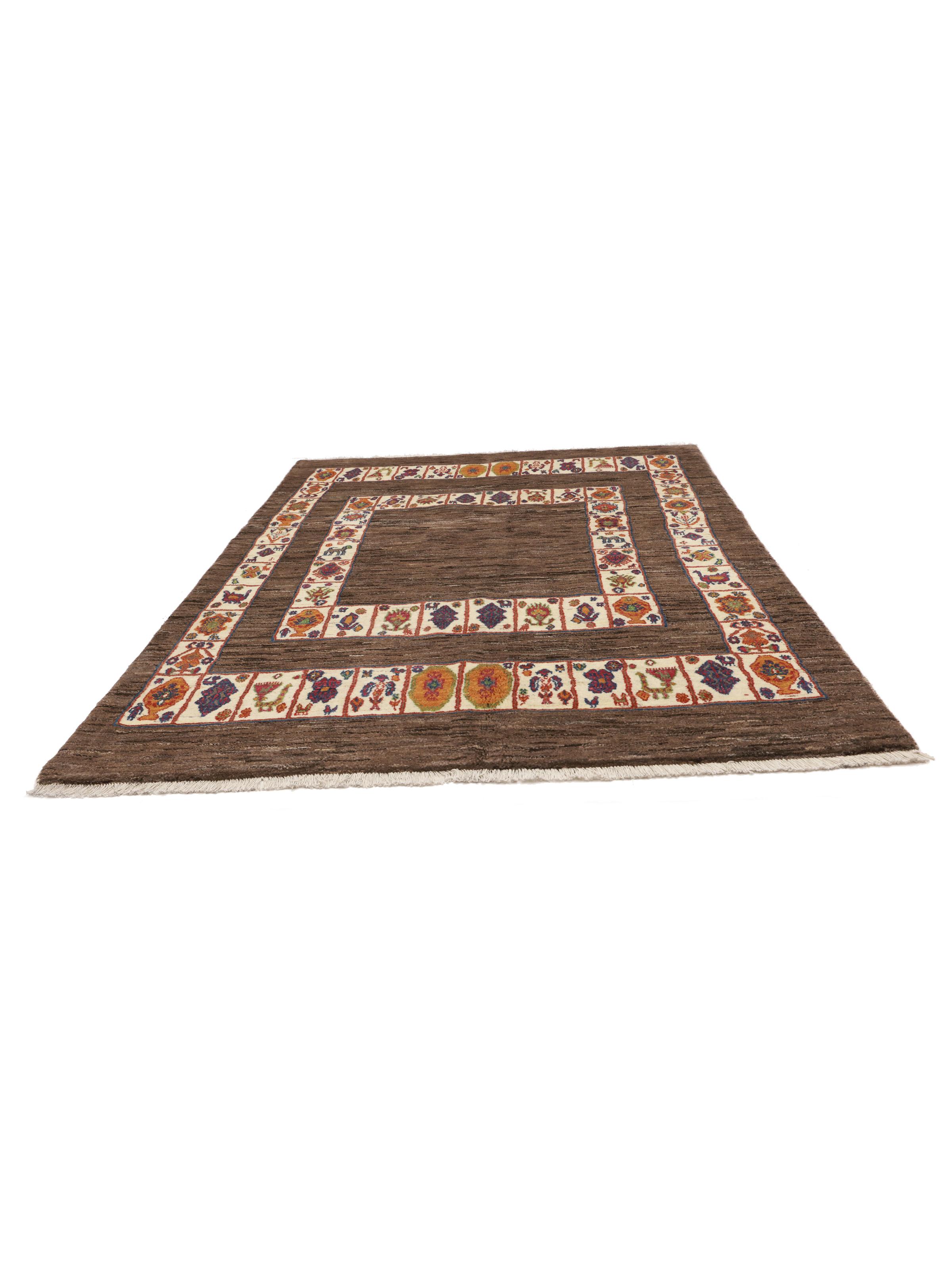
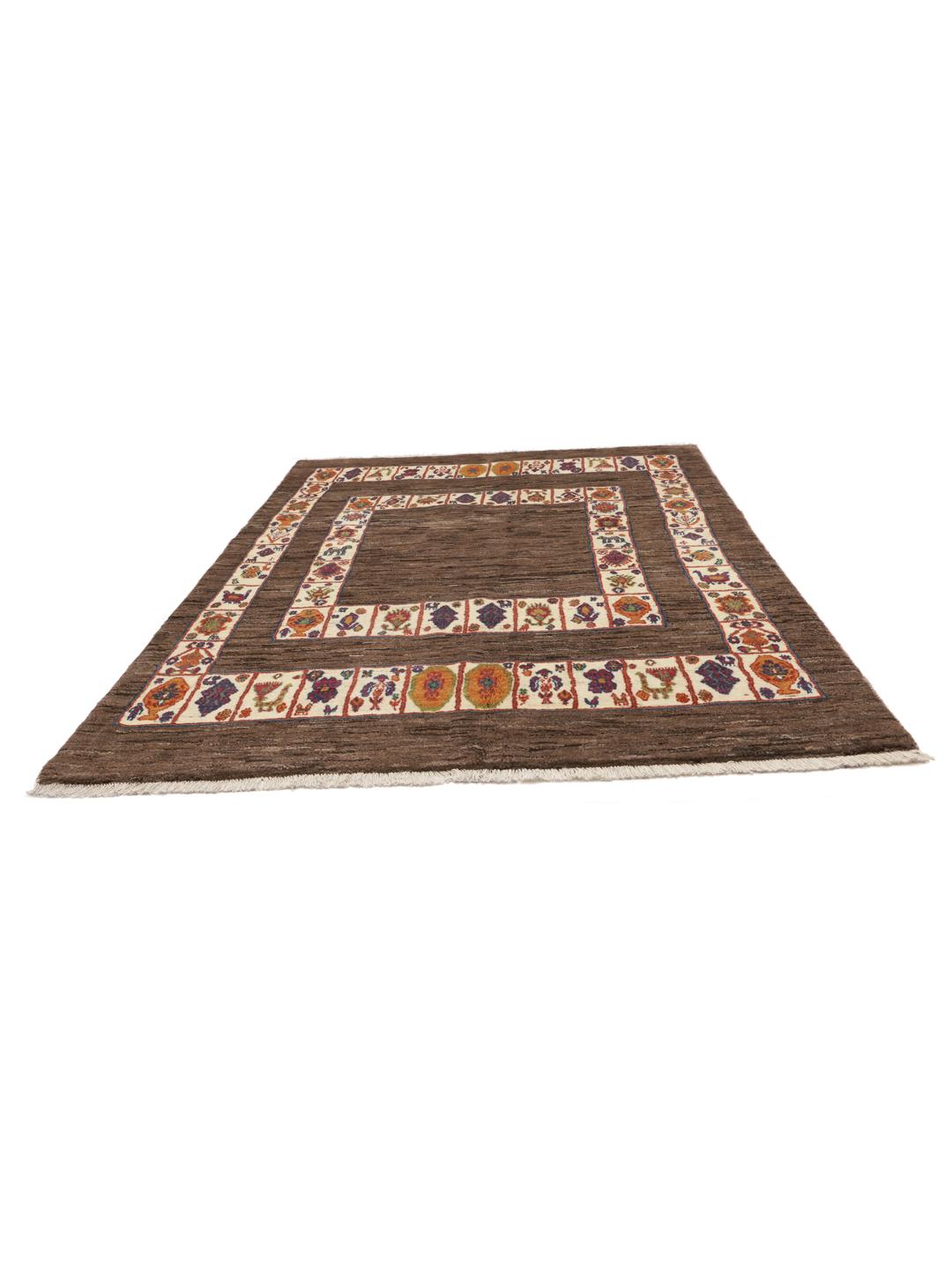
Loribaft rugs are deeply rooted in the nomadic traditions of the Middle East, specifically associated with the Luri and Bakhtiari tribes. These rugs were traditionally woven for personal use within nomadic households, serving as essential floor coverings that provided insulation against the harsh conditions of mountain life. The name itself reflects this heritage, with 'baft' referring to the weaving process that has been passed down through generations.
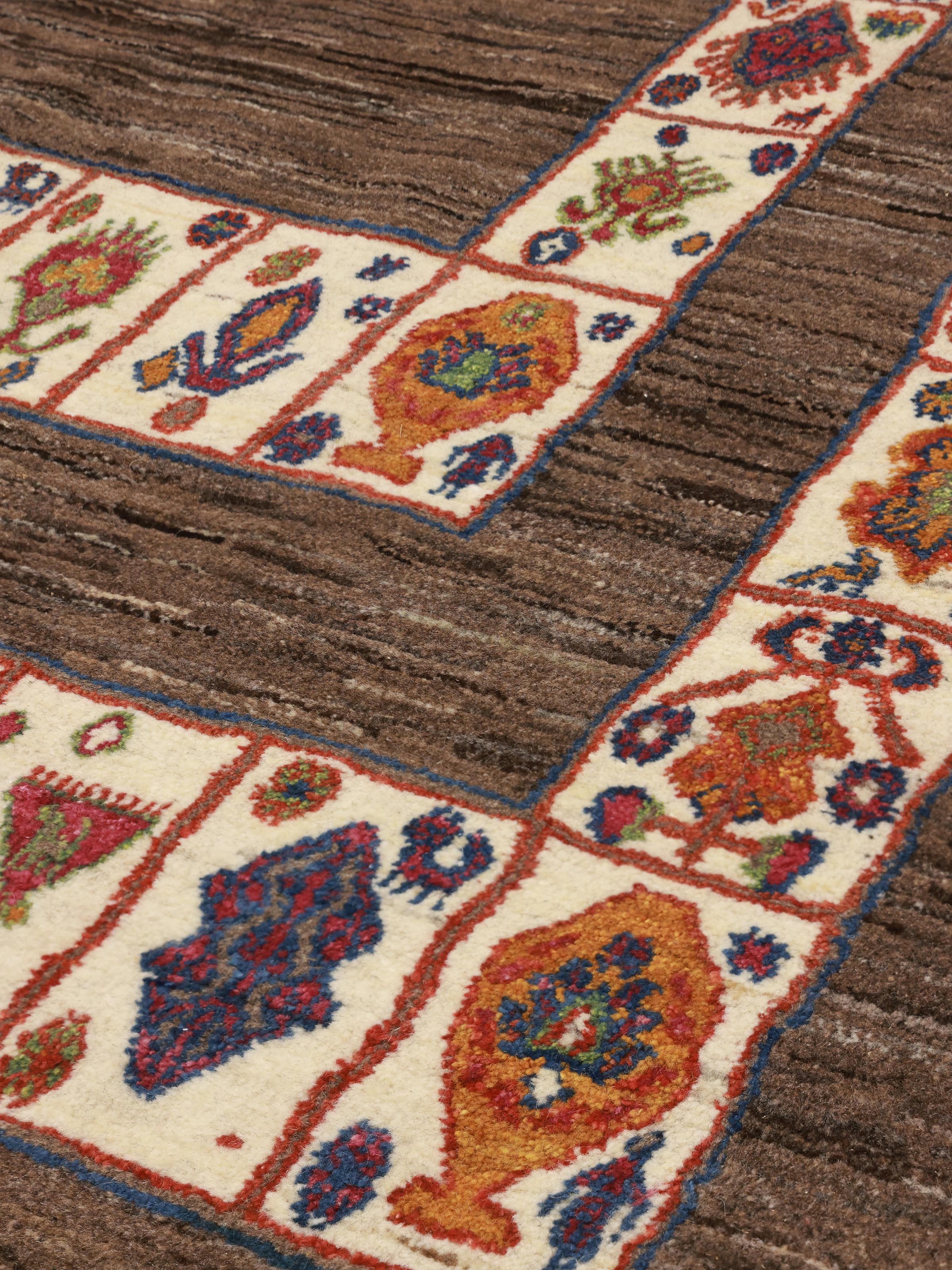
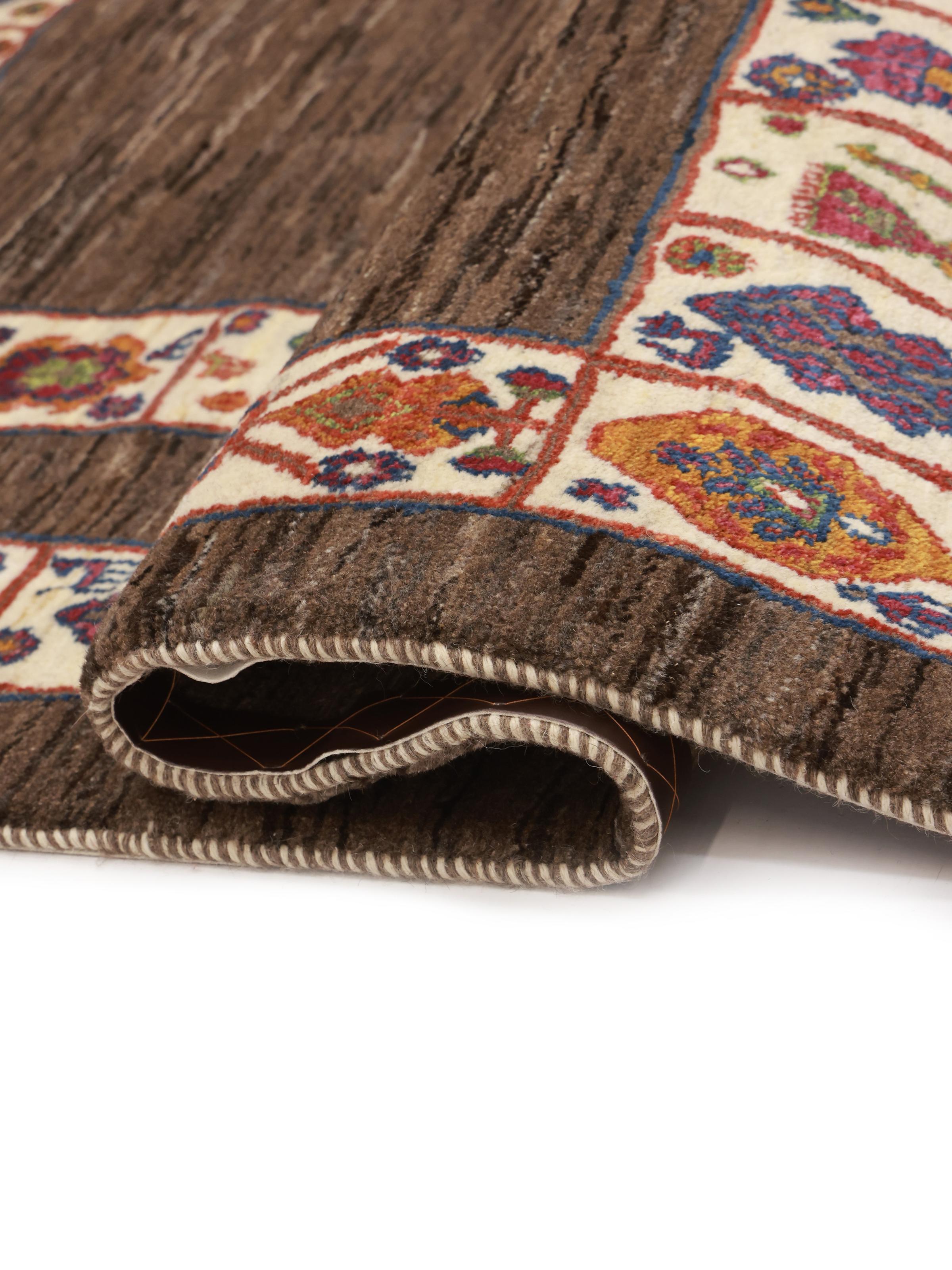
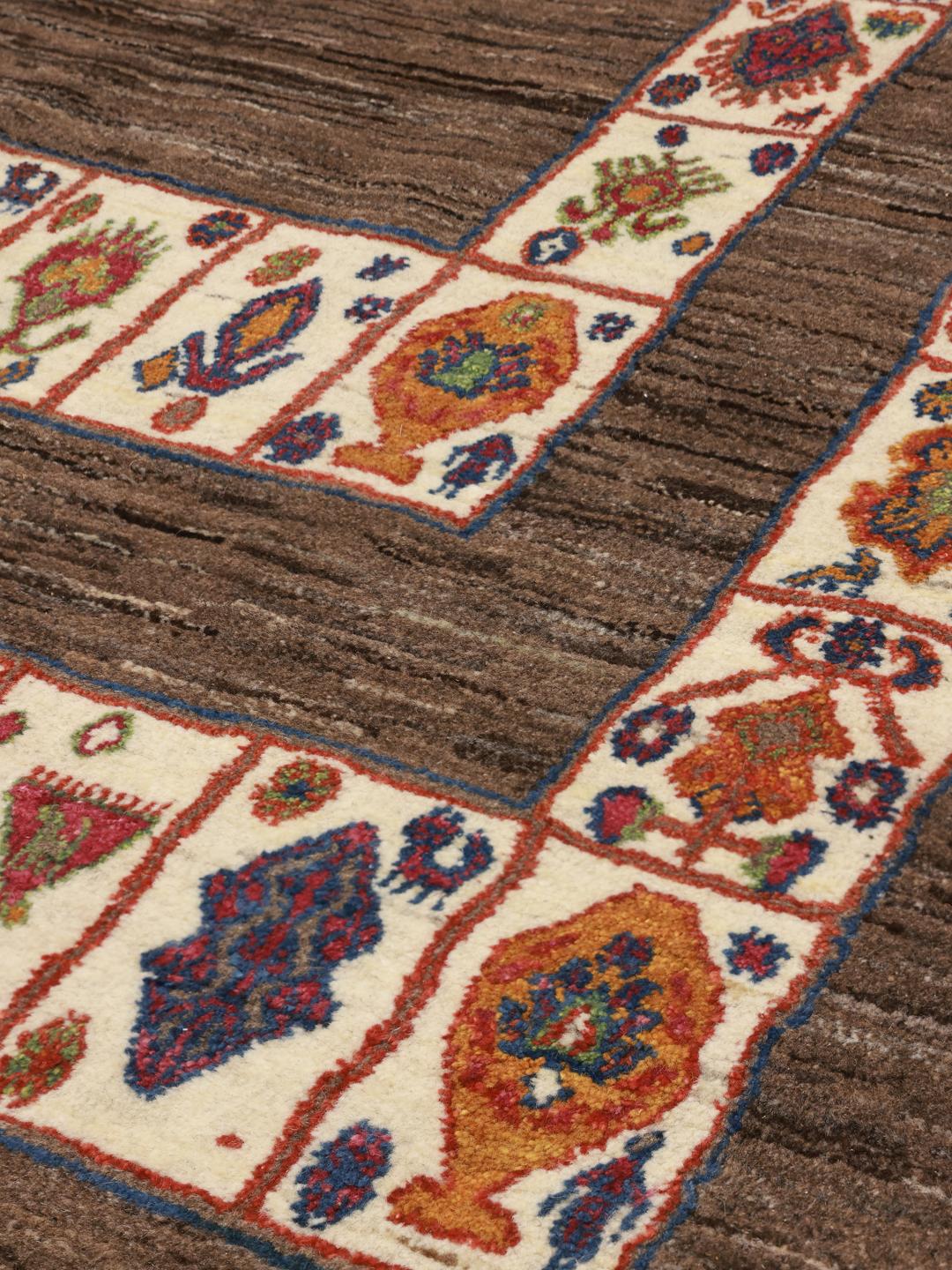
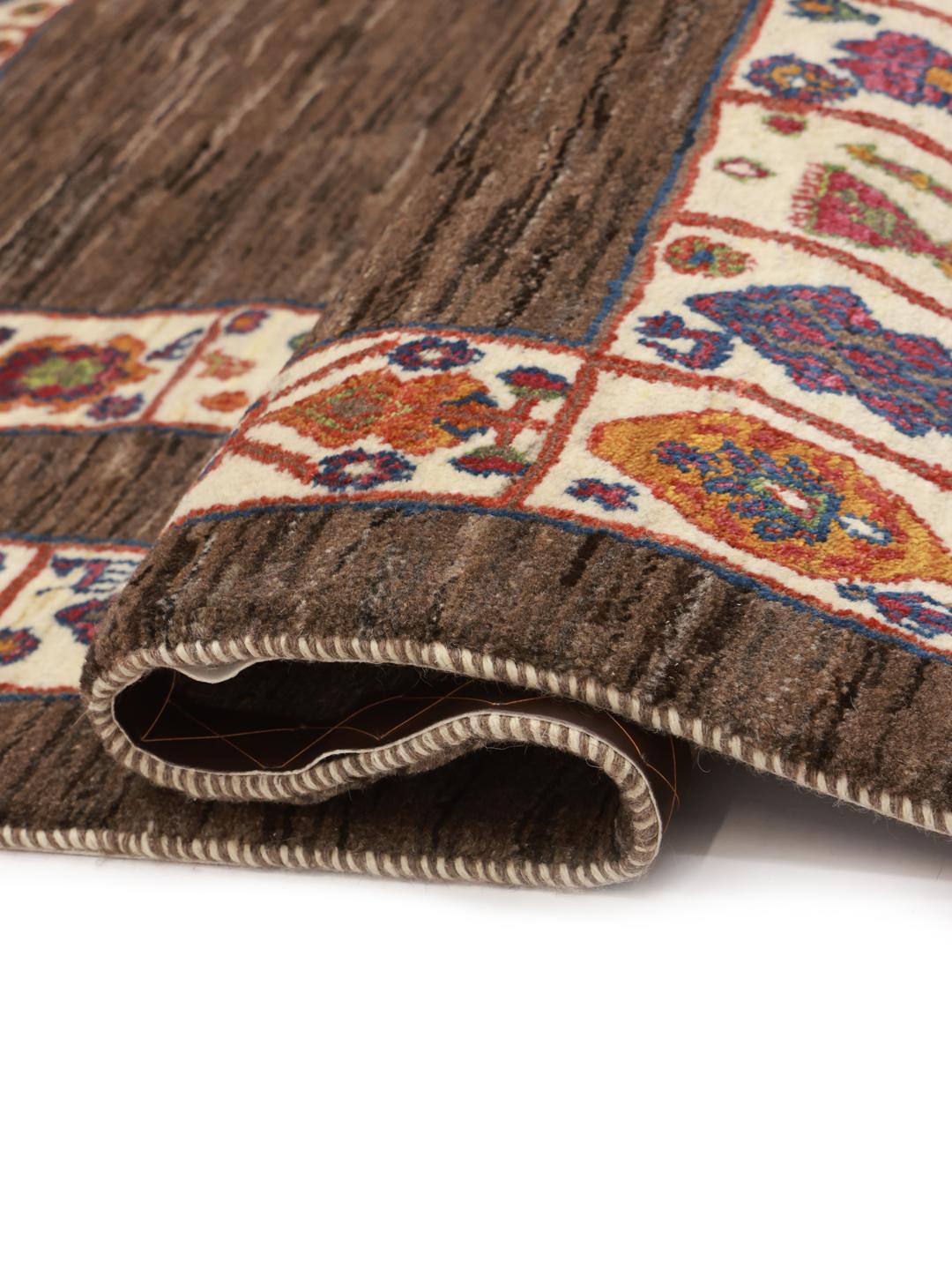
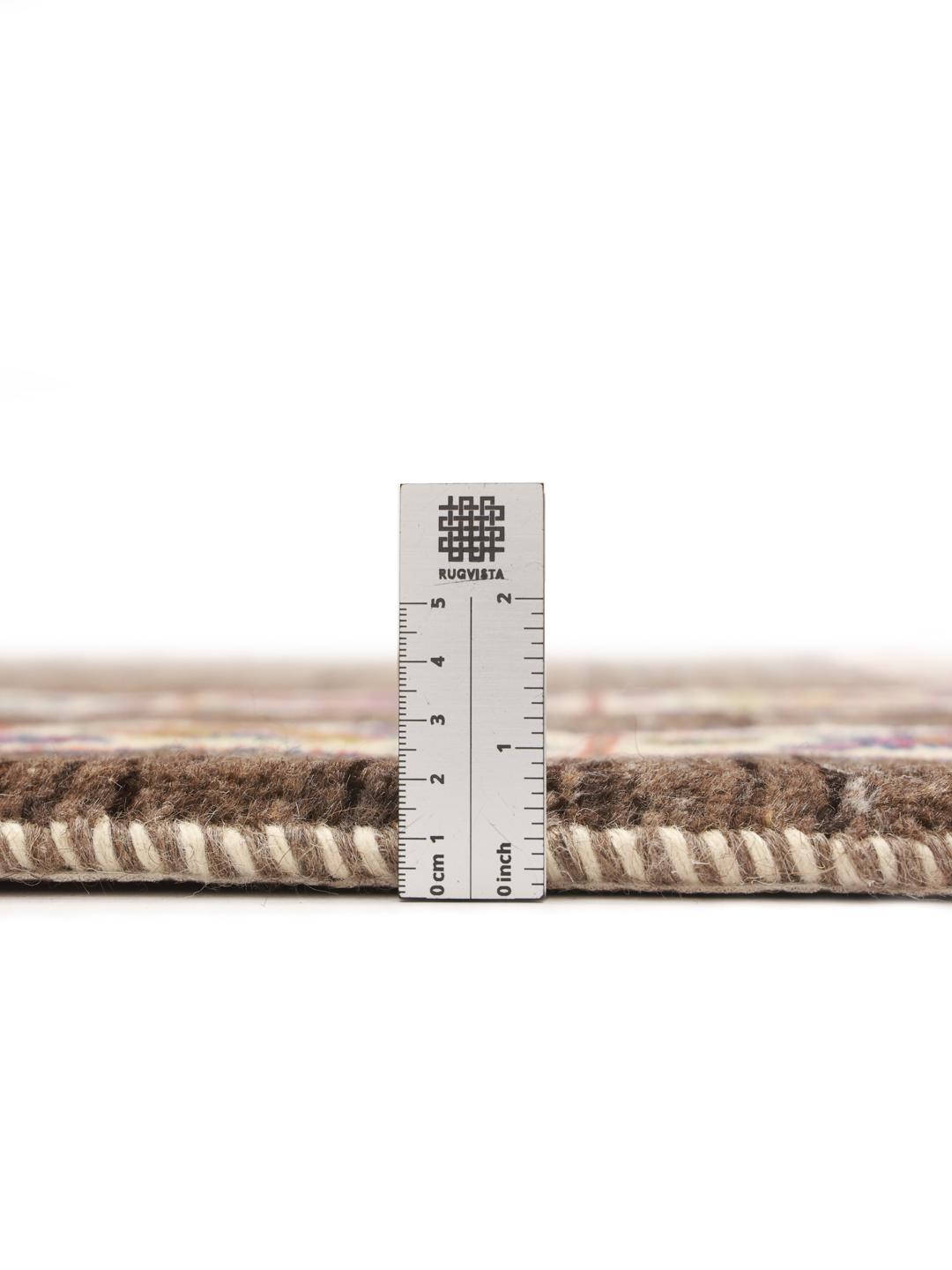
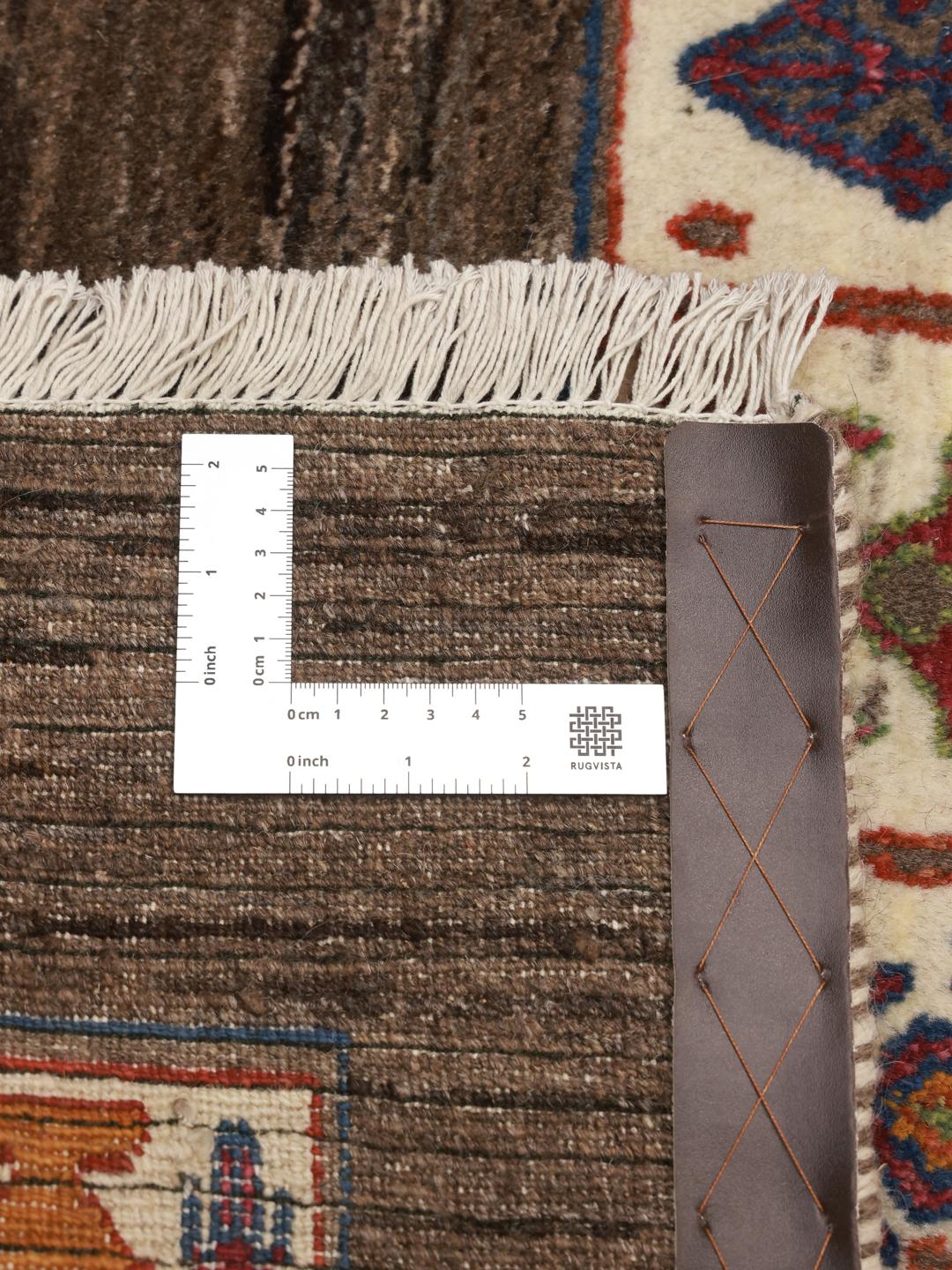
The construction of these rugs is a testament to the skill of the tribal weavers. They are known for their generous, thick pile, which is achieved through a specific knotting technique that creates a soft, plush feel underfoot. This density was historically necessary to provide warmth in high-altitude environments, and today, it remains a hallmark of the quality and comfort associated with these pieces.
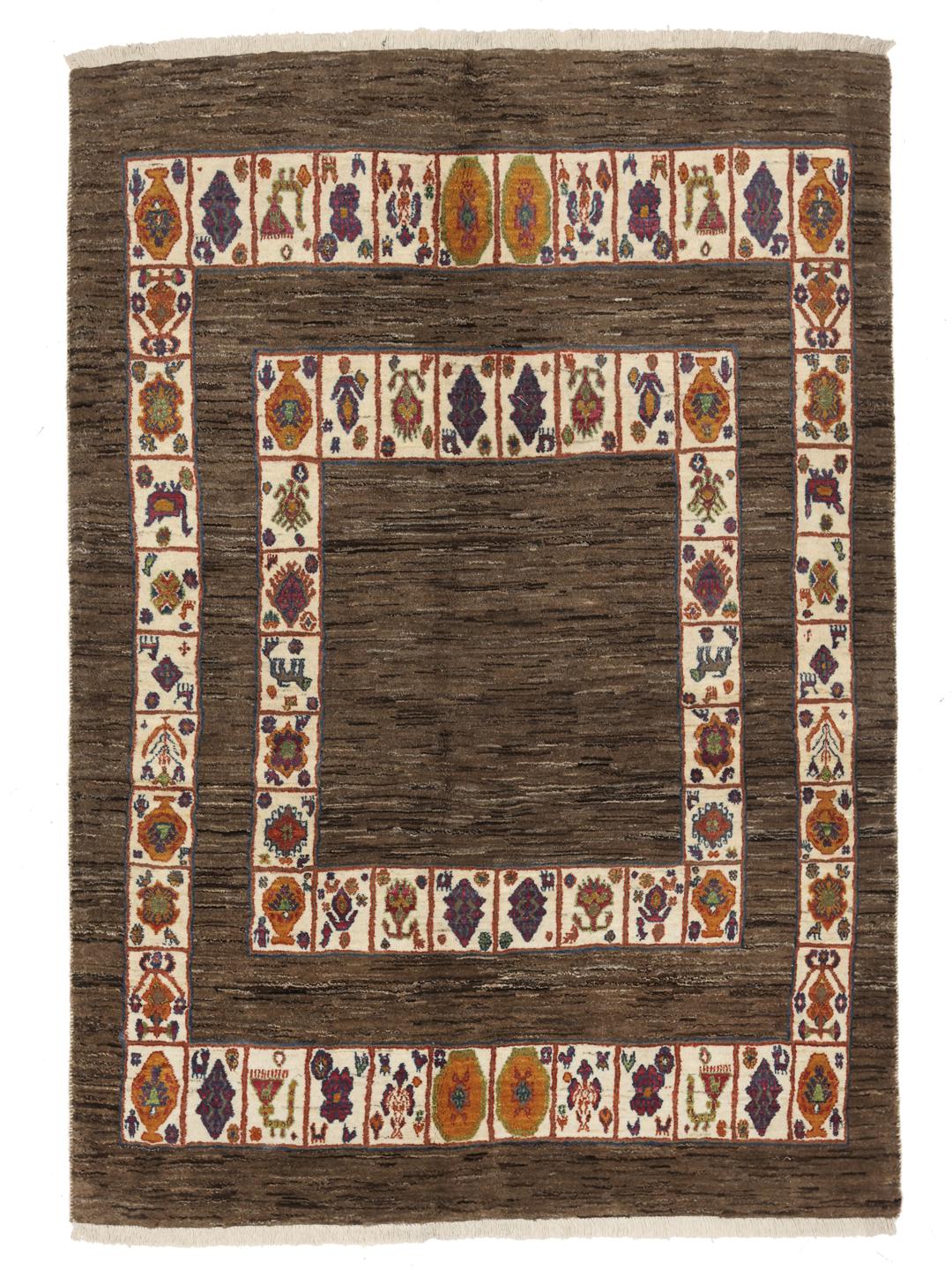
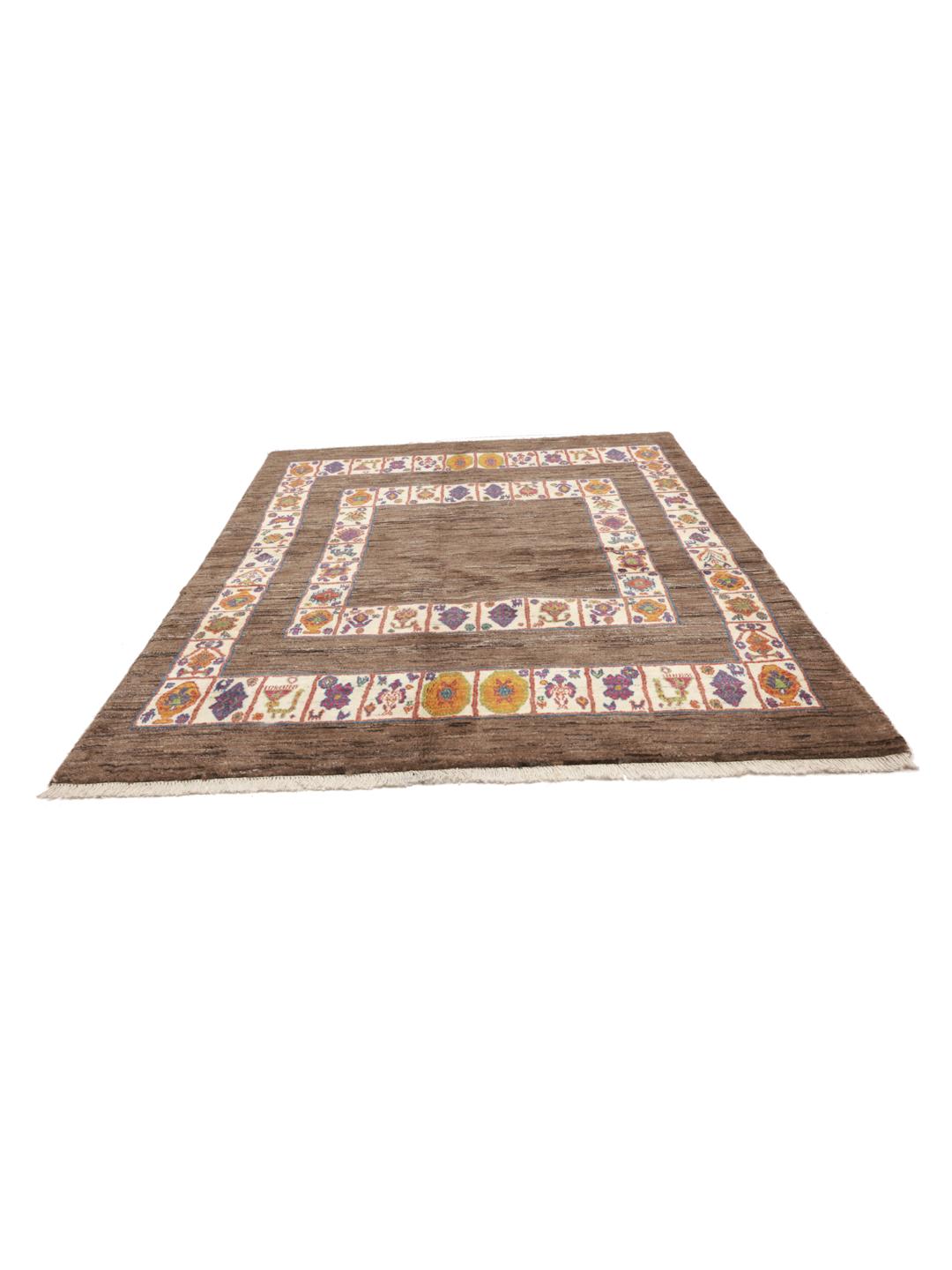
Visually, these rugs are celebrated for their expressive design language. While the fields are often kept relatively simple to showcase the quality of the wool, the borders are typically filled with stylized motifs, including geometric shapes, animals, and floral elements. These patterns are not just decorative; they are a visual language representing the weaver's environment, beliefs, and cultural identity.
Owning a Loribaft rug is an opportunity to connect with a living craft tradition. Collectors and homeowners value these pieces for their authenticity, the tangible skill of the weaver, and the way they bring a sense of history into a contemporary setting. Each rug is a repository of cultural knowledge, offering a depth and character that mass-produced items simply cannot match.