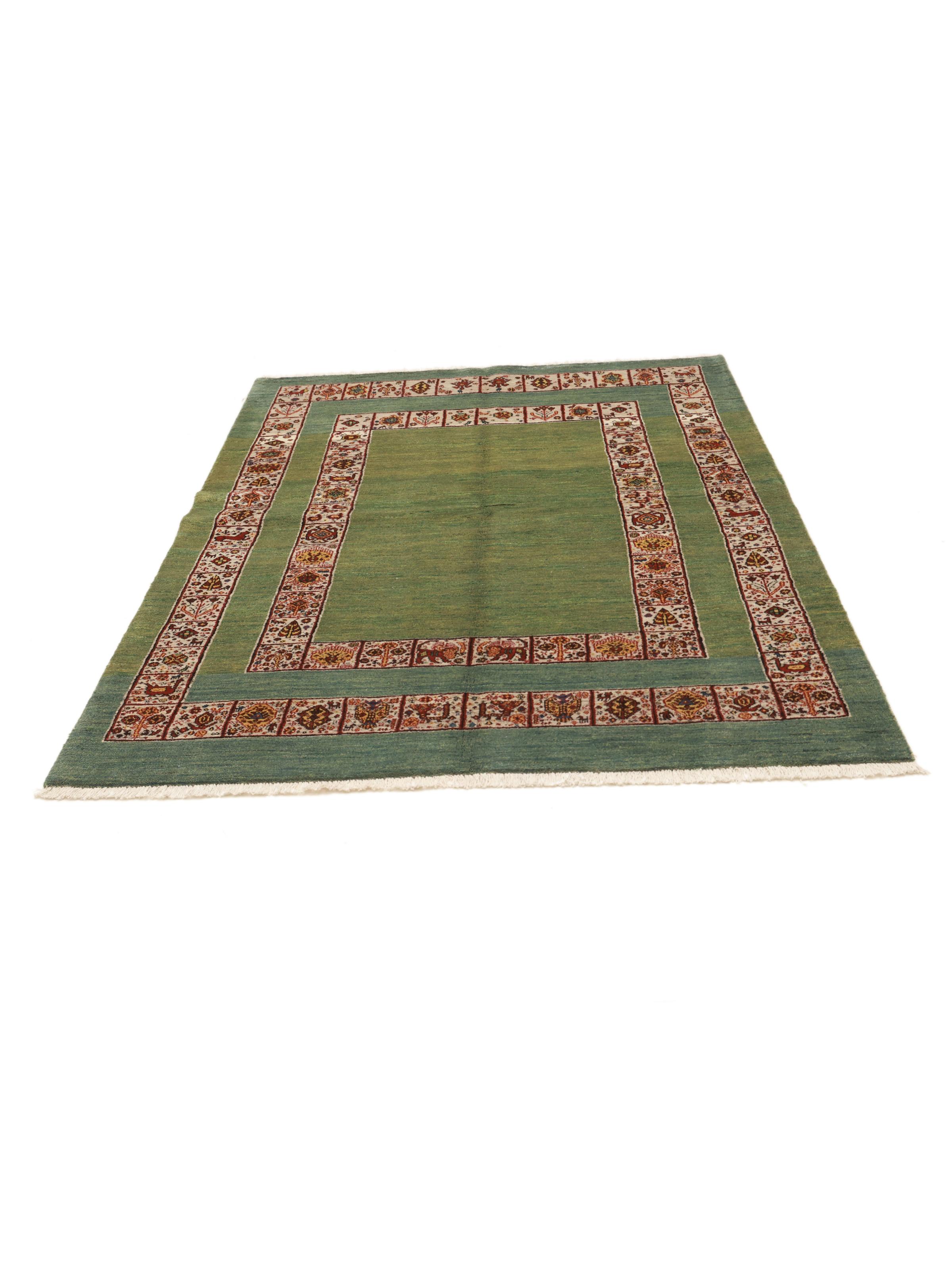
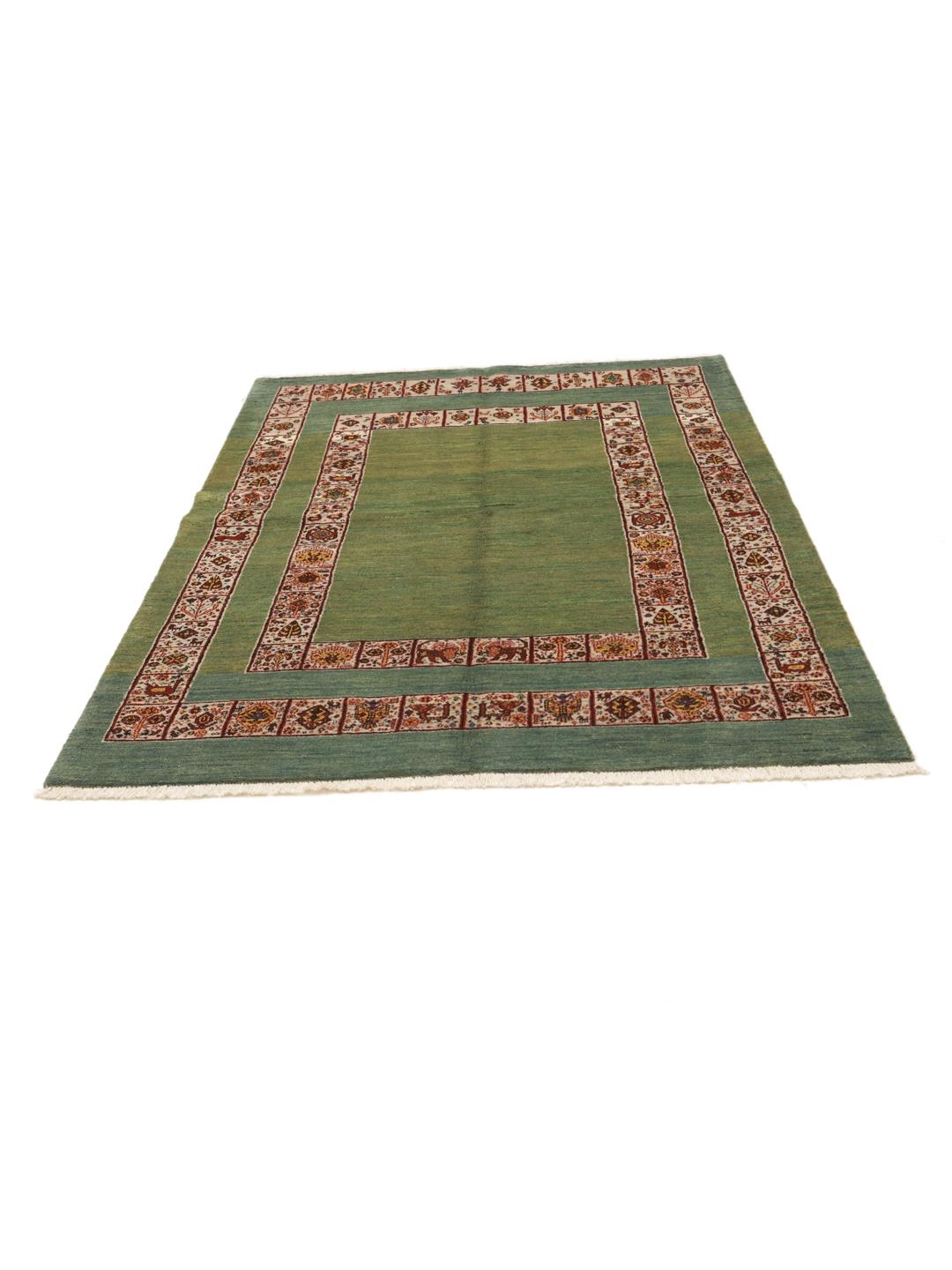
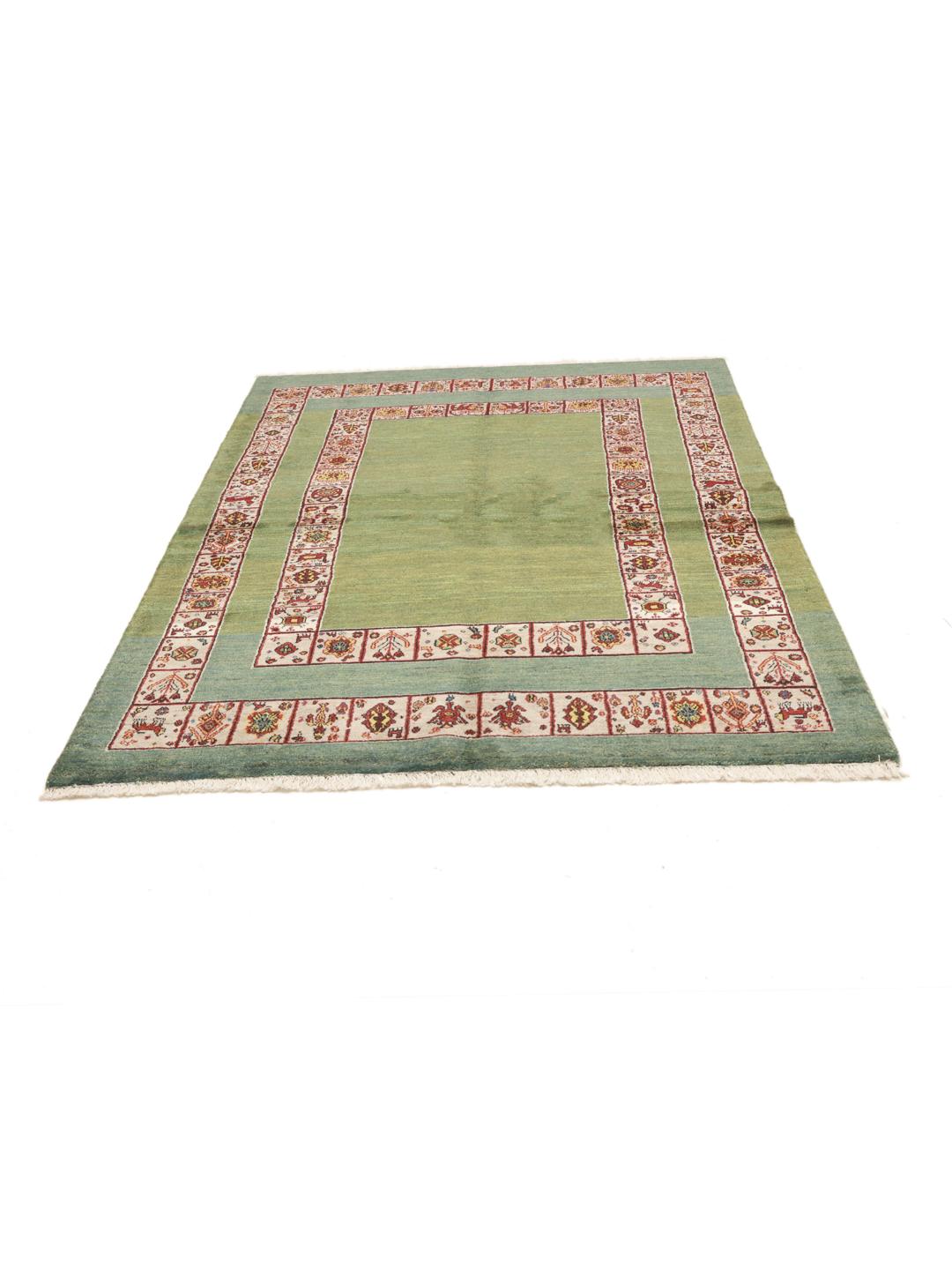
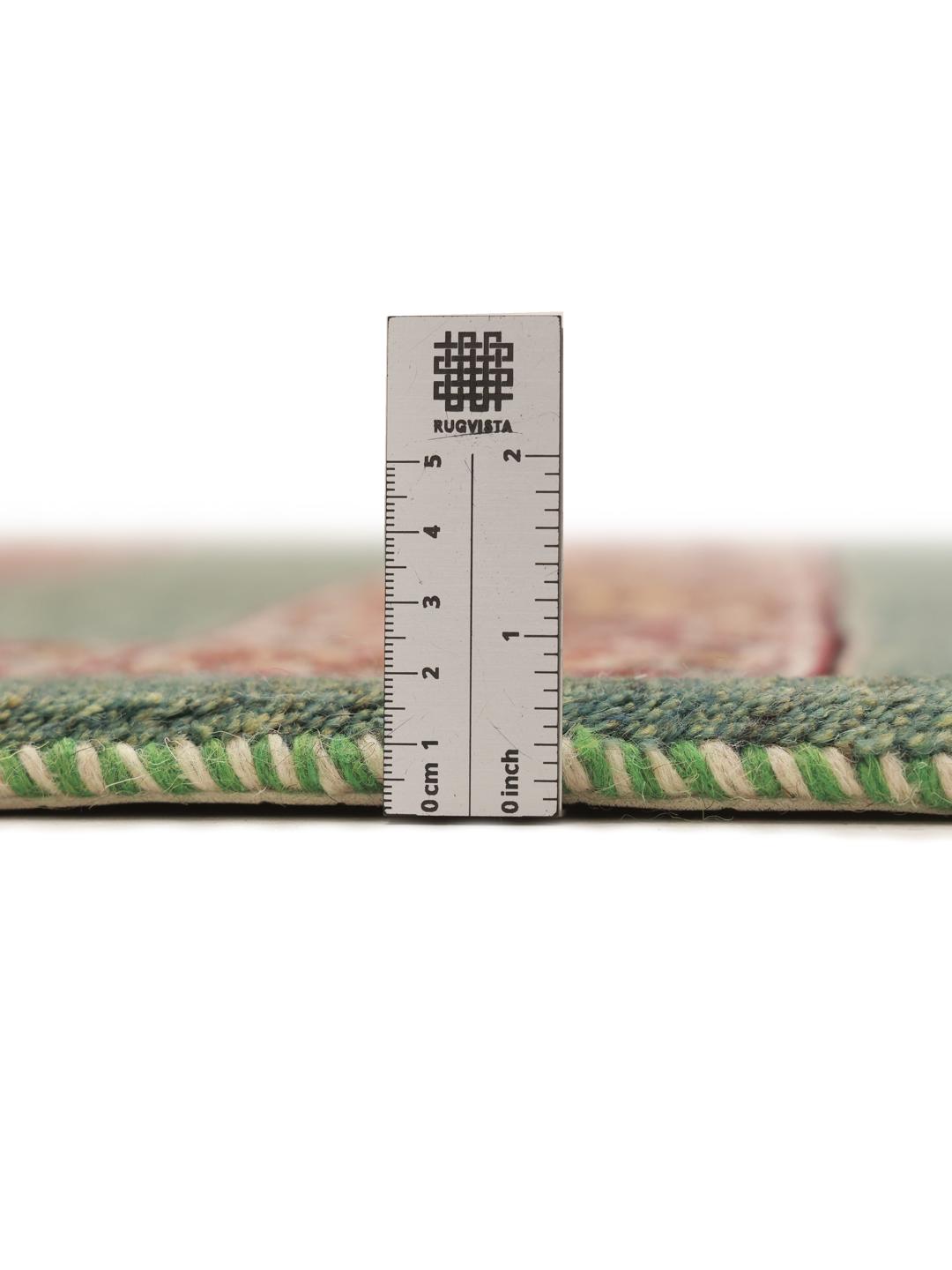
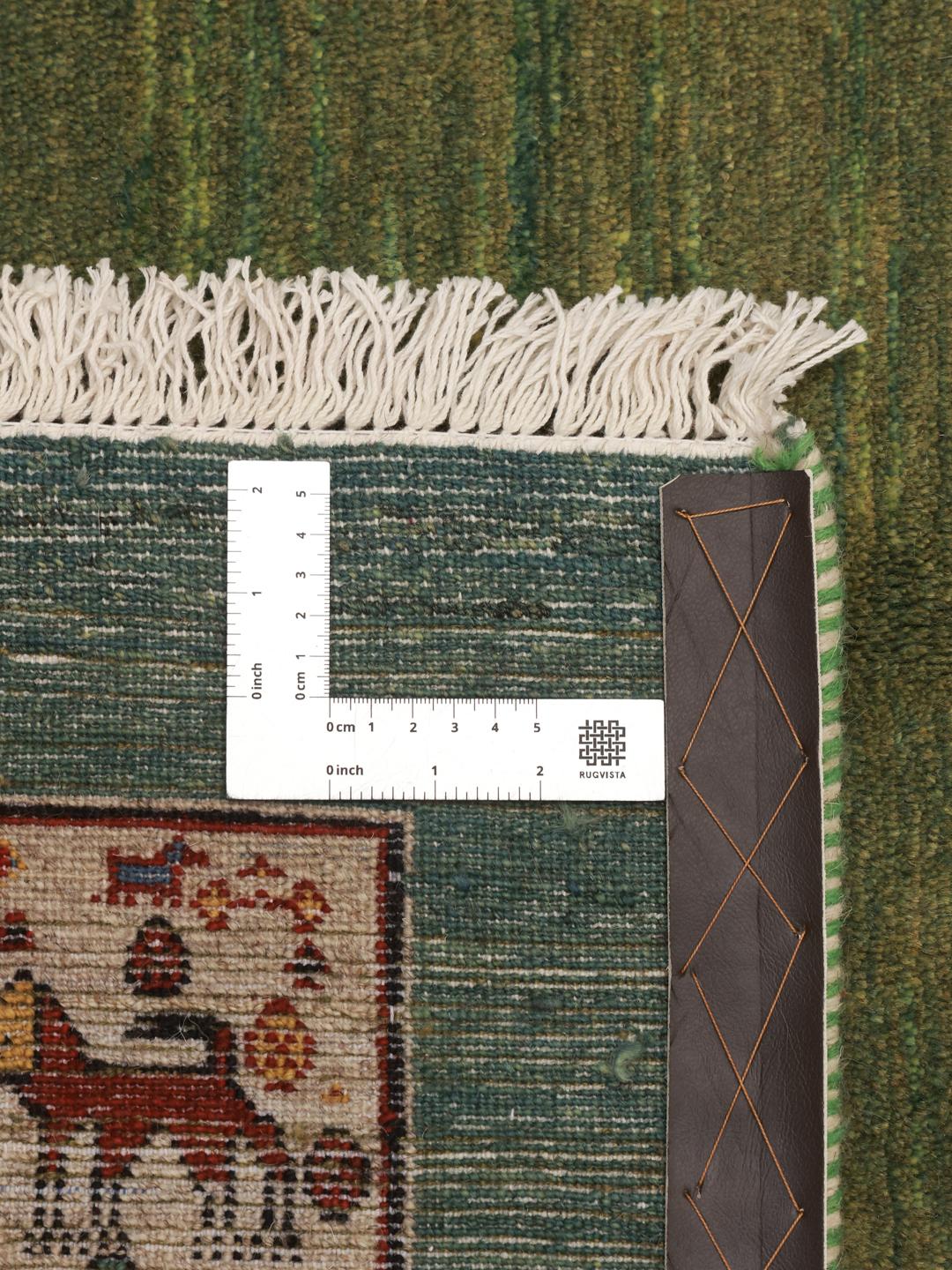
The Loribaft tradition finds its roots in the nomadic cultures of the Middle East, specifically among the Lur and Qashqai tribes. These rugs were historically crafted for personal use within tents, designed to provide insulation against the cold ground and to serve as a canvas for the weaver's storytelling and cultural expression.
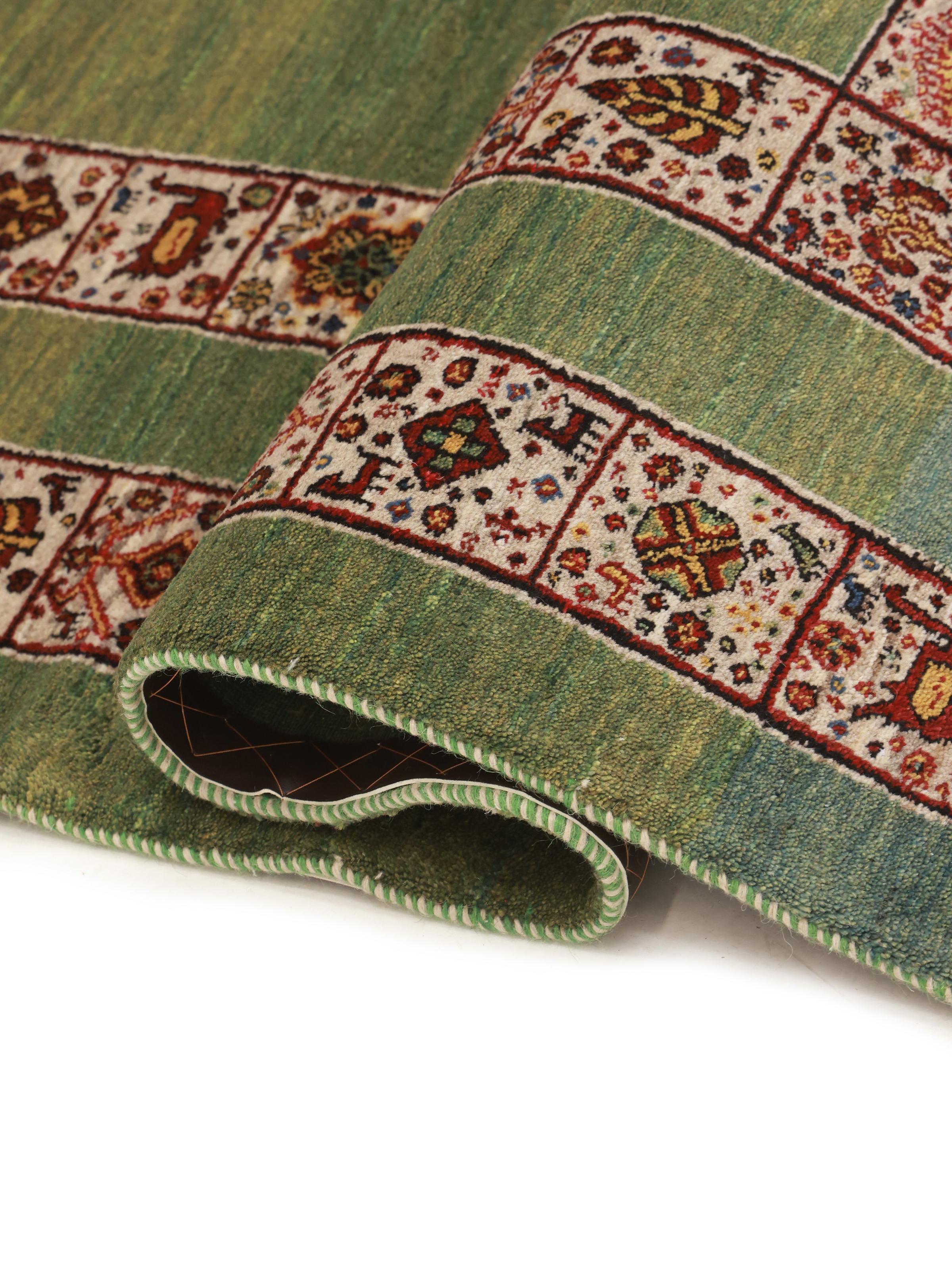
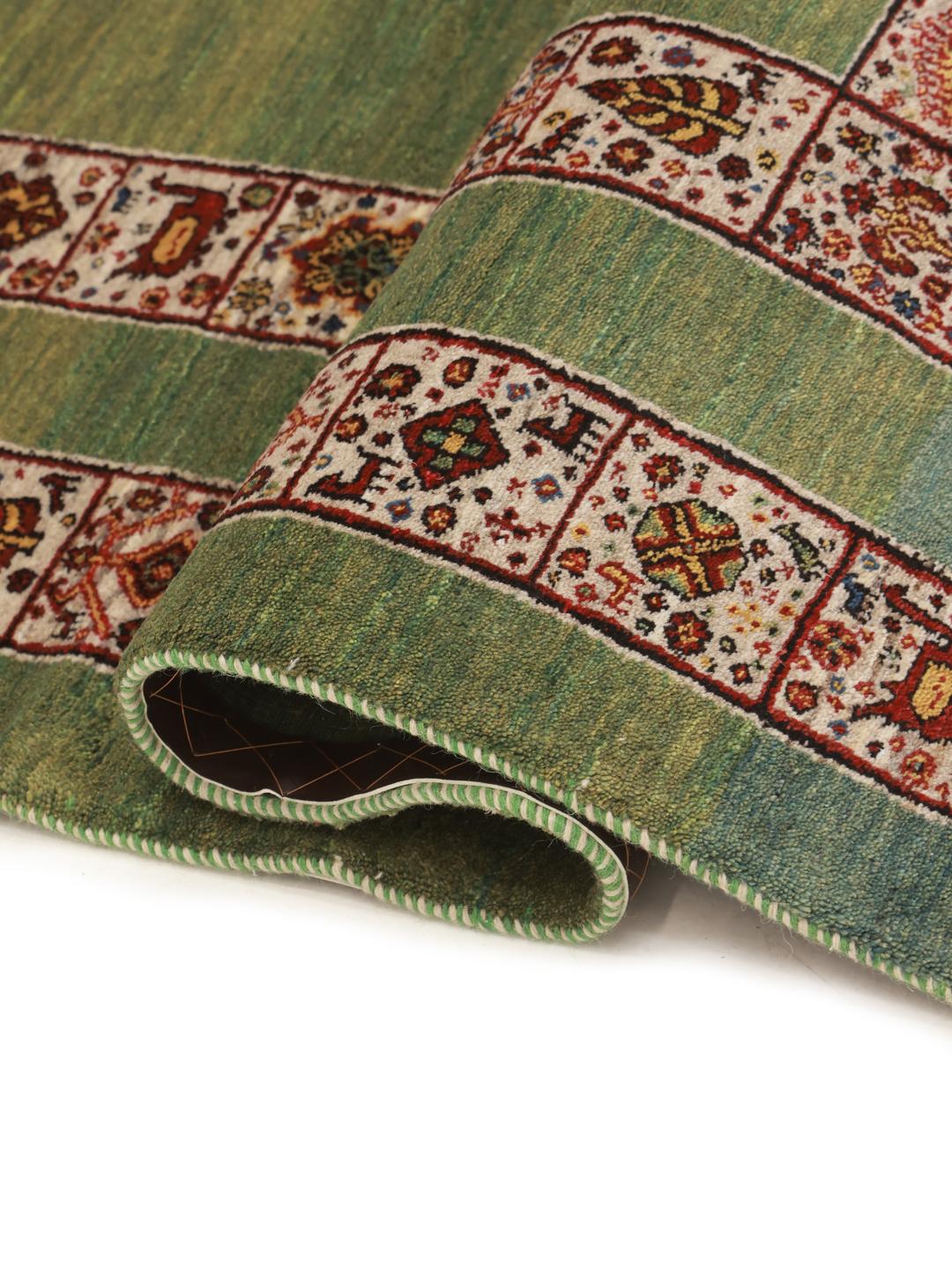
The term 'Baft' refers to the weaving process itself, and Loribaft rugs are celebrated for their simplified yet bold aesthetic compared to more intricate city-made carpets. They often utilise a thicker, hand-spun wool, which contributes to the characteristic plushness and deep, saturated colours that have become synonymous with this style.
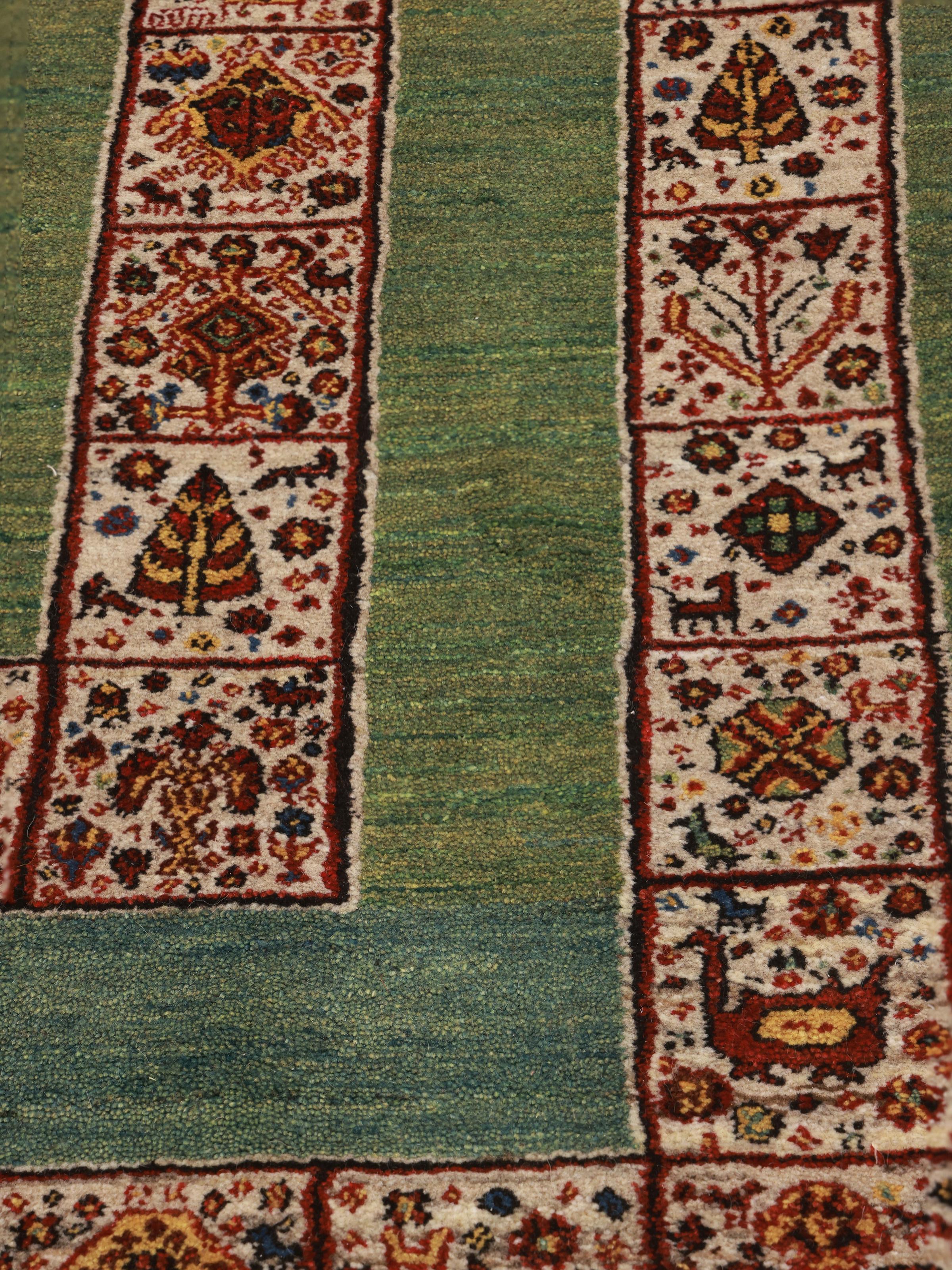
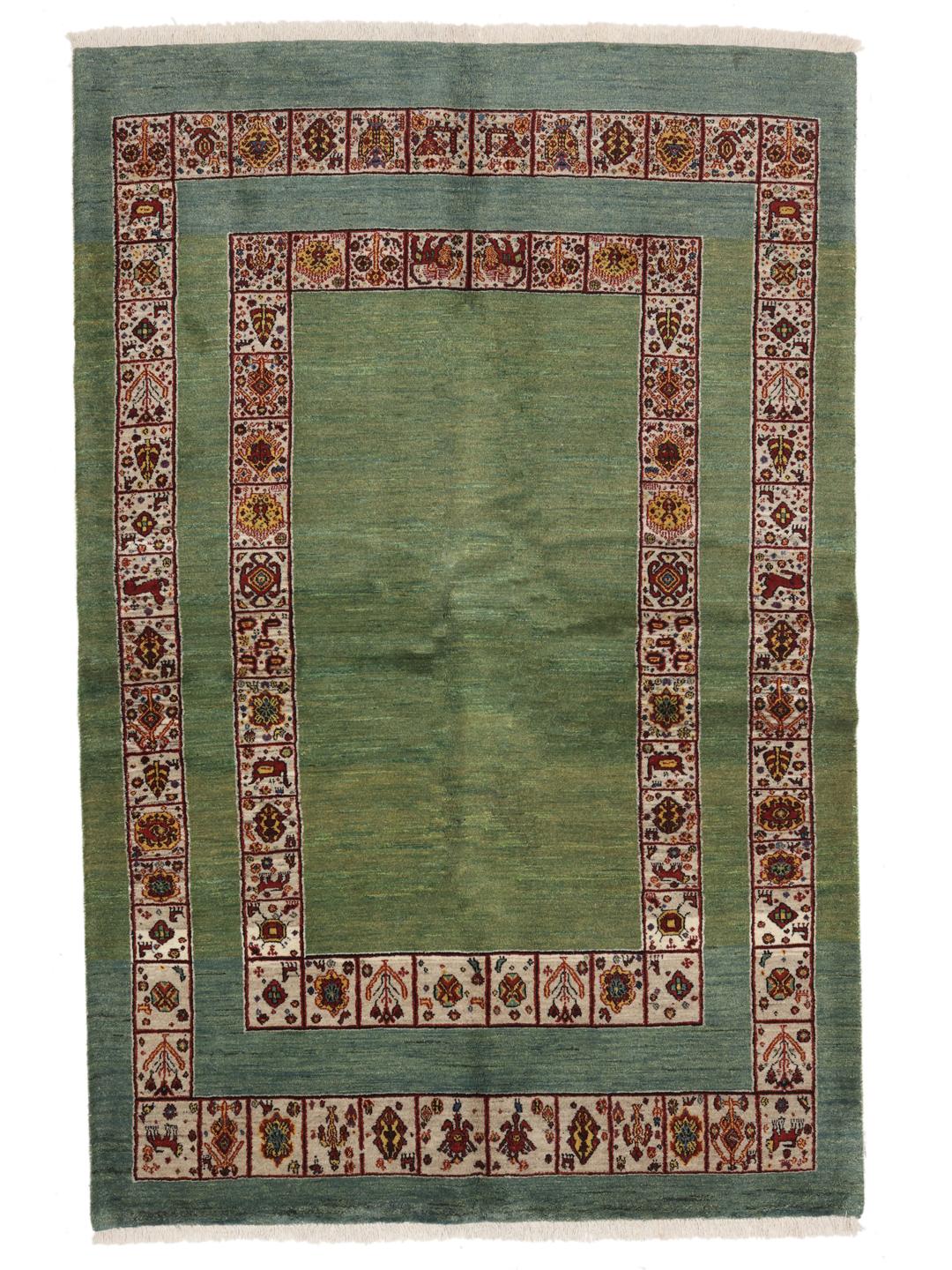
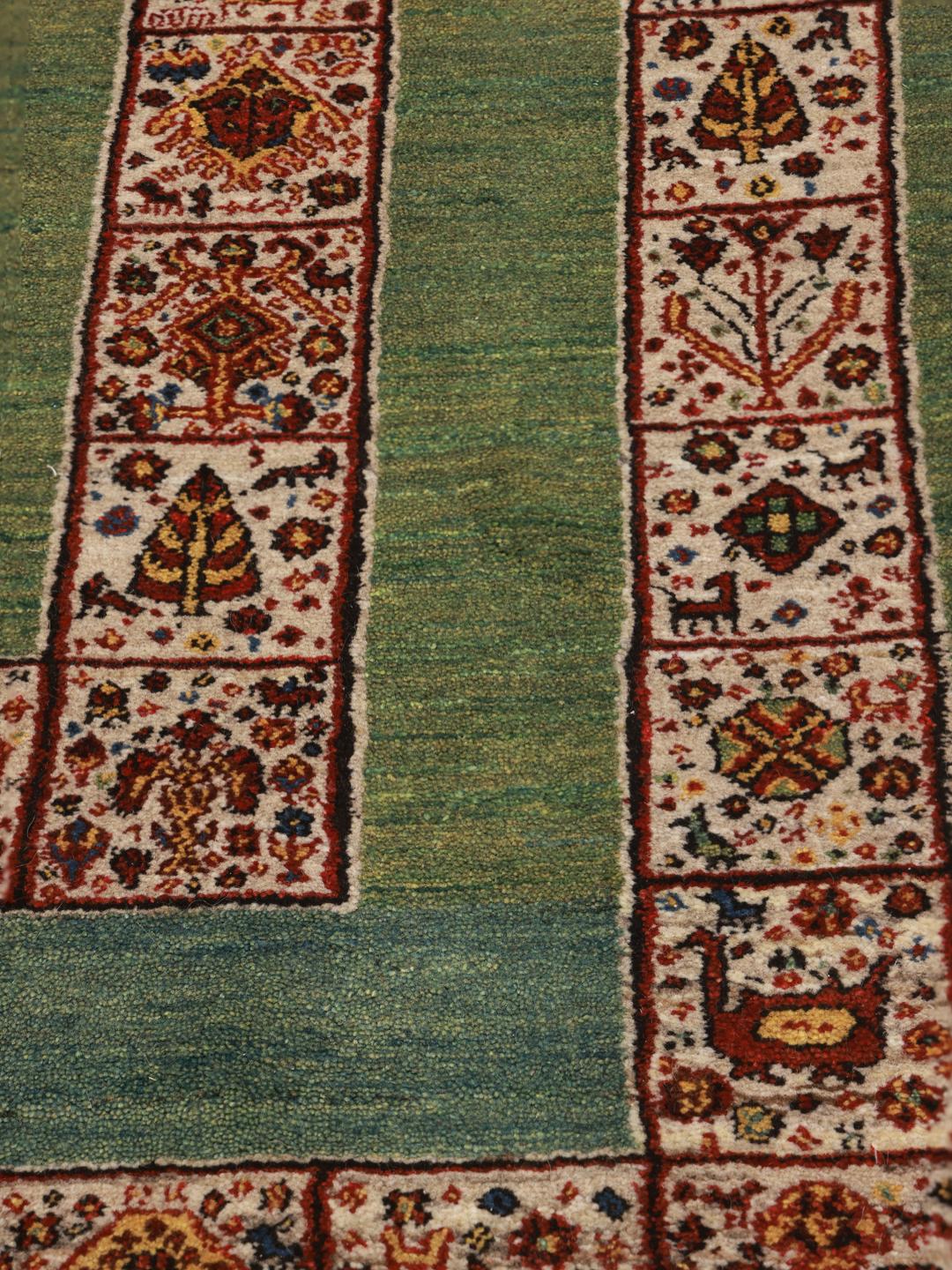
Visually, these rugs are known for their open fields and highly stylised, geometric motifs. The borders often feature symbolic patterns that reflect the natural world, including flowers, animals, and tribal emblems. The use of vibrant, earthy tones is a hallmark of the tradition, with colours traditionally derived from local plant and mineral dyes.
Collecting a Loribaft rug is an appreciation of a living craft tradition that has survived for centuries. These rugs are valued not just for their aesthetic appeal, but as artefacts of a nomadic lifestyle that prizes skill, patience, and the use of natural, sustainable materials. Owning one is a way to preserve this heritage, bringing a piece of profound history and human connection into a modern home.