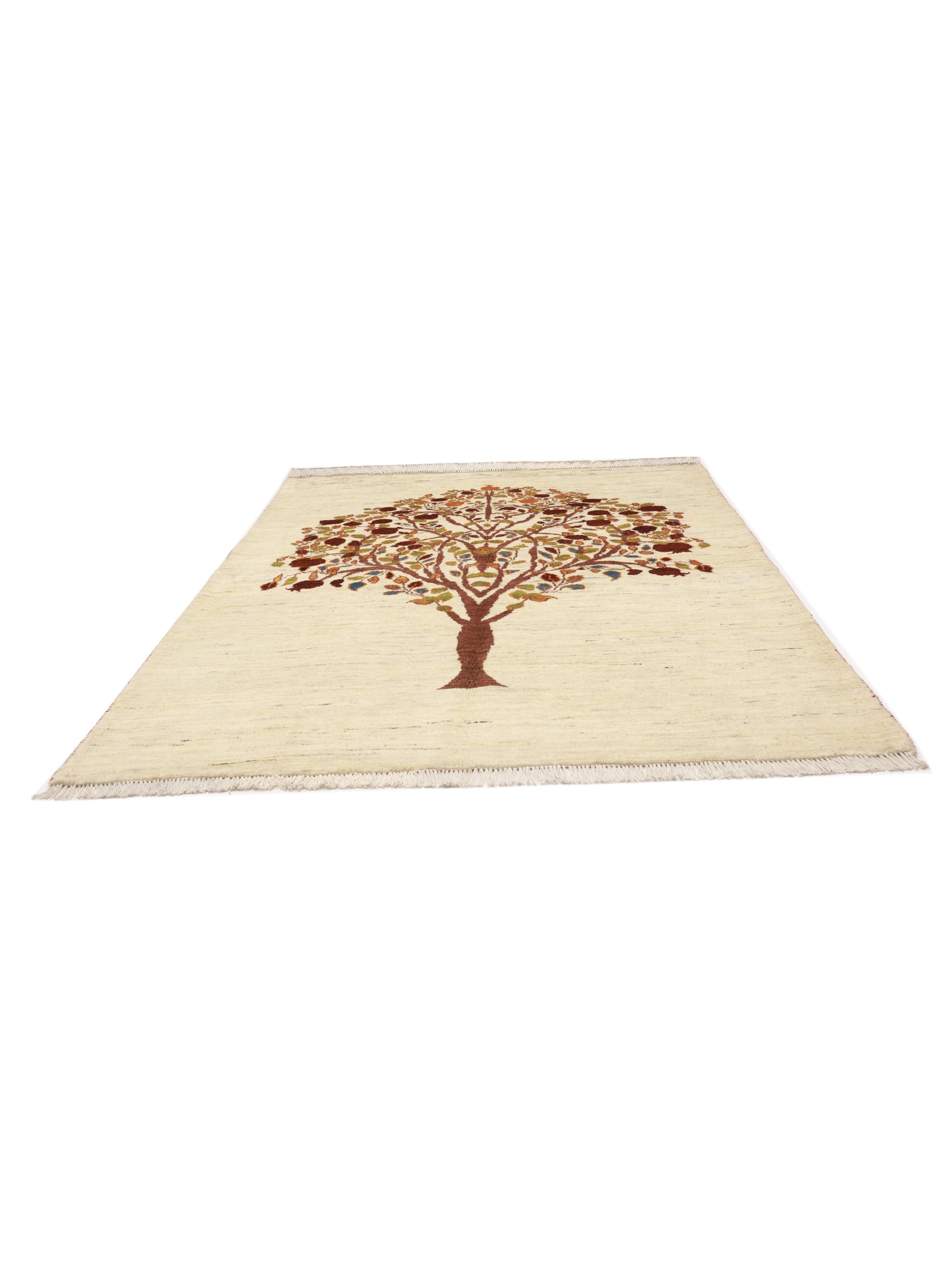
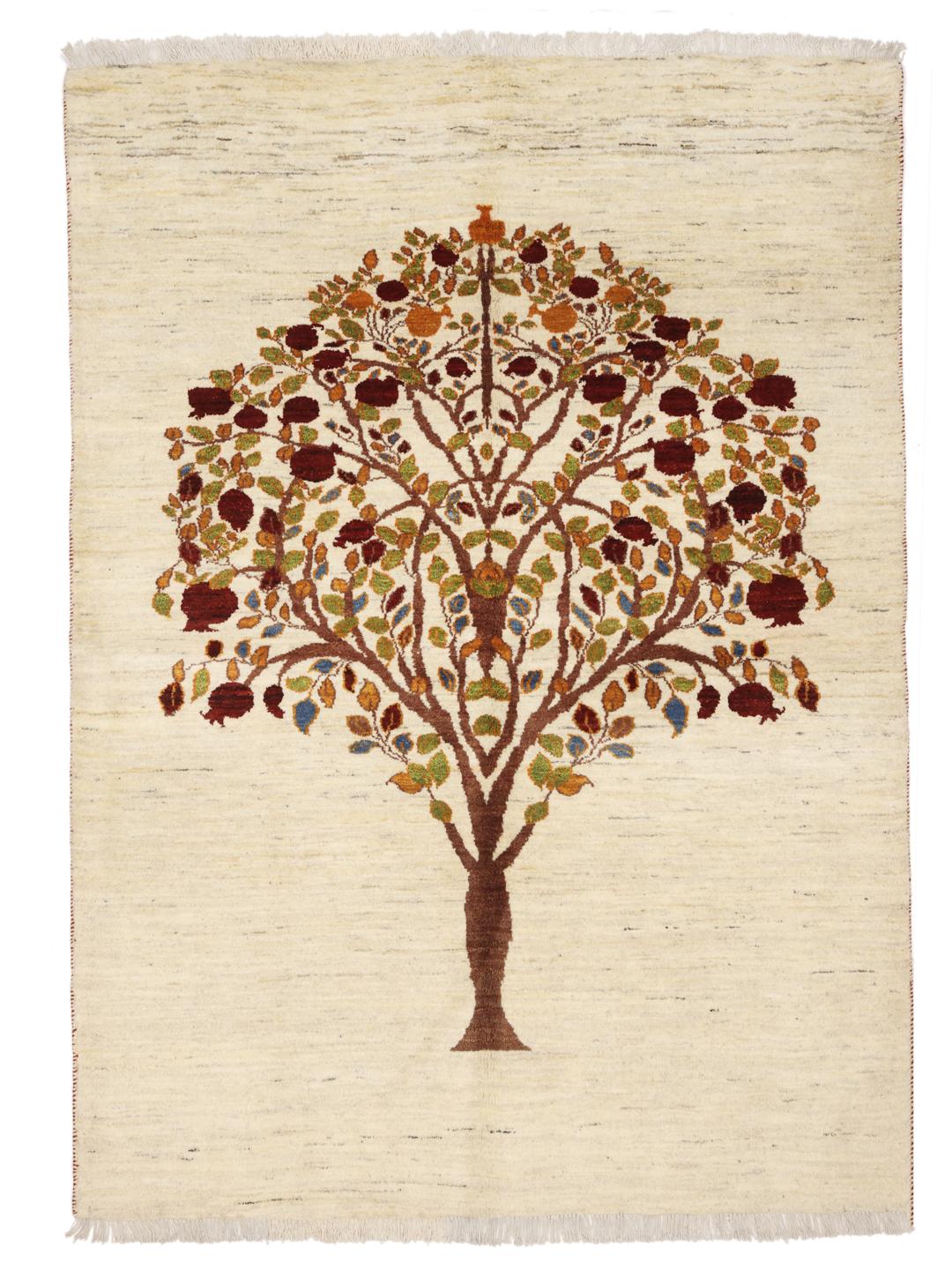
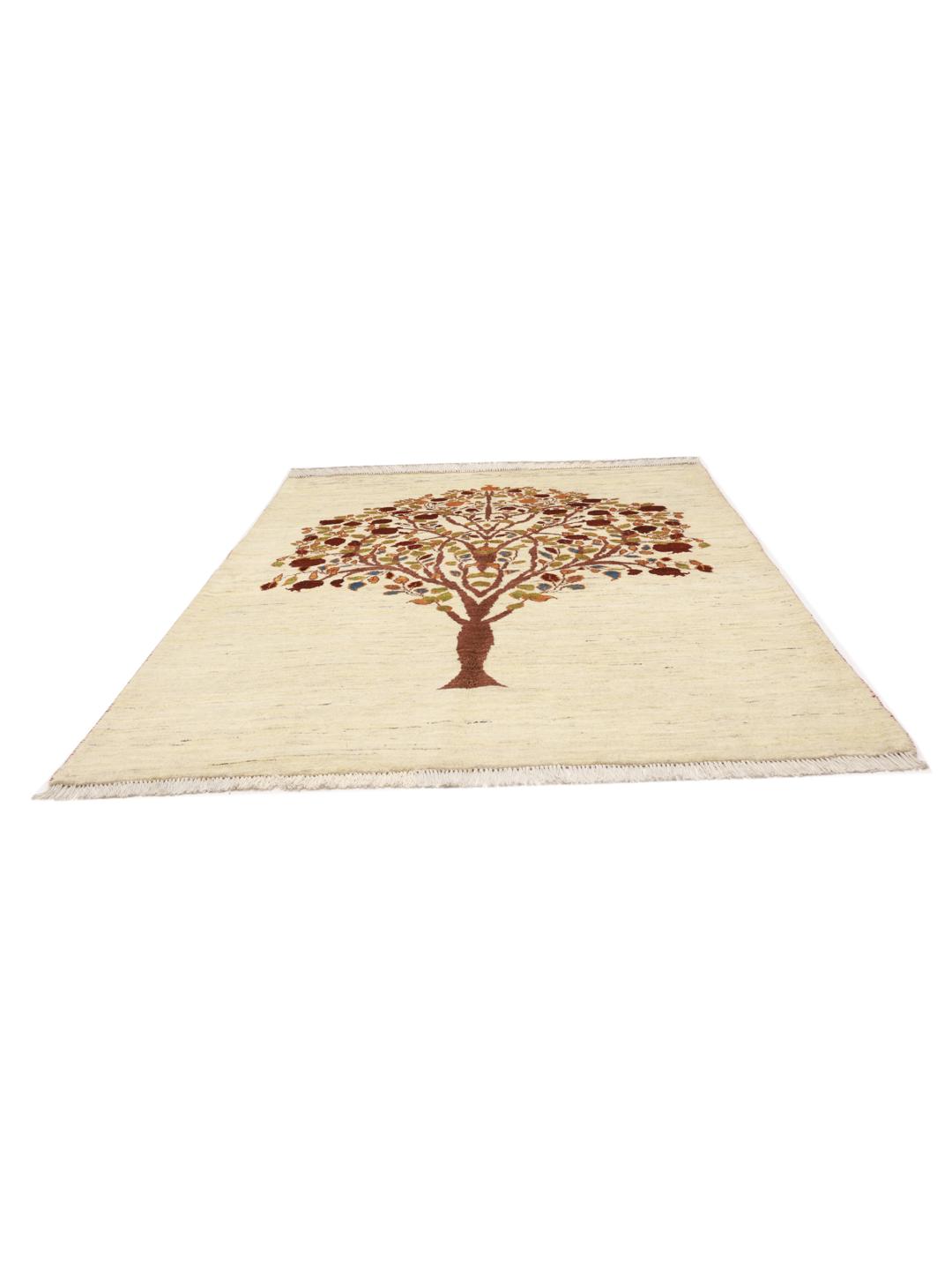
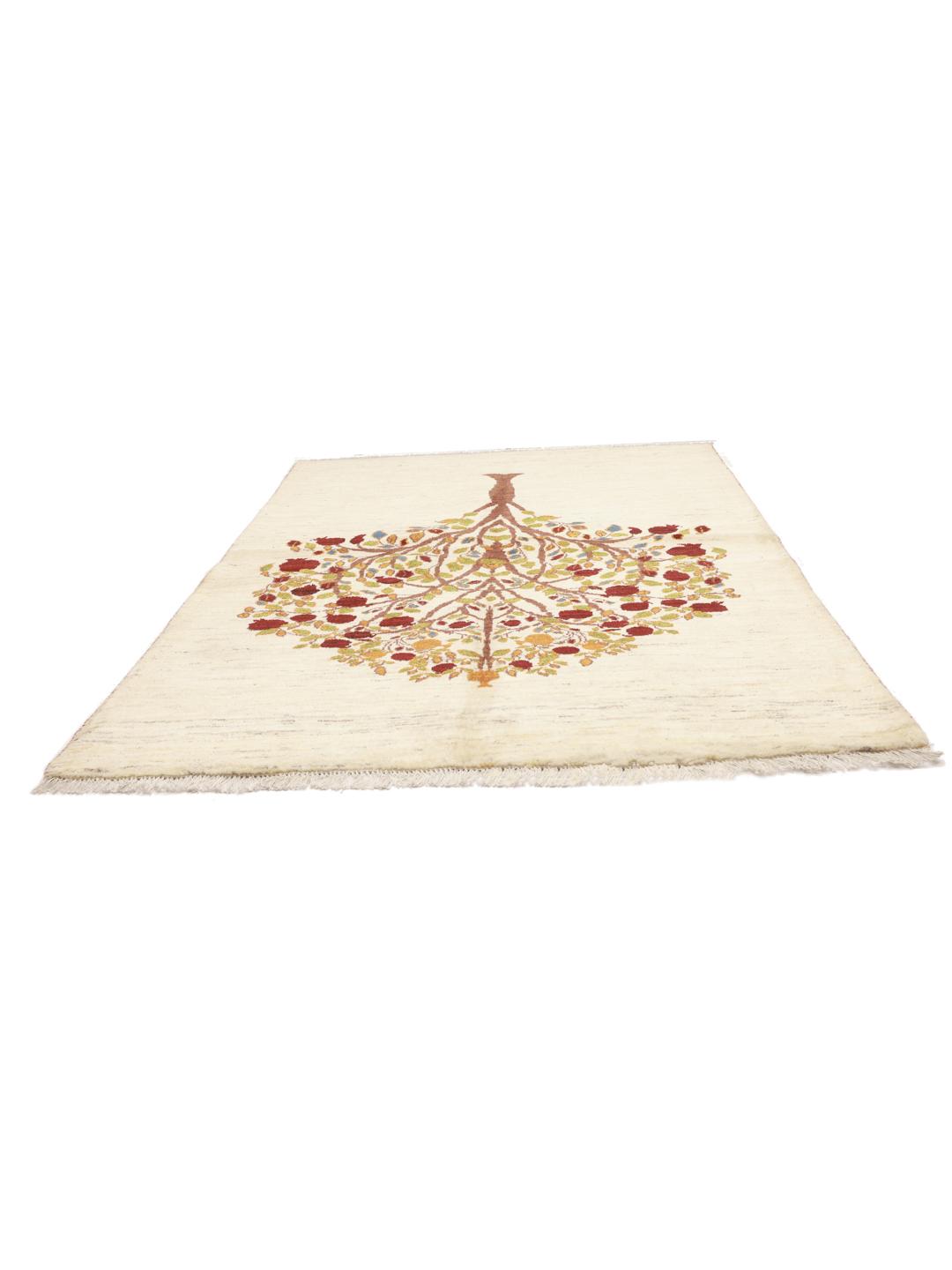
Loribaft rugs are deeply rooted in the nomadic traditions of the Middle Eastern tribal groups. These rugs have evolved from functional floor coverings used in tents to highly sought-after pieces of art, celebrated for their thick, soft pile and vibrant, imaginative designs. They represent a bridge between ancient tribal heritage and the modern home, where the focus is on comfort and authentic craftsmanship.
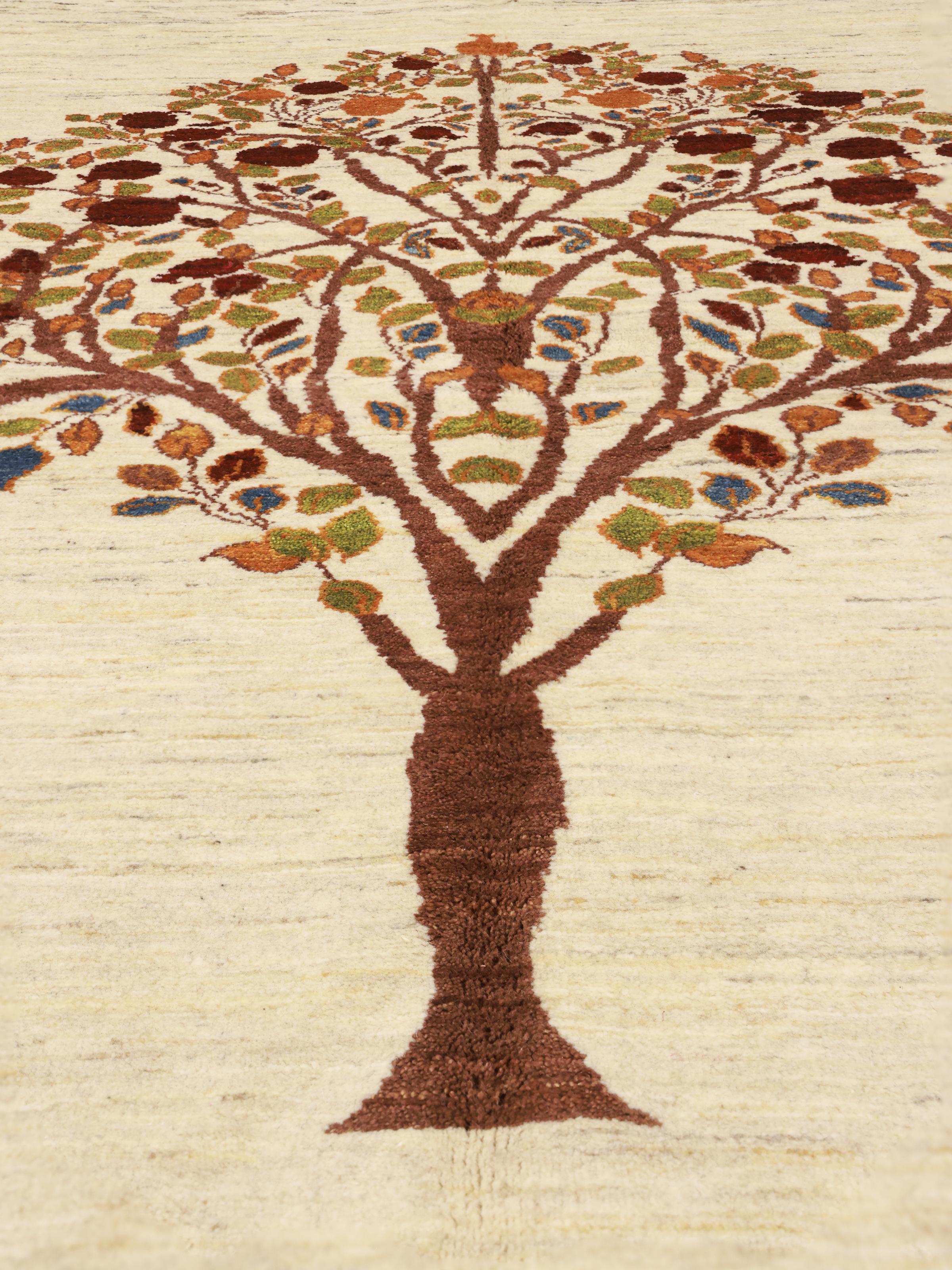
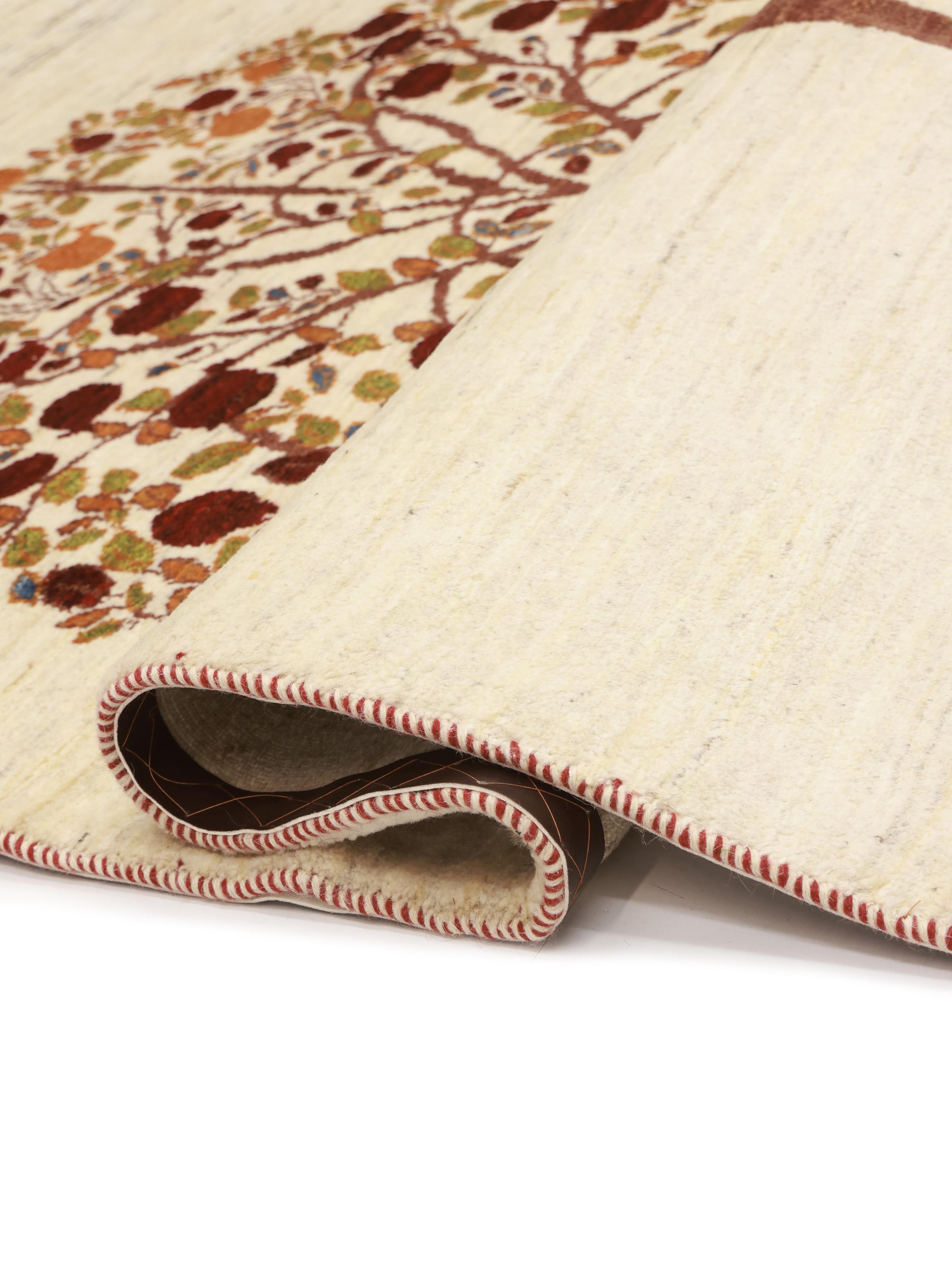
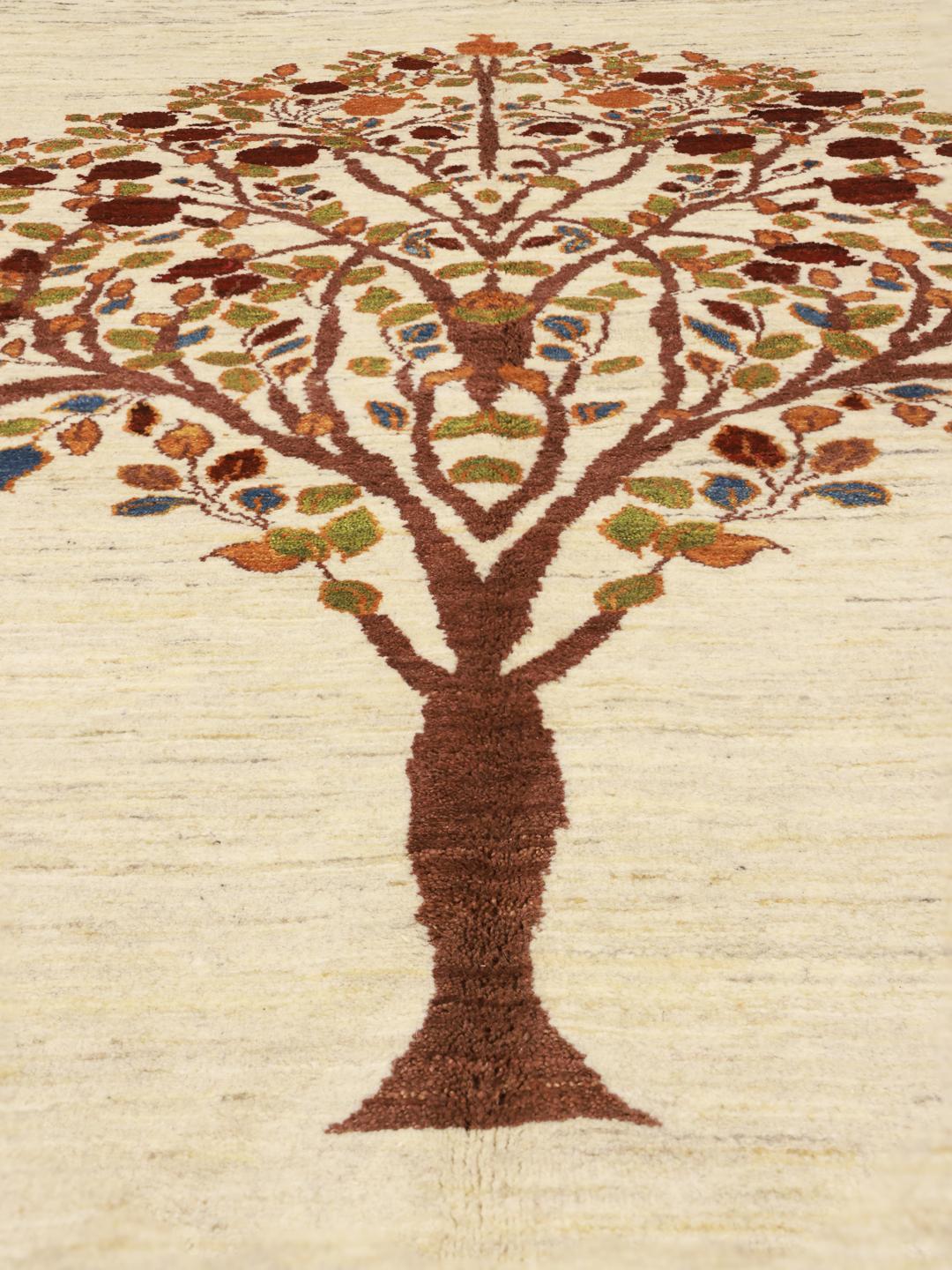
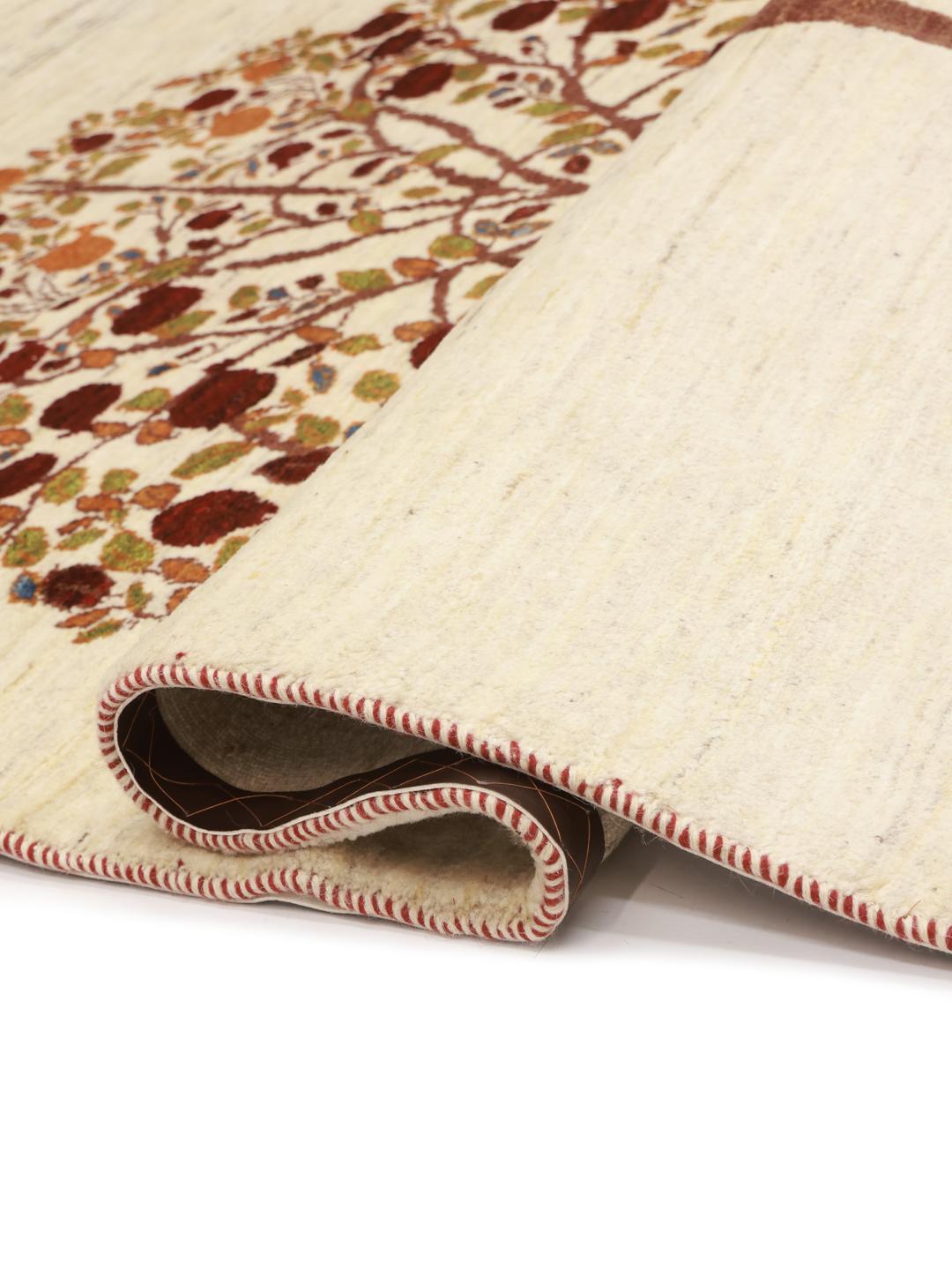
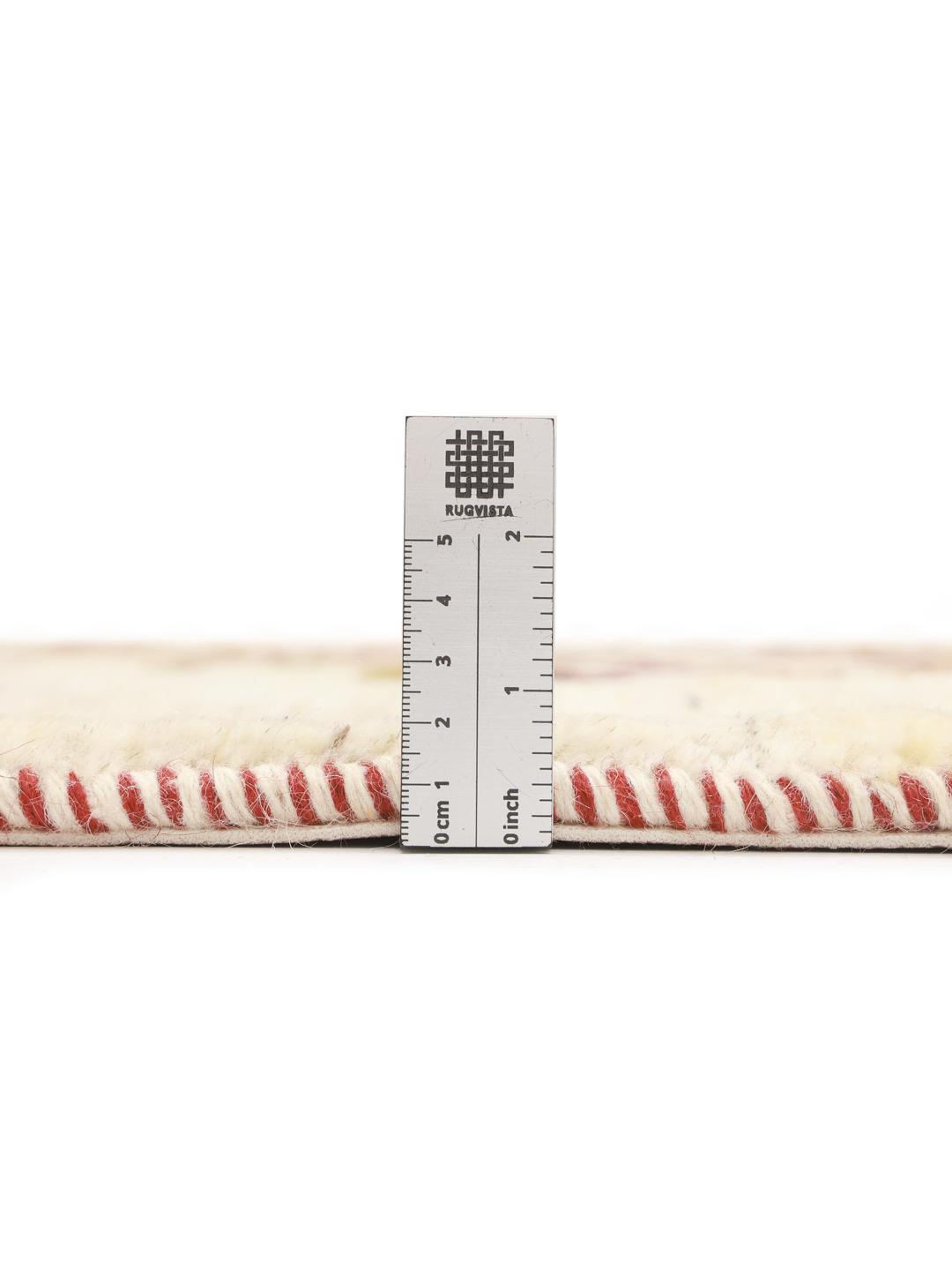
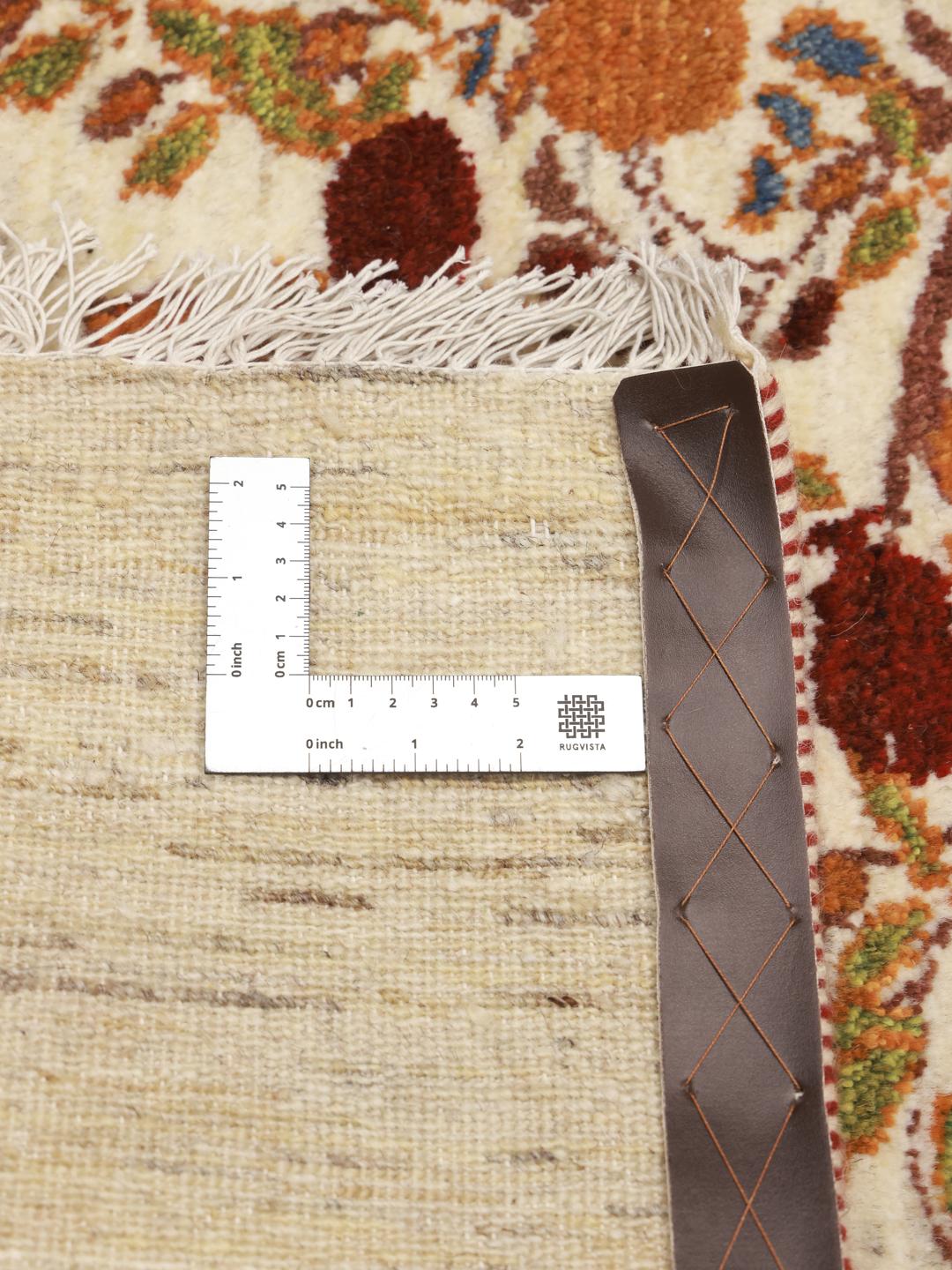
The term 'Loribaft' refers to a specific style of weaving that emphasises a denser, more plush pile compared to traditional flat-woven rugs. This construction is achieved through a meticulous knotting technique that allows for a softer feel and a more pronounced texture. This density not only enhances the comfort of the rug but also contributes to its durability, ensuring that the intricate patterns remain clear and vibrant even with years of use.
The Tree of Life is one of the most enduring and beloved motifs in rug design, symbolising the connection between heaven and earth, growth, and the cycle of life. In this particular rug, the tree is depicted with a creative, organic flair, showcasing the weaver's personal vision and skill. The use of rich, contrasting colours against a neutral field highlights the artistry of the design, making it a focal point in any room.
Collecting a piece like this is a way to honour the legacy of the artisans who created it. These rugs are valued not only for their aesthetic beauty but also for the cultural significance they carry. By choosing a hand-knotted Loribaft, you are acquiring a piece of history that reflects generations of knowledge, skill, and the human spirit, ensuring that your home is enriched by a truly meaningful object.