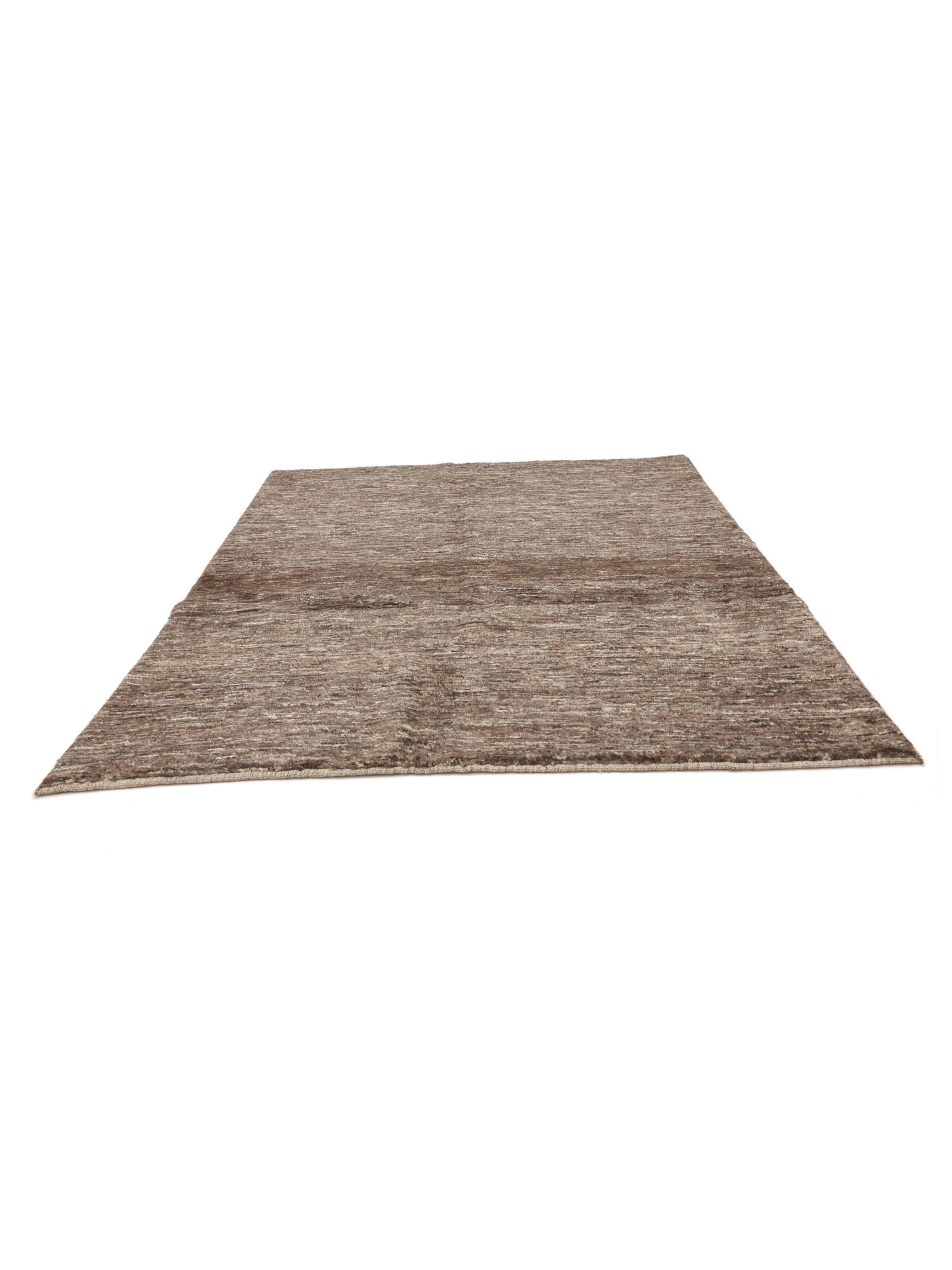
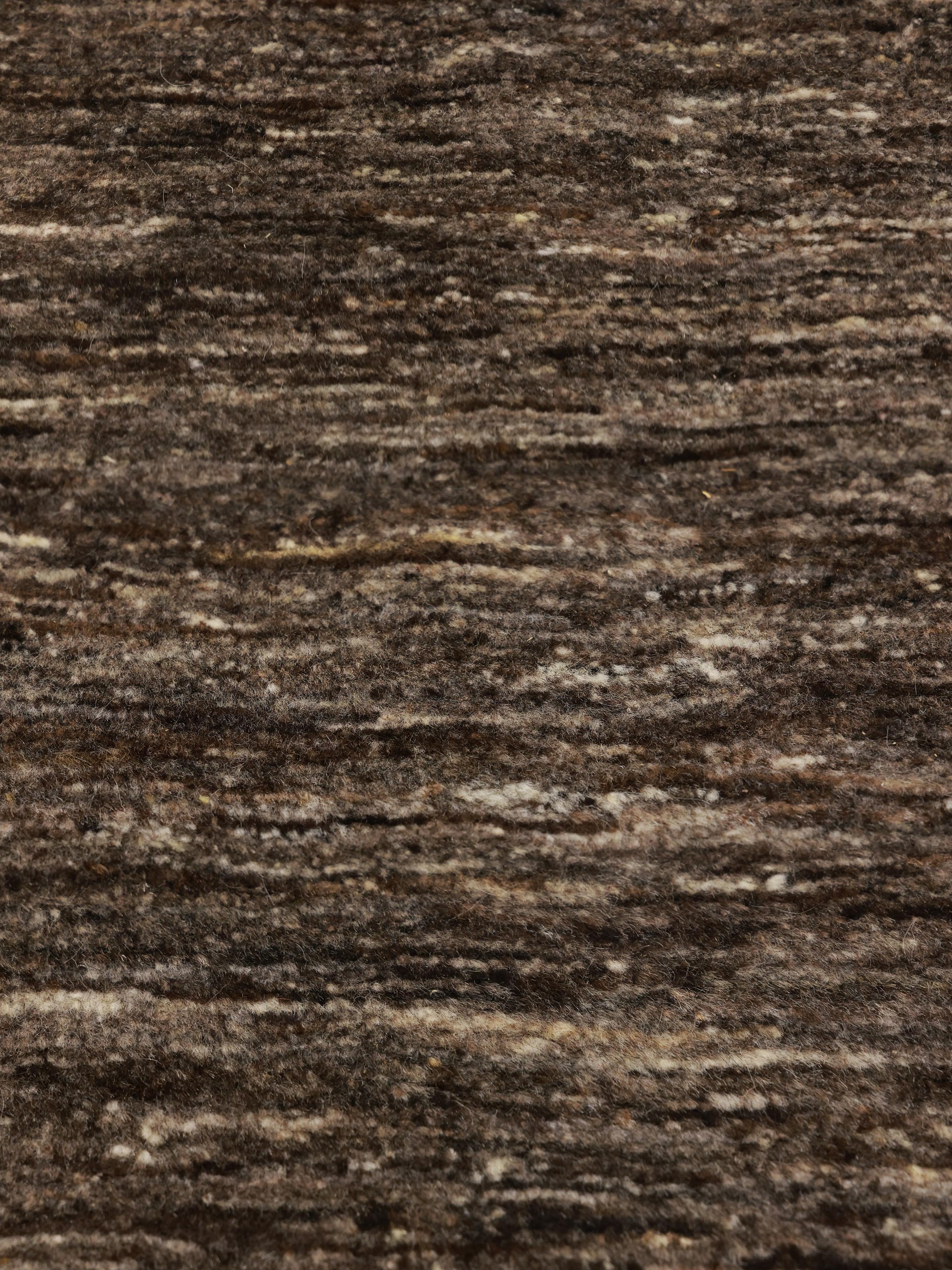
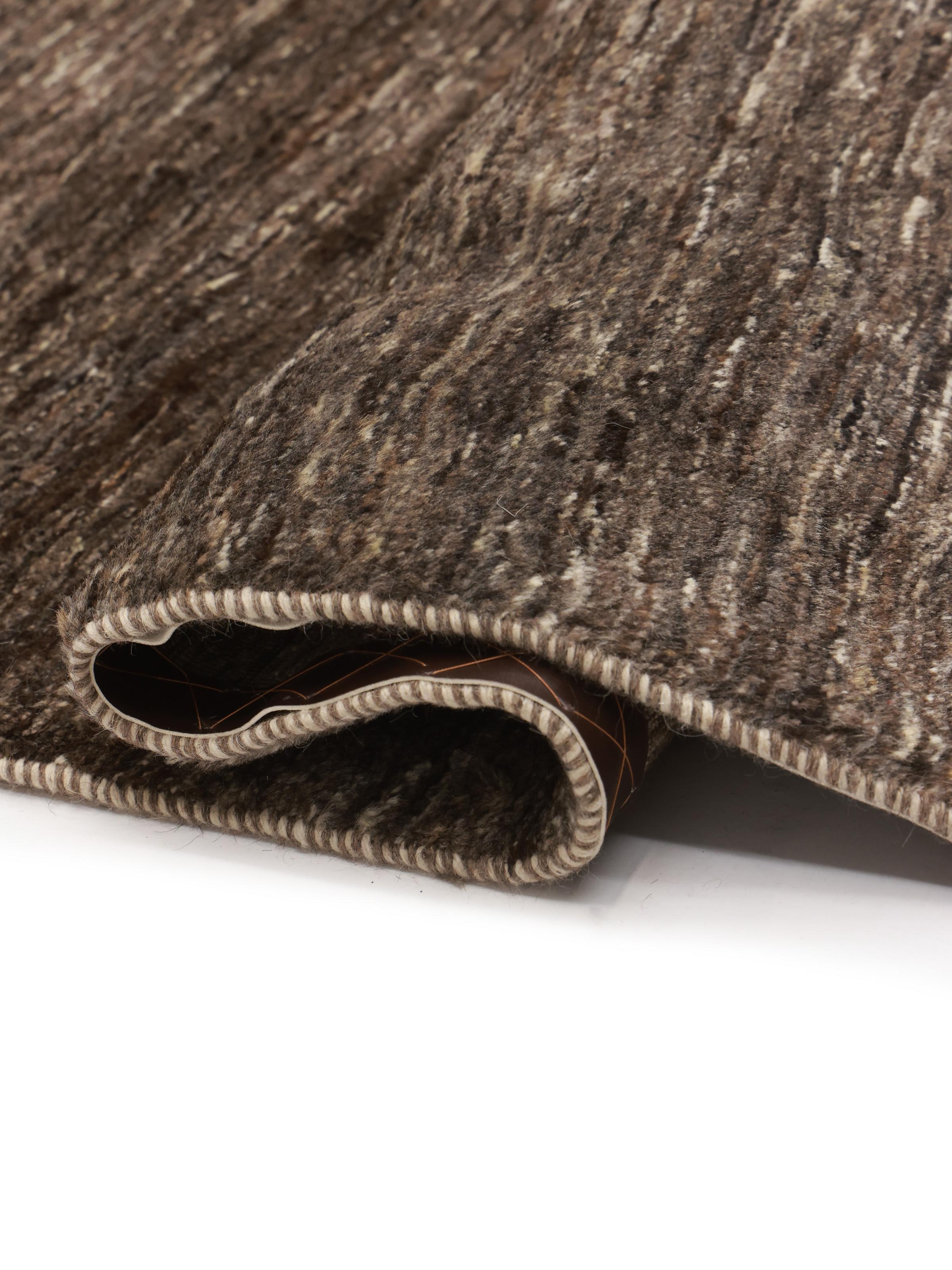
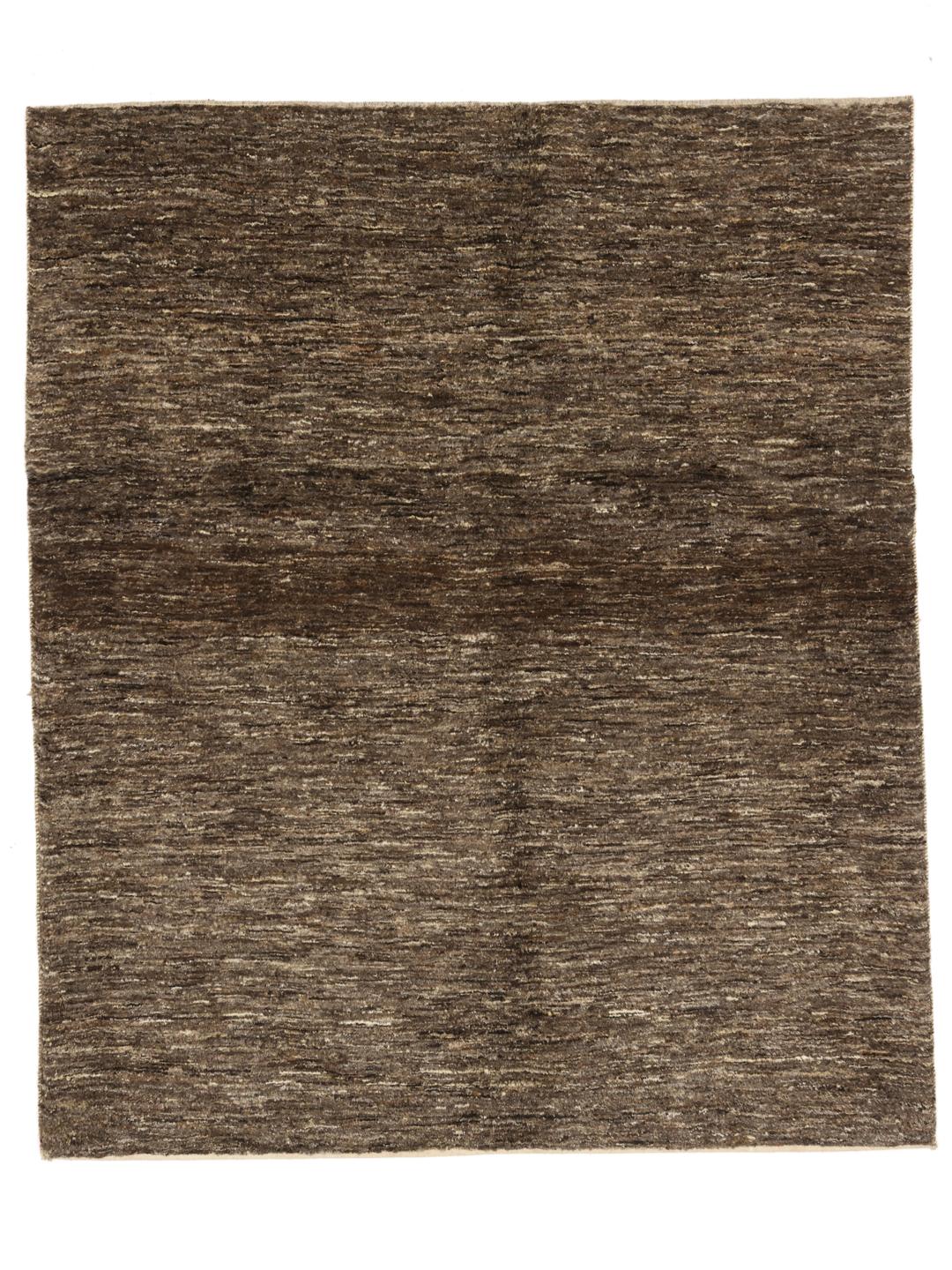
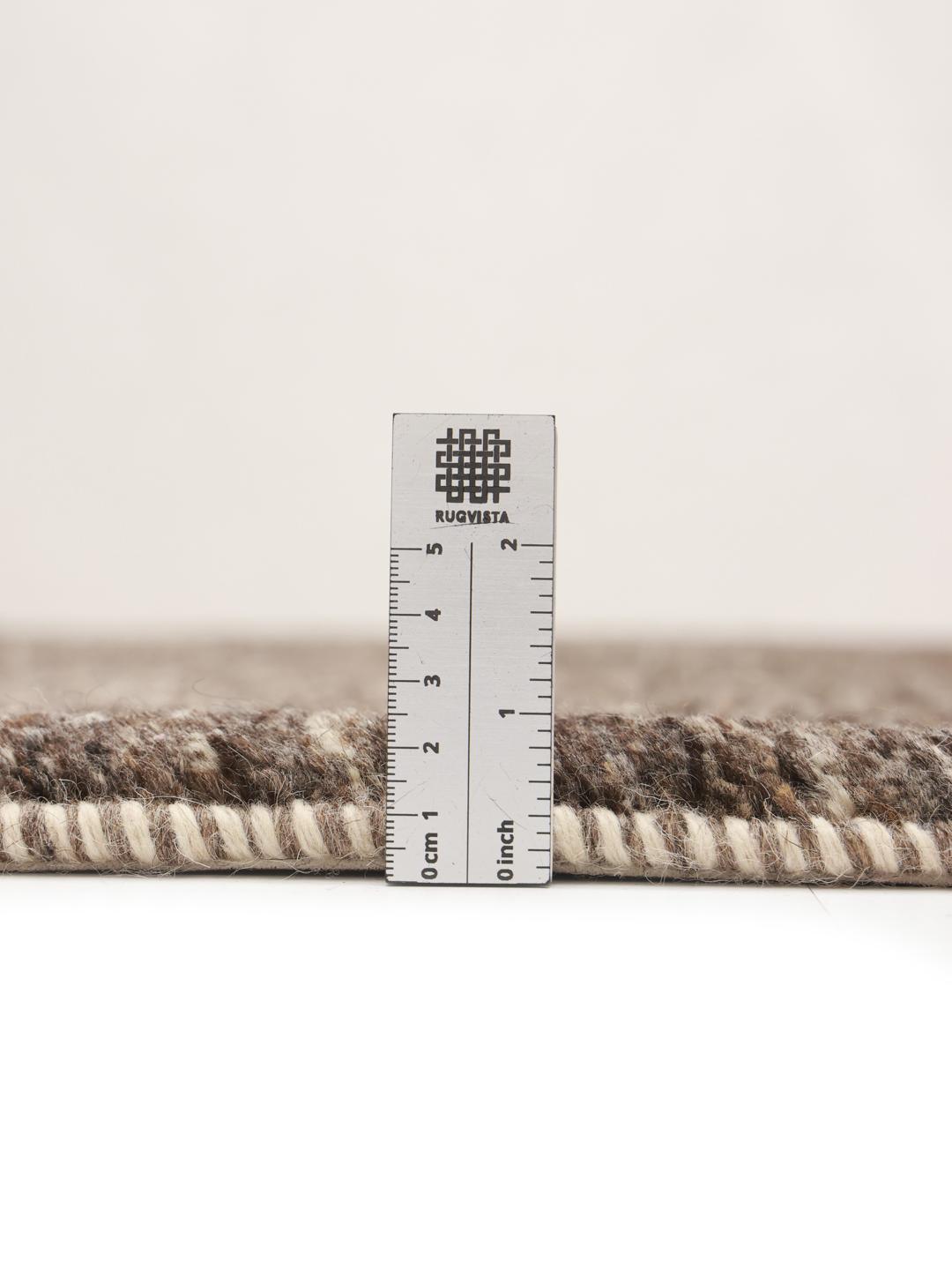
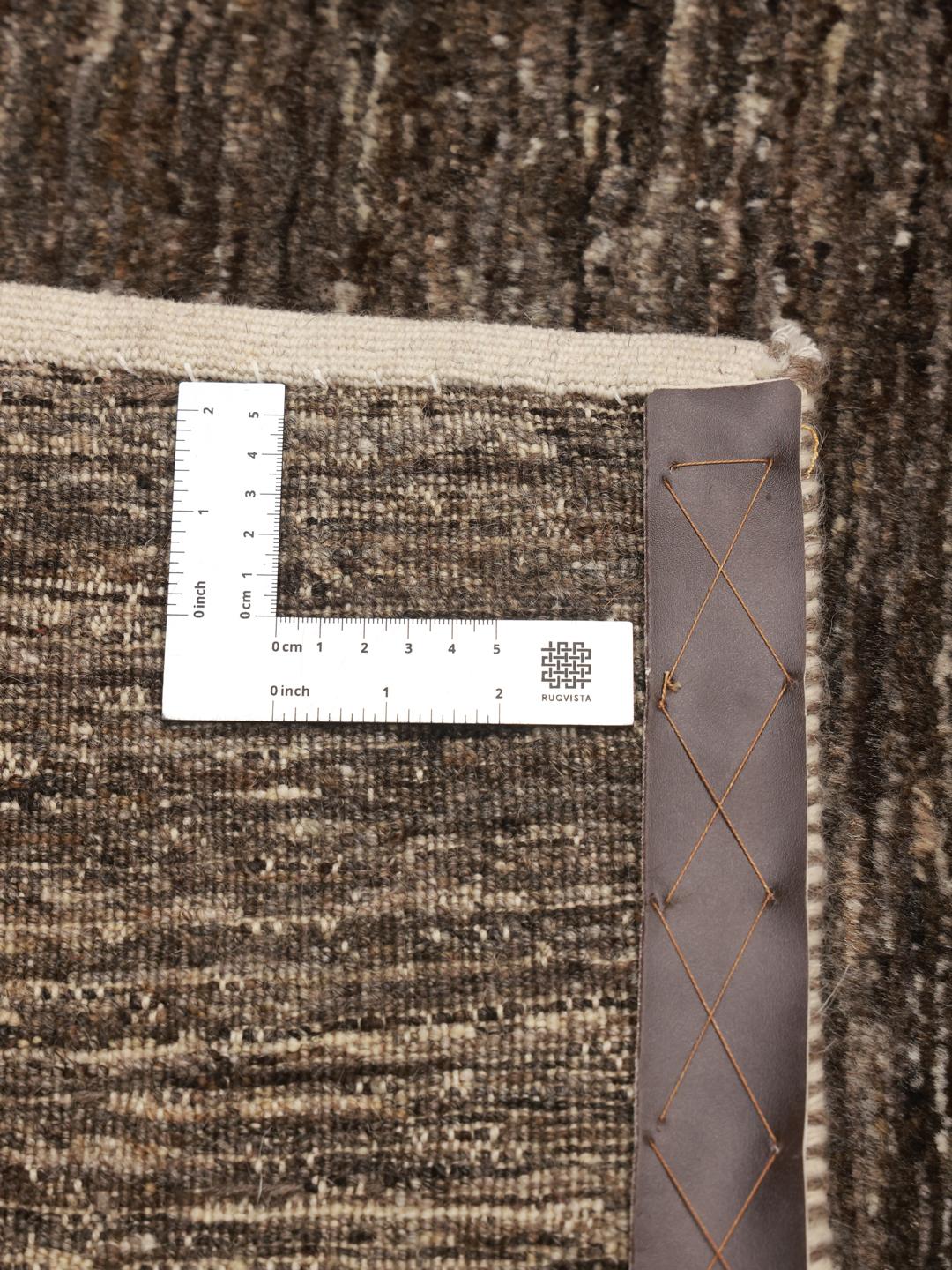
The Loribaft rug tradition originates from the tribal regions of the Middle East, where local weavers developed a style that prioritizes thick, soft piles and simplified, artistic designs. These rugs are deeply connected to the nomadic heritage of the region, reflecting a way of life that values both beauty and practical utility.
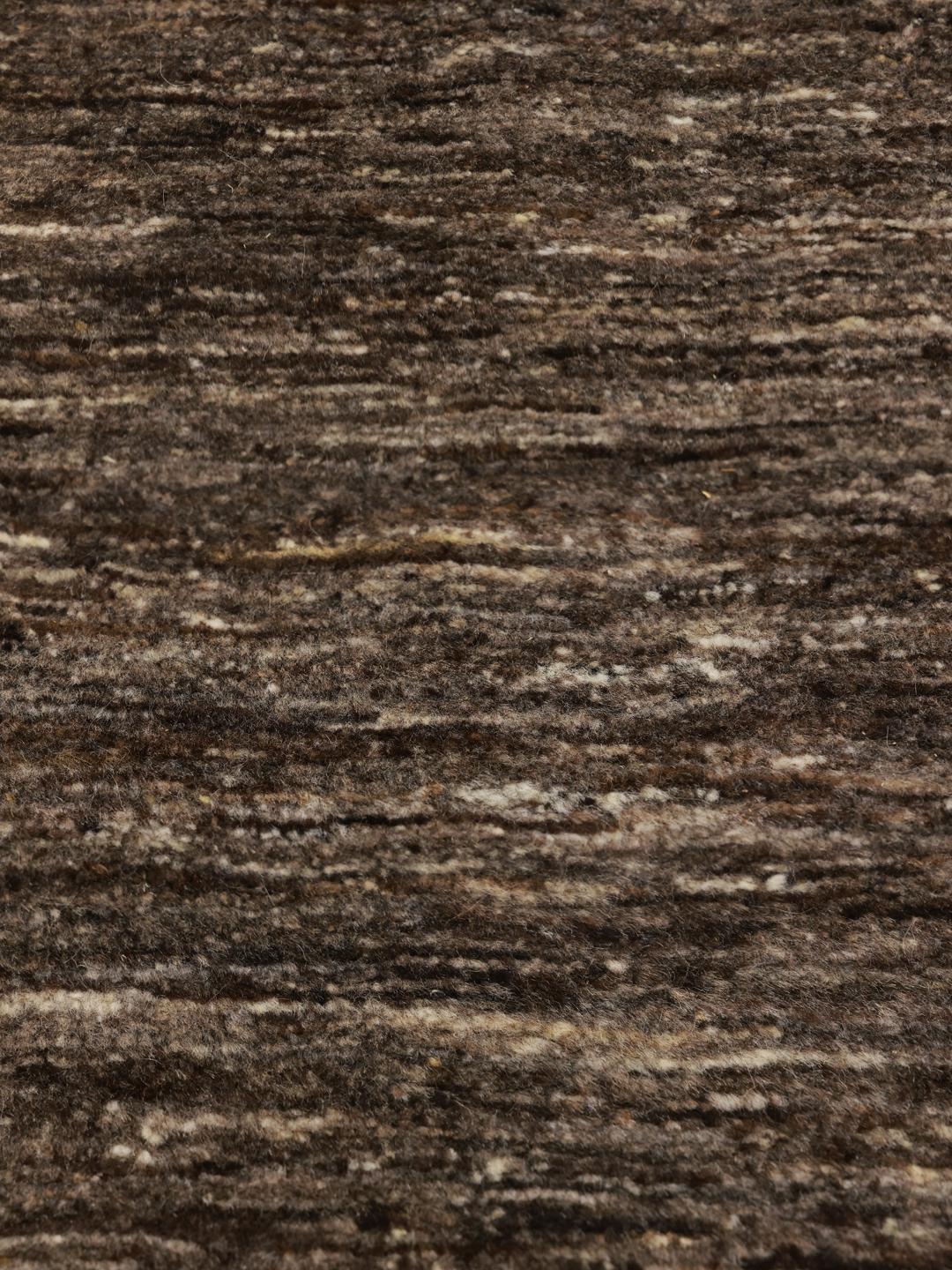
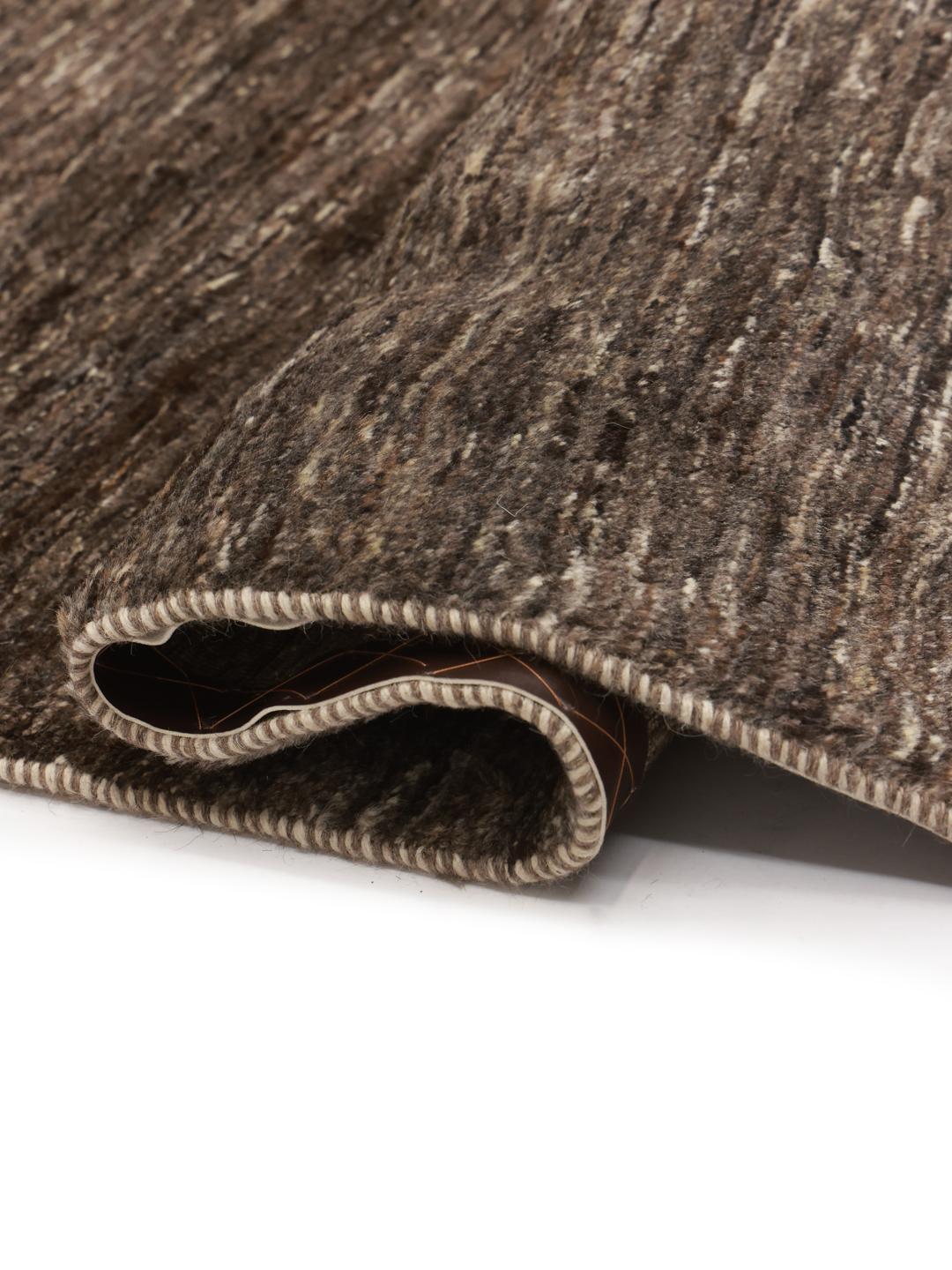
The term Loribaft refers to a specific type of tribal weave that is known for its high-quality construction and generous pile height. Unlike more formal, city-made rugs that often feature intricate, geometric precision, these pieces are celebrated for their slightly more relaxed aesthetic, which highlights the natural character of the wool.
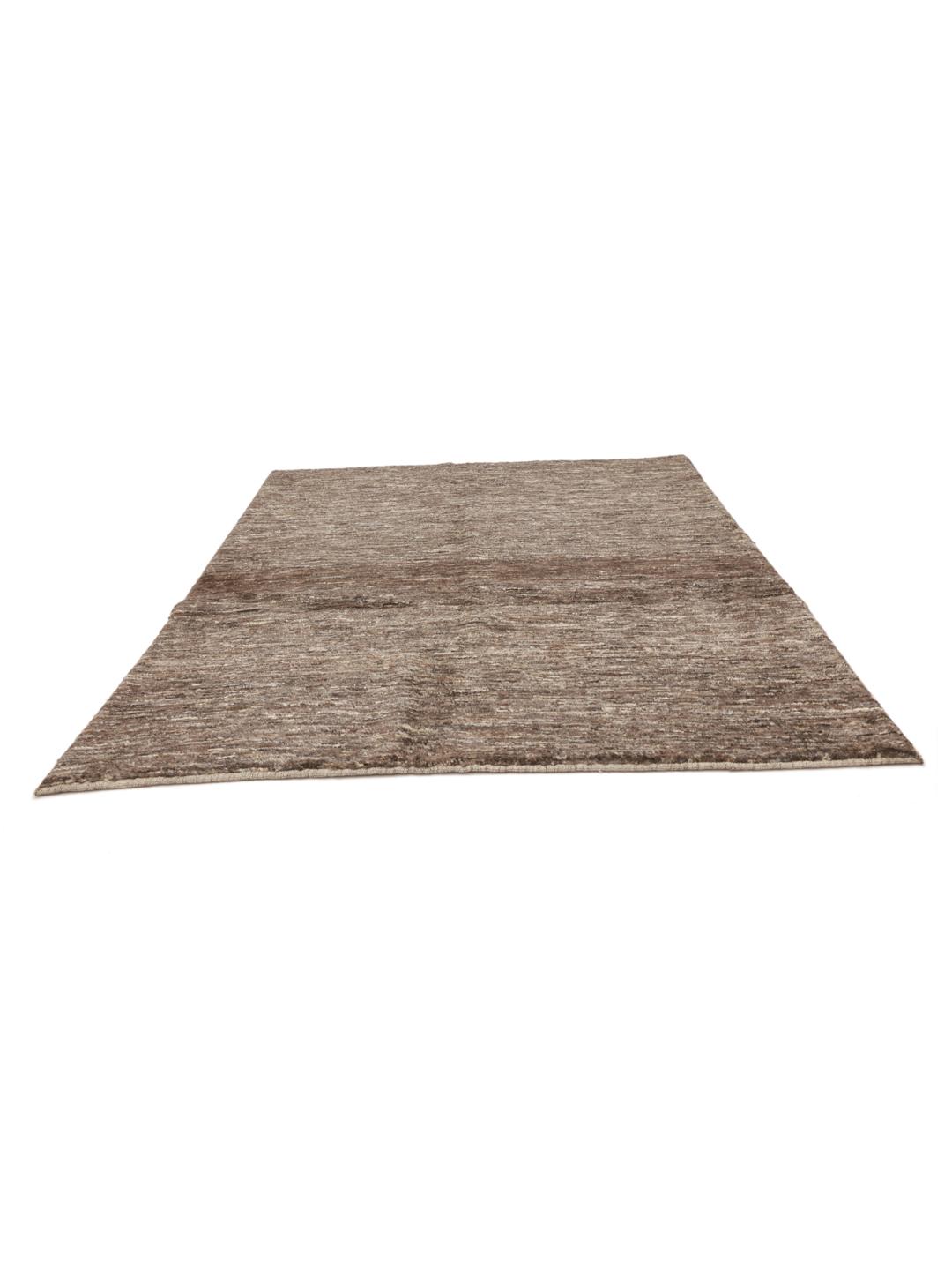
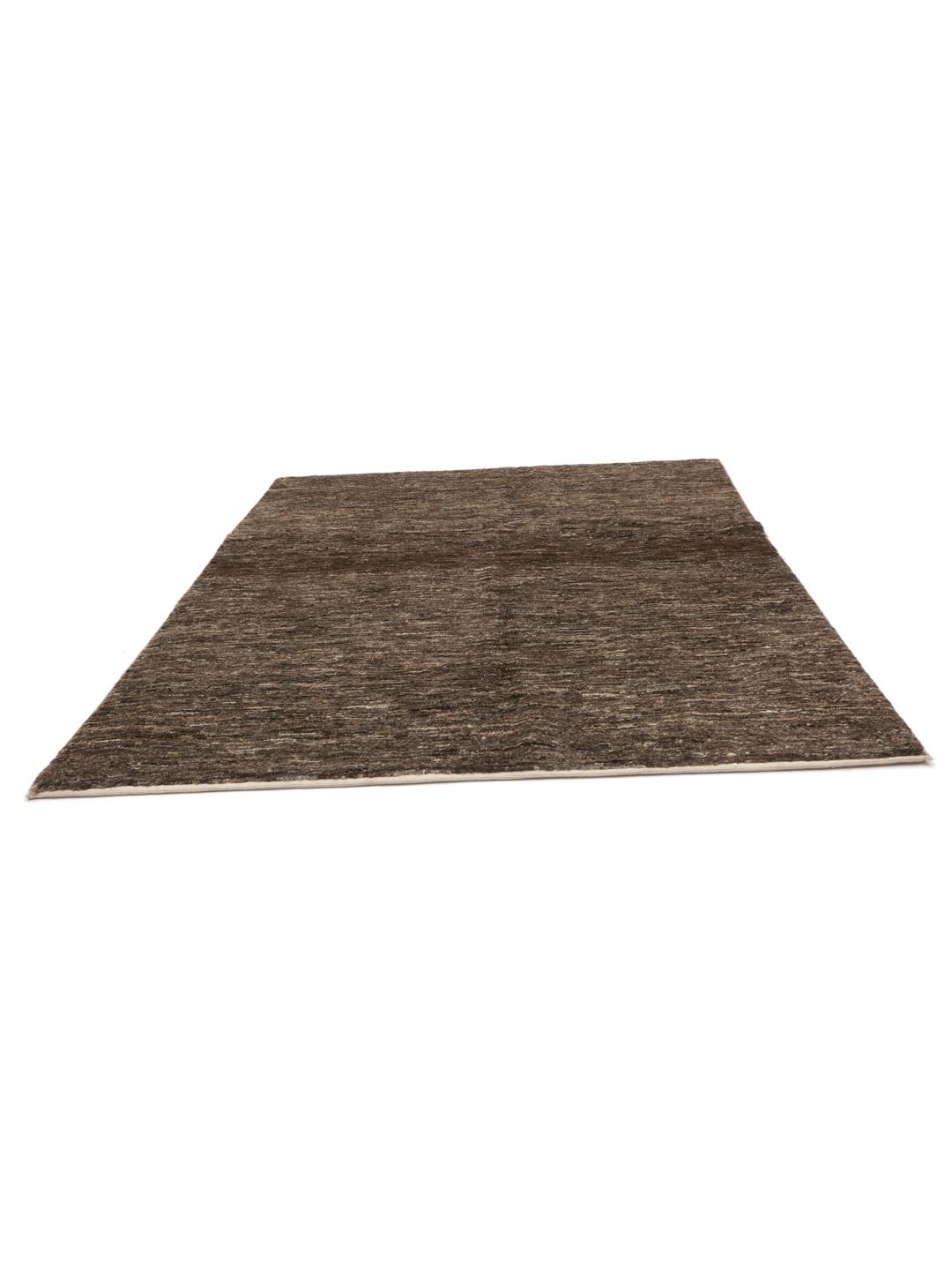
While traditional rugs from this region are often known for complex medallion patterns, the Loribaft style frequently embraces a more minimalist approach. This particular piece showcases a beautiful, deep brown palette, focusing on the texture and the subtle variations of the wool rather than bold motifs, making it a versatile choice for modern homes.
Owning a Loribaft rug is an opportunity to connect with a storied tradition of craftsmanship. These rugs are highly valued by collectors for their authenticity and the human story behind every knot. They represent a bridge between ancient tribal artistry and contemporary living, providing a sense of heritage that is increasingly rare in today's world.