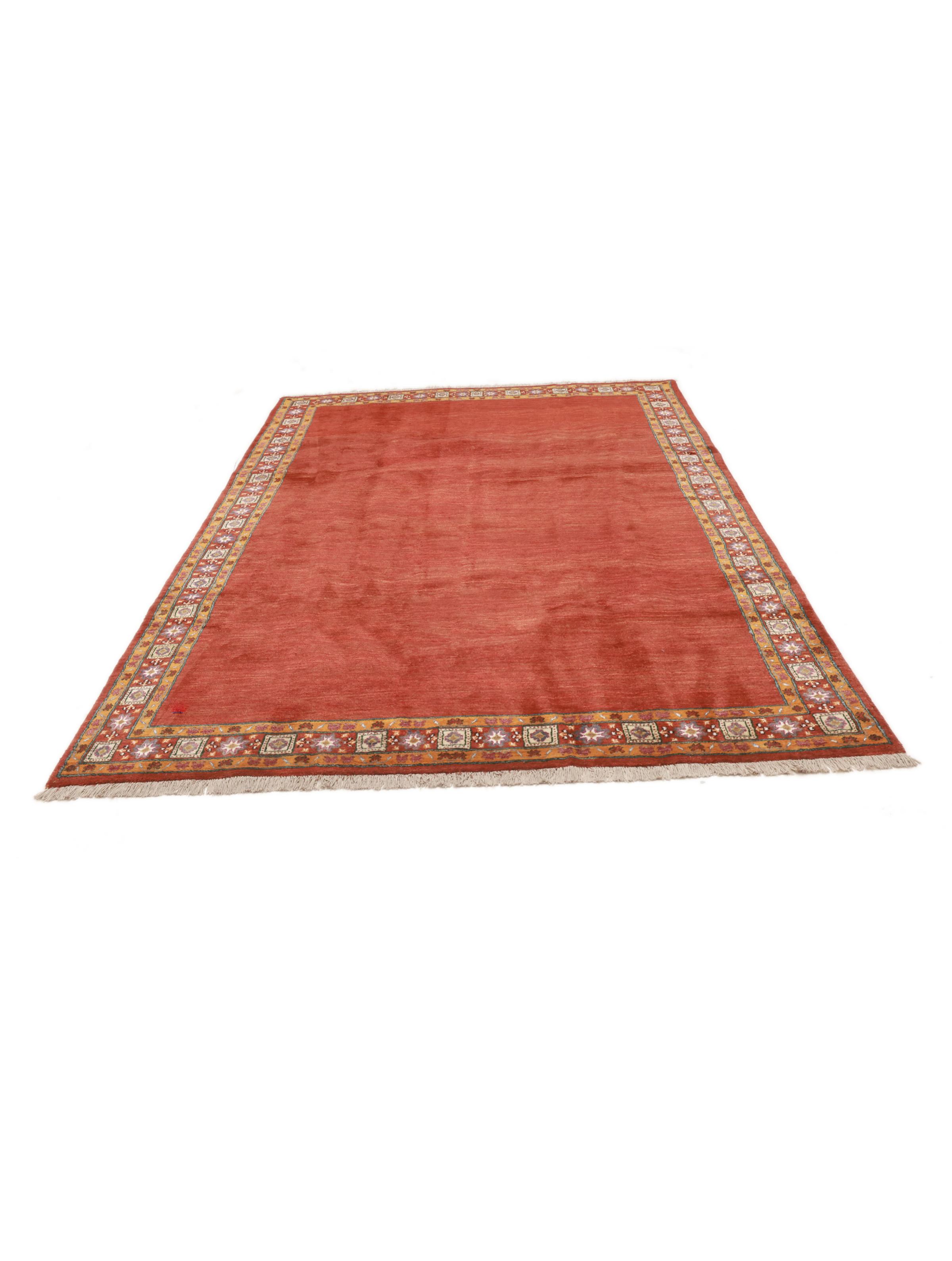
Loribaft rugs trace their roots to the nomadic Lori weavers of the southwestern Middle East. Traditionally, these weavers created thick, rustic rugs known as Gabbehs for practical warmth in nomadic tents. Over generations, this weaving tradition evolved, leading to the creation of the Loribaft, which combines the rustic charm of tribal designs with a much finer, more sophisticated execution.
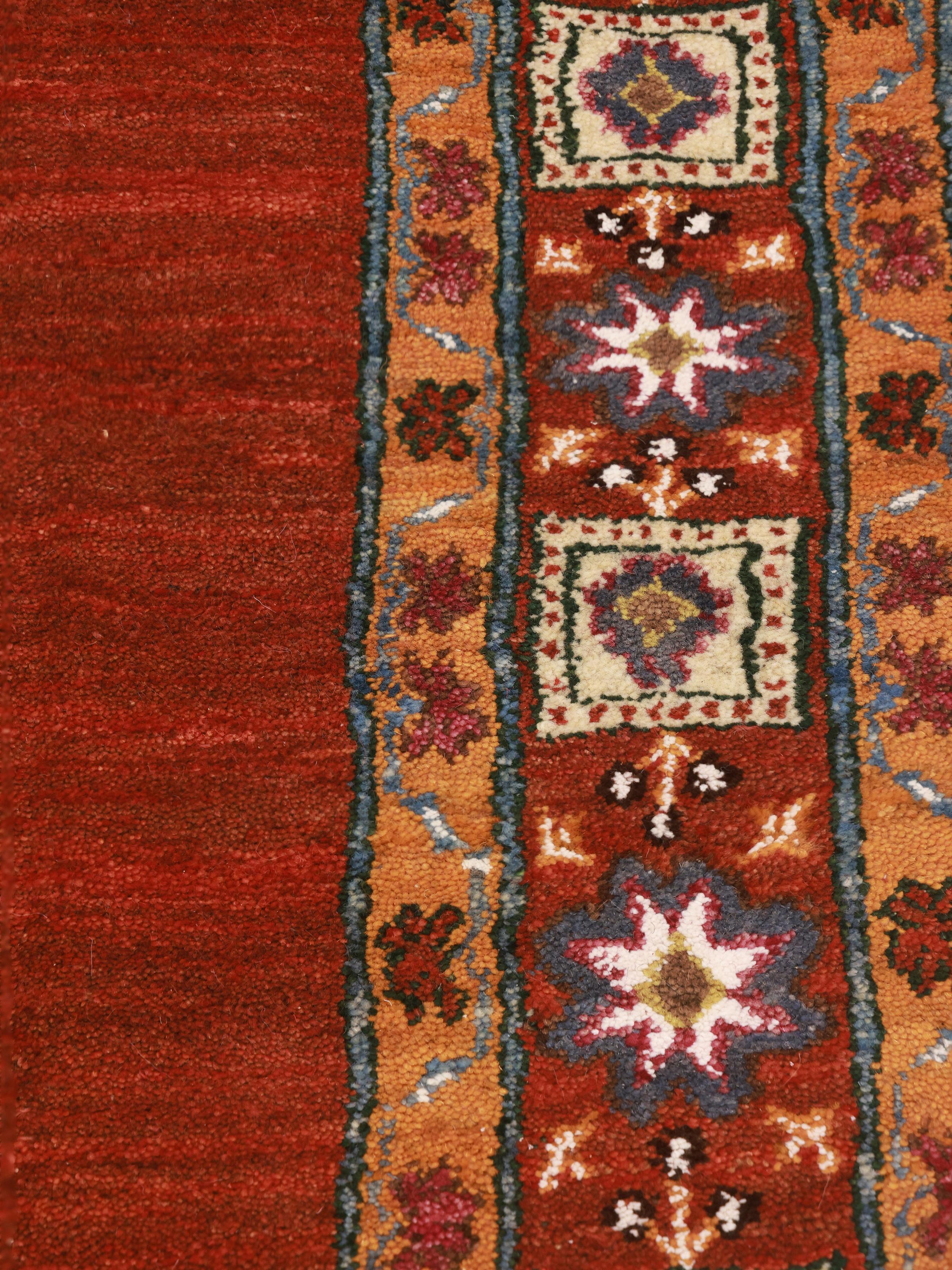
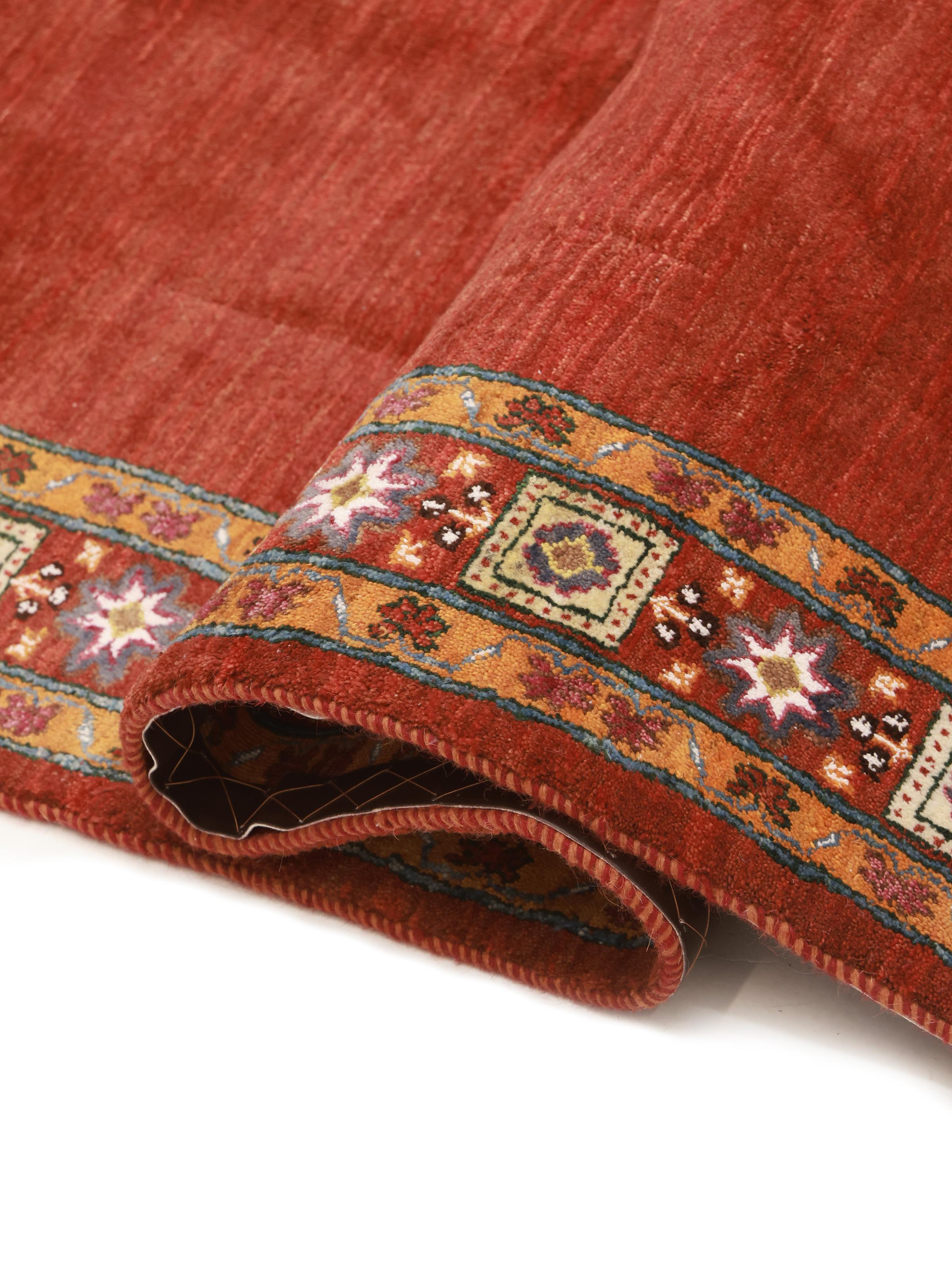
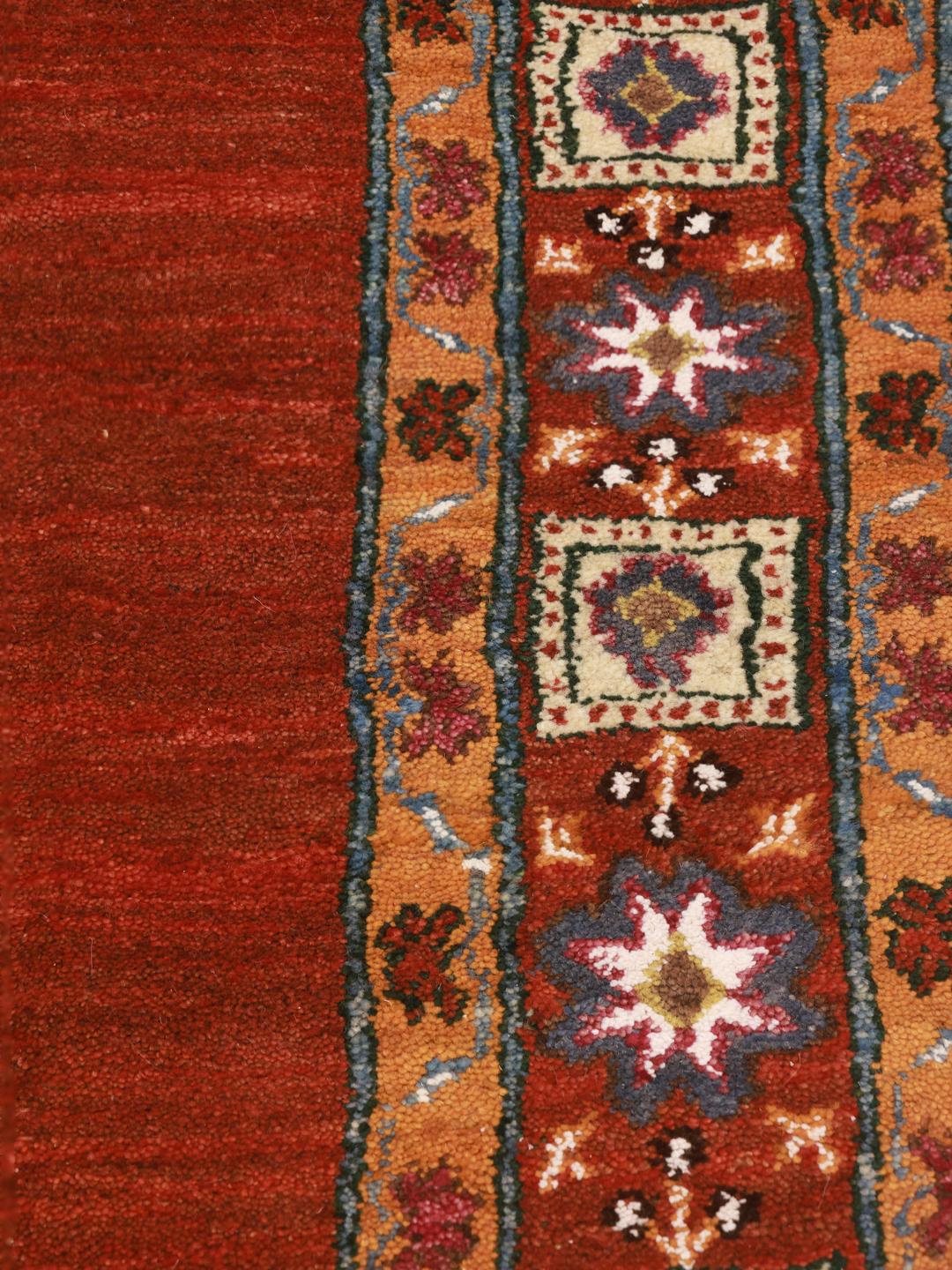
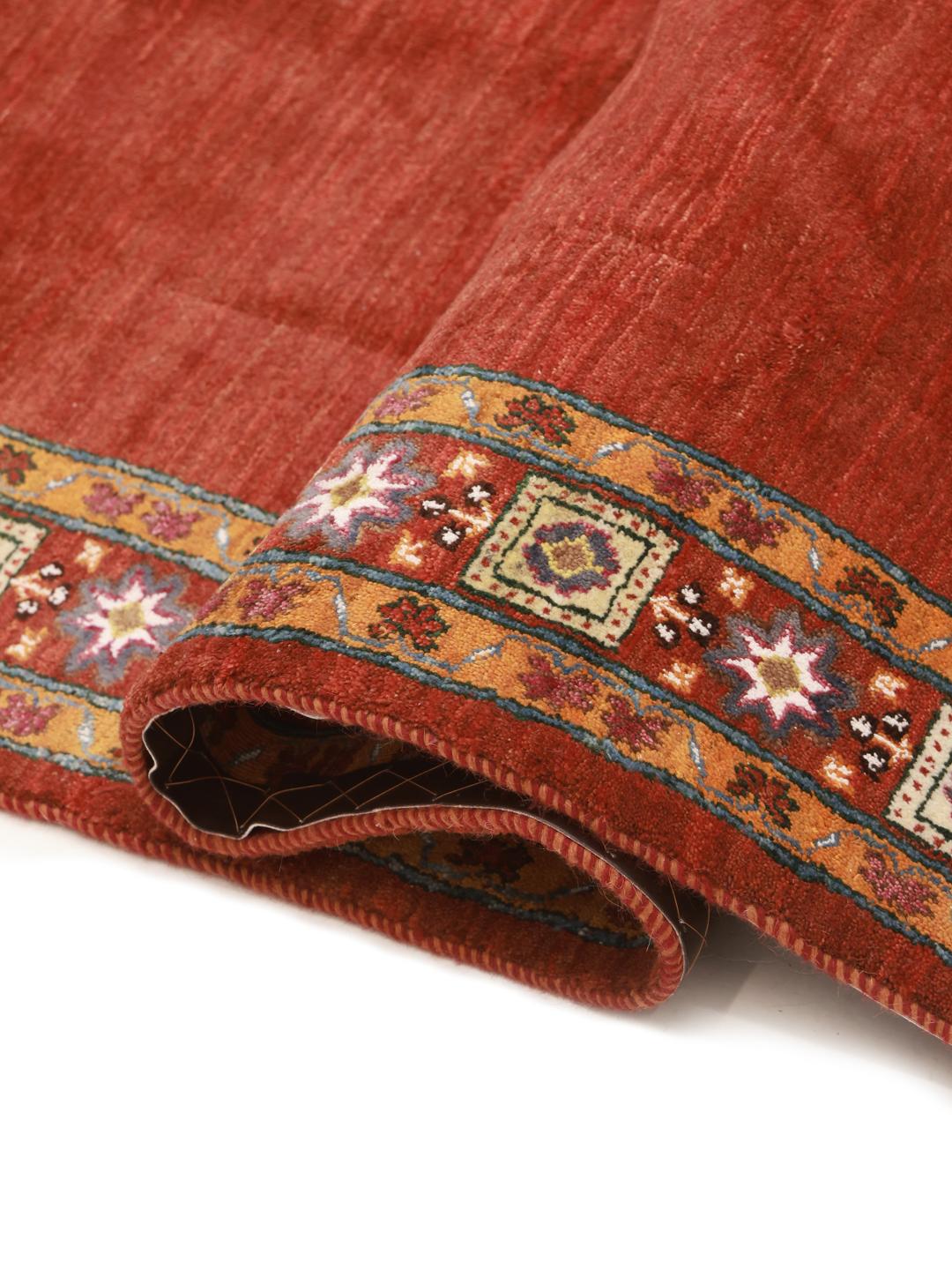
The term Loribaft literally translates to woven by the Lori, signalling a specific standard of craftsmanship. Unlike standard tribal rugs, a Loribaft is characterised by a significantly tighter construction. This finer weave allows for a shorter, denser pile that enhances the clarity of the design and ensures the rug remains exceptionally durable over decades of use.
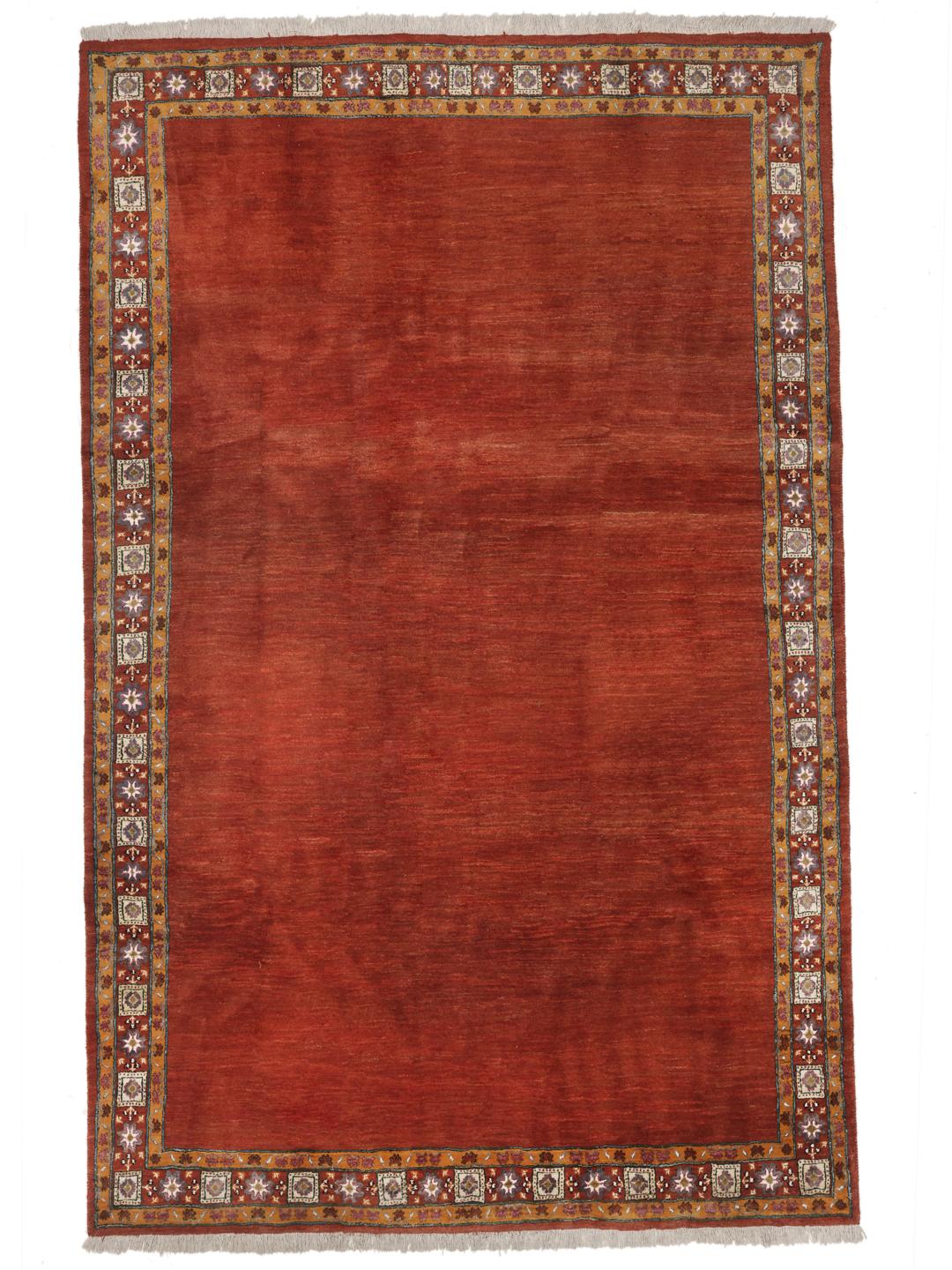
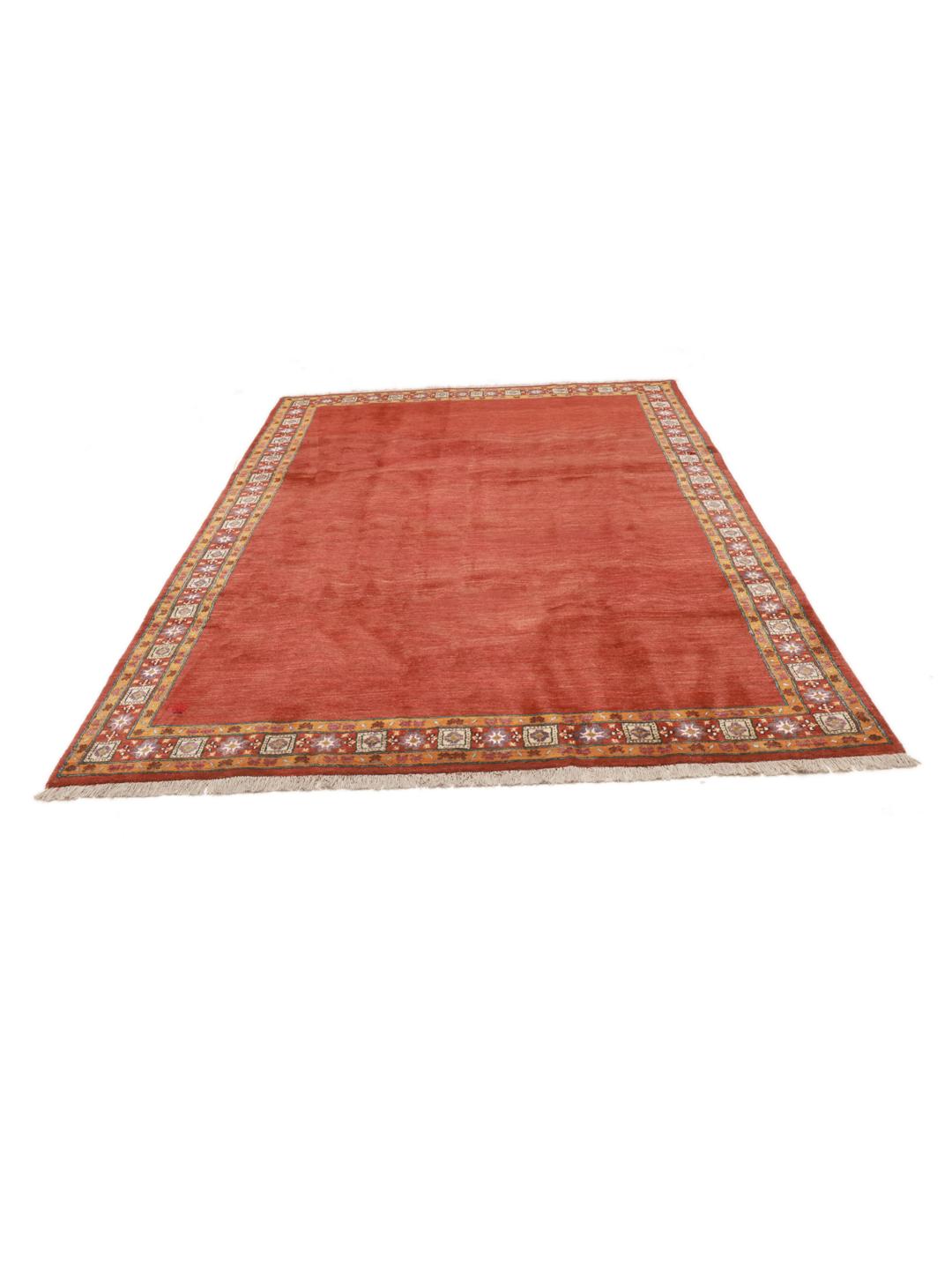
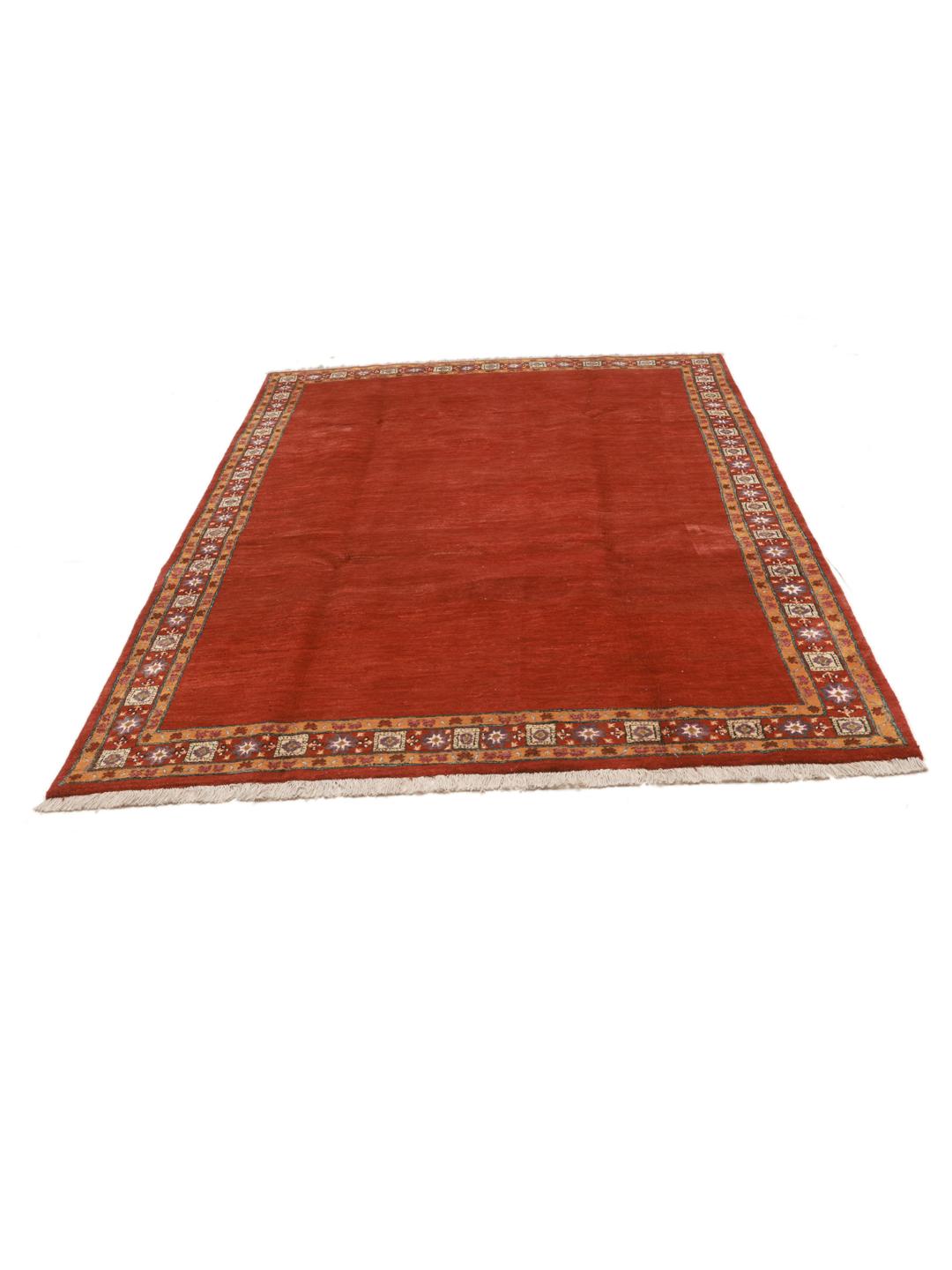
Visually, the Loribaft tradition is celebrated for its minimalist aesthetic, often featuring large expanses of rich, solid colour. This central field is brought to life by abrash, the natural and beautiful horizontal colour variations that occur when hand-dyed wool is woven. This minimalist expanse is typically framed by a delicate border adorned with small geometric shapes, stylized stars, or traditional tribal motifs.
Today, these rugs are highly sought after by collectors and interior designers alike for their unique fusion of ancient tribal heritage and modern design appeal. Owning a Loribaft means acquiring a piece of living history, where the artistic intuition of the weaver is beautifully preserved in a functional, lasting textile.