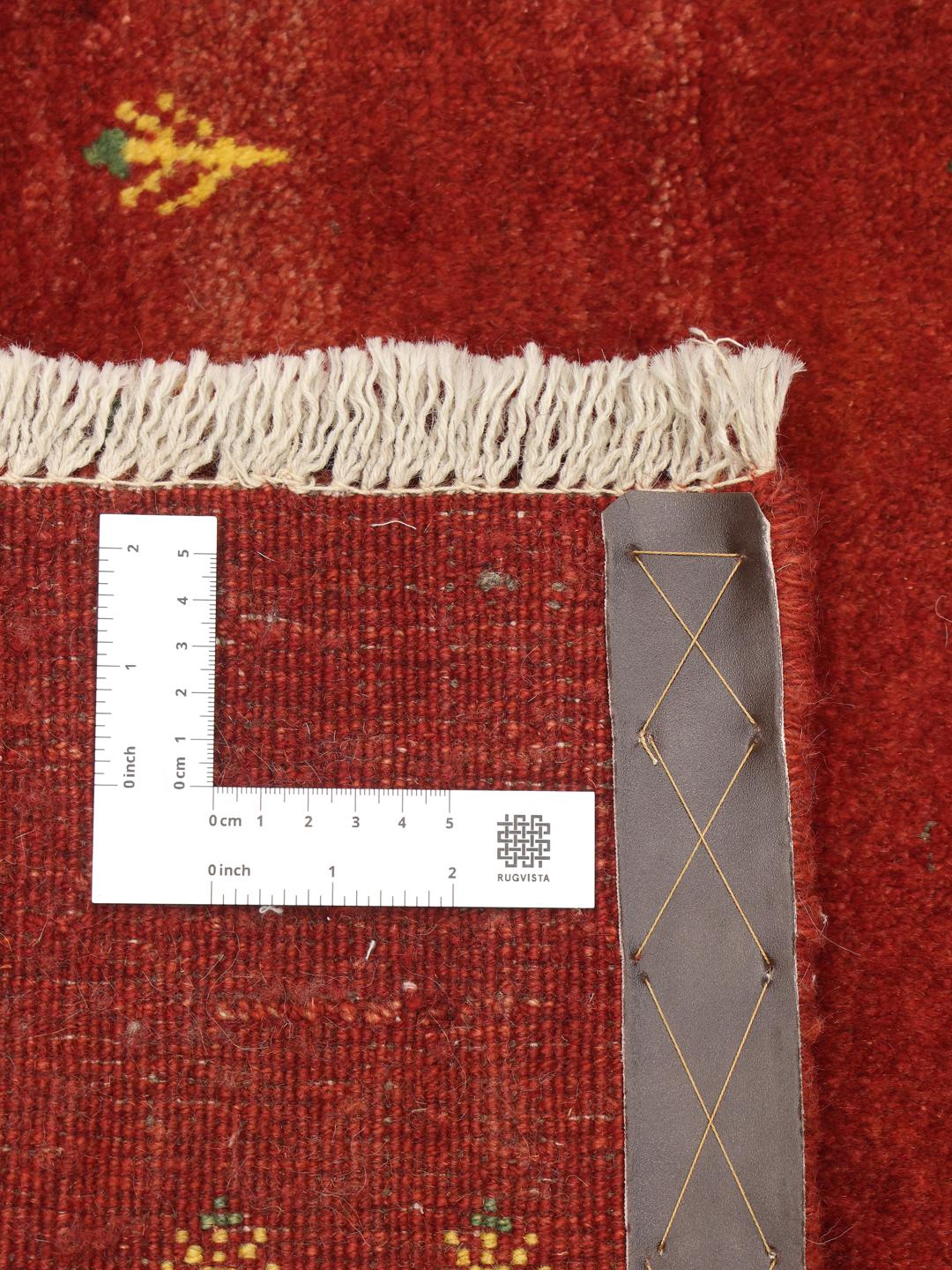
Loribaft rugs originate from the tribal weaving traditions of the Middle East, particularly among the nomadic groups who have honed their craft over generations. These rugs are deeply rooted in the cultural heritage of their makers, serving as functional art that reflects the environment and the expressive spirit of the weaver.
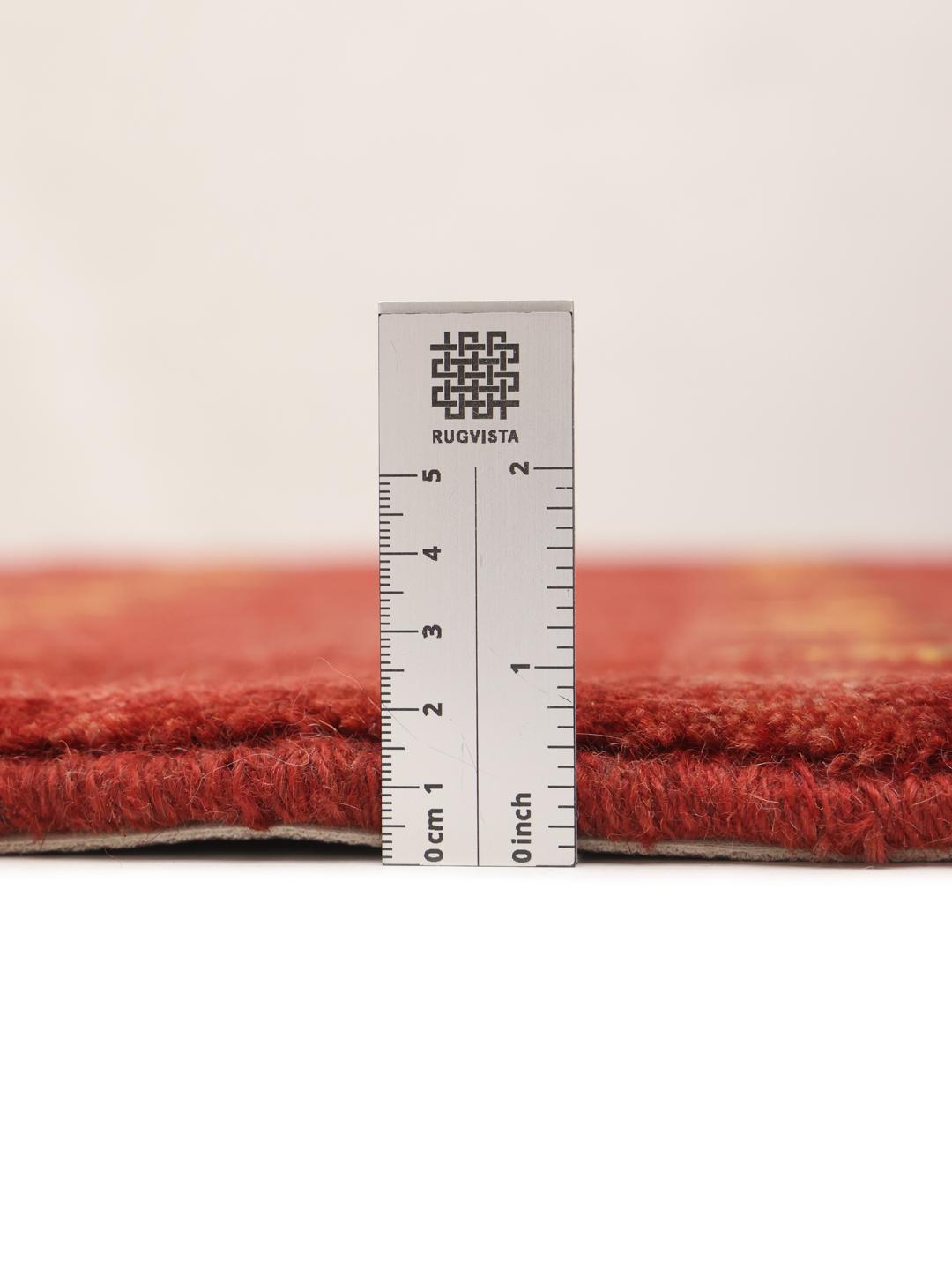
The term Loribaft refers to a style that is known for its plush, thick pile and simplified, often geometric or floral designs. Unlike more formal, city-made rugs that follow rigid patterns, these pieces are often created with a sense of spontaneous creativity, allowing the weaver to interpret traditional motifs in a way that feels organic and personal.
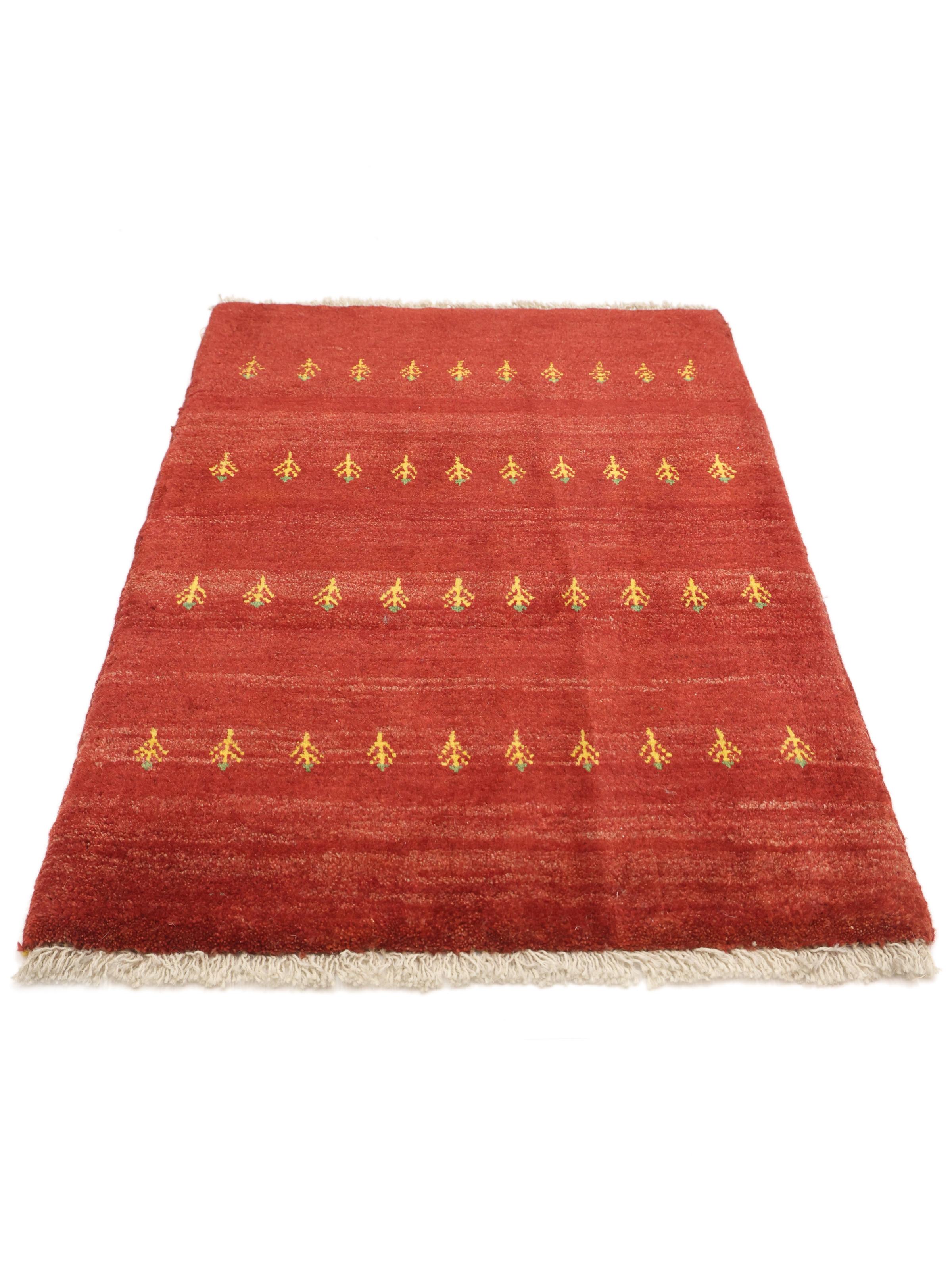
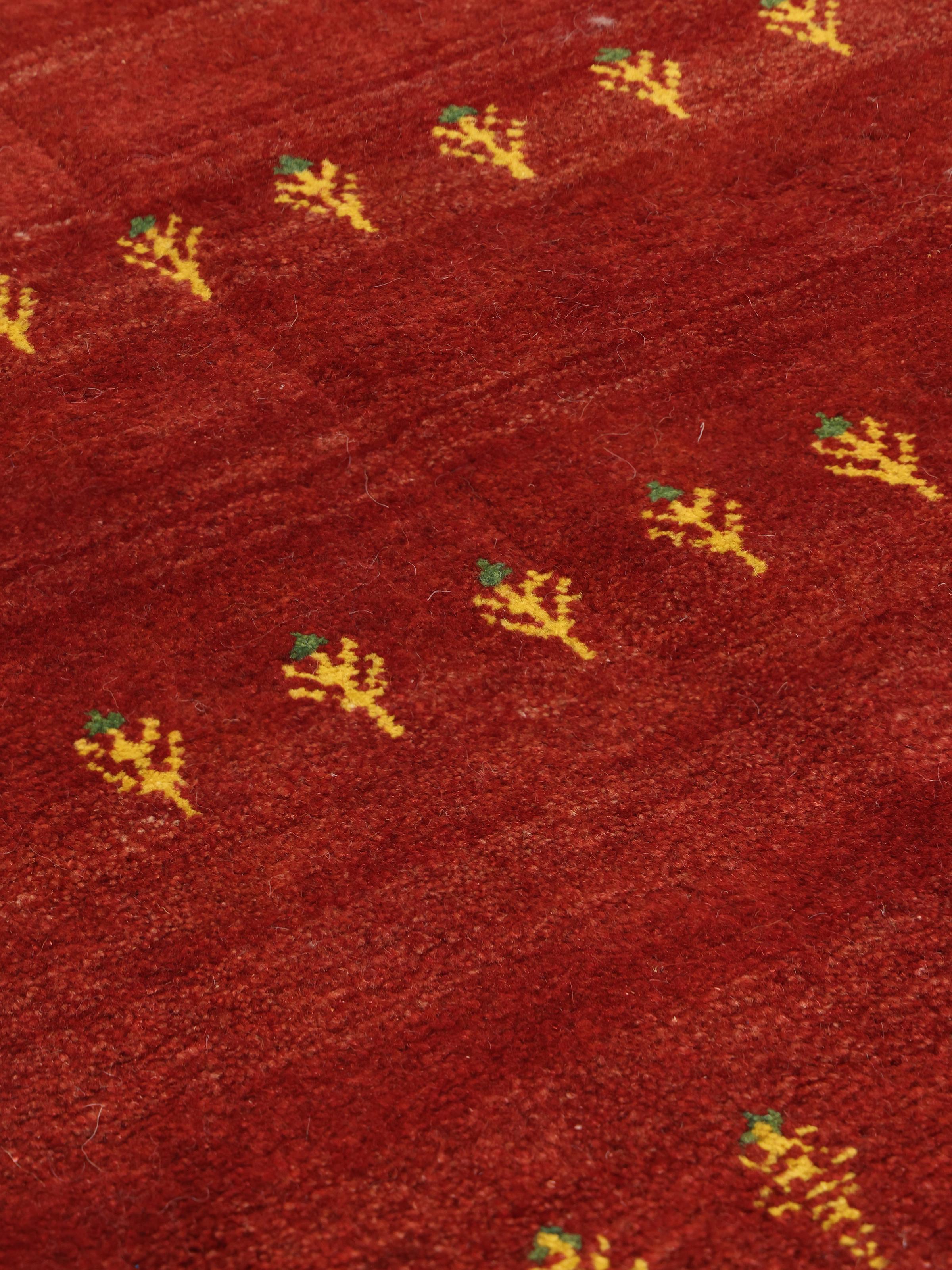
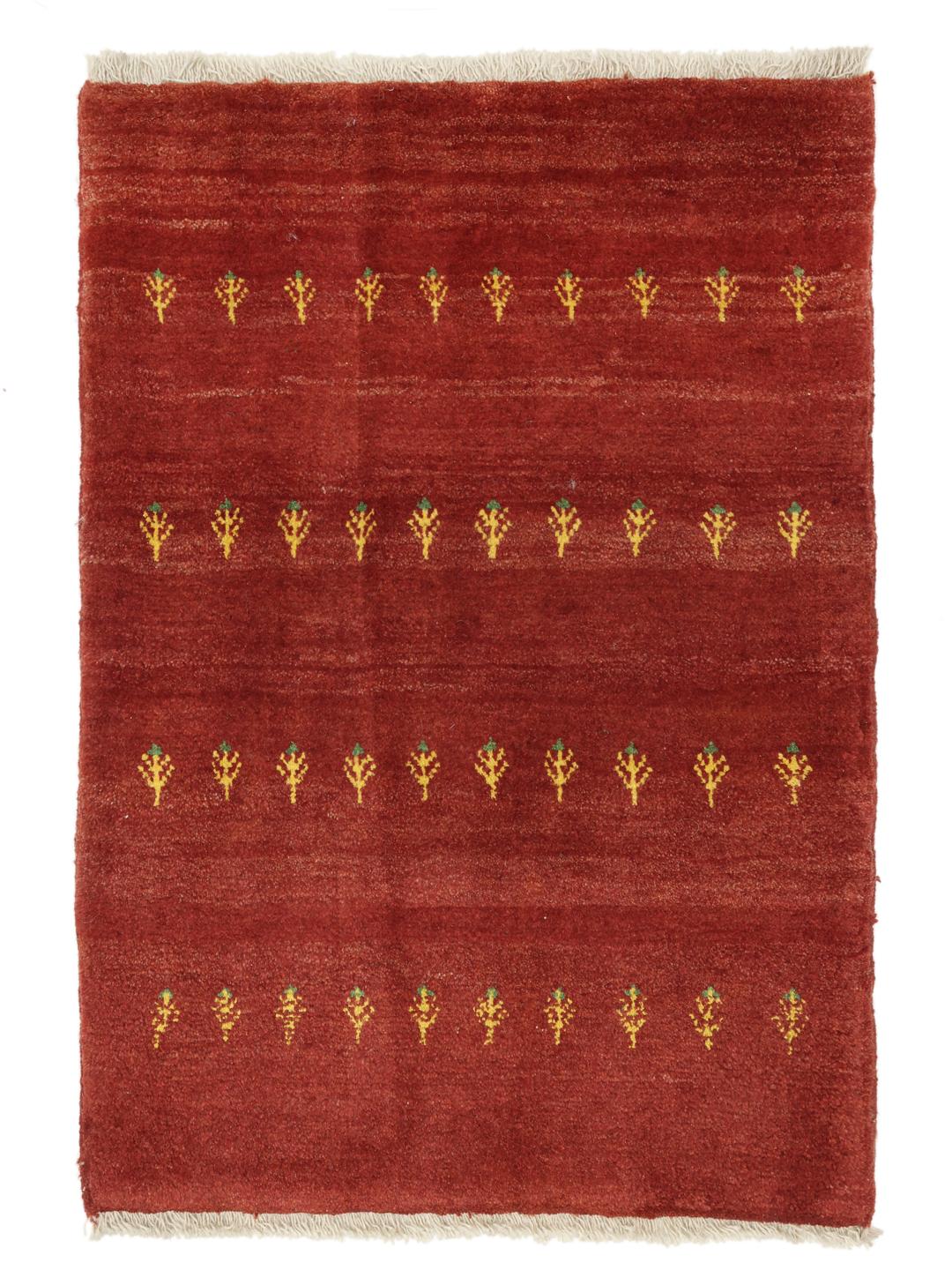
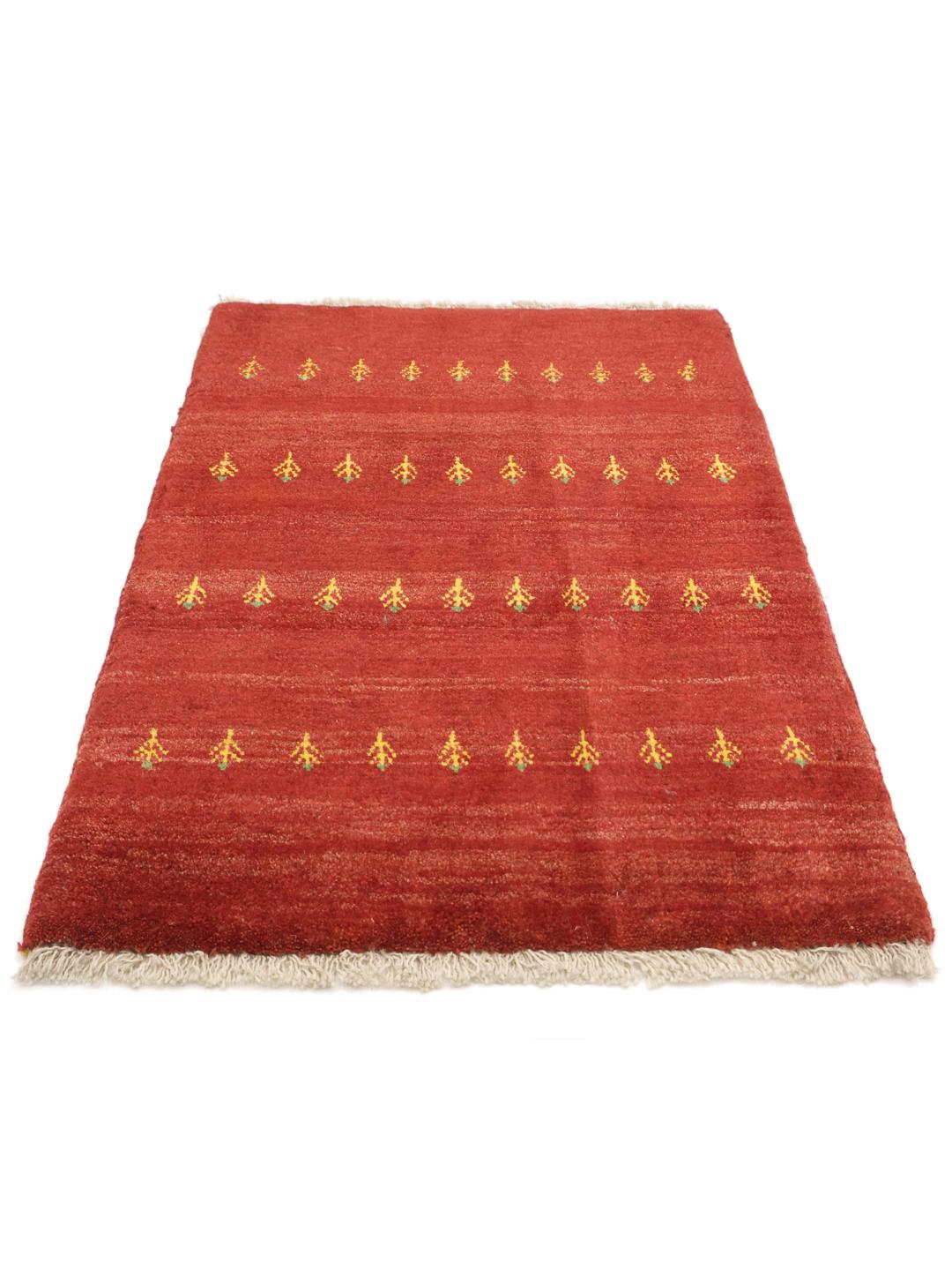
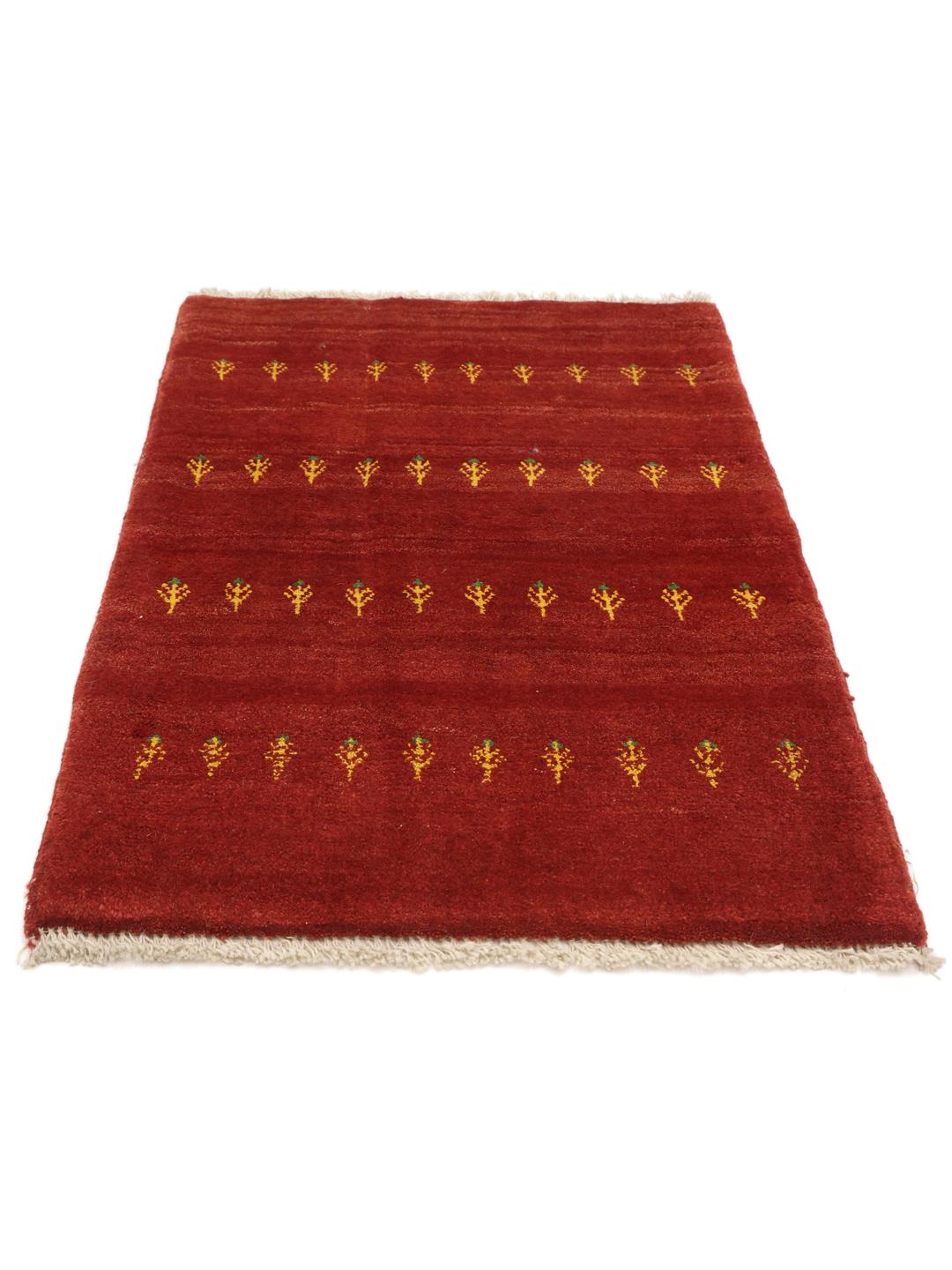
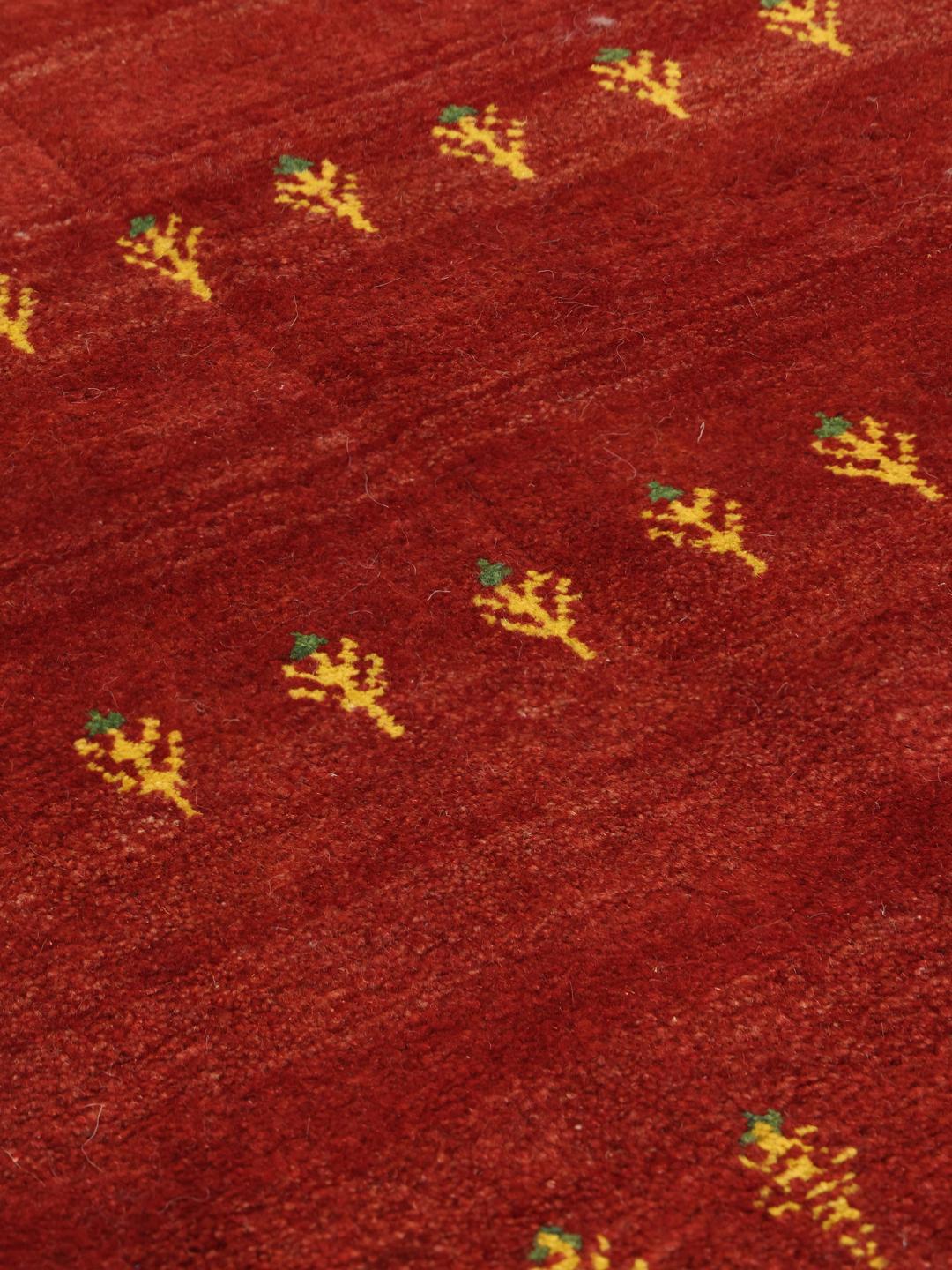
Visually, these rugs are defined by their open fields of rich, saturated colours, often achieved through traditional natural dyeing techniques. The motifs, such as the delicate floral elements seen here, are frequently inspired by the natural world, representing a bridge between the nomadic lifestyle and the desire to bring beauty into the domestic sphere.
Owning a Loribaft is an opportunity to connect with a long-standing tradition of skill and resilience. These rugs are highly valued by collectors for their authenticity and the human touch visible in every knot. They are not merely floor coverings, but rather chapters of a cultural history that continue to offer warmth and beauty to modern homes.