The art of rug weaving in India has a long and storied history, evolving through centuries of cultural exchange and artistic refinement. While the region is famous for its historical connection to the broader traditions of the East, modern Indian weaving has become a global leader in innovation and design. Today, it combines these ancient techniques with contemporary aesthetics to create rugs that are perfectly suited for modern homes.
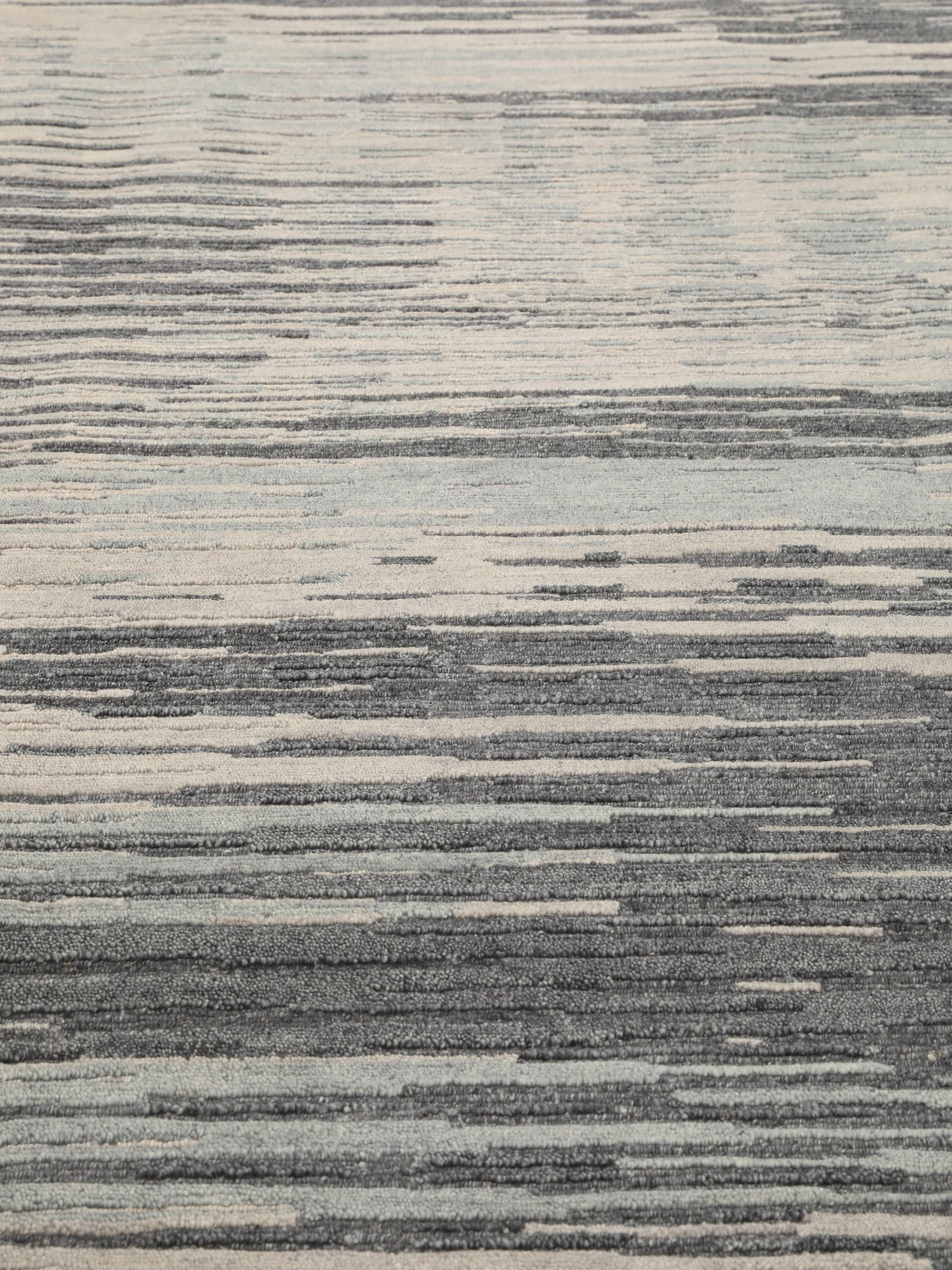
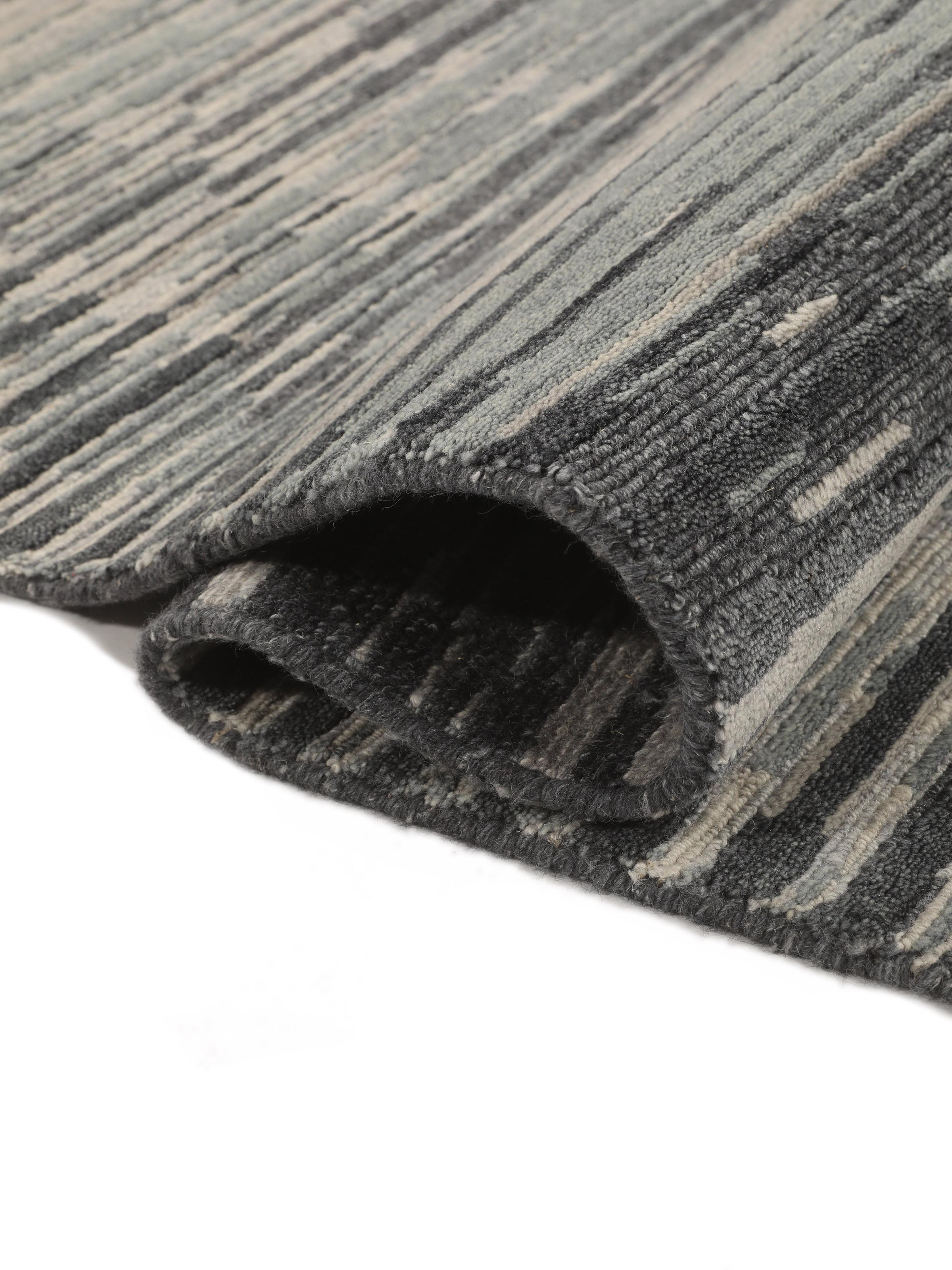
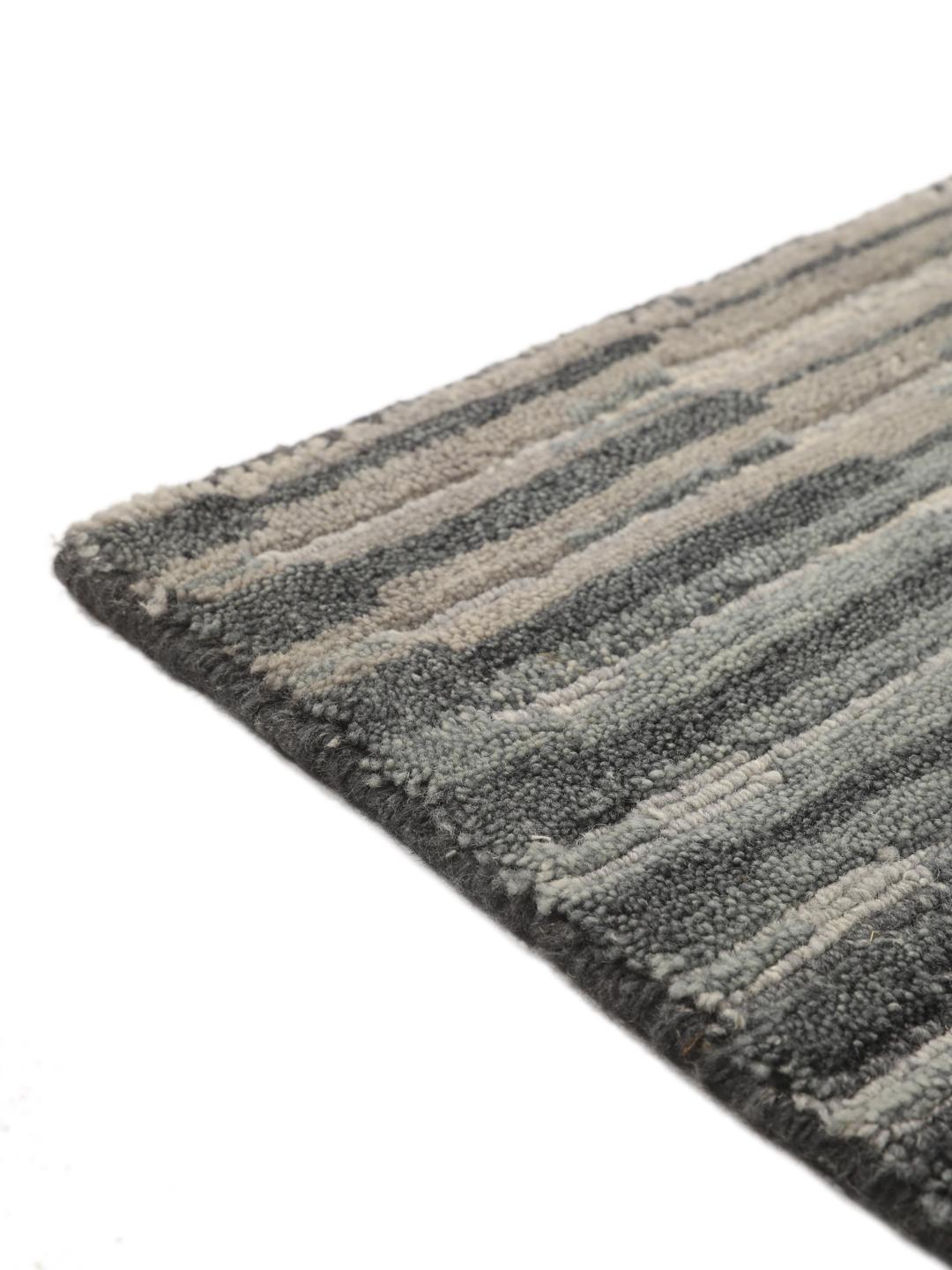
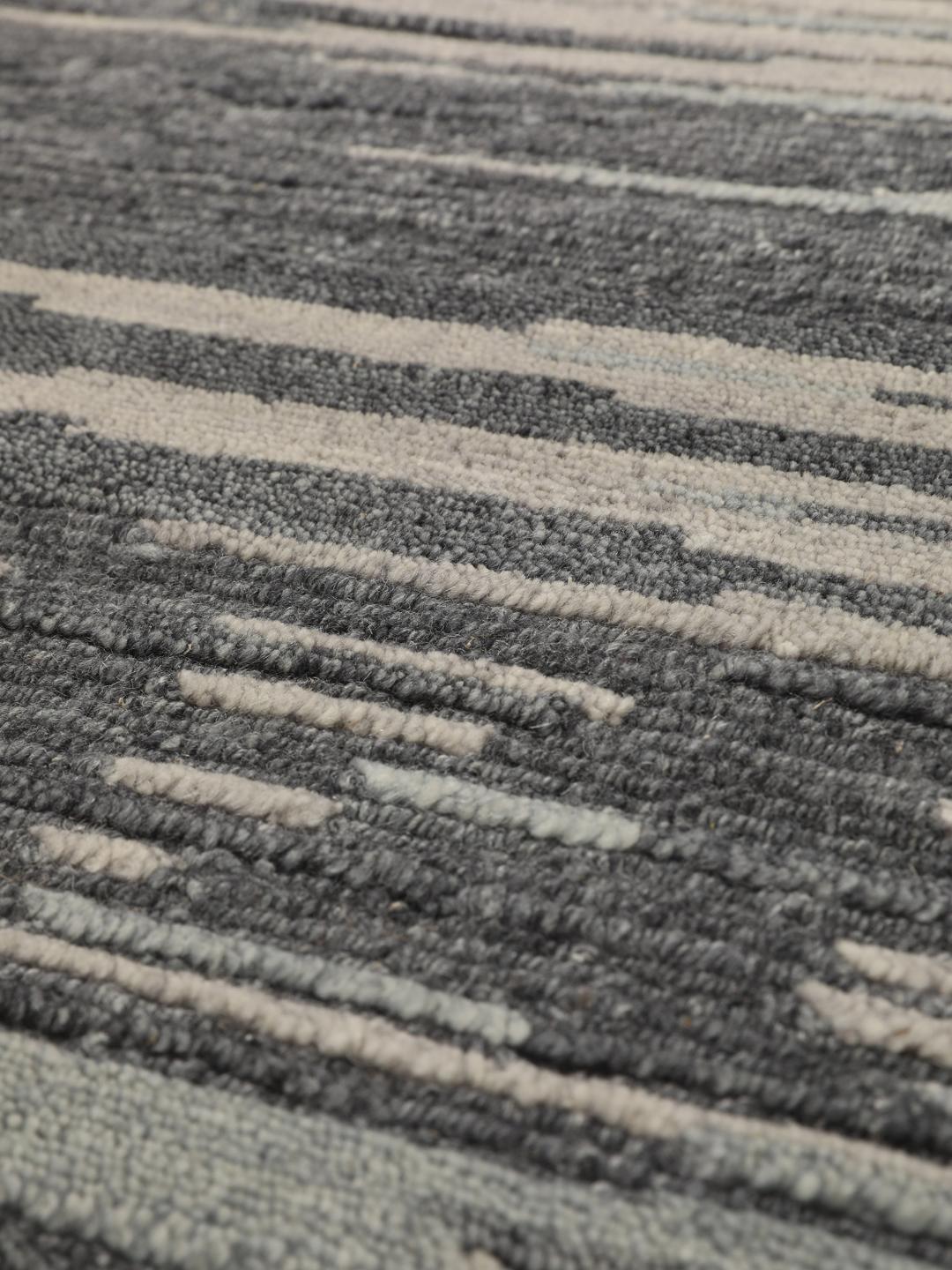
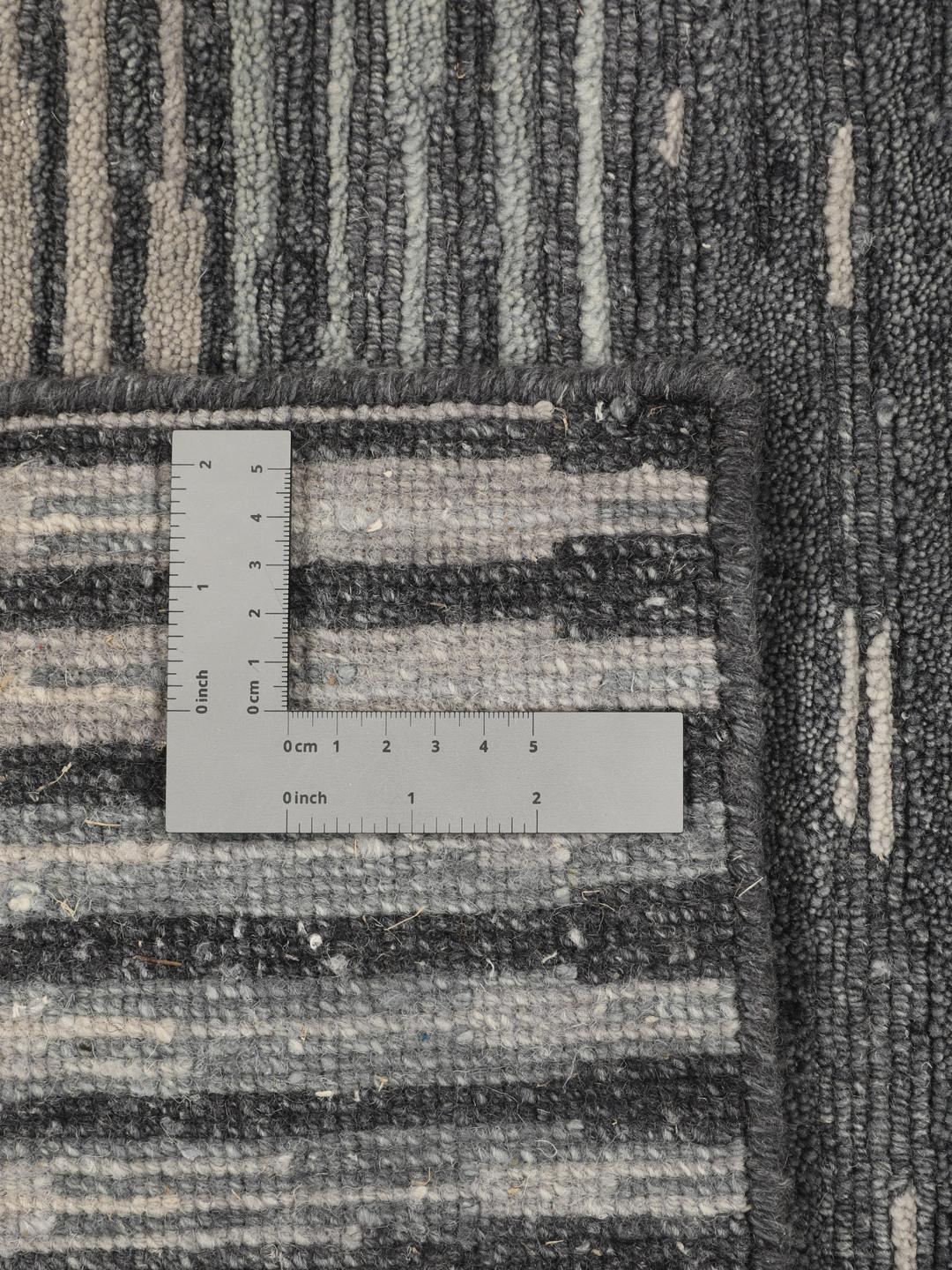
Hand-knotted construction is considered the gold standard of rug making, defined by the process of tying individual knots onto a foundation of warp and weft threads. This method is incredibly time-consuming, as every single knot is placed by hand to form the pile. This approach creates a structure that is far more durable and resilient than any machine-made rug, allowing the piece to withstand daily use while maintaining its original beauty.
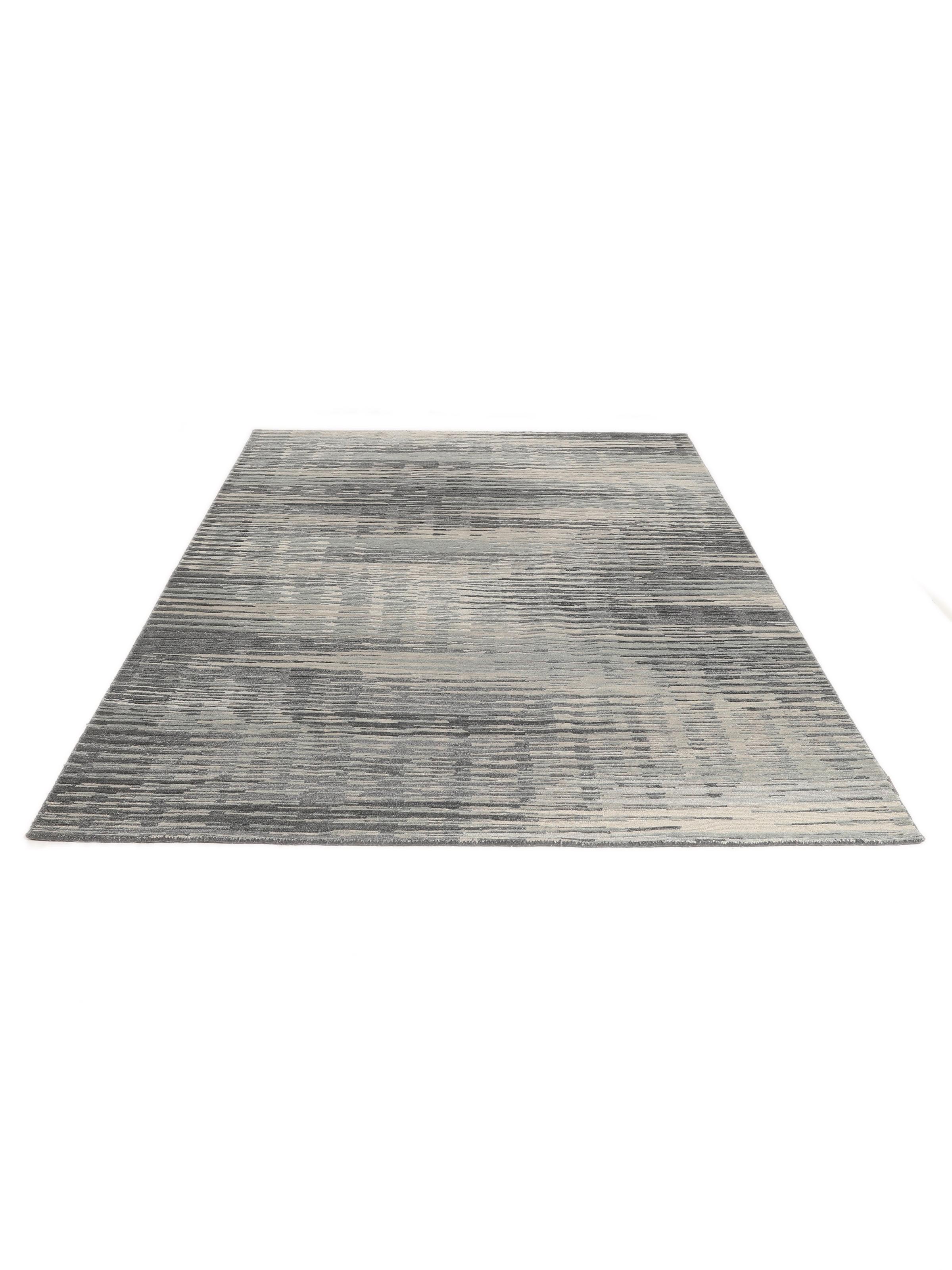
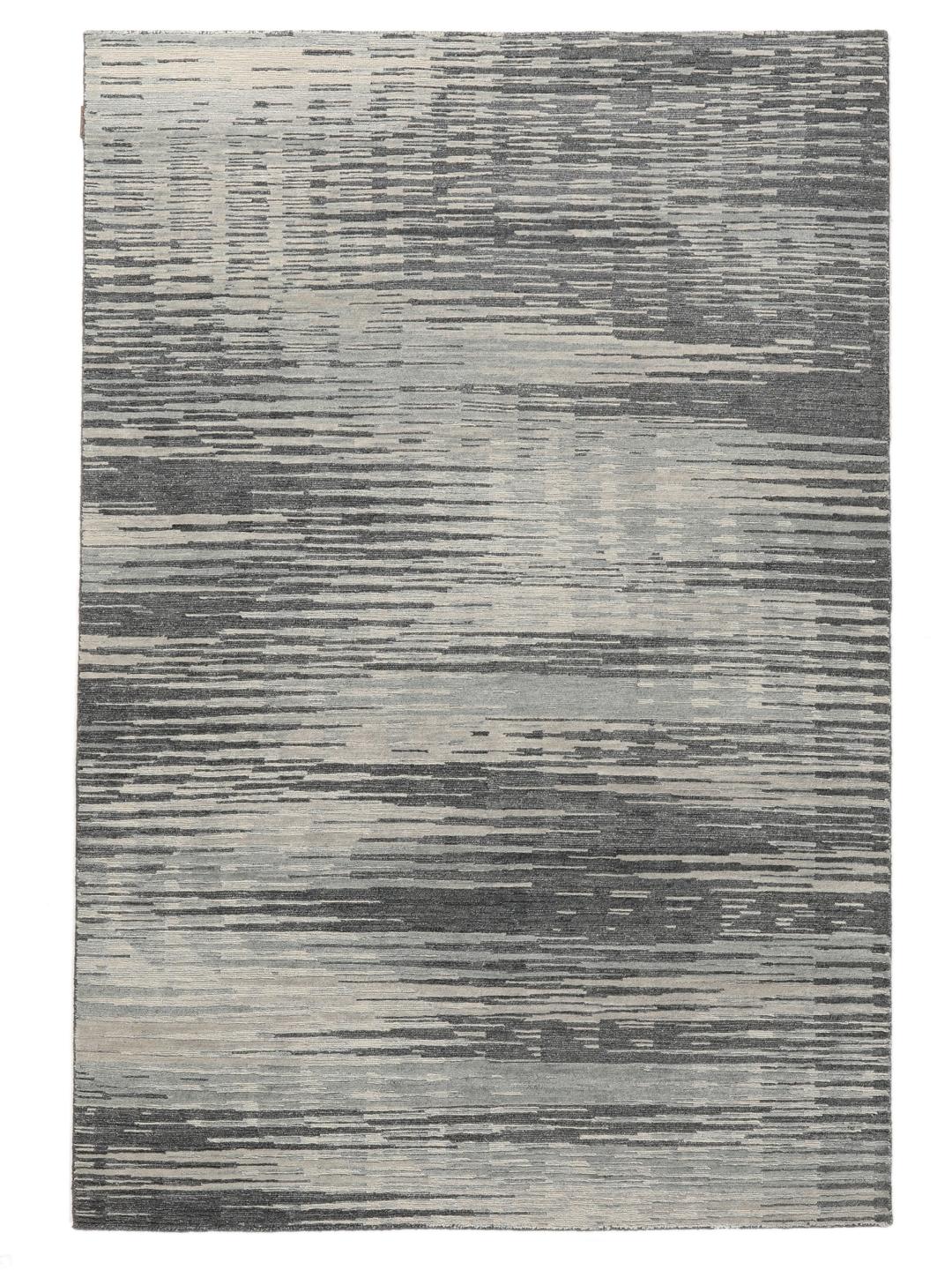
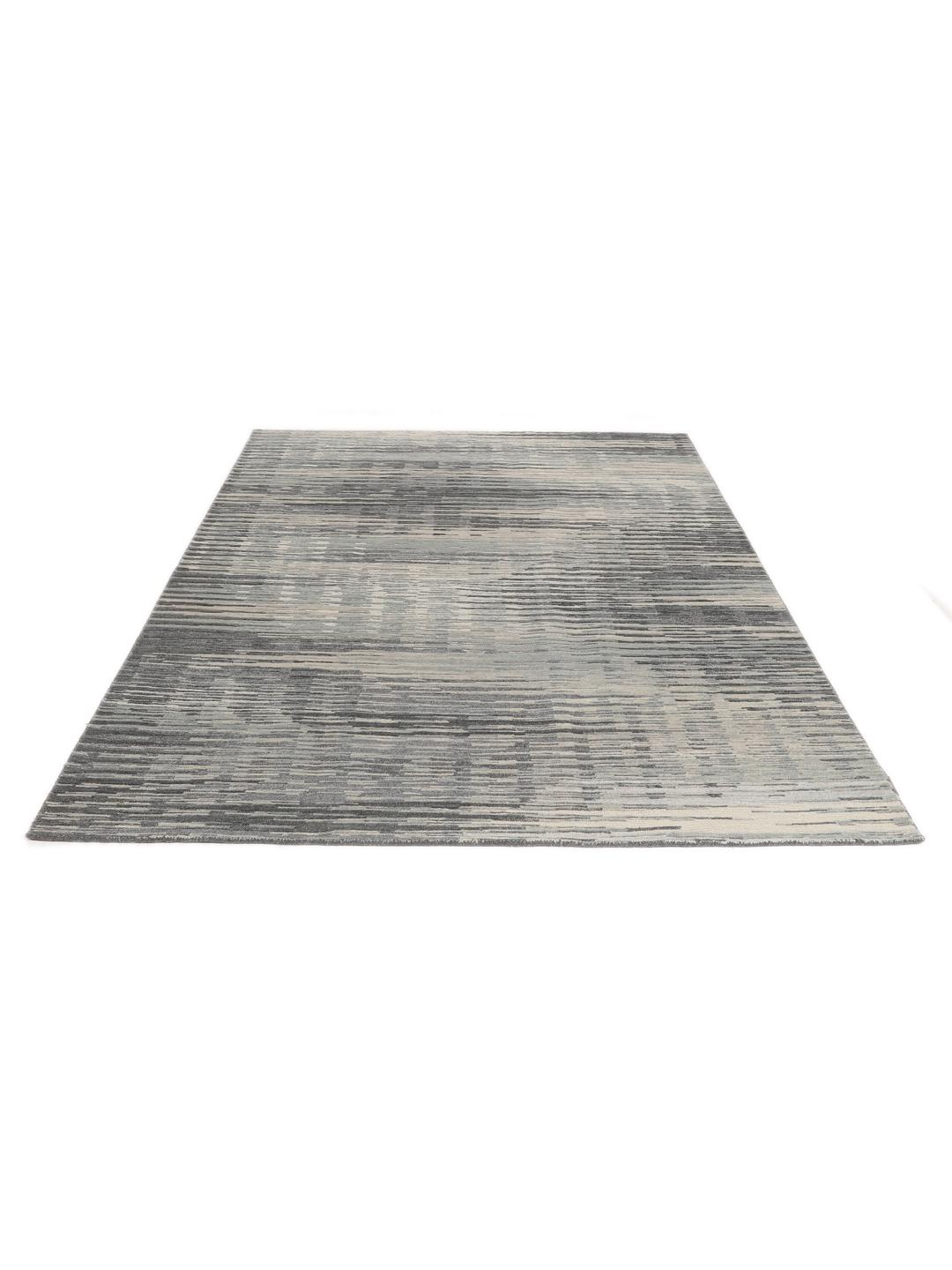
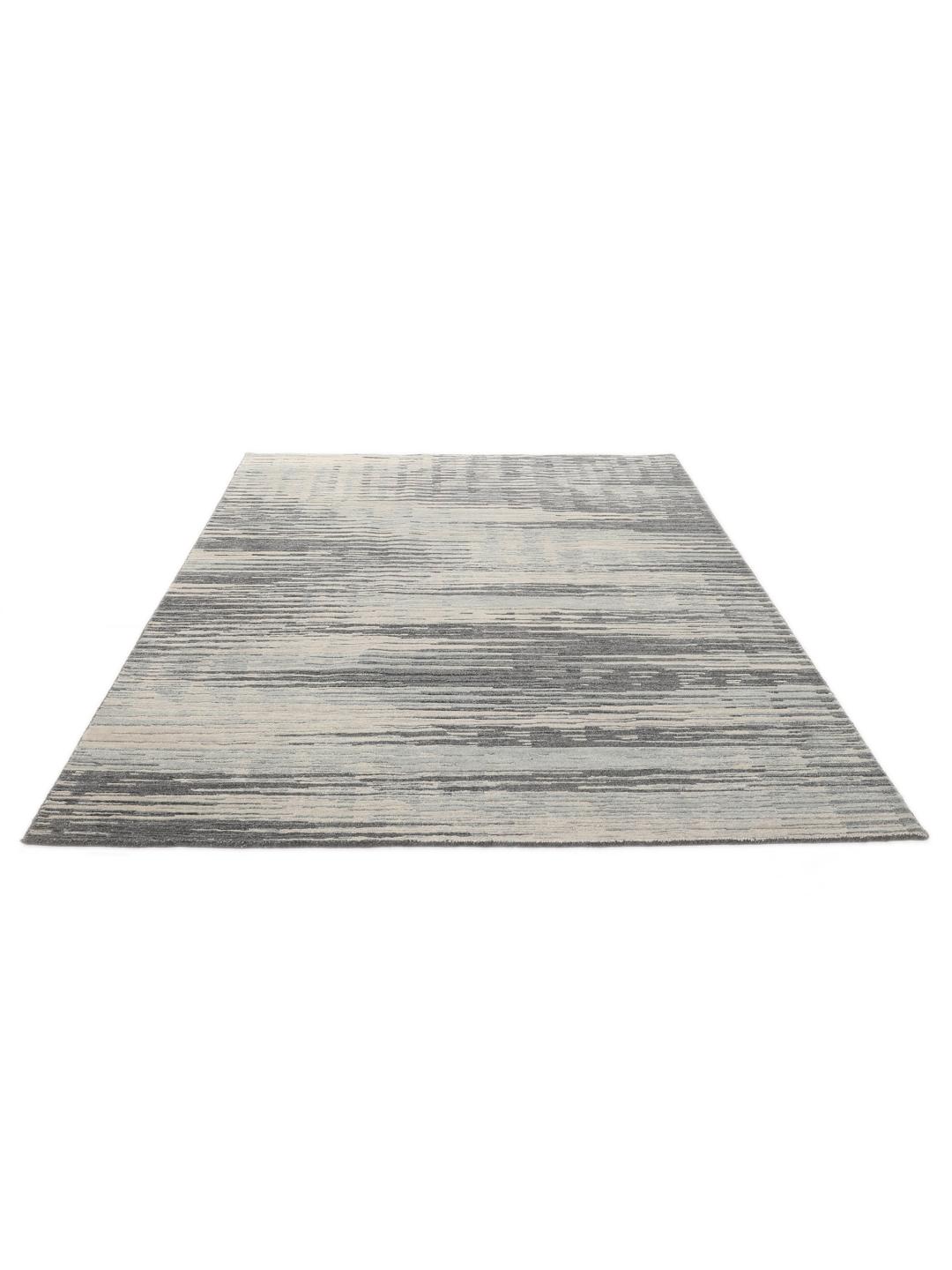
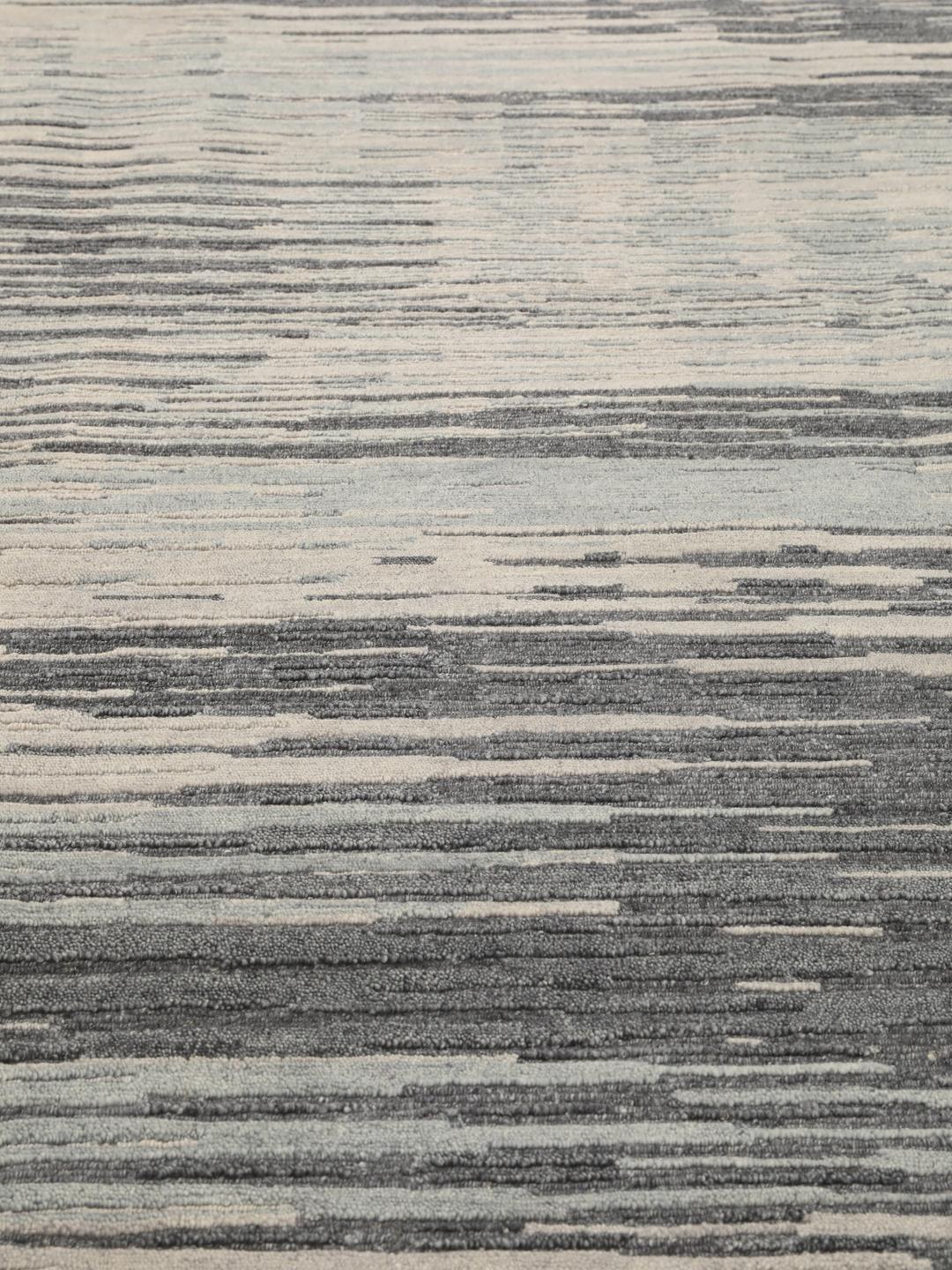
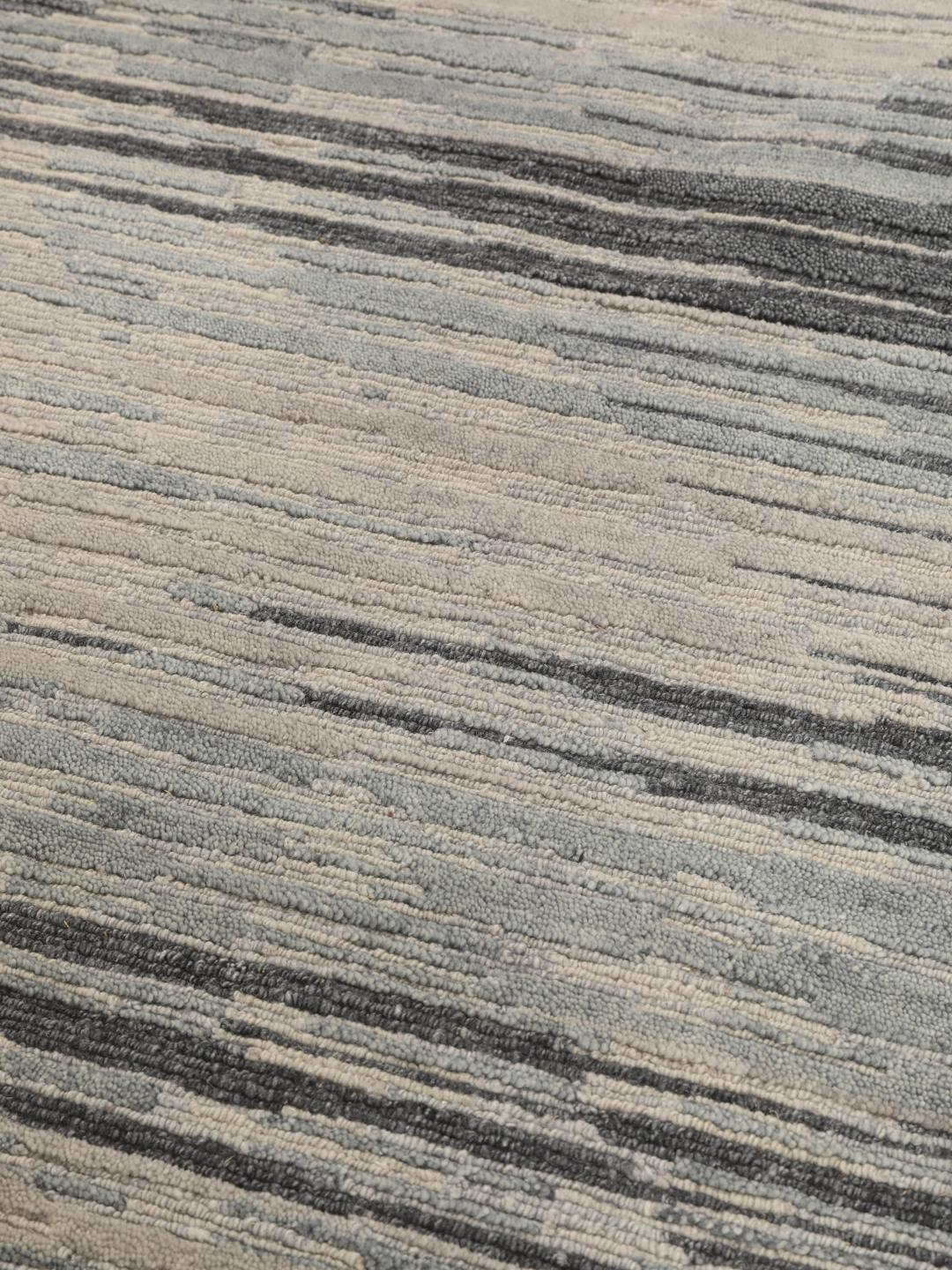
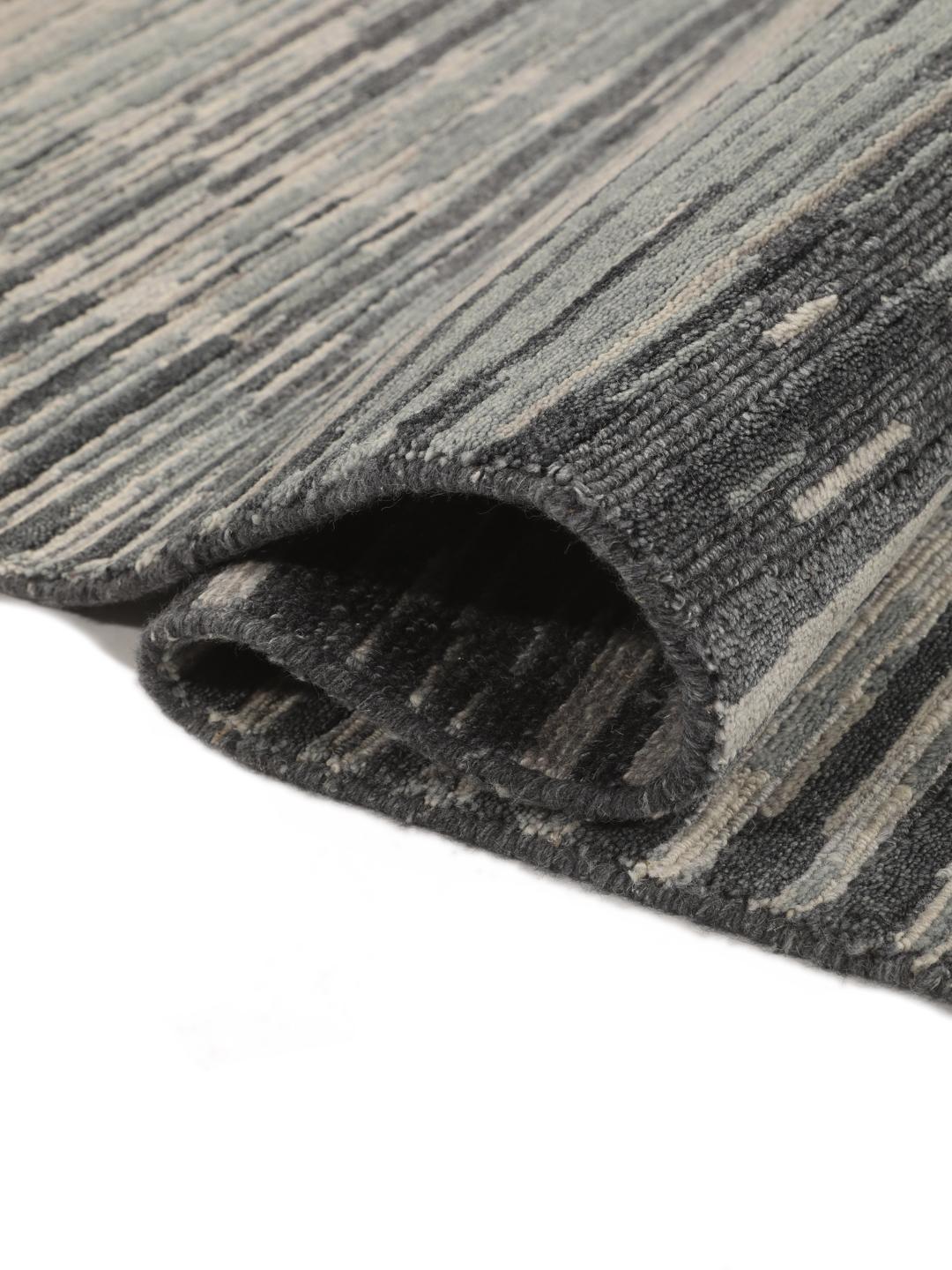
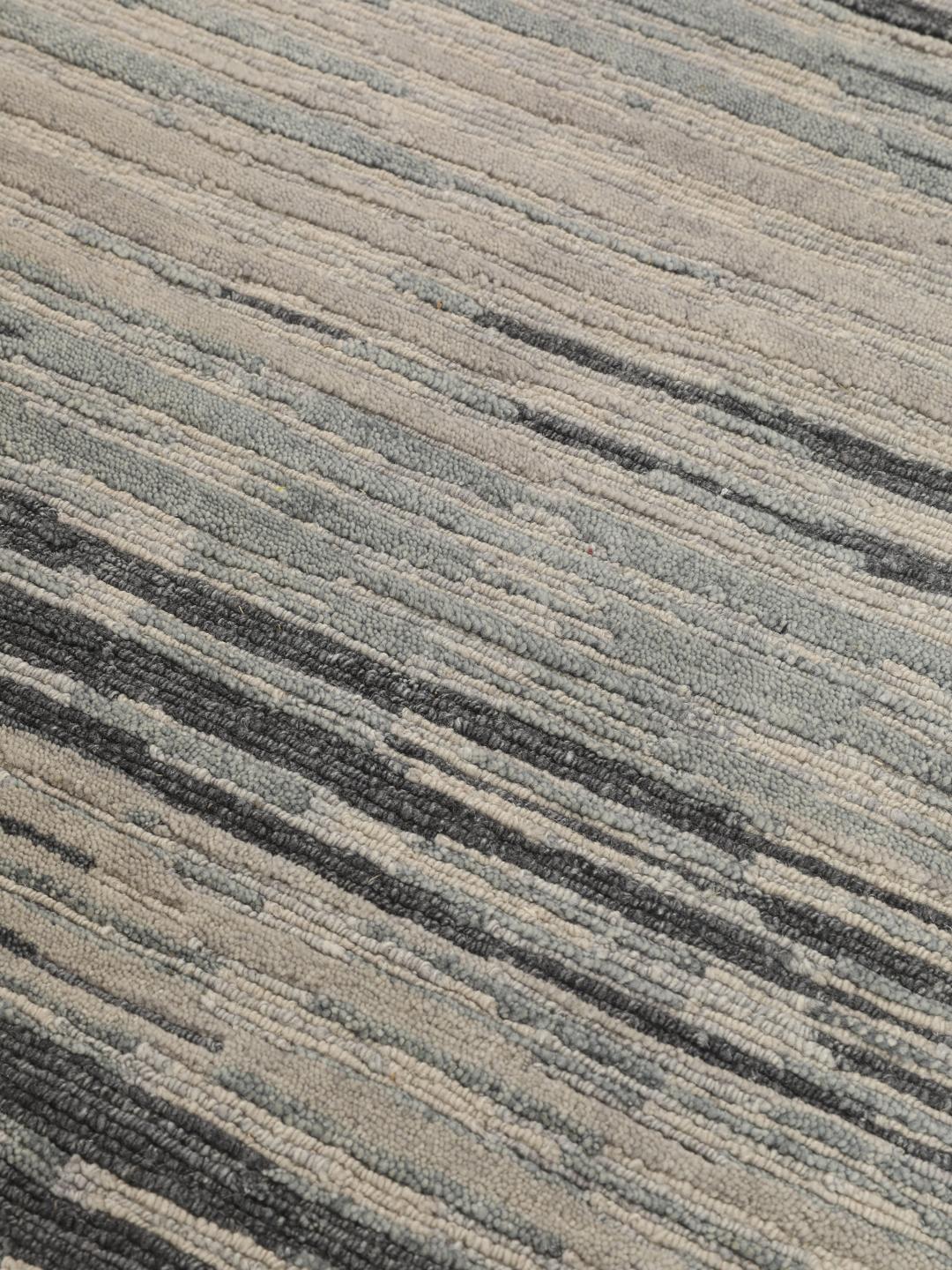
The design of this rug draws on the abstract movement, which prioritises the interplay of form, colour, and texture over traditional motifs. By using a monochromatic grey palette, the design focuses on the subtle variations in tone and the way light interacts with the pile. This minimalist approach allows the rug to act as a sophisticated anchor for a room, providing a calm and cohesive visual experience that does not overwhelm the surrounding decor.
Collecting a hand-knotted rug is an investment in both heritage and skill. Each piece serves as a physical record of the artisan's work, capturing a specific moment of creative effort that will never be repeated. Because each knot is placed by hand, the slight variations in the rug are not flaws but signs of its authenticity and human origin. Owning such a piece connects your home to a long-standing tradition of craftsmanship that values quality and individuality above all else.