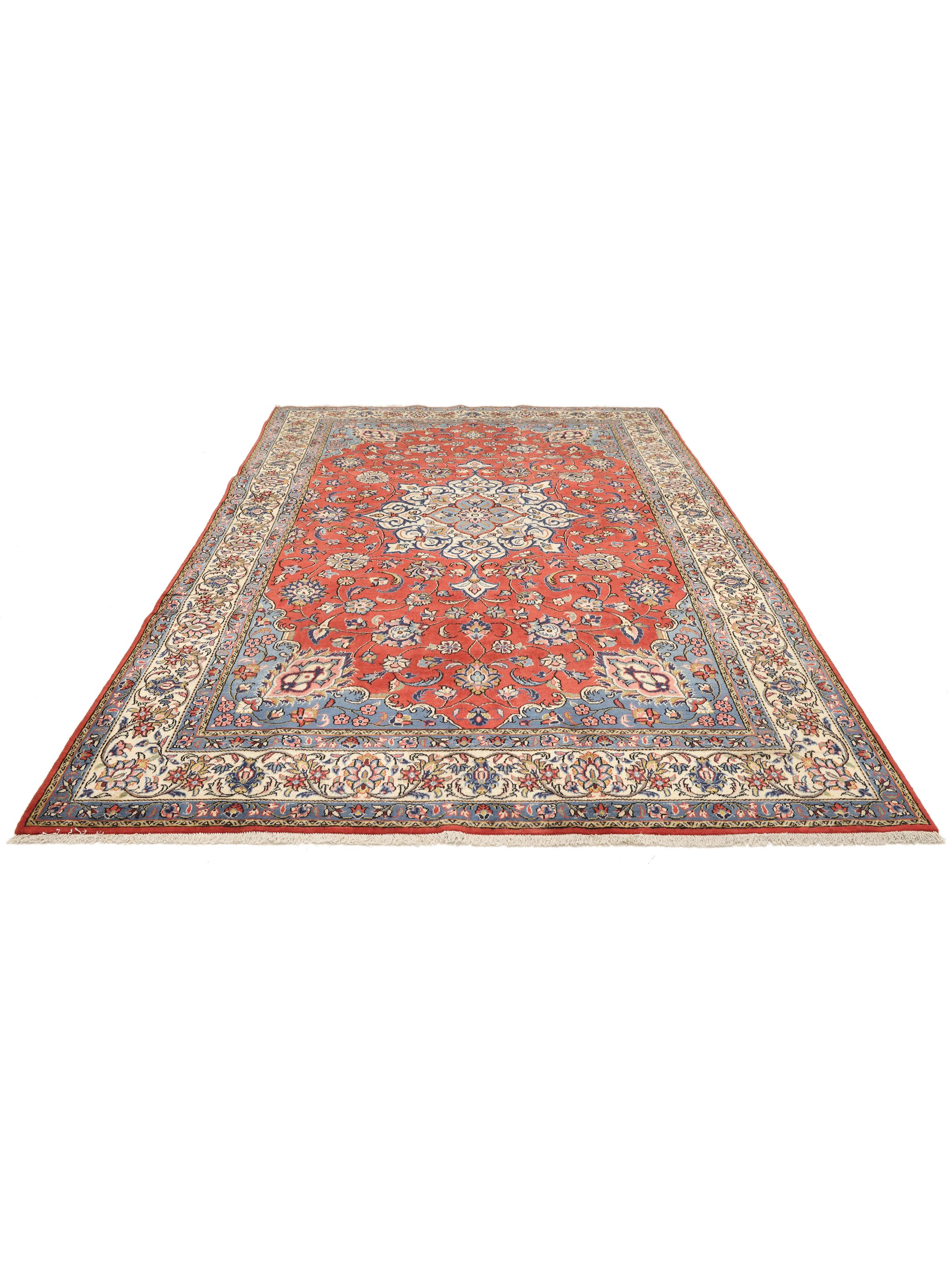
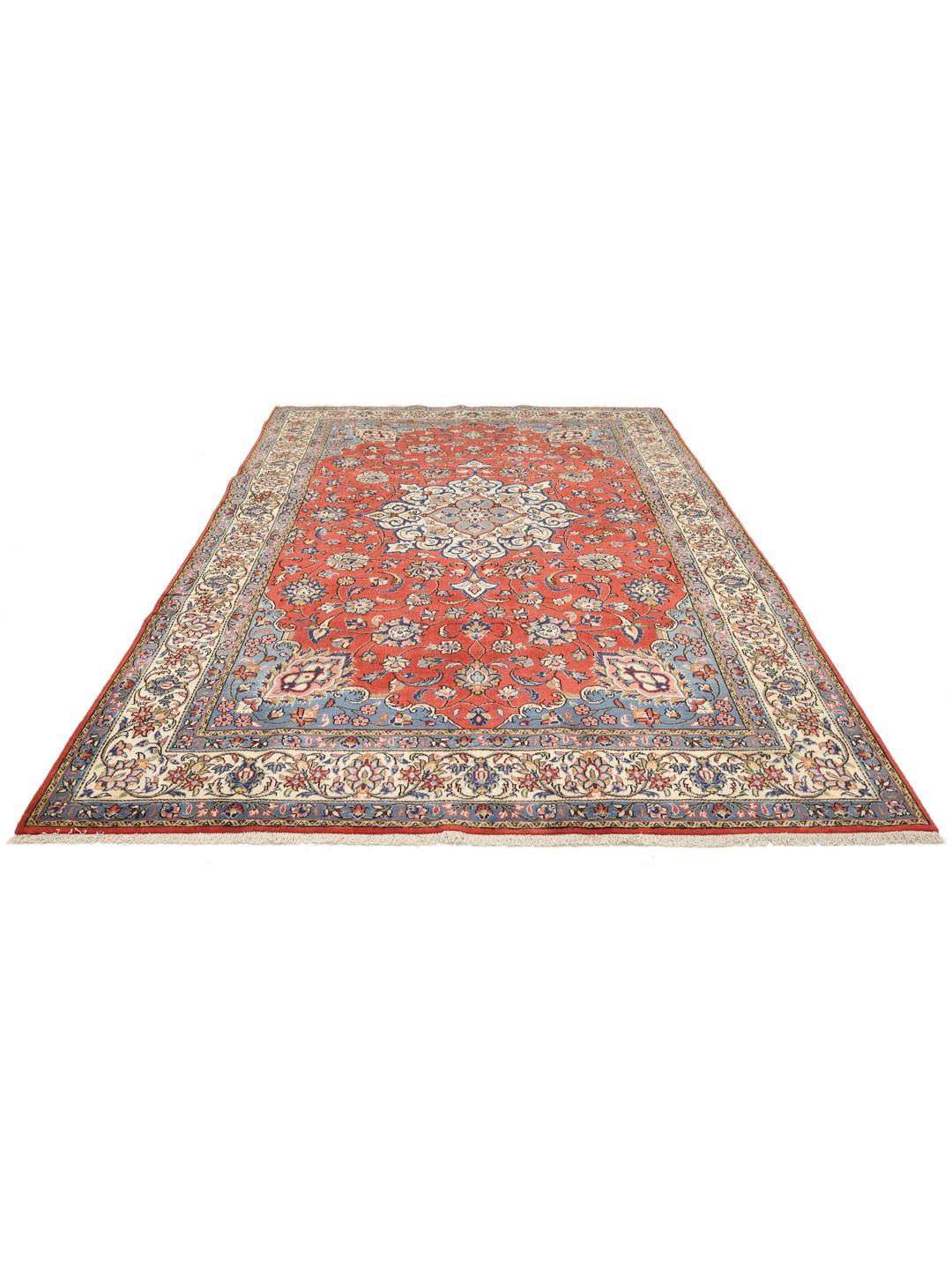
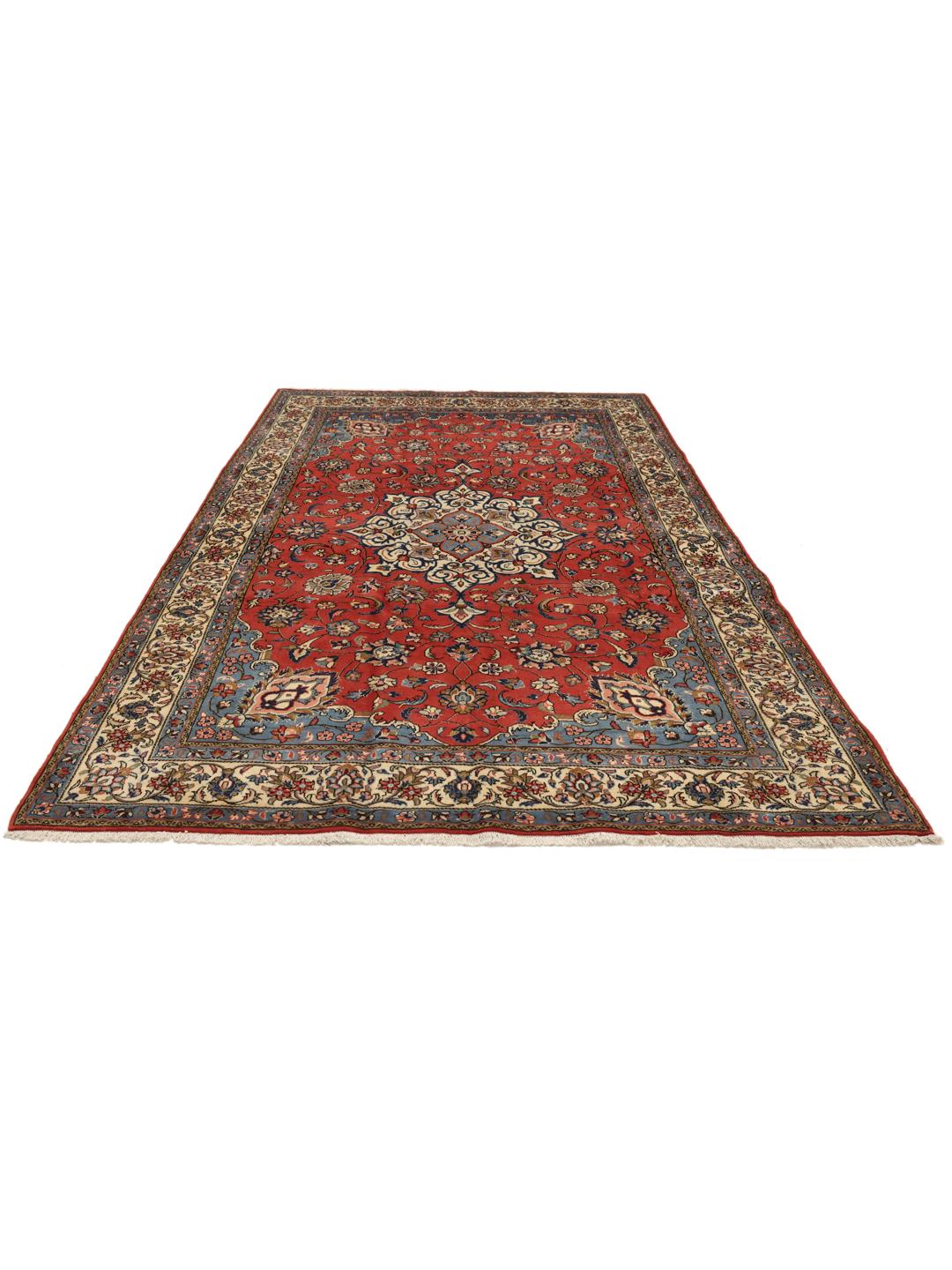
Mahal rugs originate from the Markazi province in the Middle East, specifically the village of Mahal. This region has long been celebrated for its production of high-quality floor coverings that balance artistic expression with practical durability. These rugs became particularly sought after in the late 19th and early 20th centuries as Western markets began to appreciate the distinctively bold and grand-scale designs that defined the area's output.
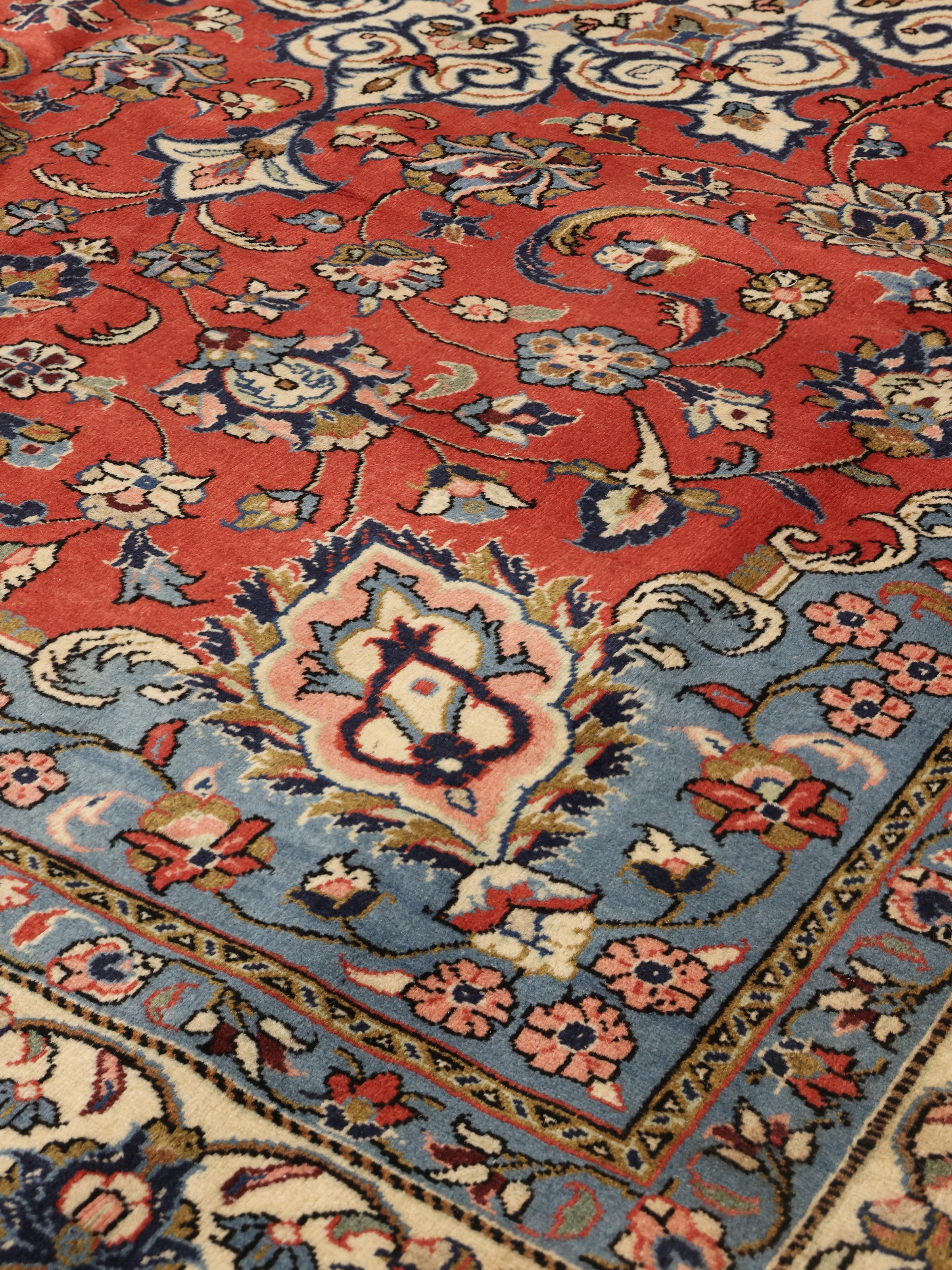
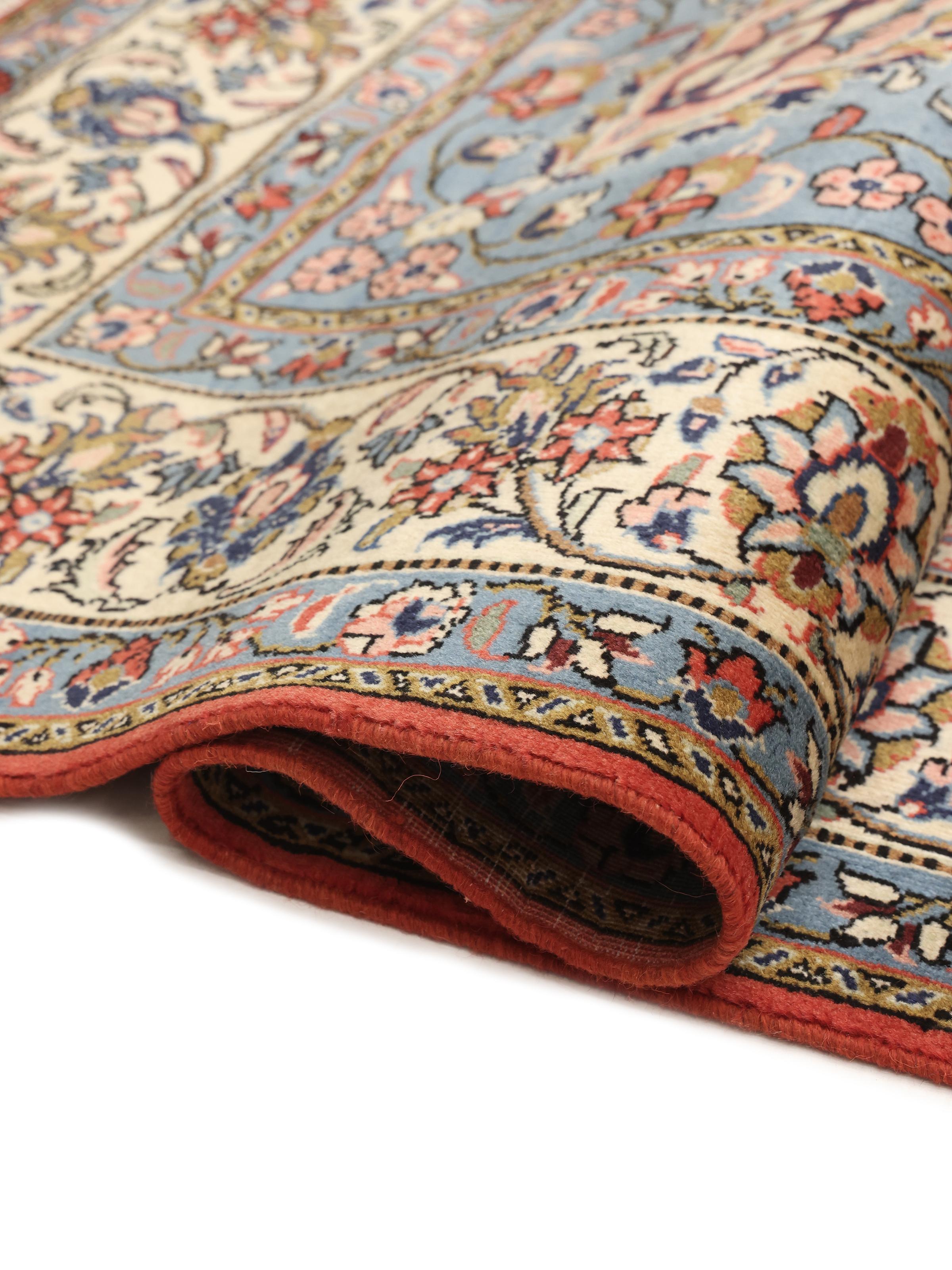
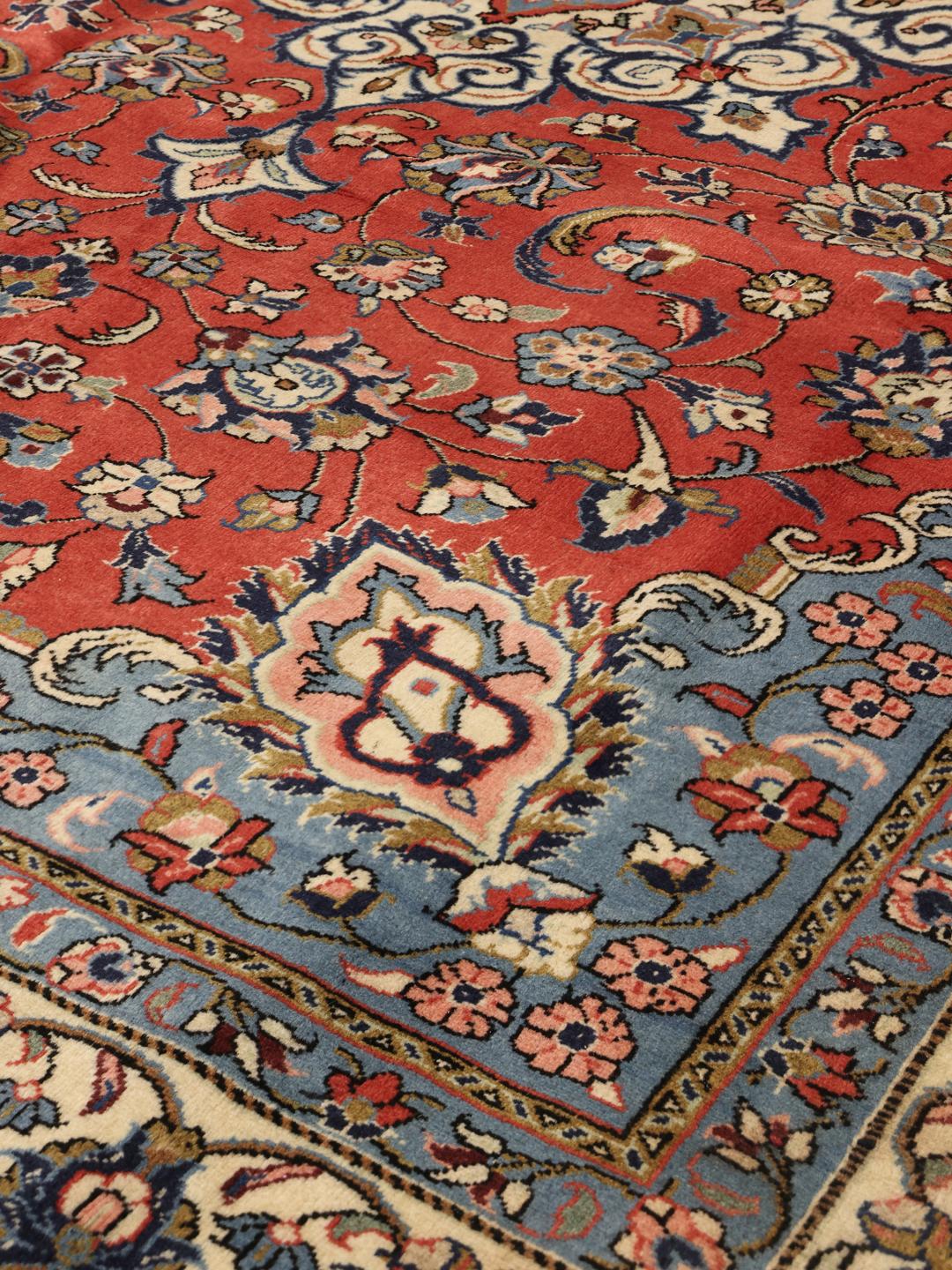
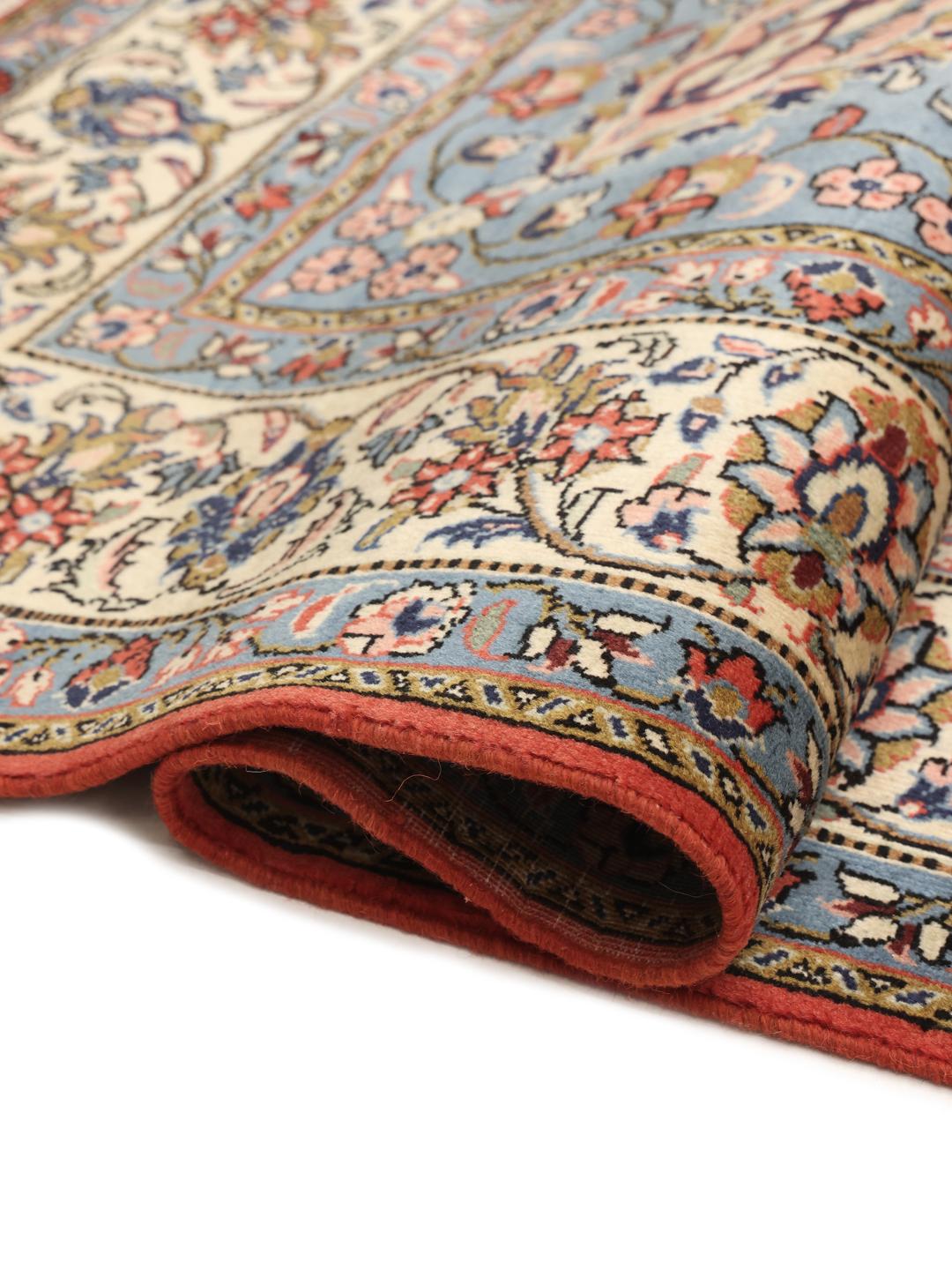
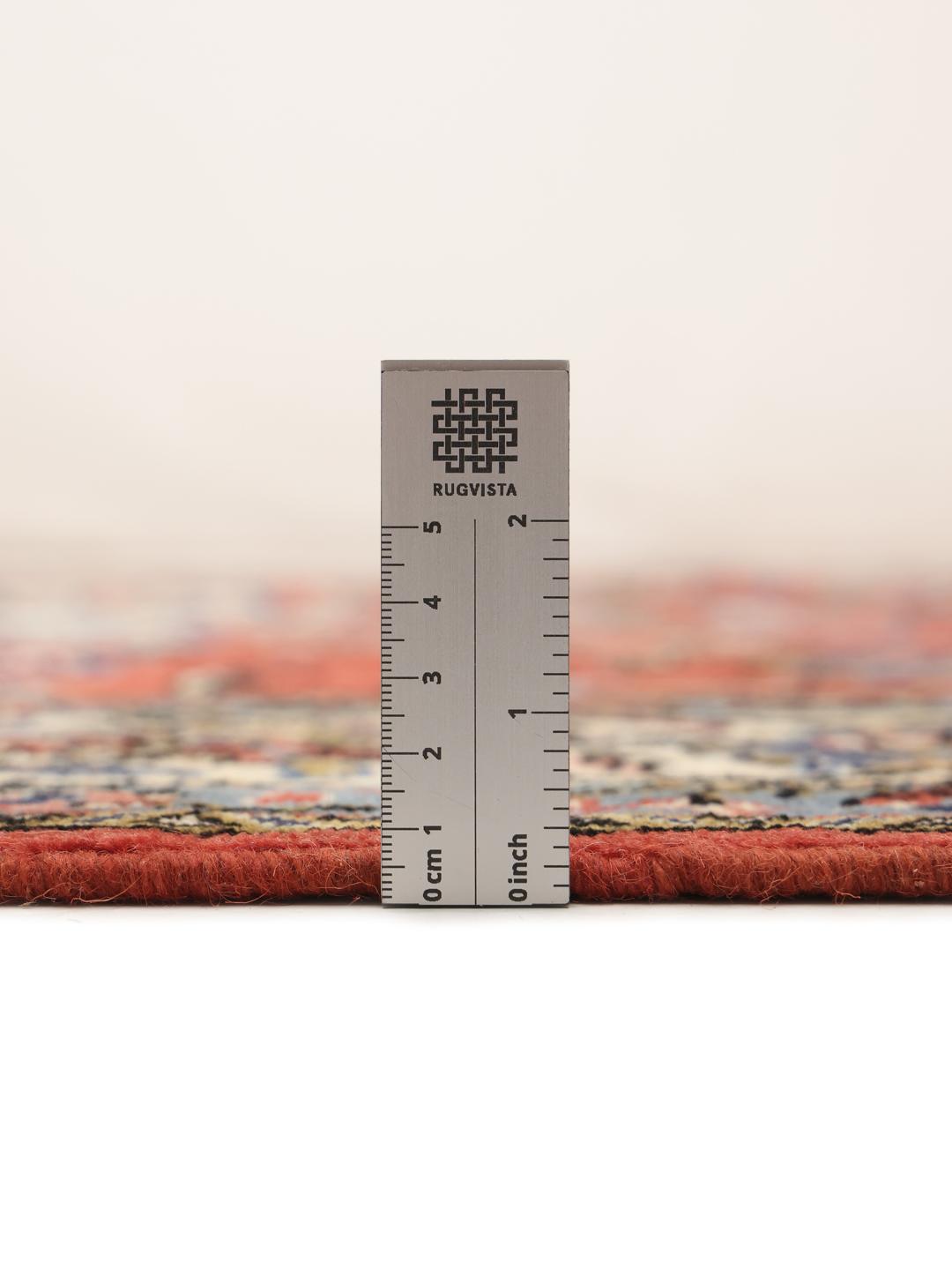
The terminology surrounding these rugs often refers to the specific way the pile is constructed. The Wool used is known for its durability and natural luster, which creates a rich surface that catches the light beautifully. This quality makes the rug not just a functional item, but a piece of art that evolves with the light in your room, deepening in tone and texture over time.
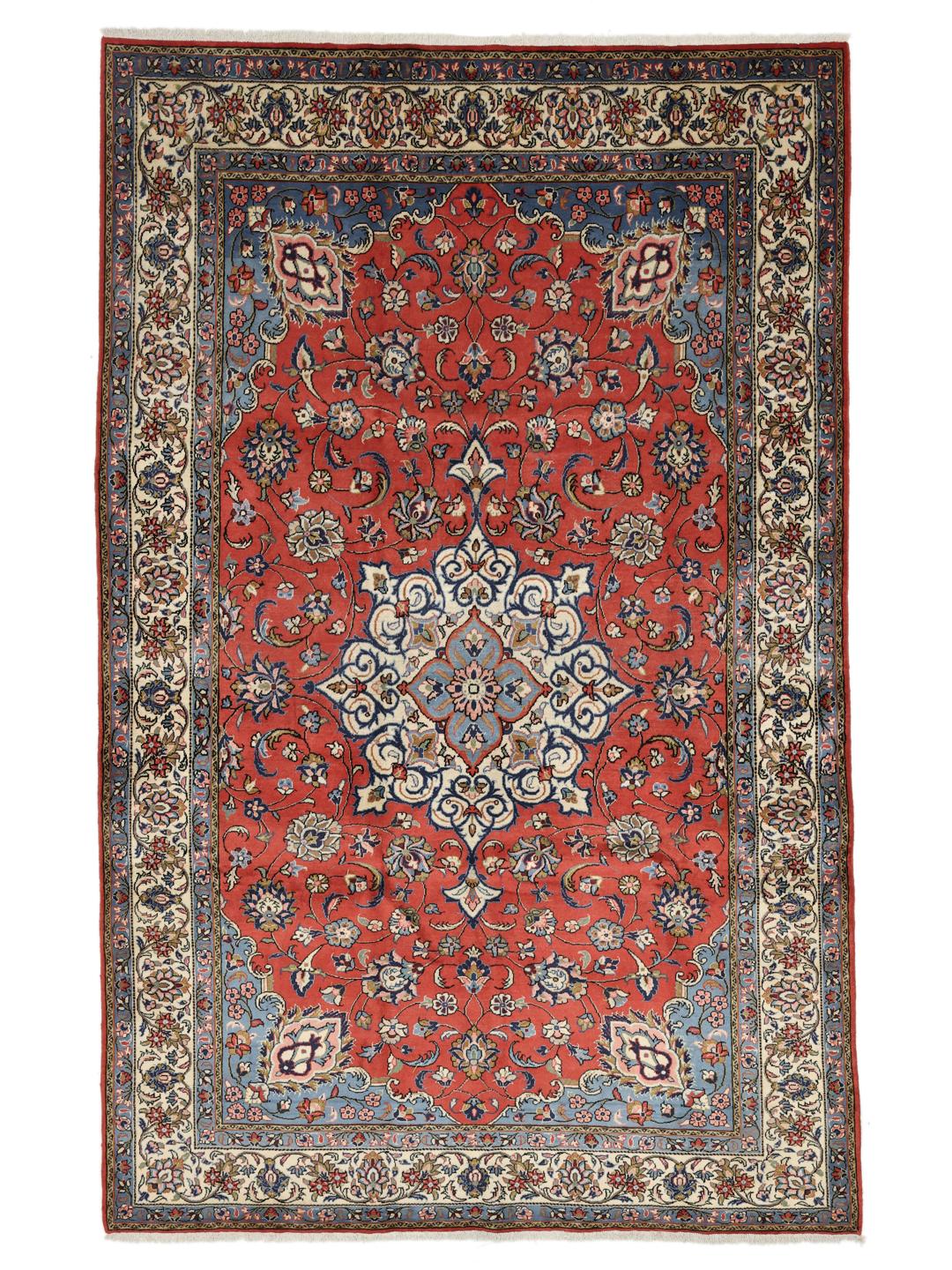
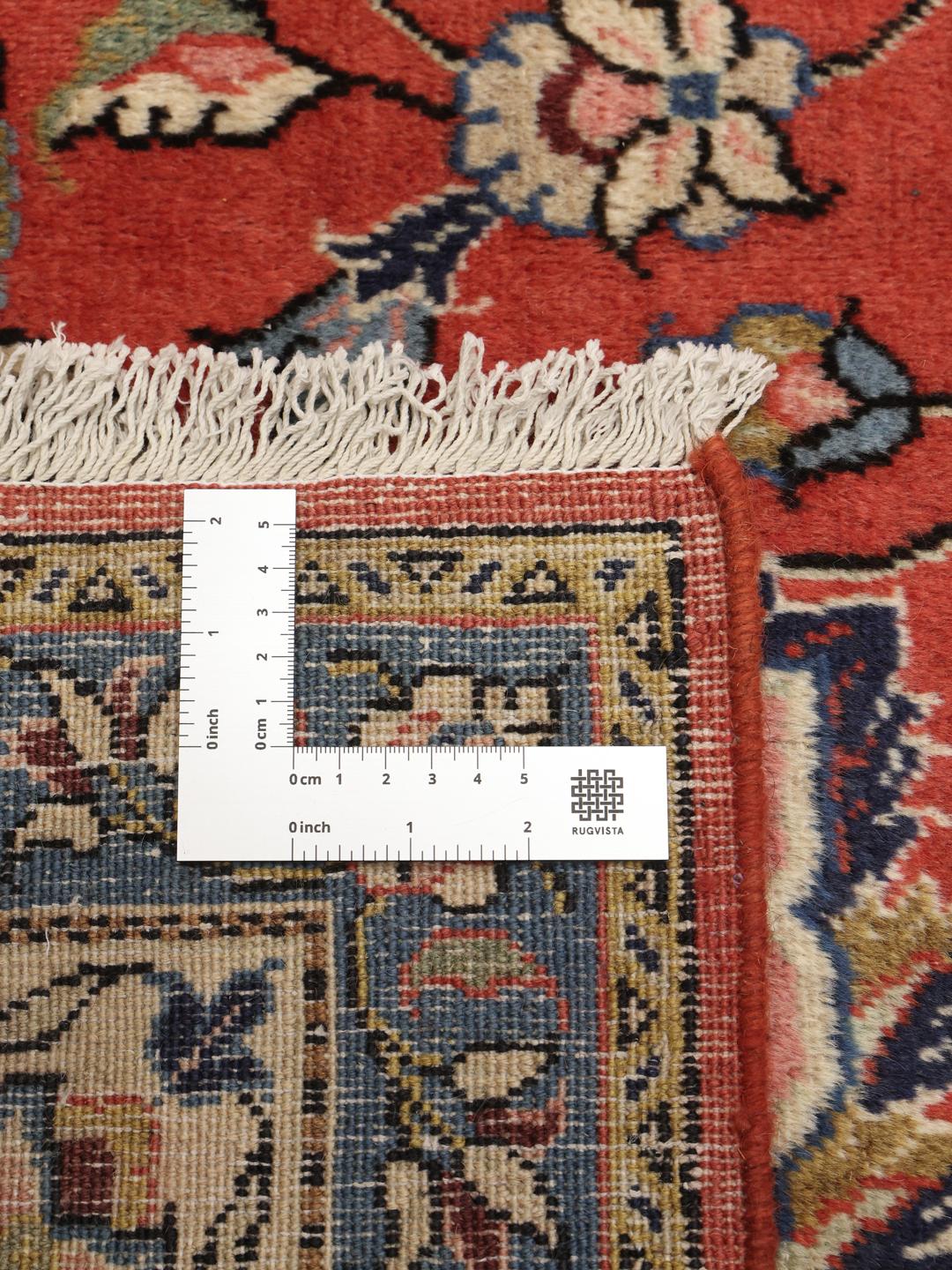
Visually, Mahal rugs are famous for their large, sweeping floral patterns and grand medallions. Unlike more rigid, geometric styles, these designs often feature a more fluid, organic look, with vines and blossoms that seem to grow across the field. The use of a central medallion surrounded by a complex border is a hallmark of this tradition, reflecting a sophisticated approach to symmetry and balance.
Collecting a rug from this tradition is an investment in heritage and skill. These pieces are valued for their ability to anchor a room and bring a sense of history and permanence to a space. By choosing a Mahal, you are participating in a long-standing cultural practice that prizes the human touch and the beauty of traditional motifs, ensuring that your home feels both curated and connected to a wider world of craft.