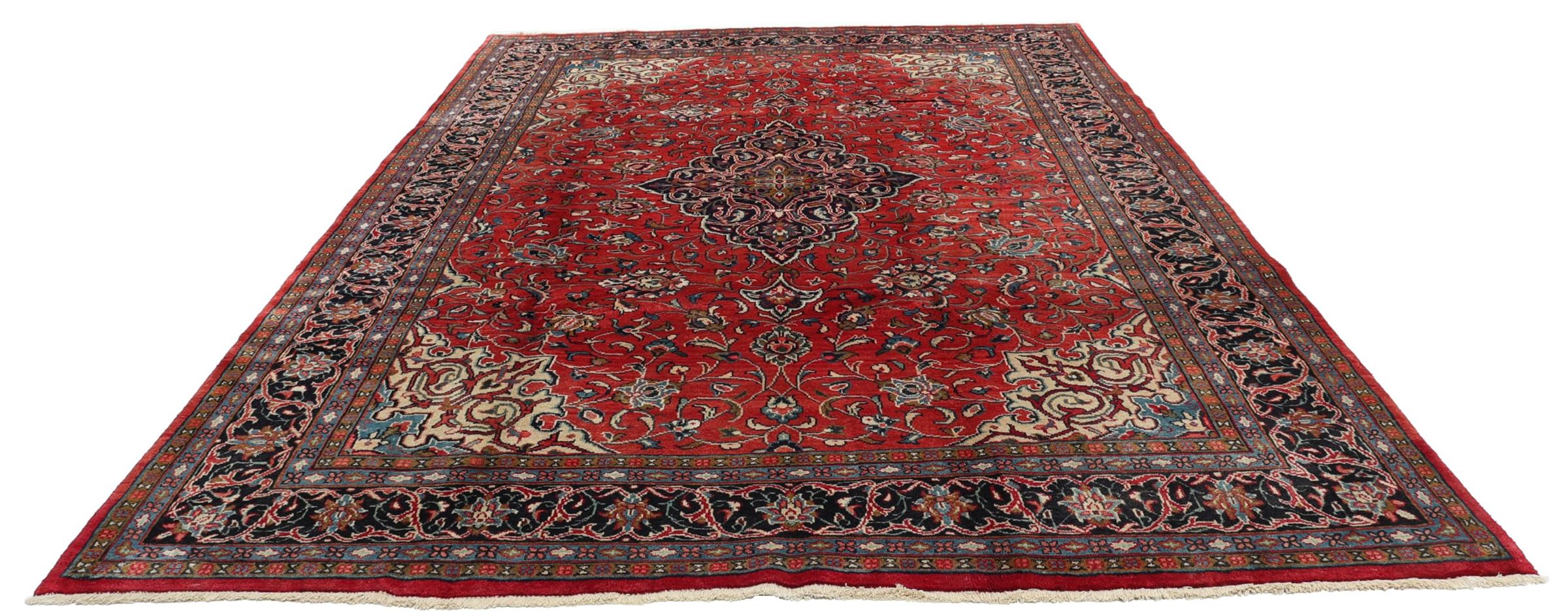
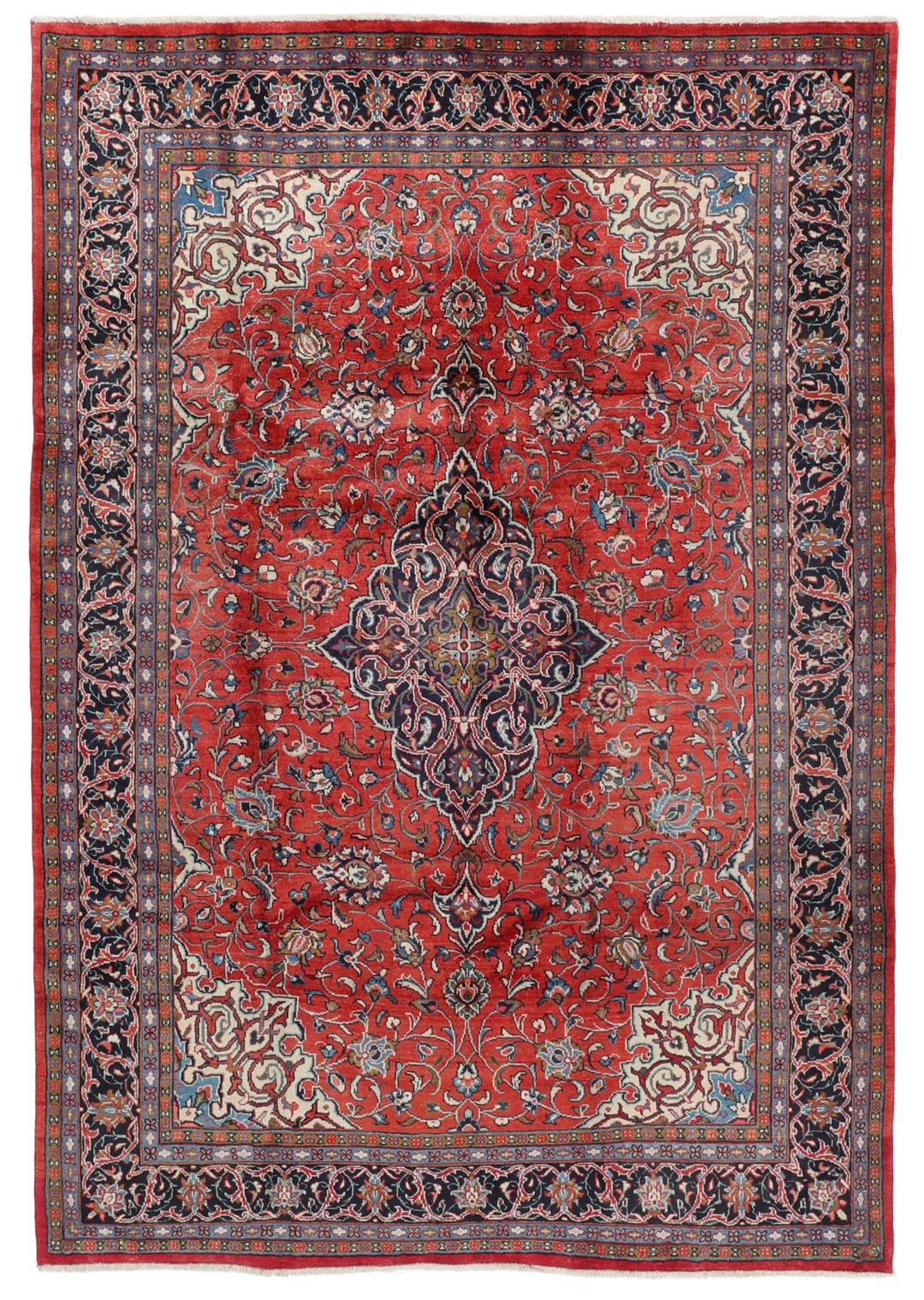
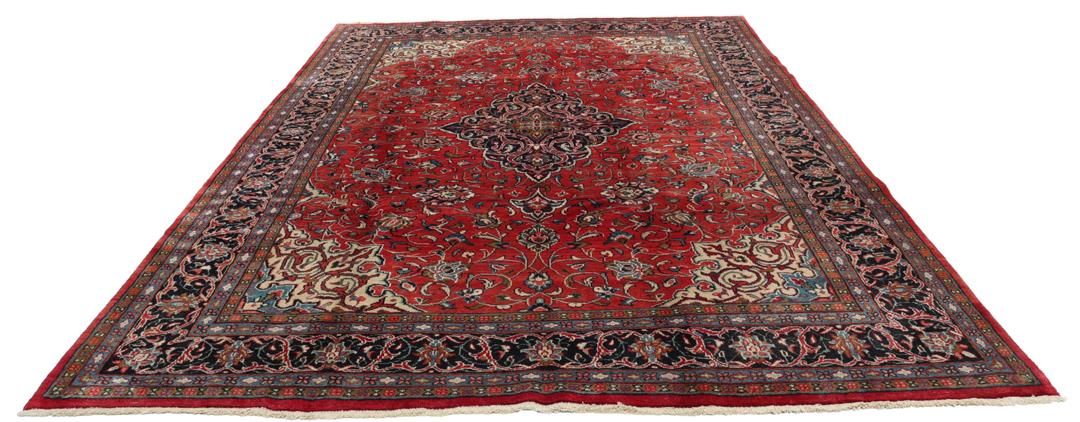
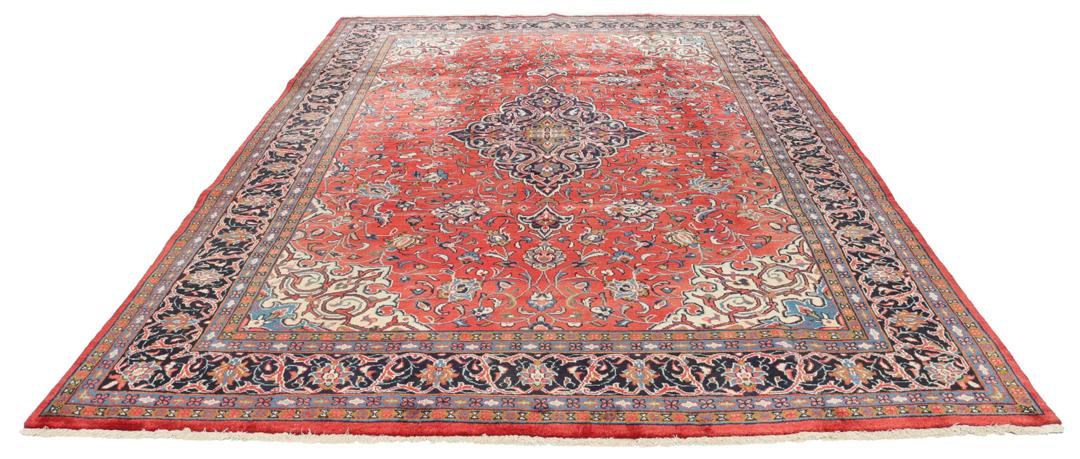
Mahal rugs originate from the village of Mahal, located in the Markazi province of the Middle East. This region has long been celebrated for its production of durable and decorative floor coverings, often commissioned by larger firms to meet the growing demand for grand, ornate designs in the late 19th and early 20th centuries. These rugs are highly regarded for their generous scale and bold, sweeping patterns.
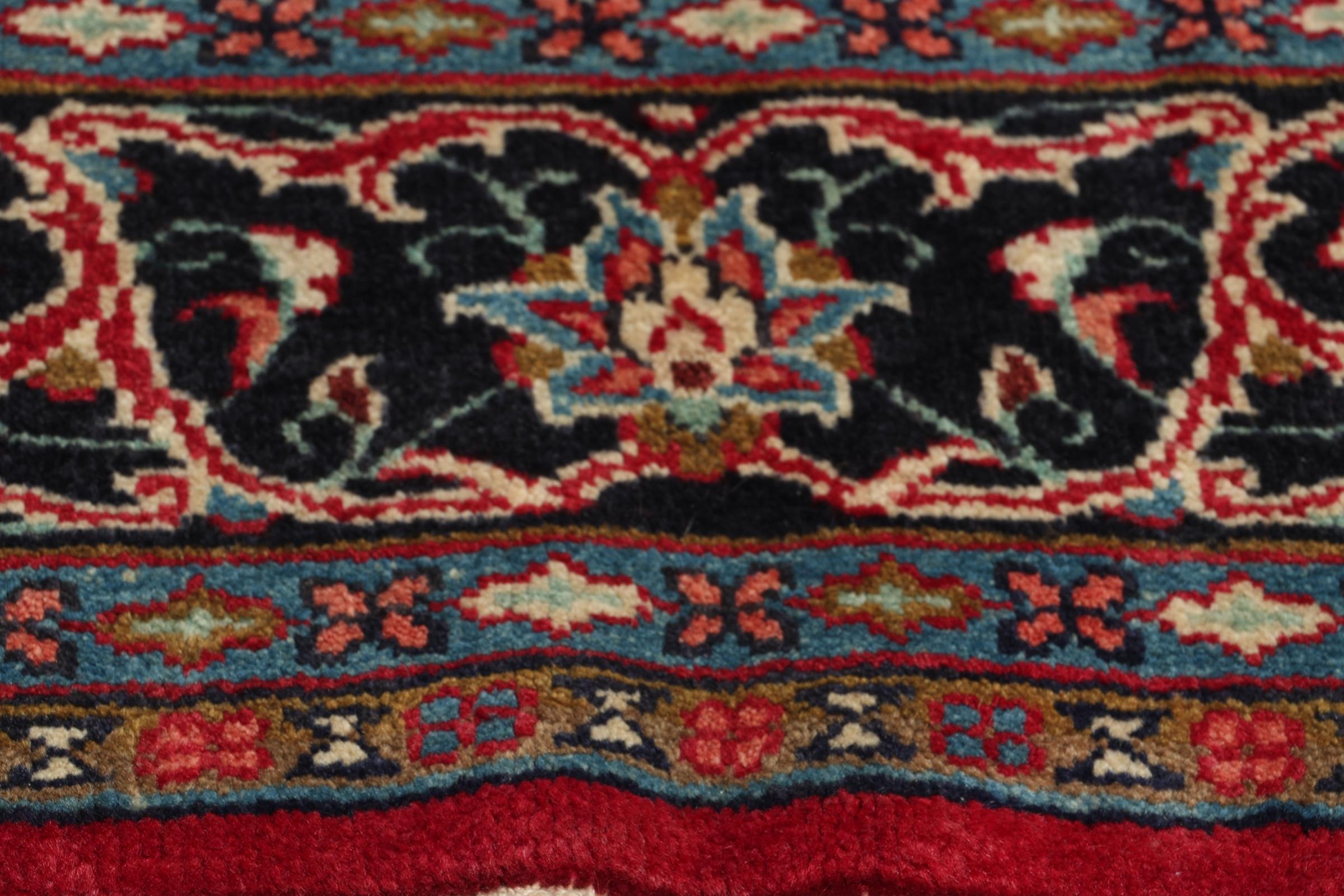
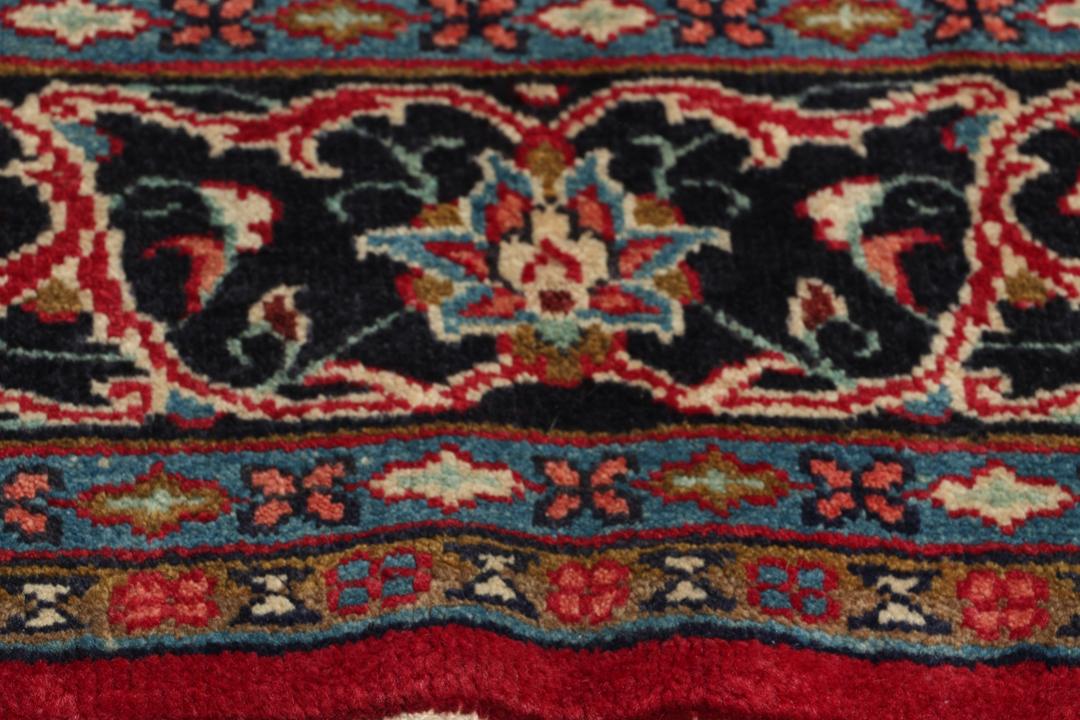
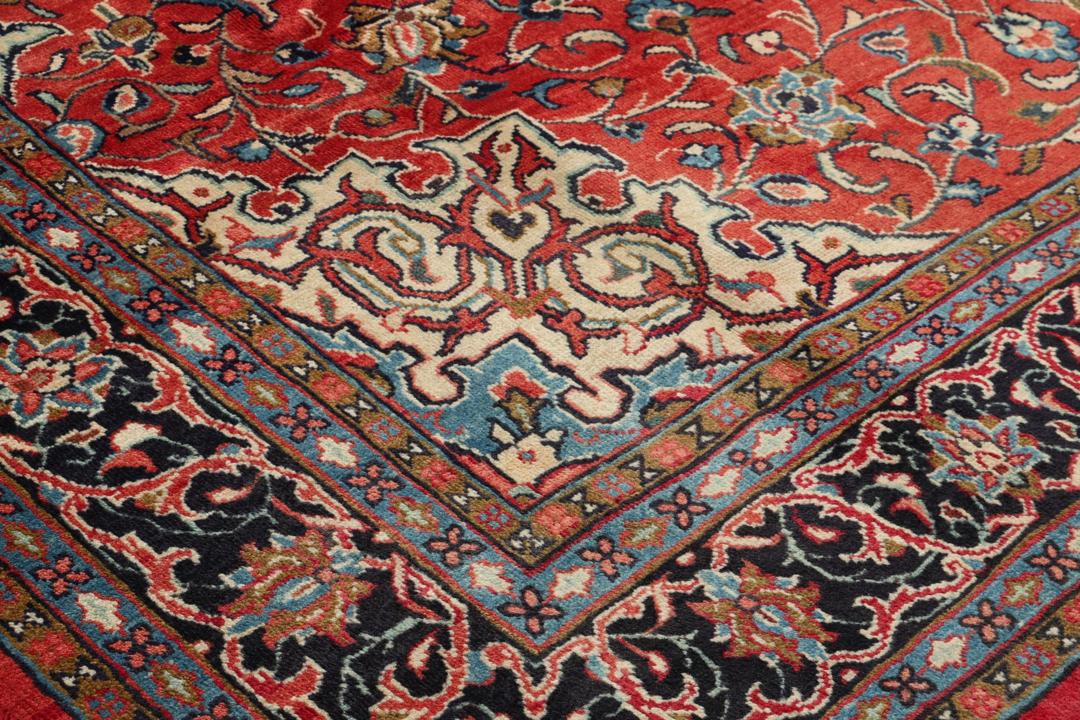
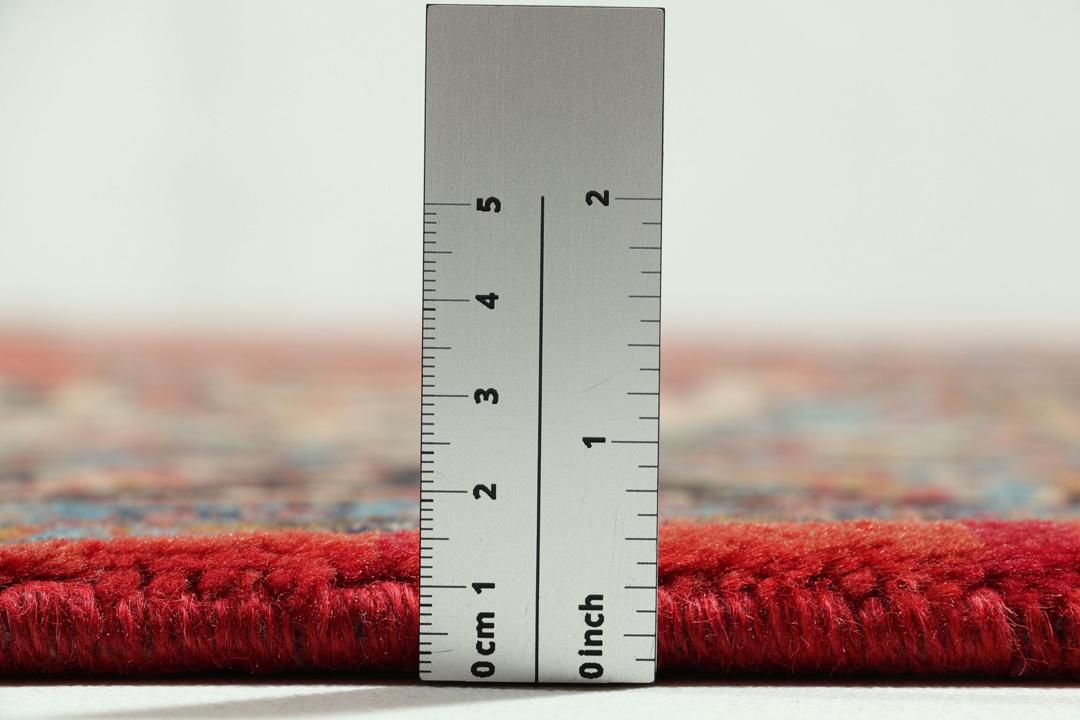
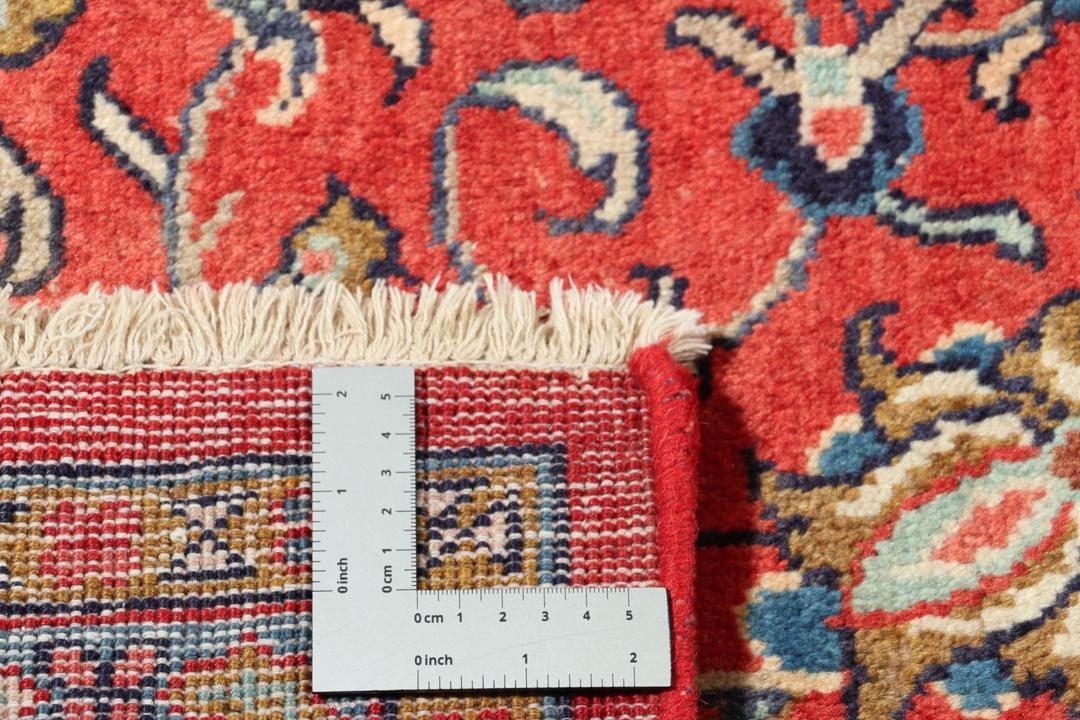
The construction of a Mahal rug is defined by the use of high-quality, long-staple wool, which provides a lustrous sheen and a robust pile. This type of wool is prized for its ability to absorb rich natural dyes, resulting in the deep, saturated colours that are characteristic of the tradition. The foundation is typically made of sturdy cotton, providing the necessary tension for the weavers to create such expansive, intricate designs.
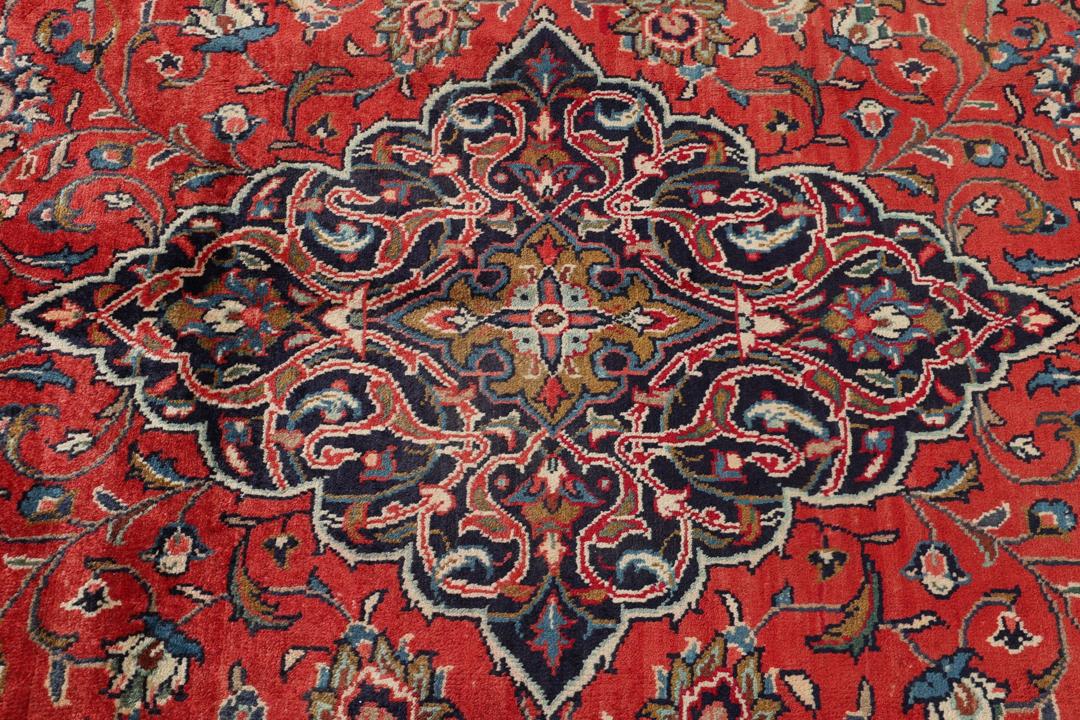
Visually, Mahal rugs are known for their large-scale, often oversized floral motifs and expansive medallions that seem to flow across the field. Unlike more rigid, geometric styles, the Mahal tradition favours a more fluid and painterly approach, where vines, palmettes, and arabesques bloom across the rug in a way that feels organic and balanced.
Owning a Mahal rug is an investment in a living tradition. These pieces are collected not only for their aesthetic appeal but for the way they represent the evolution of regional craftsmanship. By bringing one of these rugs into your home, you are continuing a legacy of artistry, preserving a style of weaving that emphasises both scale and delicate detail.