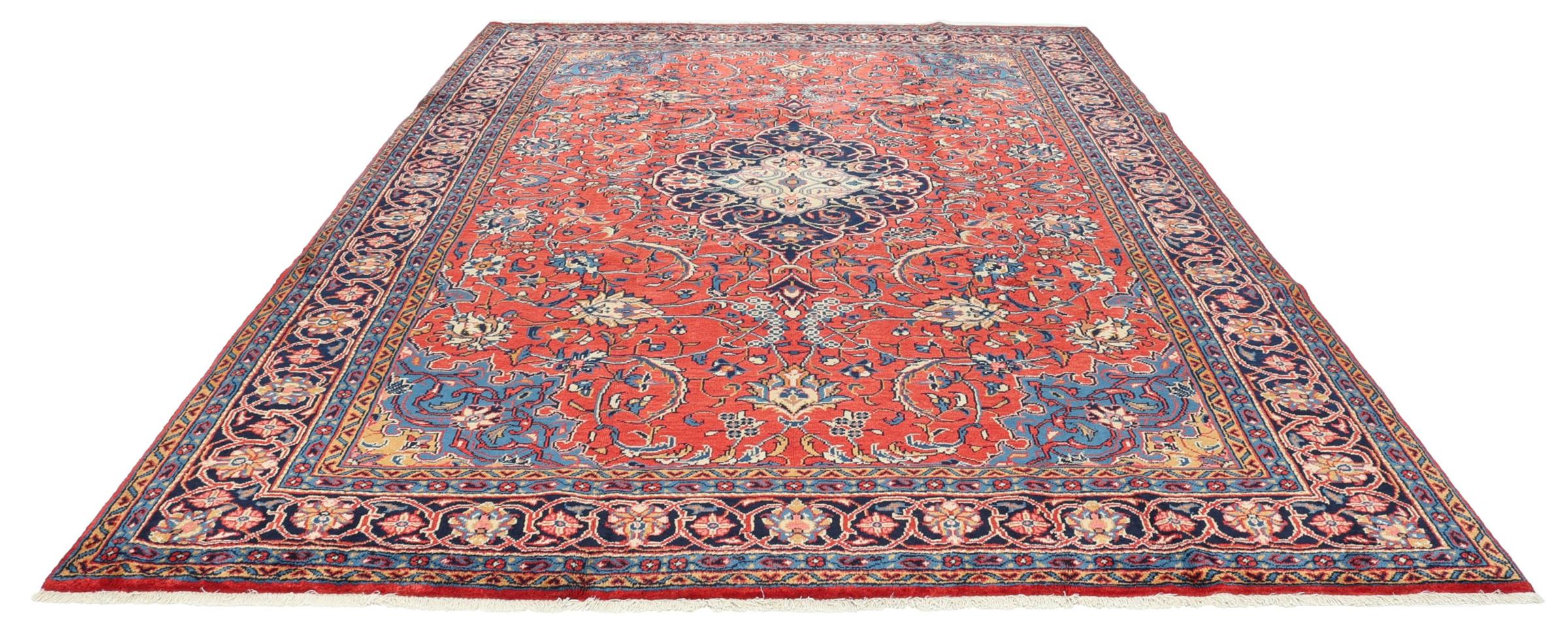
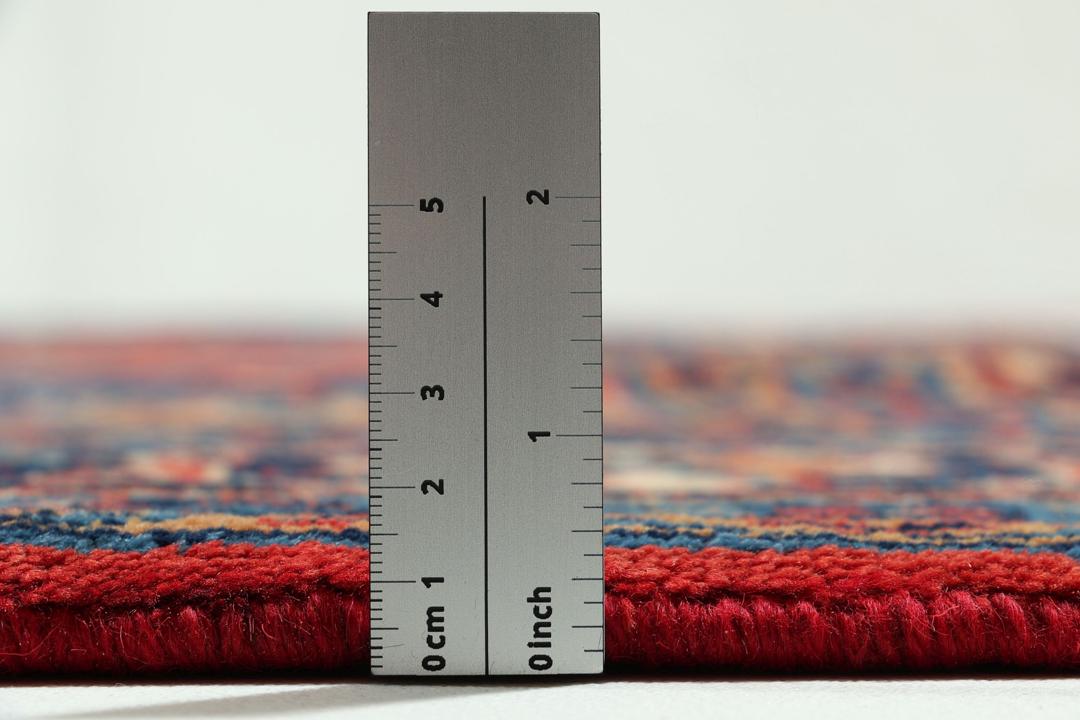
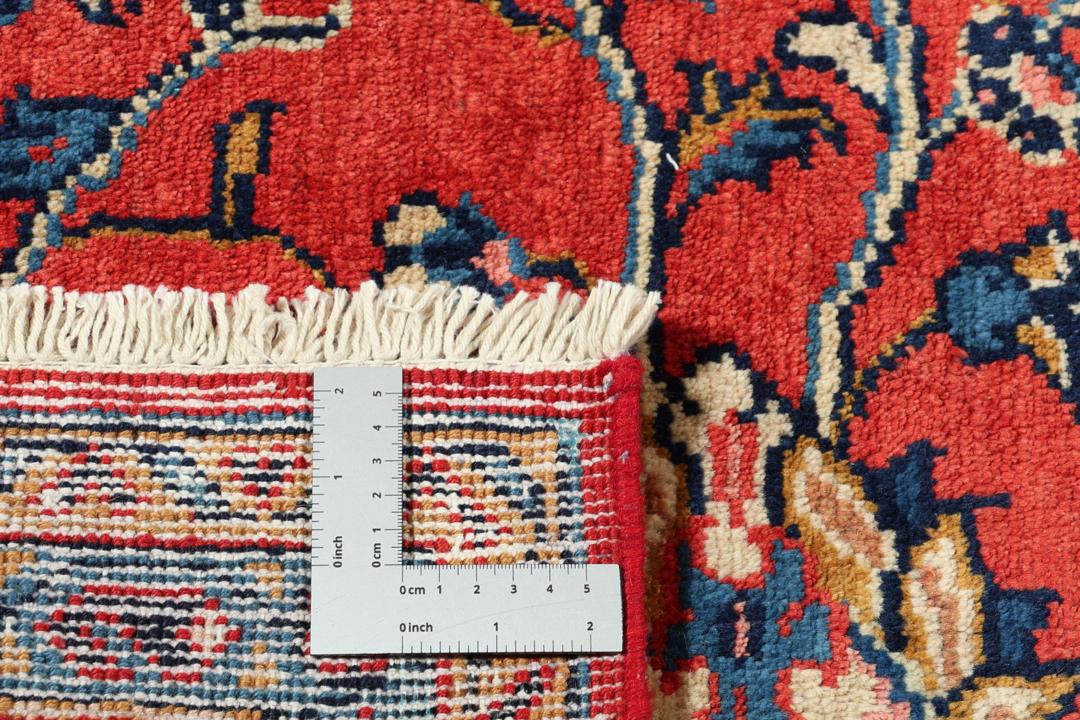
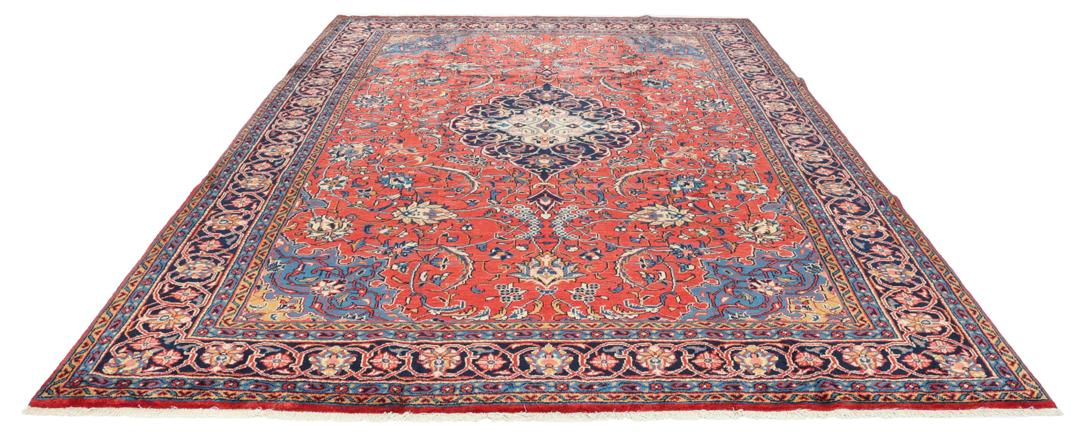
Mahal rugs originate from the Markazi province in the Middle East, a region with a deep-rooted history of weaving that spans centuries. These rugs are celebrated for their ability to blend traditional artistic motifs with a slightly more relaxed, often larger-scale aesthetic that made them incredibly popular for both domestic use and export throughout the 19th and early 20th centuries.
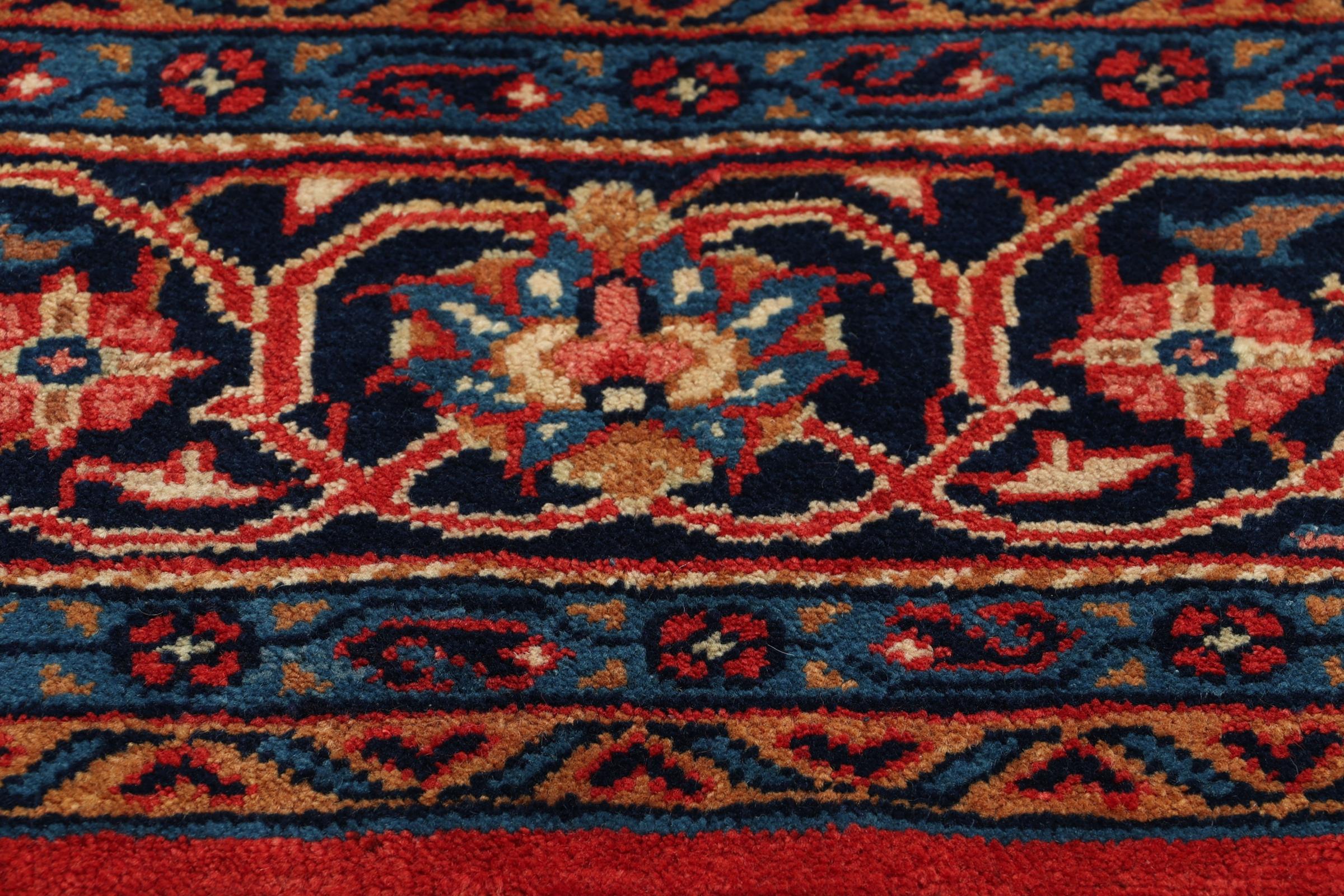
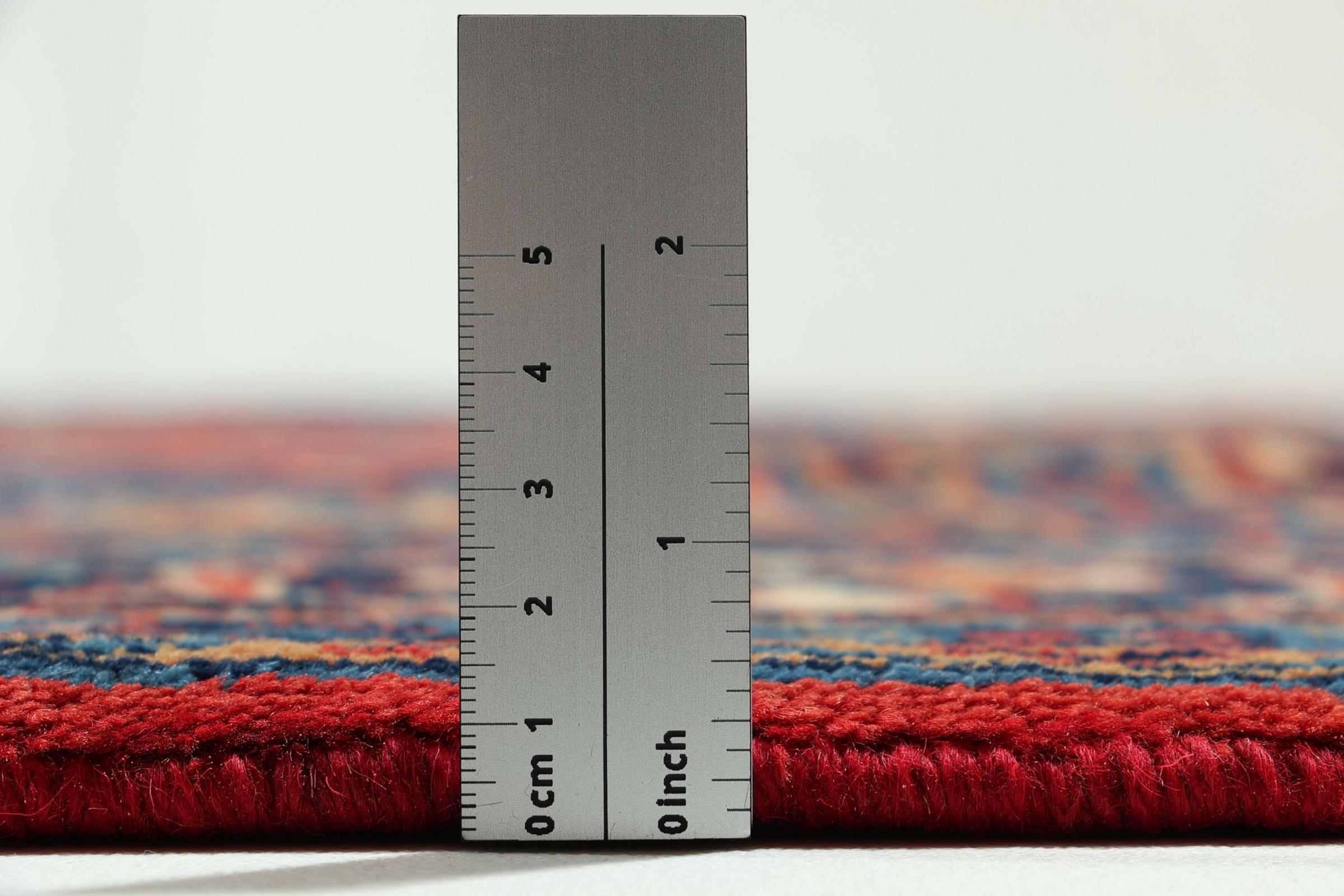
The term Mahal refers specifically to the style of weaving found in this area, which is known for its use of high-quality, long-staple wool. This material is prized for its natural lustre and resilience, which is why these rugs are so sought after for their ability to age gracefully, developing an even more beautiful character as they are used over time.
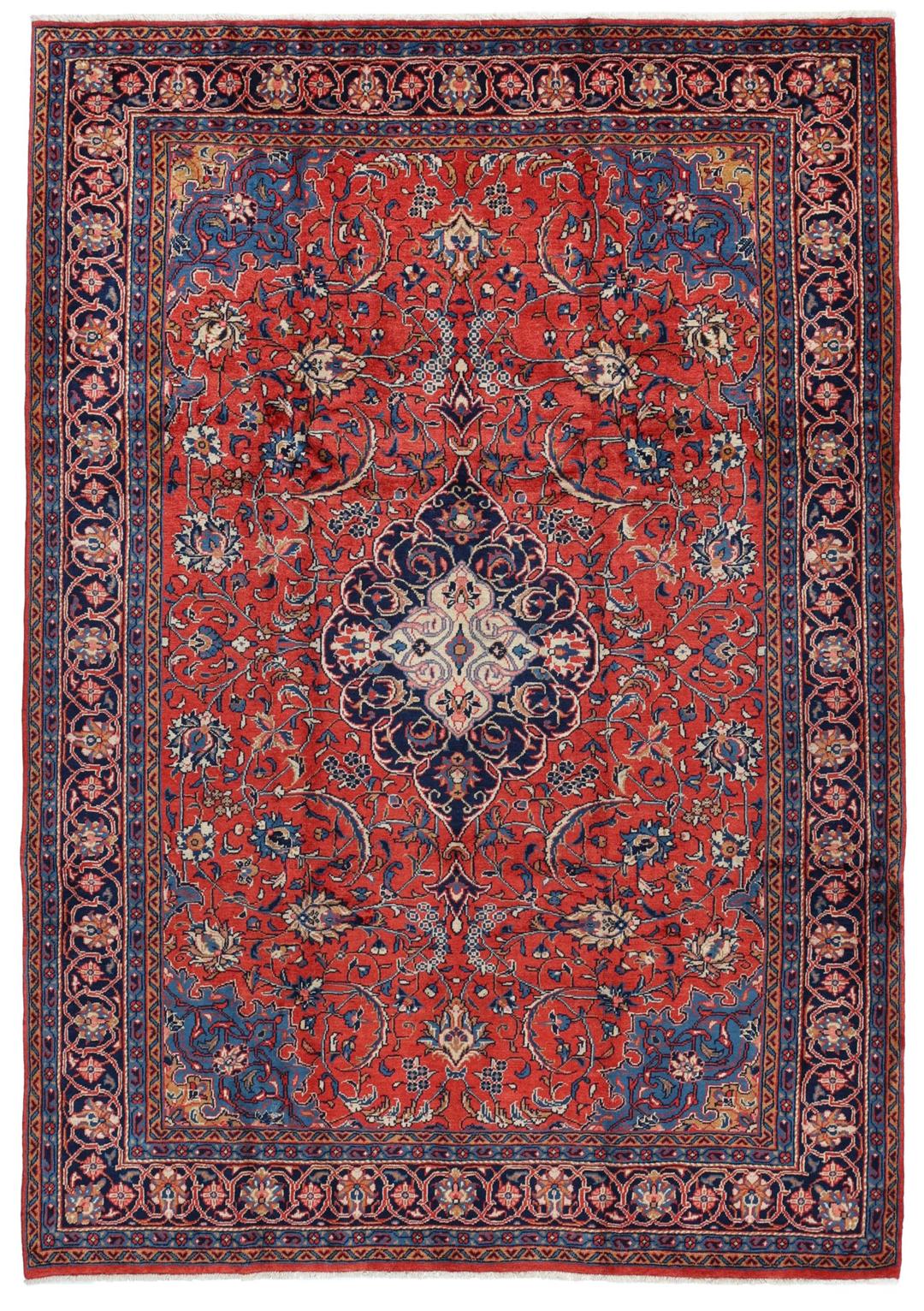
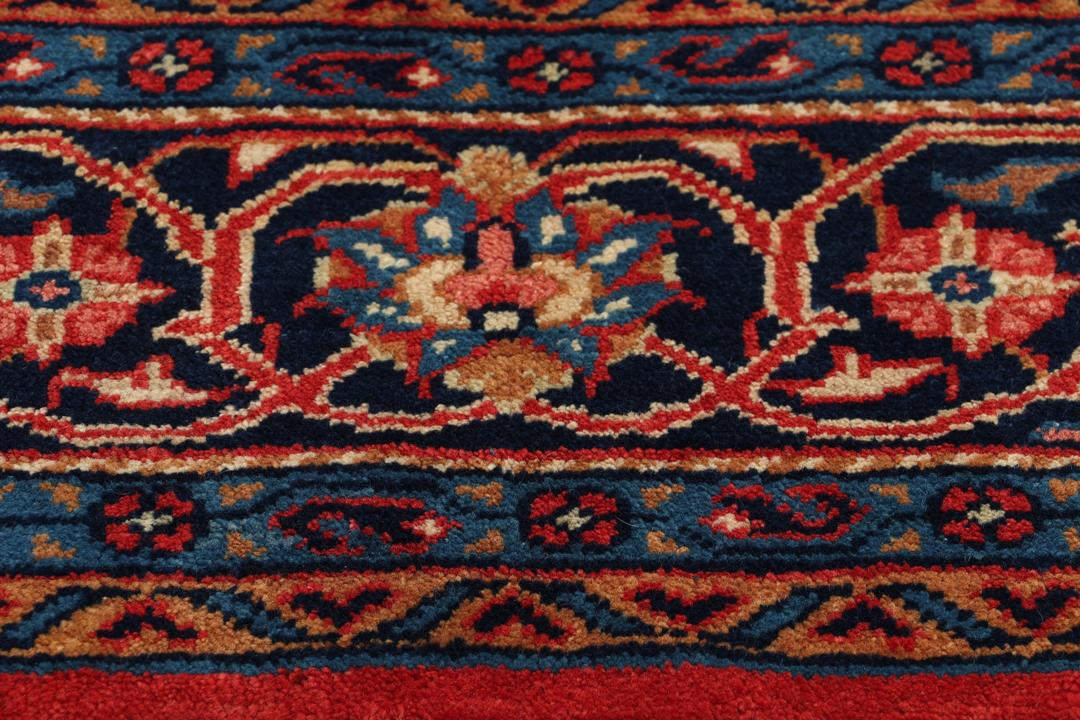
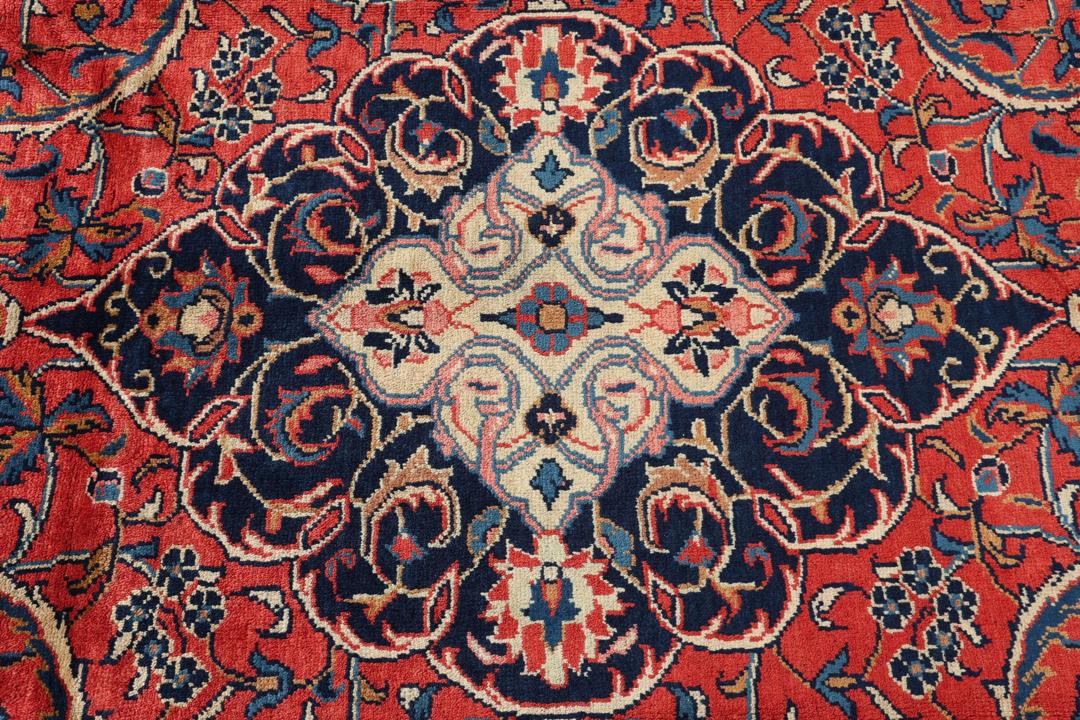
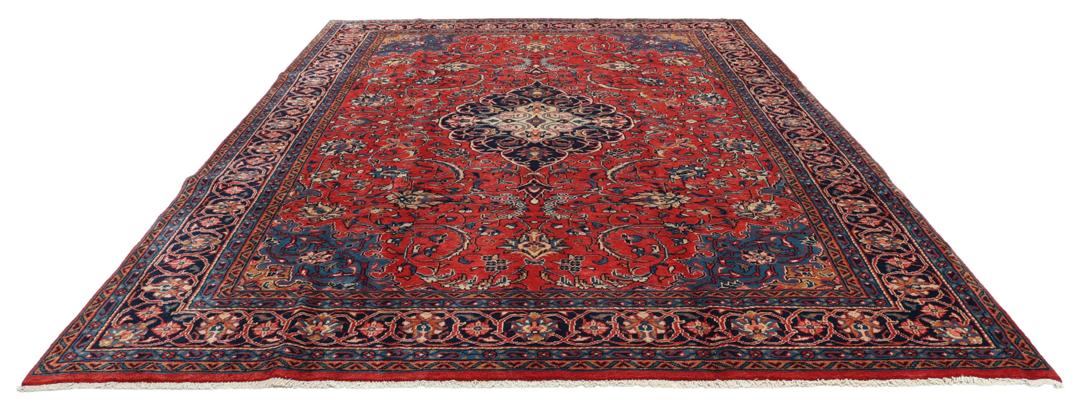
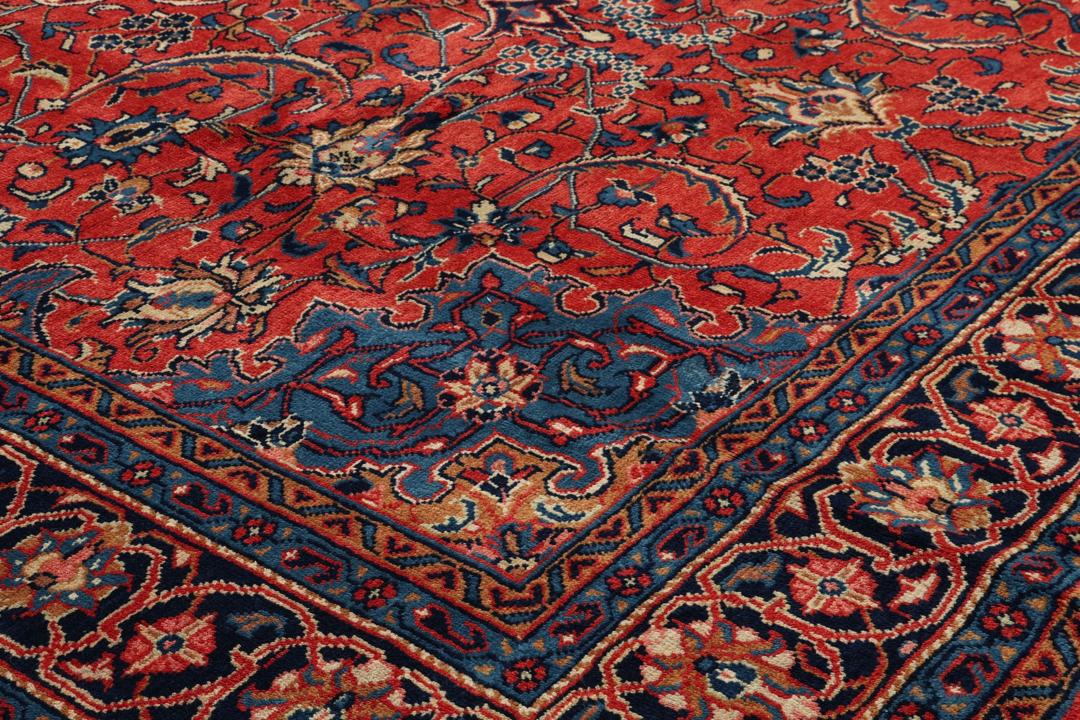
Visually, these rugs are often defined by their bold, oversized floral patterns, scrolling vines, and large-scale medallions. While many follow a classic layout, the artisans often infused the field with artistic freedom, resulting in a composition that feels organic and fluid rather than rigidly mathematical. The borders are typically expansive and highly detailed, creating a perfect frame for the central imagery.
Collecting a rug from this tradition is an investment in cultural heritage and refined skill. These pieces are valued for their ability to bridge the gap between formal, structured design and a warm, inviting atmosphere. By bringing a piece like this into your home, you are continuing a legacy of craft that has been passed down through generations of master weavers.