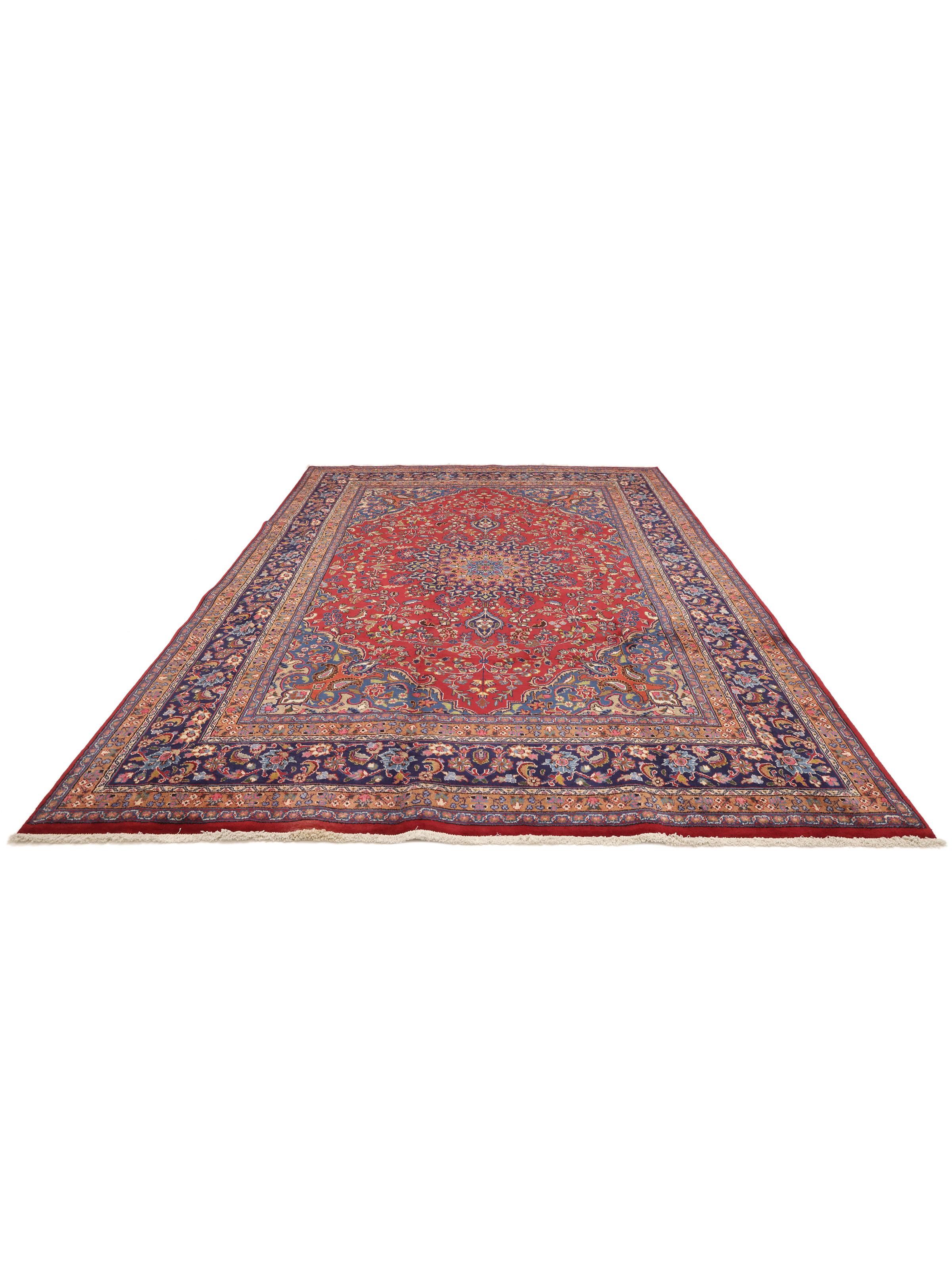
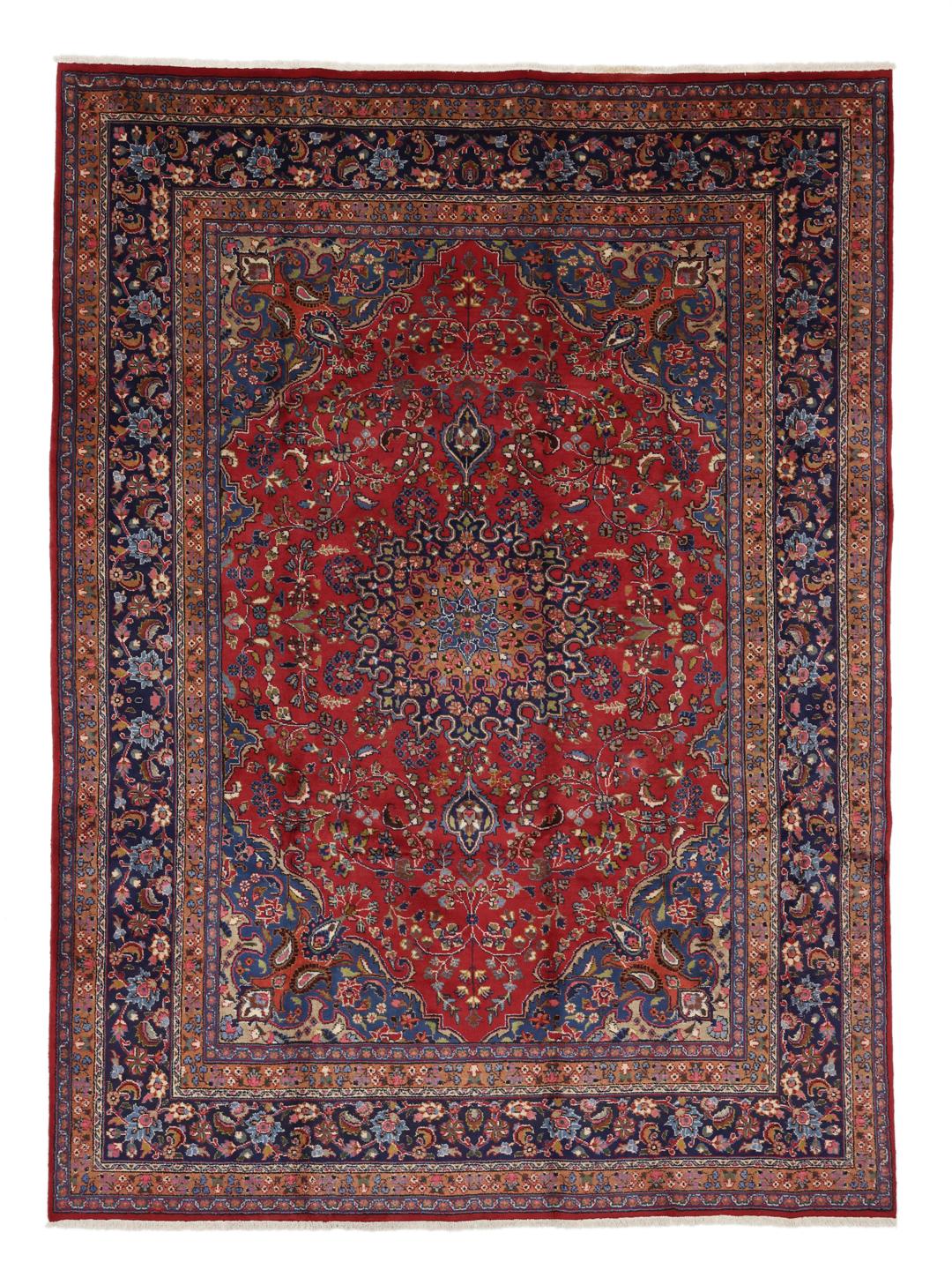
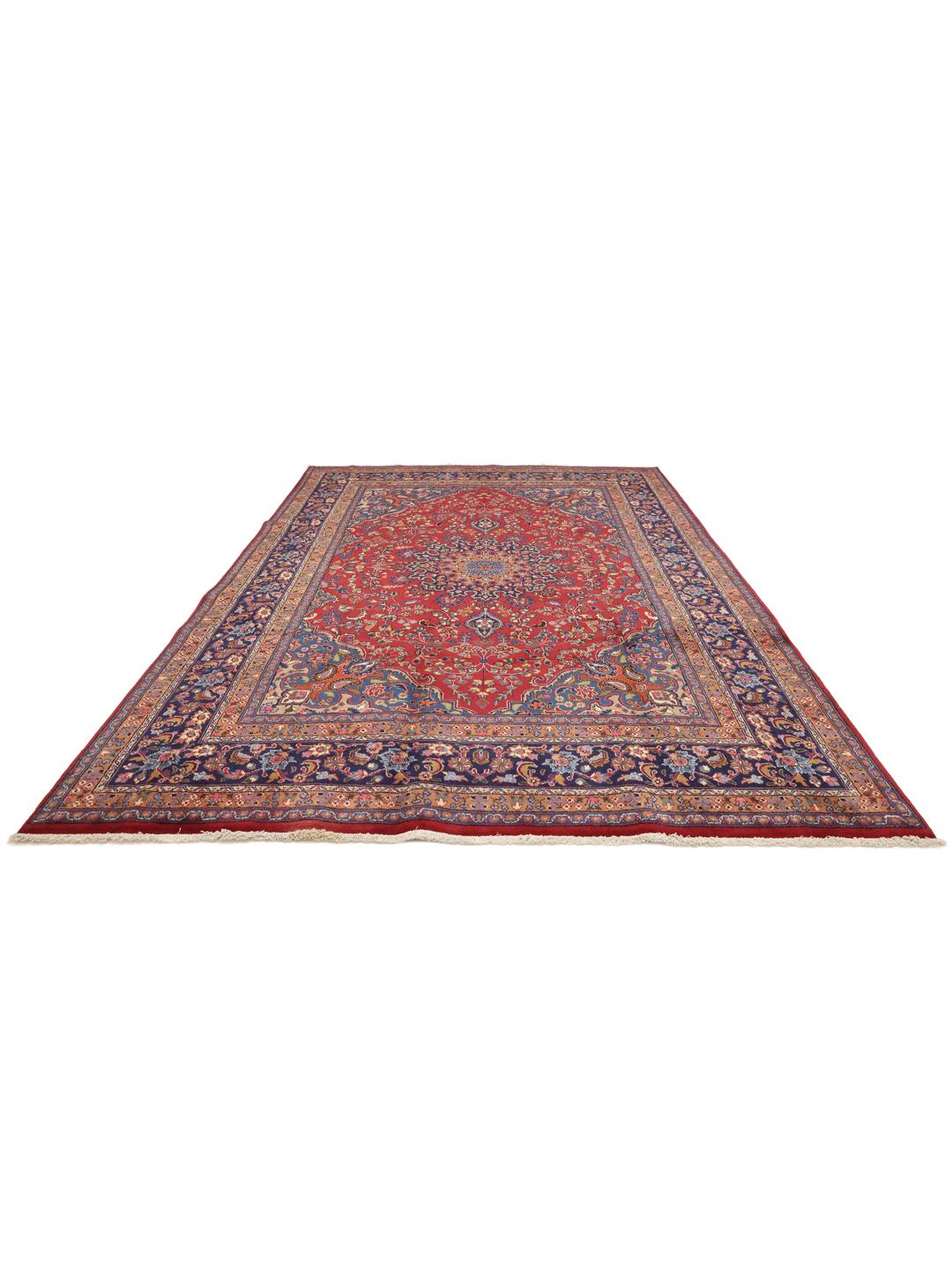
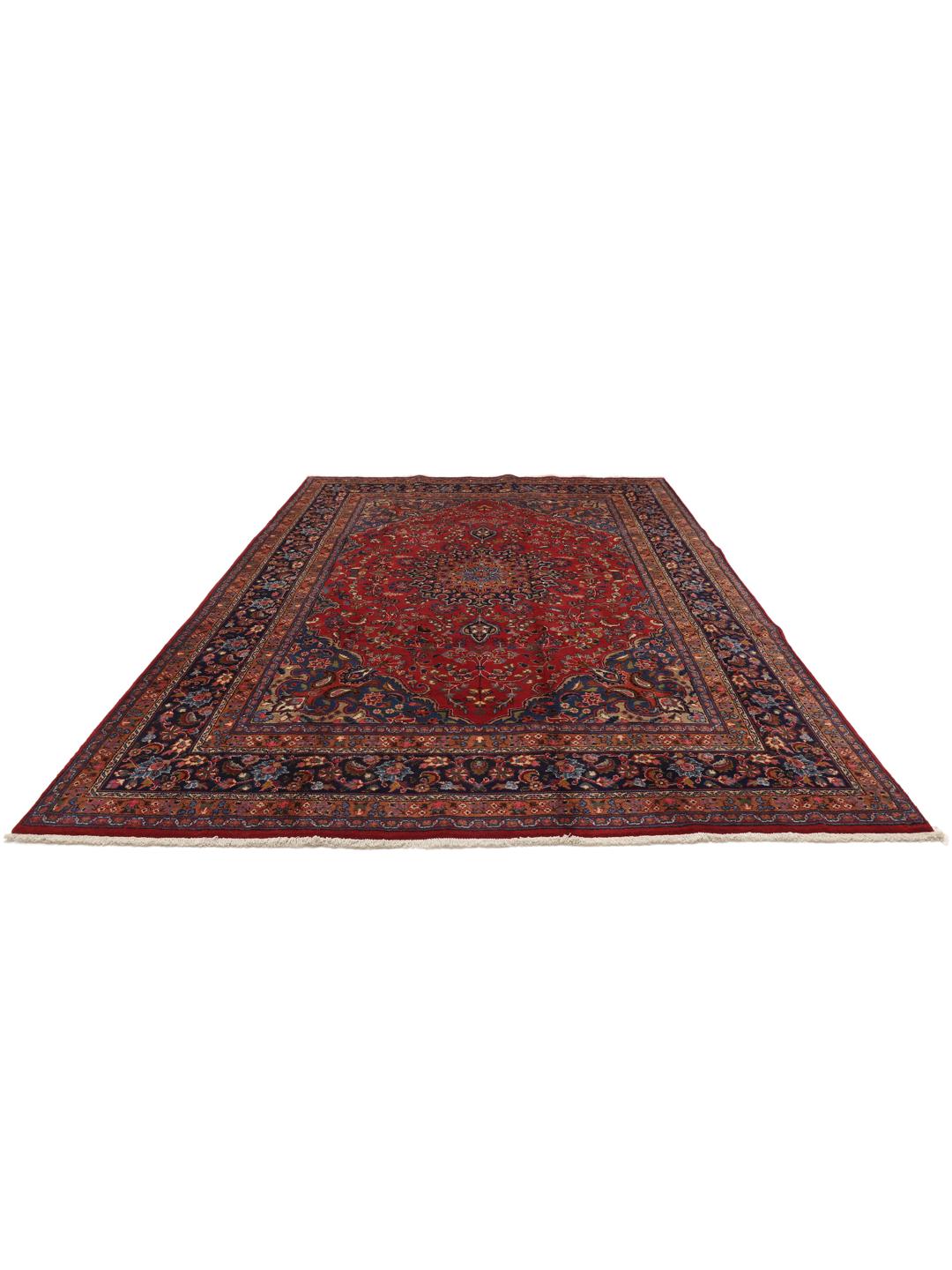
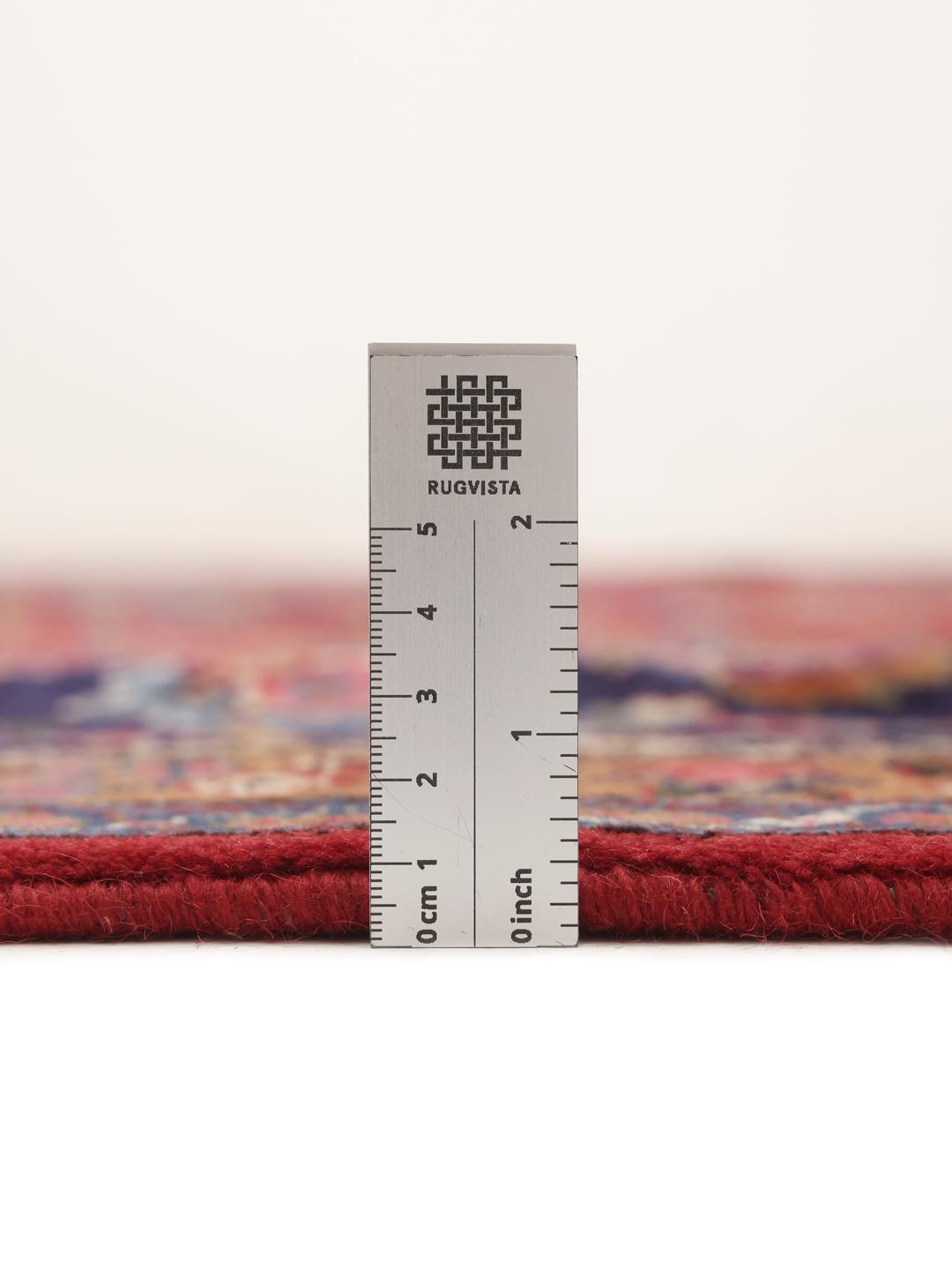
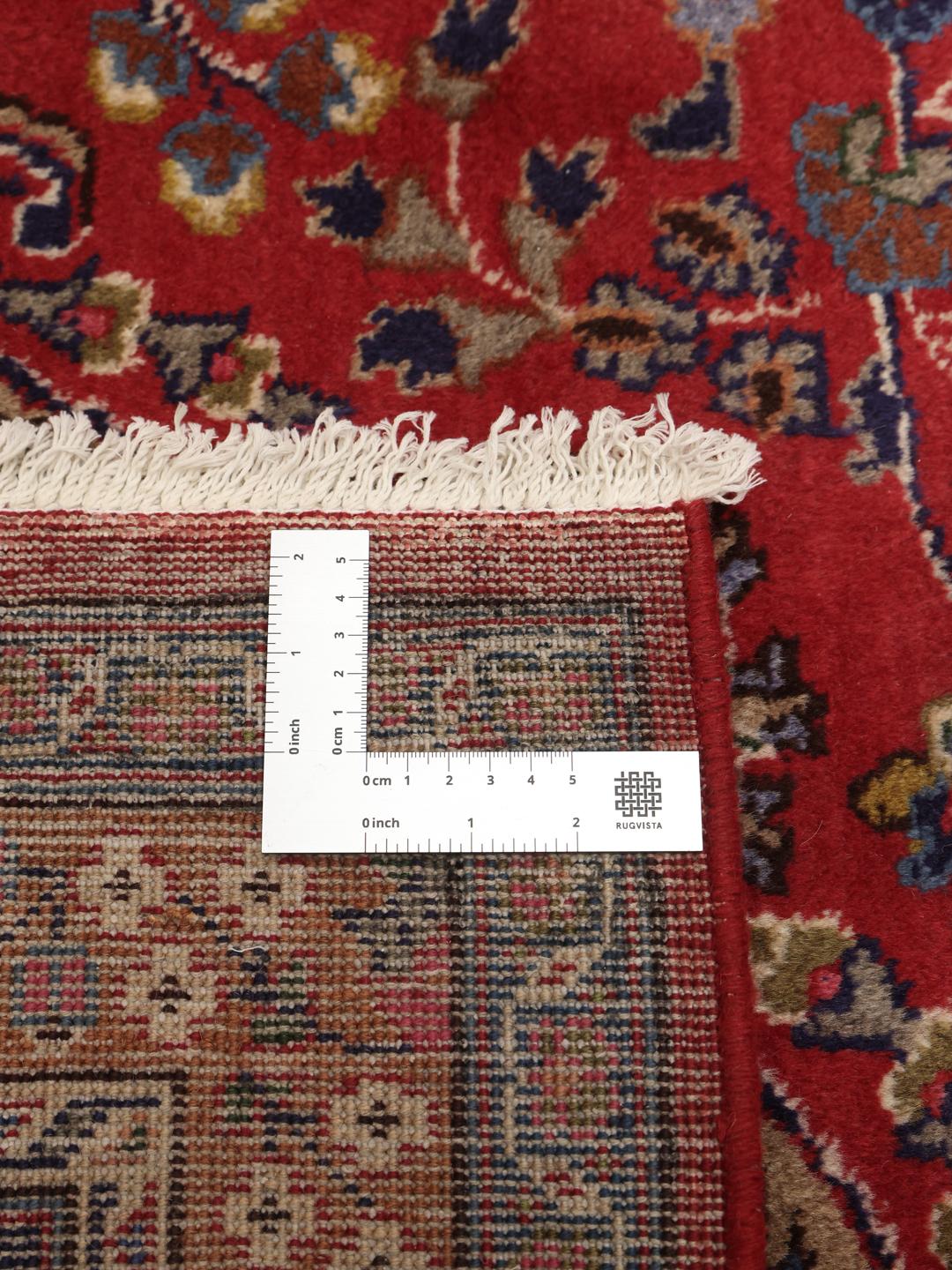
Mahal rugs originate from the village of Mahal in the Markazi province of the Middle East. Historically, these rugs were produced to cater to Western tastes, often featuring larger, more open floral designs than the tighter geometric styles found in surrounding regions. This evolution helped Mahal rugs become highly sought after for their ability to balance intricate detail with a sense of expansive, airy design.
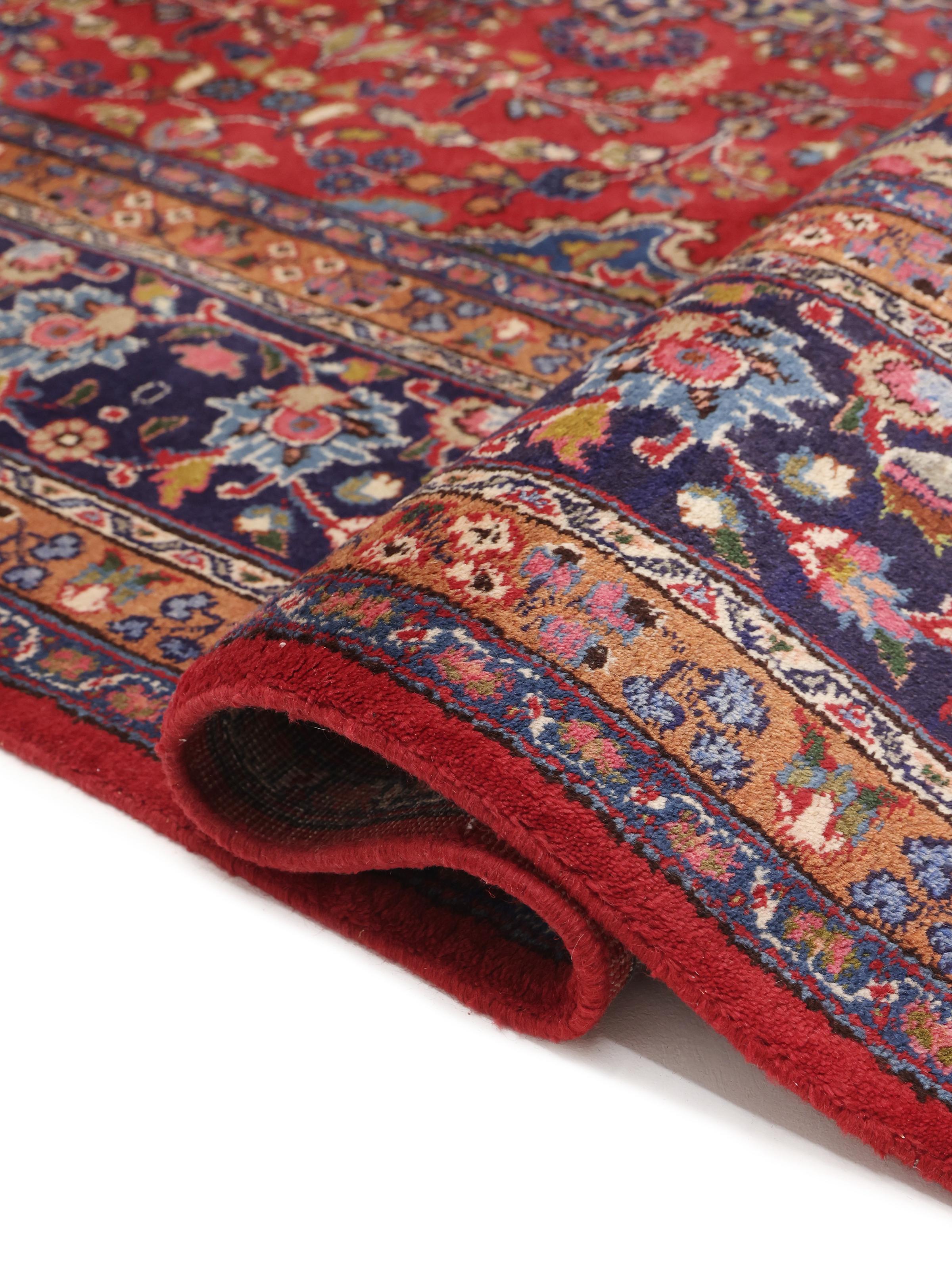
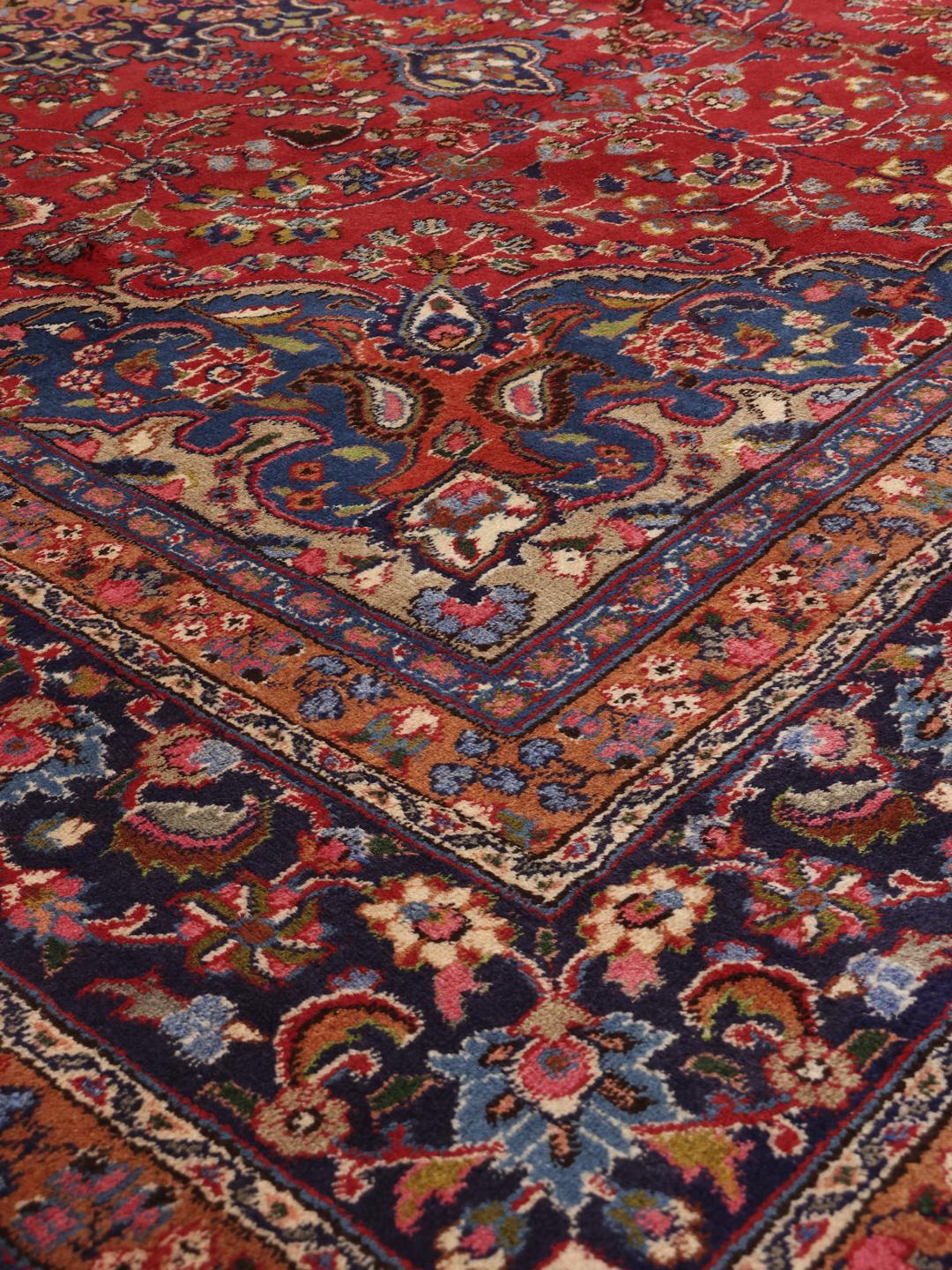
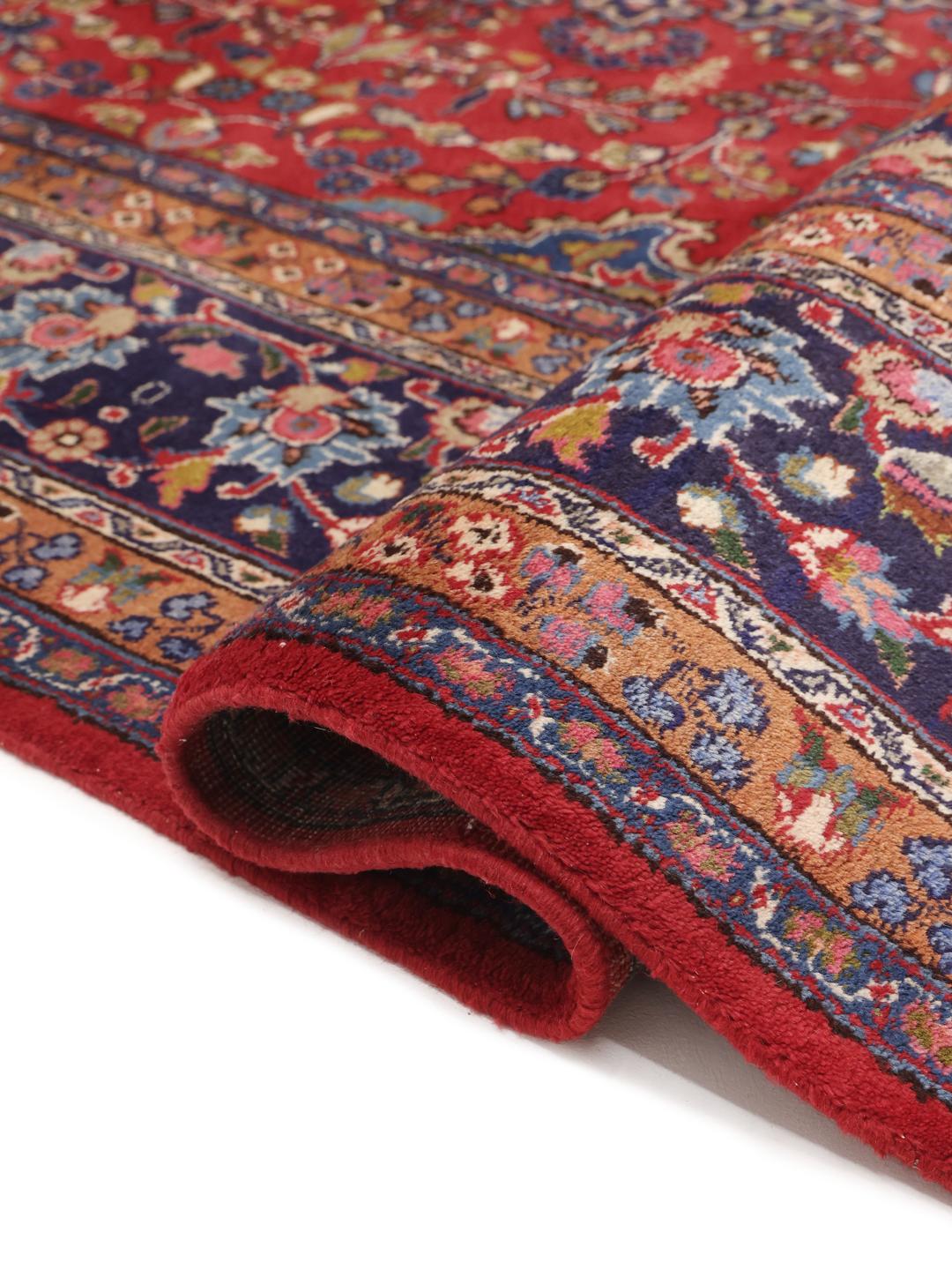
The term Mahal refers to this specific regional style, which is known for its high-quality Wool and substantial, durable foundation. The Wool is often hand-spun, which provides a natural variation in the texture and colour, adding to the character of the rug. This traditional approach to construction ensures that the rug is not just a decorative object, but a functional piece built to endure.
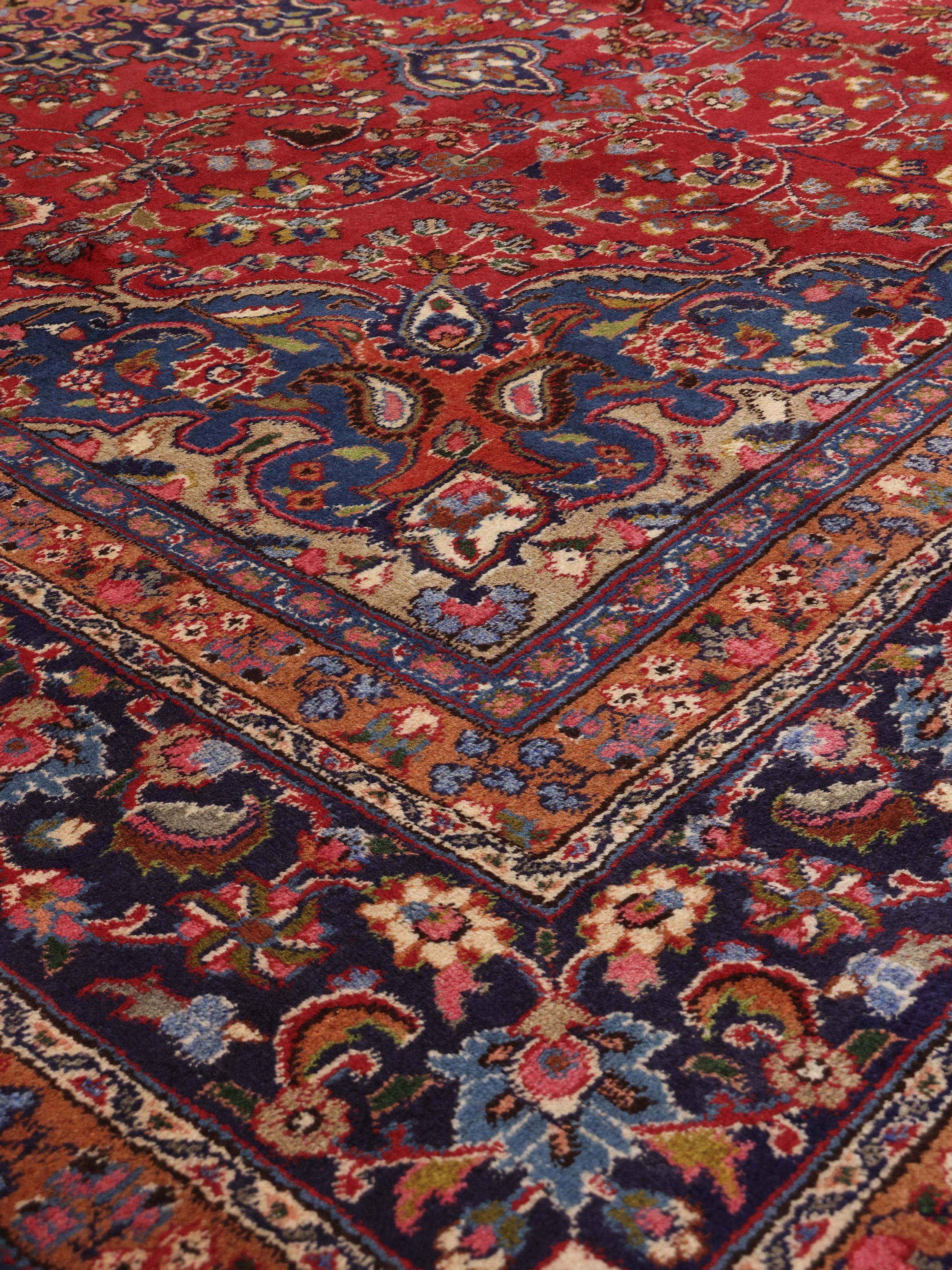
Signature design elements of the Mahal tradition include large-scale floral medallions, sweeping vines, and ornate, scrolling borders. These elements are often rendered in deep, saturated colours, with classic red fields and deep blue accents being particularly iconic. The balance between the central medallion and the surrounding field is a hallmark of the style, creating a harmonious look that draws the eye inward.
Owning a Mahal rug is a way to connect with a long-standing tradition of craft and artistic expression. These rugs are valued by collectors for their authentic provenance and the human effort required to bring them to life. By choosing a piece with this heritage, you are preserving a craft that has been passed down through generations, ensuring it continues to be appreciated for its beauty and skill.