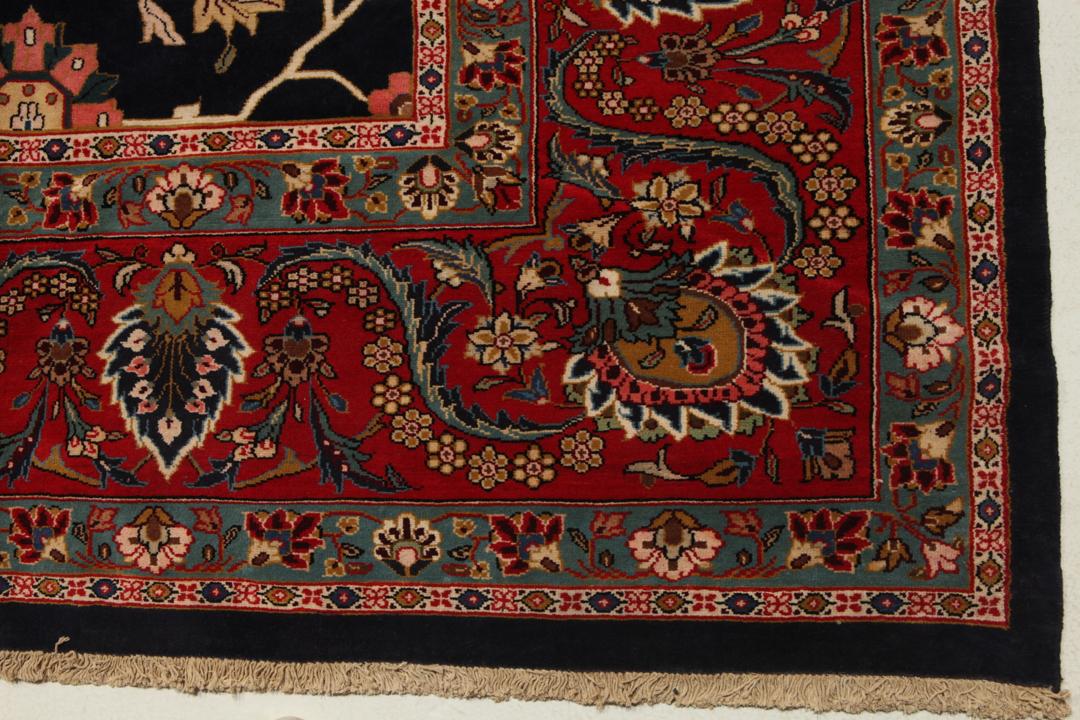
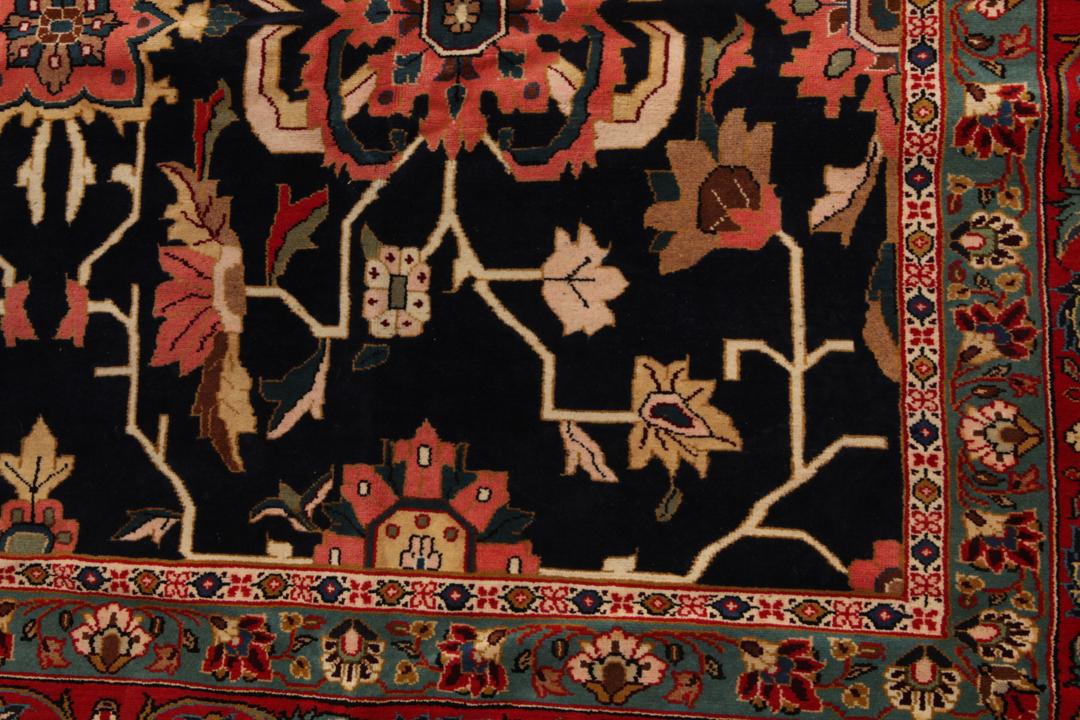
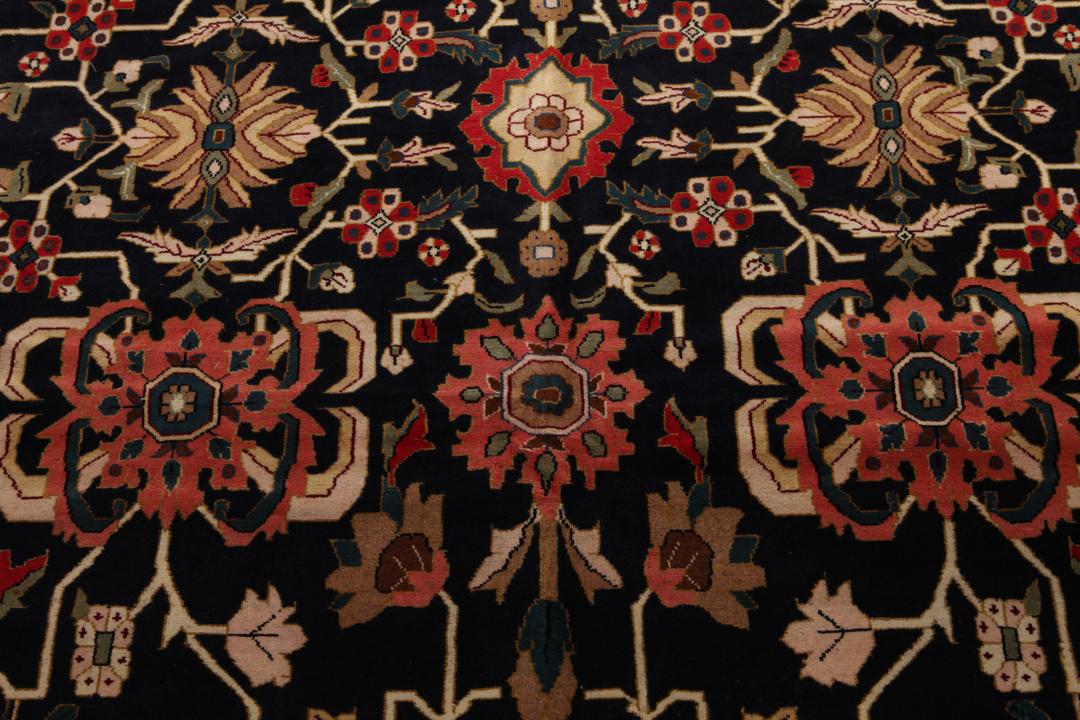
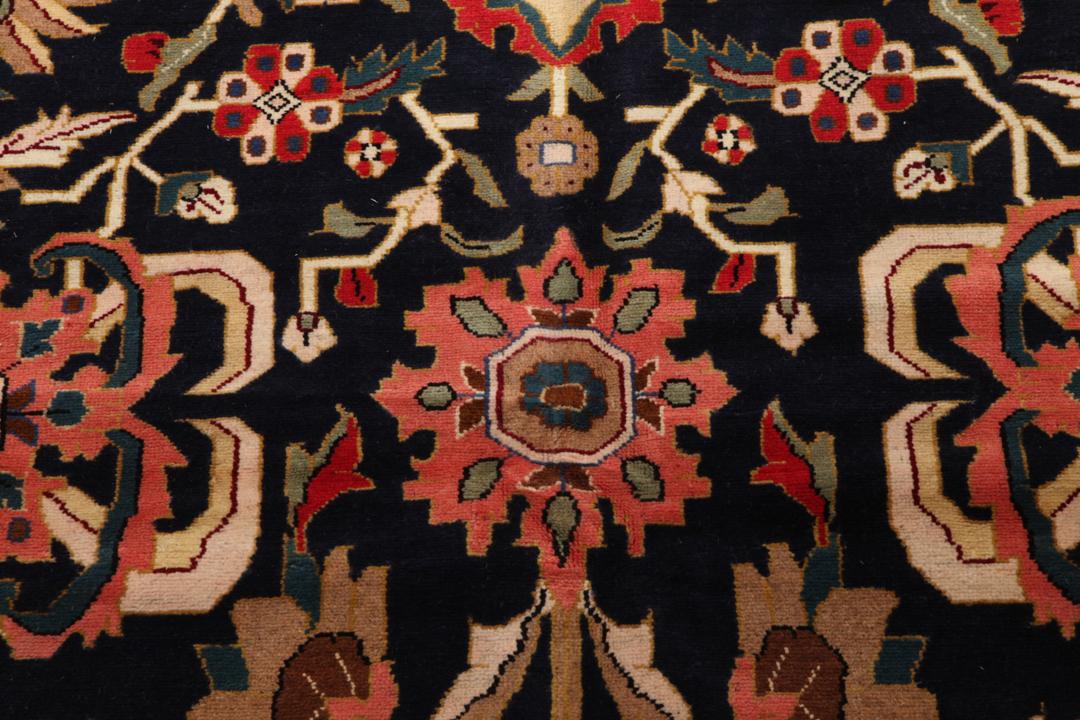
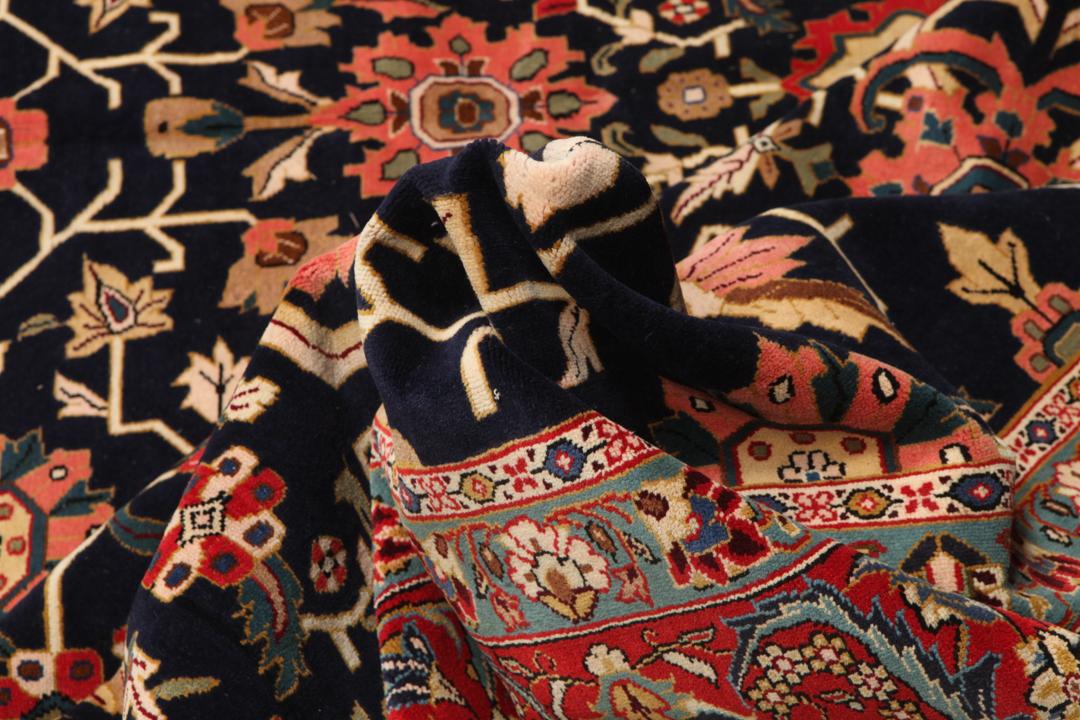
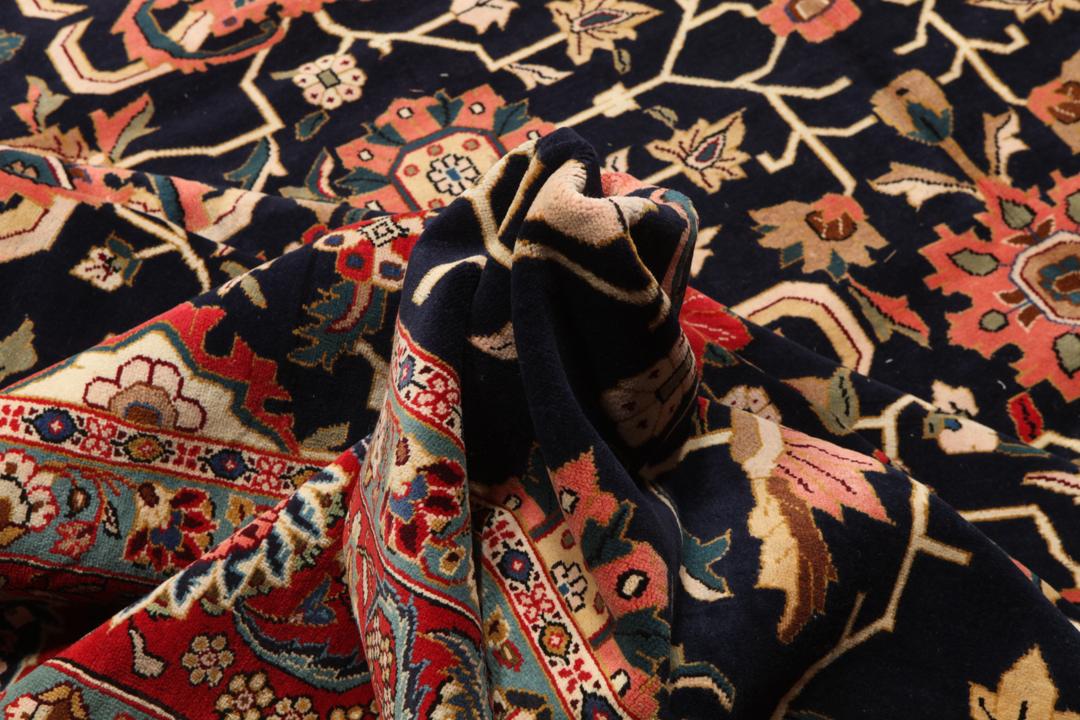
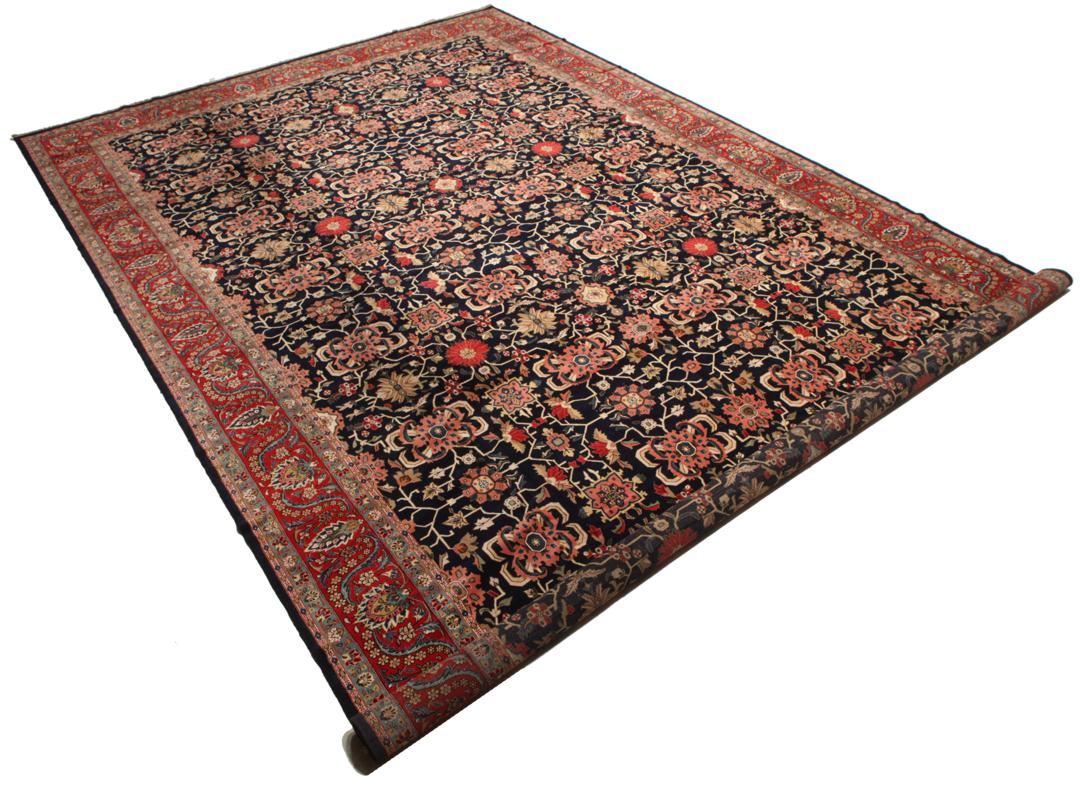
The Malayer tradition originates from a region nestled between the major weaving centres of Hamadan and Arak in the Middle East. Historically, this area has been a melting pot of weaving techniques, where small-scale village production allowed for a high degree of creative freedom. Unlike the strictly controlled designs of urban workshops, Malayer rugs are celebrated for their spontaneous, expressive character.
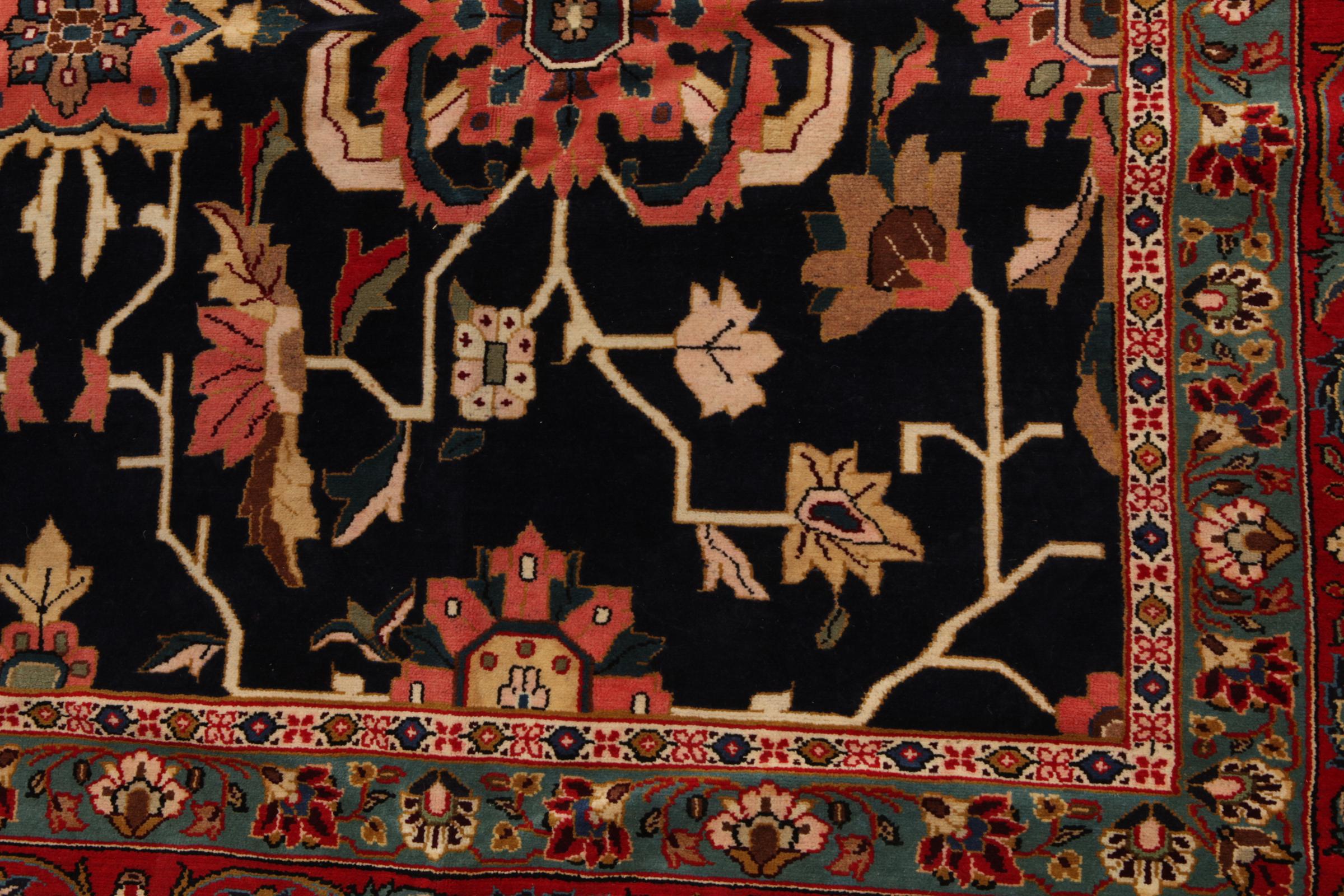
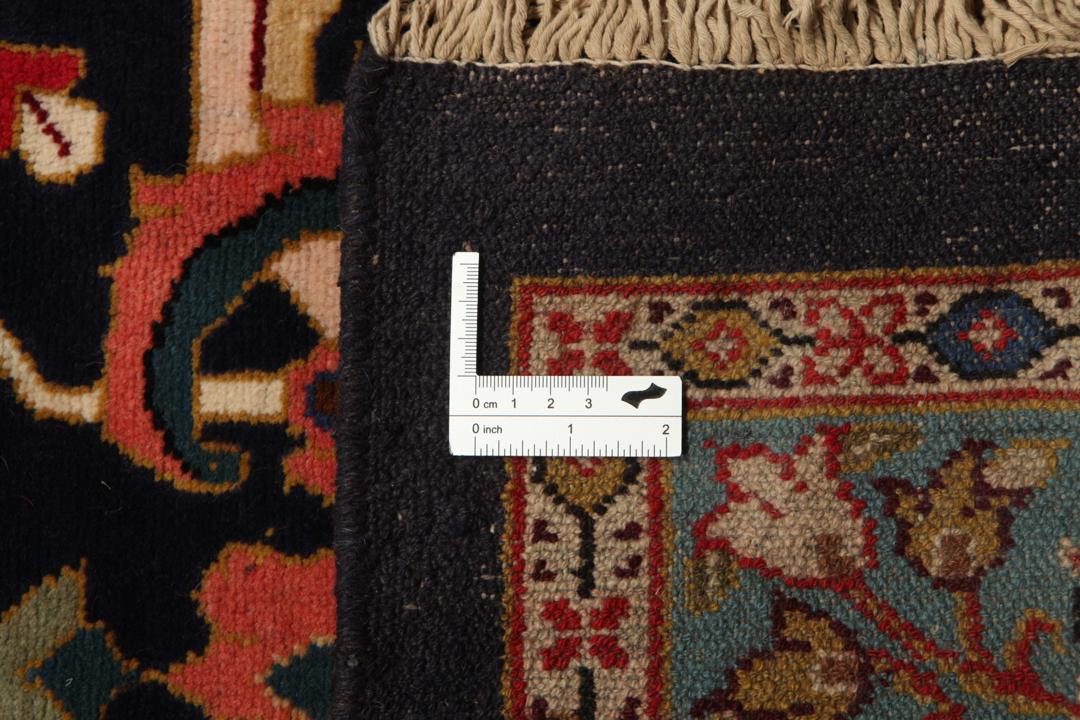
The term 'Senneh' refers to a specific style of weaving that emphasises a delicate, refined approach to construction. In this tradition, the artisans use a sophisticated knotting technique that creates a remarkably smooth and uniform pile. This technical mastery is vital because it allows for the intricate, curvilinear floral patterns that have become the signature of this style, ensuring that the details remain sharp and enduring.
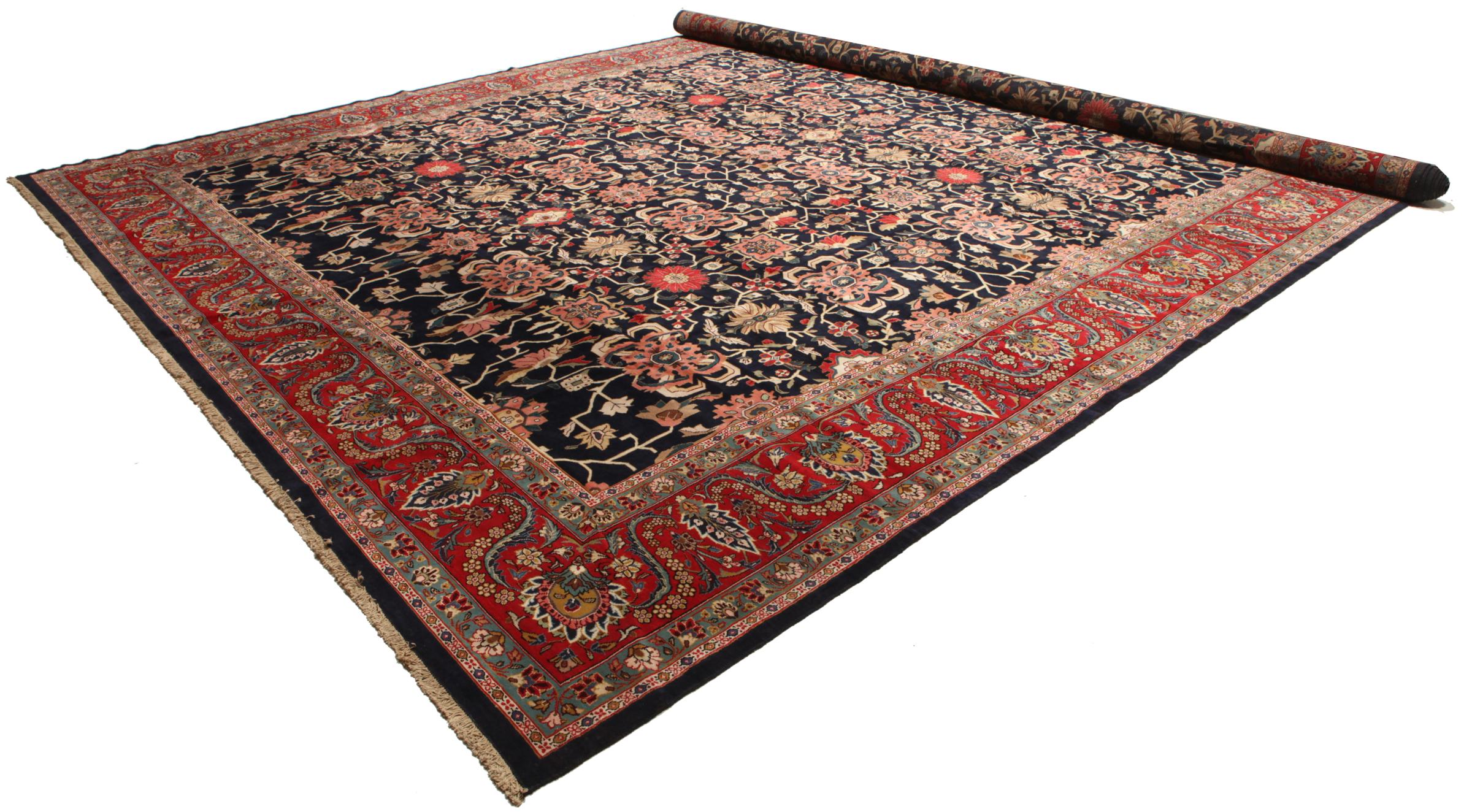
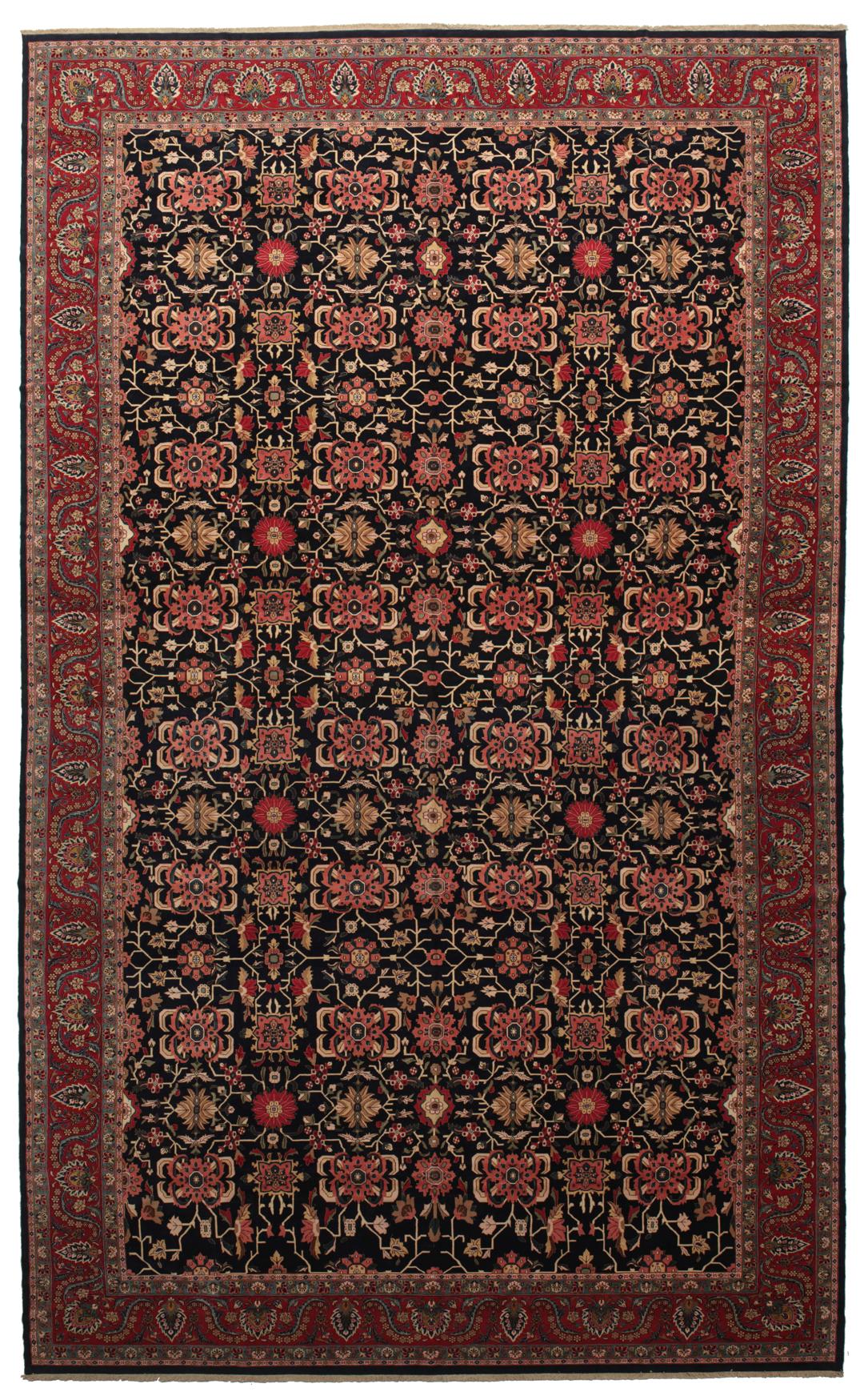
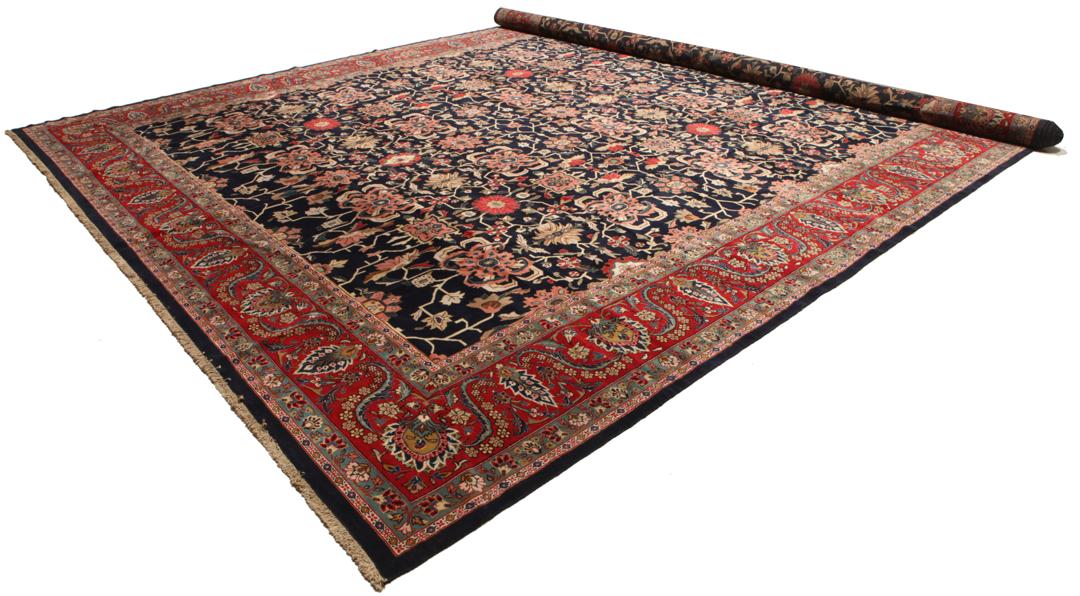
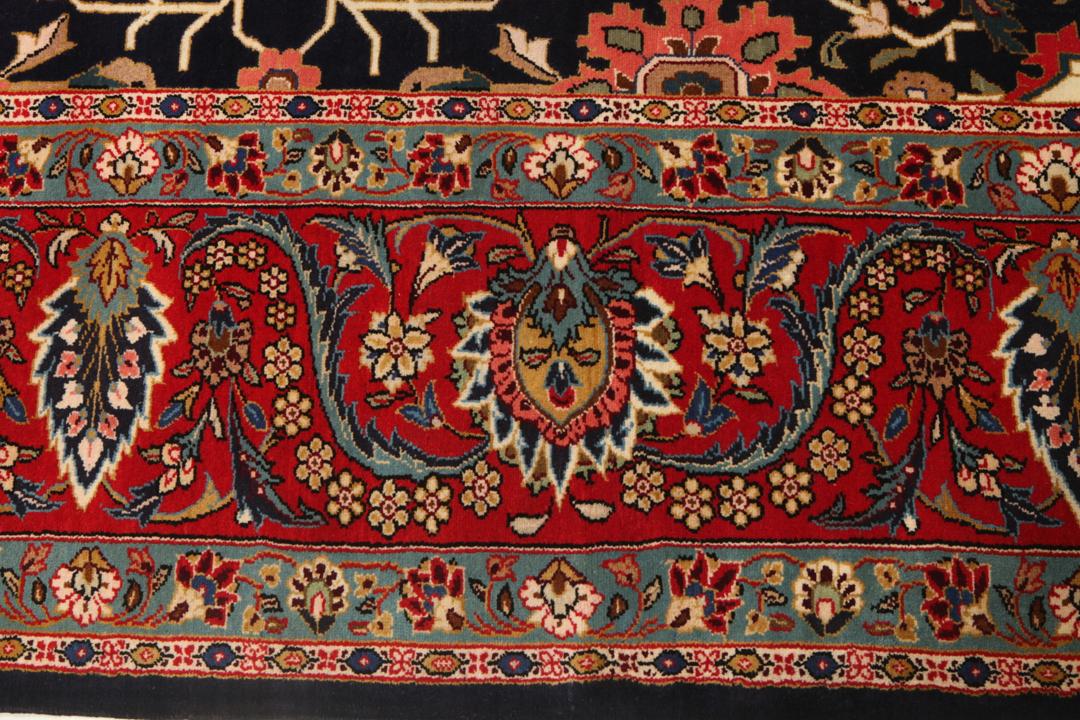
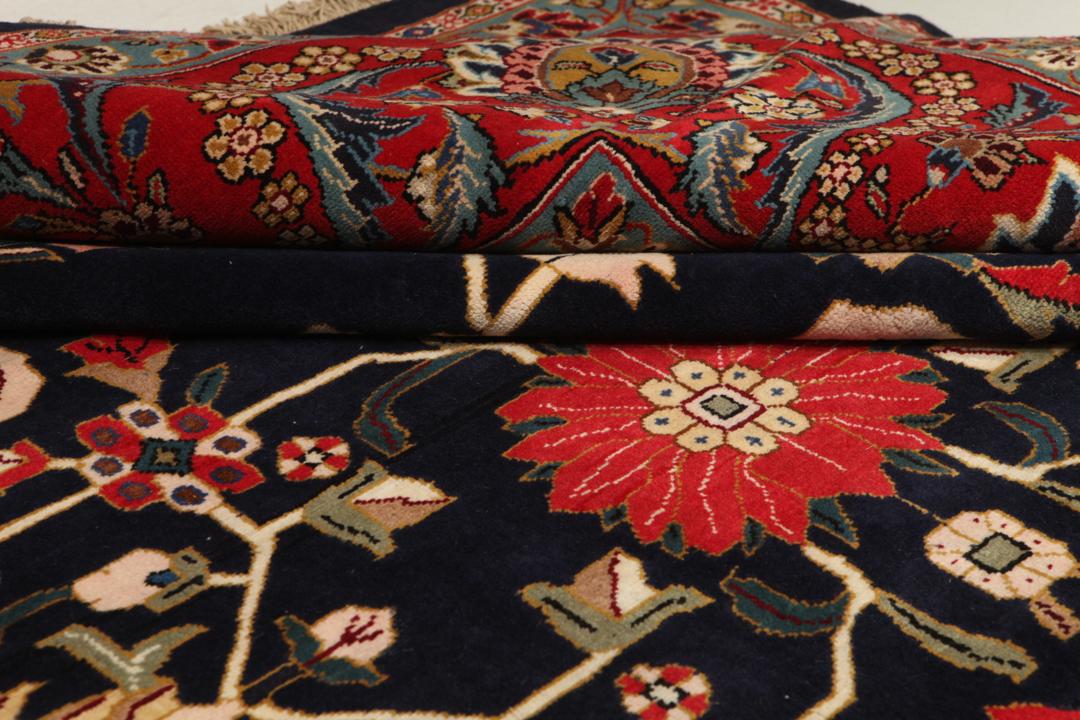
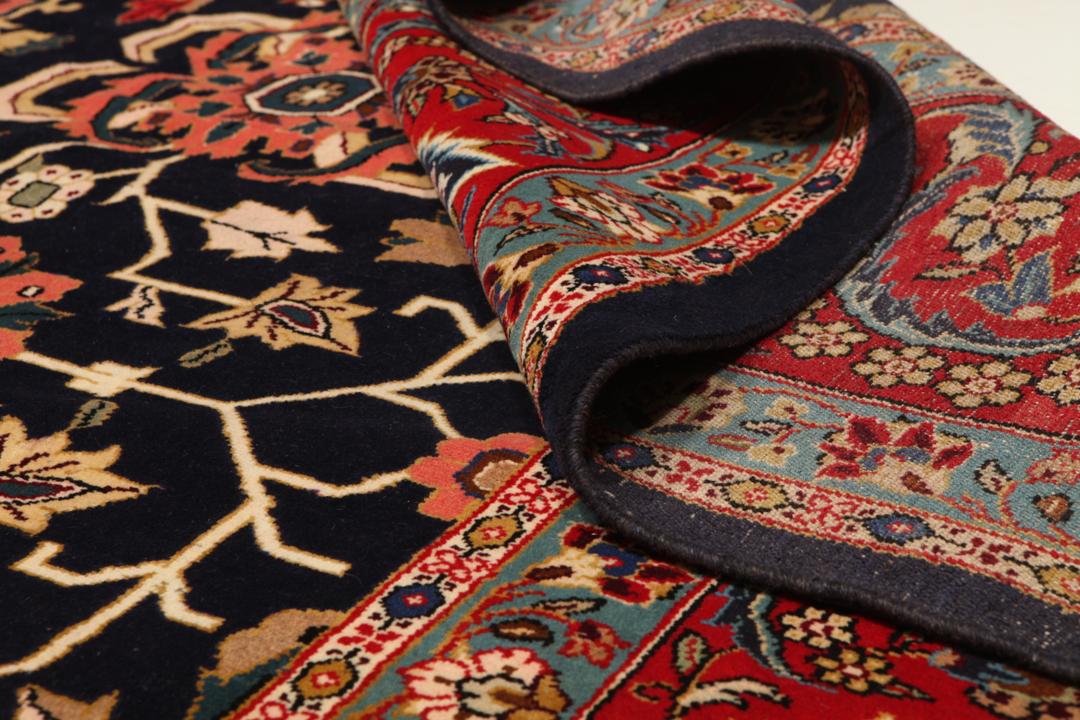
Visually, these rugs are defined by their sophisticated colour palettes and complex botanical motifs. You will often find elaborate floral sprays, vines, and stylised blossoms that span the field in a rhythmic, organic flow. The borders are typically just as detailed, often featuring repeating geometric or floral elements that frame the central design and provide a sense of visual containment and harmony.
Collecting a rug from this heritage is an investment in human skill and regional history. These pieces are not merely floor coverings but are cultural documents that reflect the aesthetic sensibilities of the people who created them. By bringing a Malayer rug into your home, you are continuing a long-standing tradition of valuing high-touch, artisanal objects over mass-produced alternatives.