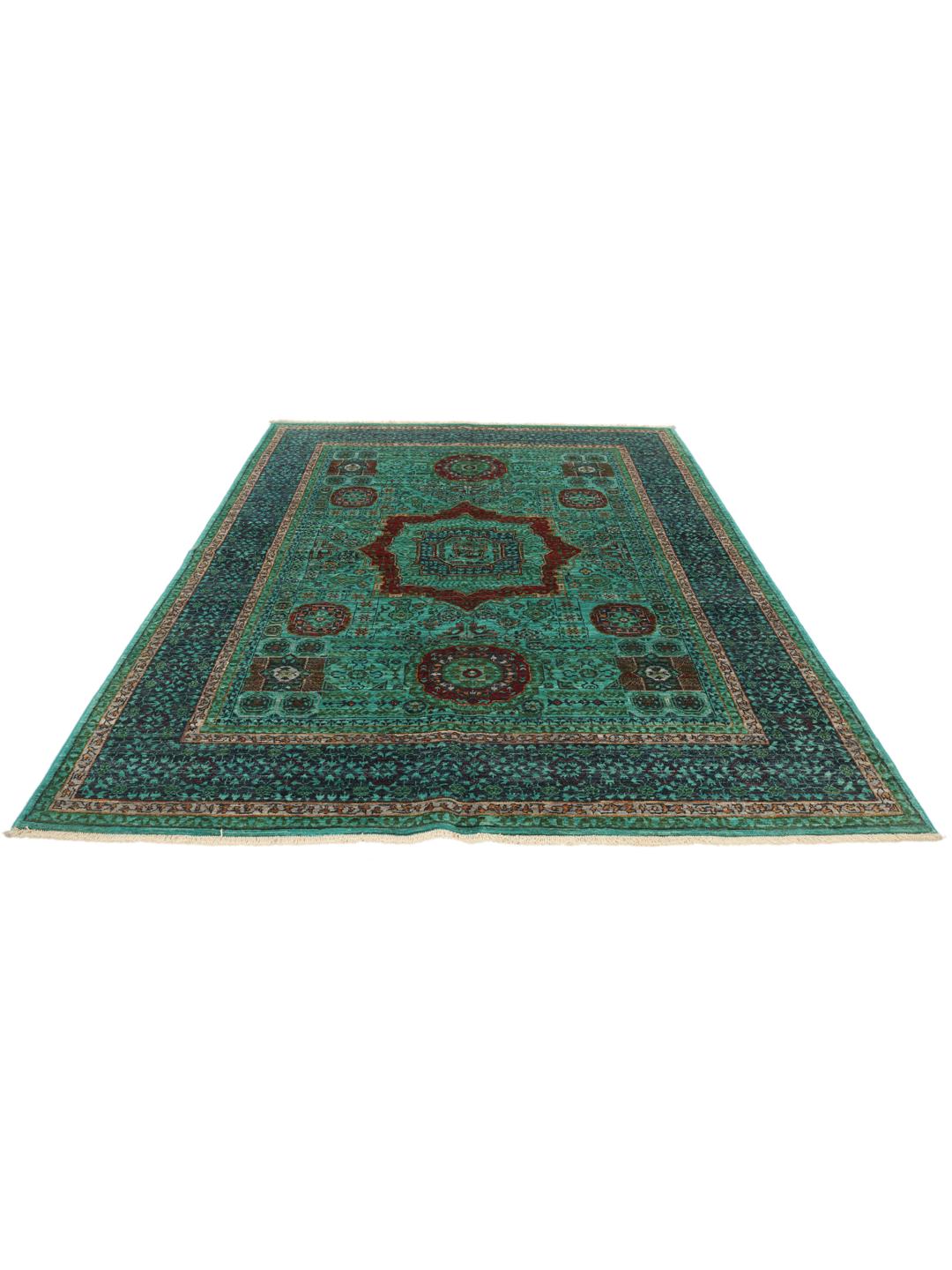
Mamluk rugs are celebrated for their deep historical roots, originating from the Mamluk Sultanate that ruled Egypt and the Levant between the 13th and 16th centuries. These rugs are legendary for their sophisticated geometric aesthetics, which have been preserved and revived by modern weavers in Afghanistan, who bring these ancient designs to life with exceptional skill.
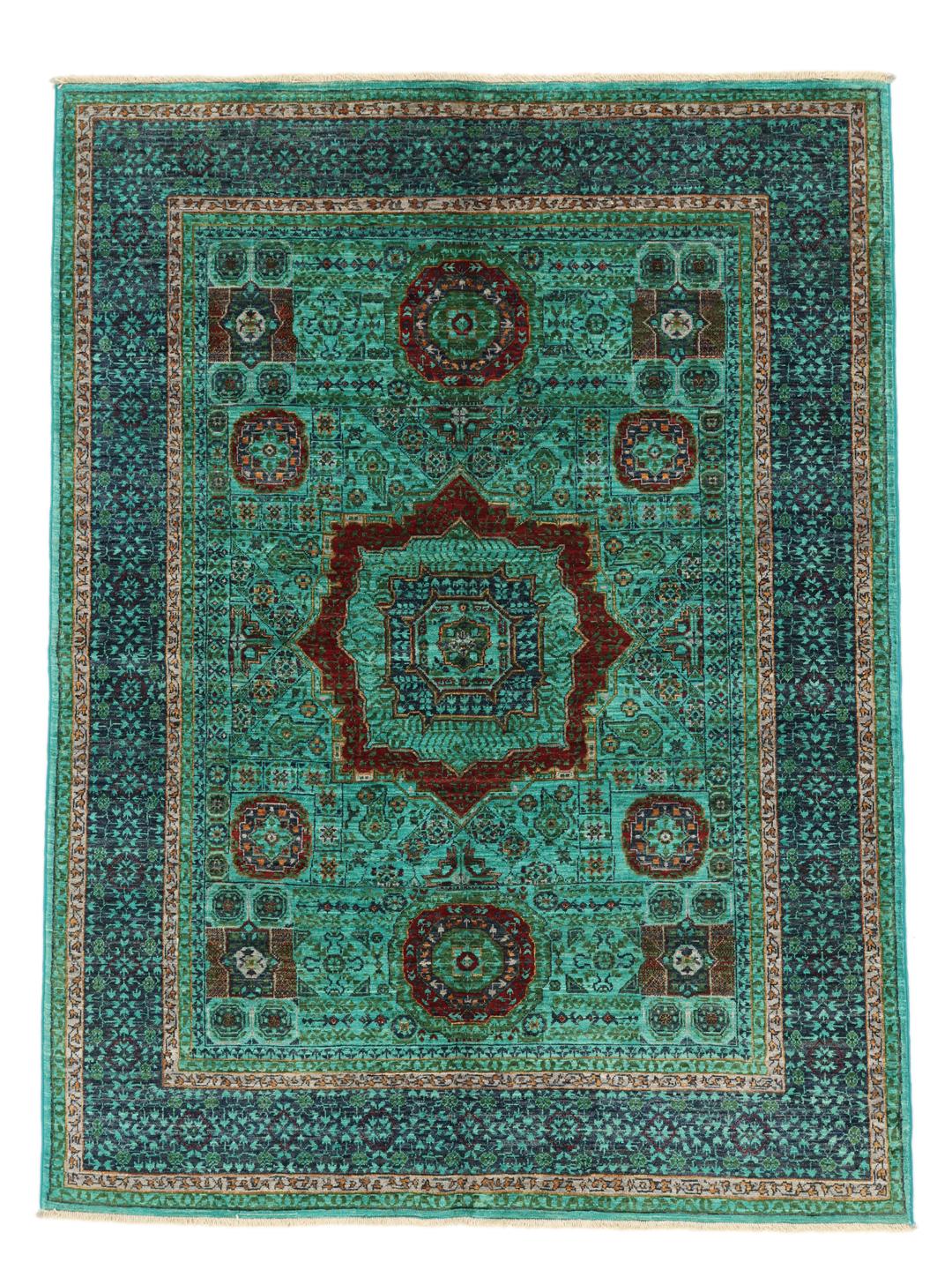
The term Mamluk refers to the specific design language of these pieces, which typically features complex, interlaced geometric patterns, stars, and medallions. Unlike many other traditions that focus on floral motifs, the Mamluk style is defined by a rigorous, mathematical approach to space, often using a jewel-toned palette that feels both regal and grounded.
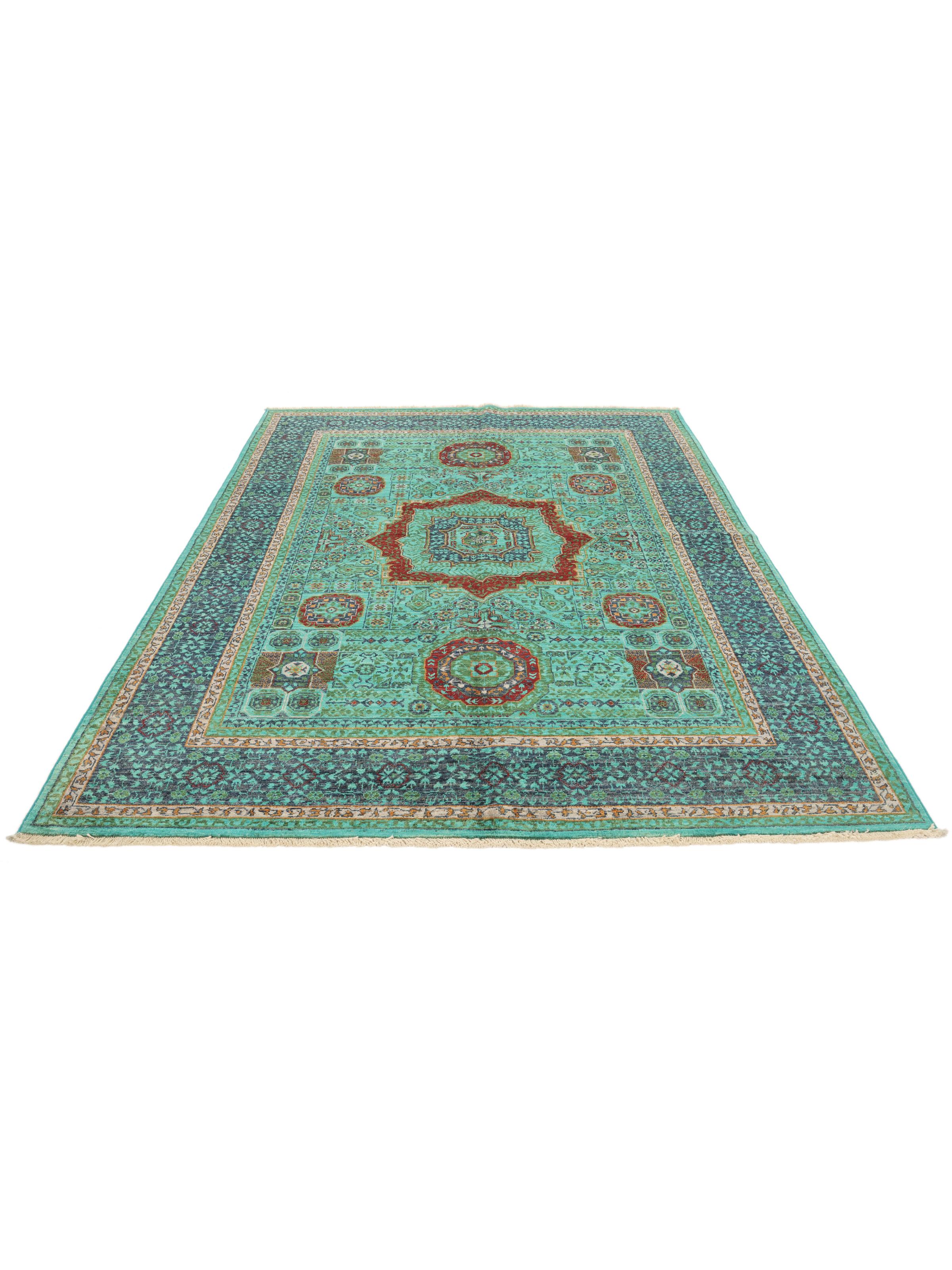
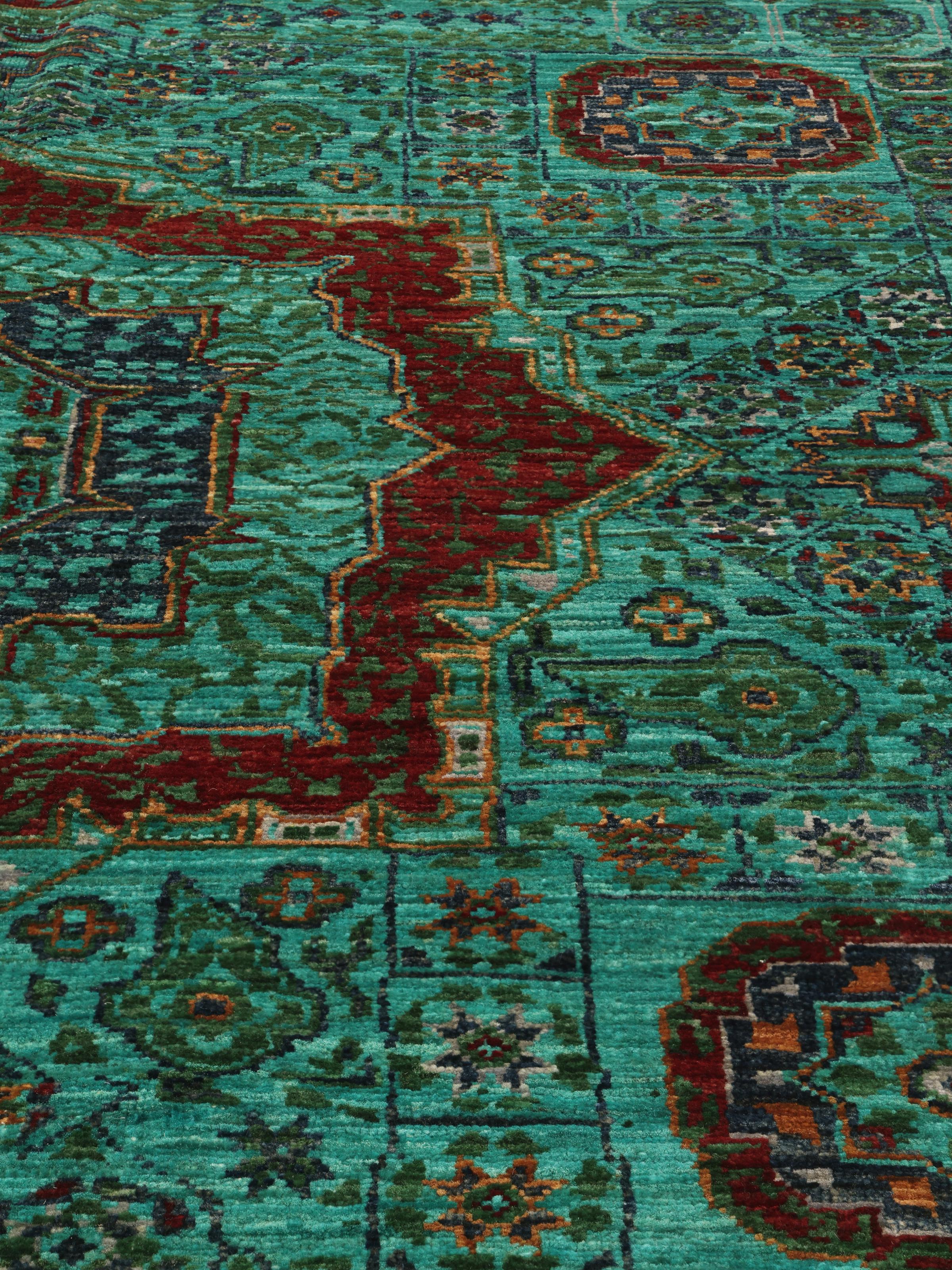
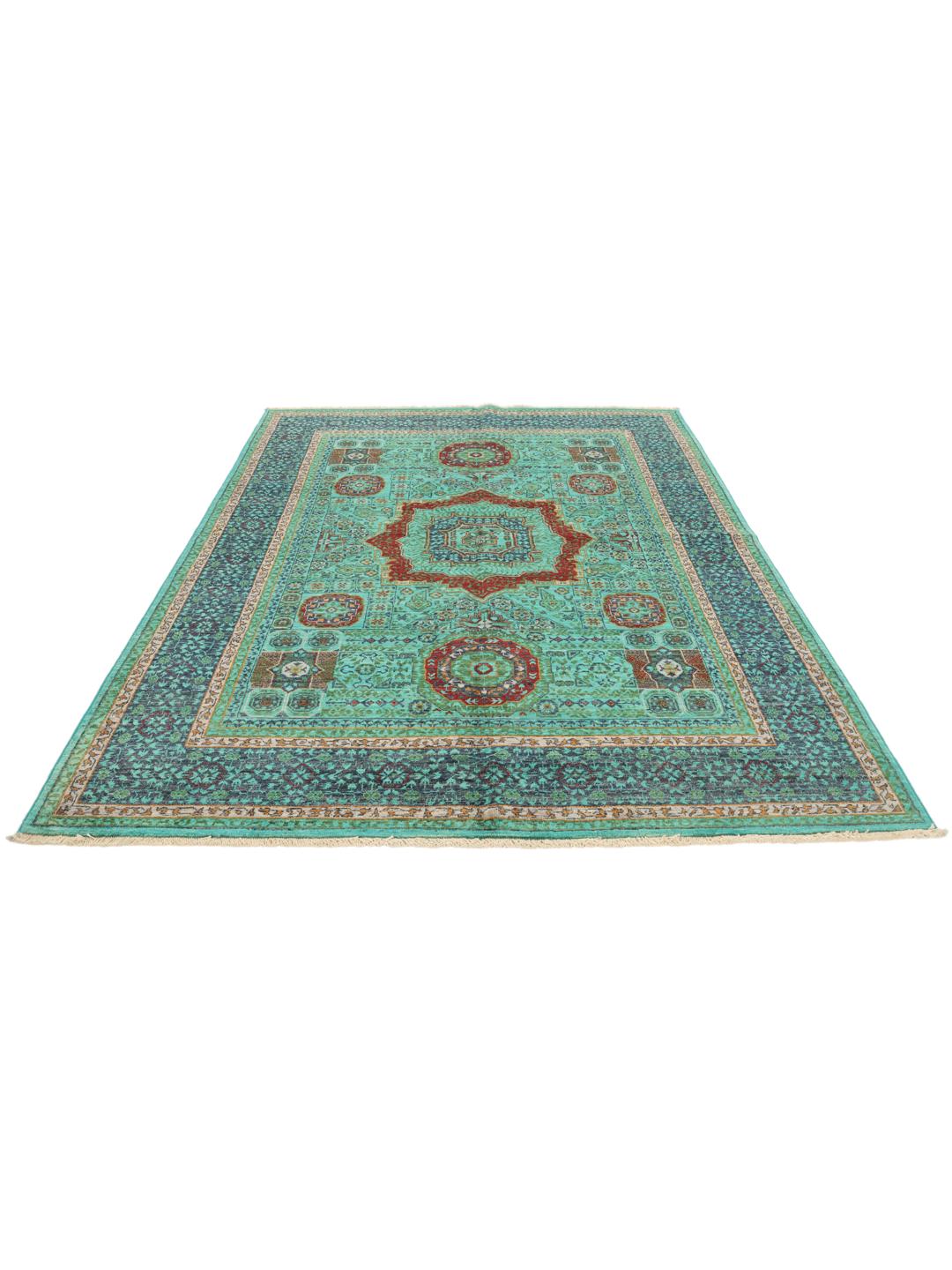
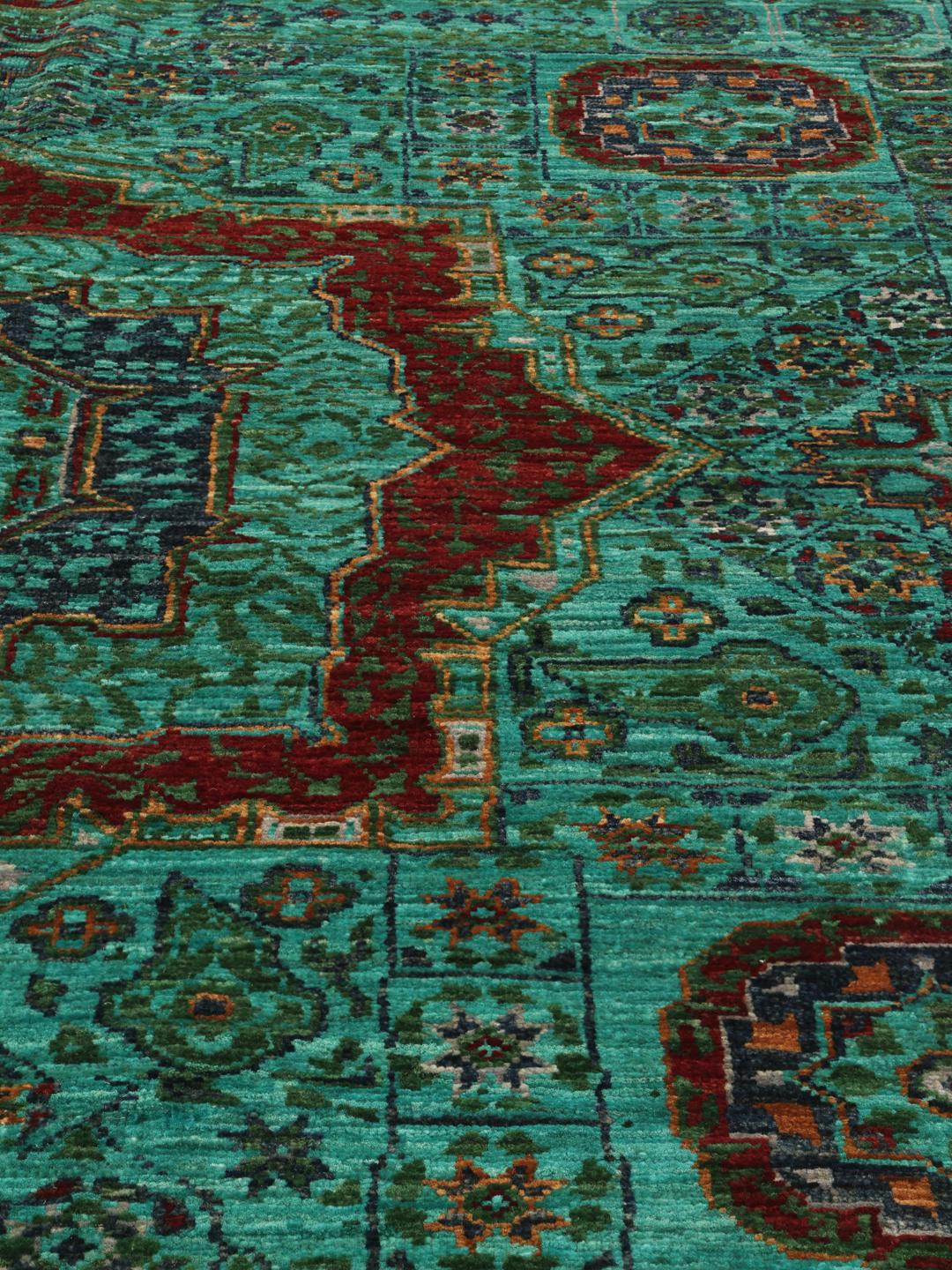
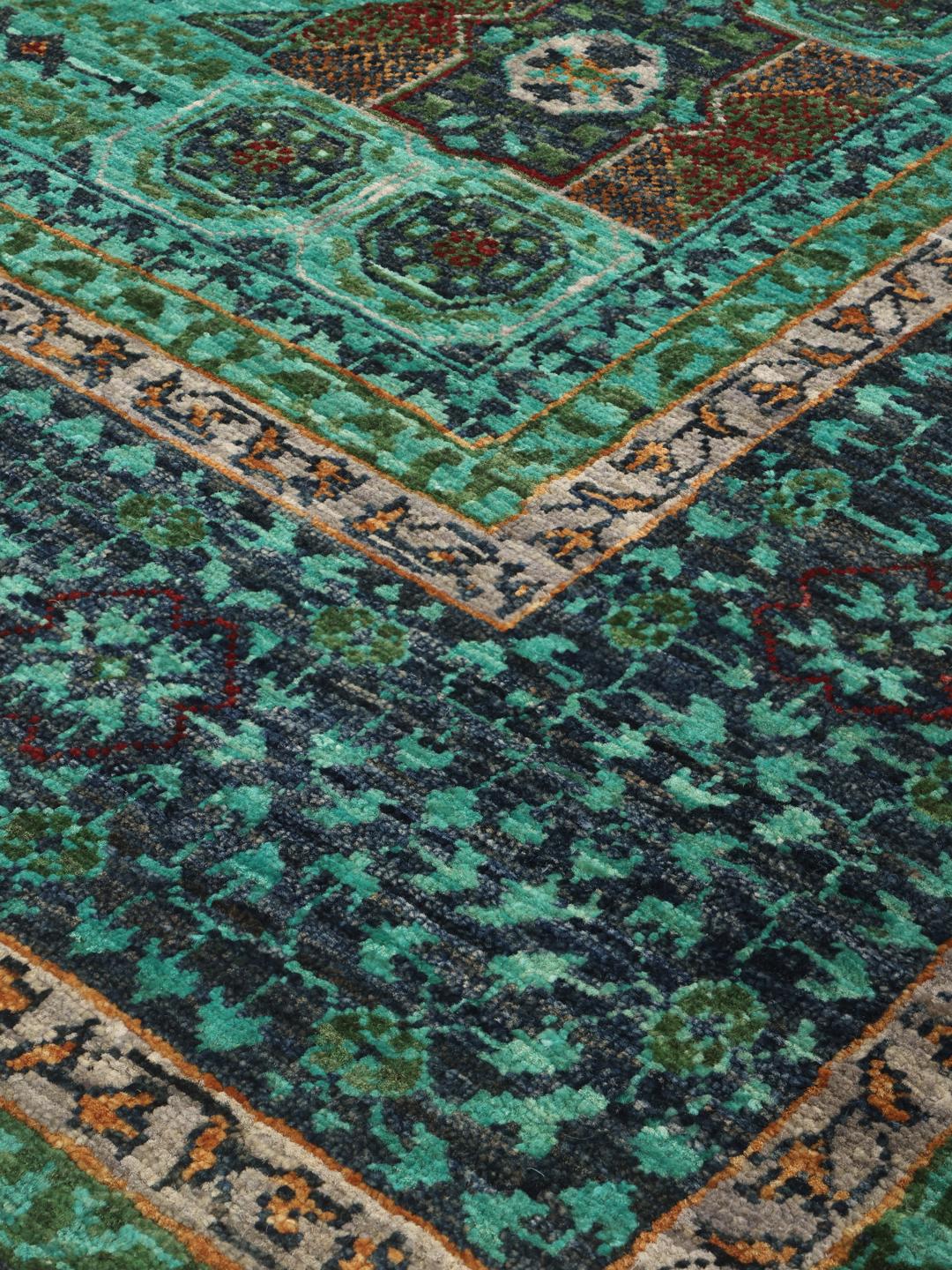
A signature element of this tradition is the use of a central medallion surrounded by smaller, intricate geometric shapes, all contained within a formal, highly detailed border. This particular rug showcases these iconic motifs with remarkable clarity, reflecting the enduring appeal of a design that has fascinated collectors for centuries.
Collecting a Mamluk rug is more than just a home decor choice; it is an act of preserving a rich cultural narrative. These rugs are highly valued for their artistic complexity and the technical mastery required to execute such precise patterns. Owning one offers a connection to a long-standing heritage of craftsmanship that remains as relevant and impressive today as it was in the era of the Sultans.