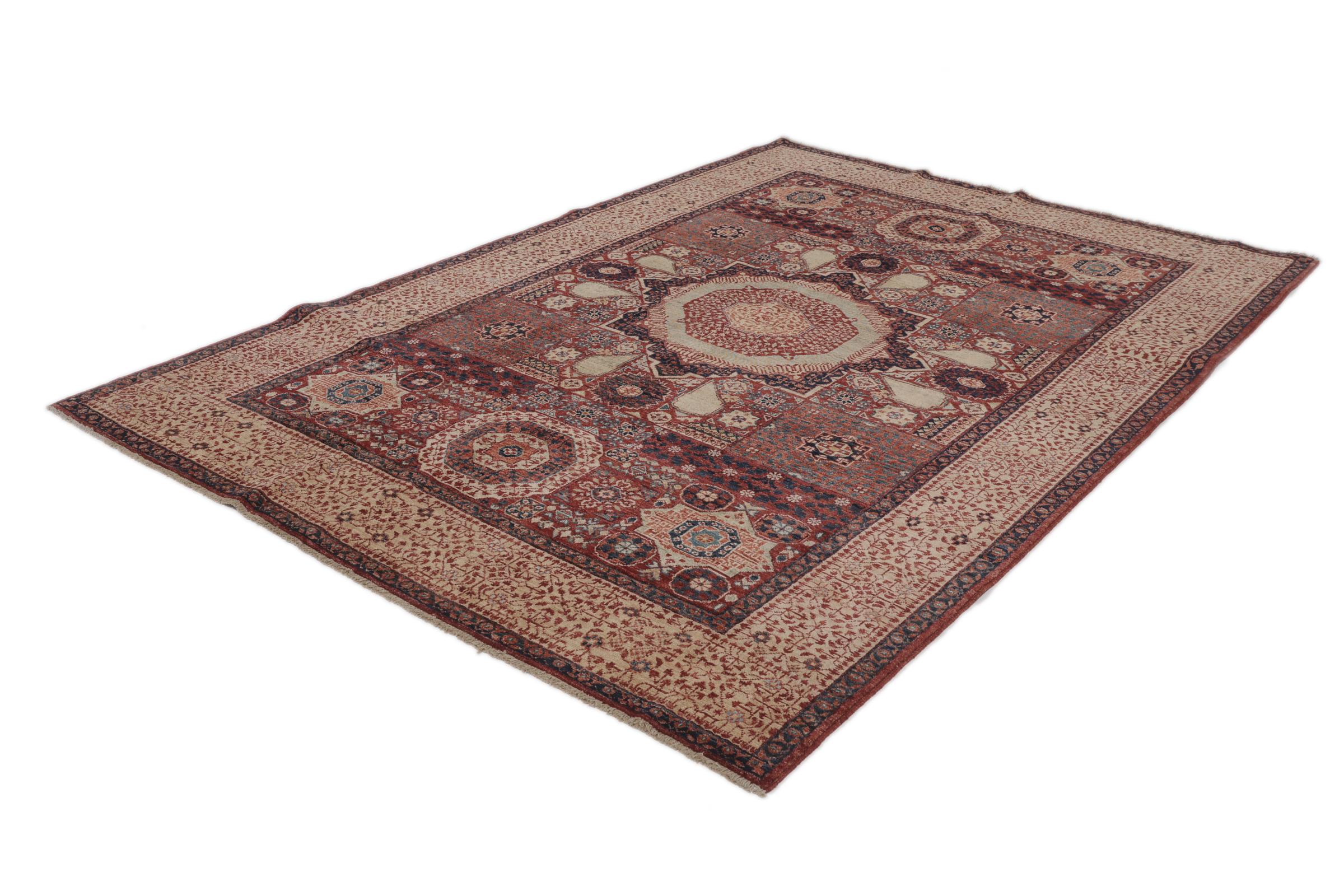
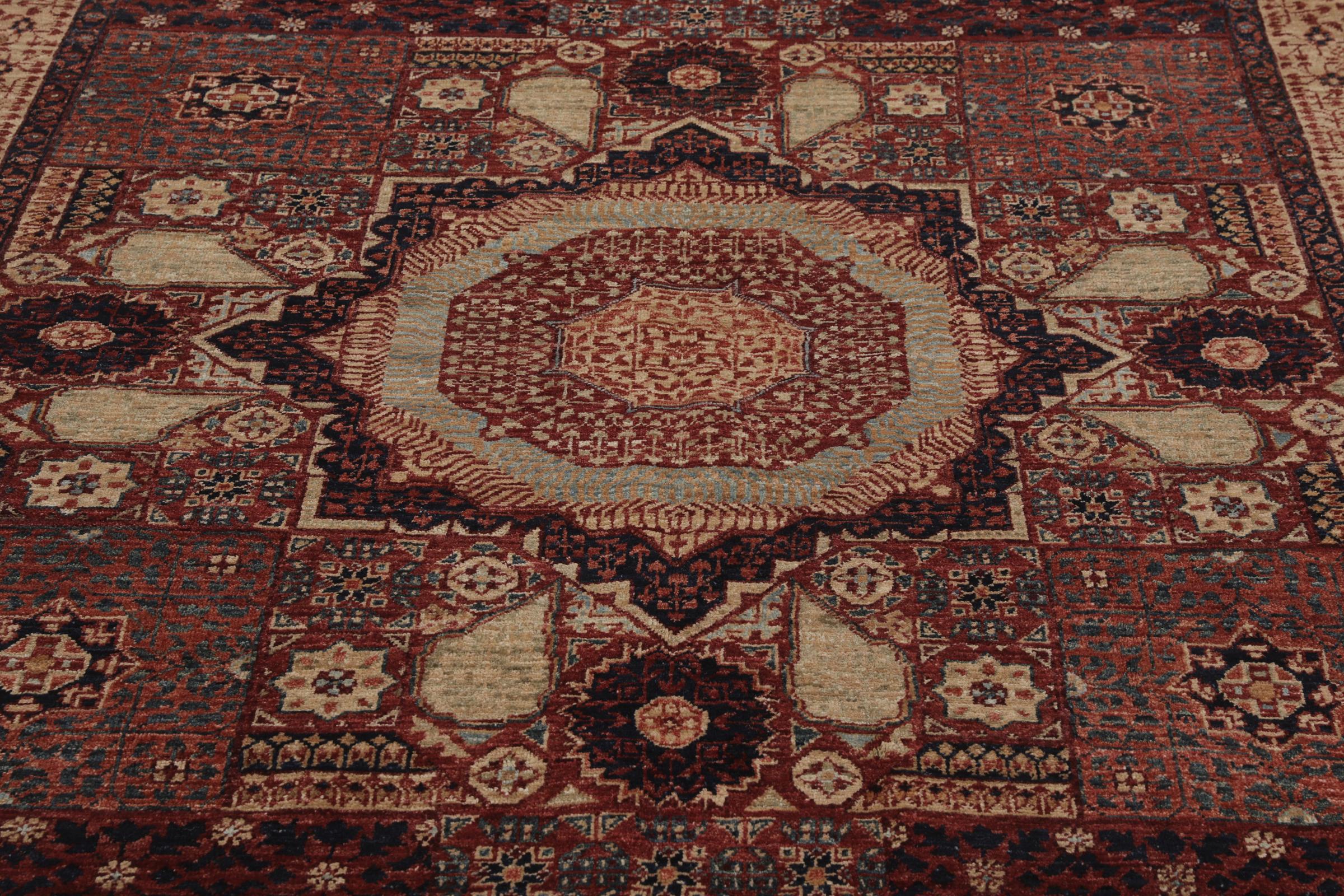
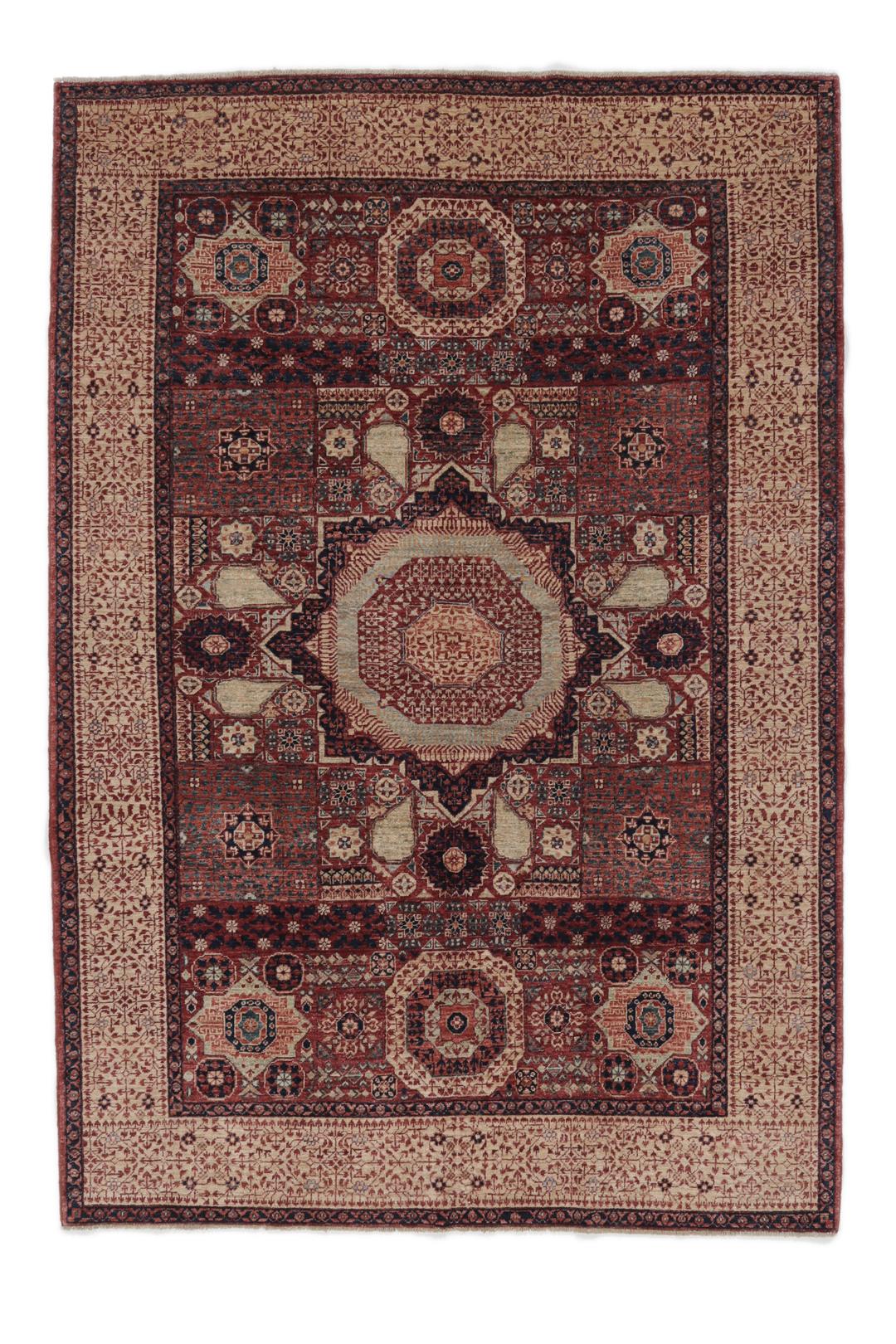
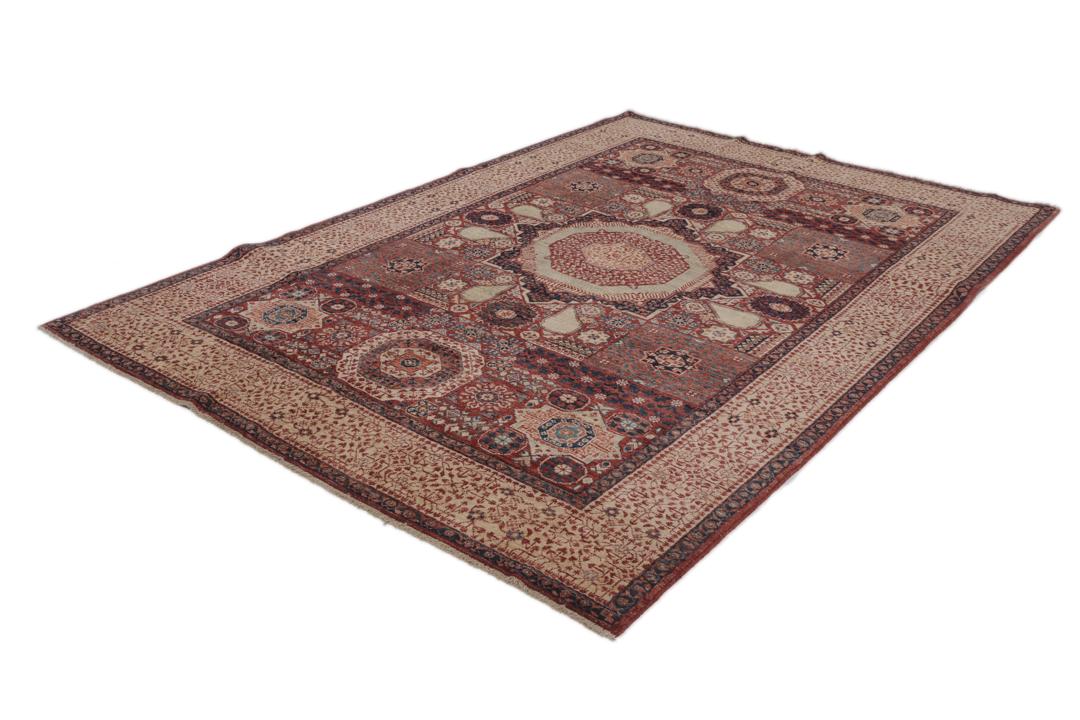
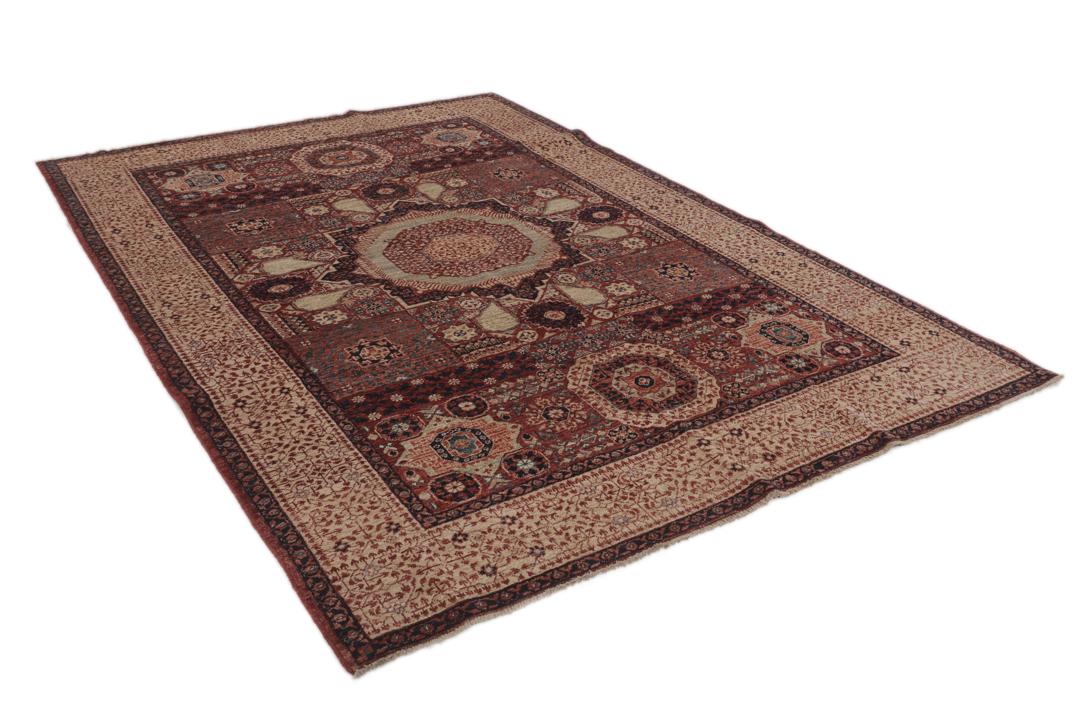
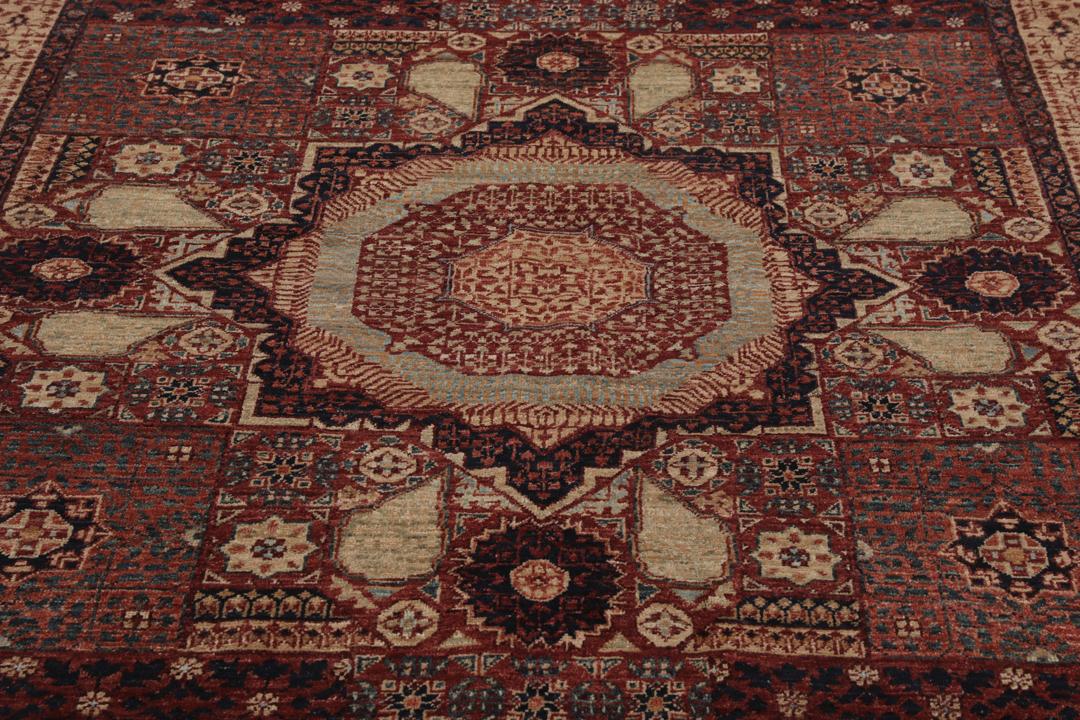
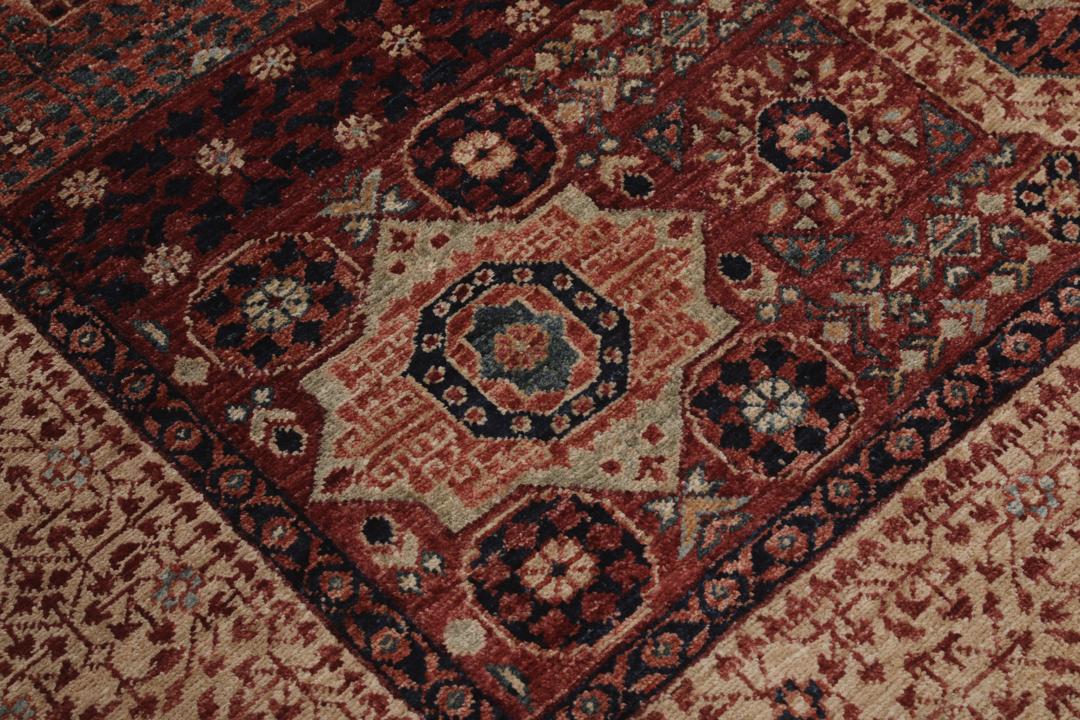
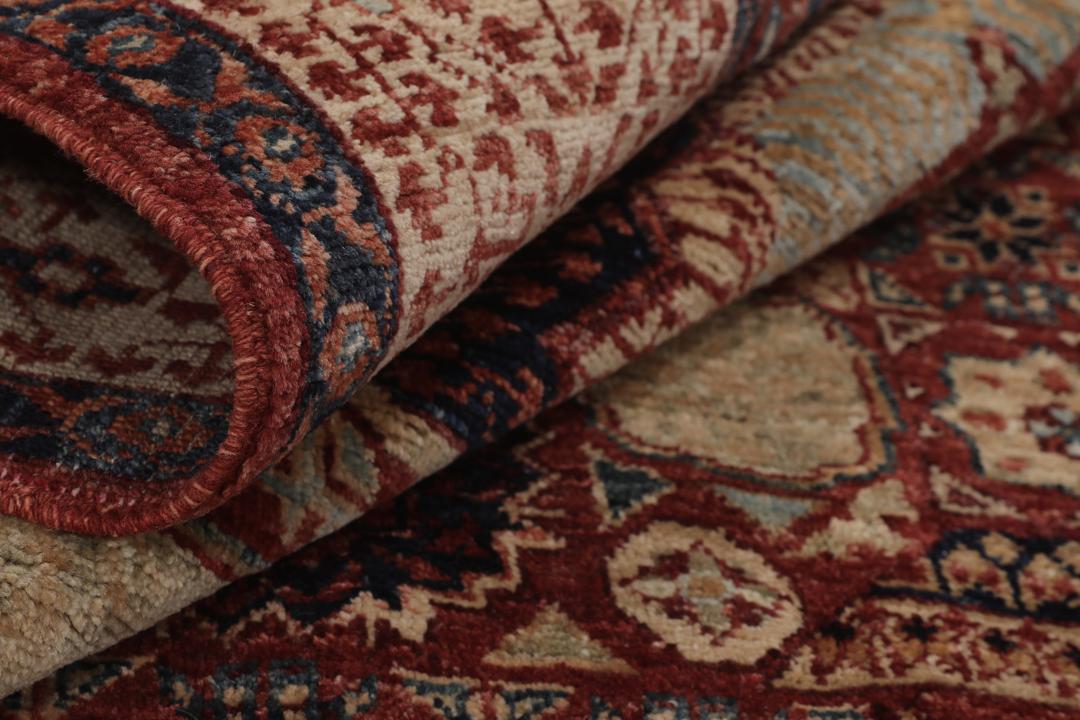
The Mamluk tradition finds its roots in the sophisticated textile arts of the 15th and 16th centuries, historically associated with the Mamluk Sultanate in Egypt. These rugs are renowned for their highly distinctive geometric style, which often features a large central medallion surrounded by smaller, intricate octagonal and star-shaped motifs.
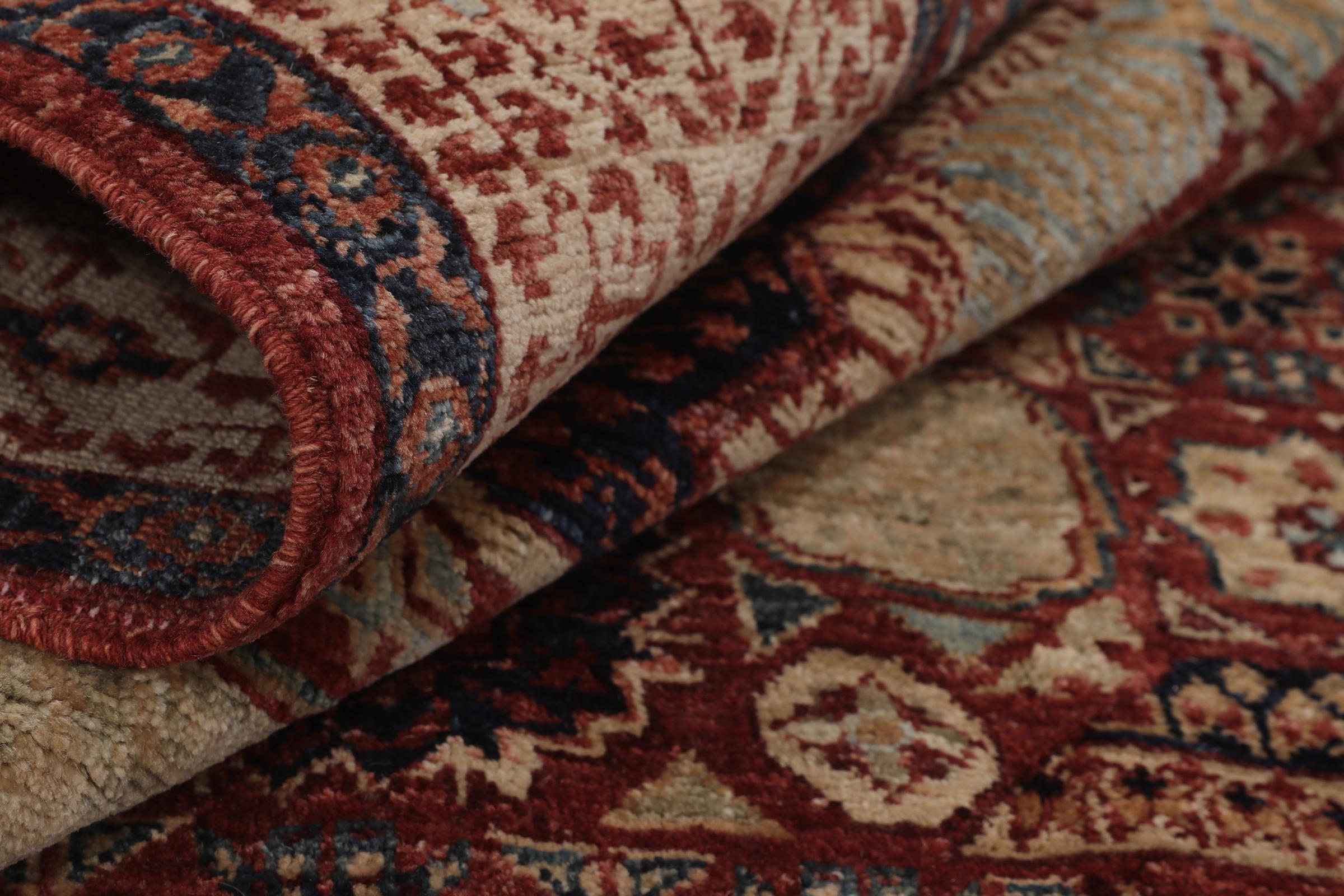
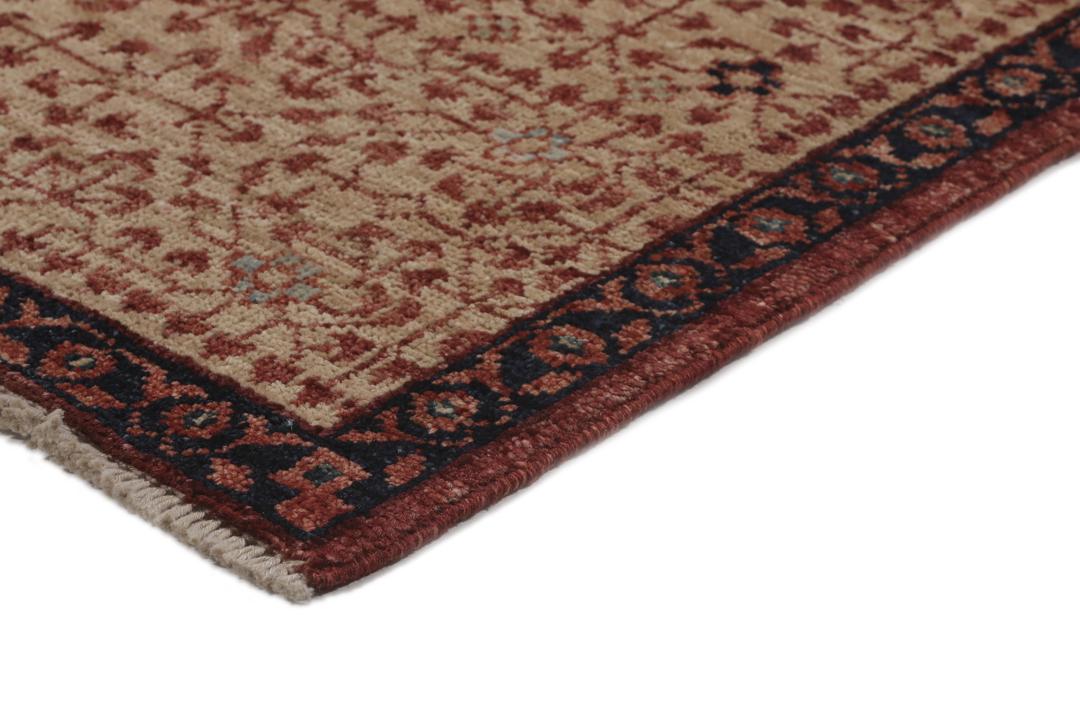
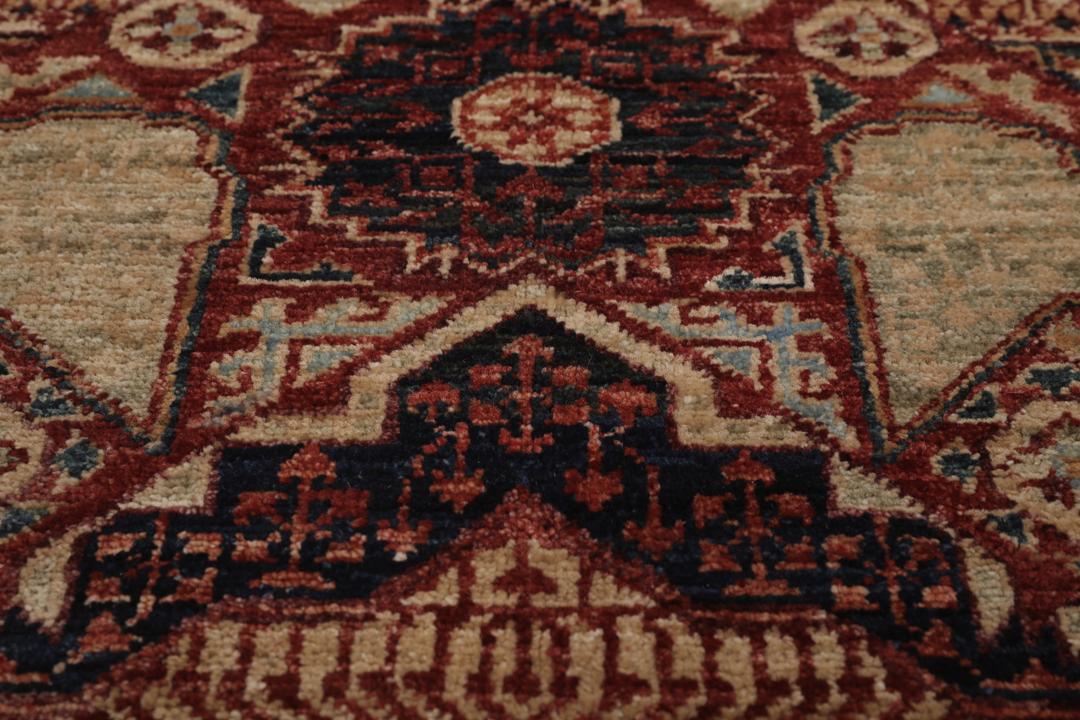
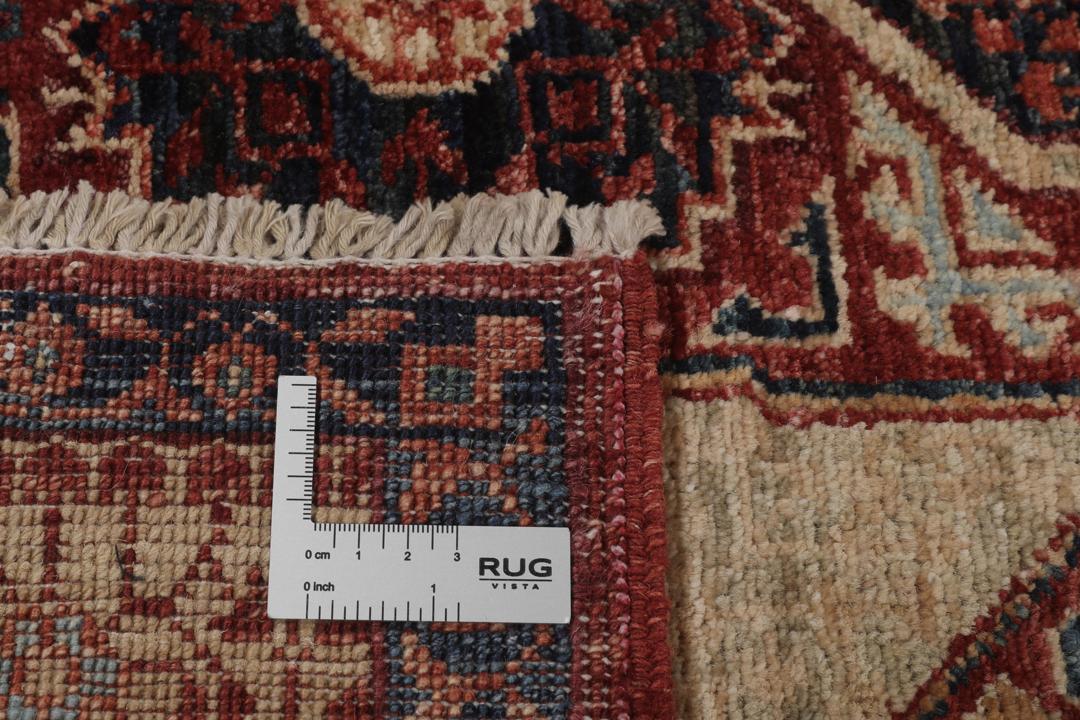
Technically, the Mamluk style is defined by its use of an S-spun Wool, which contributes to a unique, lustrous sheen that catches the light beautifully. The construction is typically fine, allowing for the complex, interlacing geometric patterns that have become the hallmark of this tradition, ensuring that the design remains crisp and visually engaging from every angle.
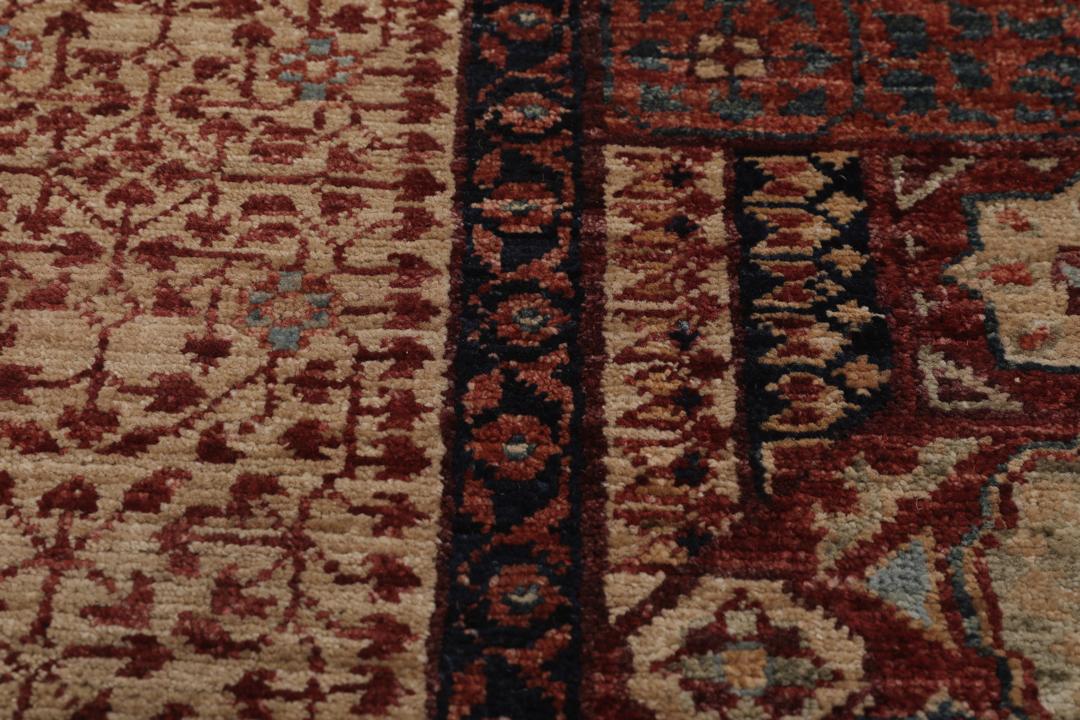
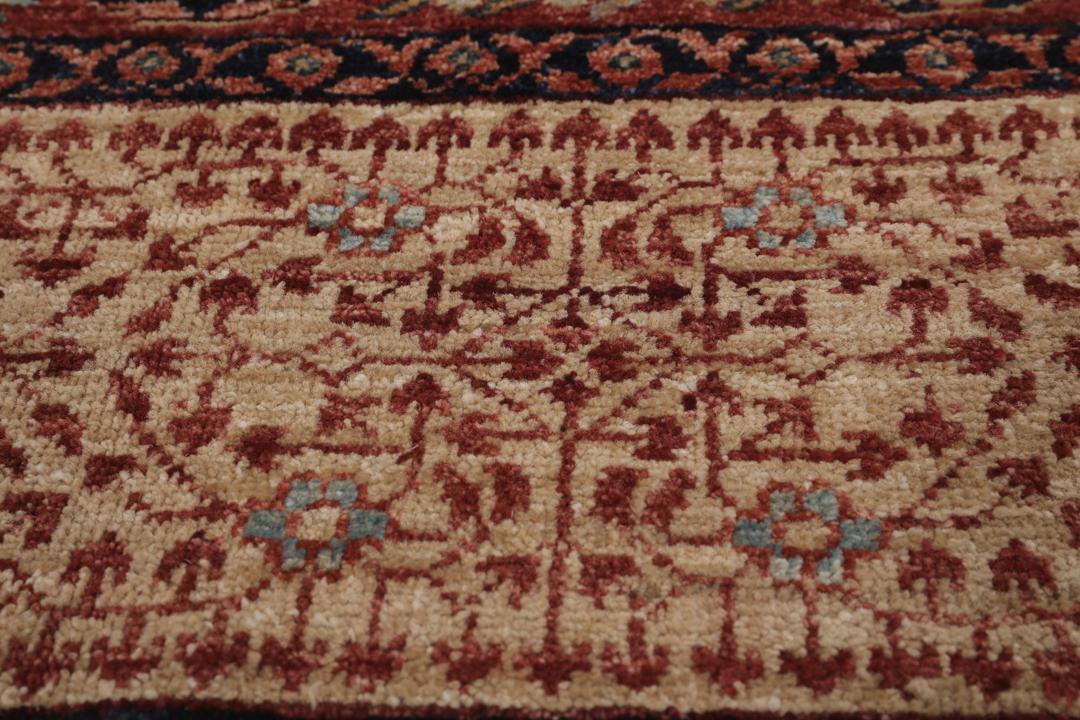
Signature elements of these rugs include an expansive, harmonious field filled with repeating geometric shapes, often enclosed by elaborate, multi-layered borders. The colour palette traditionally relies on deep, earthy tones, though modern Afghan interpretations often incorporate vibrant reds, rich blues, and soft beiges that bring a renewed vitality to these ancient, classic layouts.
Collectors value Mamluk rugs for their historical significance and the immense skill required to execute such complex, repeating geometry. Owning a piece from this tradition signifies an appreciation for design longevity and the dedication of the artisans who continue to keep these historic patterns alive through their own expert hands.