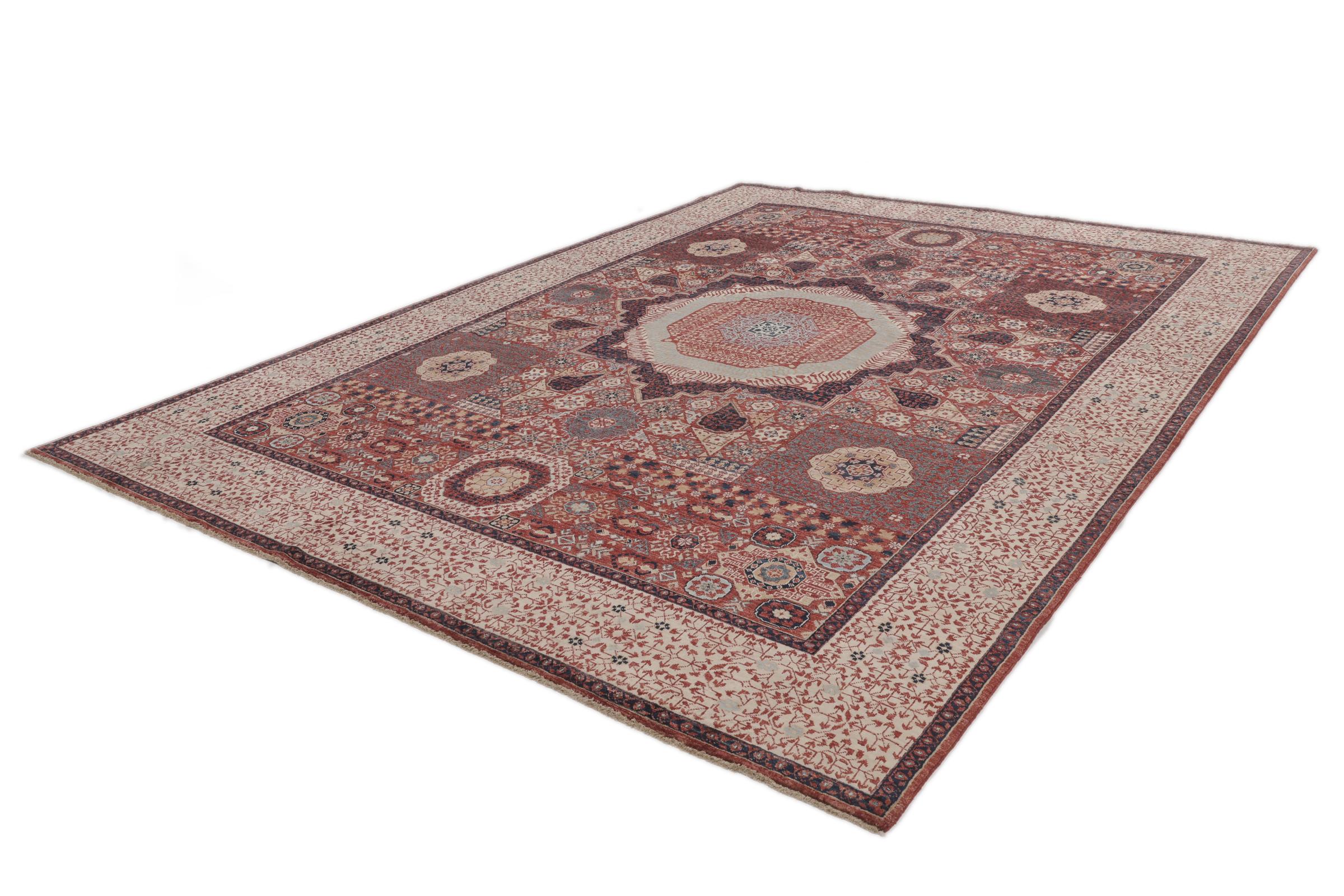
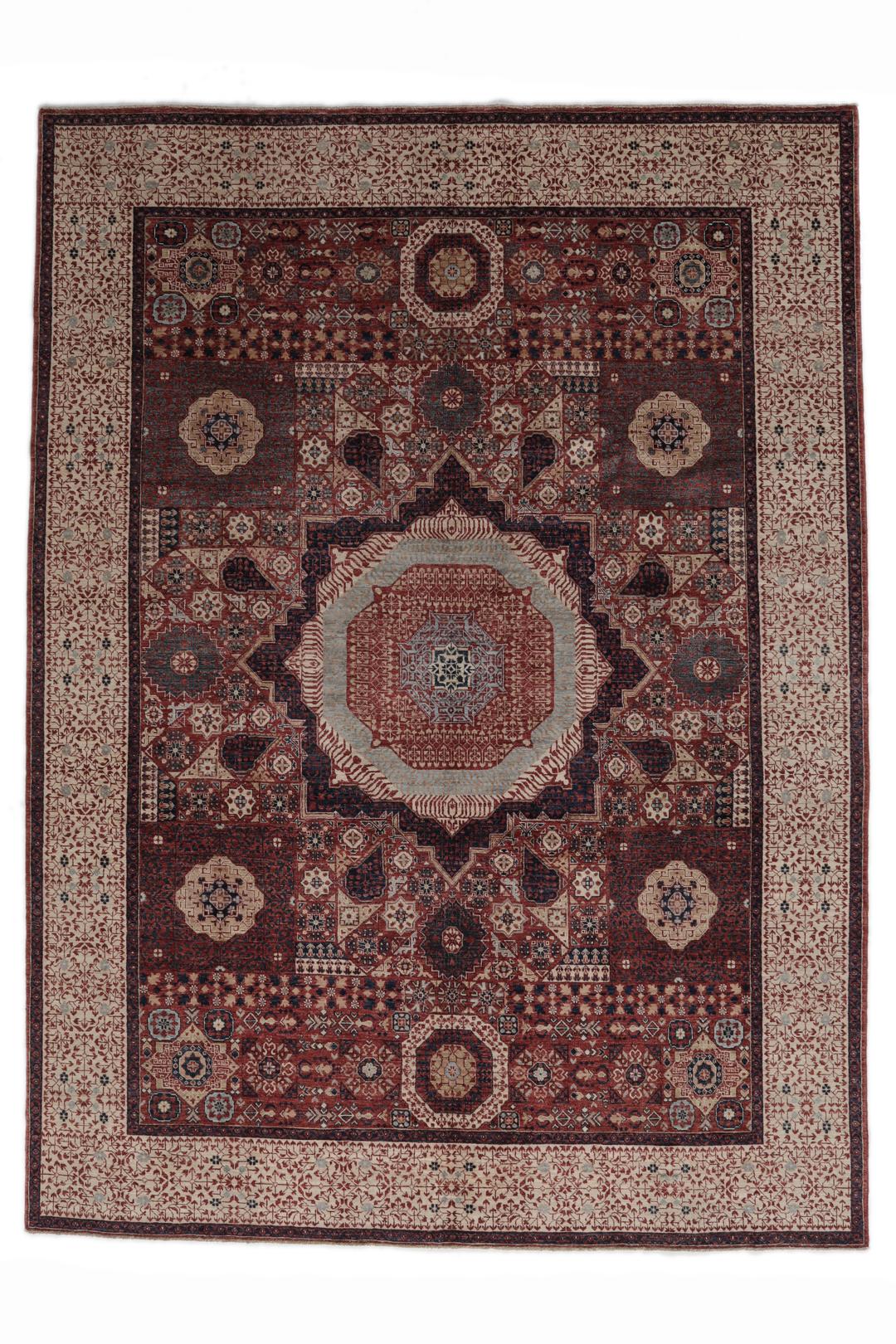
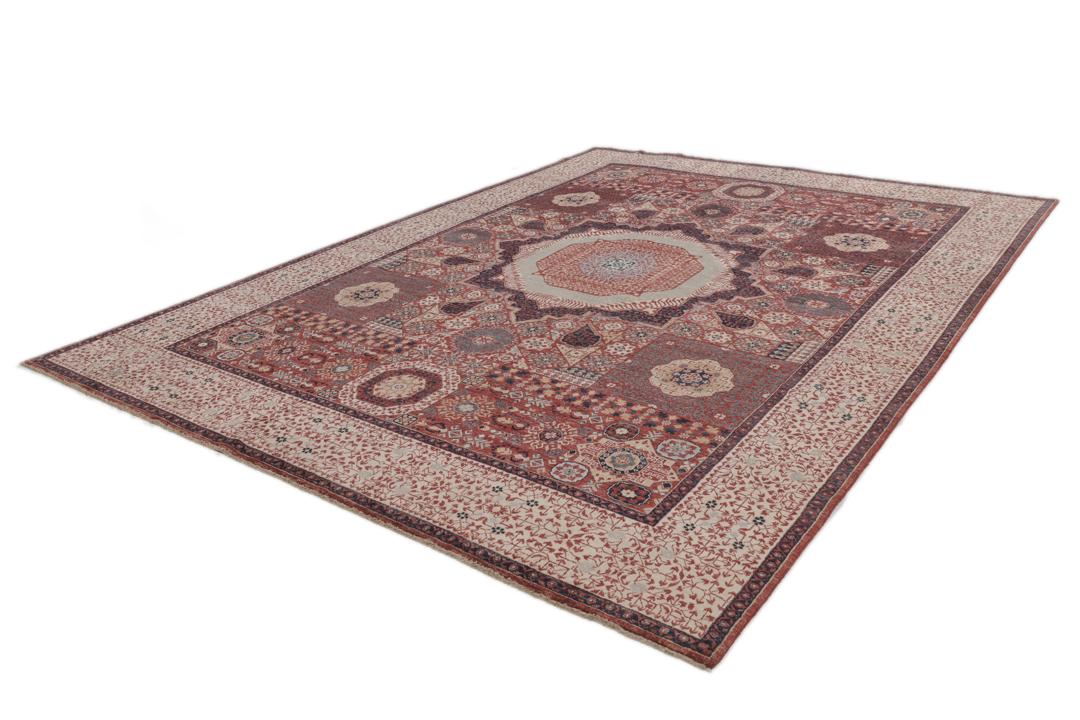
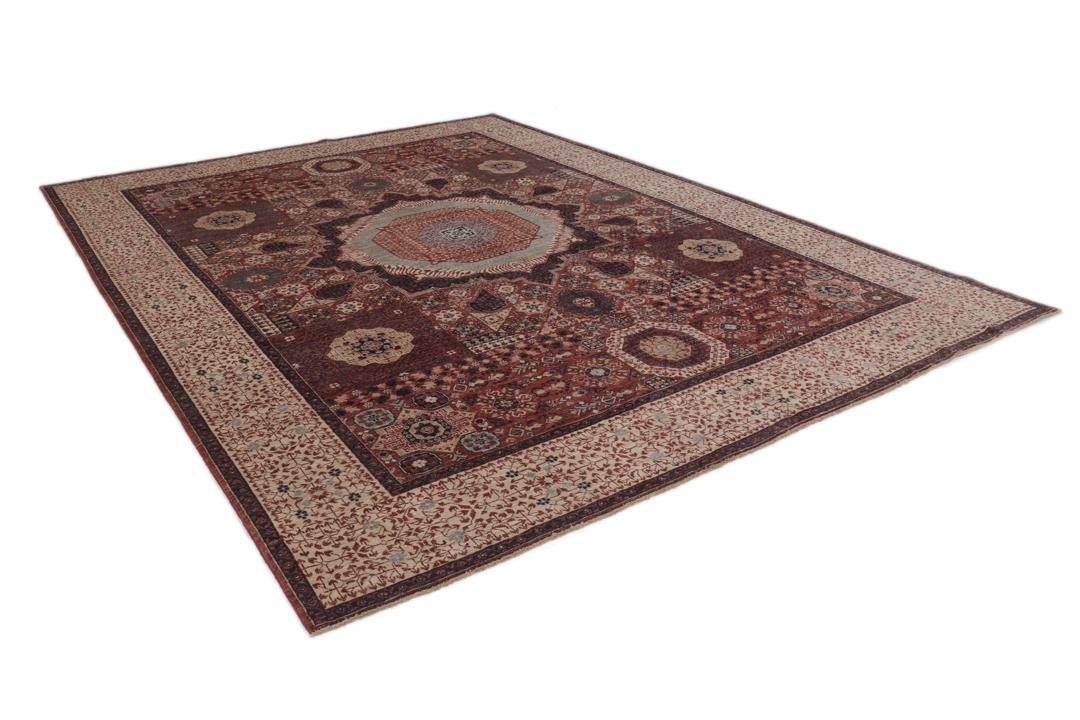
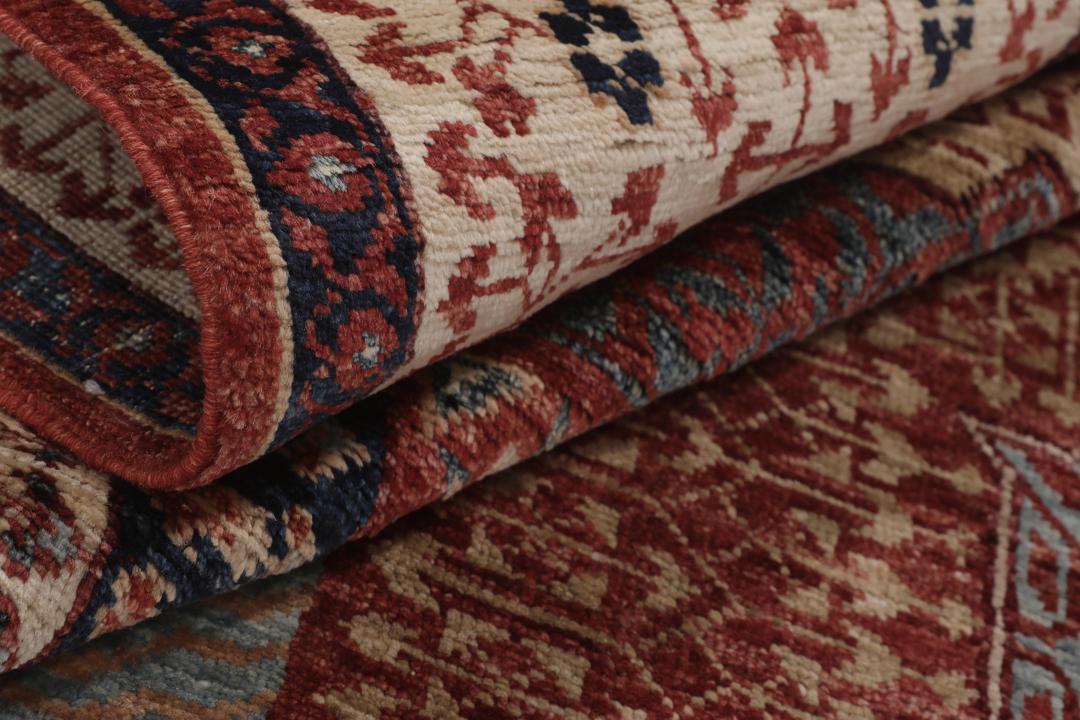
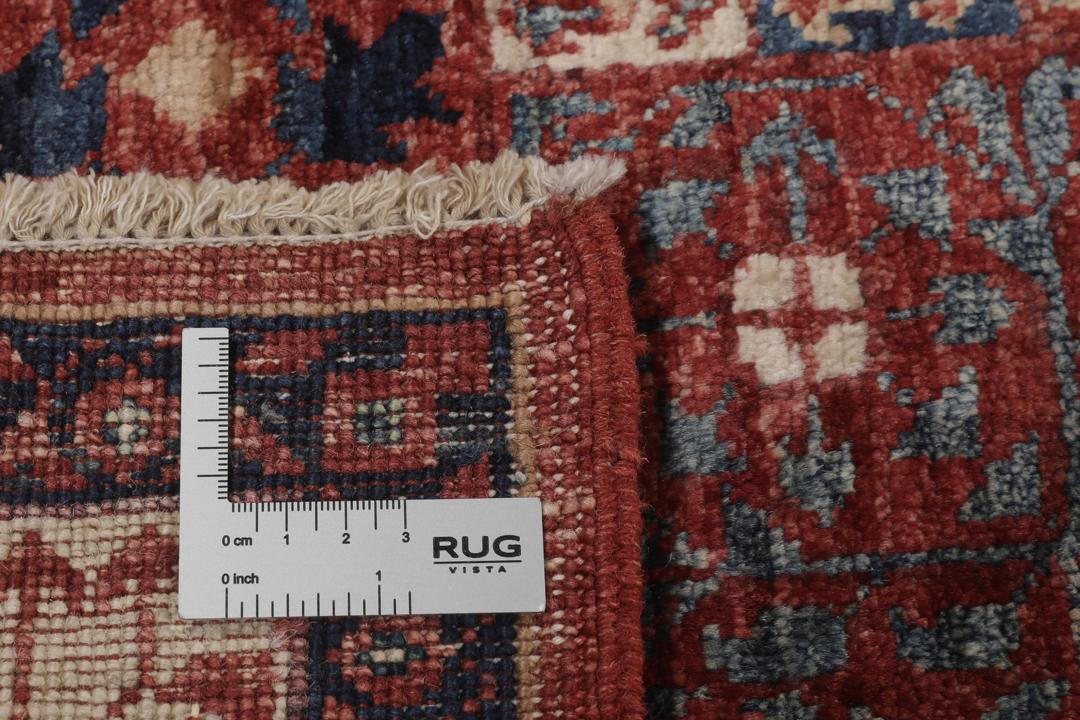
Mamluk rugs take their name from the Mamluk Sultanate, which ruled Egypt and Syria between the 13th and 16th centuries. These rugs are renowned for their sophisticated geometric aesthetics, which were heavily influenced by the architecture and tile work of the period. Today, the tradition is kept alive by masterful weavers in Afghanistan who adapt these historic designs for the modern home.
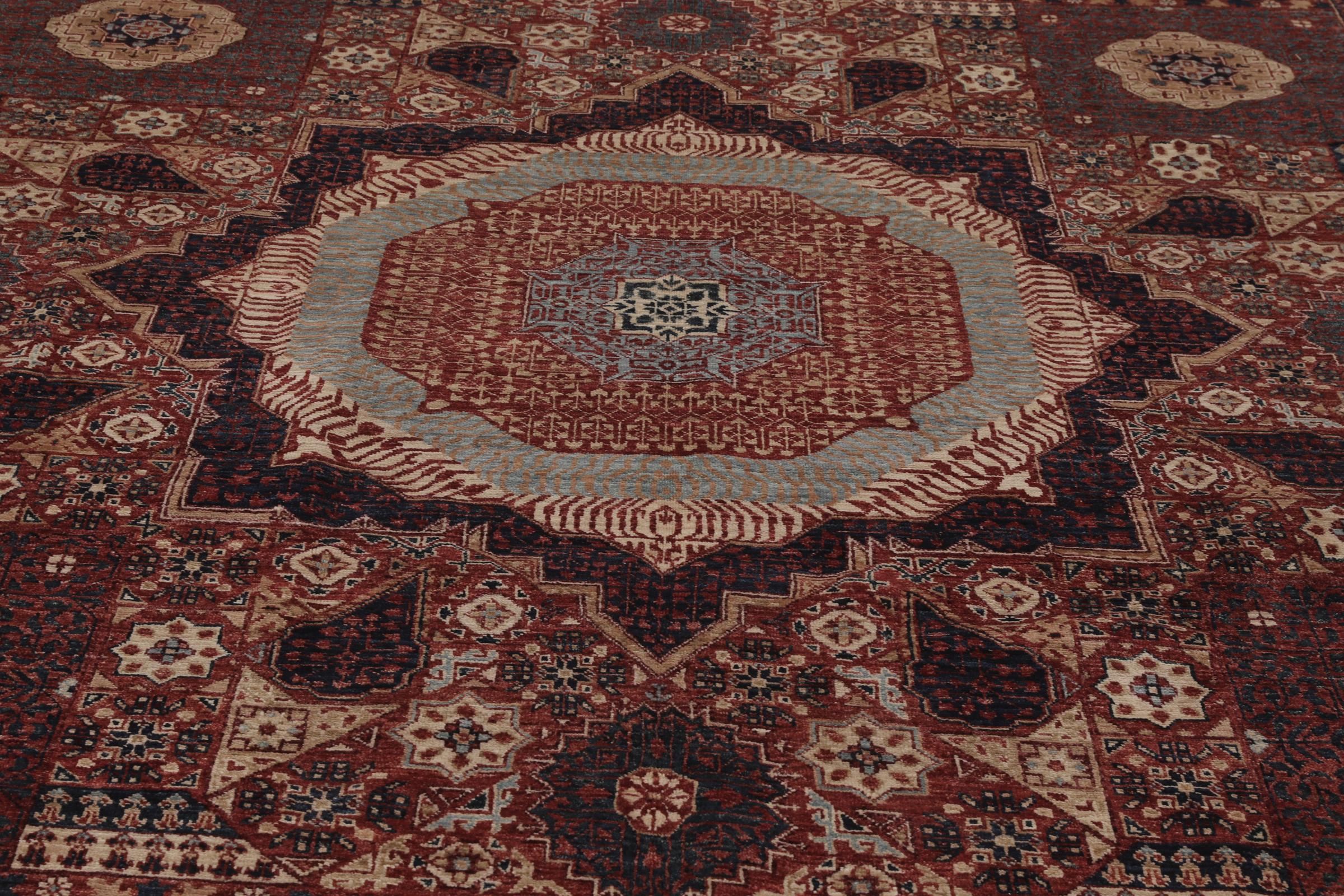
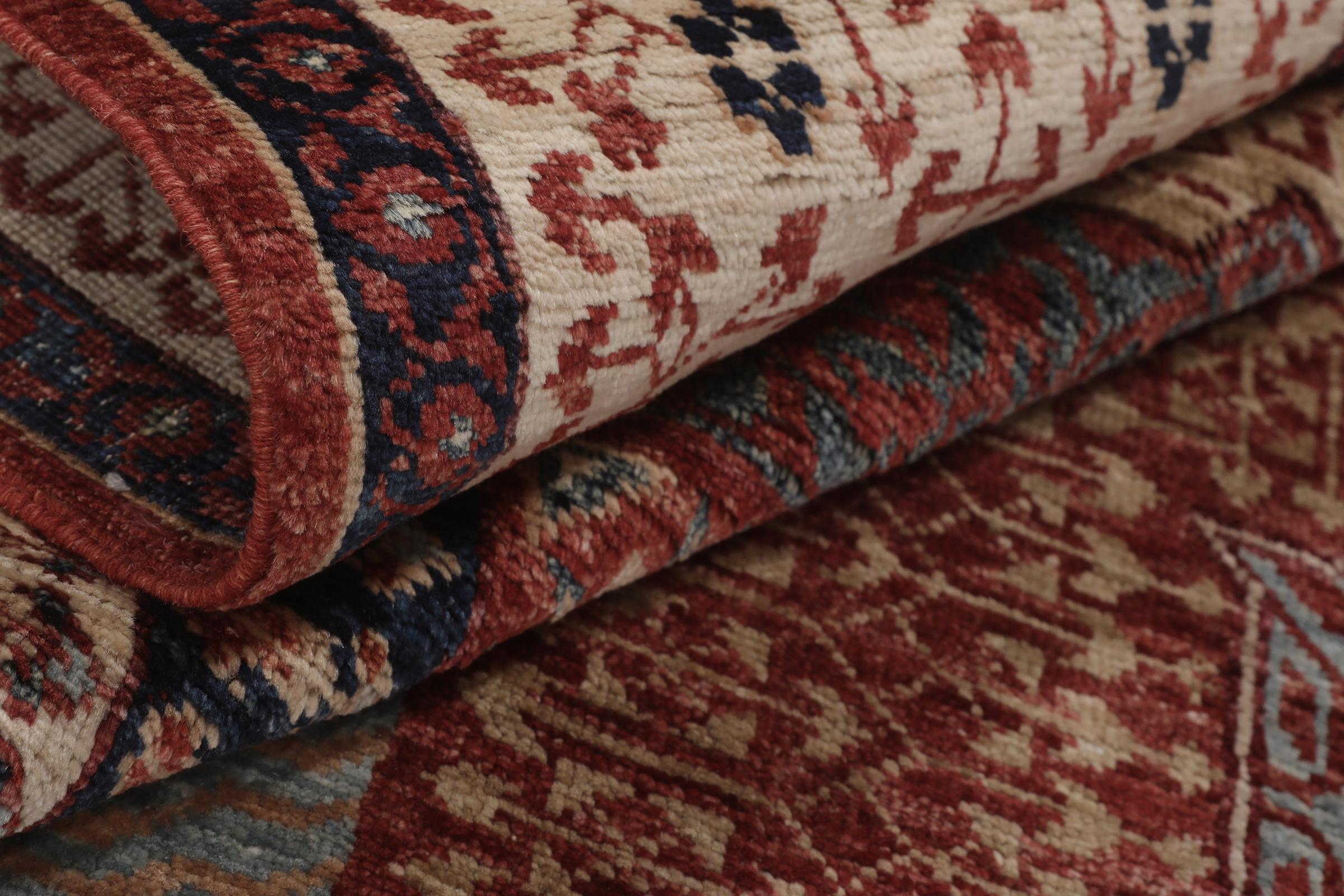
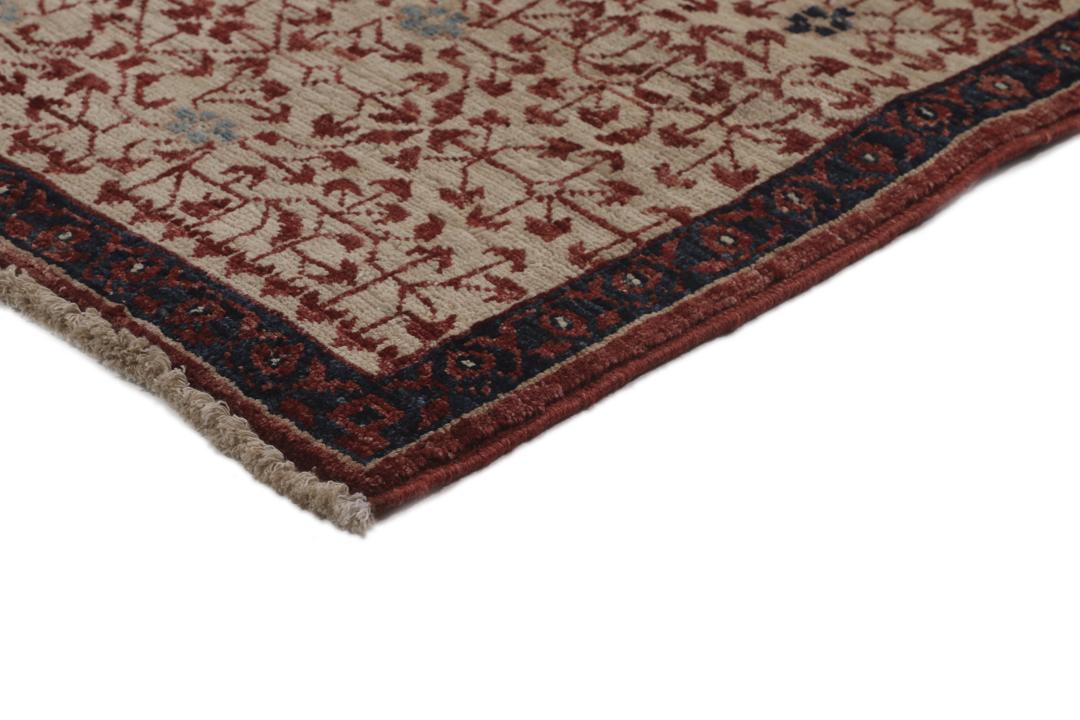
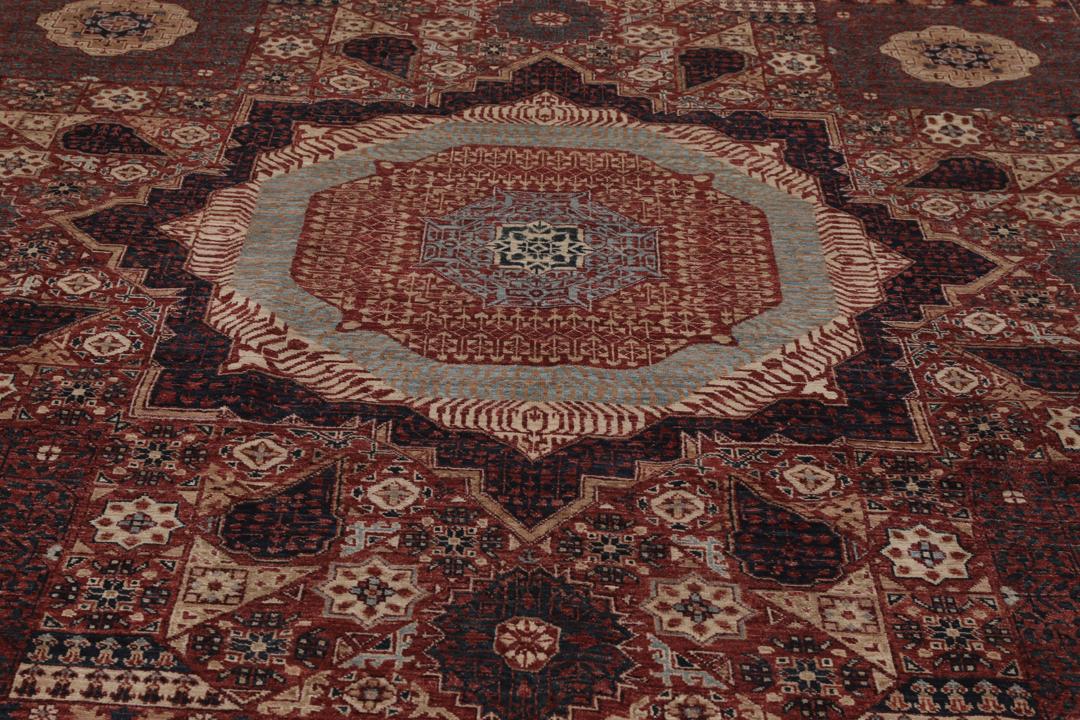
The term Mamluk refers to a specific design language that emphasises large, central medallions surrounded by smaller, intricate geometric motifs. These rugs are highly regarded for their technical precision, often utilising a specific knotting style that results in a smooth, durable, and highly lustrous pile that ages beautifully over time.
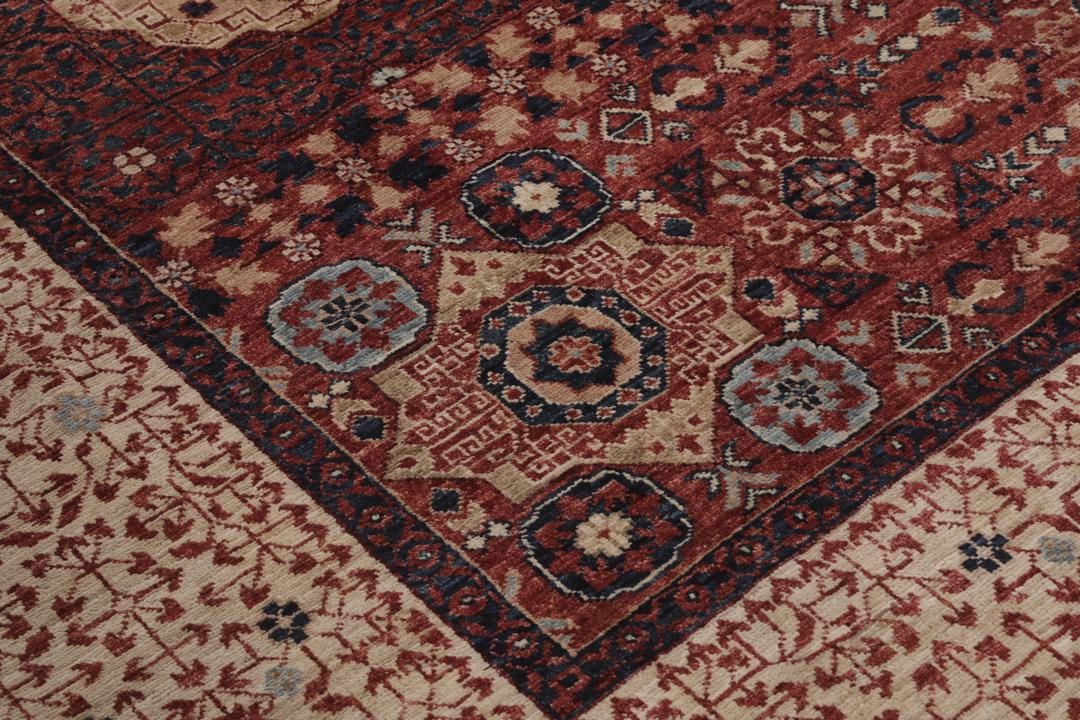
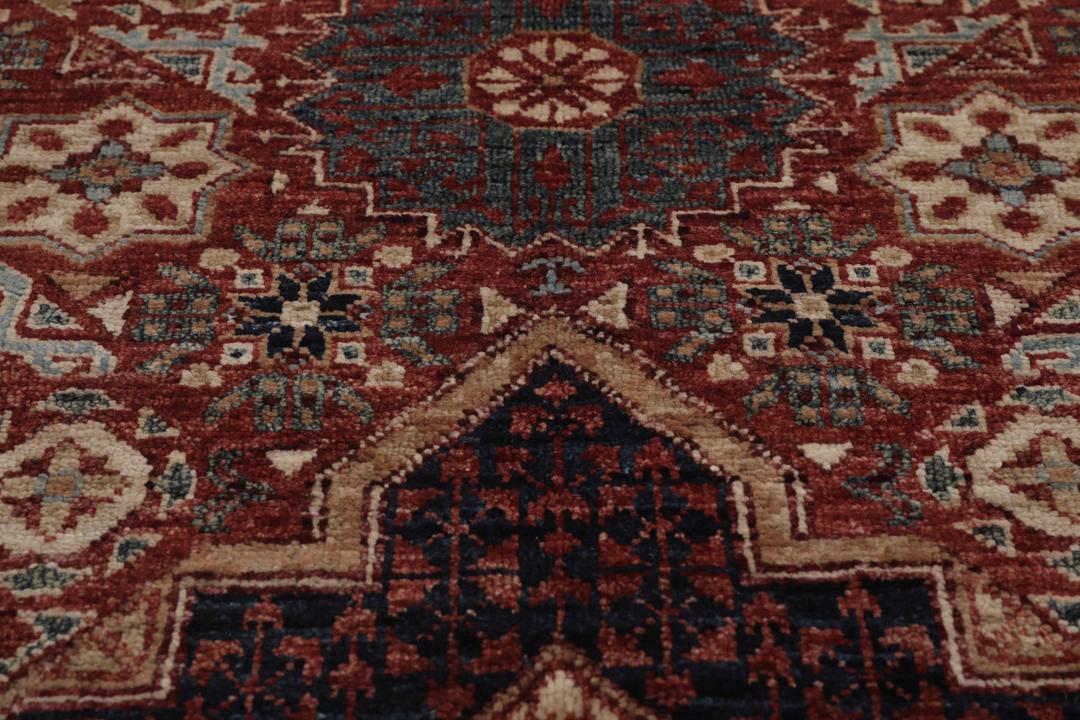
Visually, these rugs are defined by their complex, jewel-toned colour palettes and an almost kaleidoscopic arrangement of repeating patterns. The signature look often includes a large, octagonal medallion as the focal point, framed by smaller secondary motifs that create a sense of balance and rhythmic harmony across the field.
Owning a Mamluk rug is an invitation to engage with a long-standing history of Middle Eastern textile artistry. They are collected not just for their aesthetic appeal, but for the skill and cultural heritage they represent. Each piece acts as a bridge between ancient craftsmanship and contemporary living, offering a sense of permanence and depth to any space.