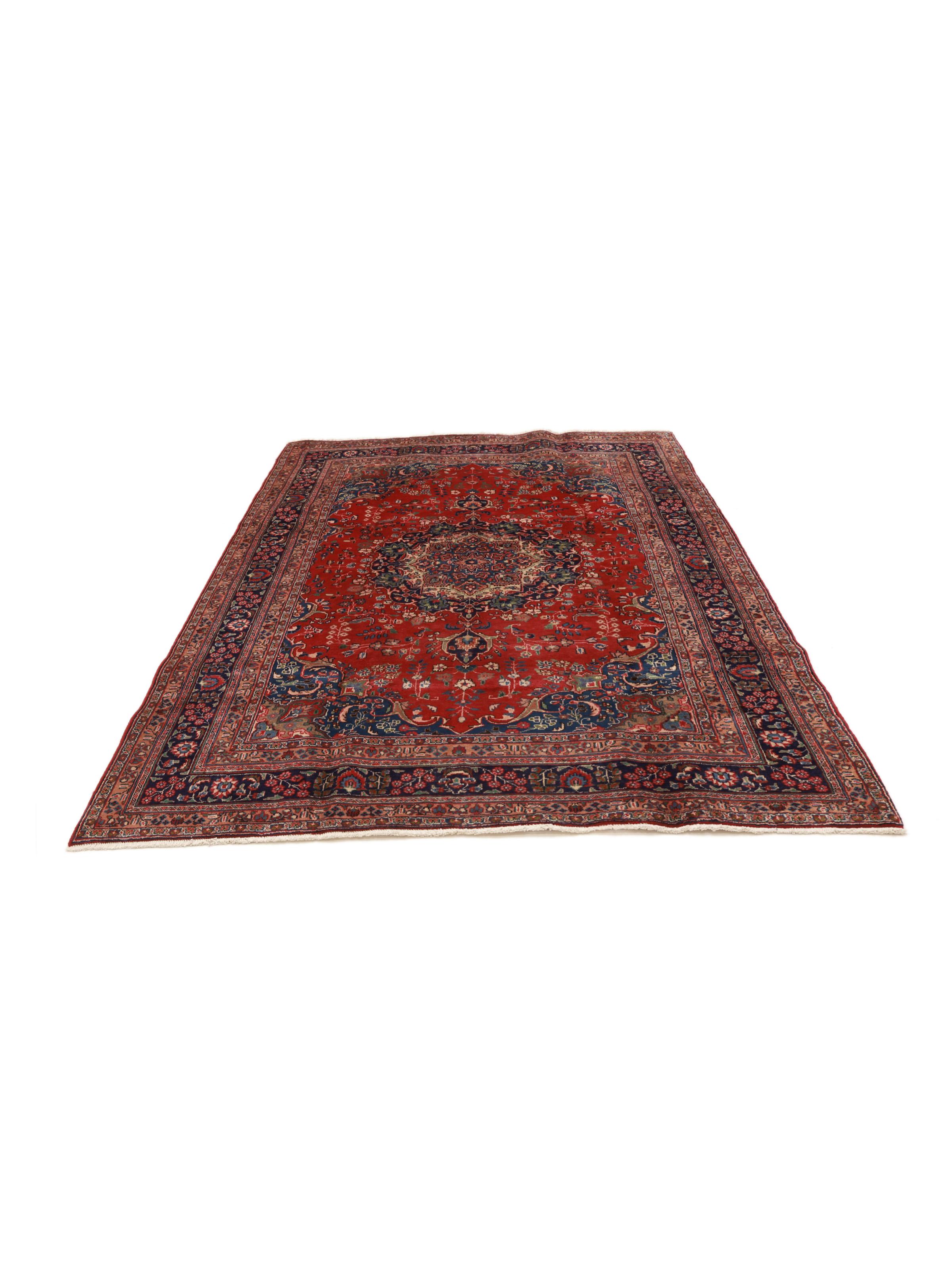
The city of Mashad, located in the north-eastern Middle East, is one of the most significant centres for rug production. With a history of weaving that stretches back for centuries, the region is celebrated for creating rugs that are both expansive in size and rich in detail. These rugs often reflect the city's status as a major cultural and religious hub, incorporating design elements that are sophisticated and deeply rooted in local traditions.
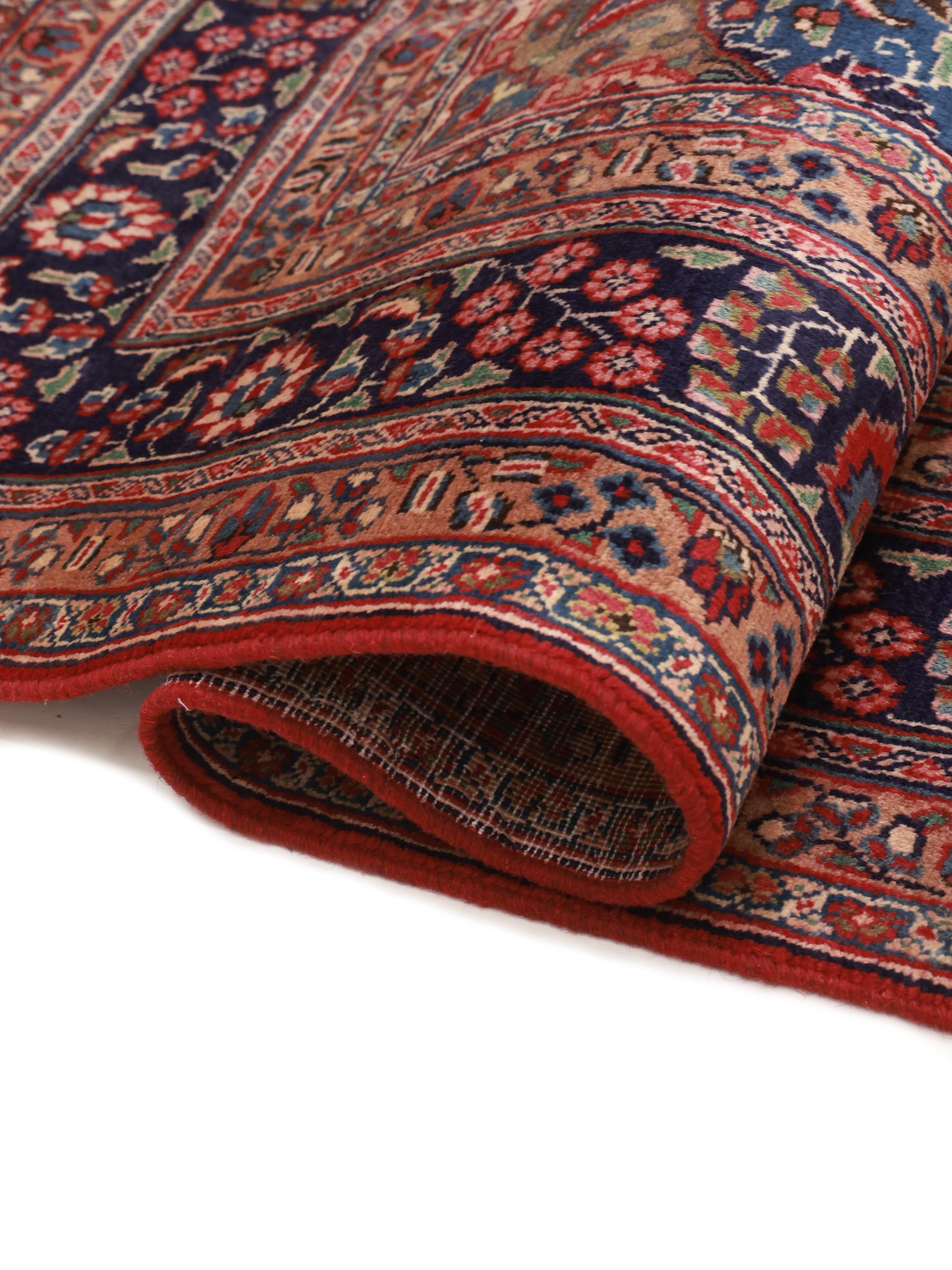
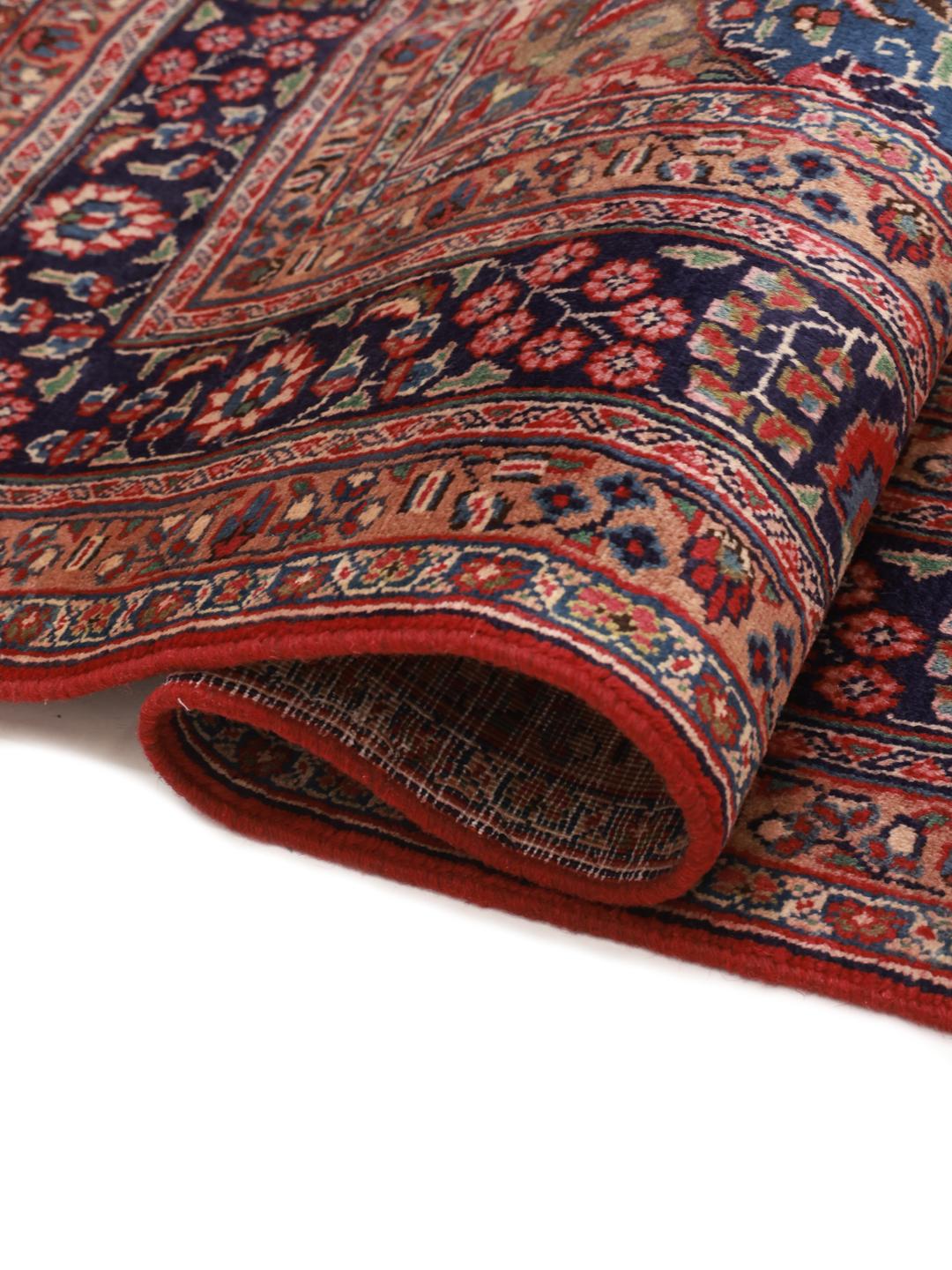
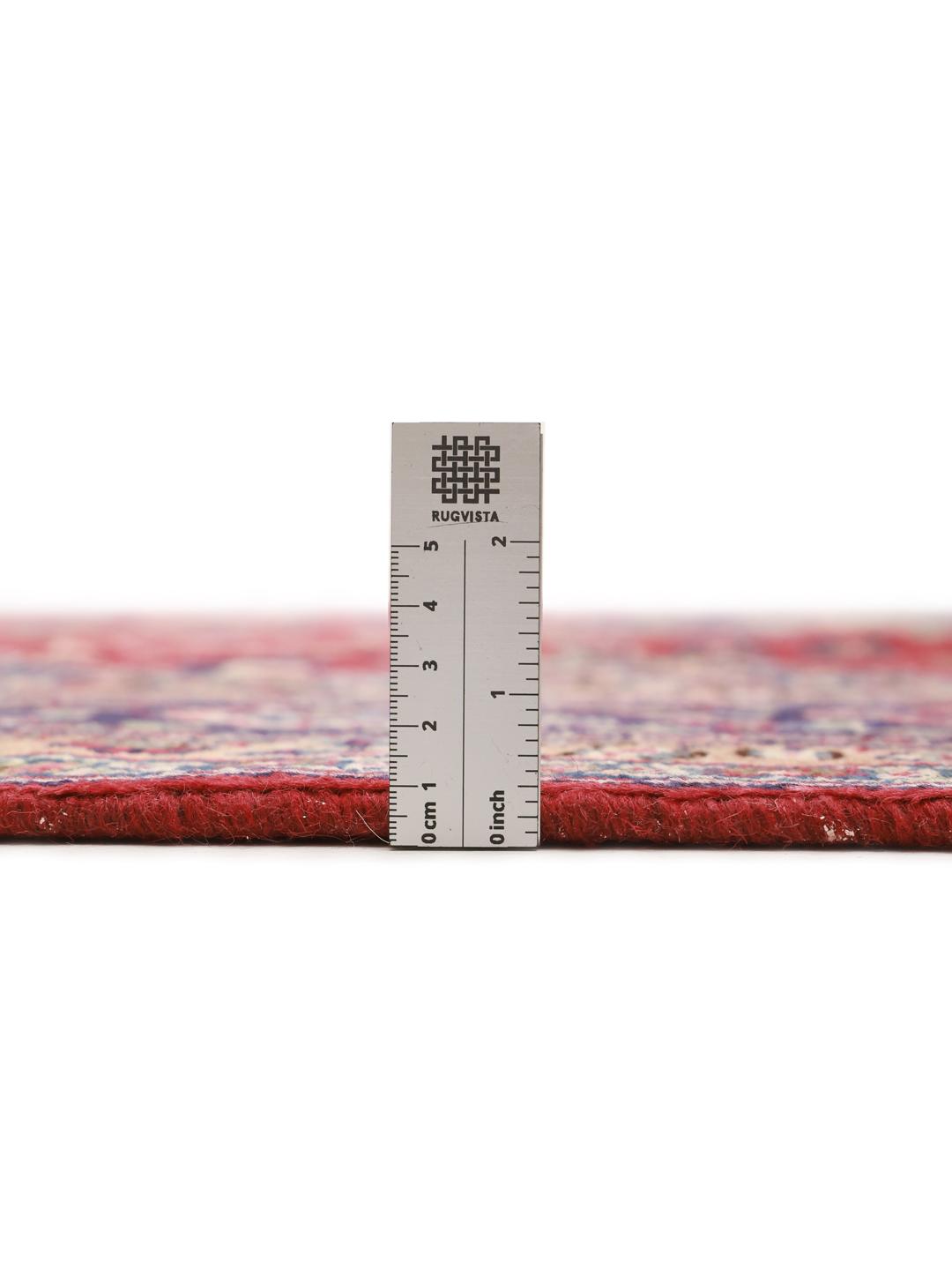
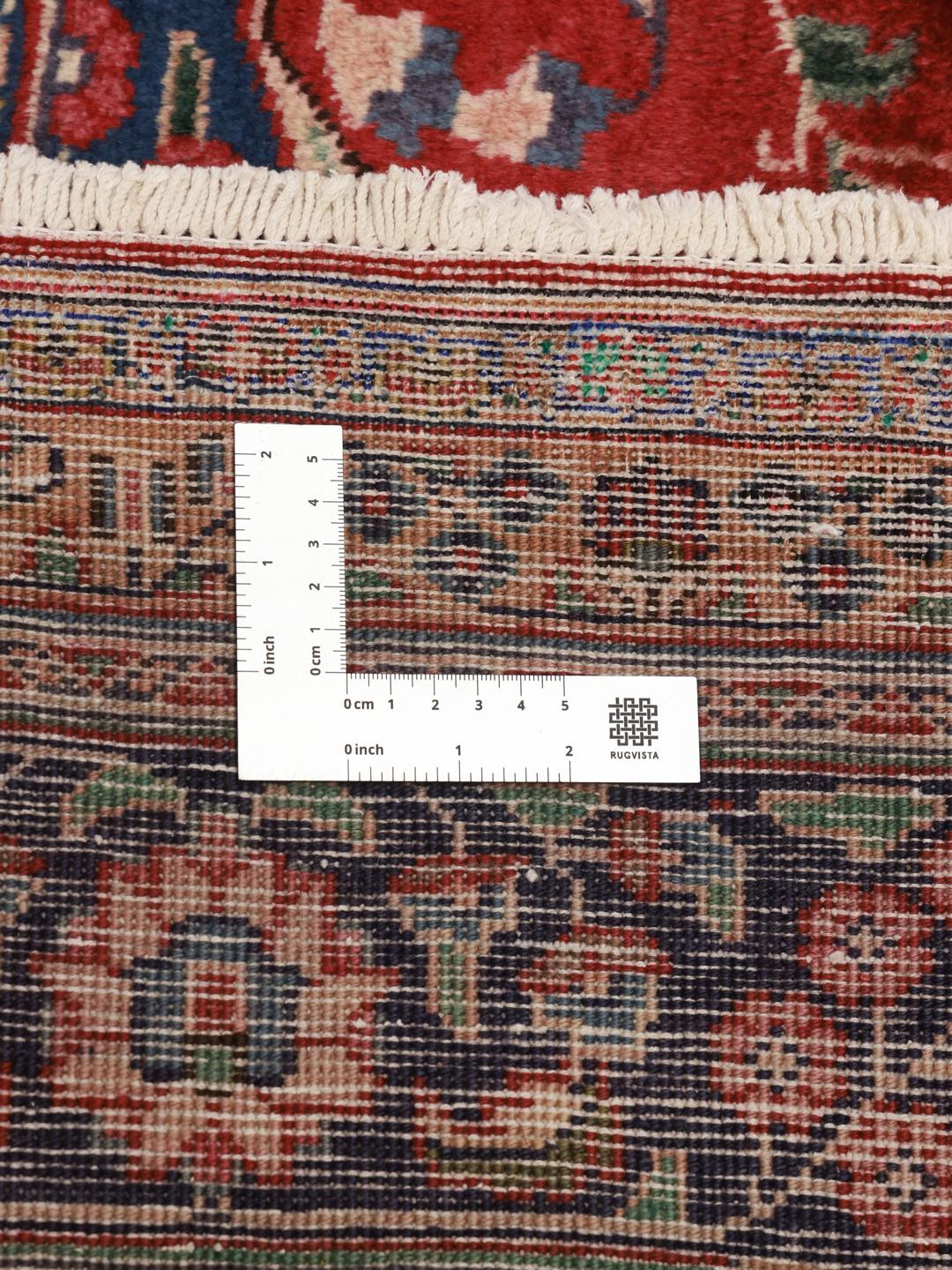
Mashad rugs are known for their distinct approach to construction, often featuring a generous use of high-quality wool that results in a thick, luxurious pile. The term 'Mashad' itself has become synonymous with a specific style of weaving that prioritises both beauty and longevity. This dedication to quality ensures that the rugs remain resilient even with frequent use, making them highly sought after by those who value practical luxury.
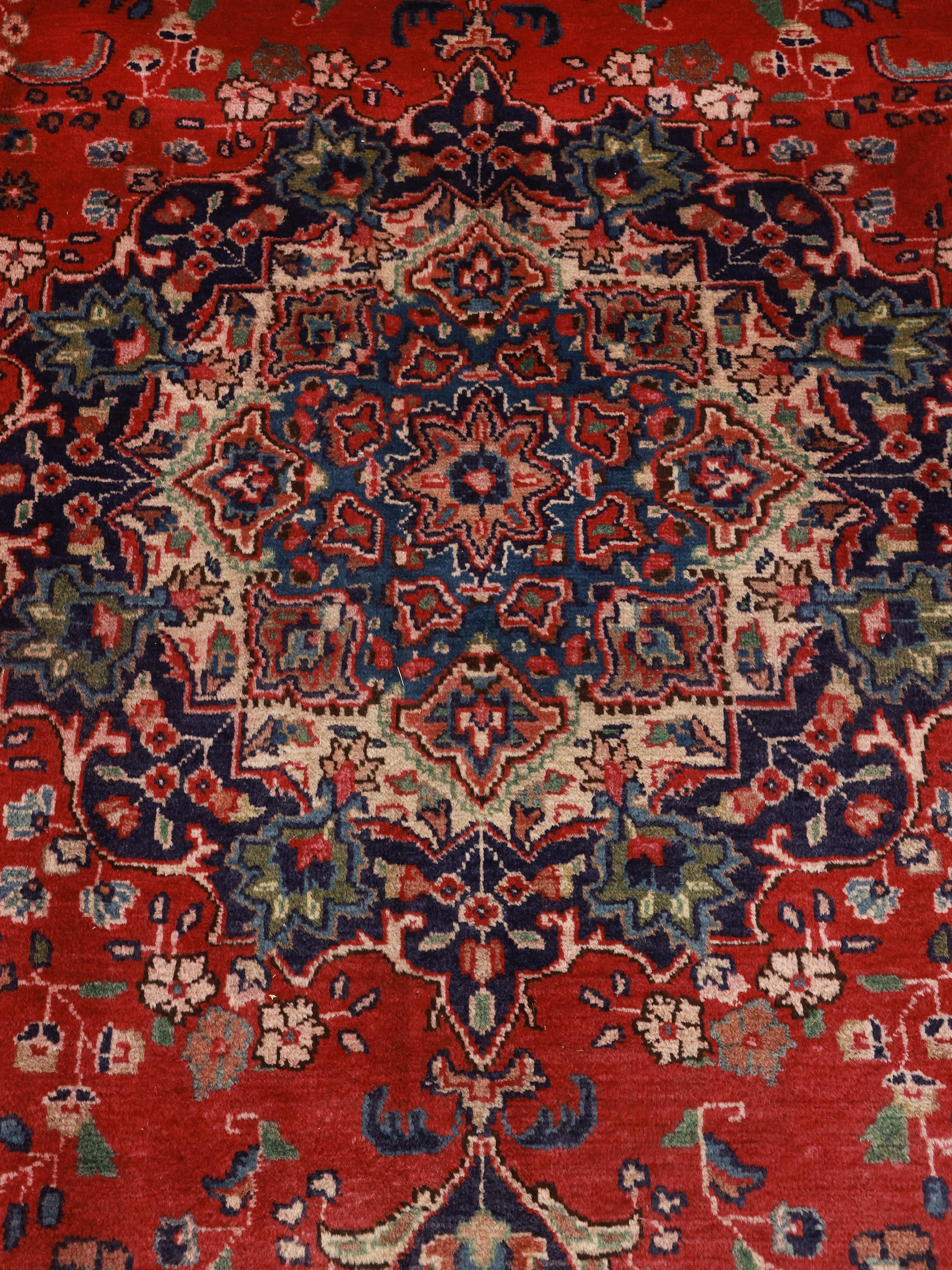
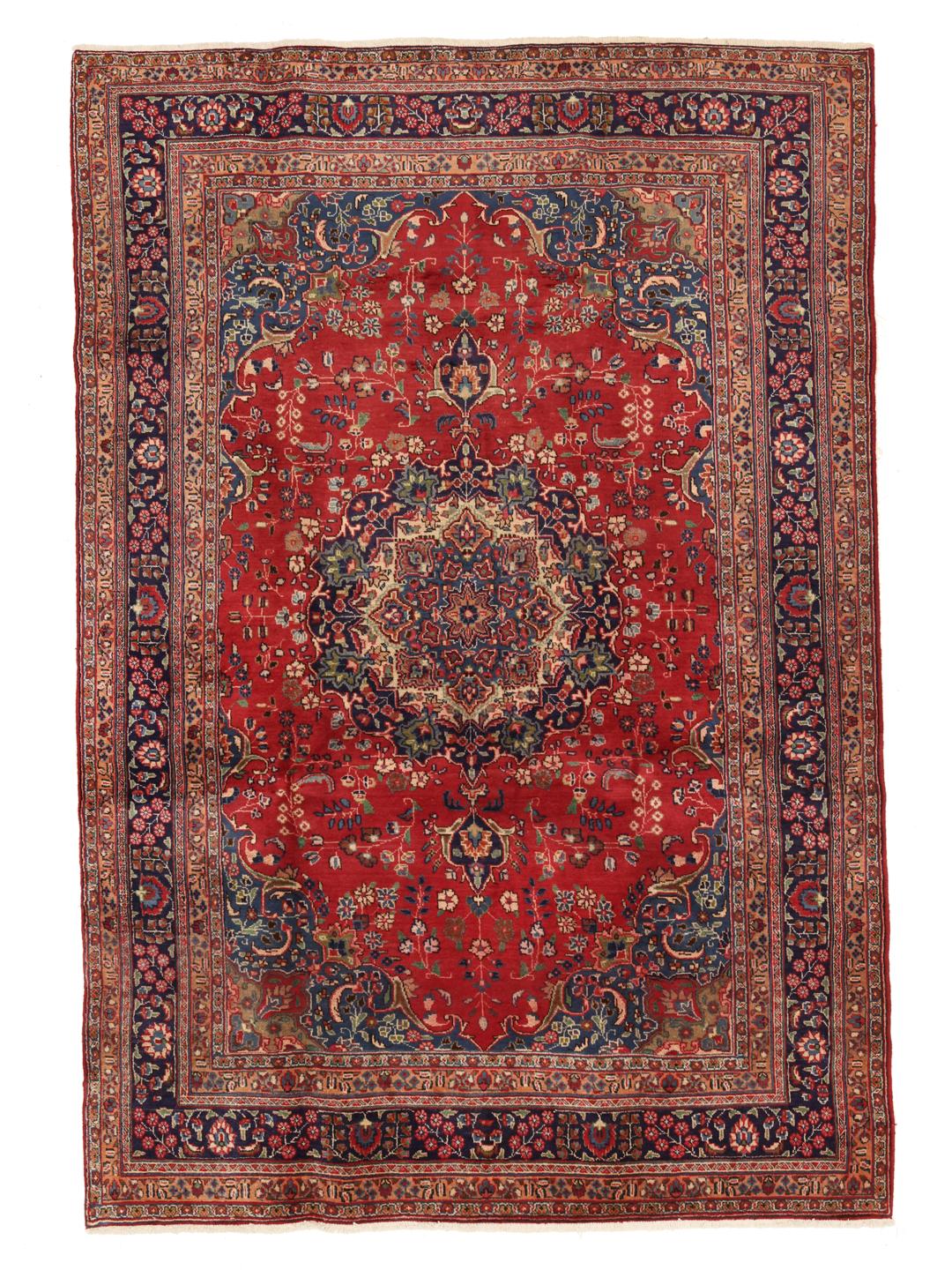
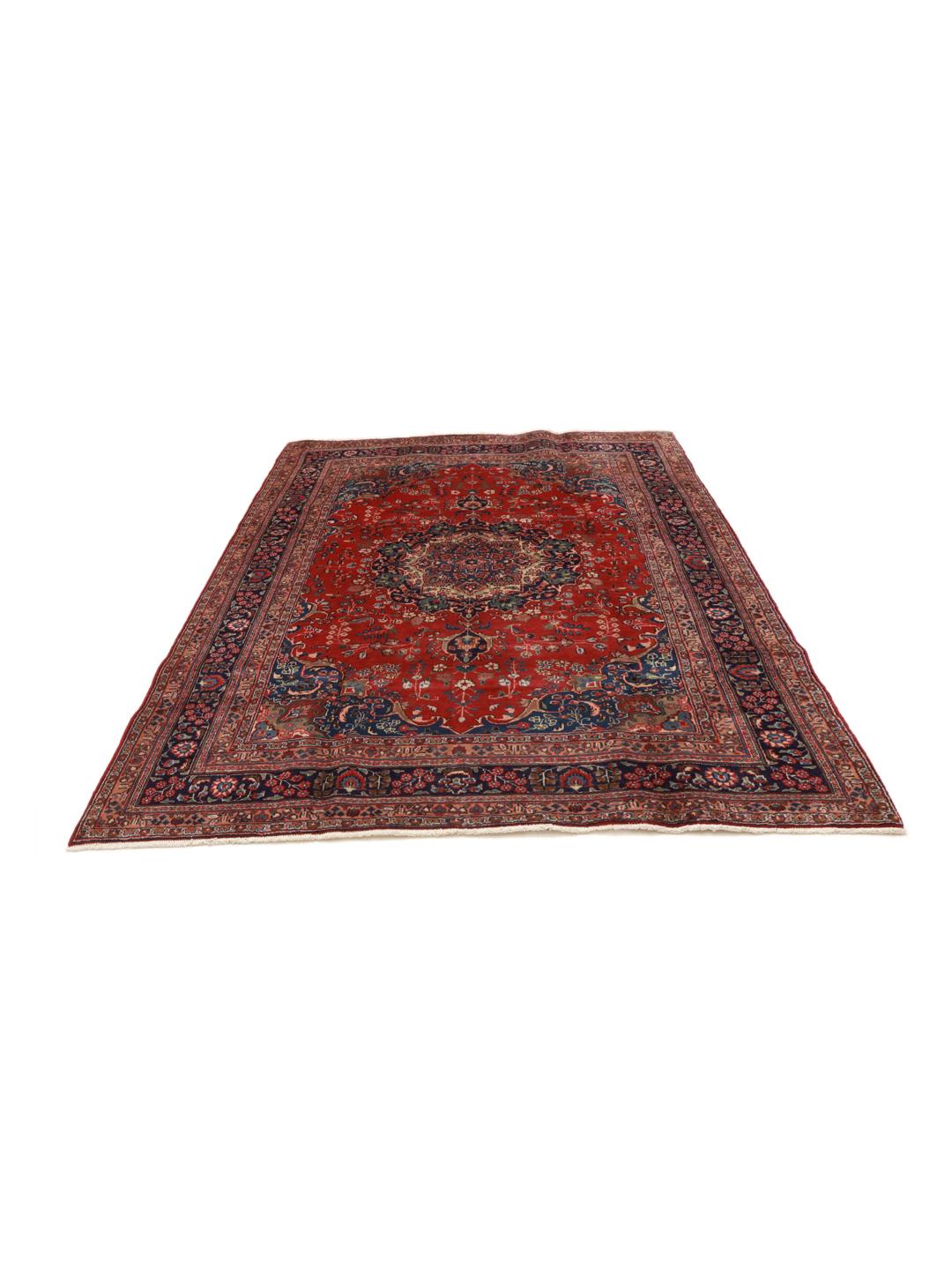
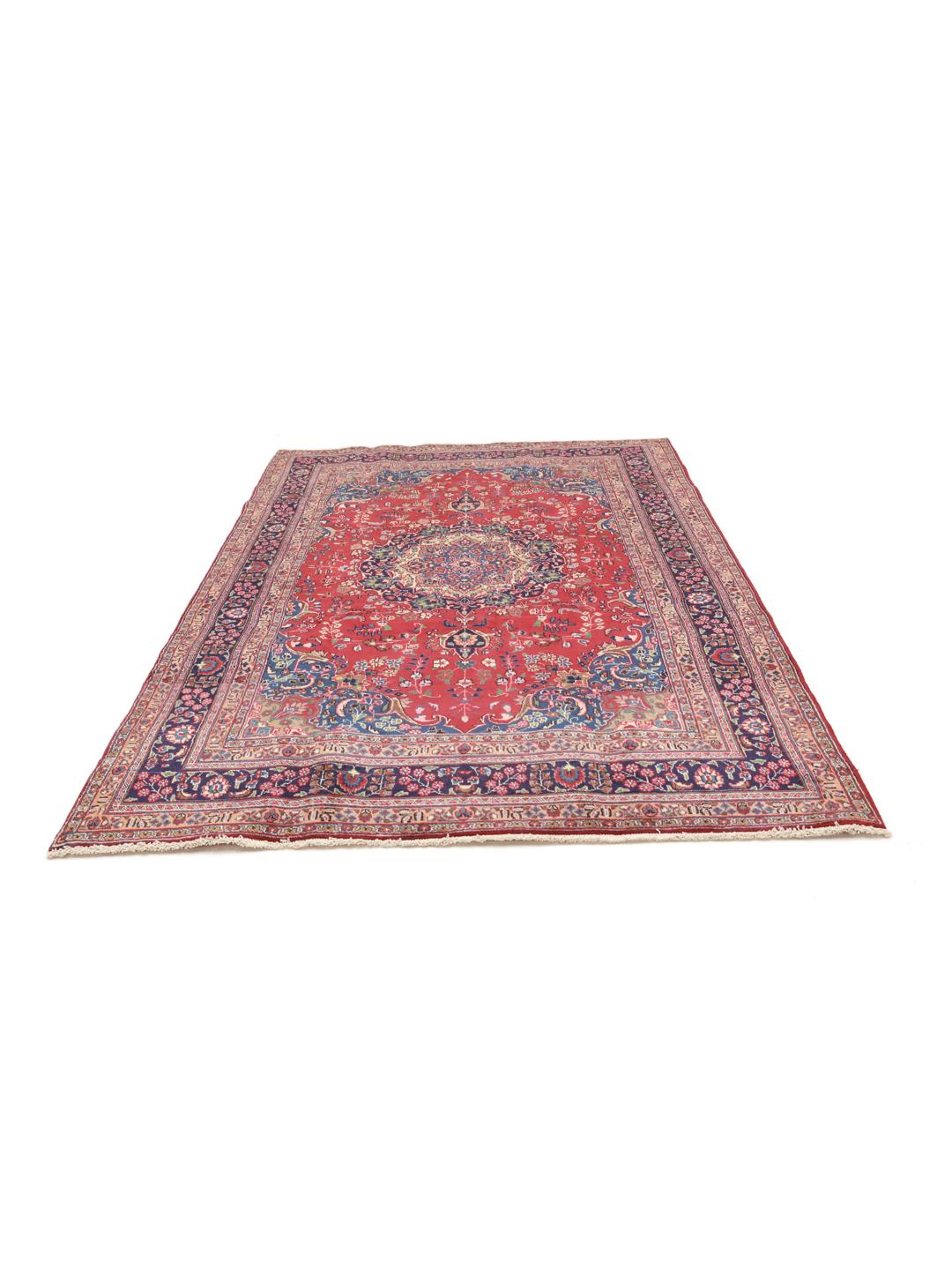
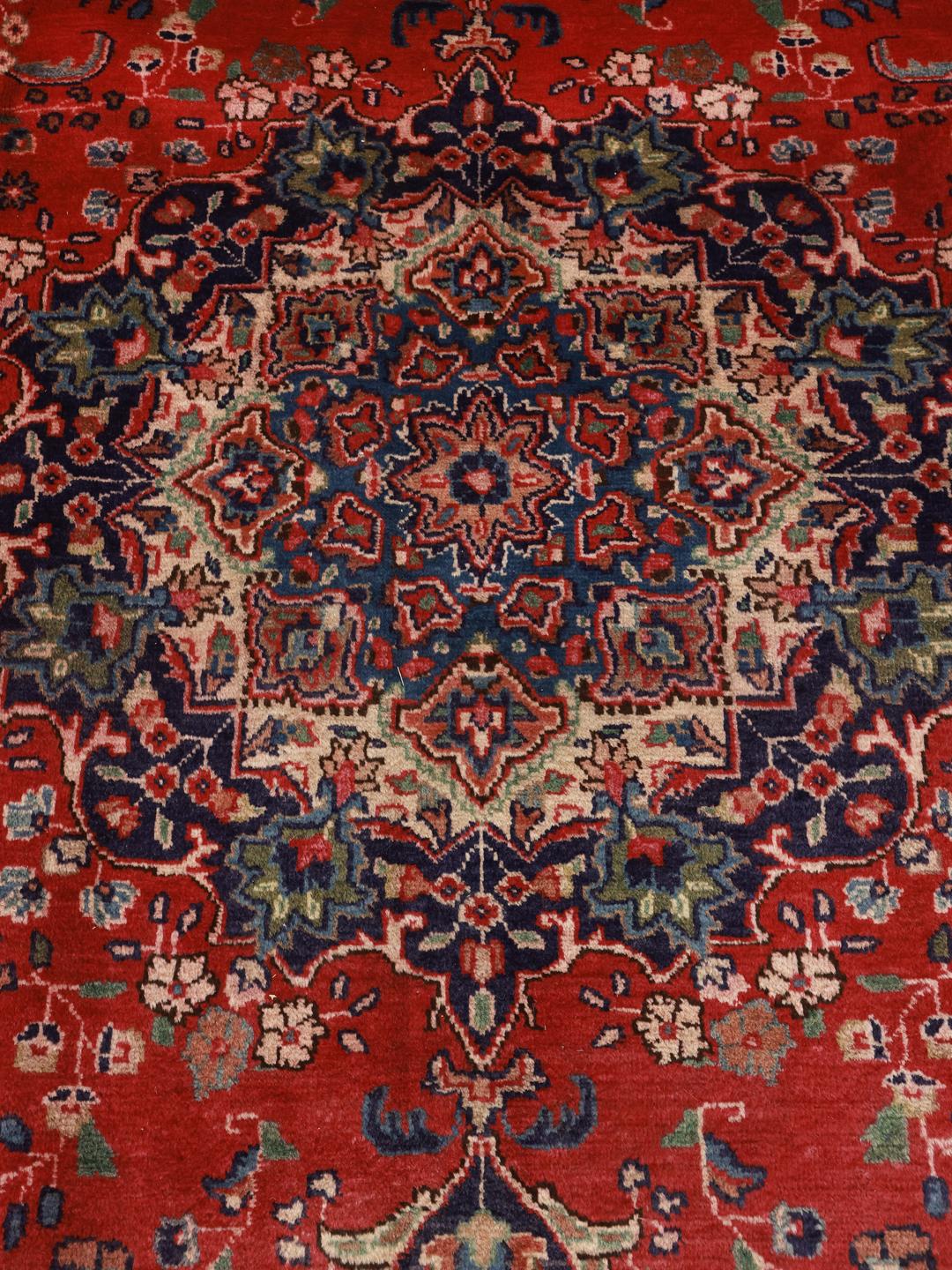
Visually, these rugs are defined by their grand, curvilinear floral patterns and often feature a prominent central medallion. The colour palette typically centres on deep, vibrant reds, often contrasted with shades of blue and cream to create a sense of depth and movement. These motifs are not merely decorative but are part of a long-standing artistic language that uses floral forms to represent gardens and natural abundance.
Collecting a Mashad rug is an opportunity to own a piece of profound cultural heritage. These rugs are valued not just for their aesthetic impact, but for the human skill and history woven into every thread. They are considered heirloom-quality items that represent a bridge between ancient craftsmanship and contemporary home living, offering a sense of history that mass-produced floor coverings simply cannot replicate.