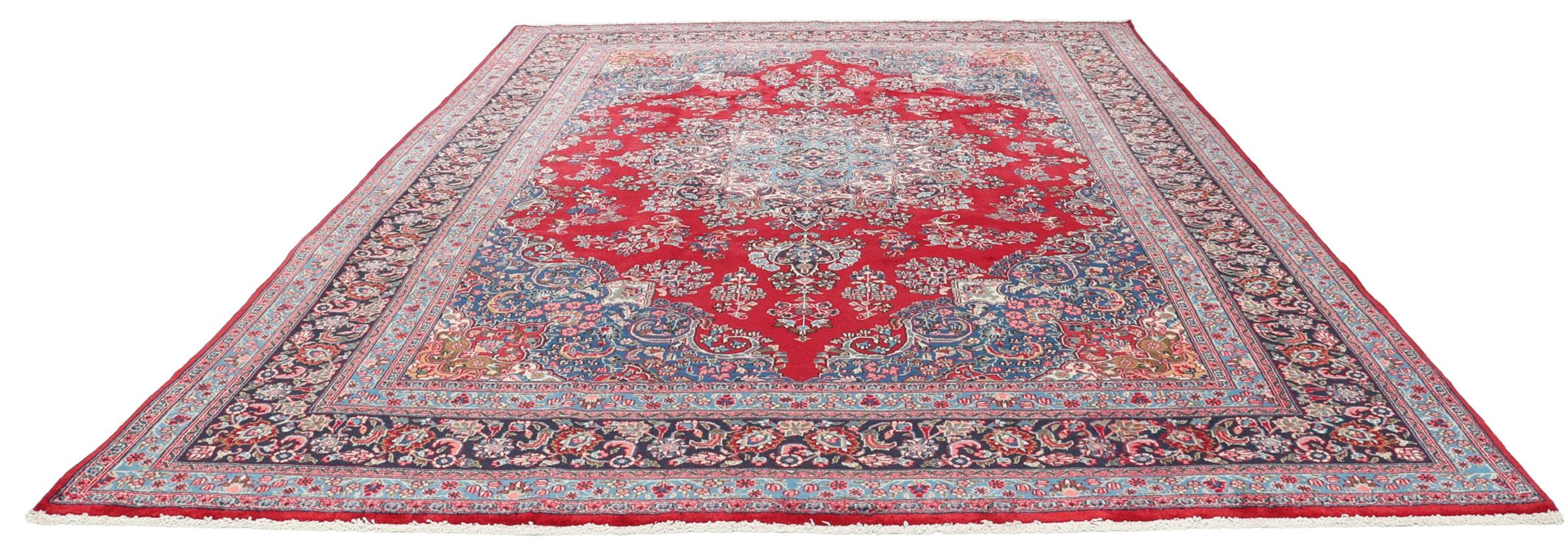
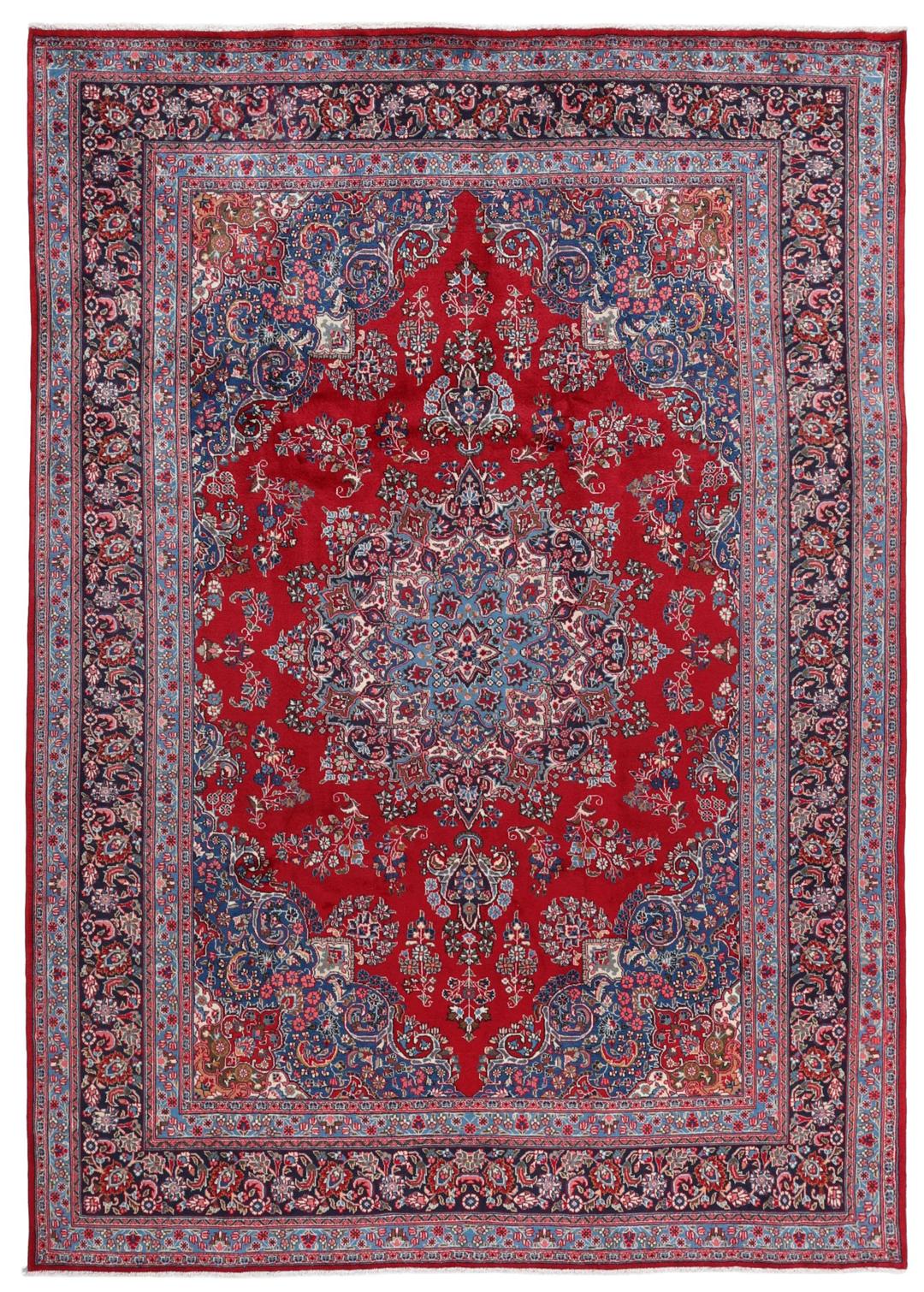
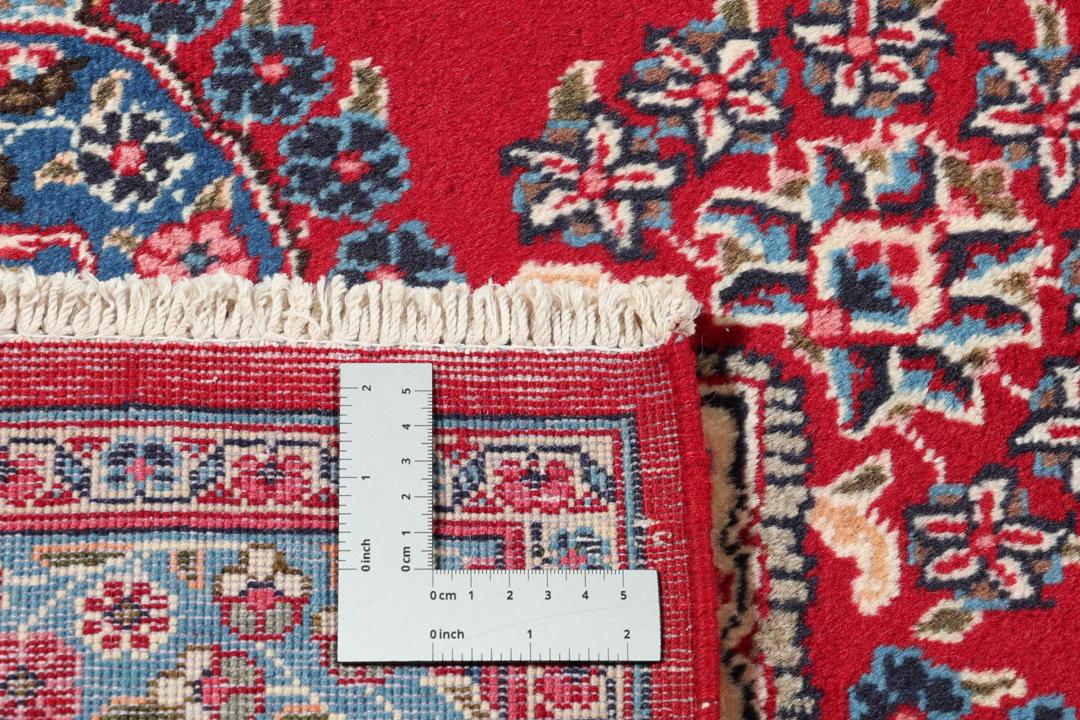
The Mashad rug tradition originates from the city of Mashad, a major cultural and religious centre in the northeastern part of the Middle East. For centuries, this region has been celebrated for its sophisticated weaving workshops, where artisans have developed a distinct regional style that blends technical precision with a rich, artistic imagination.
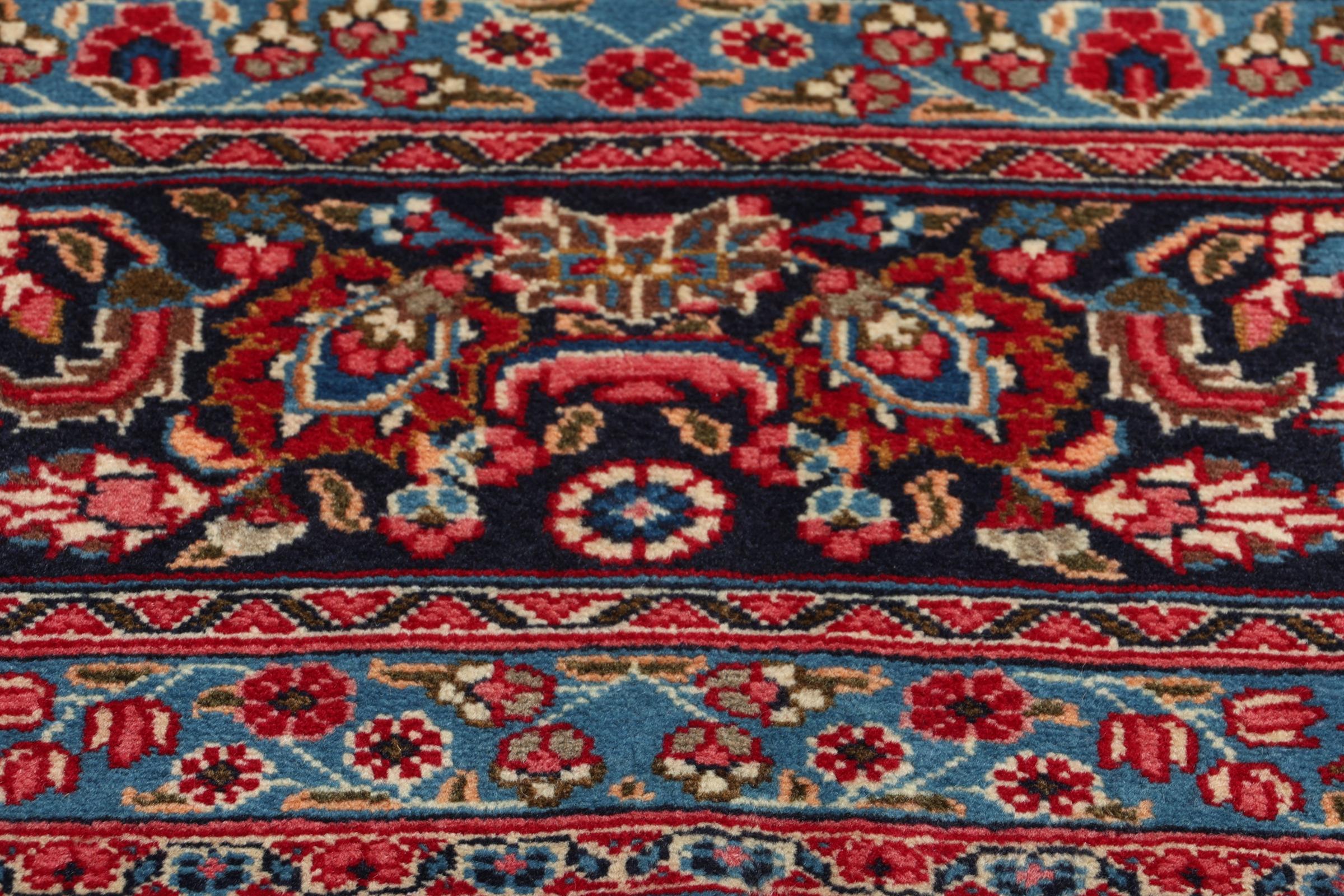
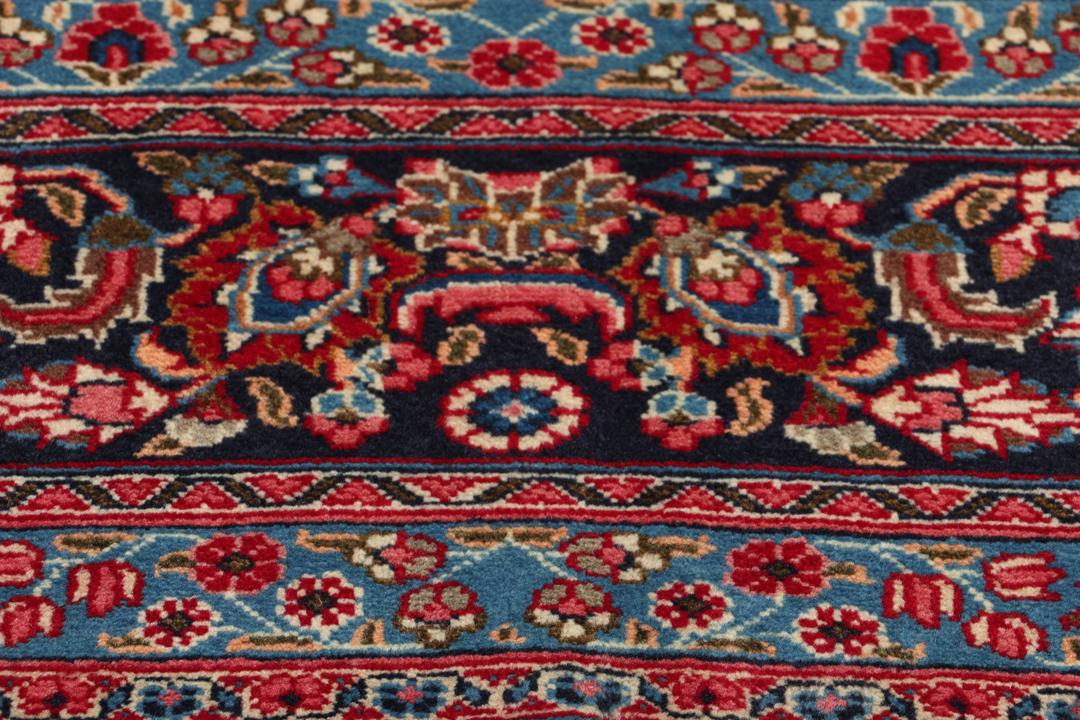
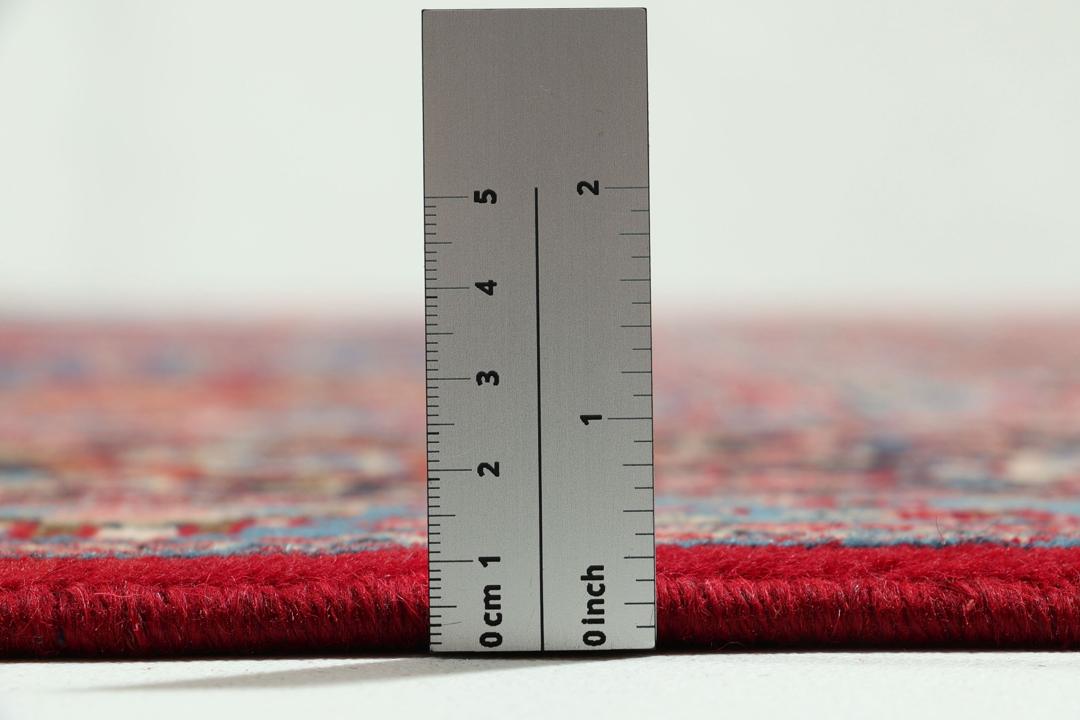
Historically, these rugs are known for their use of high-quality wool, often sourced from the Khorasan region, which is renowned for its soft, resilient fibres. The technical mastery required to execute these complex, curvilinear designs involves a deep understanding of symmetrical knotting, which allows for the fluid, organic shapes that define the classic Mashad aesthetic.
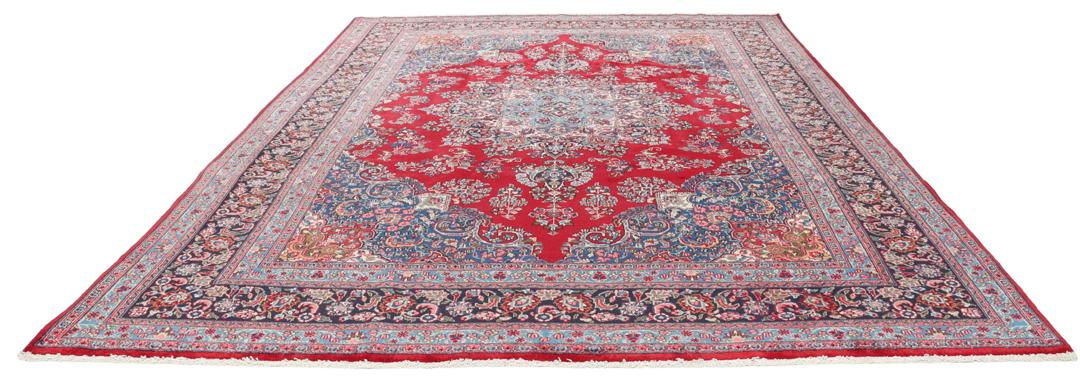
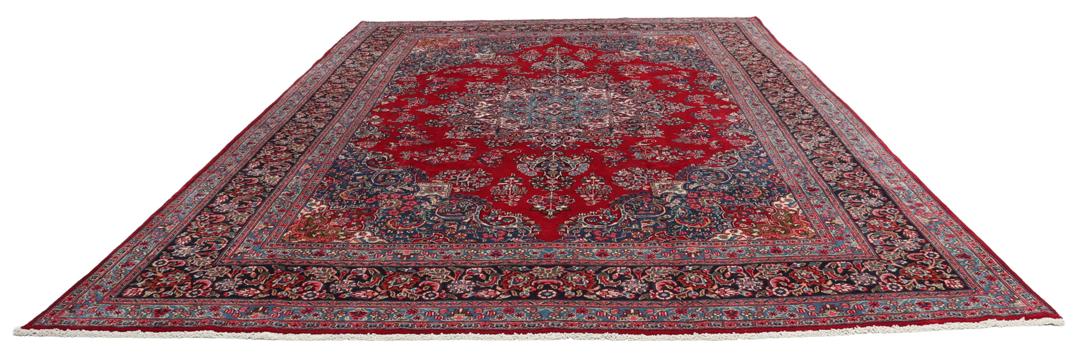
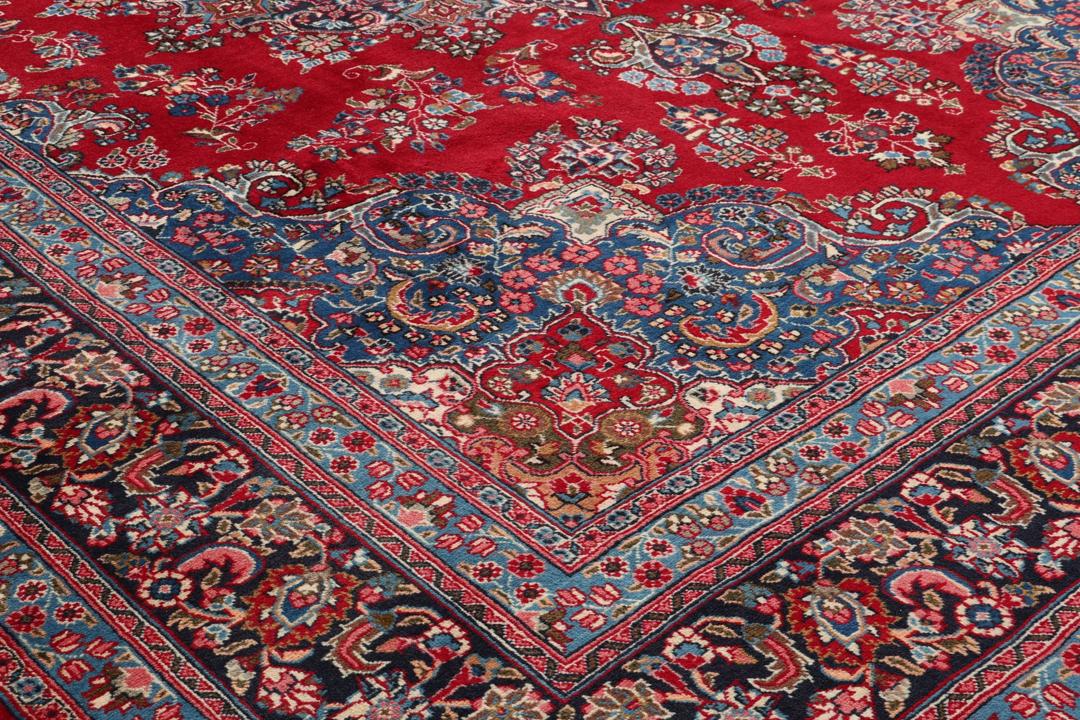
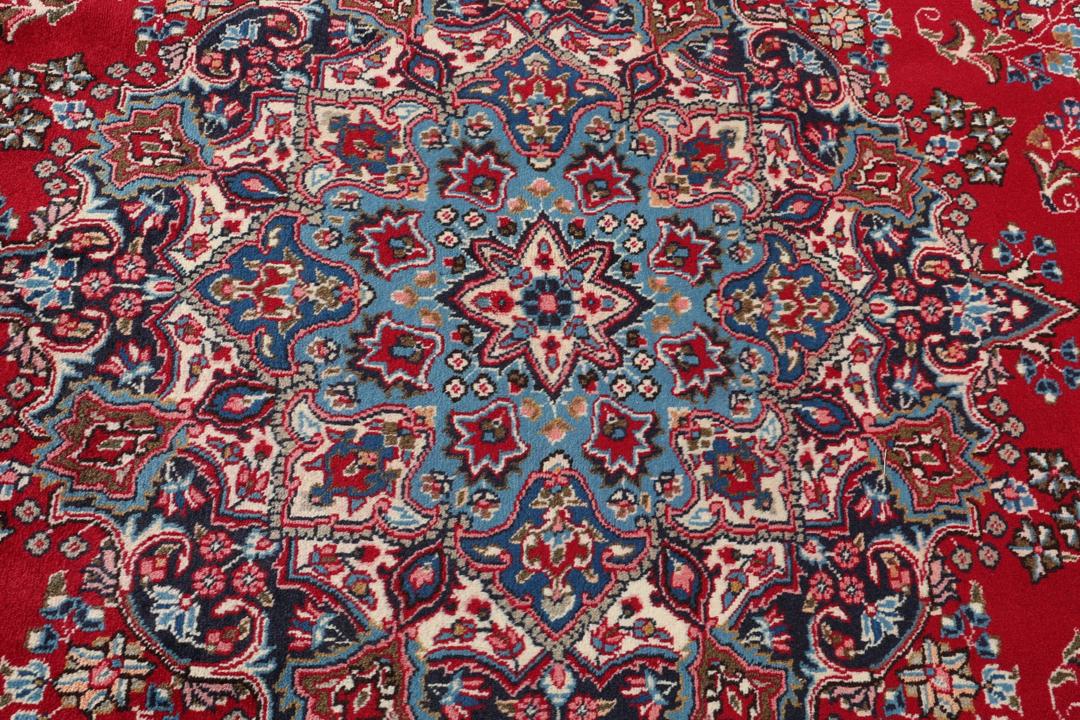
The visual language of a Mashad rug is typically dominated by a large, ornate central medallion set against a field of dense floral scrolls, often referred to as Shah Abbasi motifs. These patterns are usually enclosed by wide, multi-layered borders that provide a sense of structure and balance, frequently incorporating deep reds and blues that have become synonymous with the region's palette.
Owning a piece from this tradition is an investment in cultural heritage and skilled artistry. These rugs are highly valued by collectors for their ability to harmonise formal design with a sense of warmth and comfort. They represent a legacy of craftsmanship that has been passed down through generations, ensuring that each rug stands as a testament to the endurance of traditional Middle Eastern design.