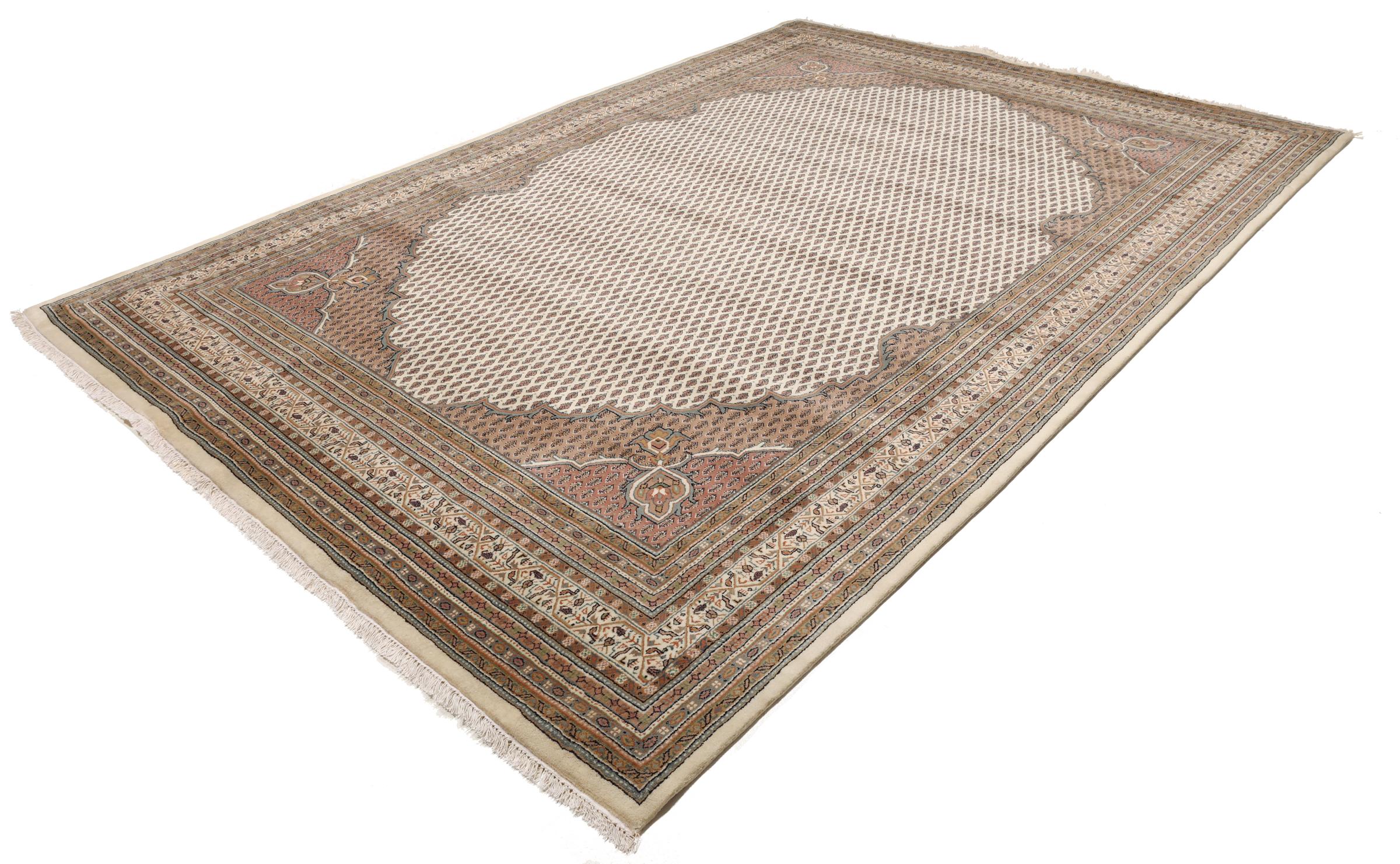
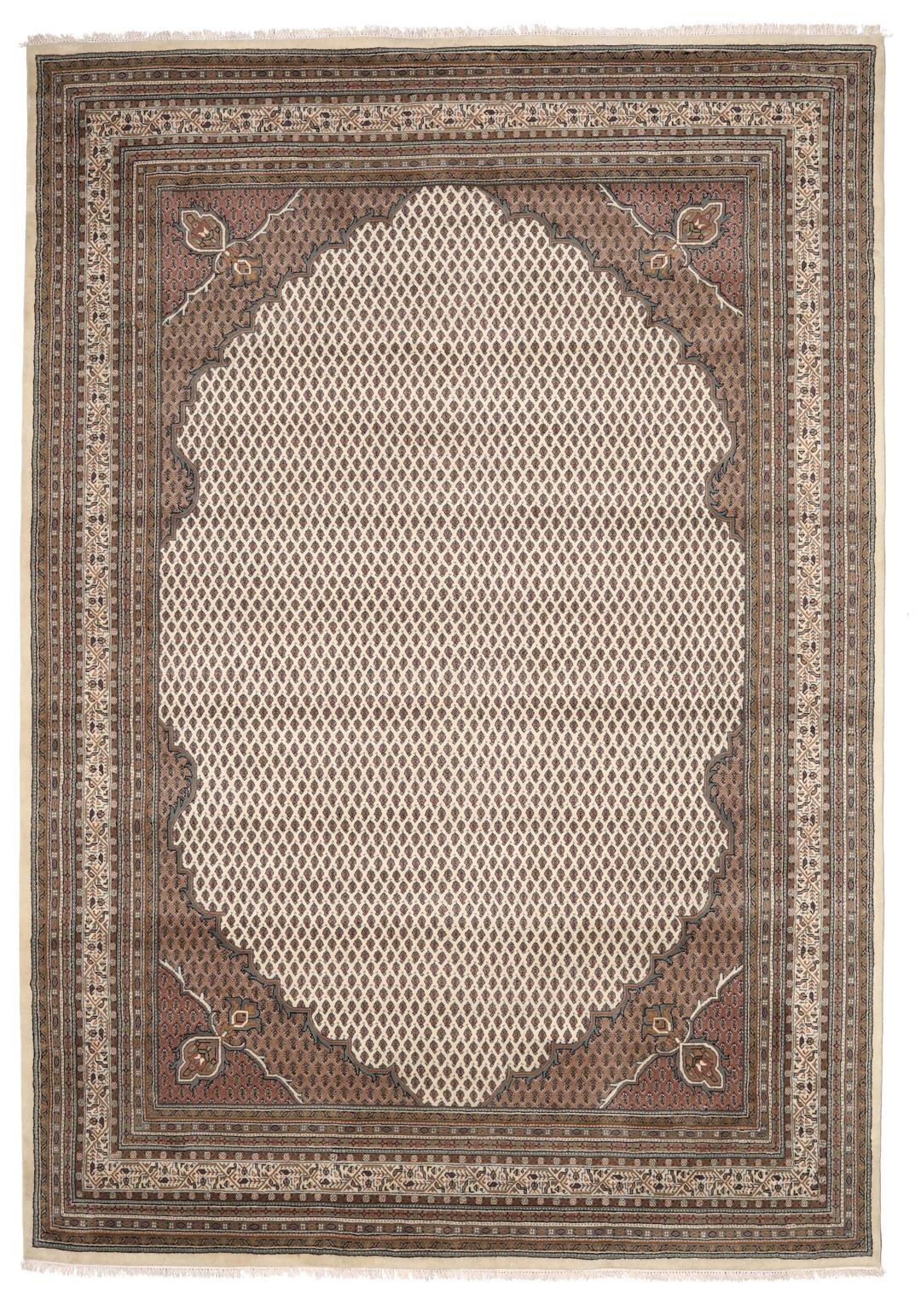
The Mir Indo rug tradition is a fascinating evolution of classic Middle Eastern design principles, adapted and perfected by skilled weavers in India. While the patterns find their roots in the ancient, intricate motifs of the Middle East, the Indian interpretation has developed a distinct identity over generations. This cross-cultural exchange has allowed the Mir style to flourish, blending historical design language with the exceptional technical skill found in Indian rug-making centres.
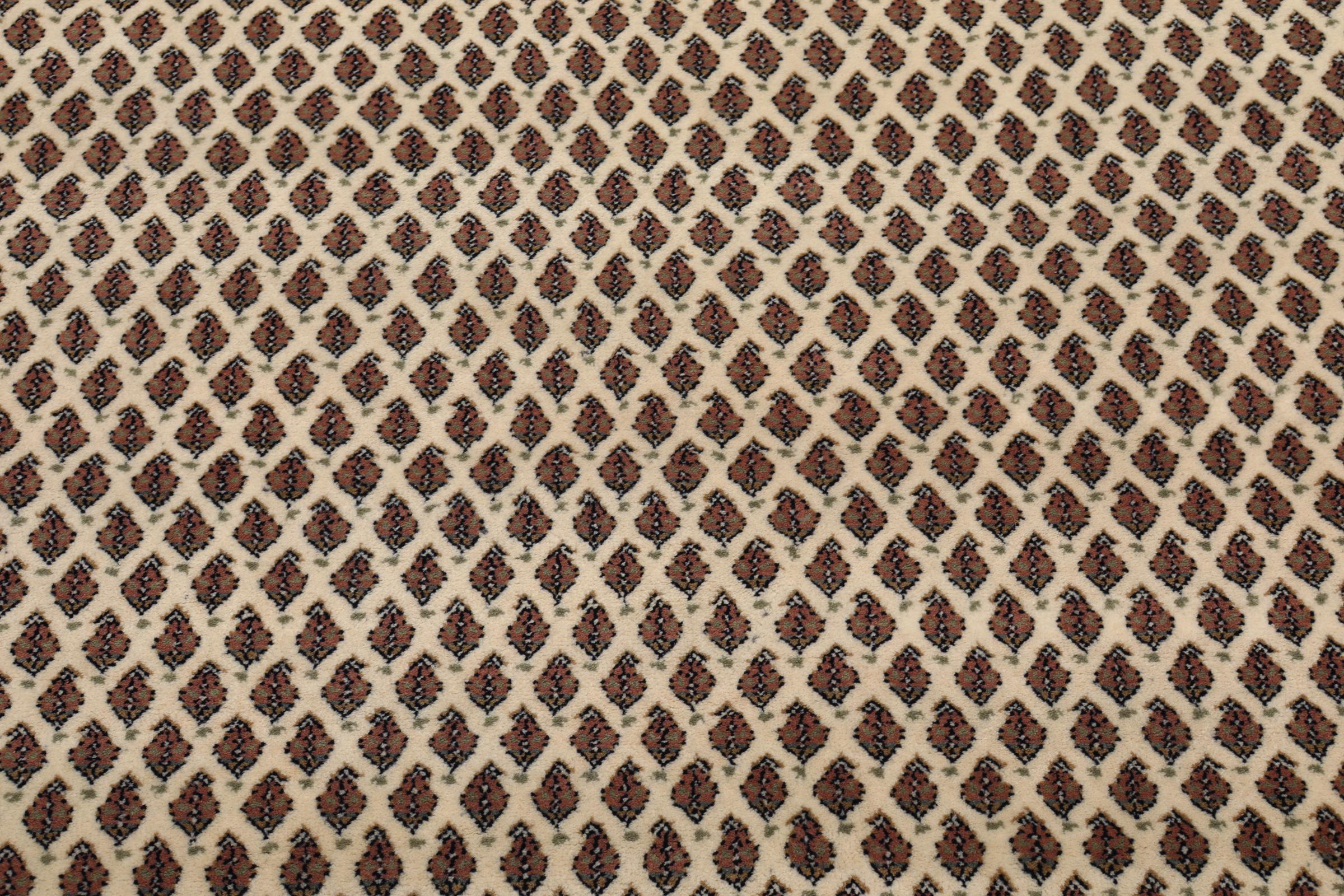
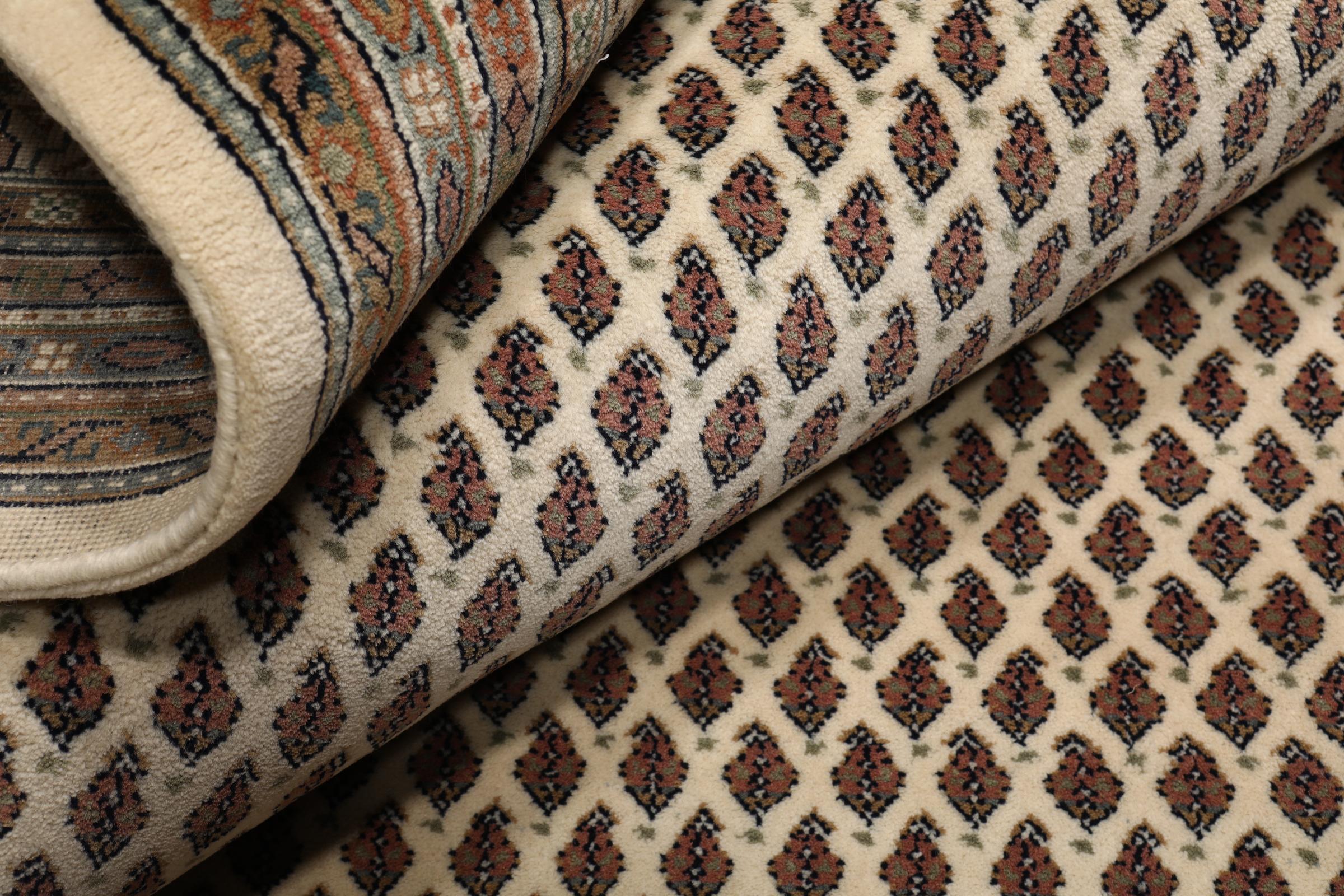
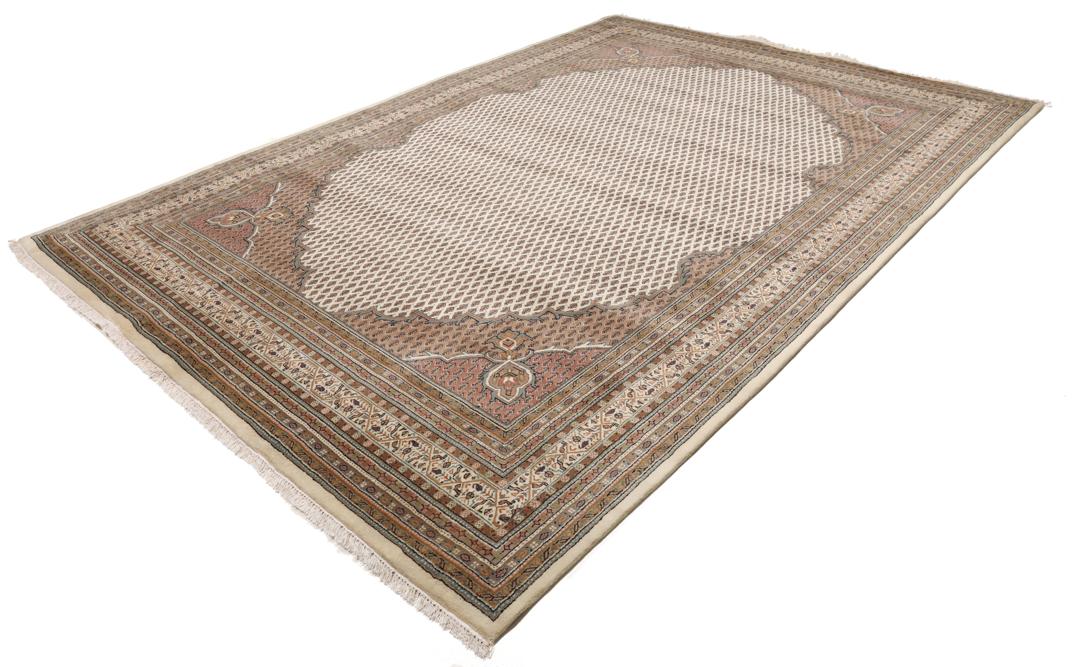
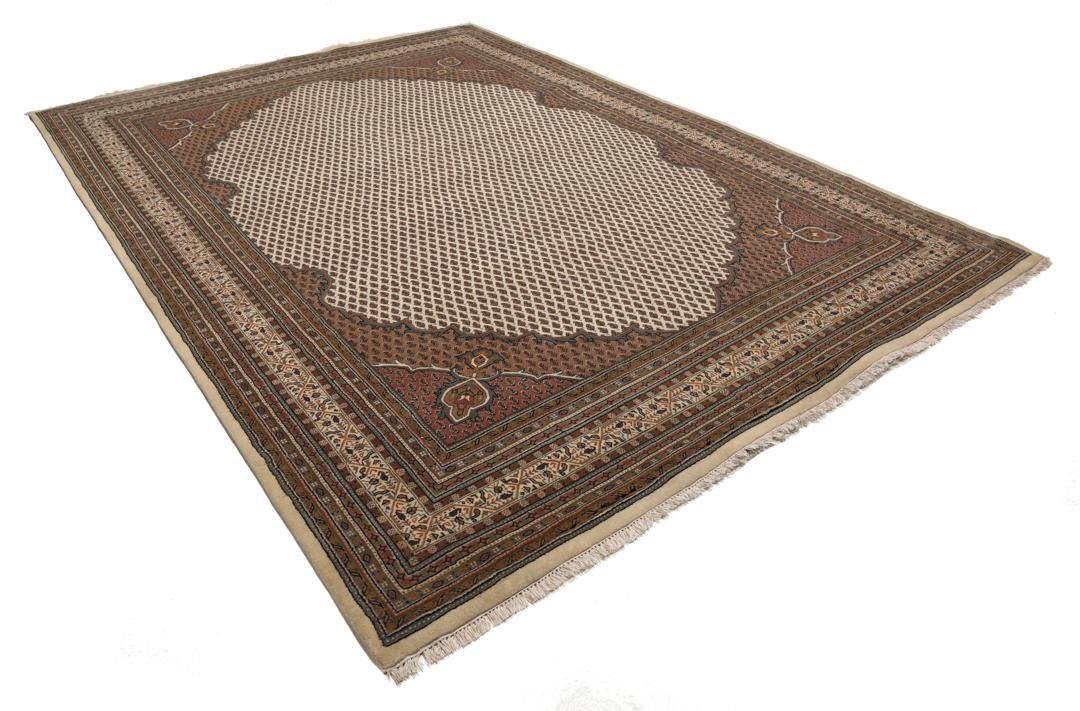
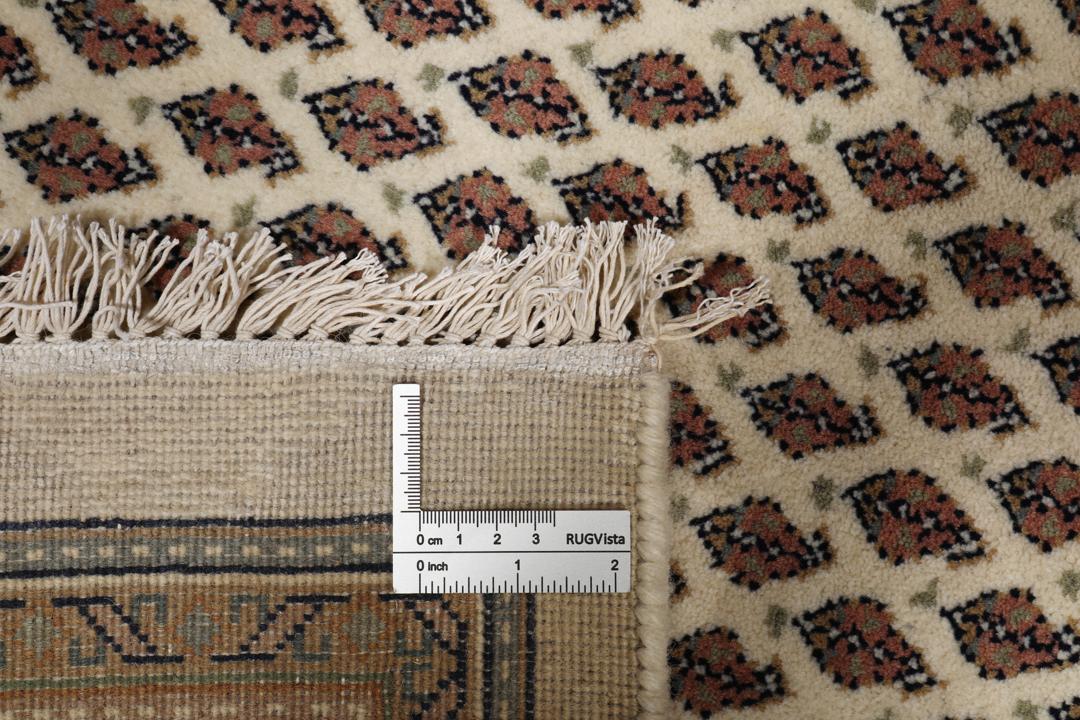
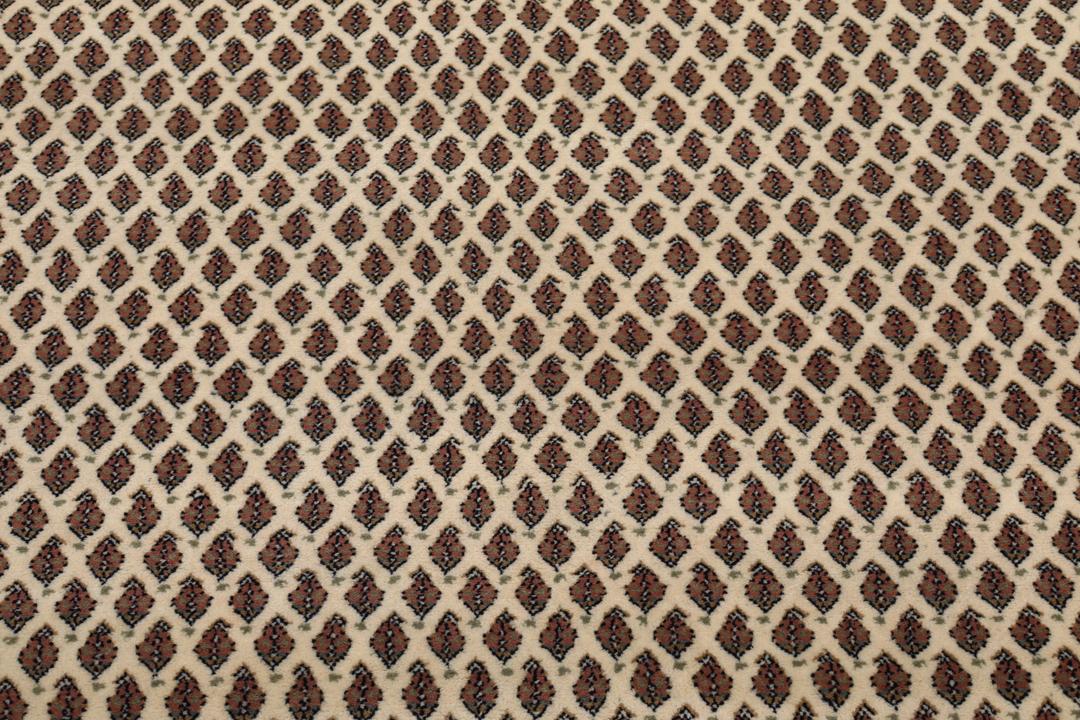
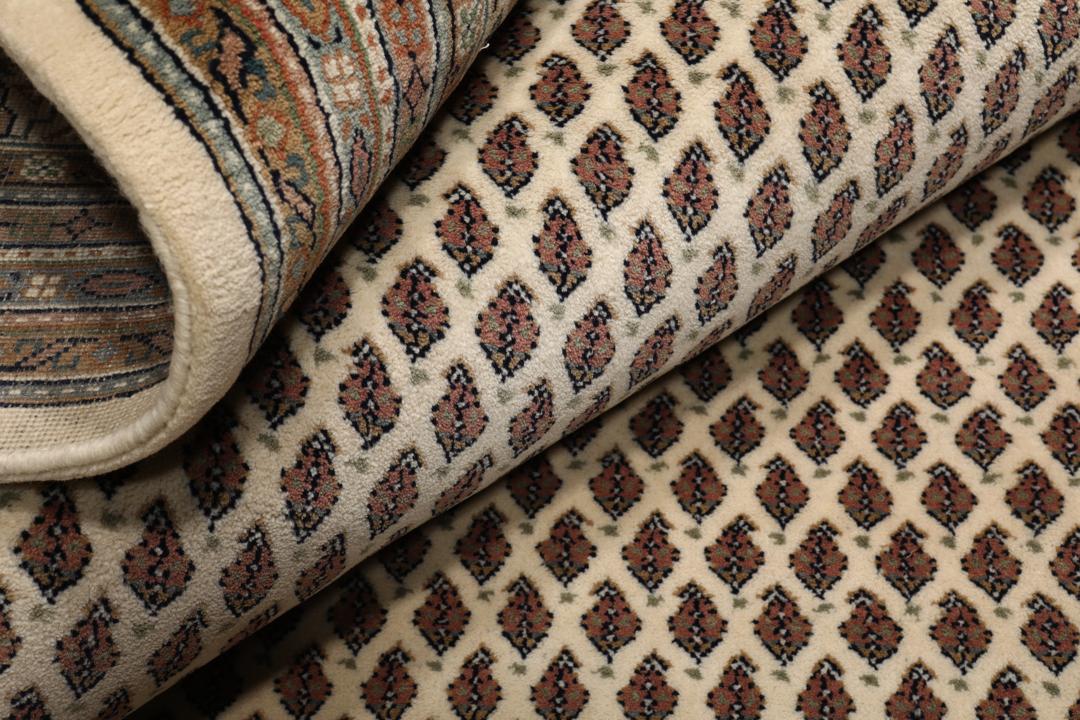
At the heart of the Mir style is the iconic 'Boteh' or paisley motif, often arranged in a repeating, all-over pattern across the field. This design is highly revered for its balance and sense of continuous rhythm. The term 'Mir' itself refers to a specific, refined version of these patterns, characterised by a smaller, more uniform scale that creates a sophisticated texture. This technical precision requires a high degree of control during the knotting process, ensuring that the repeating elements remain crisp and harmonious.
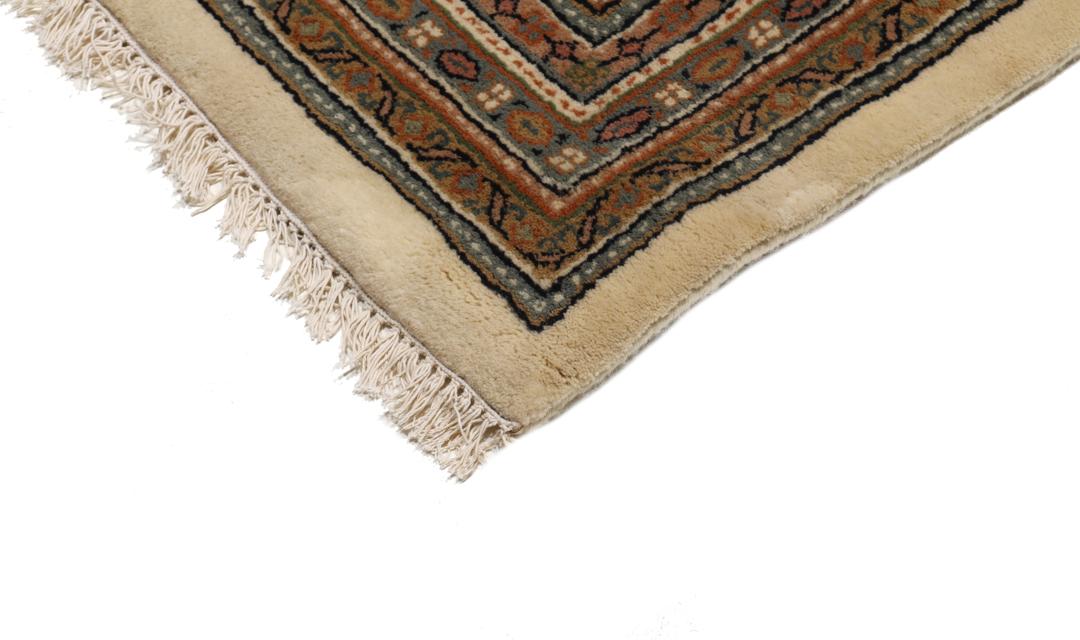
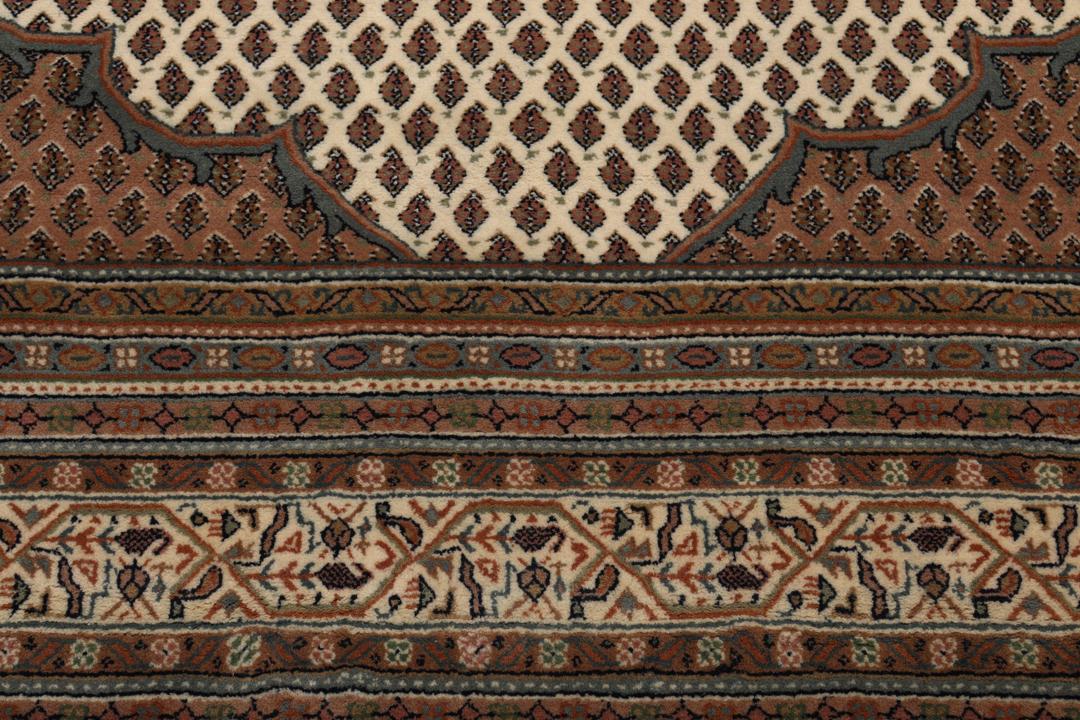
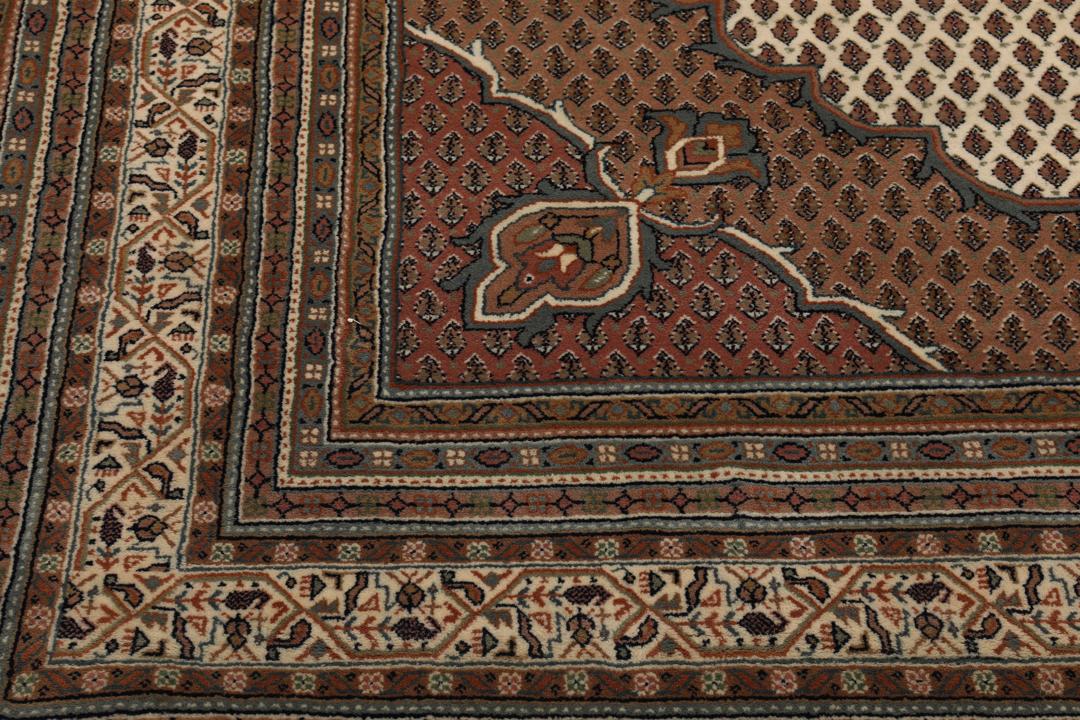
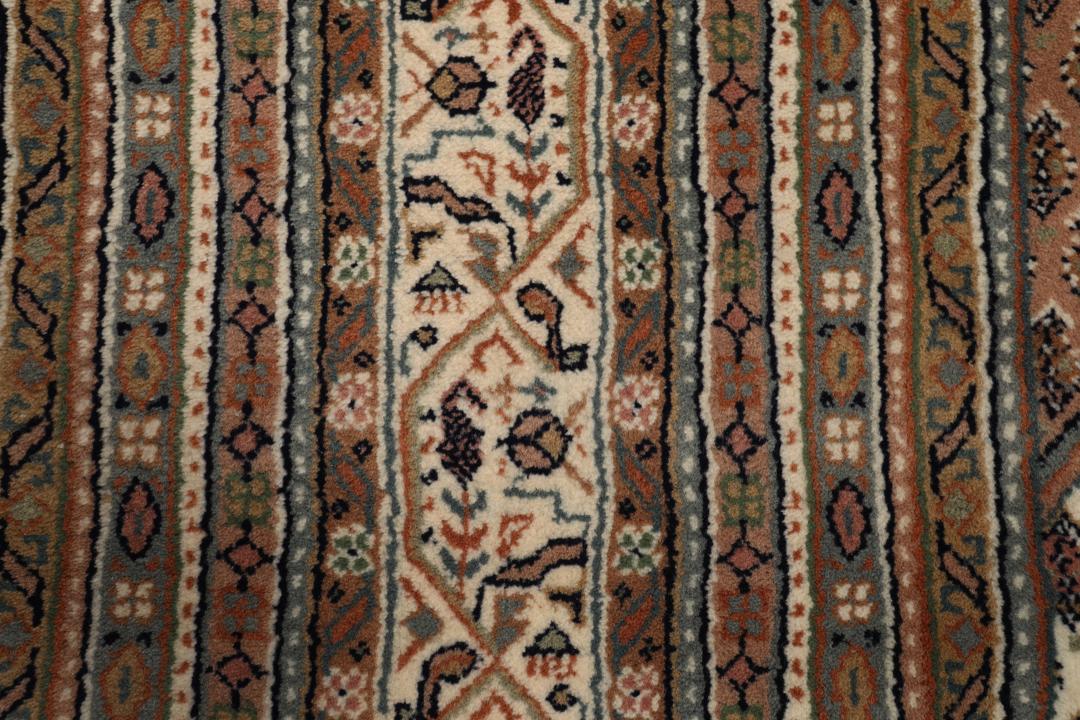
The visual language of this tradition is defined by its formal structure, typically featuring a central field filled with the repeating Boteh motif, framed by ornate, multi-layered borders. These borders act as a frame for the central design, providing visual stability and cohesion. The colour palettes are often grounded in earthy, natural tones, which highlight the complexity of the pattern without overwhelming the space, making them a popular choice for those who appreciate traditional aesthetics.
Collectors and design enthusiasts value Mir Indo rugs for their balance of heritage and enduring quality. Owning a piece from this tradition signifies an appreciation for the human element in craft—a recognition that the rug is not just a floor covering, but a vessel for centuries of design evolution. Because these rugs are made with such attention to detail and traditional methods, they are often seen as lasting investments that gain character over time, serving as a bridge between the history of the craft and the modern home.