The tradition of rug weaving in Afghanistan is deeply rooted in the history of Central Asia, where nomadic tribes and settled artisans have shared techniques for centuries. While the country has faced many challenges, its weaving heritage remains a testament to resilience and artistry. Today, Afghan weavers are renowned for their ability to blend ancient methods with modern design sensibilities, resulting in rugs that feel both timeless and contemporary.
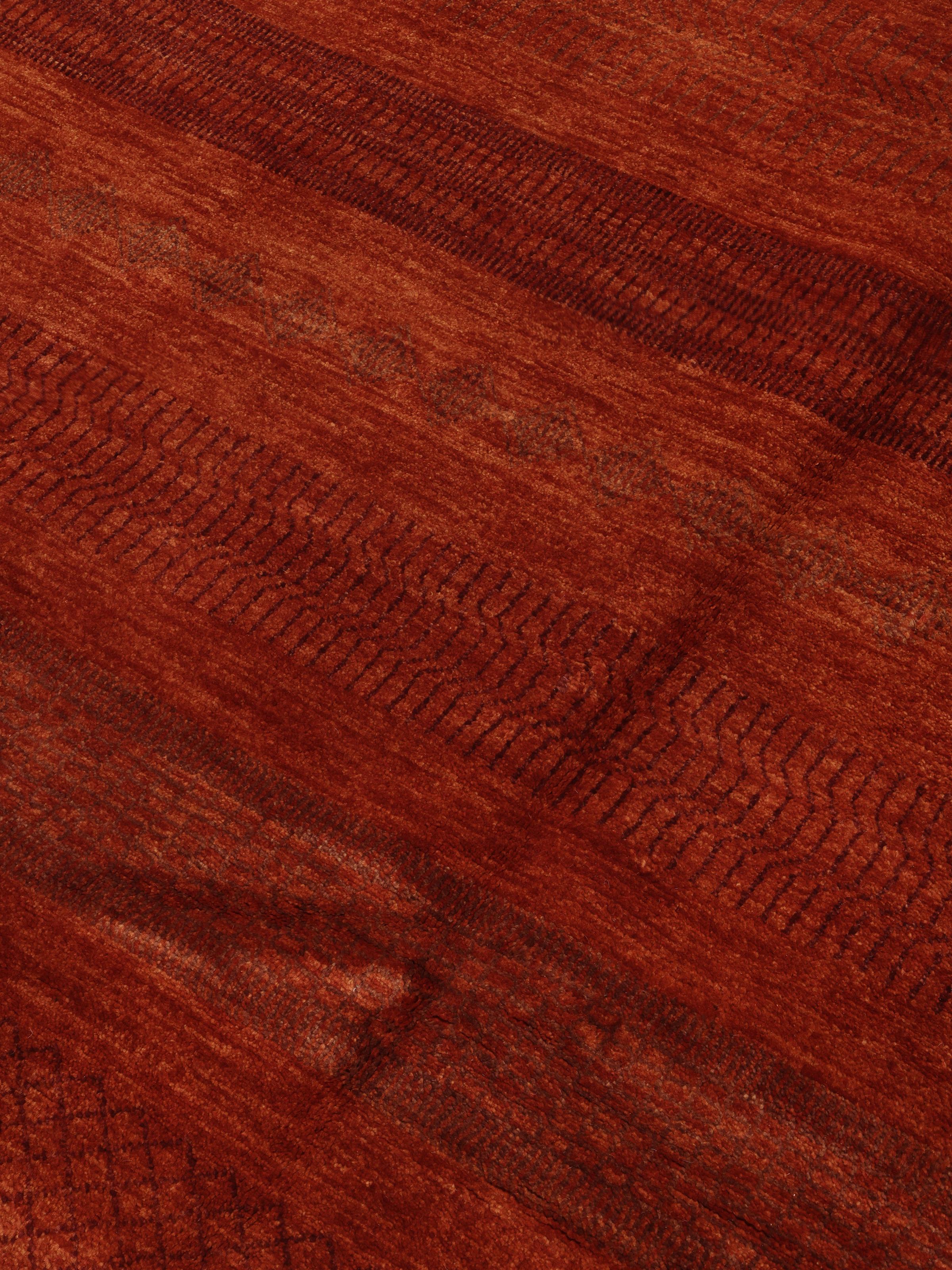
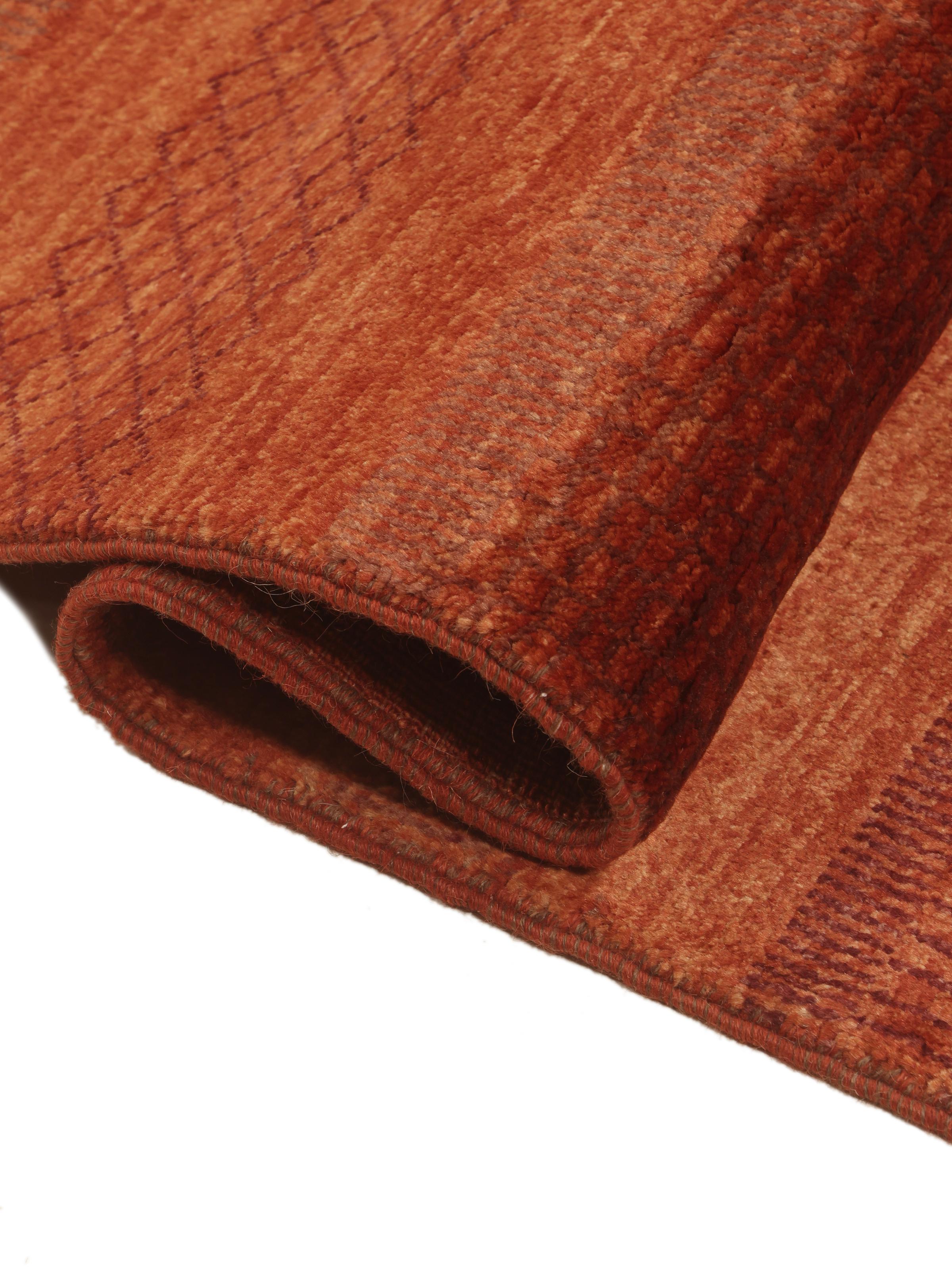
The term Gabbeh, which describes the category of this rug, historically refers to a more primitive, thick-piled weaving style. In modern iterations, this has evolved into a more polished aesthetic that maintains the heavy, luxurious pile of the original designs while introducing sophisticated, minimalist patterns. This blend of old and new is designed to offer a tactile, sensory experience that emphasises the natural qualities of the Wool.
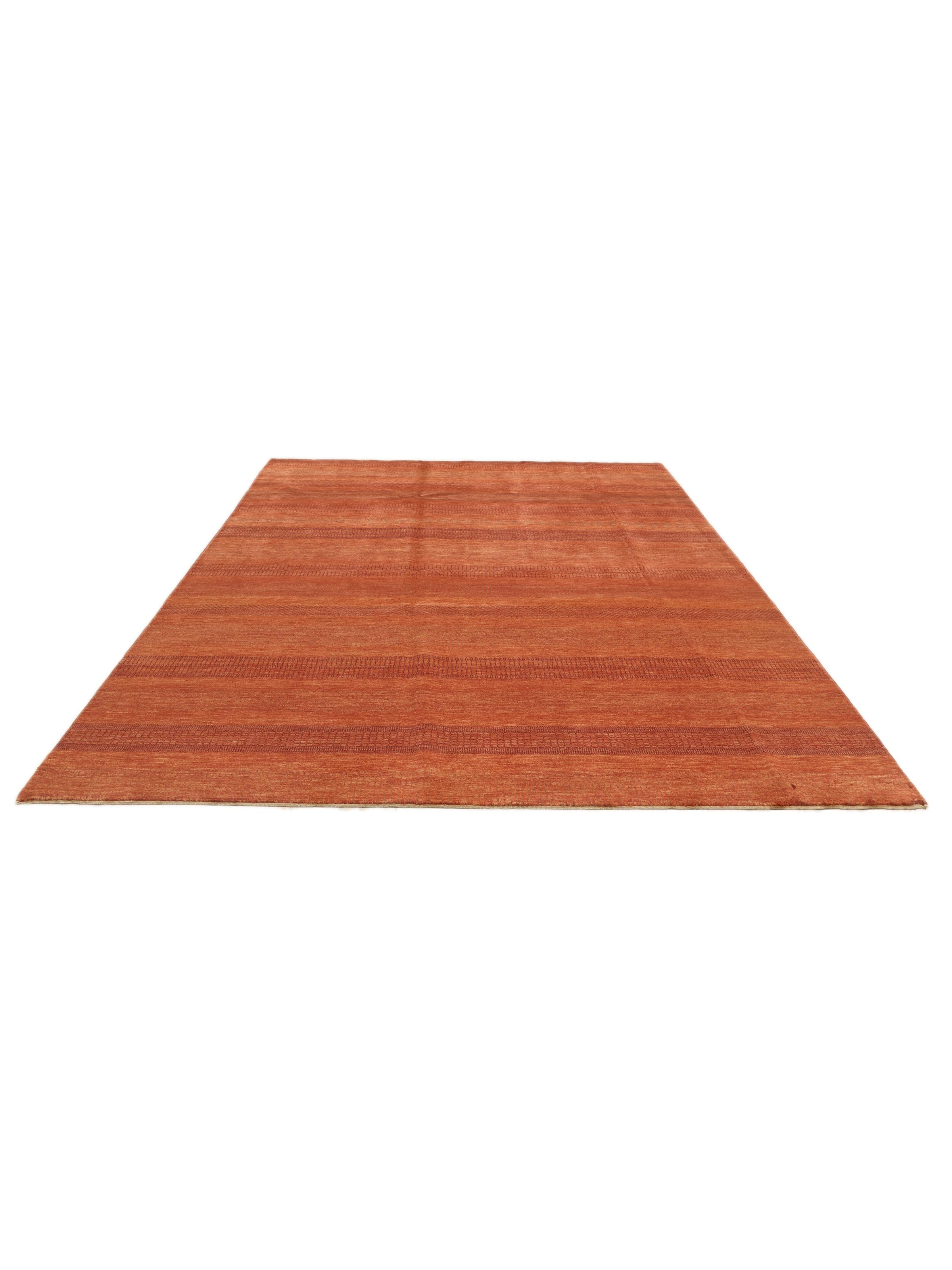
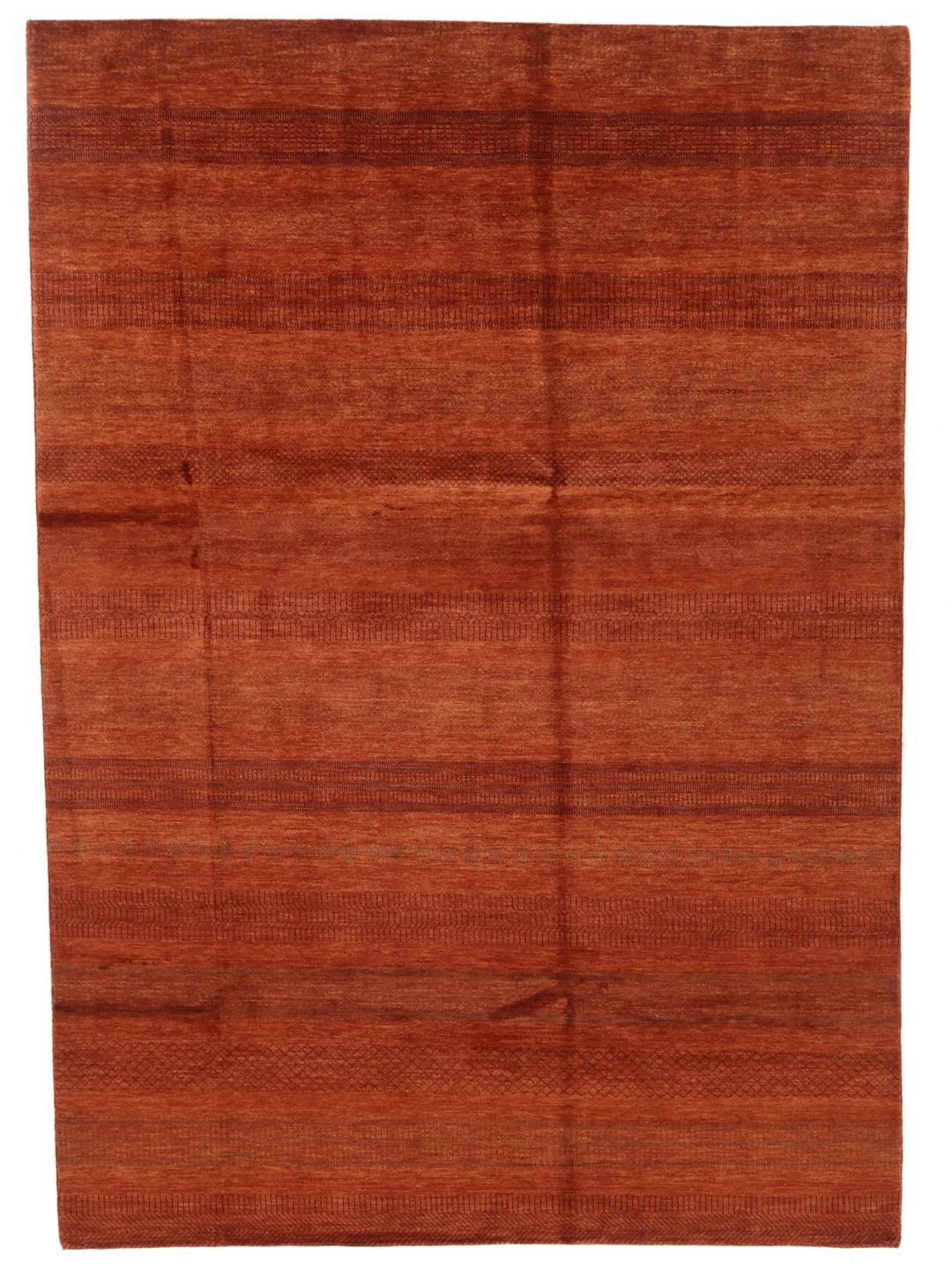
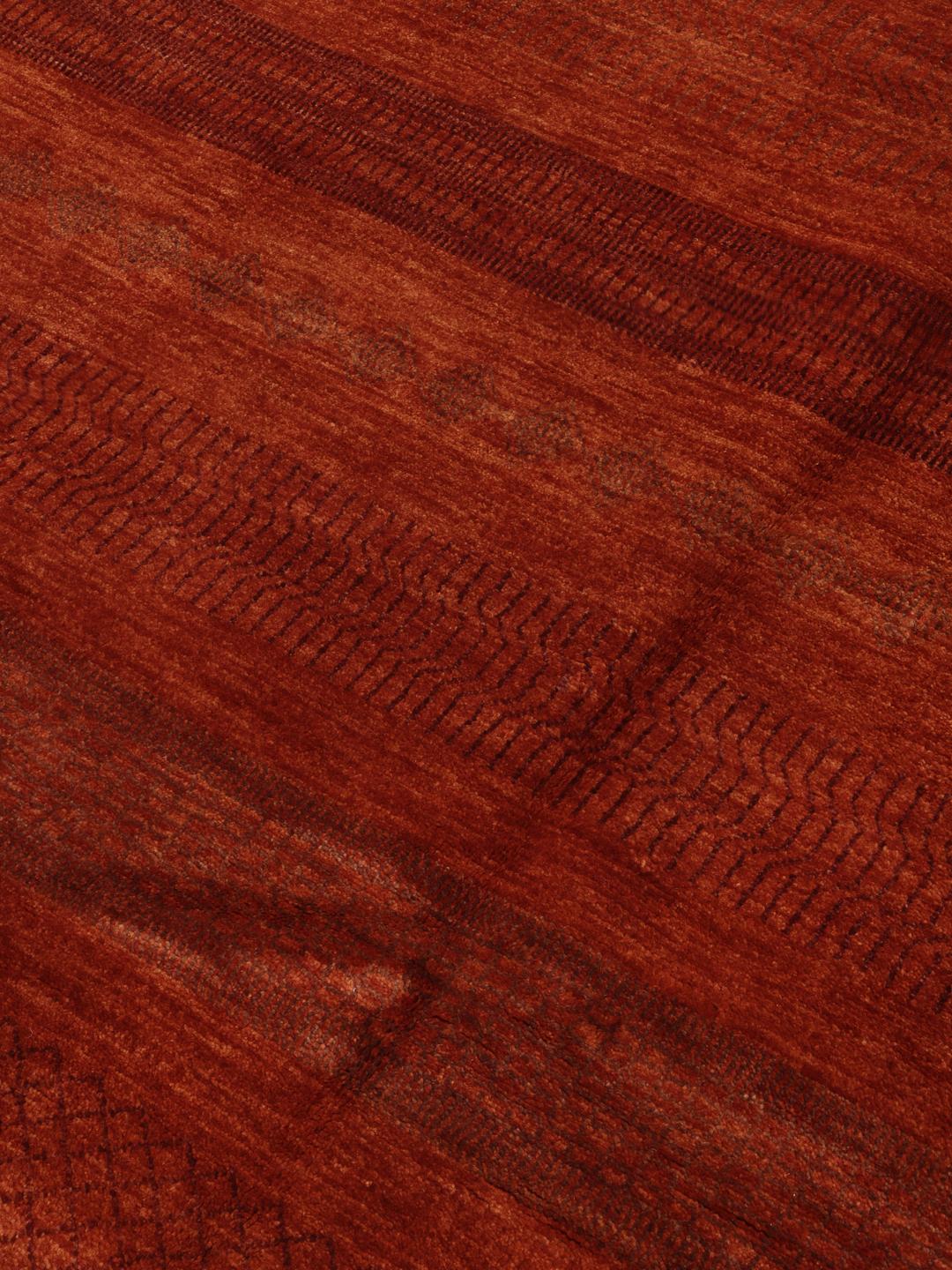
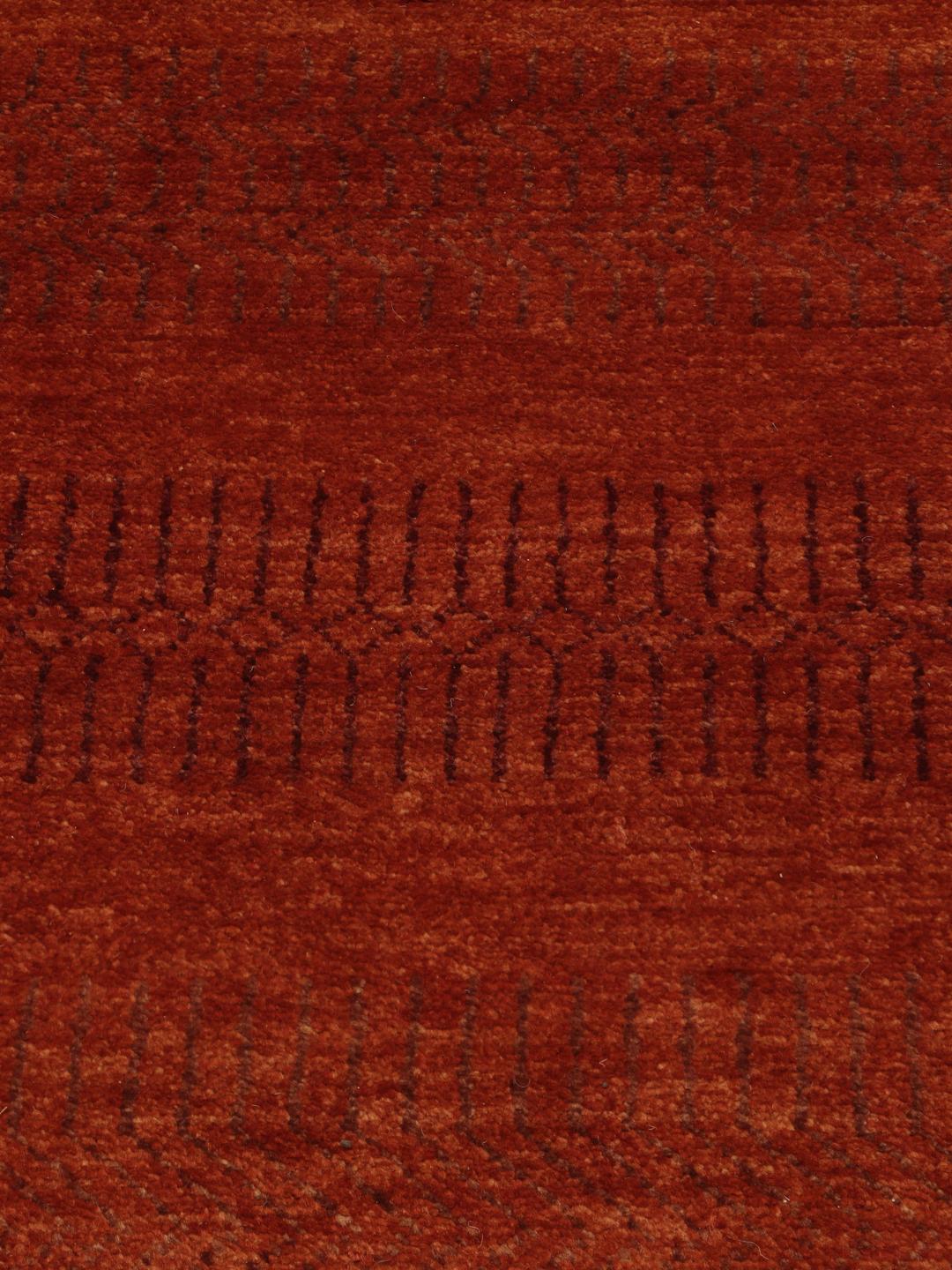
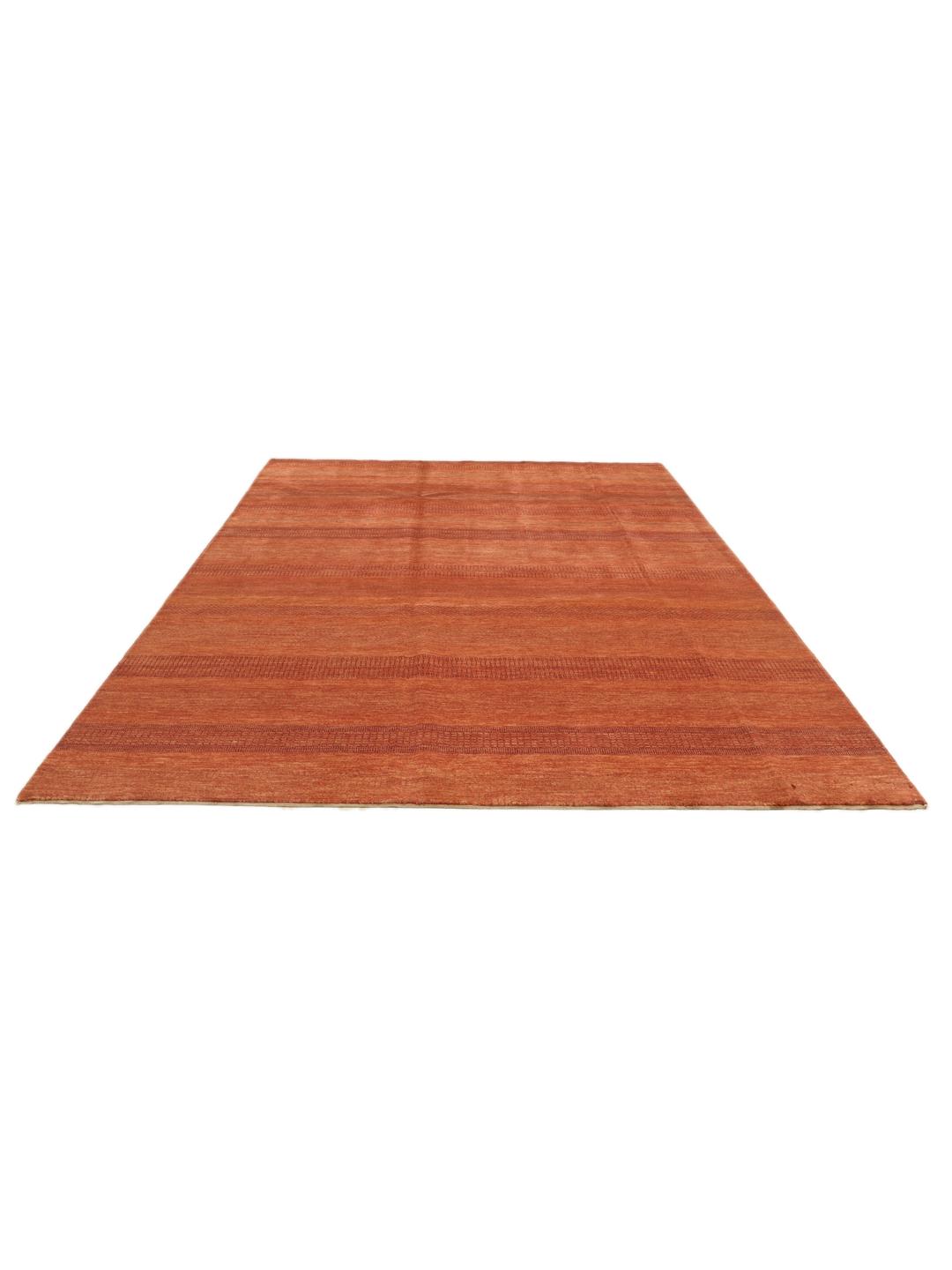
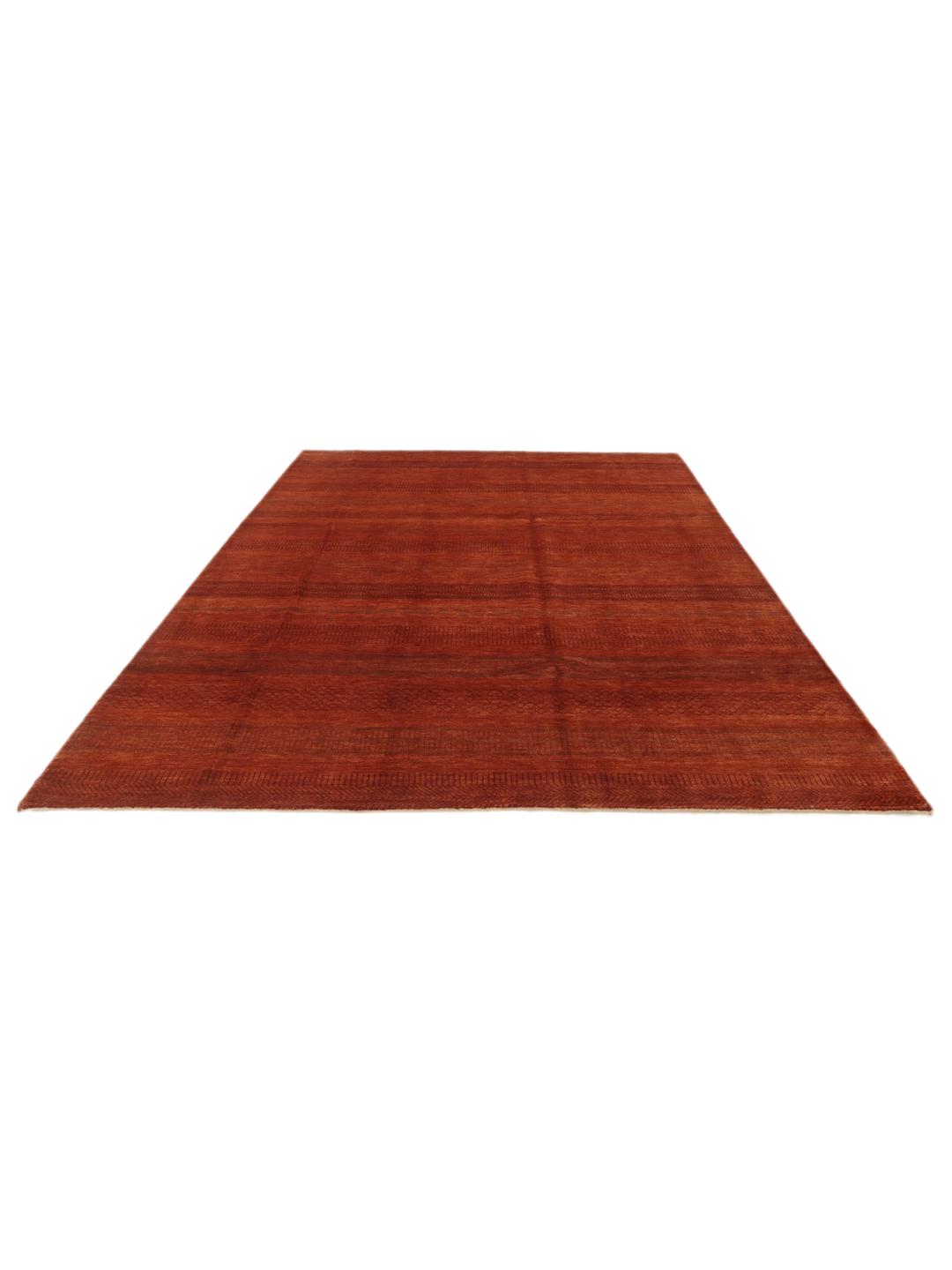
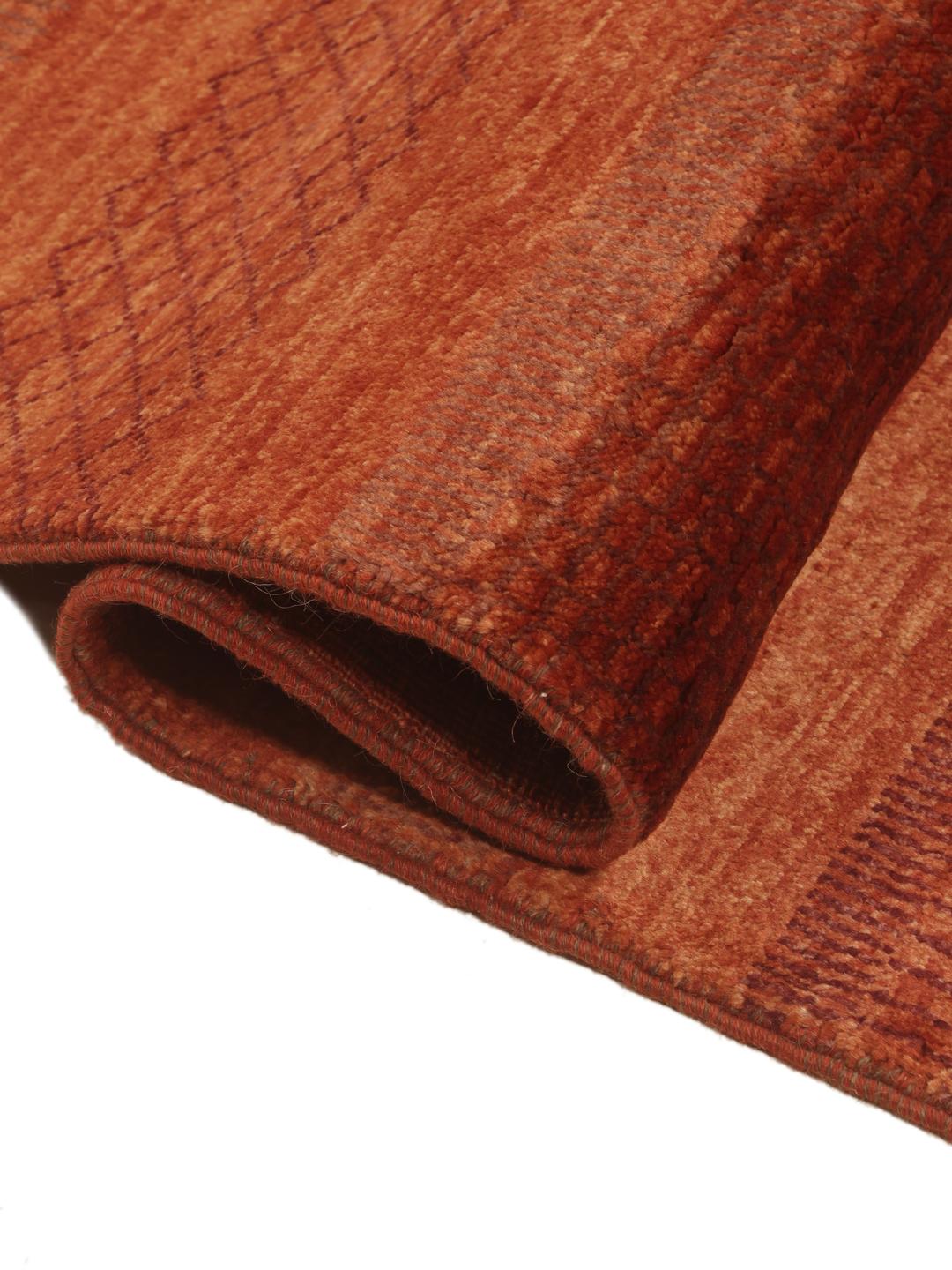
Visually, this rug is defined by its focus on texture and colour rather than complex, figurative motifs. The subtle, horizontal bands reflect a minimalist approach that allows the richness of the Wool to take centre stage. This style is a departure from more ornate, traditional patterns, offering a clean, understated look that fits perfectly into the modern home.
Owning an authentic, hand-knotted piece from Afghanistan is an investment in human skill and cultural heritage. These rugs are valued not just for their aesthetic appeal, but for the labour and traditional knowledge embedded in every strand. To possess such a rug is to keep a living tradition alive in your own home, enjoying a level of quality that is increasingly rare in today's world.