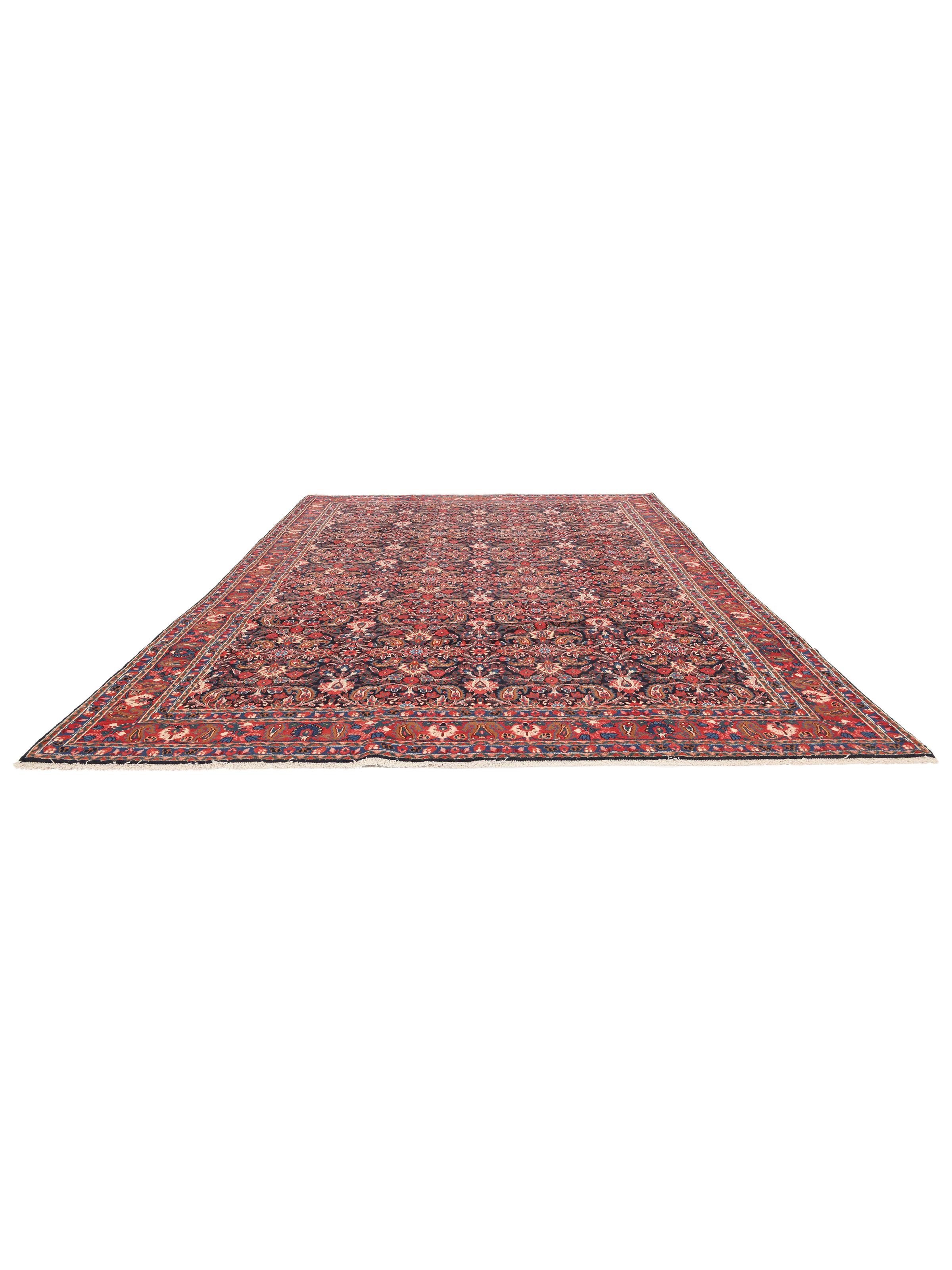
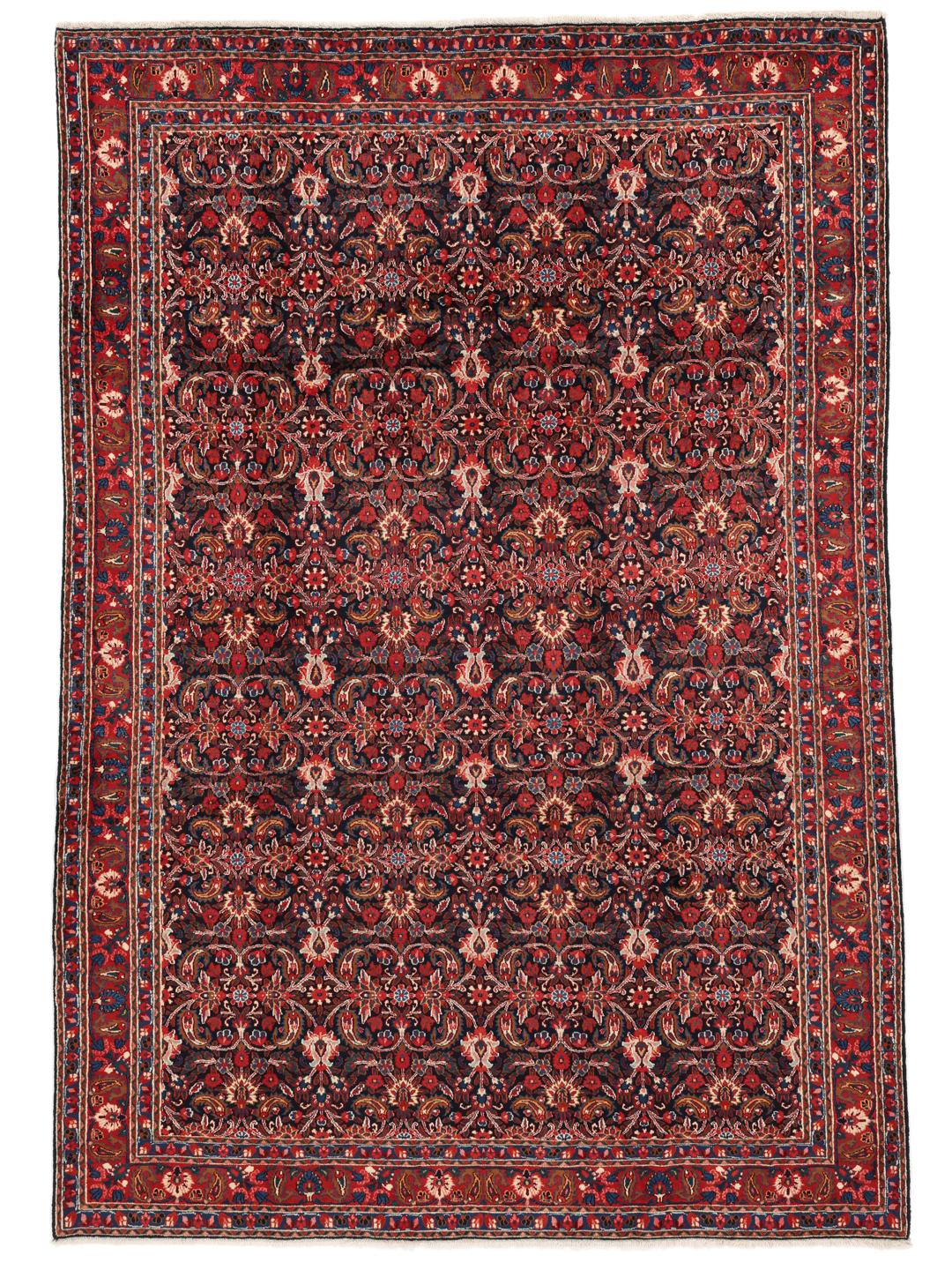
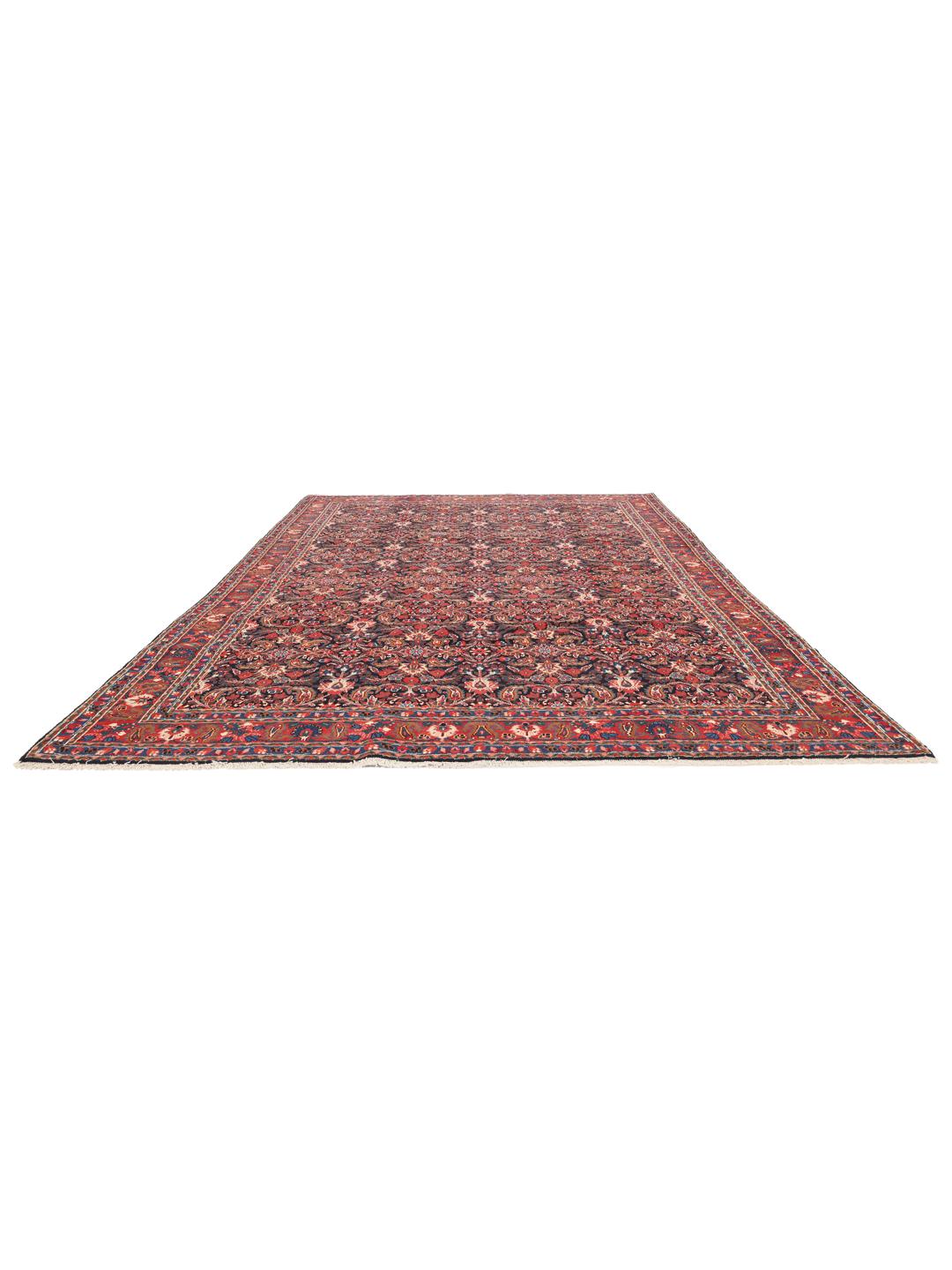
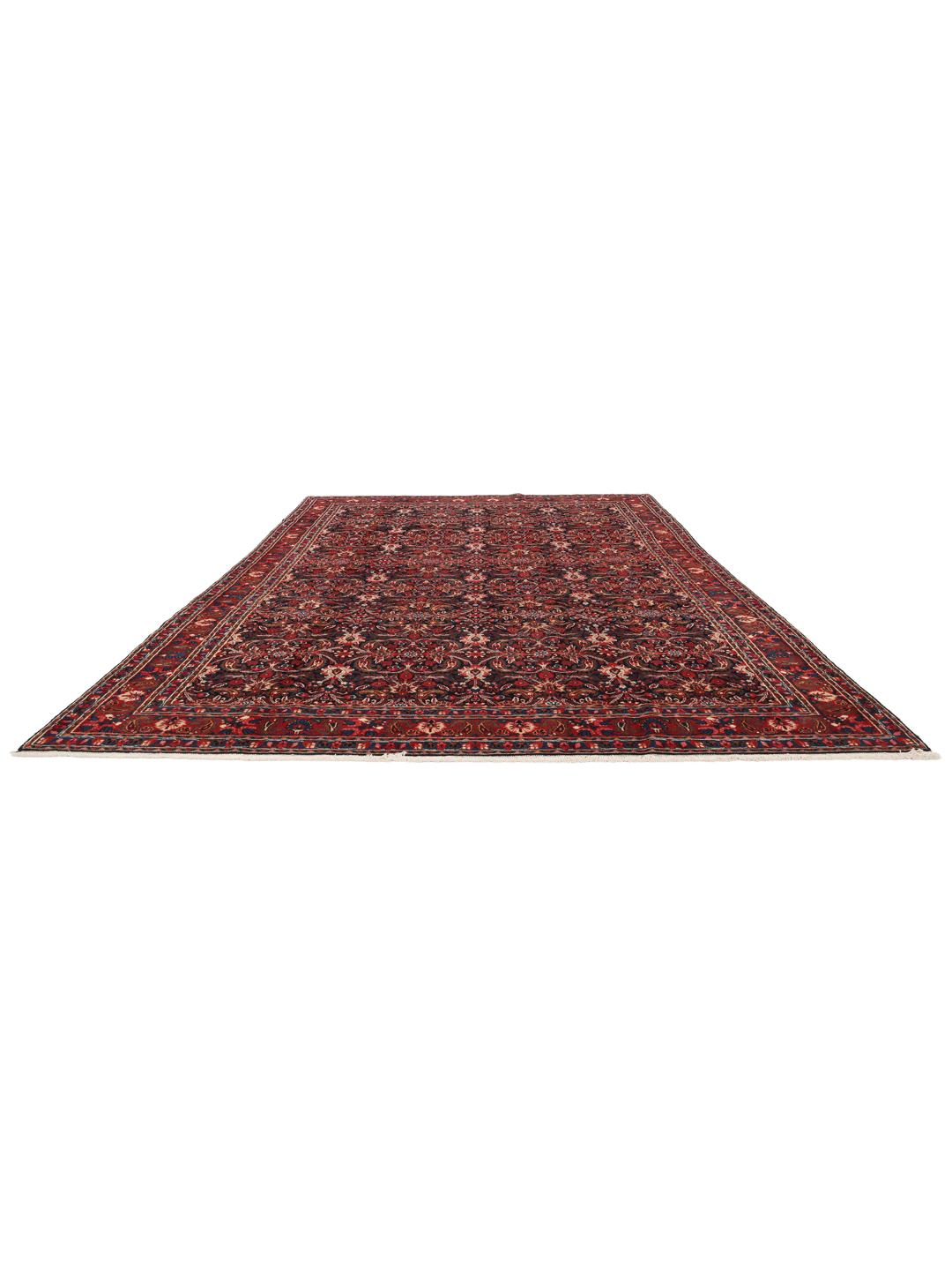
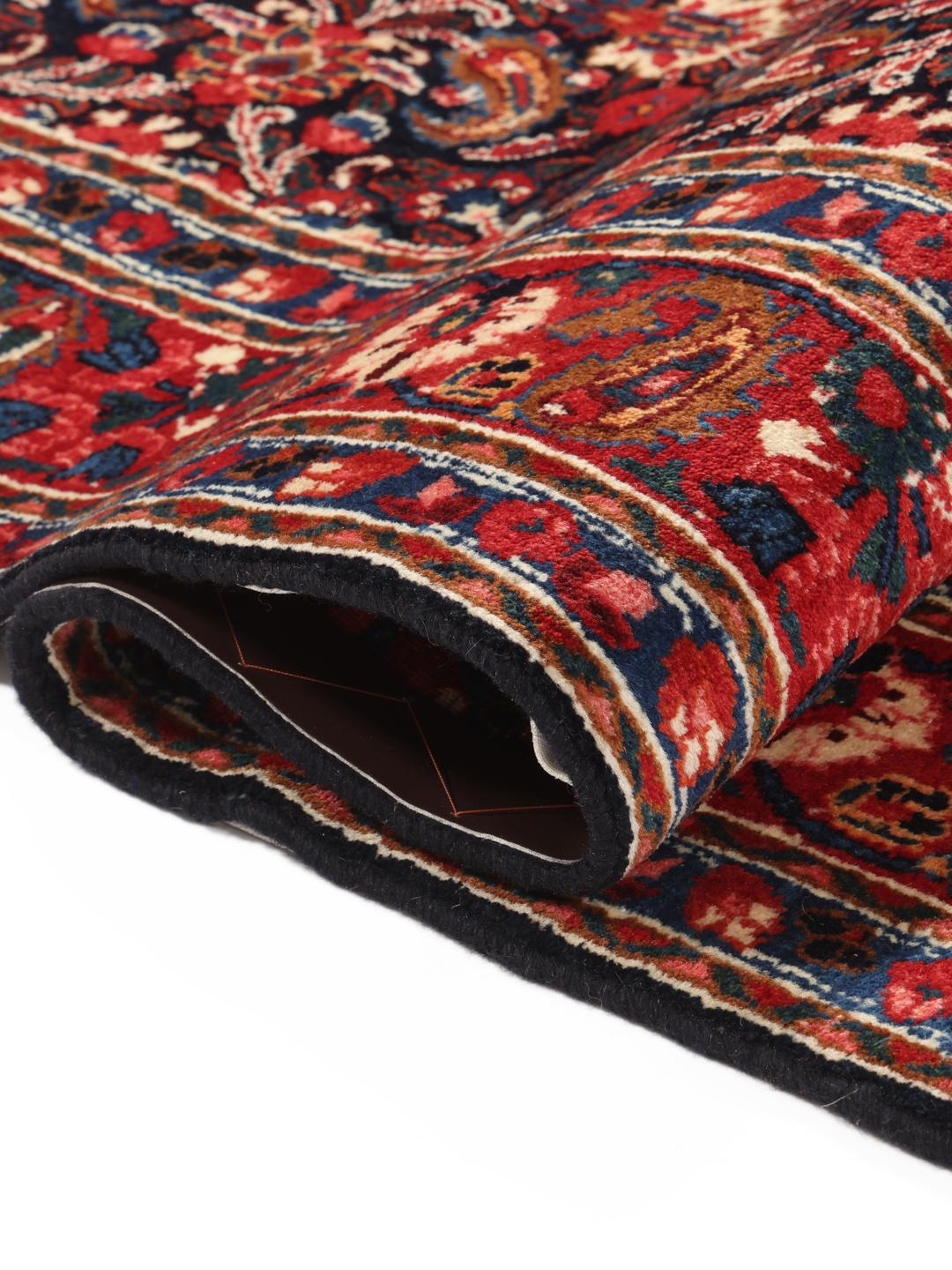
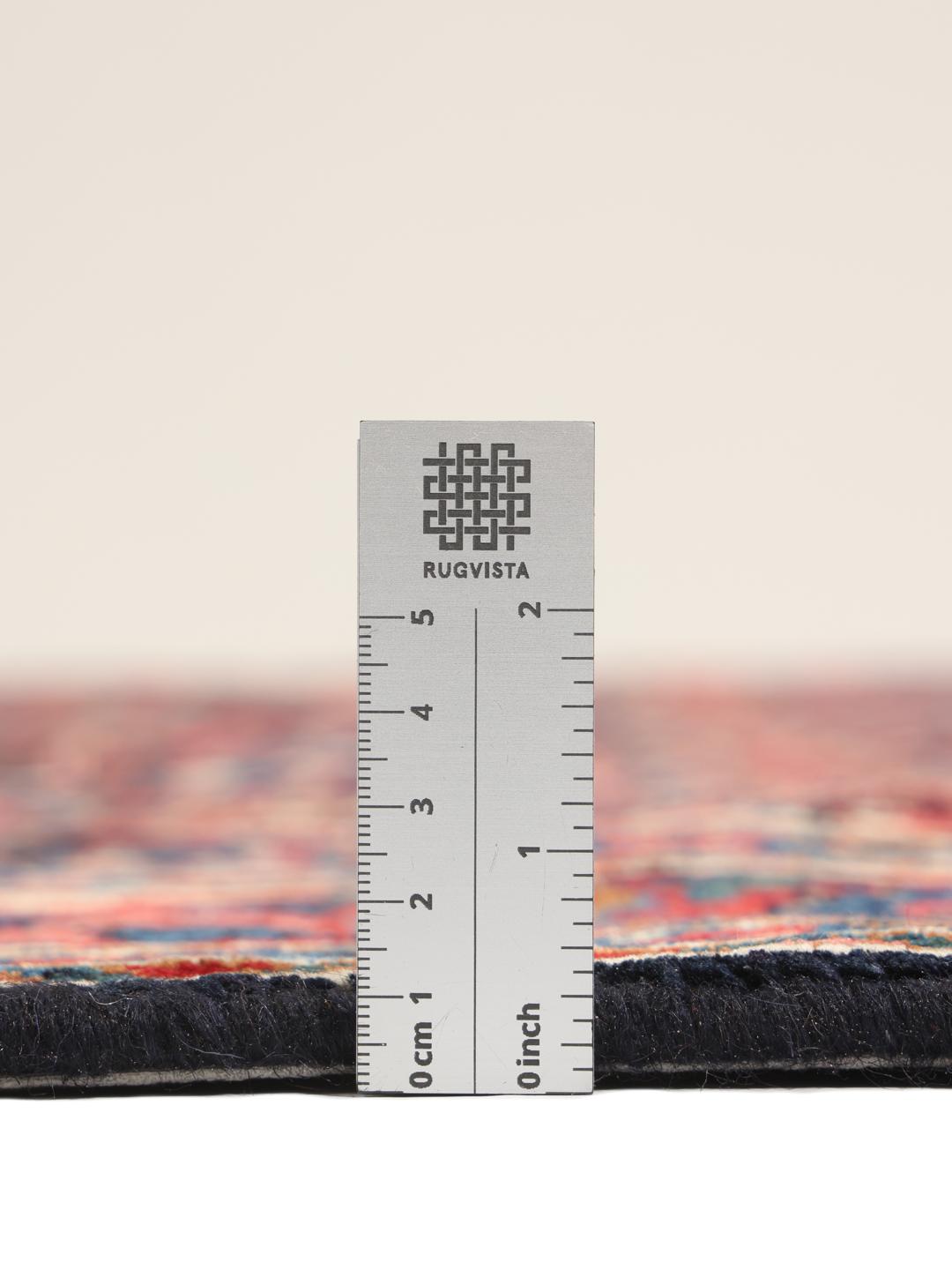
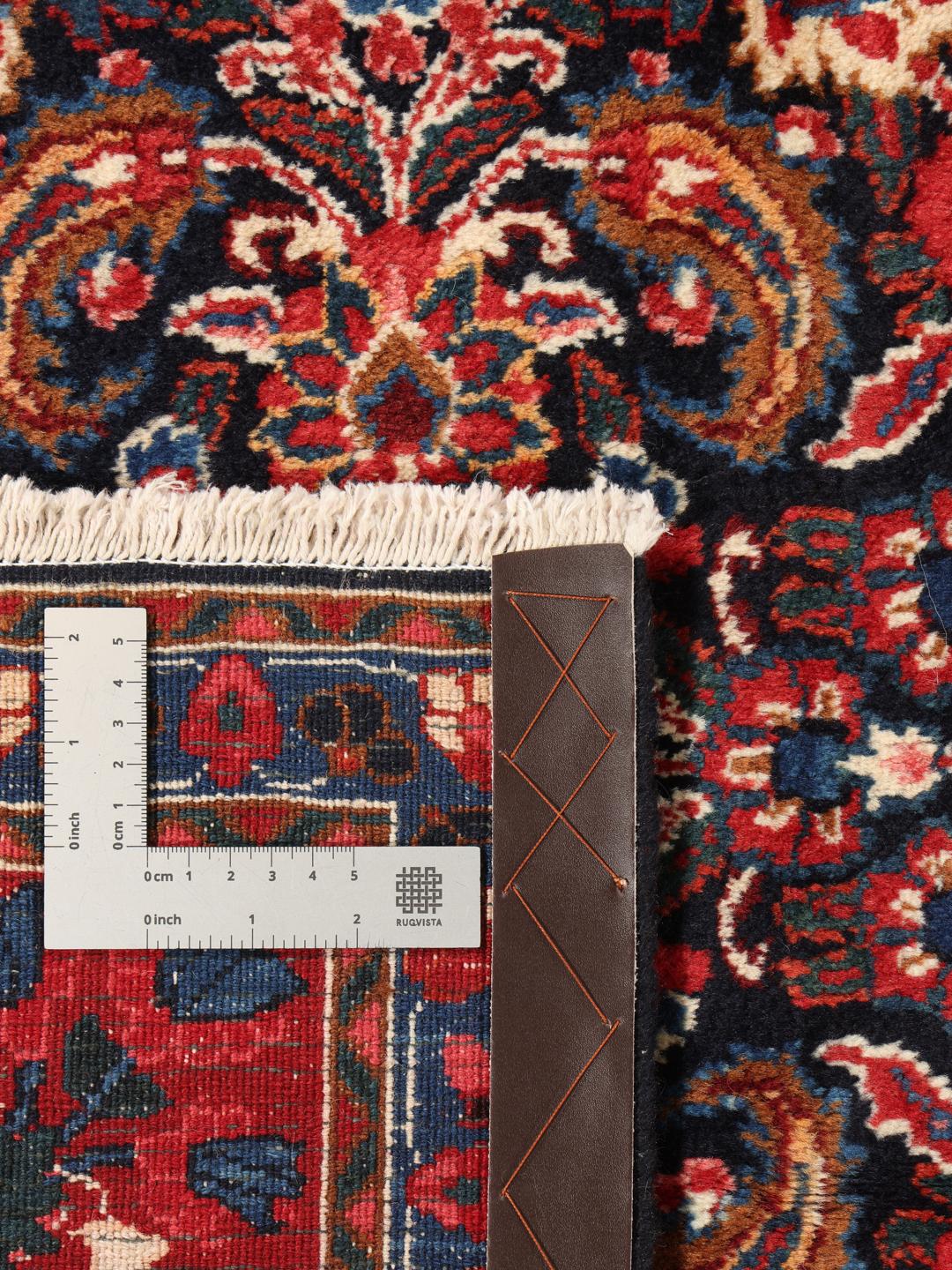
The Moud rug tradition originates from the Khorasan province in the Middle East, a region with a deep-rooted history in textile production. Moud, a small town near the city of Birjand, has become globally renowned for rugs that balance traditional design with exceptional craftsmanship, often serving as a bridge between nomadic tribal influences and more formal, court-style aesthetics.
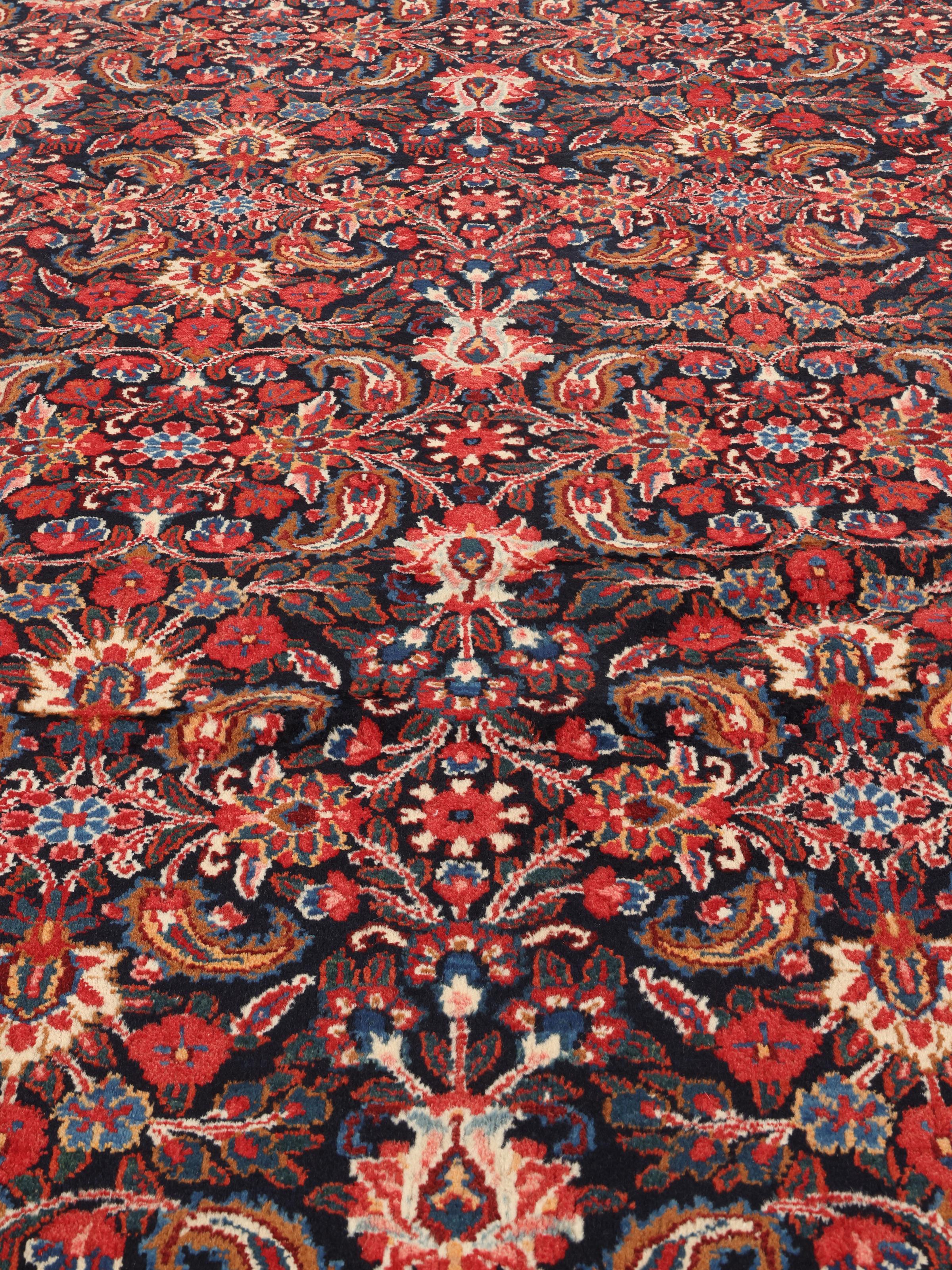
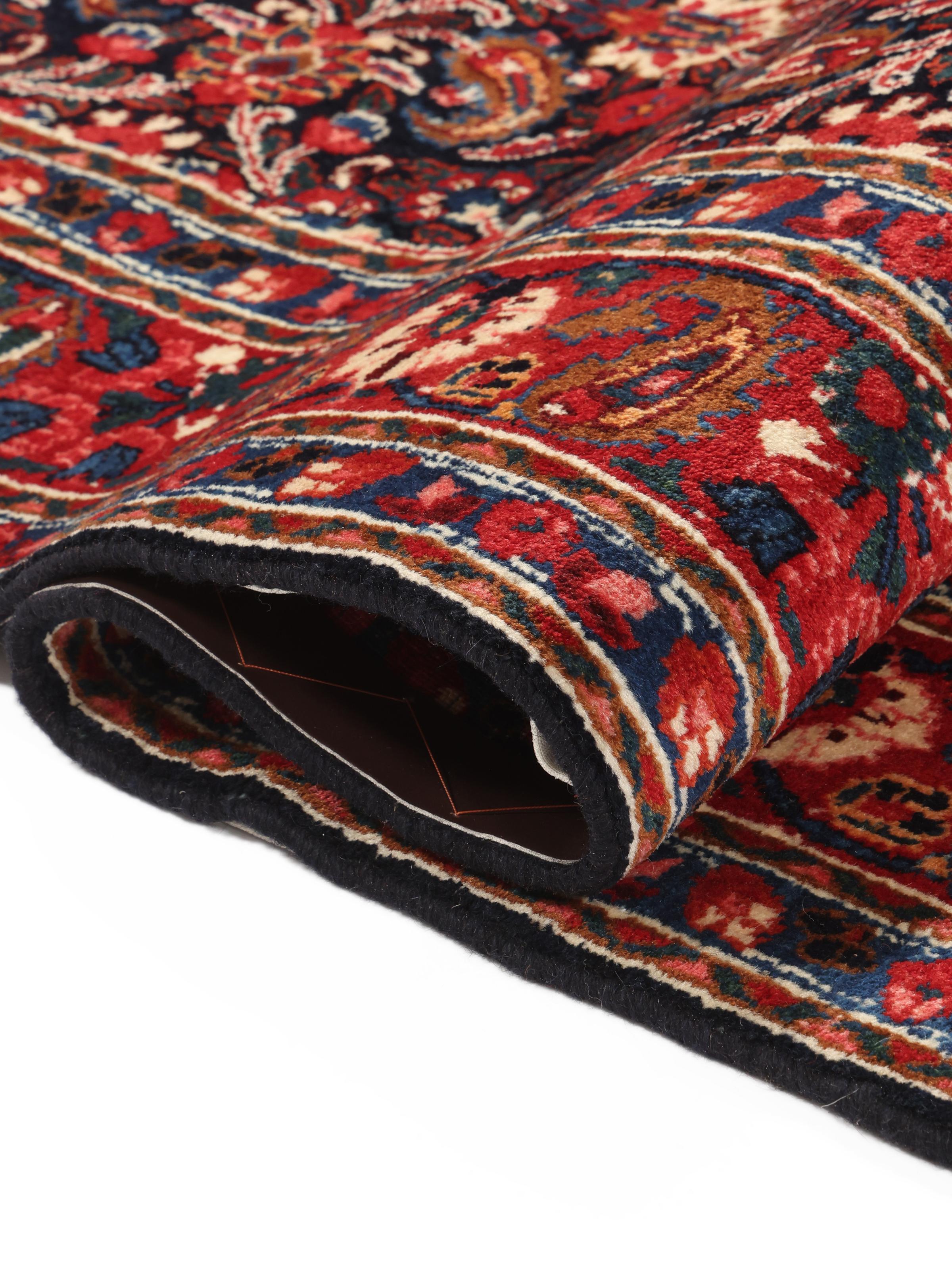
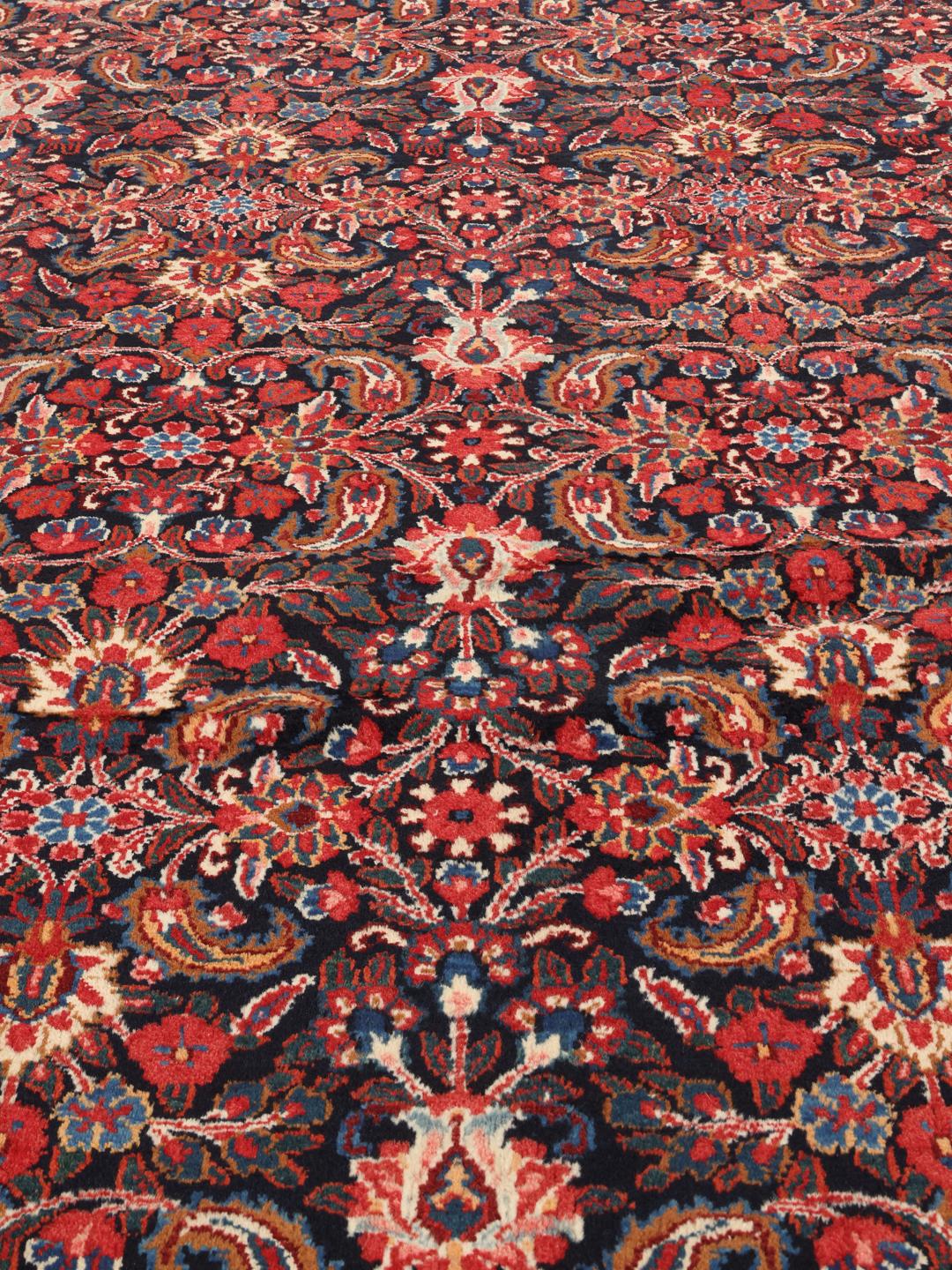
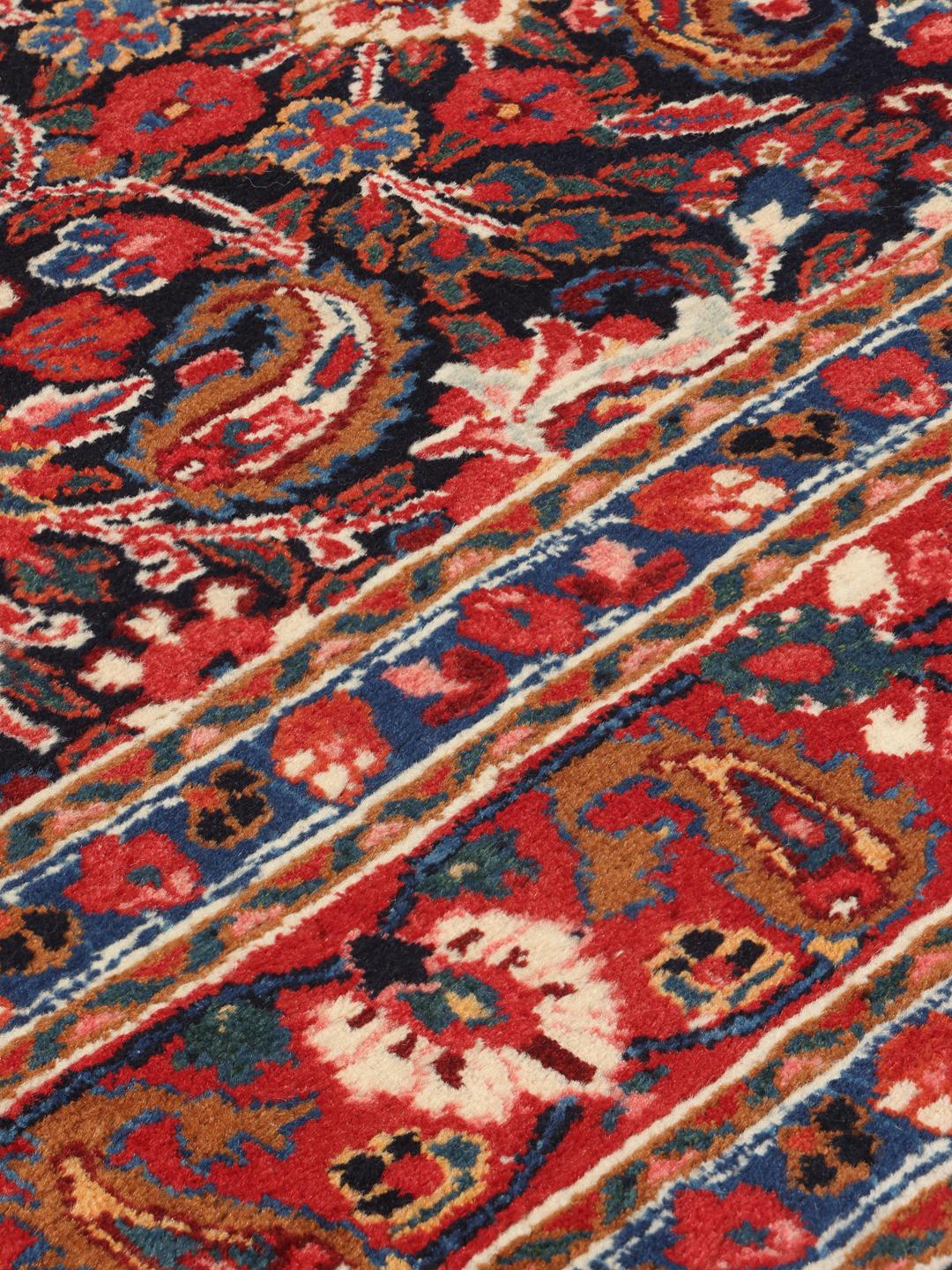
Technical excellence defines these rugs, with artisans utilising refined techniques that have been passed down through generations. The high knot density characteristic of Moud rugs is not merely for show; it allows for the creation of very fine, curvilinear patterns that would be impossible to render in coarser, simpler weaving styles.
Signature design elements often include the 'Herati' pattern, also known as the fish pattern, which covers the field in a rhythmic, repeating floral lattice. Many Moud rugs also feature a prominent central medallion or are filled with all-over garden motifs, framed by elegant, multi-layered borders that demonstrate a mastery of symmetry and colour balance.
These rugs are highly valued by collectors and enthusiasts for their enduring quality and cultural weight. Owning a Moud rug is an investment in a living tradition, offering a sense of heritage and meticulous skill that transforms a simple floor covering into a permanent fixture of beauty in the home.