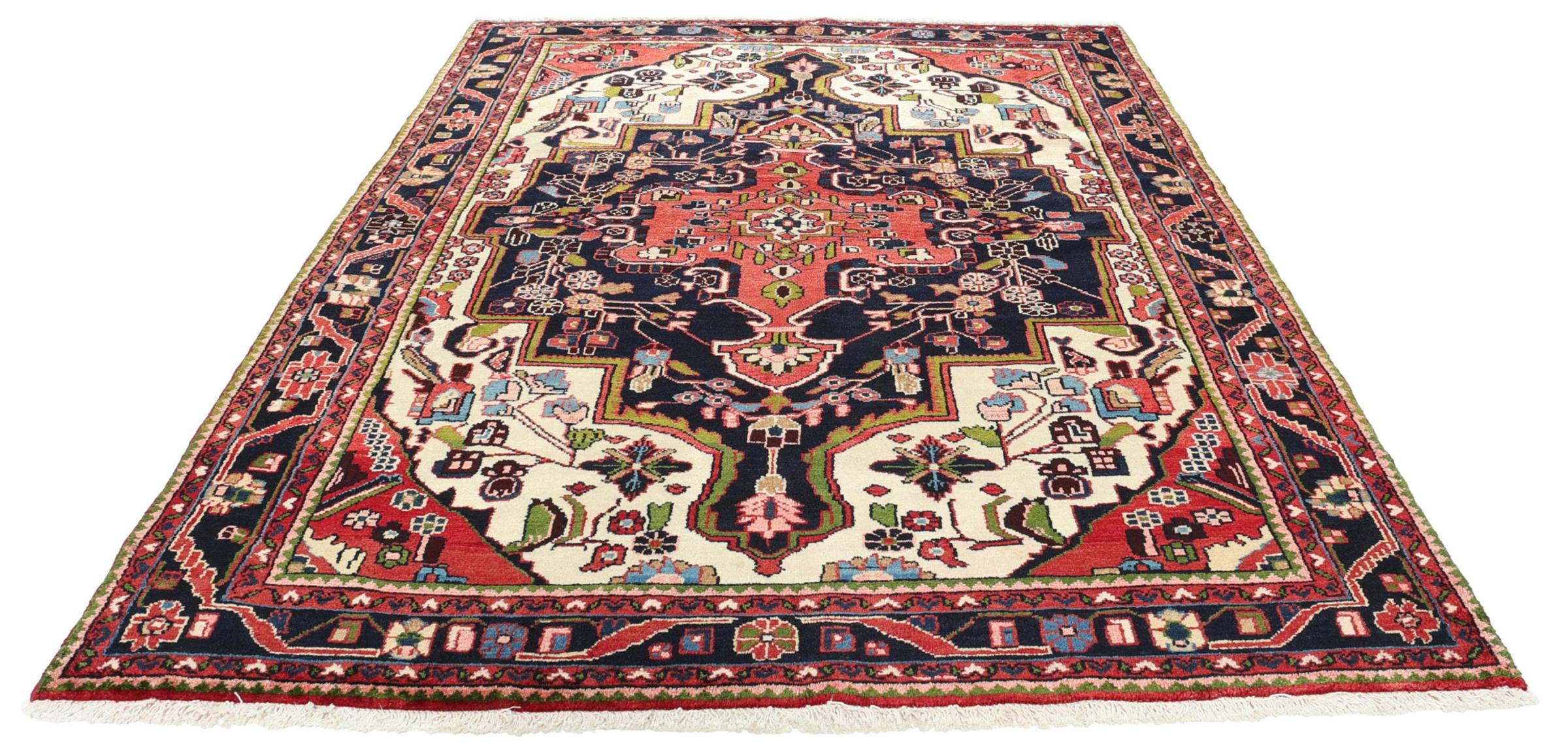
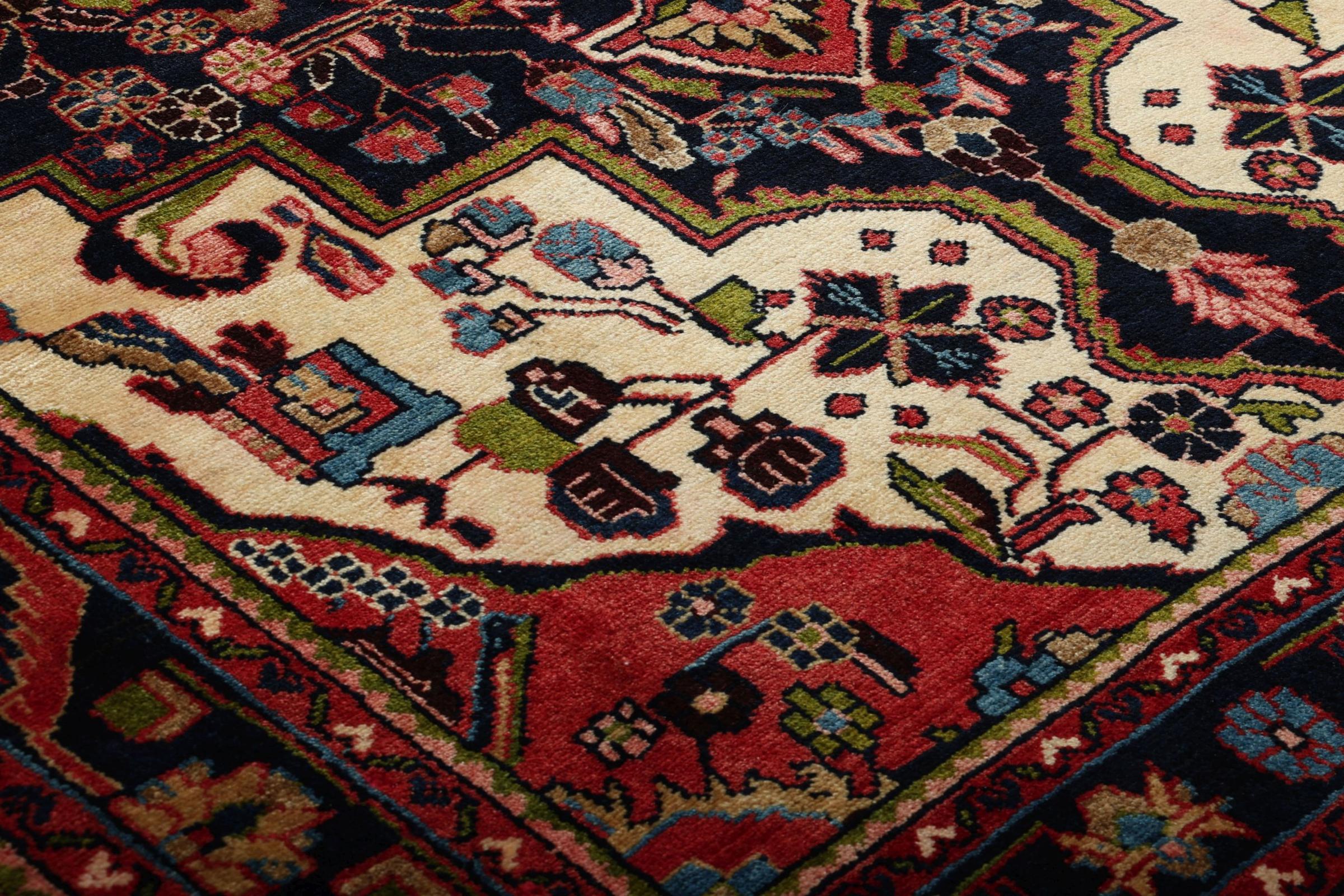
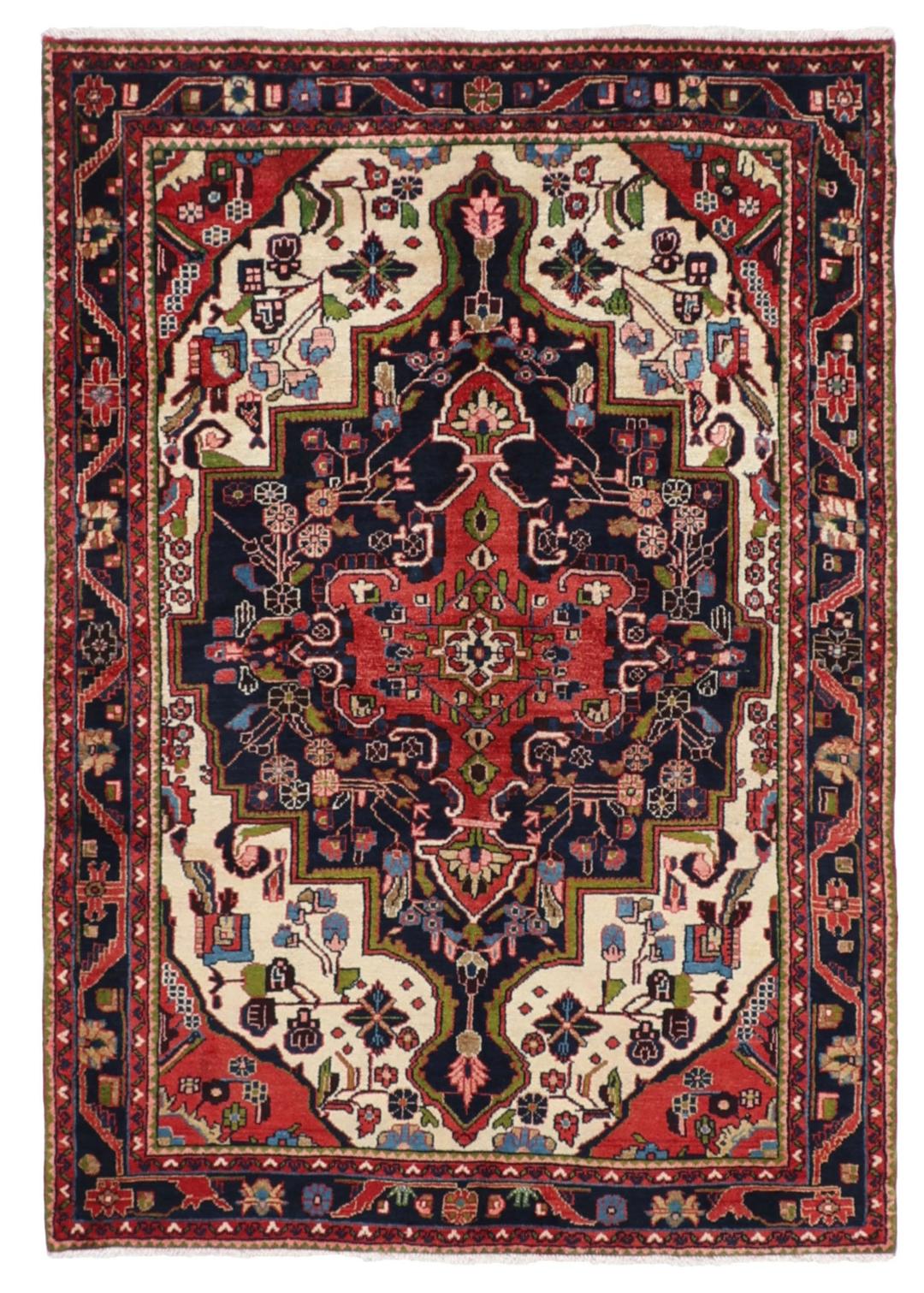
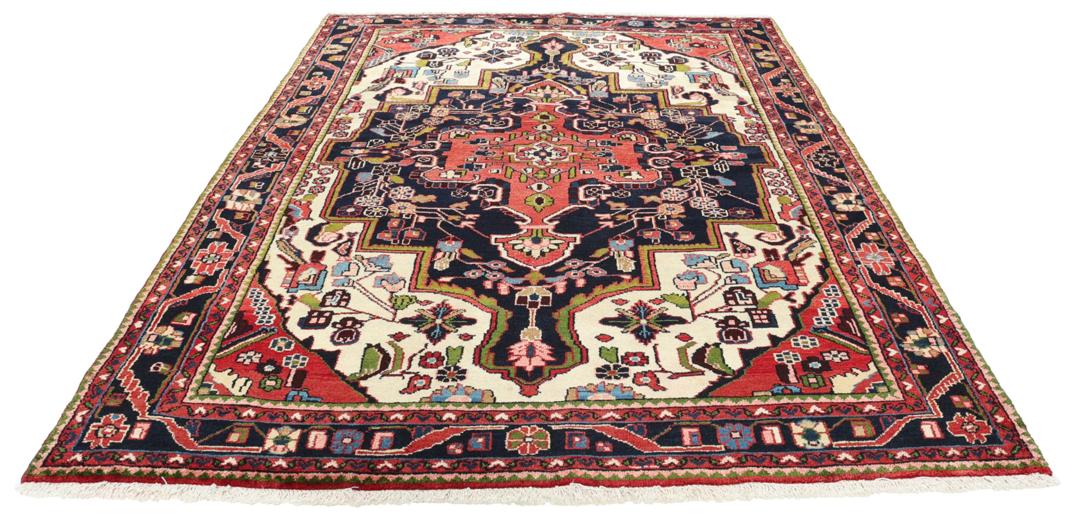
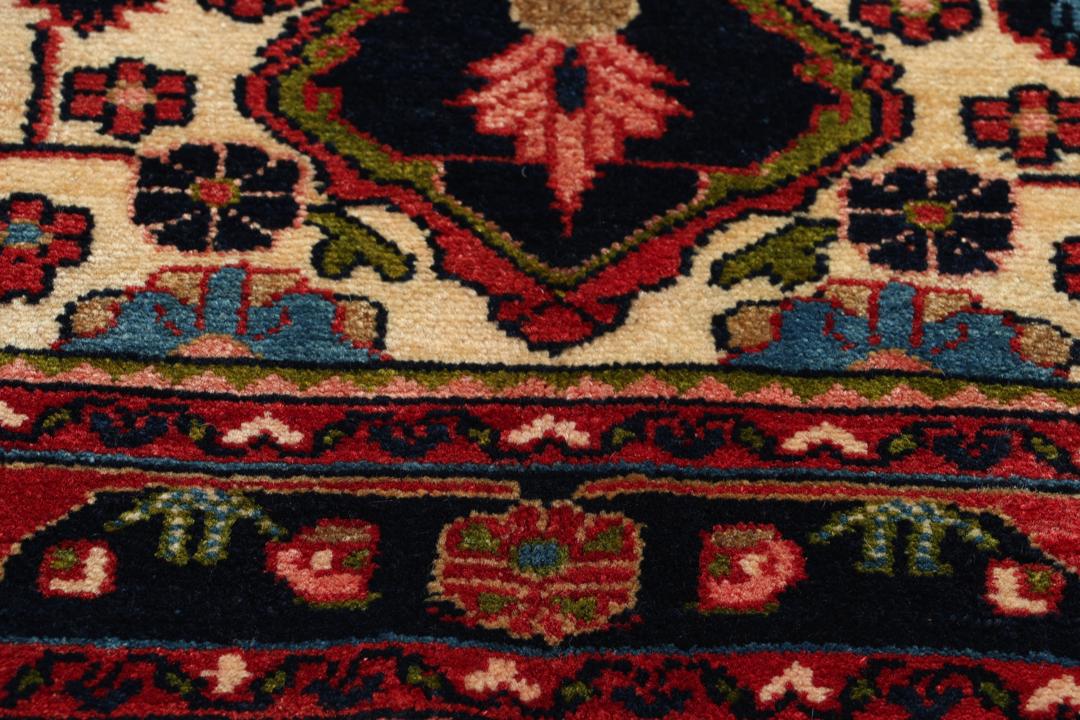
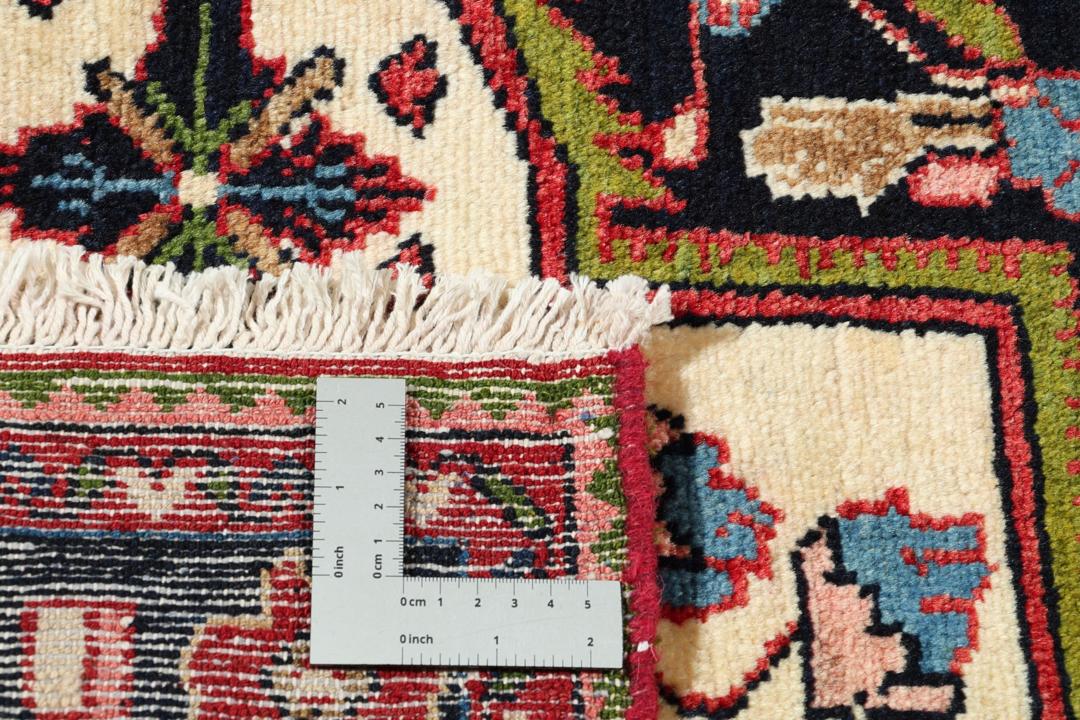
The Nahavand rug takes its name from the ancient city of Nahavand, located in the Hamadan province of the Middle East. This region has a long and storied tradition of rug making, often characterised by the use of local, high-quality wool and a distinctive approach to pattern and colour. These rugs are deeply rooted in the cultural life of the area, reflecting the aesthetic values and daily traditions of the local weaving communities.
Nahavand rugs are celebrated for their bold, often geometric, and floral interpretations. While they share some design lineage with other rugs from the Hamadan region, they are typically more fluid and artistic in their execution. The weavers often draw inspiration from the surrounding landscape, translating nature into the stylised motifs that populate the field, creating a visual language that is both recognisable and deeply personal to each artisan.
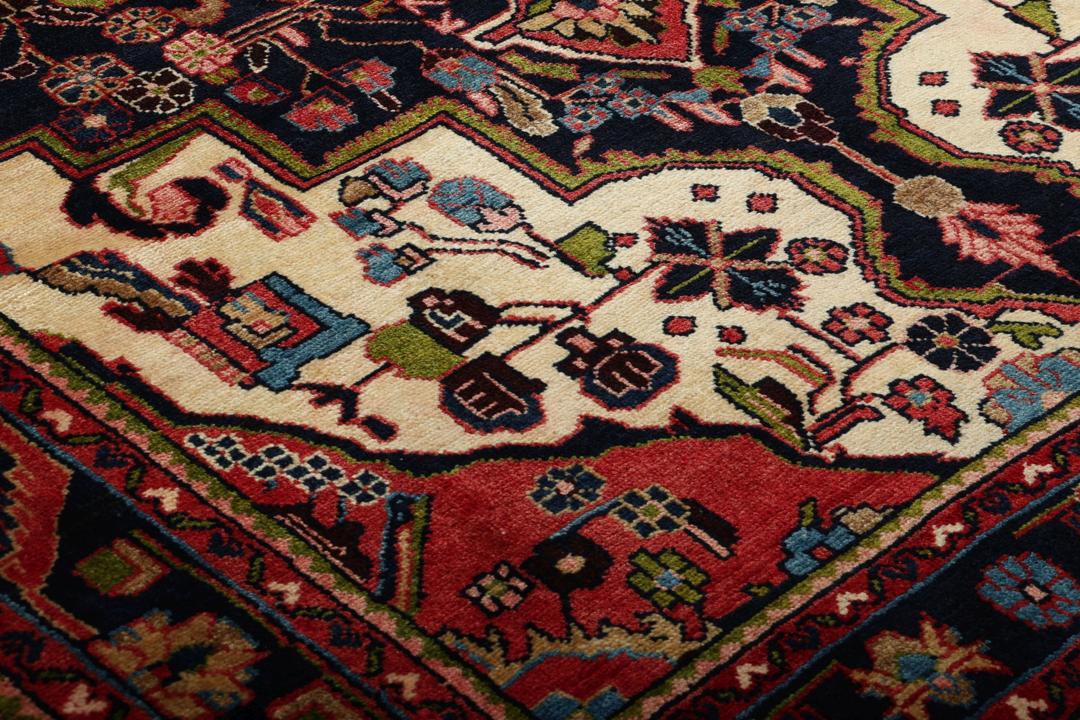
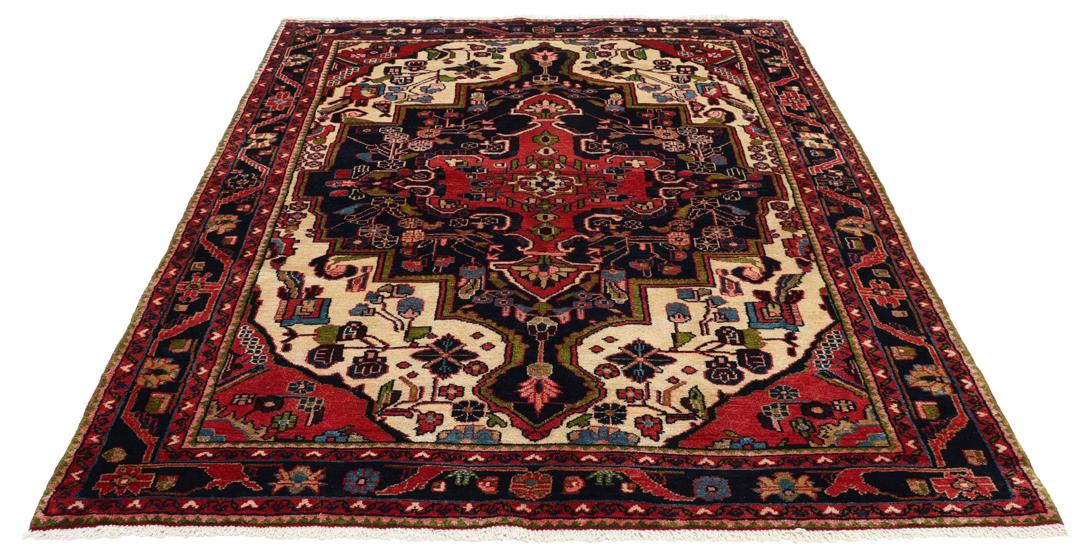
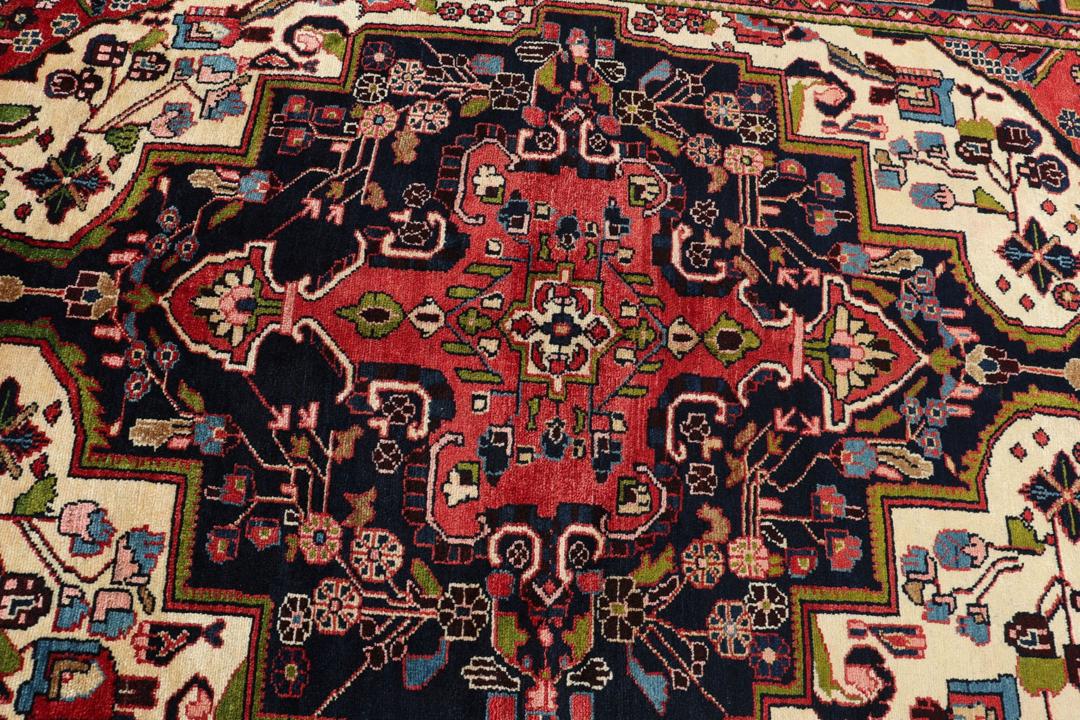
The signature design elements of a Nahavand rug often include a central medallion surrounded by a field of stylised flowers, vines, and tribal symbols. The borders are usually well-proportioned, framing the central activity with formal, repeating patterns that guide the eye around the piece. The use of rich, natural-looking colours—often deep reds, blues, and creams—is a hallmark of the style, lending the rugs a sense of warmth and sophisticated maturity.
For collectors and enthusiasts, a Nahavand rug represents the intersection of rural craft and refined composition. They are valued not just for their aesthetic appeal but for their ability to carry the history of a region into a contemporary home. By owning a piece from this tradition, you are preserving a legacy of skill and cultural storytelling, ensuring that these timeless design traditions continue to thrive in modern spaces.