The Nain rug tradition originated in the town of Nain, located in the heart of the Middle East. Originally known for producing fine wool cloaks, the region transitioned into rug weaving in the early 20th century, quickly gaining a reputation for creating some of the most sophisticated and elegant floor coverings in the world.
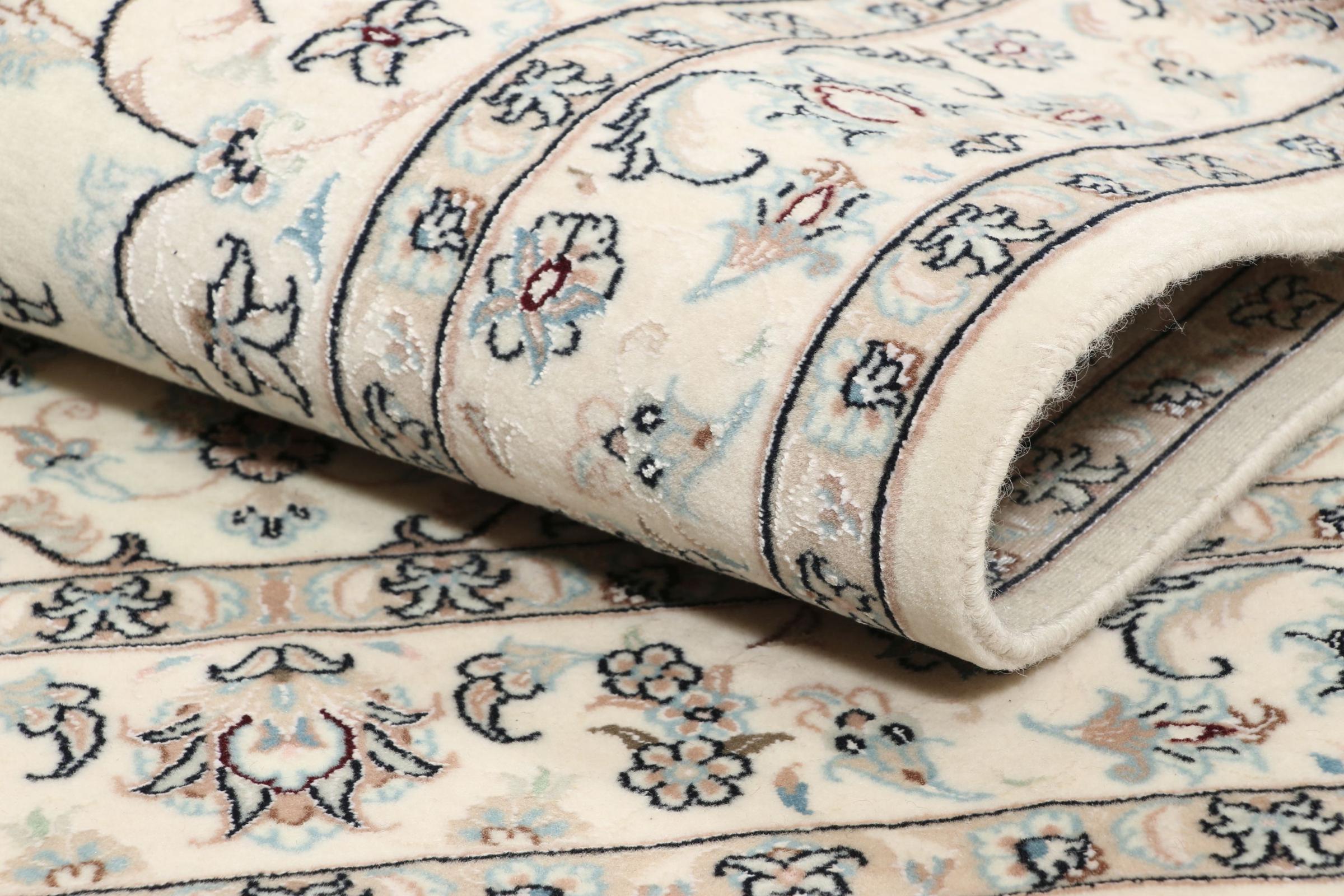
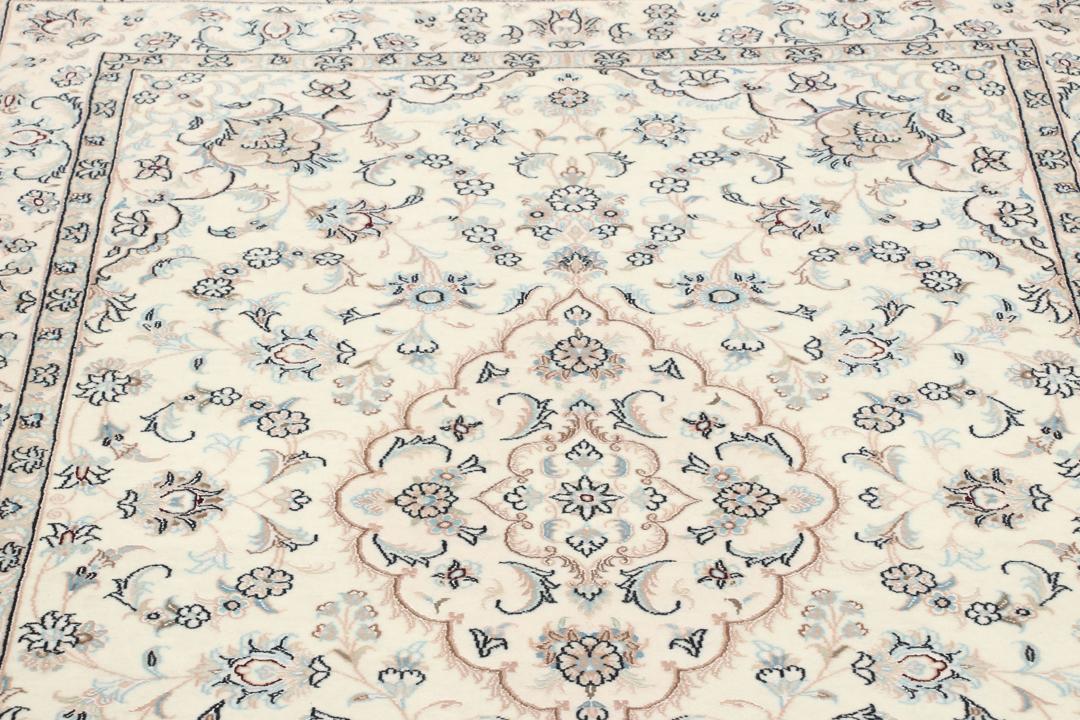
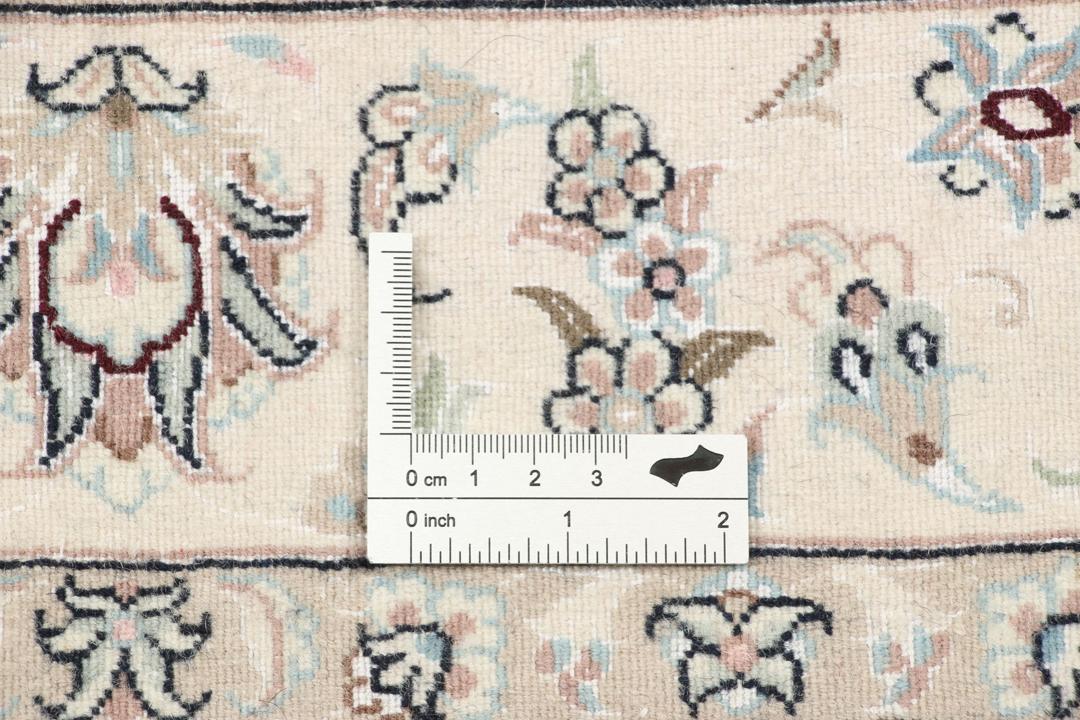
The term 'La' in the name refers to the number of plies in the cotton foundation threads, which serves as a key indicator of quality. A 6La rug is exceptionally fine, with a high number of threads in the foundation that allow for a much higher knot density. This technical specification is what enables weavers to create the incredibly detailed, curvilinear floral designs that define the Nain style.
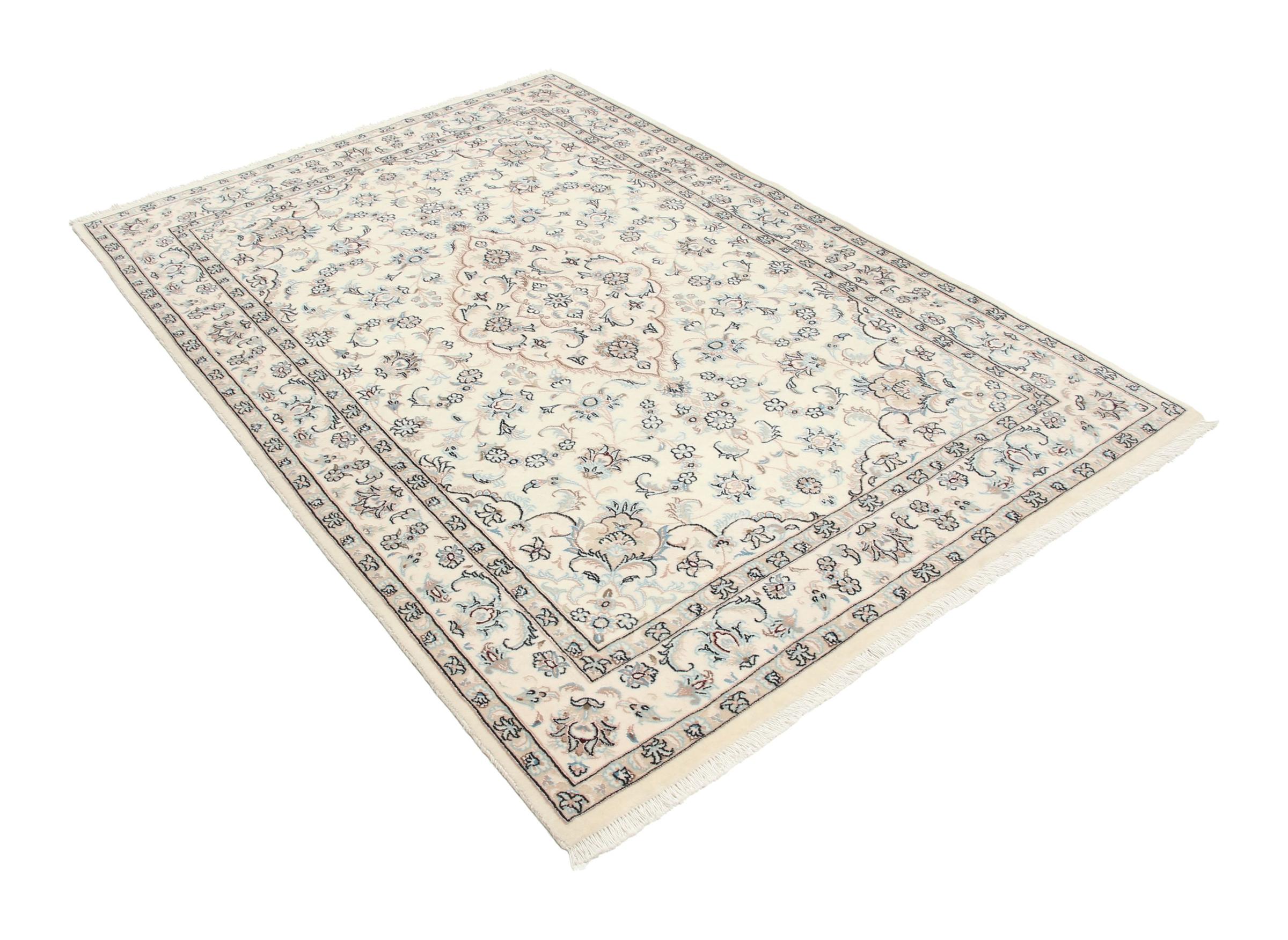
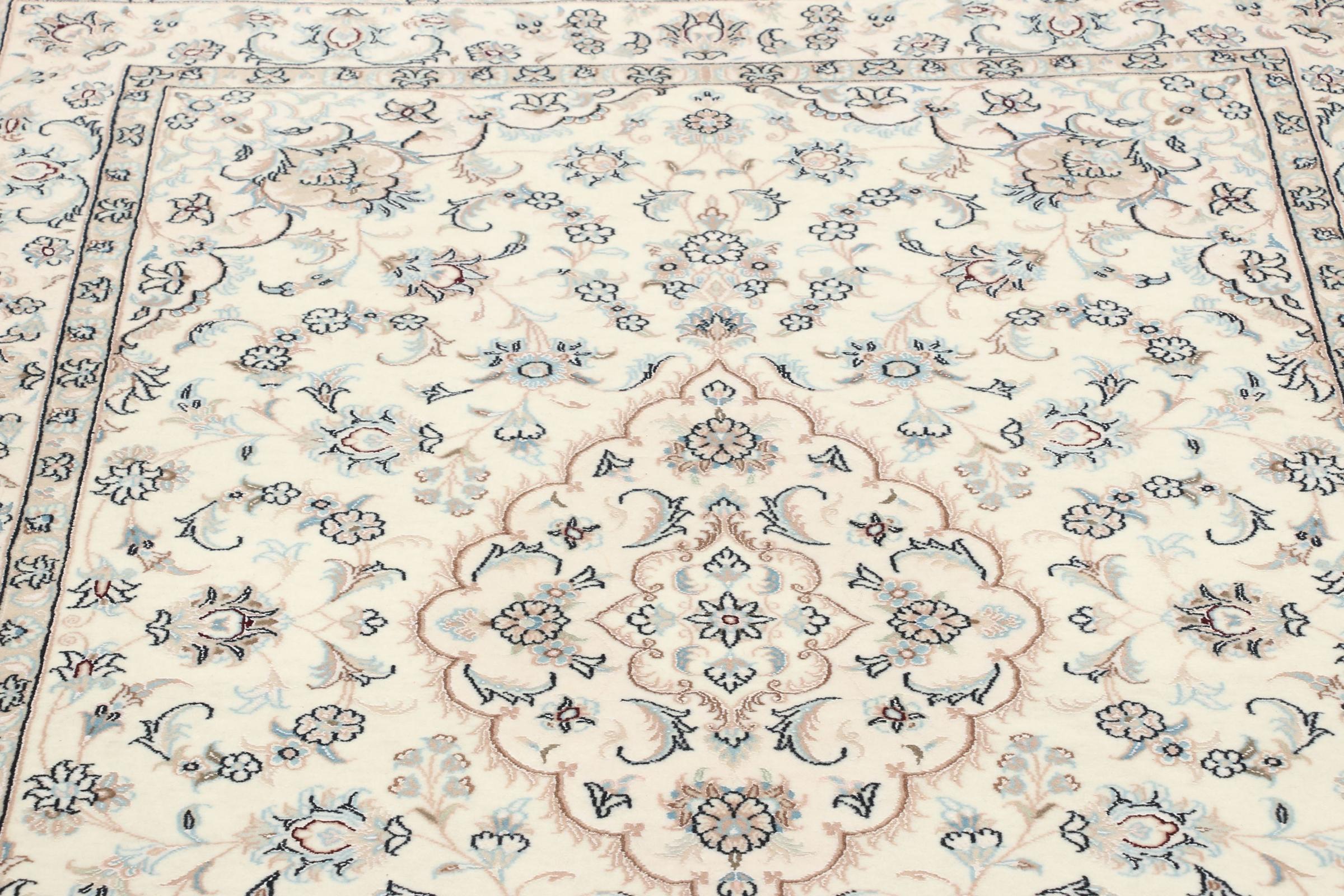
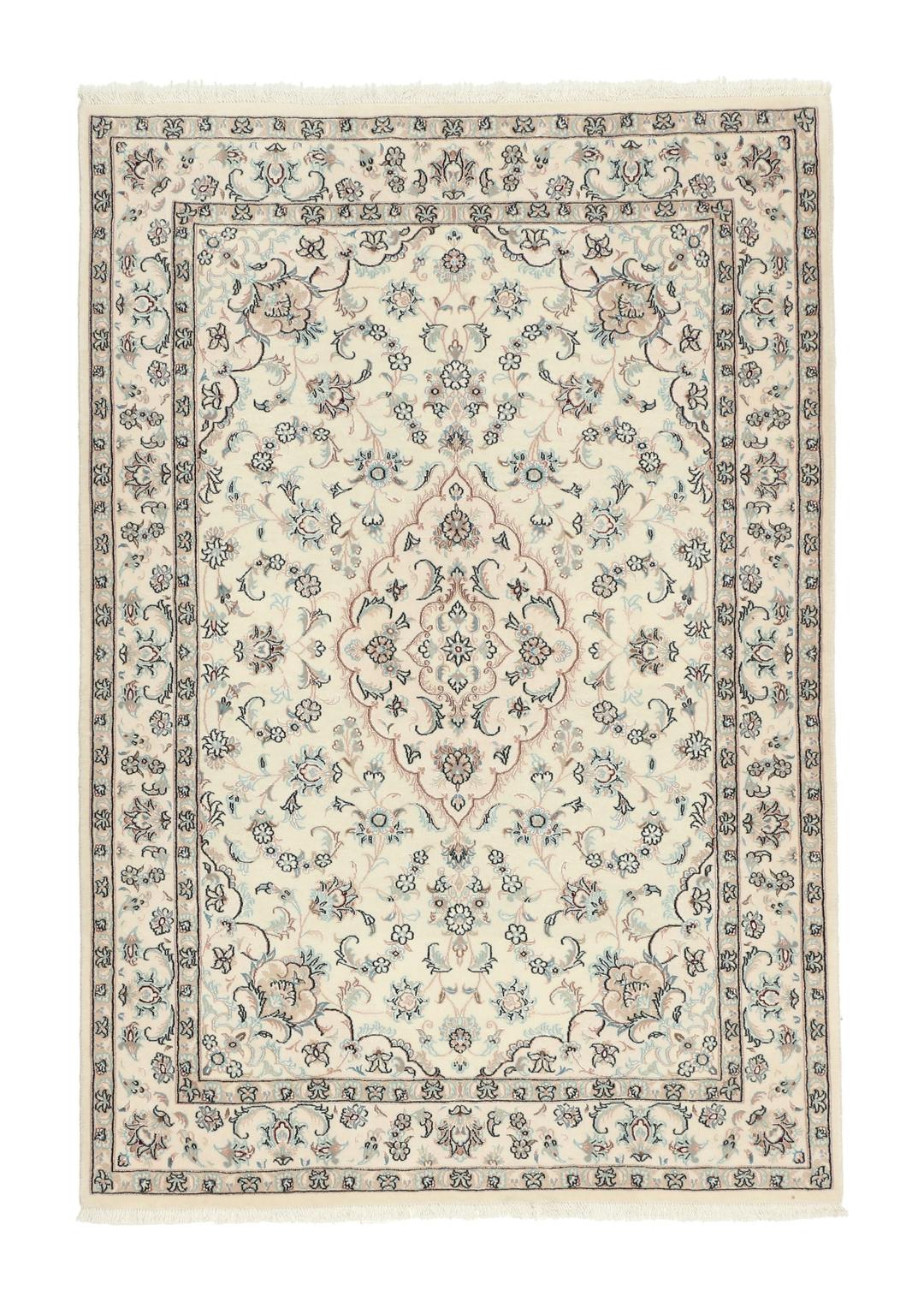
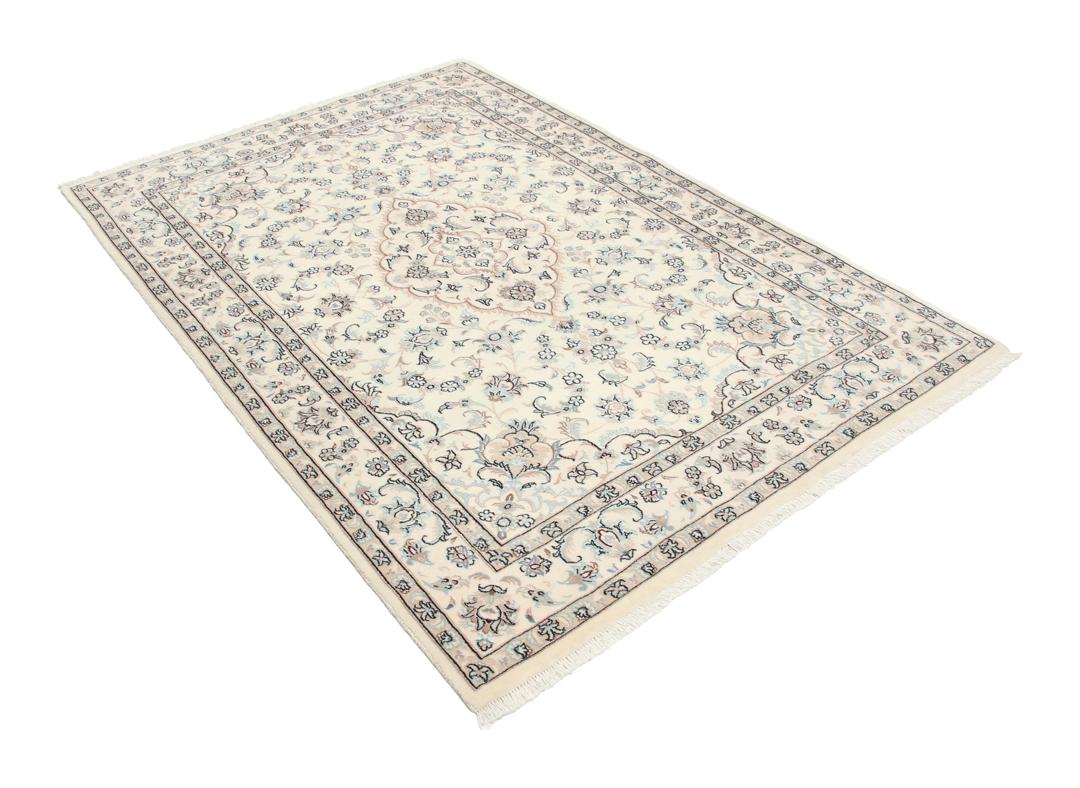
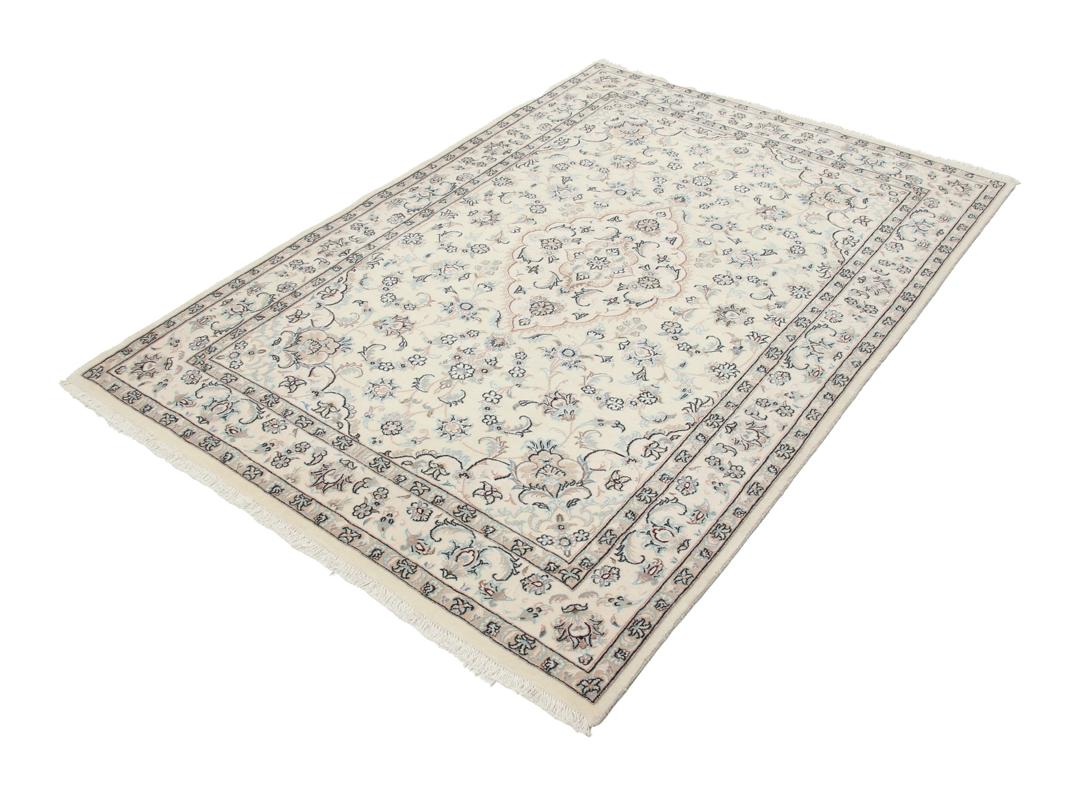
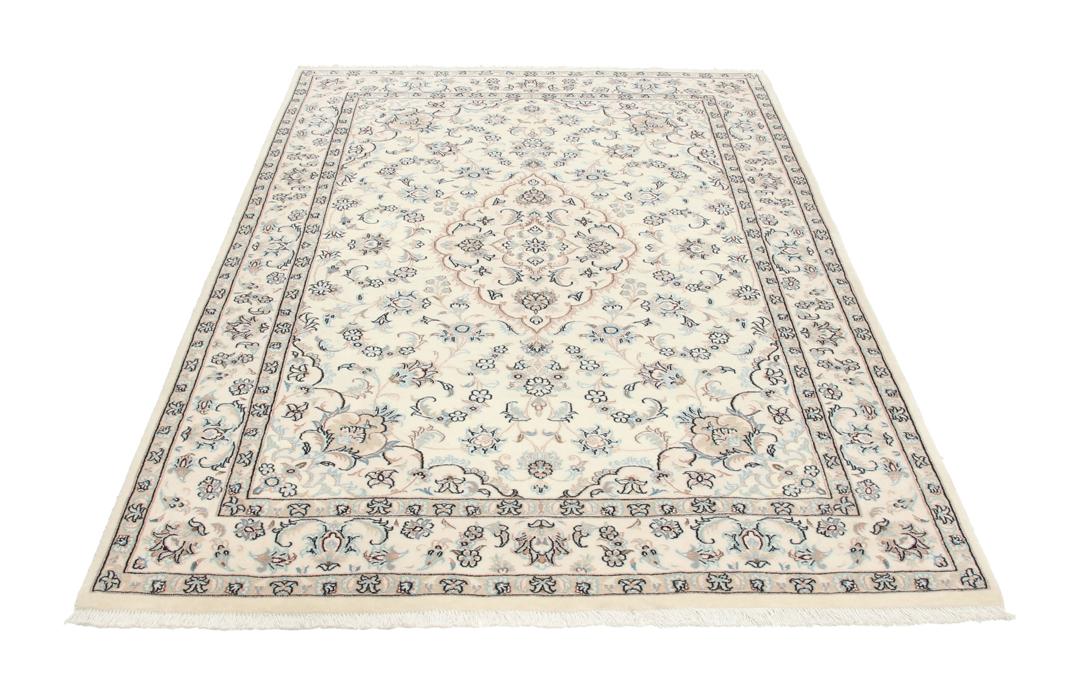
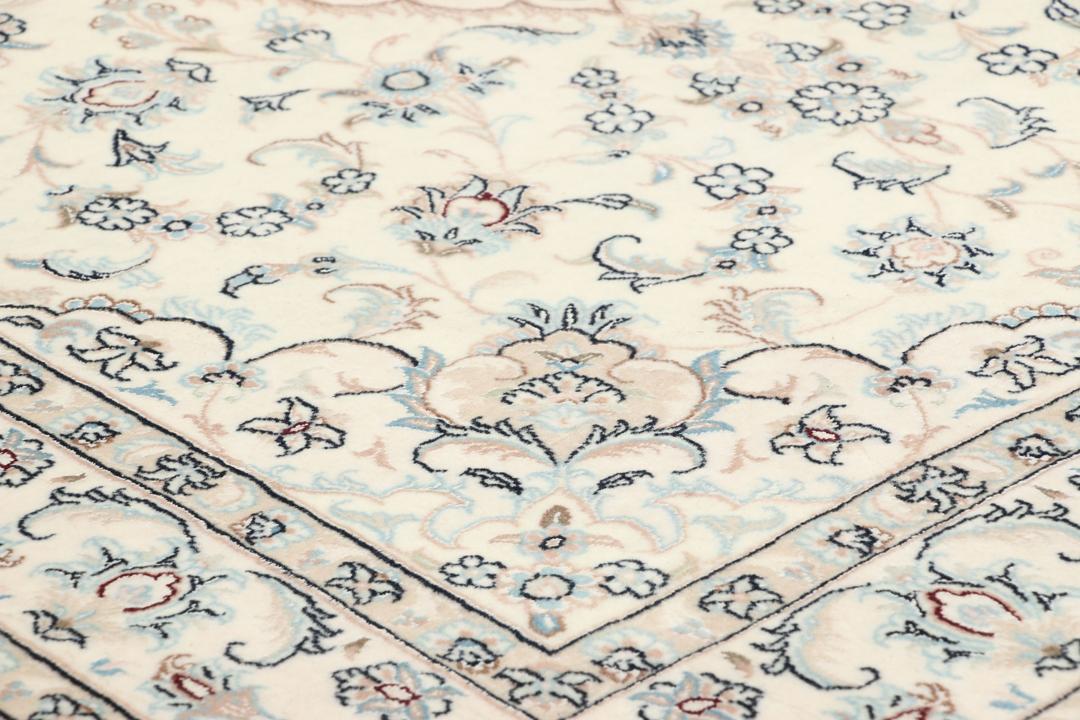
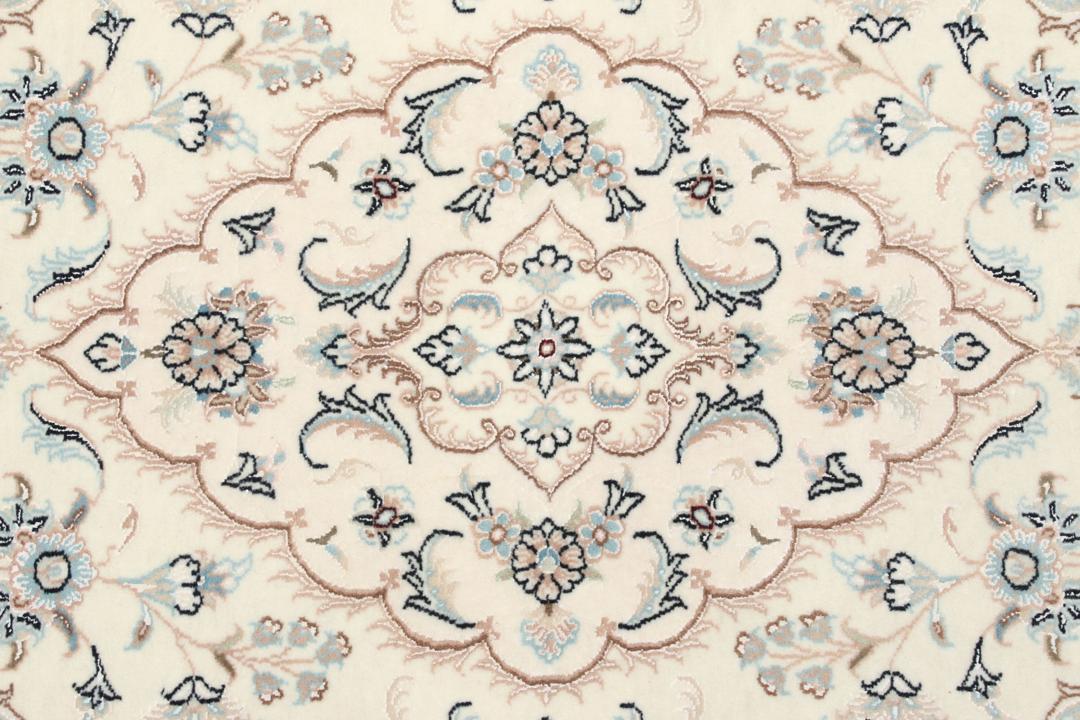
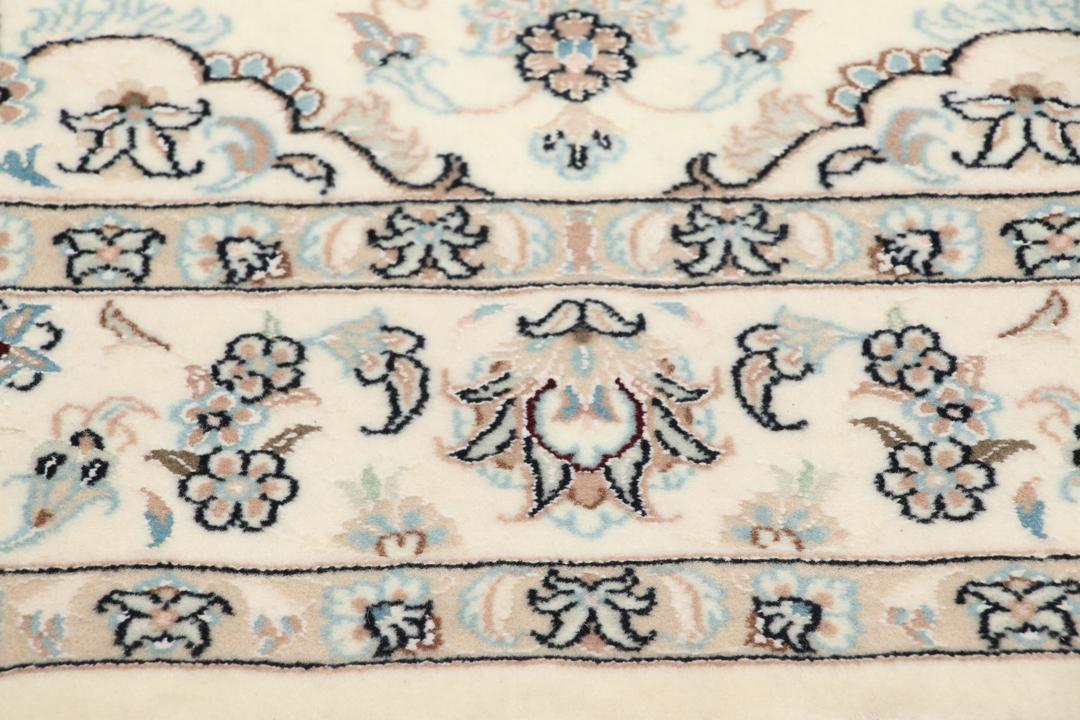
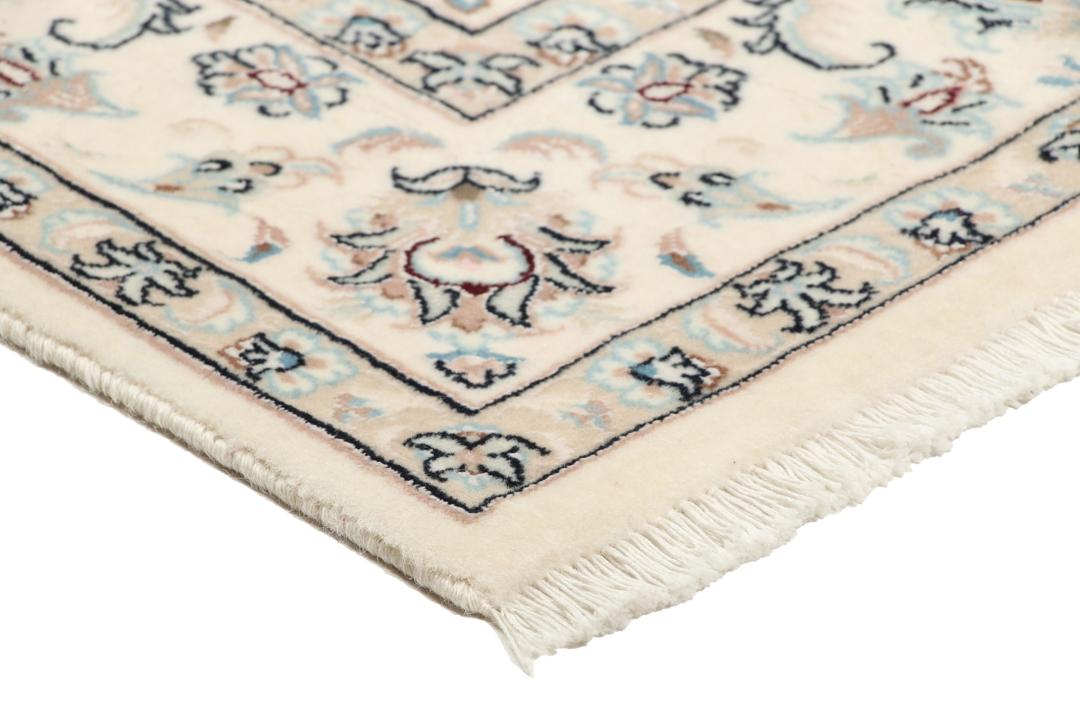
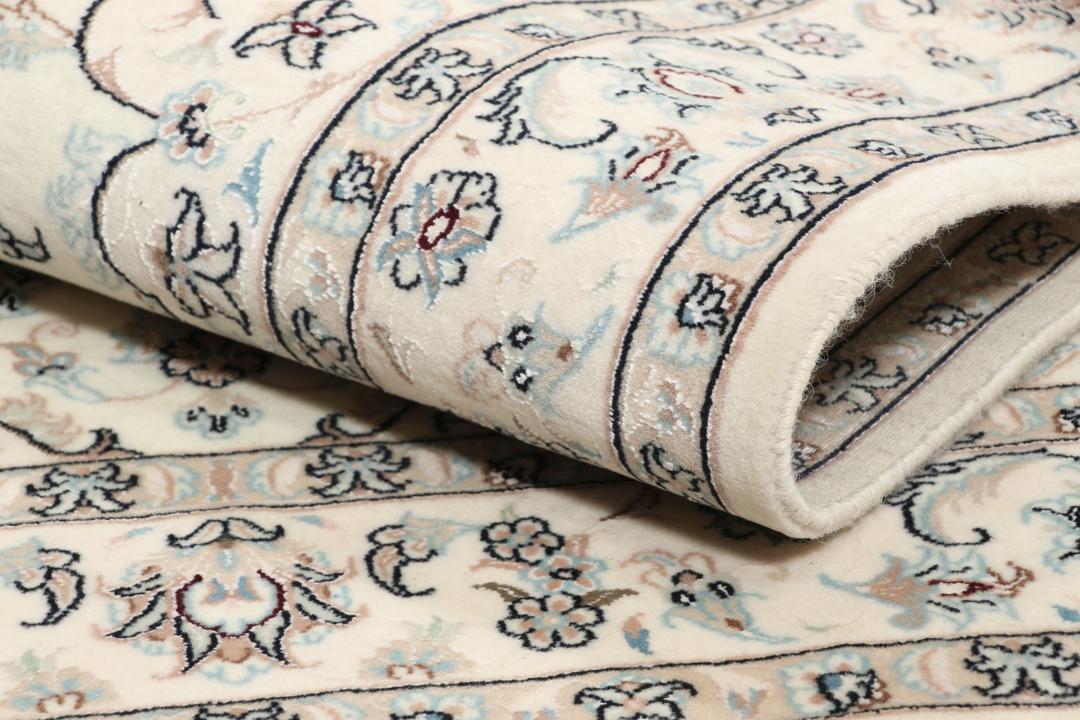
Visually, these rugs are celebrated for their classic colour palettes, which often favour soft creams, beiges, and blues. The field is typically dominated by a central medallion surrounded by elaborate arabesques, scrolling vines, and palmettes. This formal design language is deeply rooted in the artistic traditions of the region, emphasising balance, symmetry, and technical perfection.
Owning a Nain rug is considered an investment in cultural heritage and high-level craftsmanship. These pieces are highly sought after by collectors for their ability to blend seamlessly into refined interiors while serving as a focal point of artistic skill. To acquire a Nain is to possess a piece of a living tradition that continues to set the standard for quality and aesthetic grace.