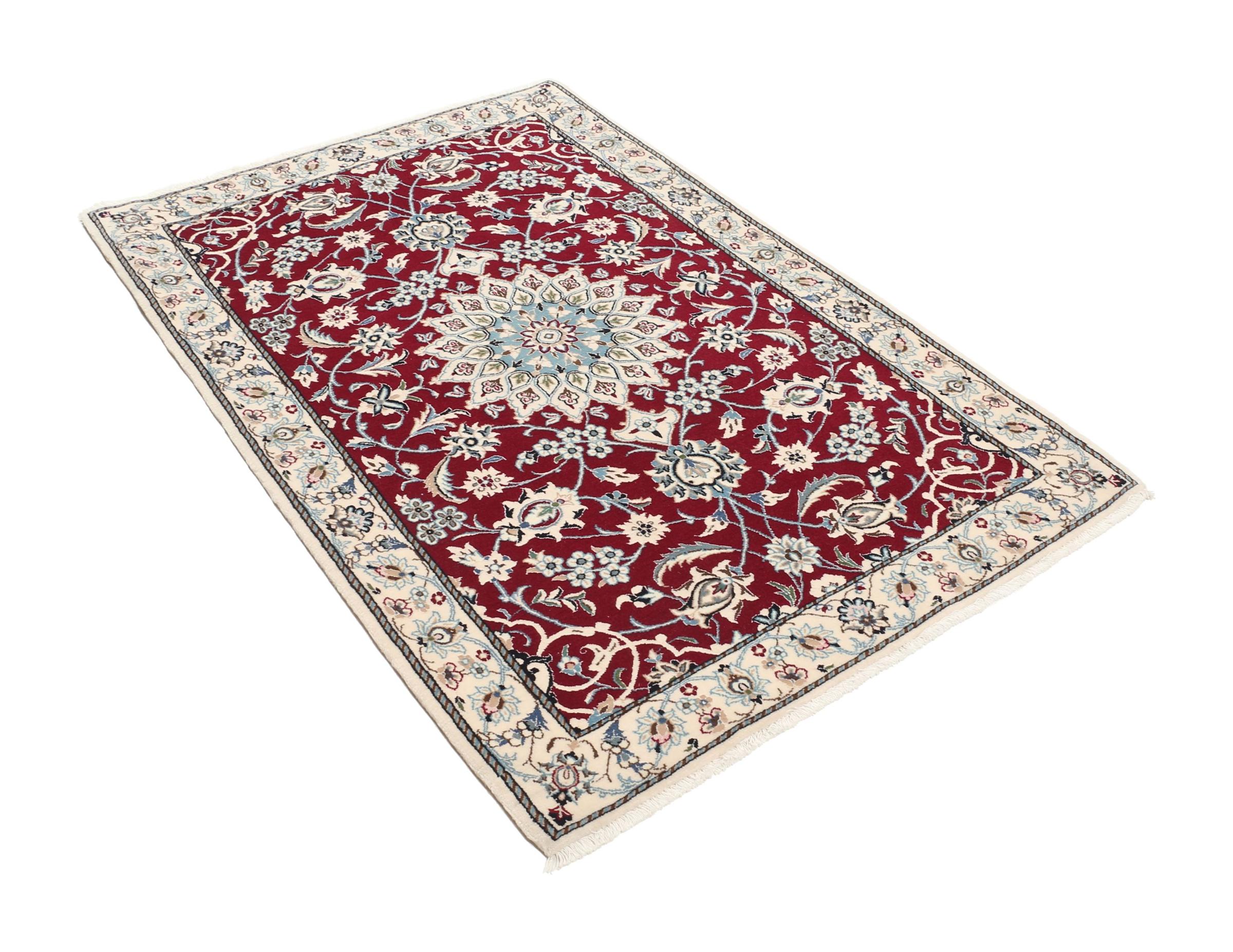
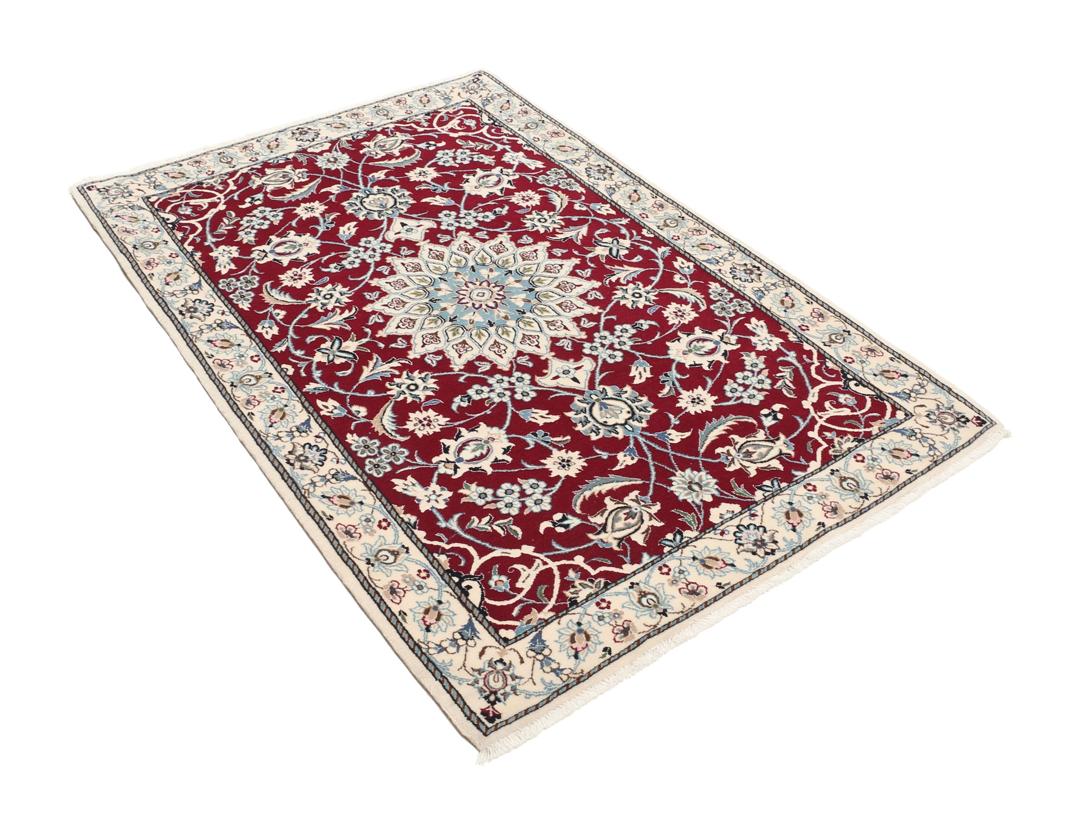
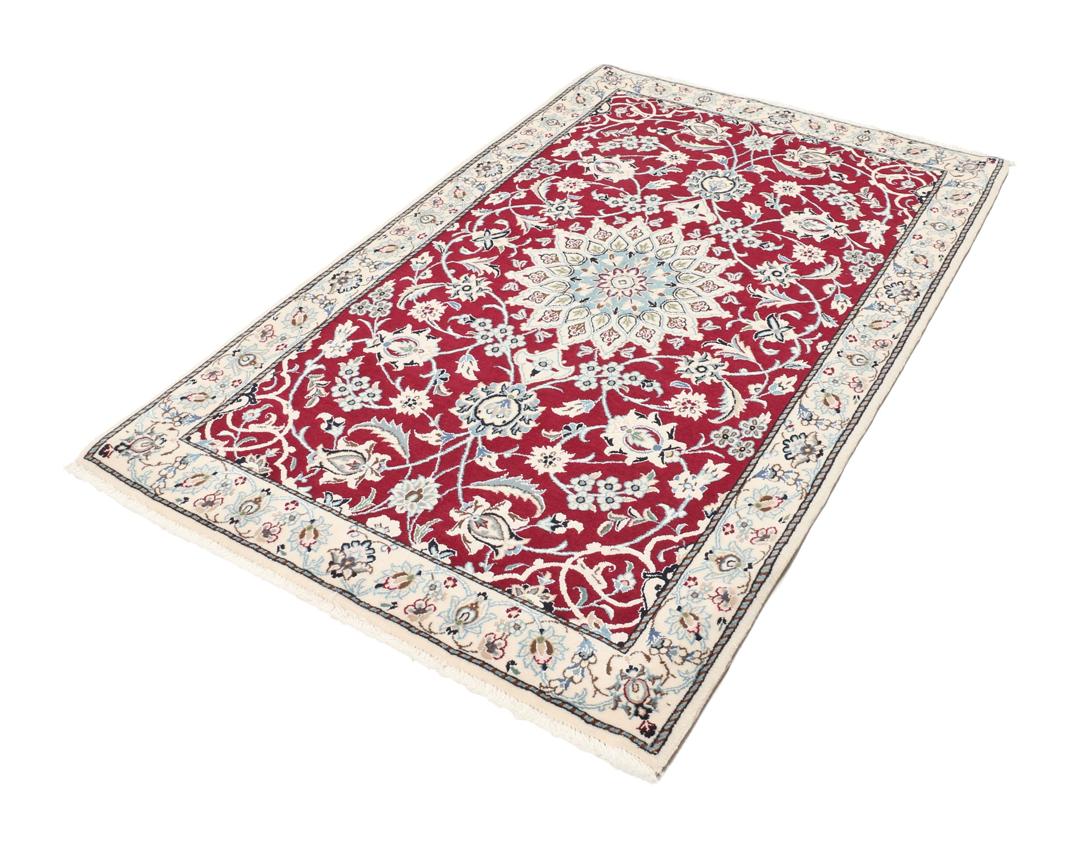
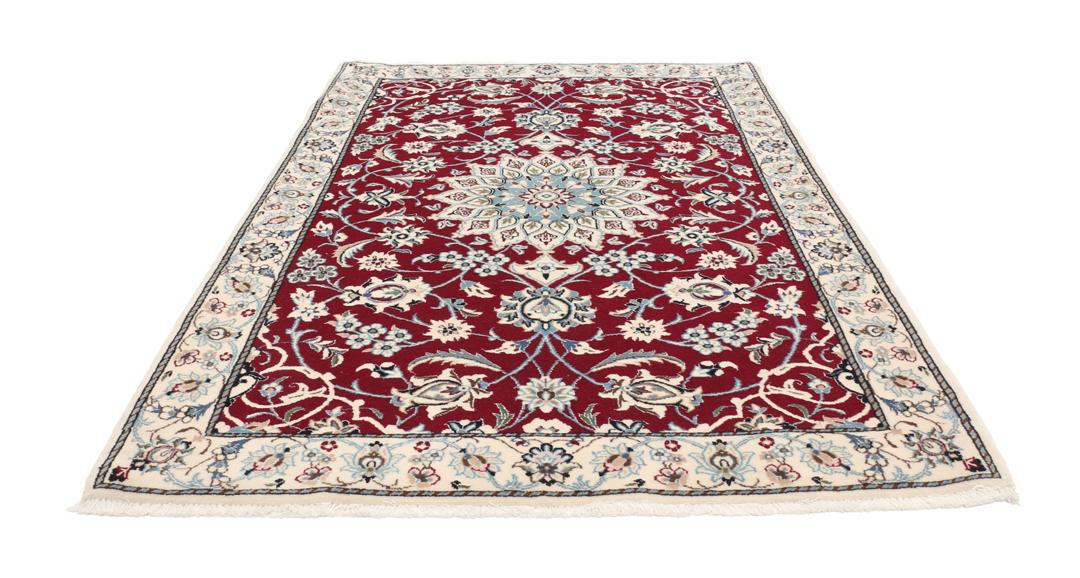
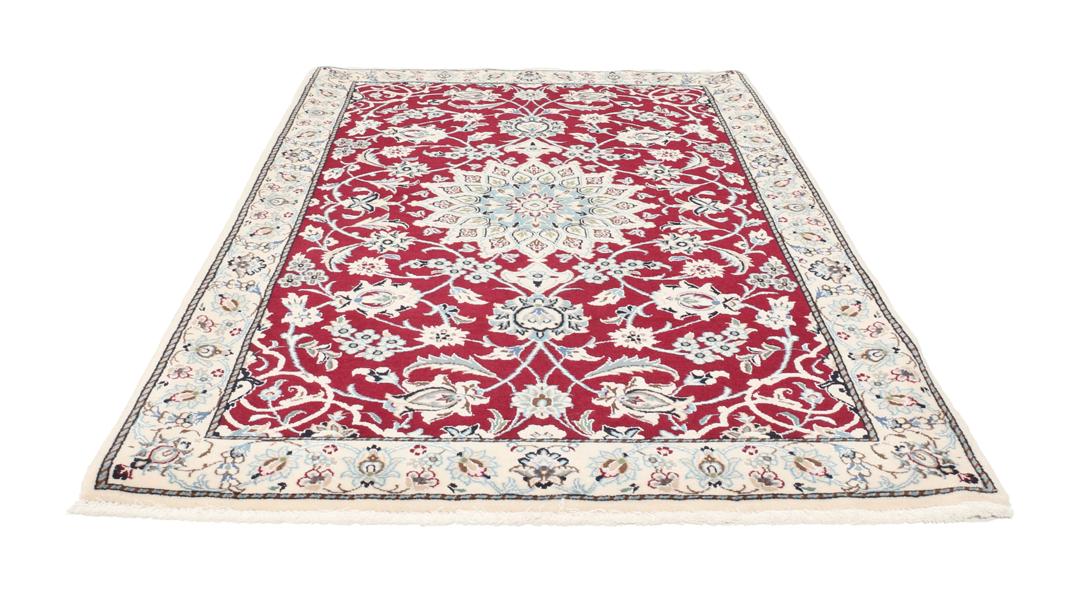
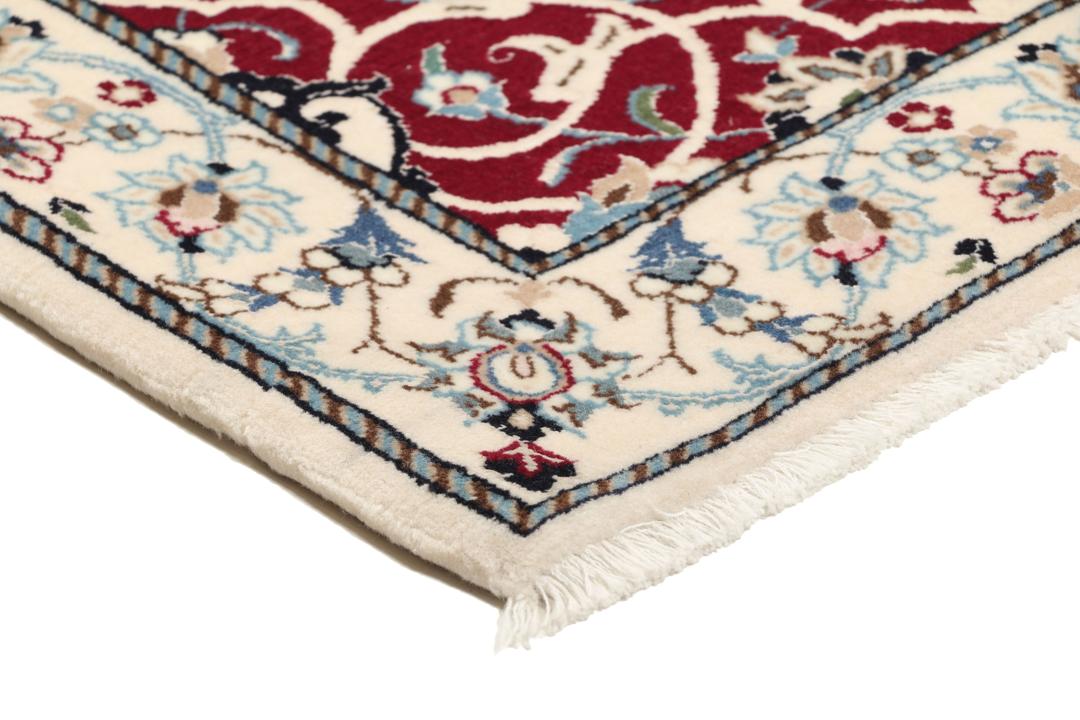
Nain rugs are celebrated worldwide as some of the most sophisticated examples of Middle Eastern weaving. Originating from the town of Nain, located near the historic city of Isfahan, these rugs gained prominence in the 20th century. Unlike older traditions that rely on bold, tribal aesthetics, Nain rugs are defined by their delicate, refined elegance and exceptional technical precision.
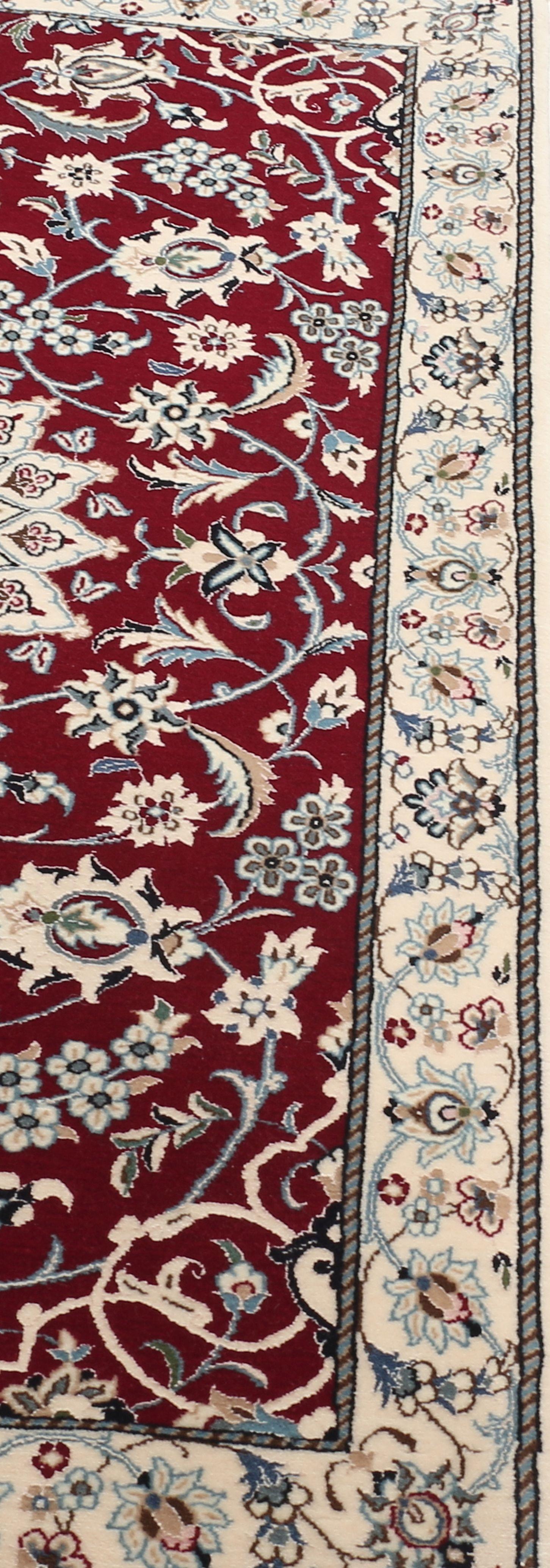
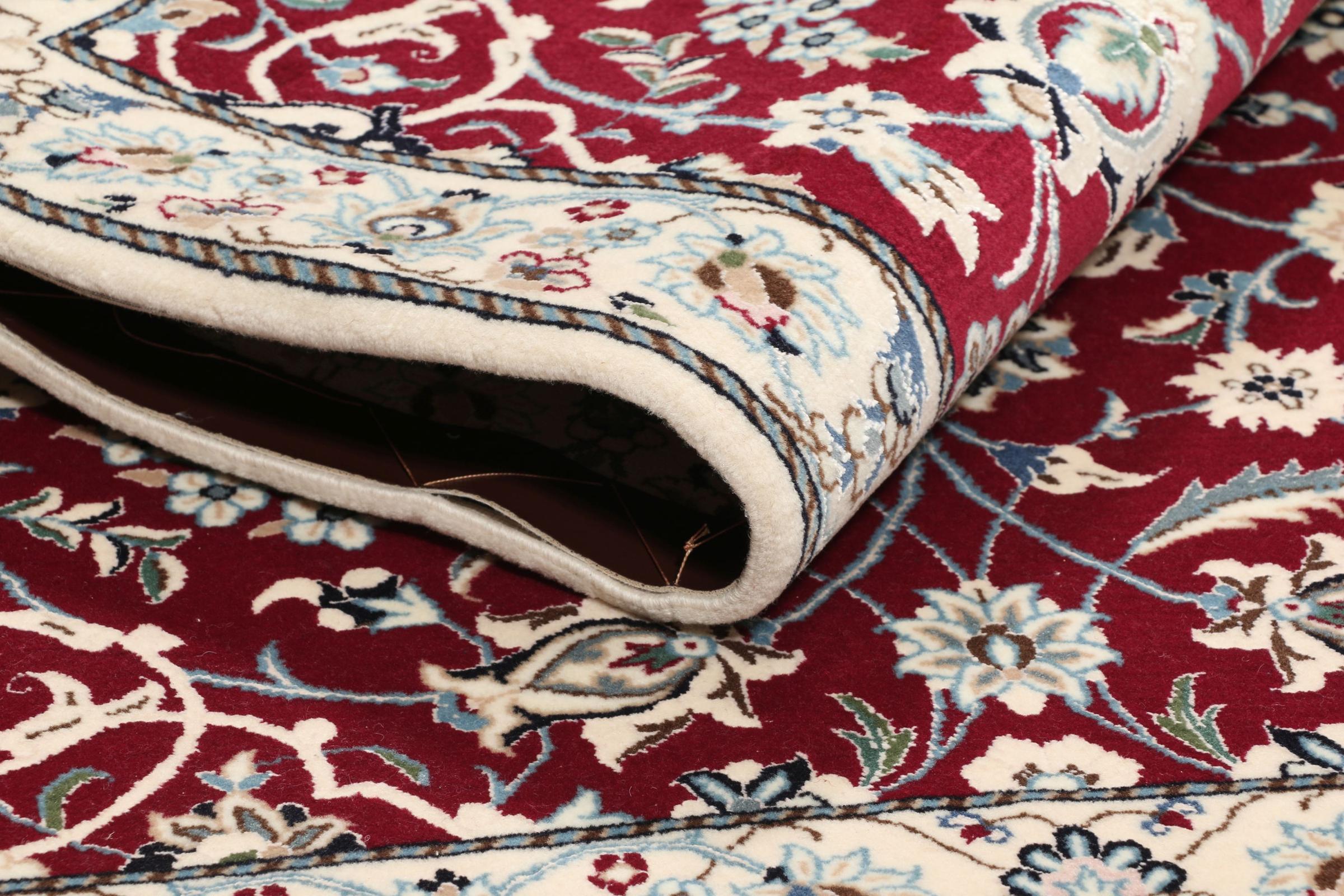
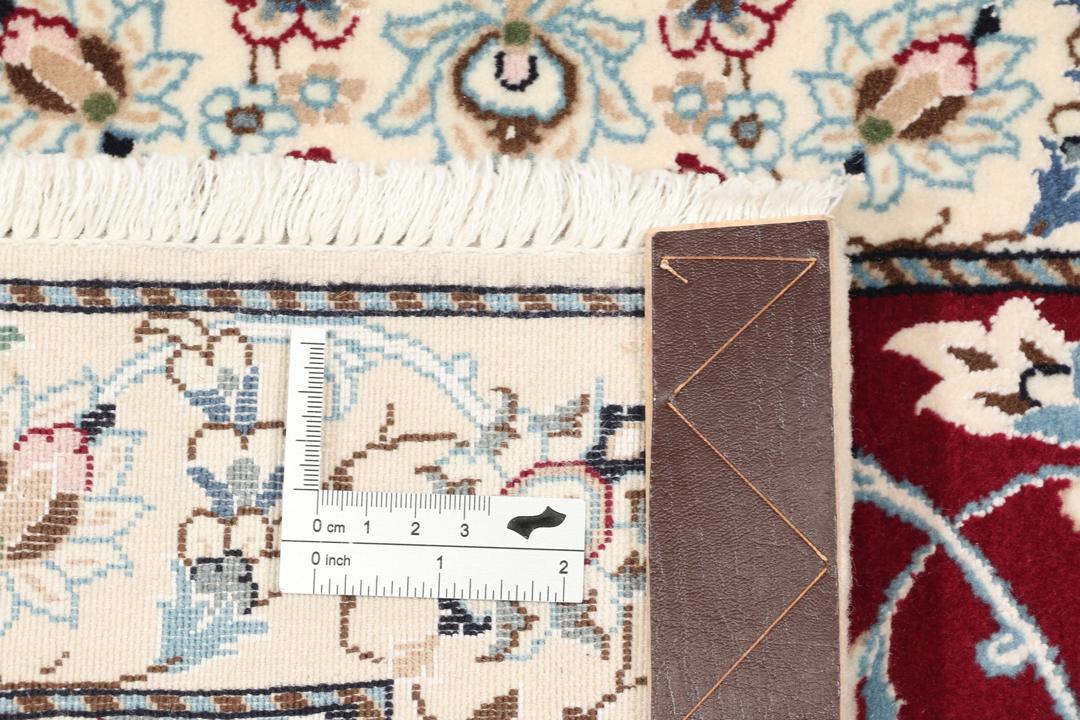
The 'La' designation is a unique classification system specific to Nain rugs, referring to the number of threads used in the warp. A 6La rug is among the finest grades available, indicating an extremely thin, high-count foundation. This complexity in the warp allows for a higher knot density, which directly translates to the intricate, painterly quality of the floral designs and the superior durability of the finished piece.
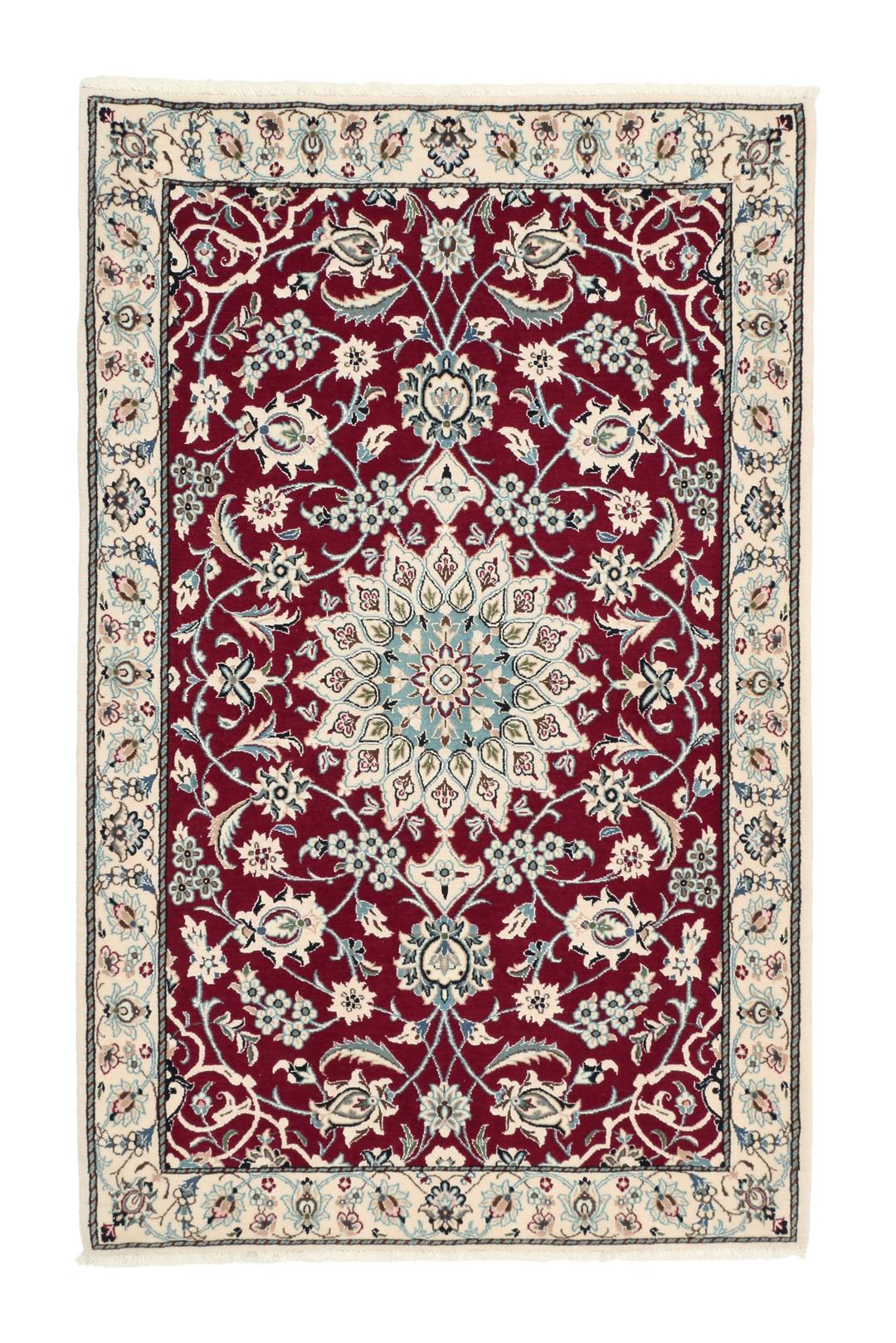
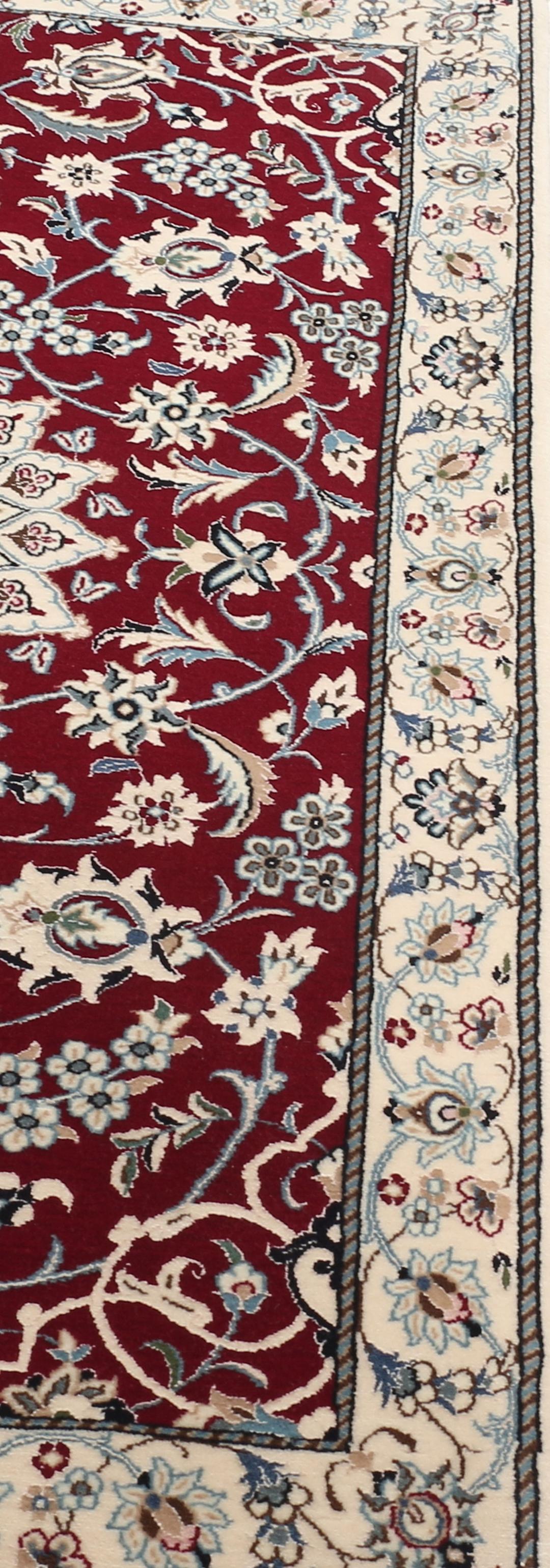
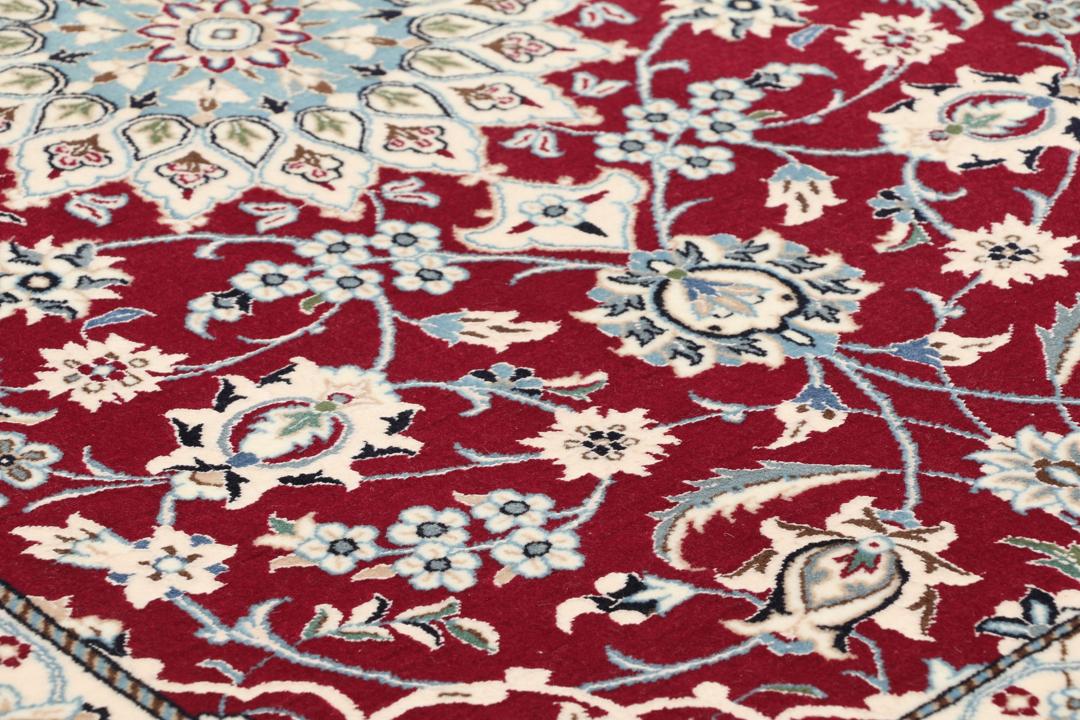
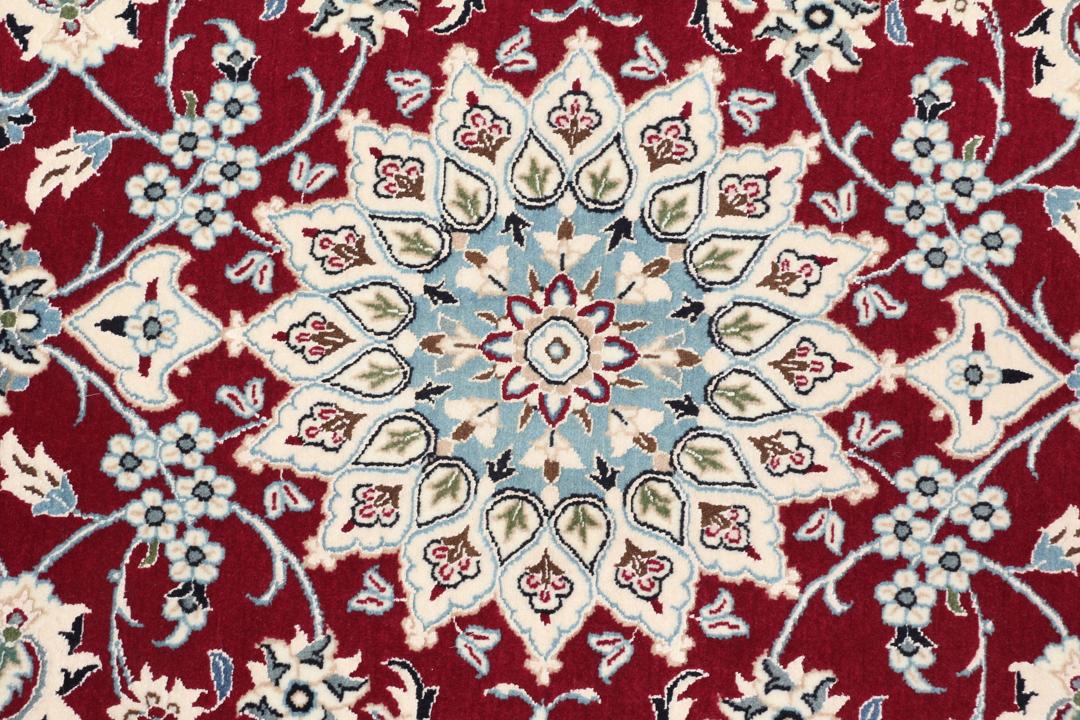
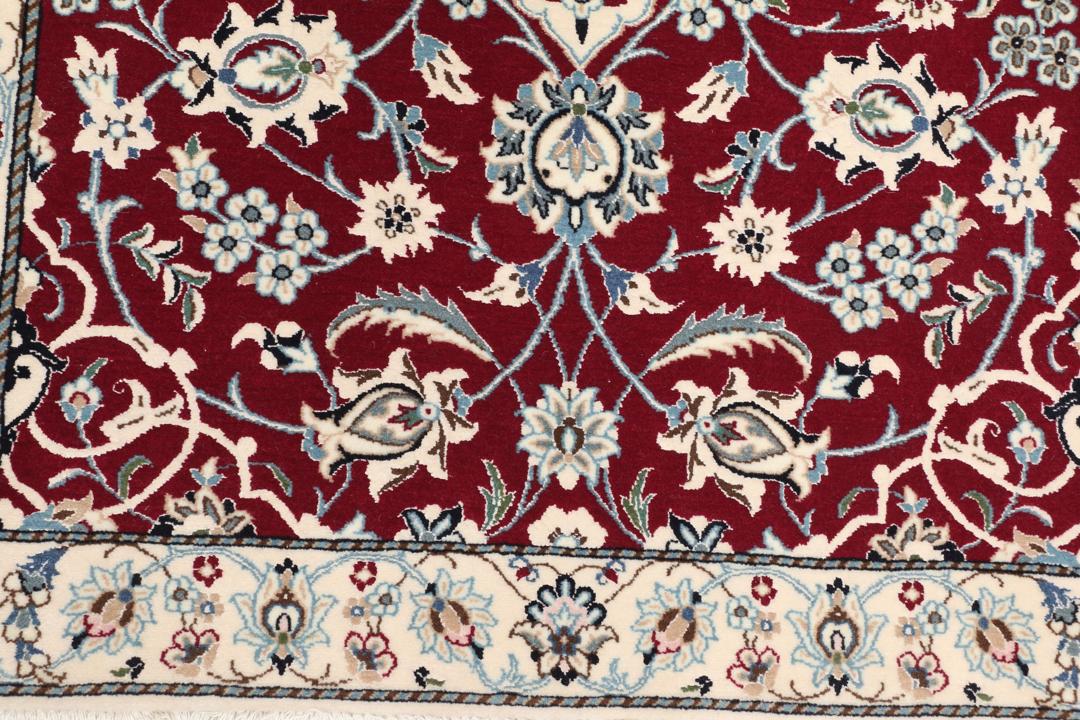
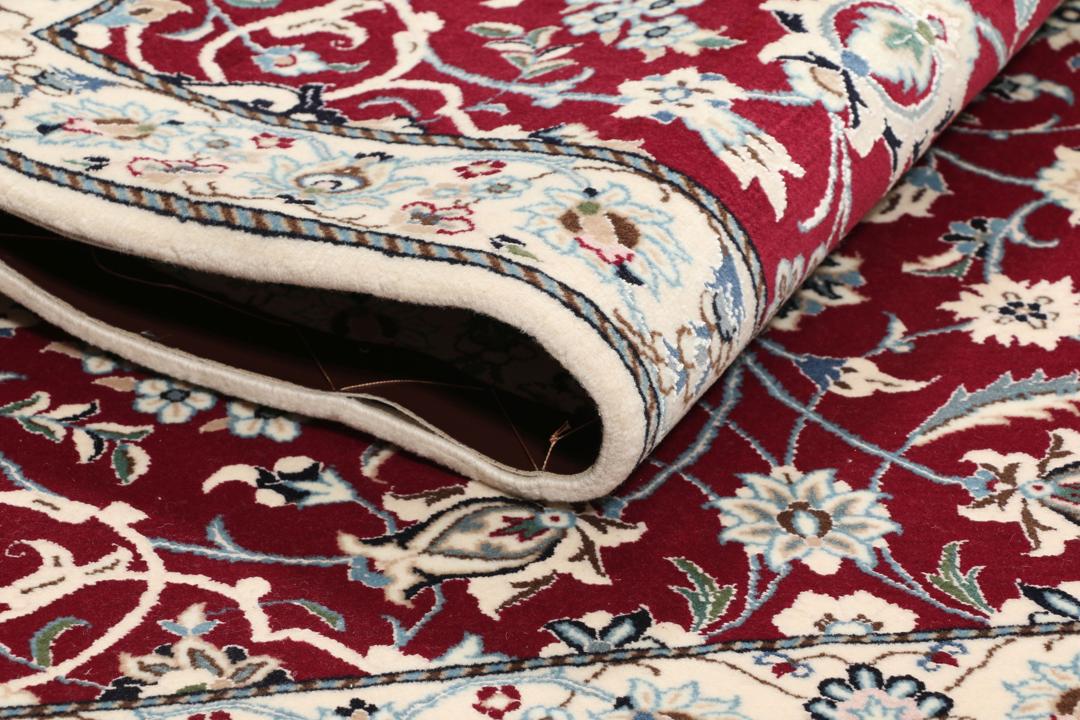
The signature design language of a Nain rug typically features a central medallion surrounded by a complex web of arabesques, floral sprays, and scrolling vines. While many traditional rugs use a vibrant colour palette, Nain rugs are famous for their subtle, sophisticated use of cream, ivory, and soft blues, often set against a deep red or navy field to create a dramatic yet balanced visual tension.
Owning a Nain rug is considered a mark of discerning taste in the world of textiles. These pieces are highly sought after by collectors who value the marriage of traditional artistry with a high degree of technical perfection. To own such a rug is to possess a tangible piece of cultural heritage, crafted with a level of skill that represents the pinnacle of the weaver's art.