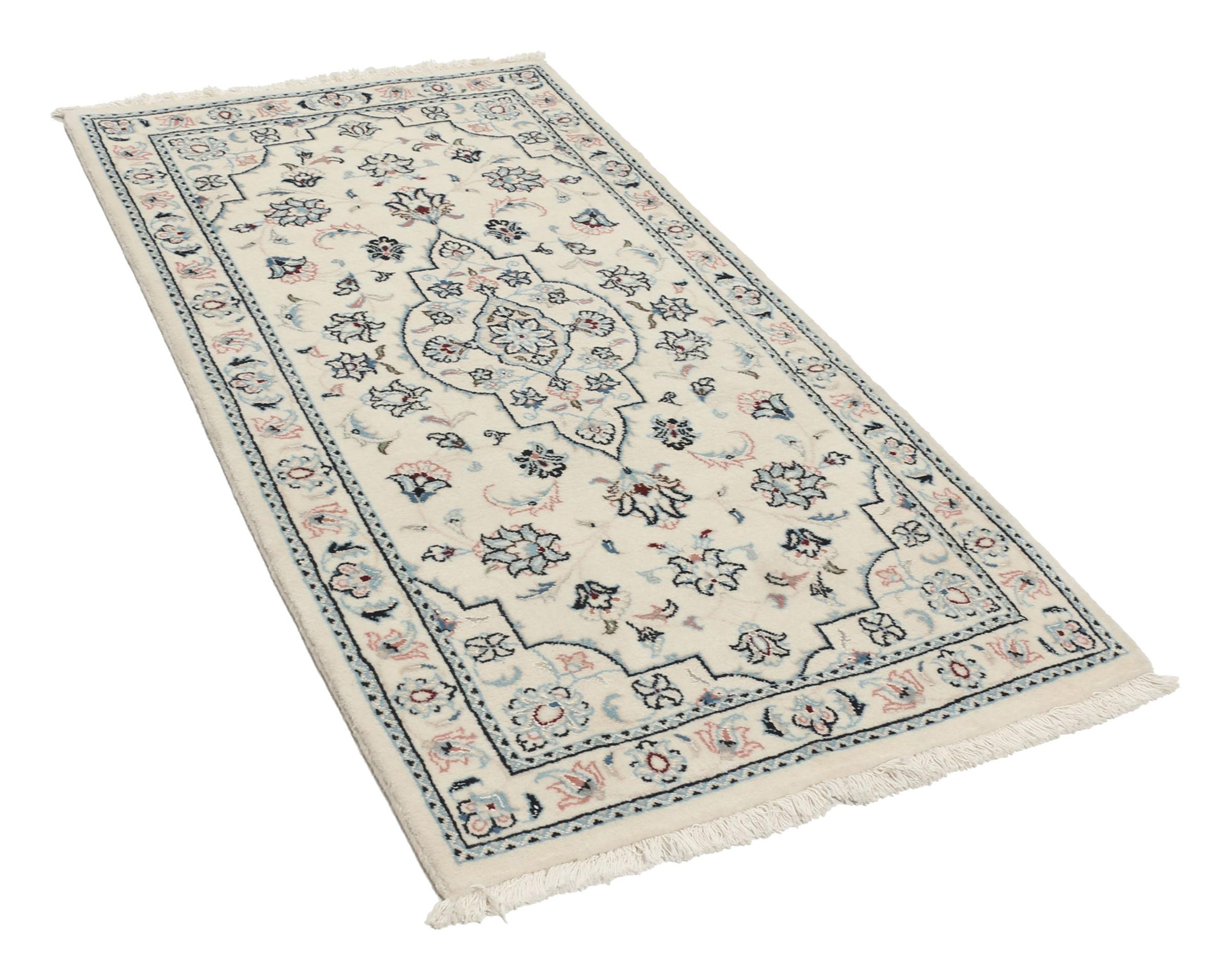
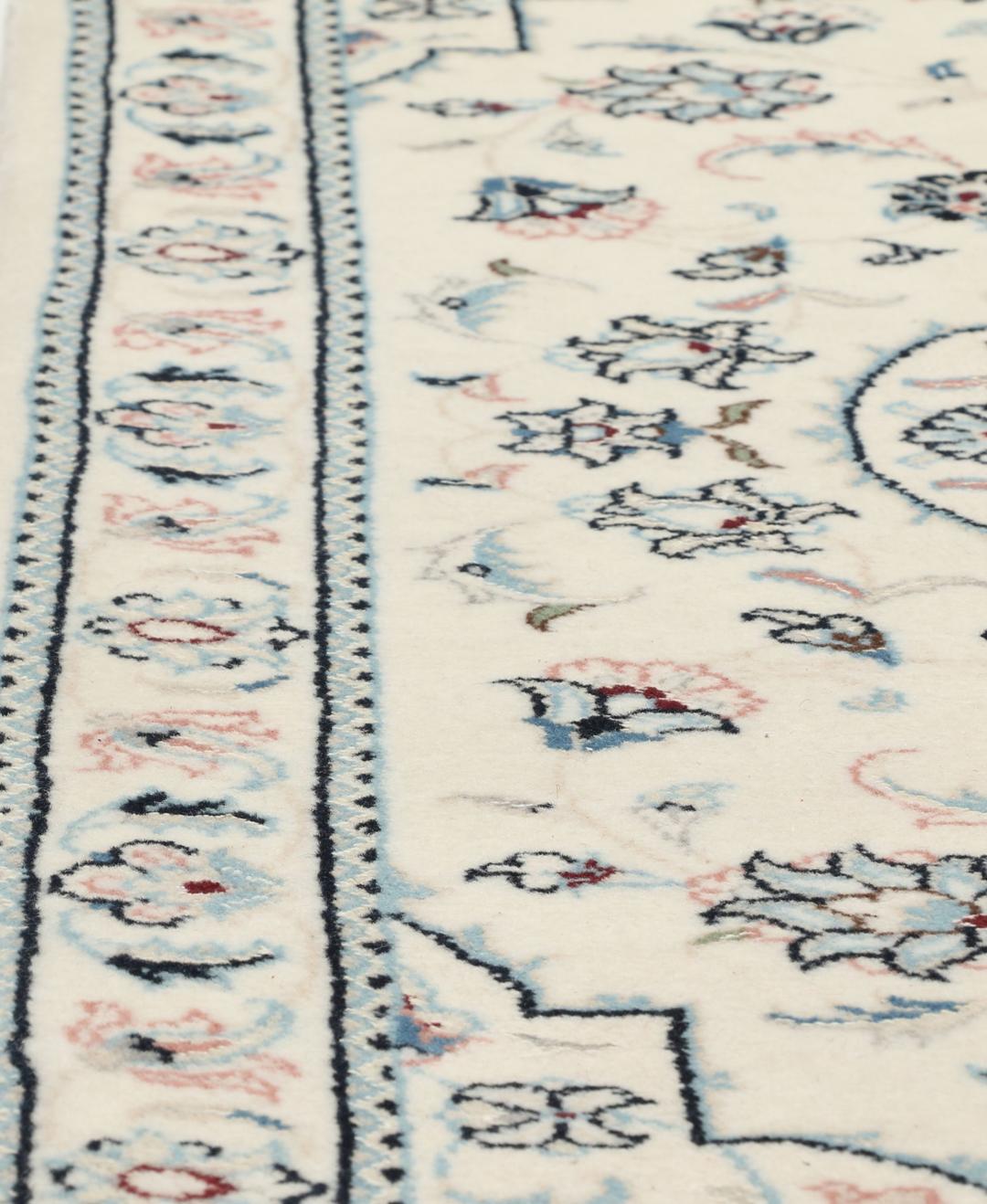
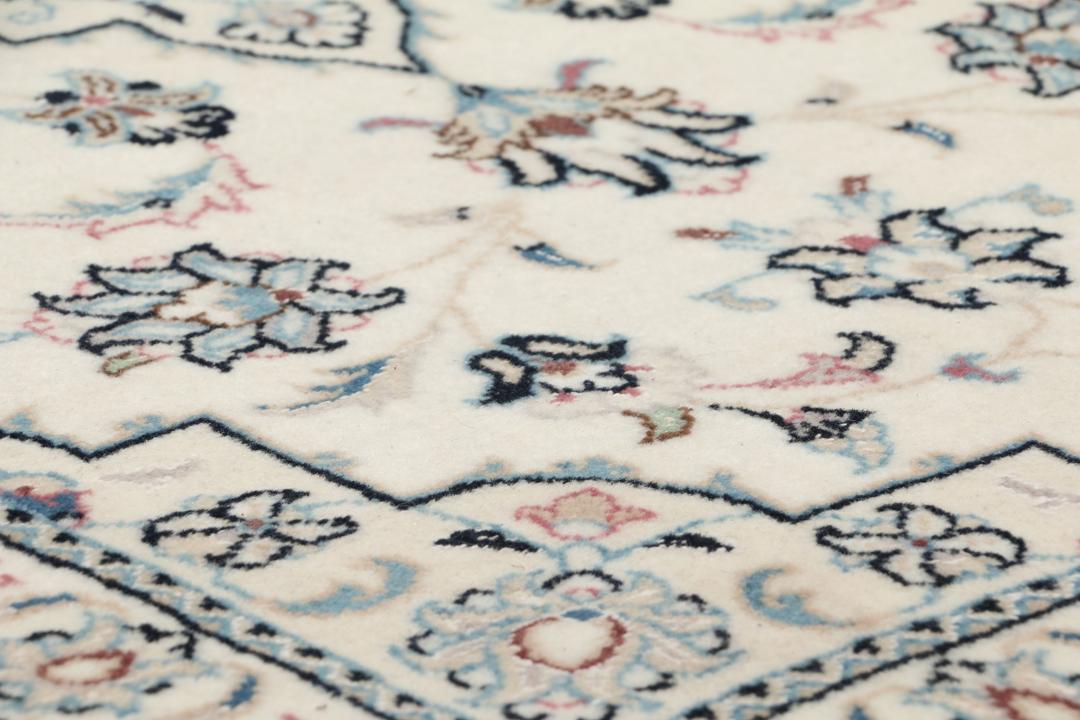
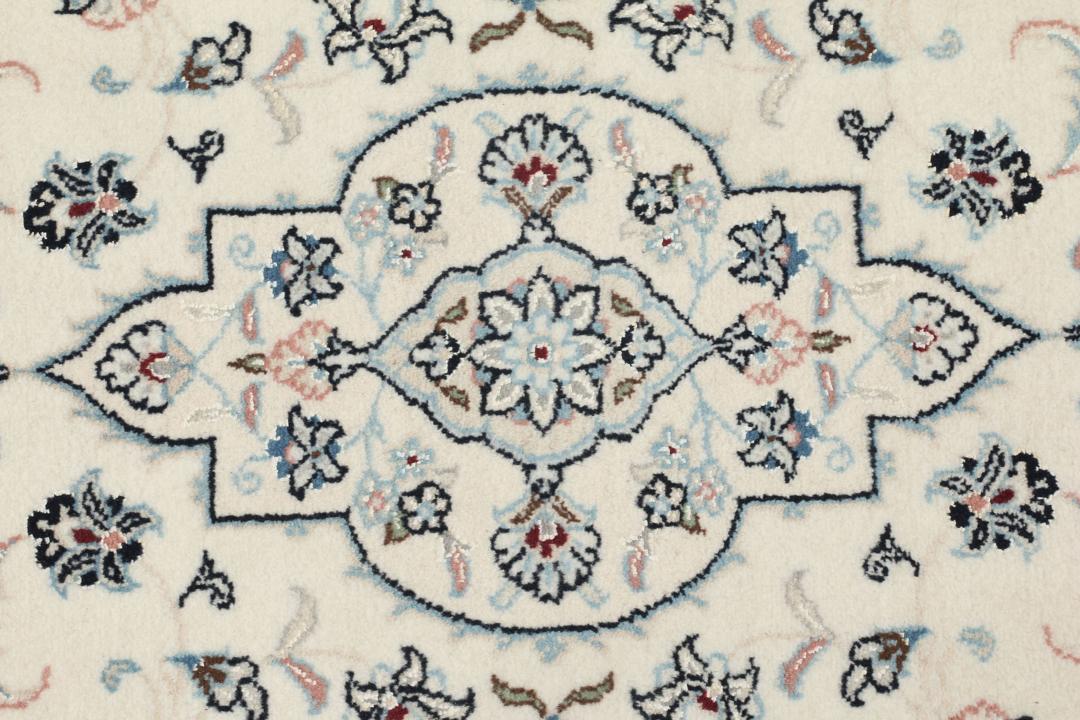
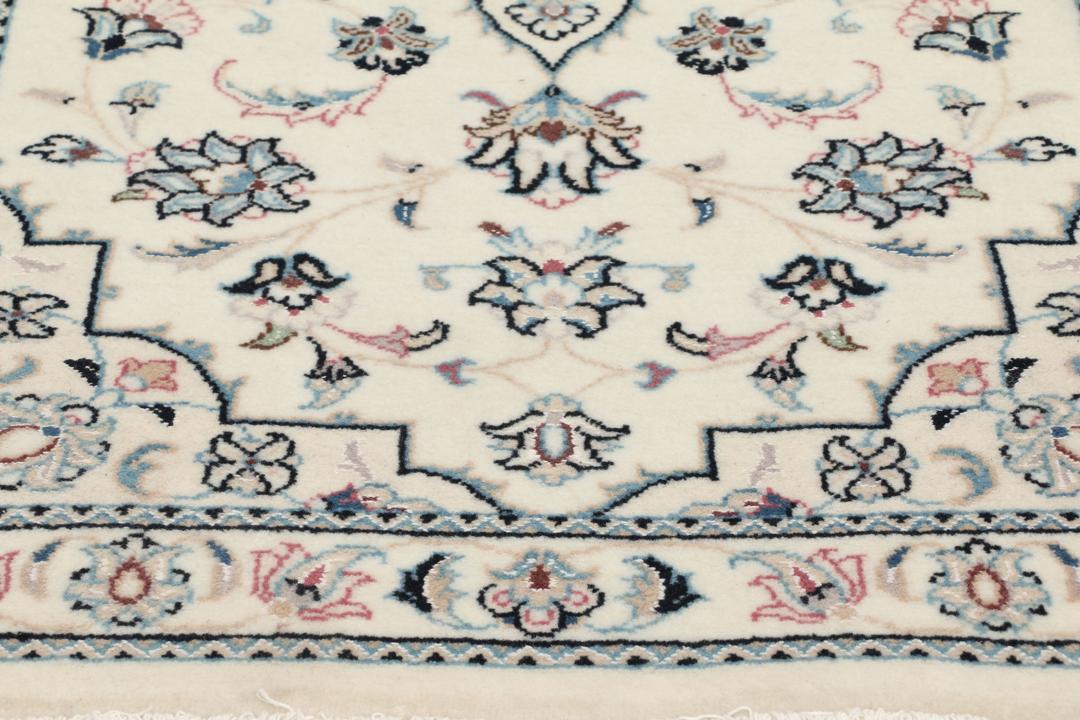
Nain rugs originate from the historic city of Nain, situated on the edge of the central desert in the Middle East. Originally known for producing high-quality wool cloaks, the city transitioned into rug weaving during the 1920s, quickly establishing itself as a centre for some of the most refined and sought-after textile art in the region.
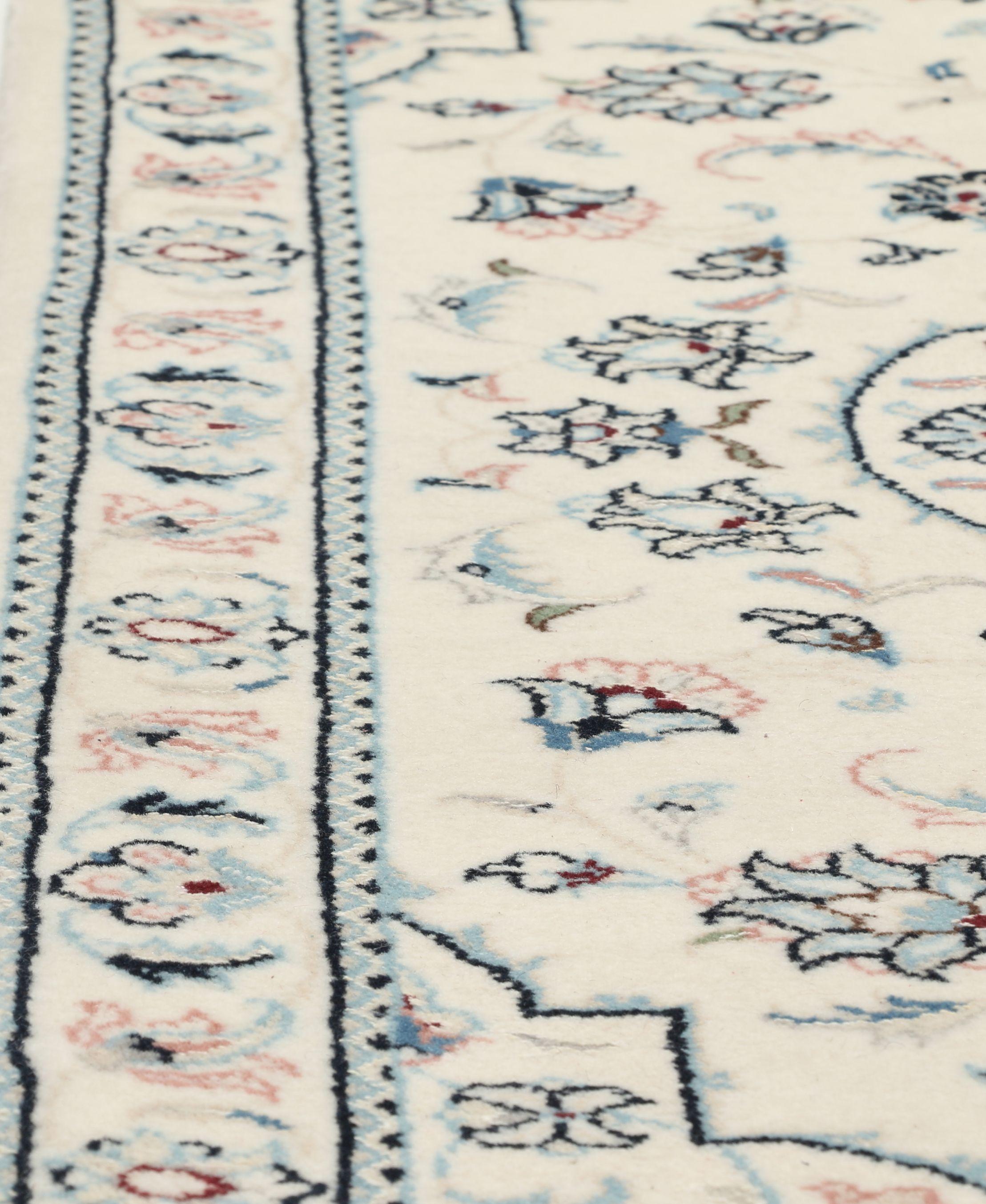
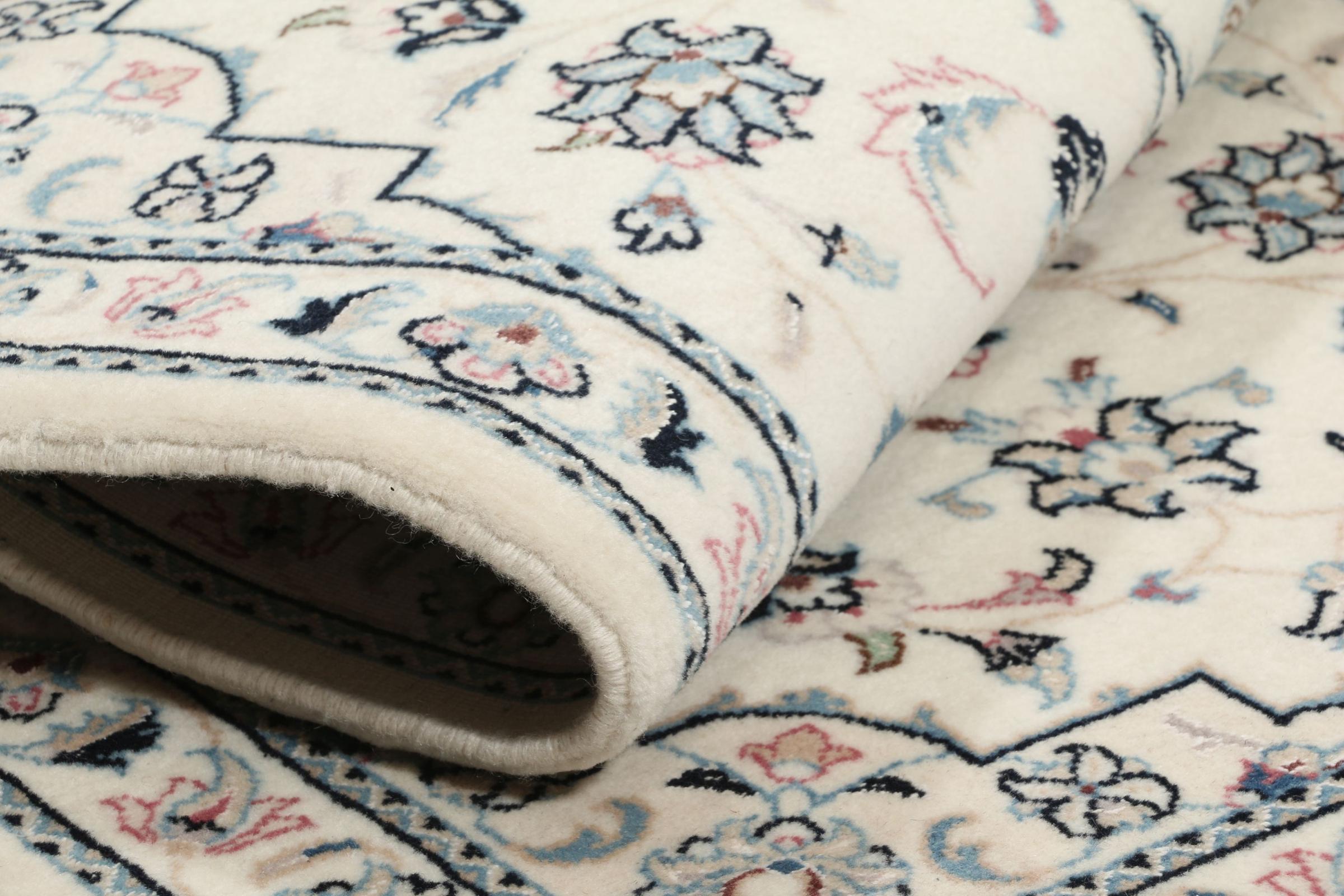
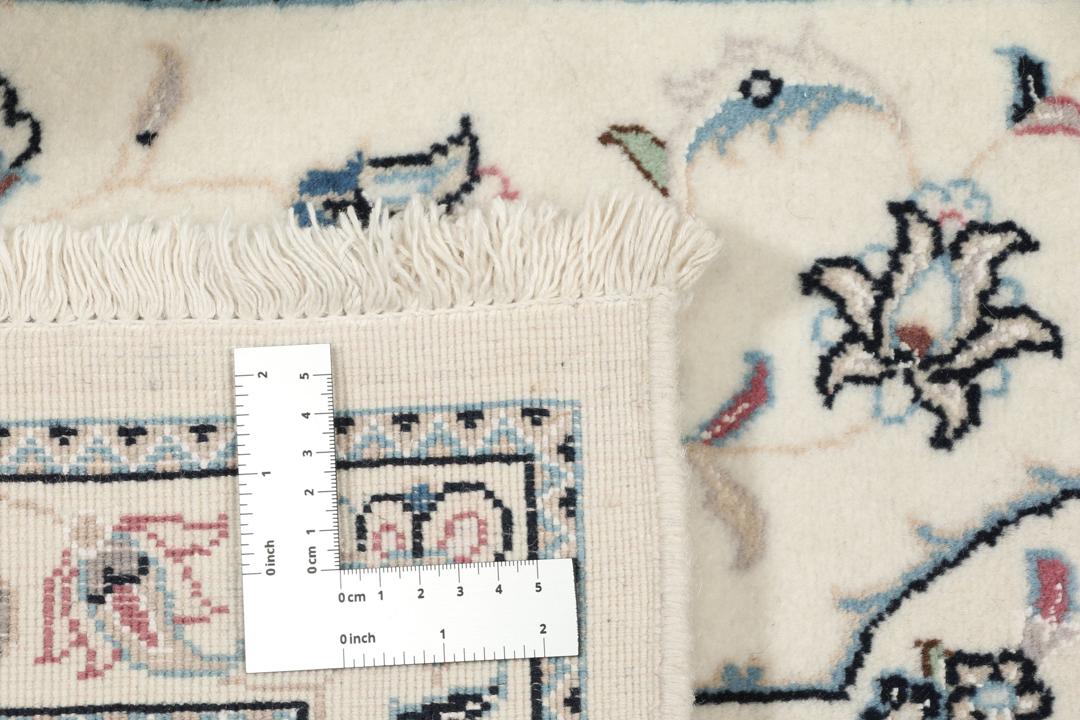
The term 9La is a technical classification referring to the number of strands used in the fringe of the rug. A 9La classification indicates a specific thickness and density that balances durability with a graceful, soft drape. This technical precision is what gives these rugs their signature look and feel, making them highly prized by collectors who appreciate the technical nuances of fine weaving.
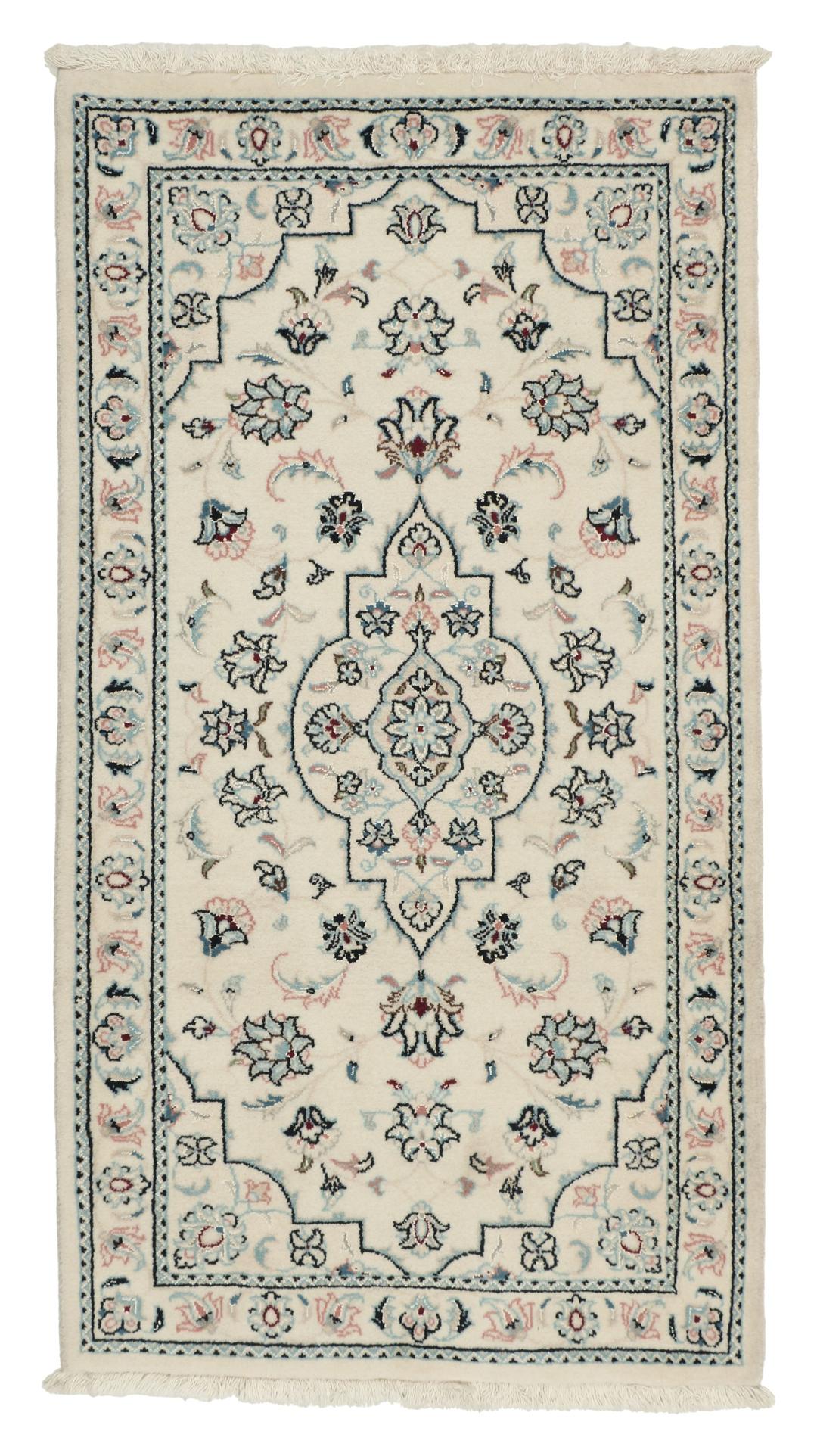
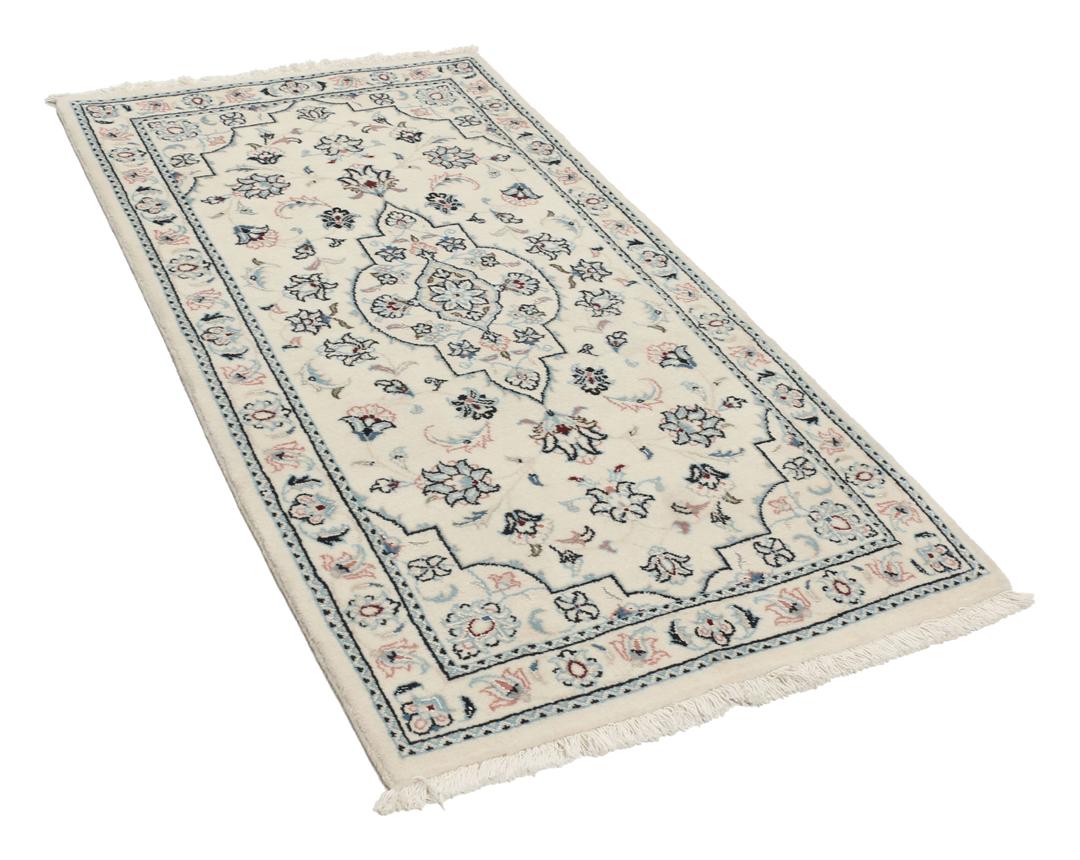
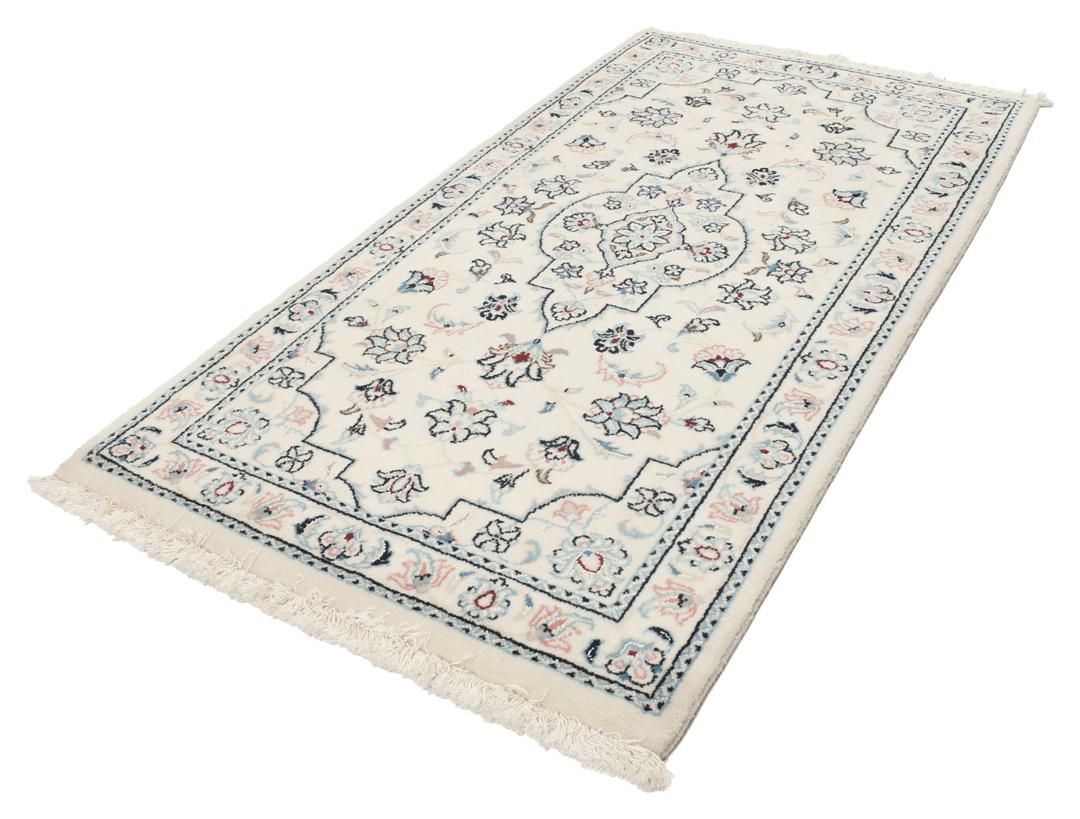
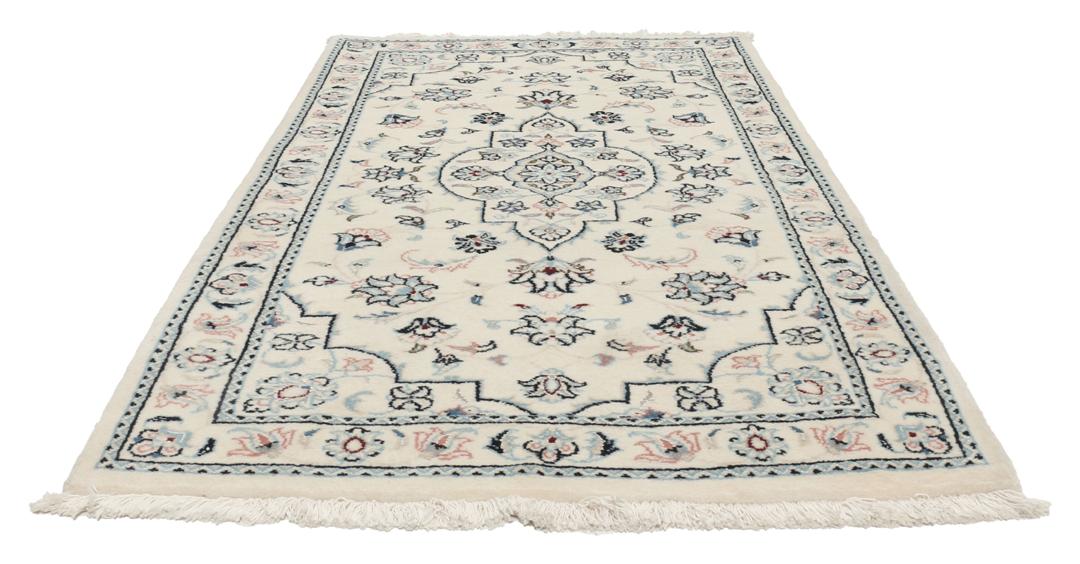
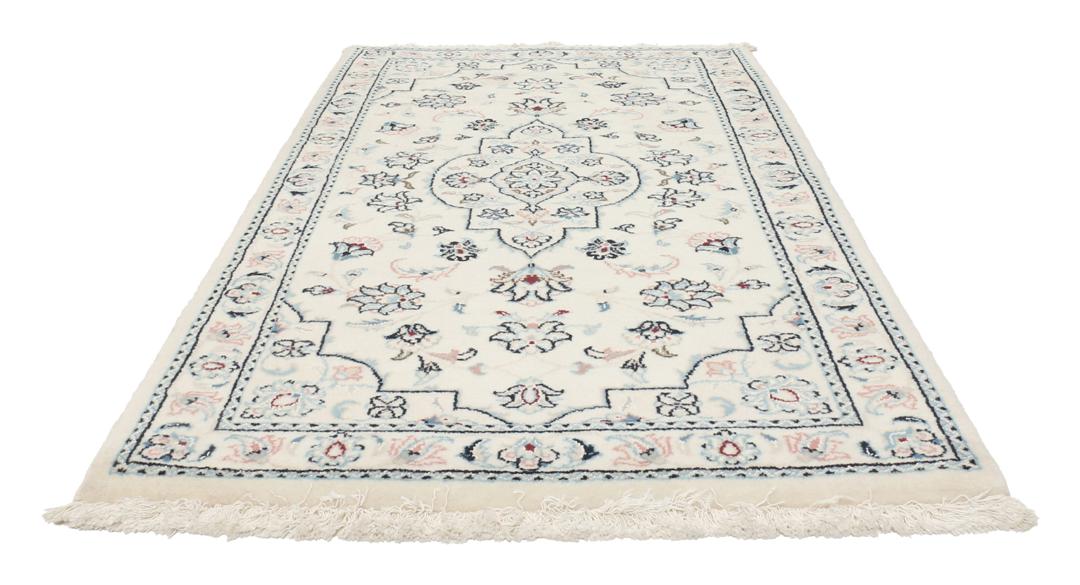
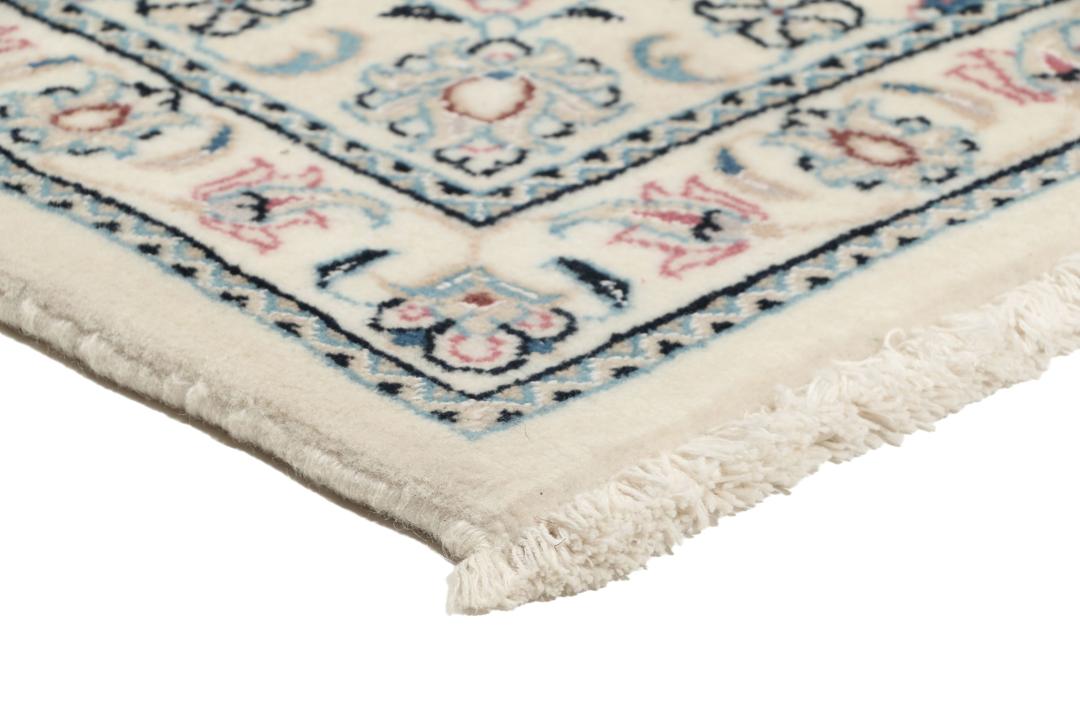
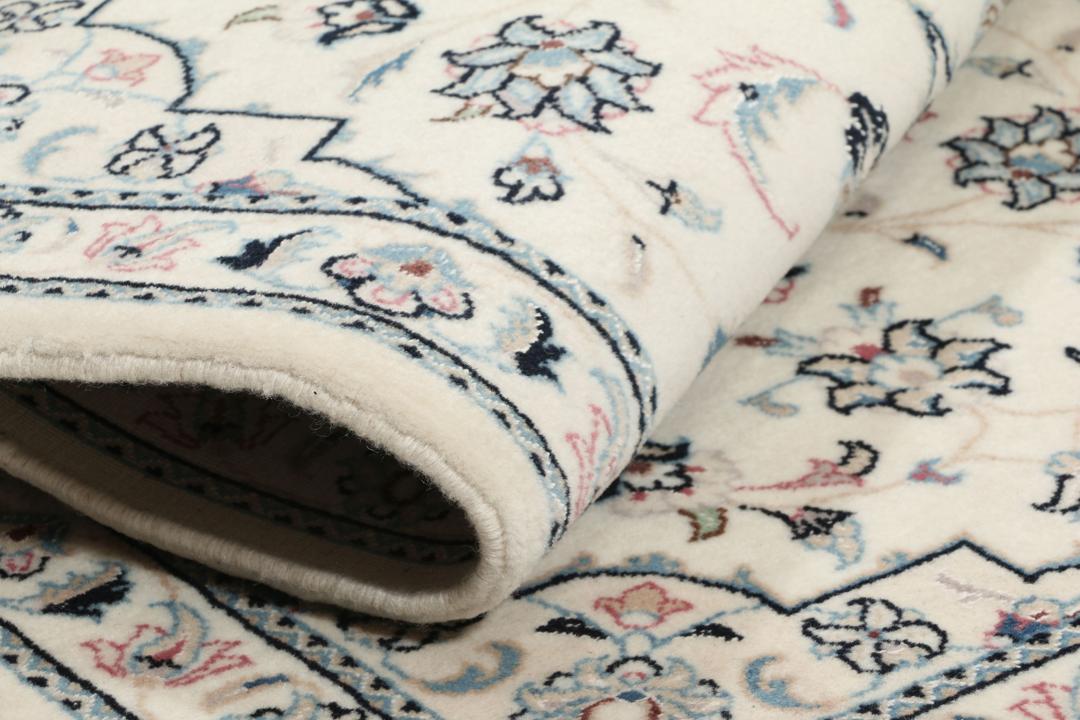
Visually, Nain rugs are defined by their elegant, curvilinear floral patterns, often centred around a delicate medallion. They are traditionally known for their balanced, light colour palettes, which often utilise shades of beige, ivory, and soft blues. This design language creates a sense of harmony and light that is distinct from the bolder, more tribal patterns found in other regional traditions.
Owning a Nain rug is considered a mark of refined taste and an investment in lasting quality. Because of the incredible skill required to execute such fine patterns, these rugs are held in high regard for their artistic value and the cultural legacy they represent. They are not merely floor coverings, but rather expressions of a long-standing tradition of excellence.