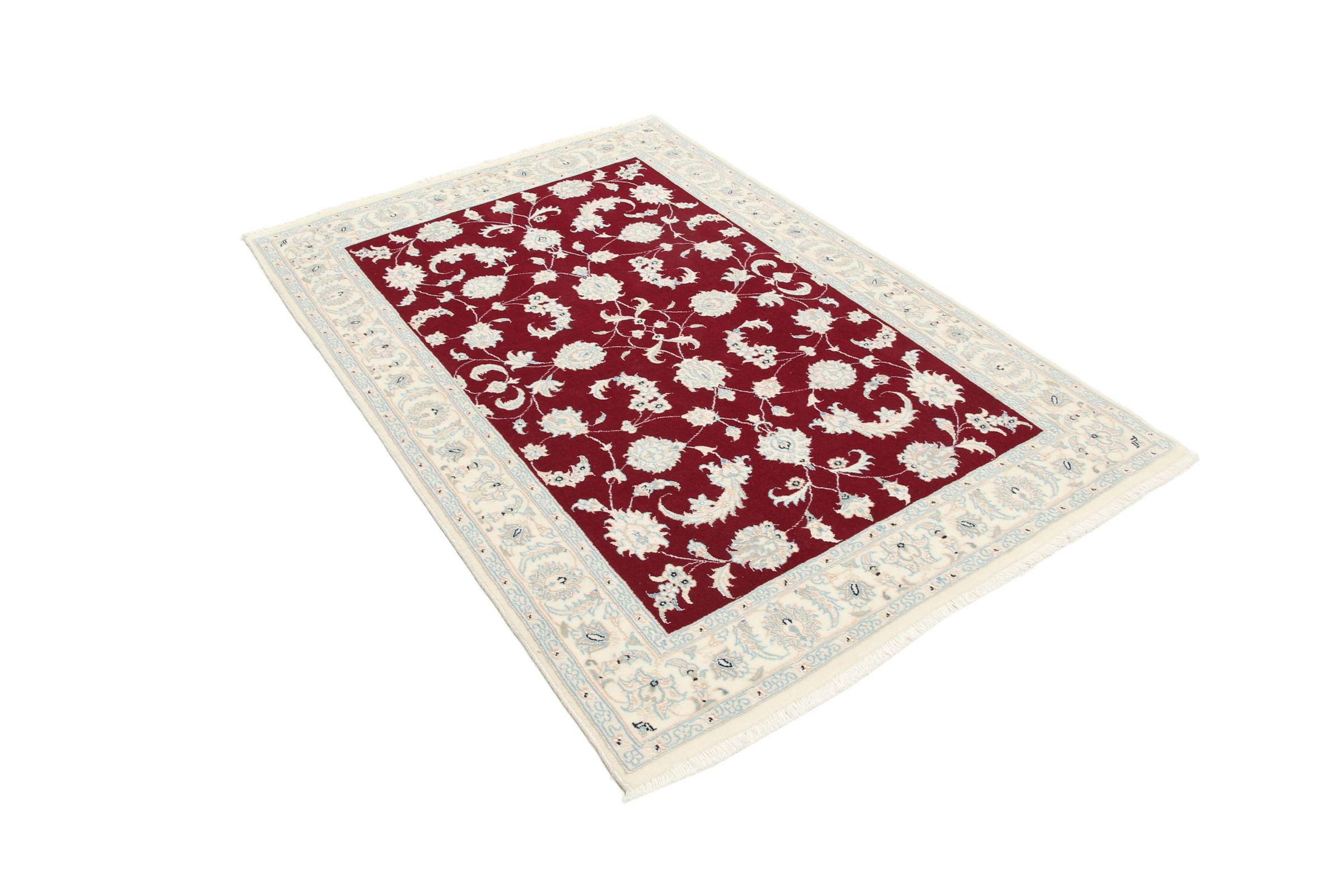
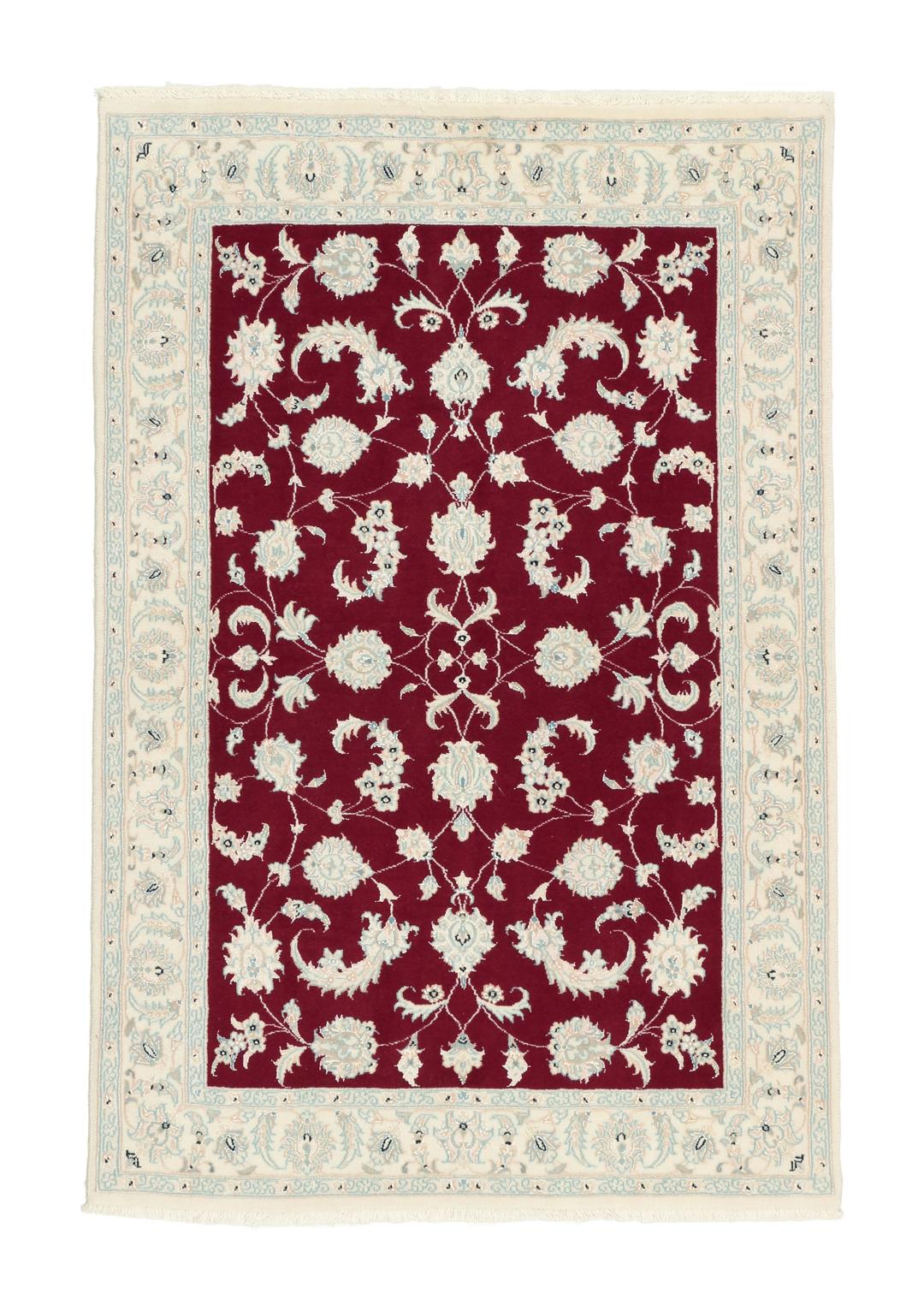
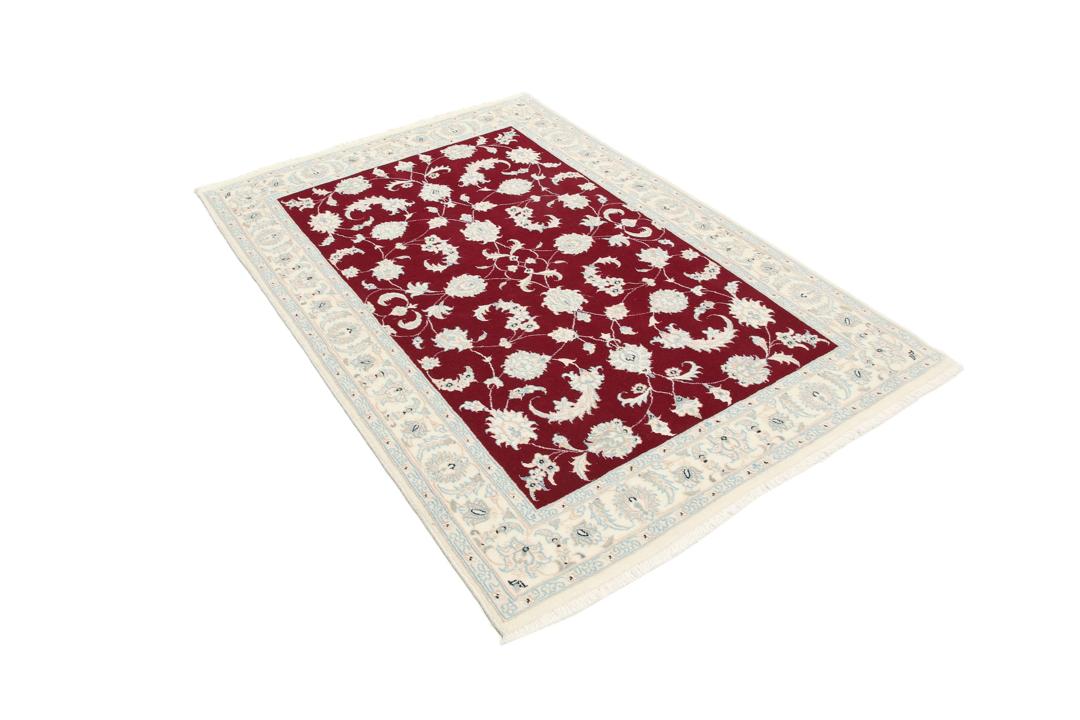
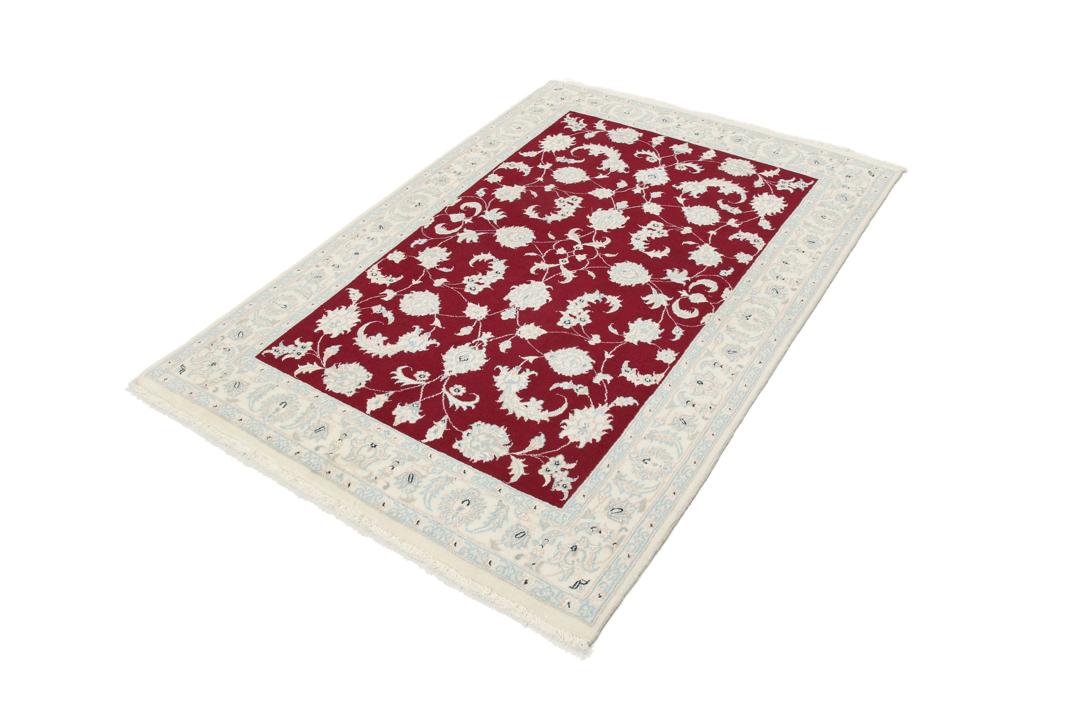
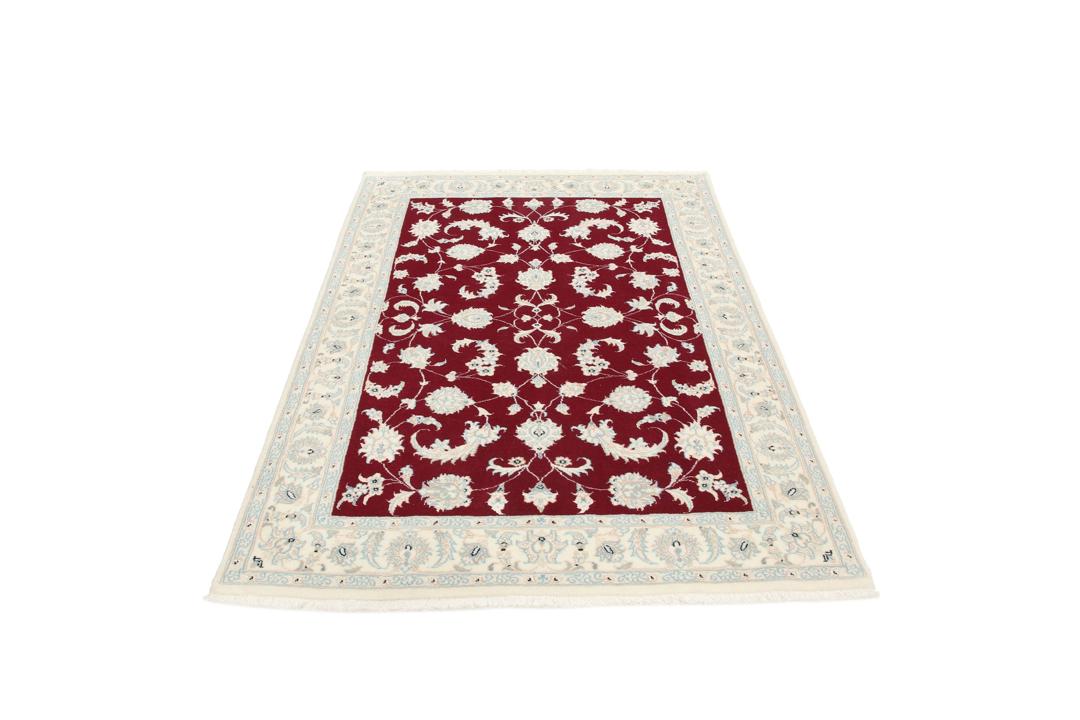
Nain rugs trace their origins to the town of Nain in the Middle East, a region that historically gained fame for its fine textile production. While traditionally known for high-quality wool and silk, the unique character of these rugs emerged as a distinct style in the early 20th century, evolving from a local tradition into a globally recognised symbol of refinement.
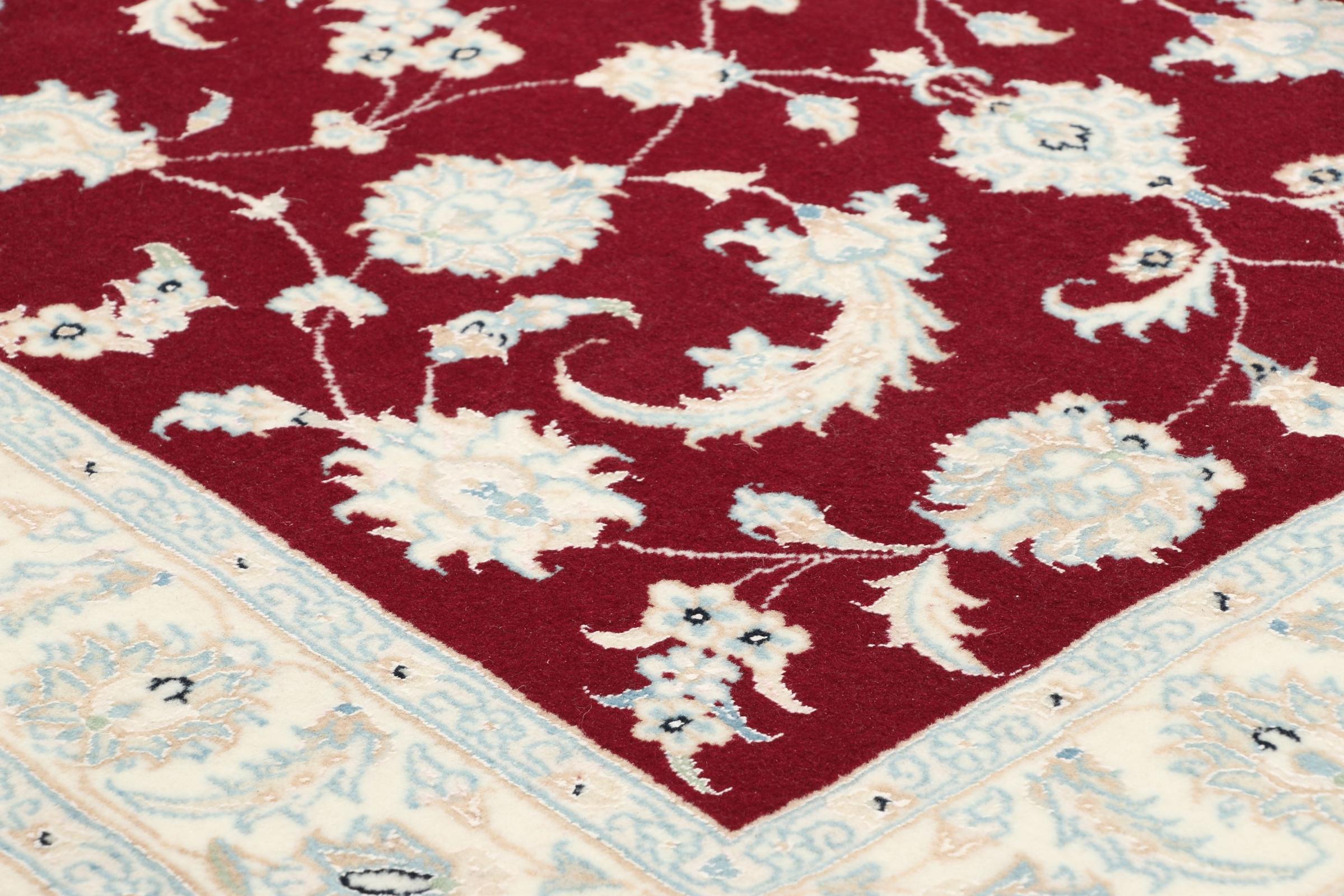
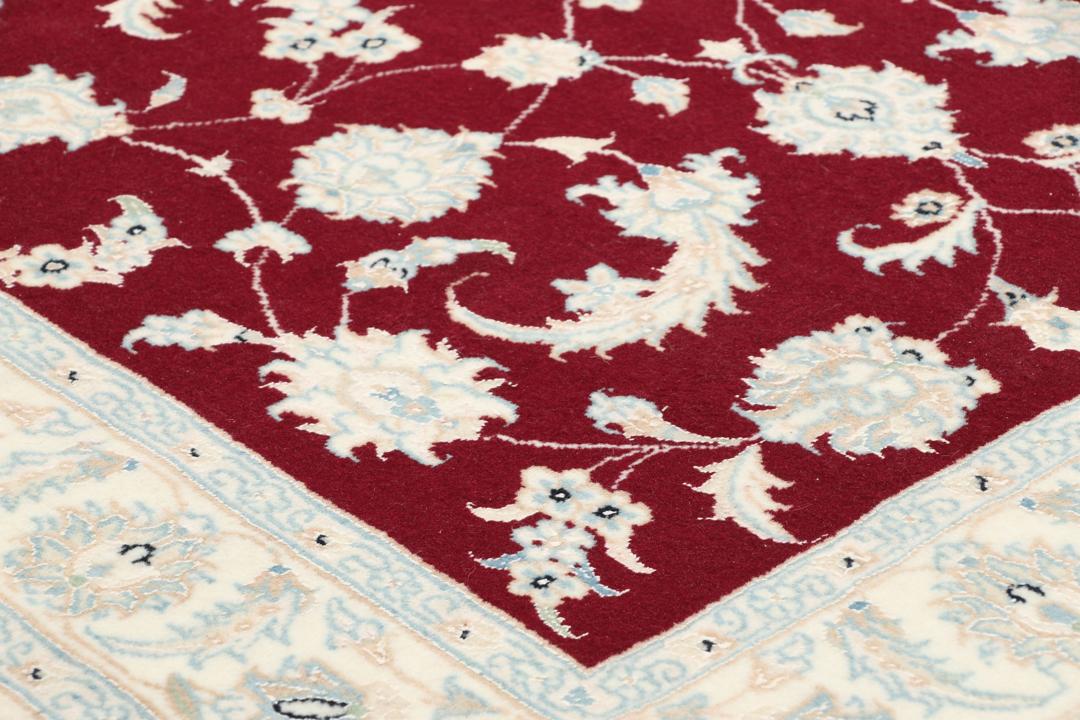
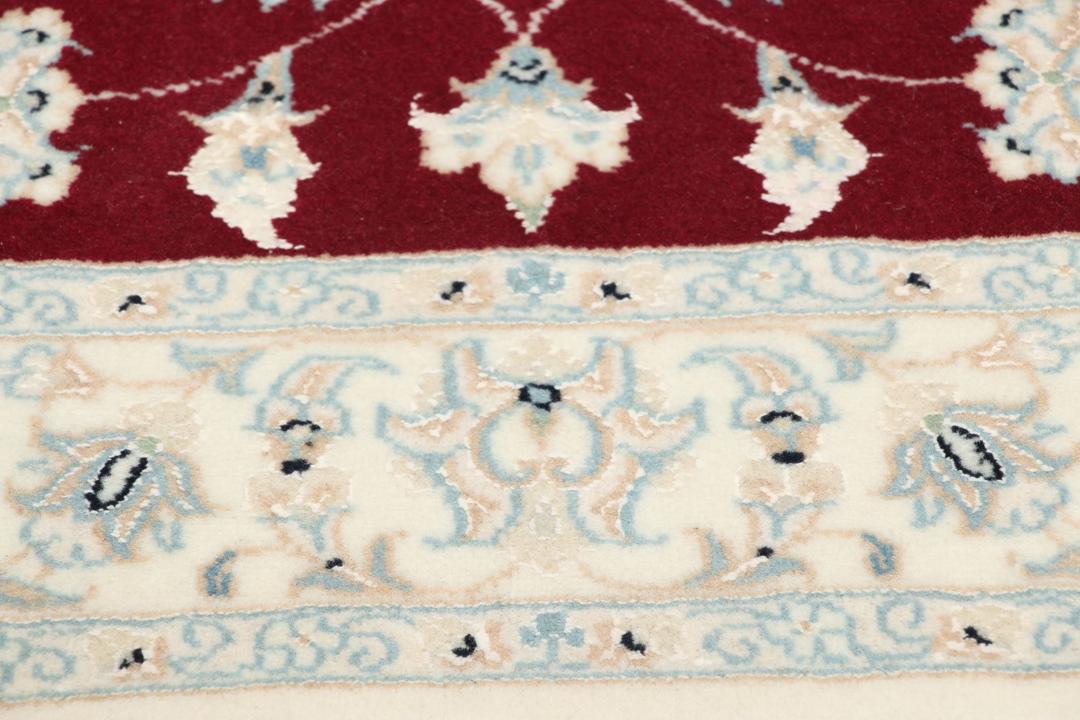
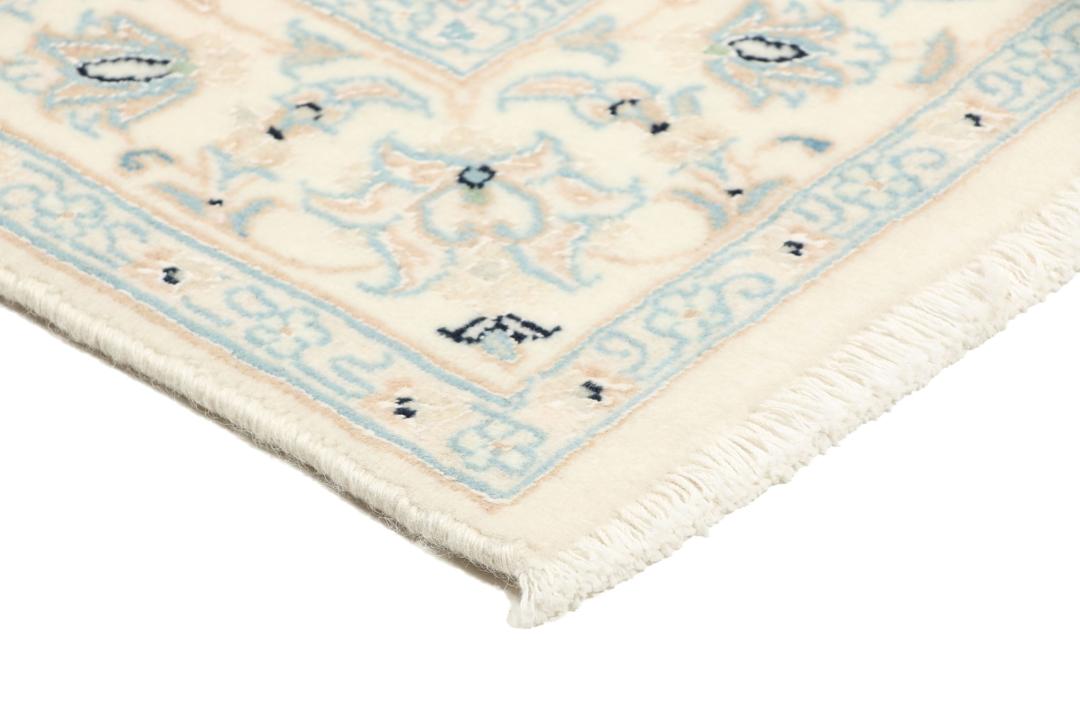
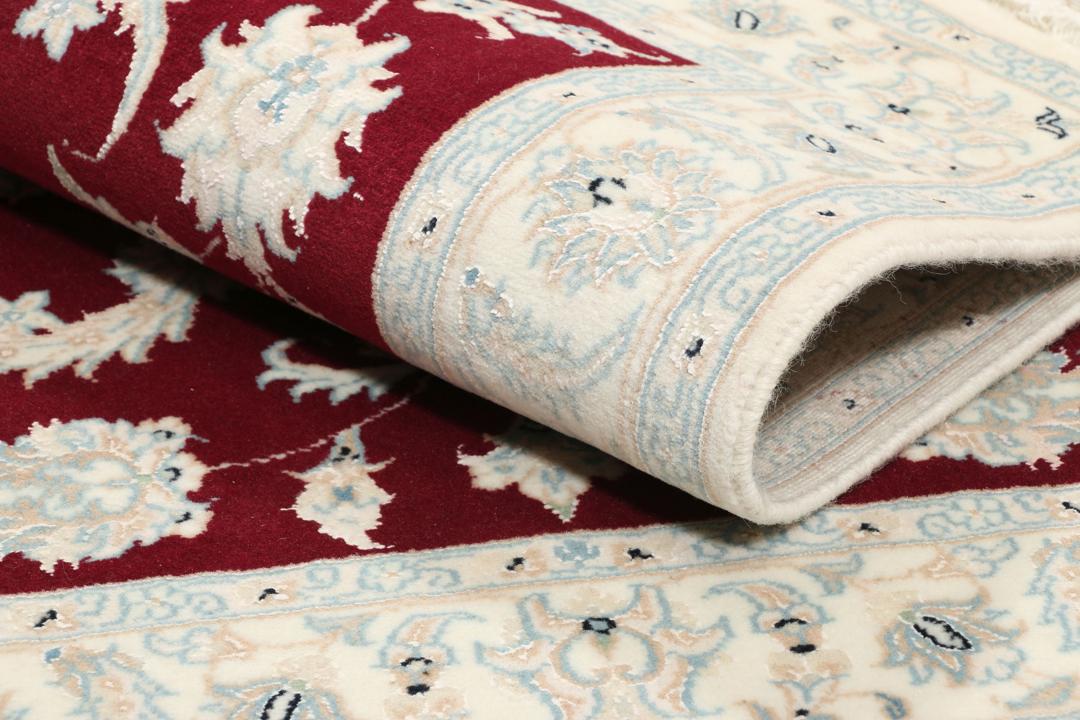
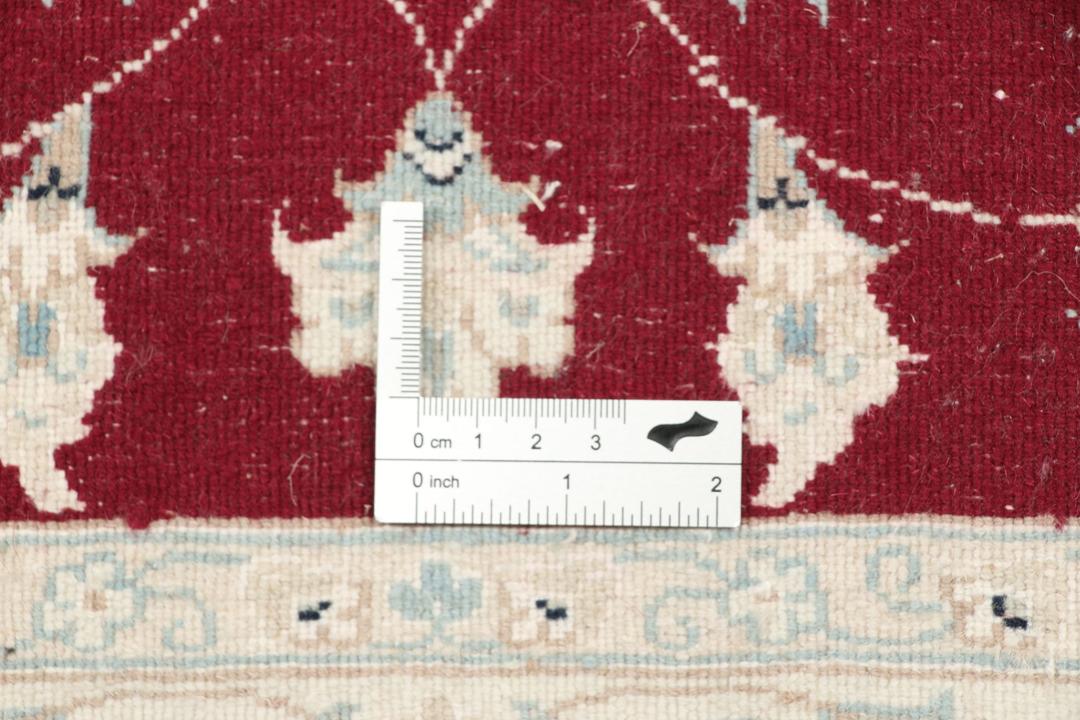
The designation 9La refers to the number of strands in the foundation threads, which is a critical indicator of quality and density. A 9La classification signifies a fine, intricate construction where the knots are tightly packed, resulting in a thin yet remarkably durable and detailed pile. Understanding these technical nuances helps one appreciate why these rugs are held in such high regard by connoisseurs.
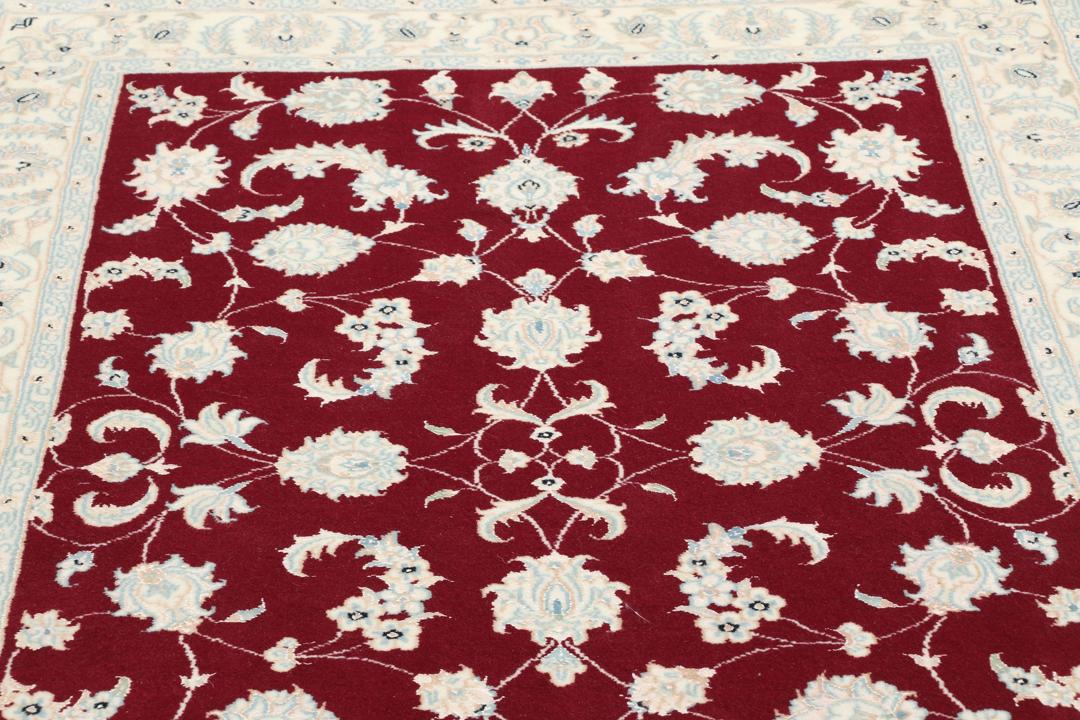
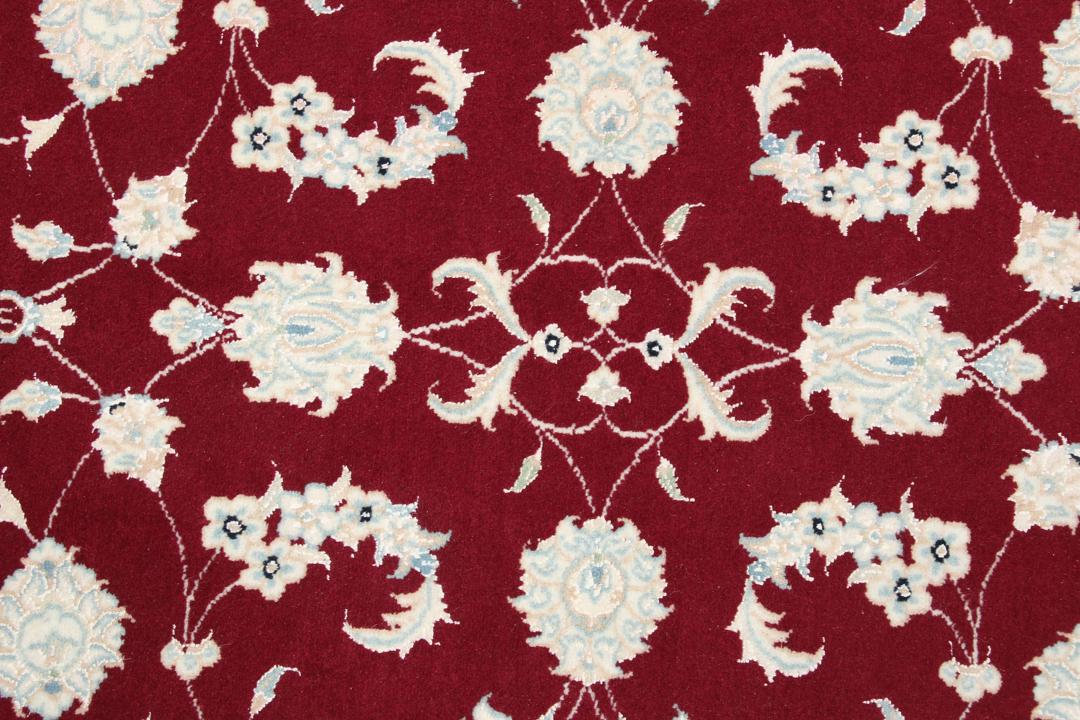
Signature design elements of the Nain tradition often include ornate floral motifs and central medallions, frequently set against a field of cream, red, or blue. These patterns are inspired by the rich artistic history of the region, emphasising balance, symmetry, and flowing organic shapes. The use of soft, muted tones combined with bold, classic colours is a hallmark of the style.
Owning a piece from this tradition is about more than just decor. It represents a connection to a centuries-old craft where every rug tells a story of local heritage and artisan skill. Collectors value these pieces for their lasting beauty and the meticulous attention to detail that ensures they remain cherished items for generations.