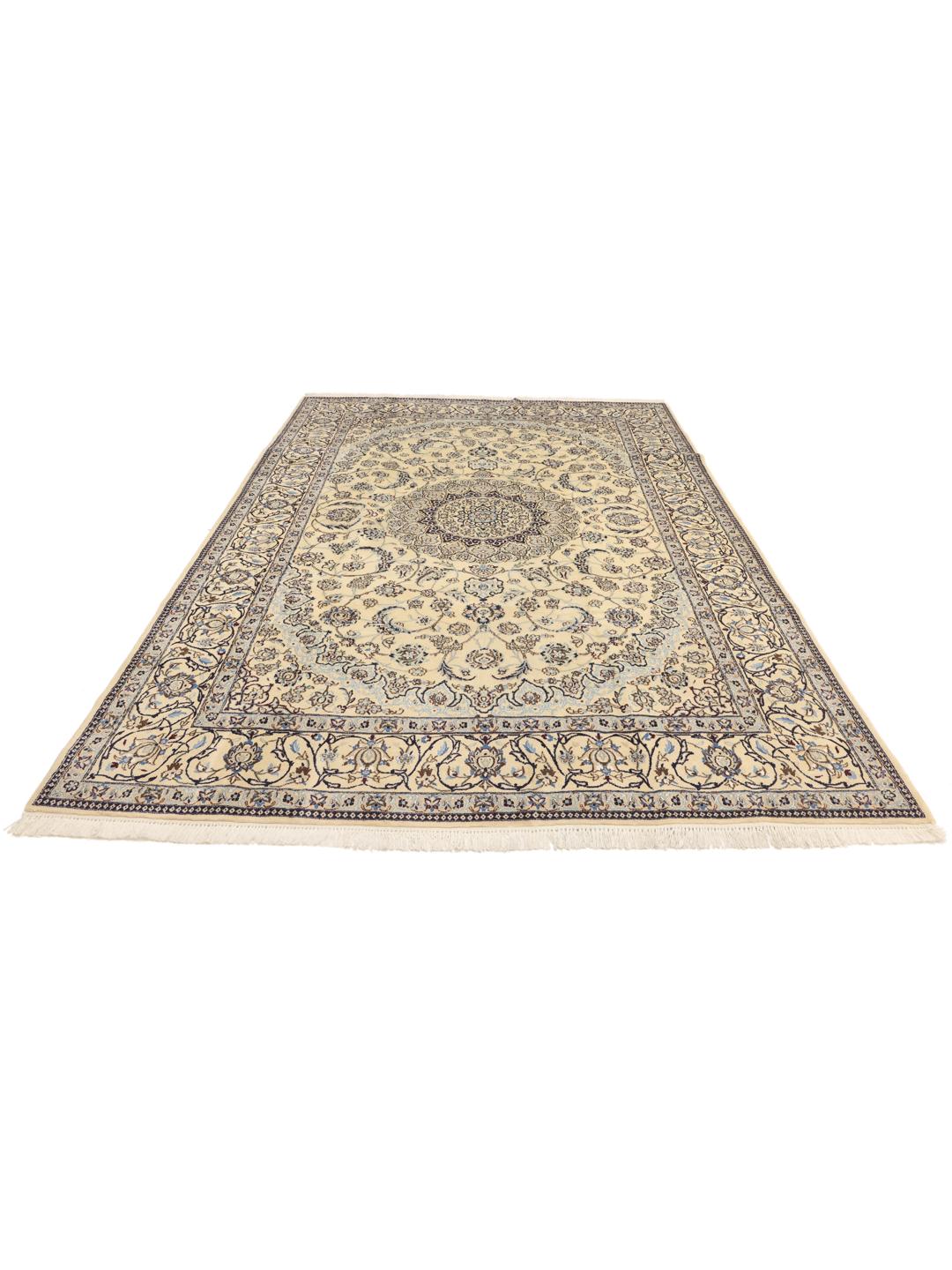
The Nain rug tradition hails from the historic city of Nain in the Middle East, a region with a long-standing reputation for producing some of the world's most sophisticated and finely crafted textiles. Originally known for its high-quality Wool and cotton, Nain transitioned from producing traditional robes to creating rugs in the 20th century, quickly becoming synonymous with elegance and technical precision.
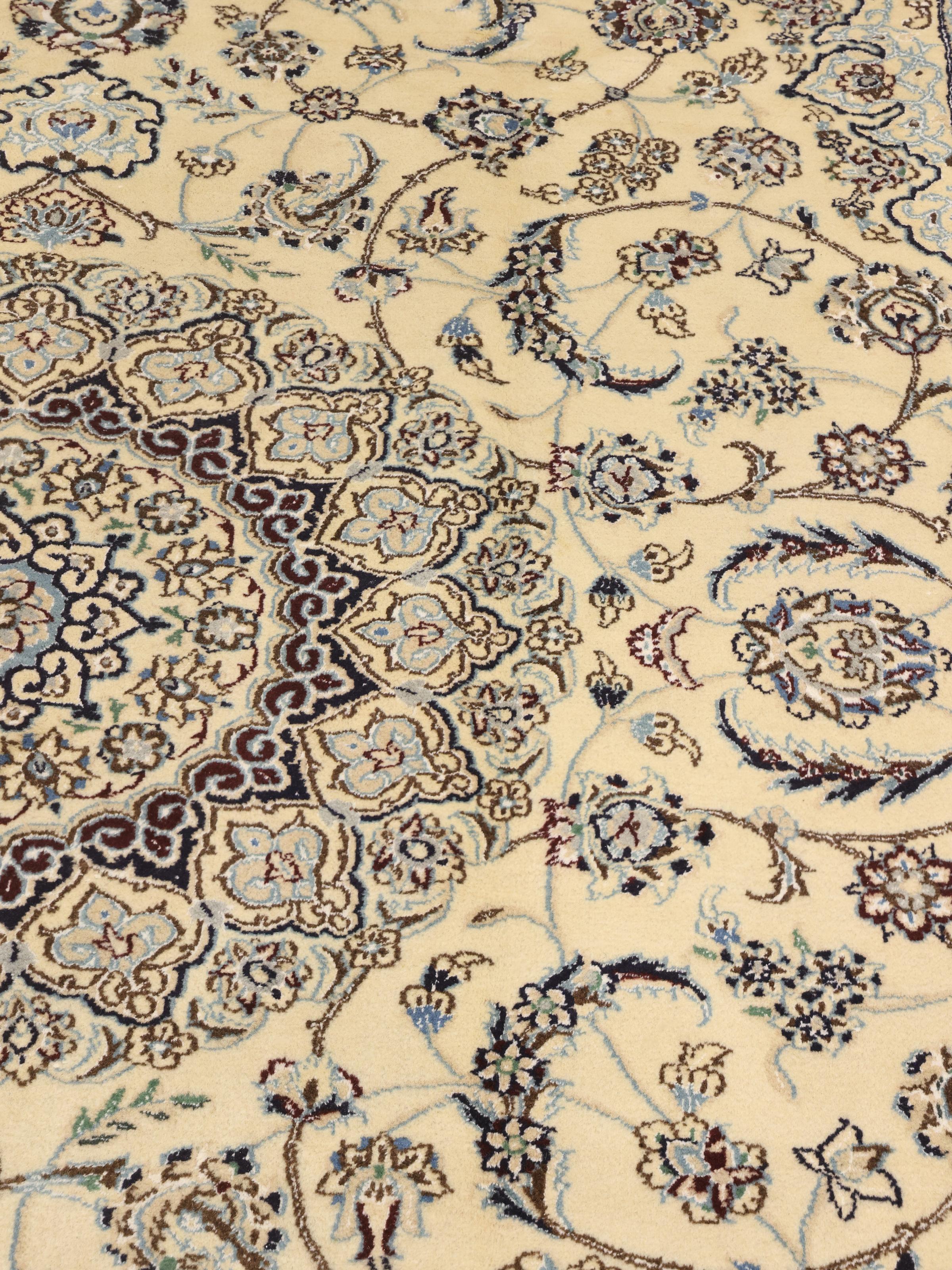
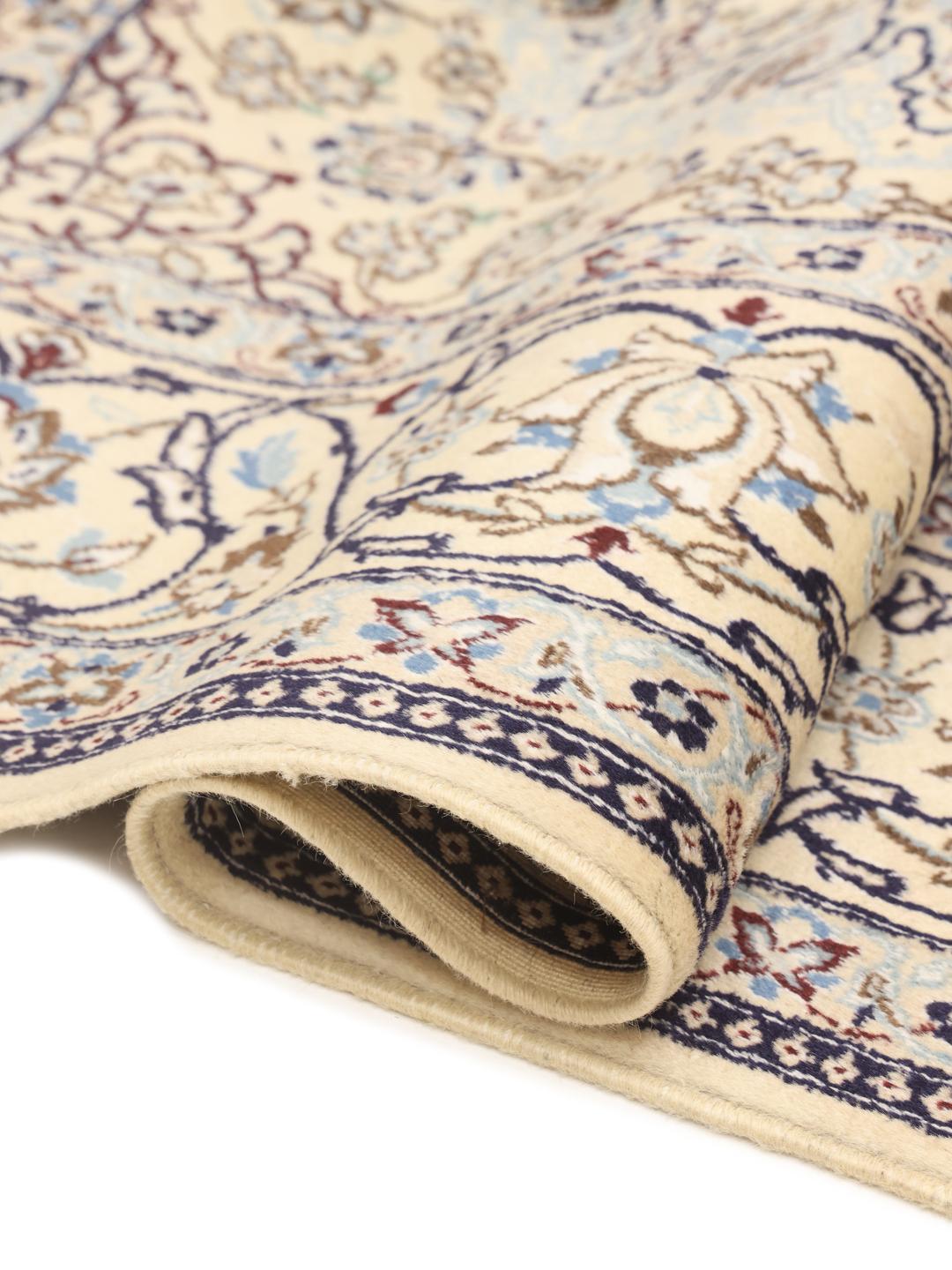
The term 9La is a technical classification that refers to the number of strands used in the foundation threads of the rug. In the 9La tradition, the use of nine-ply threads allows for a finer, more delicate weave compared to thicker varieties, which is why these pieces are celebrated for their highly detailed patterns and superior tactile quality.
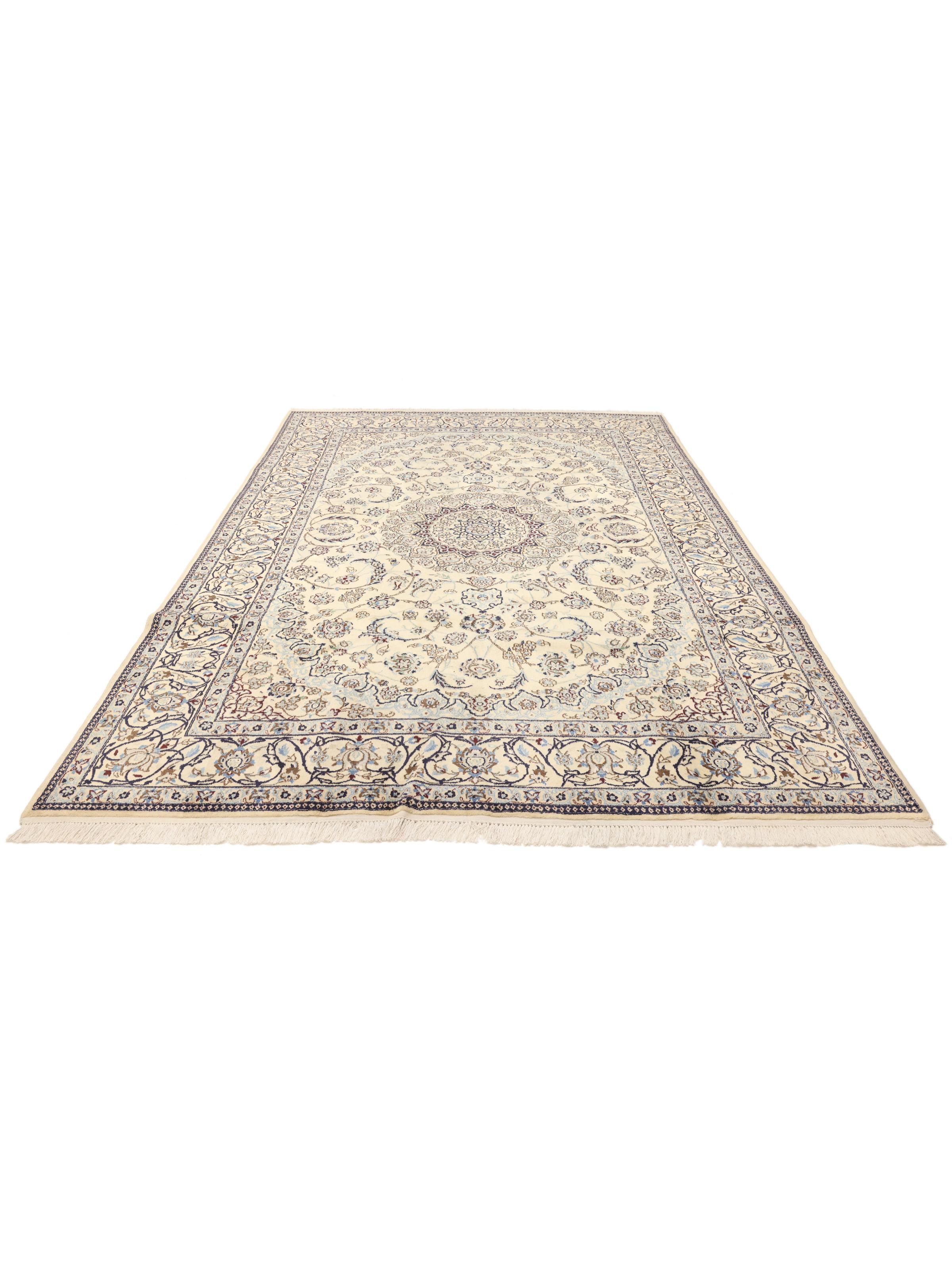
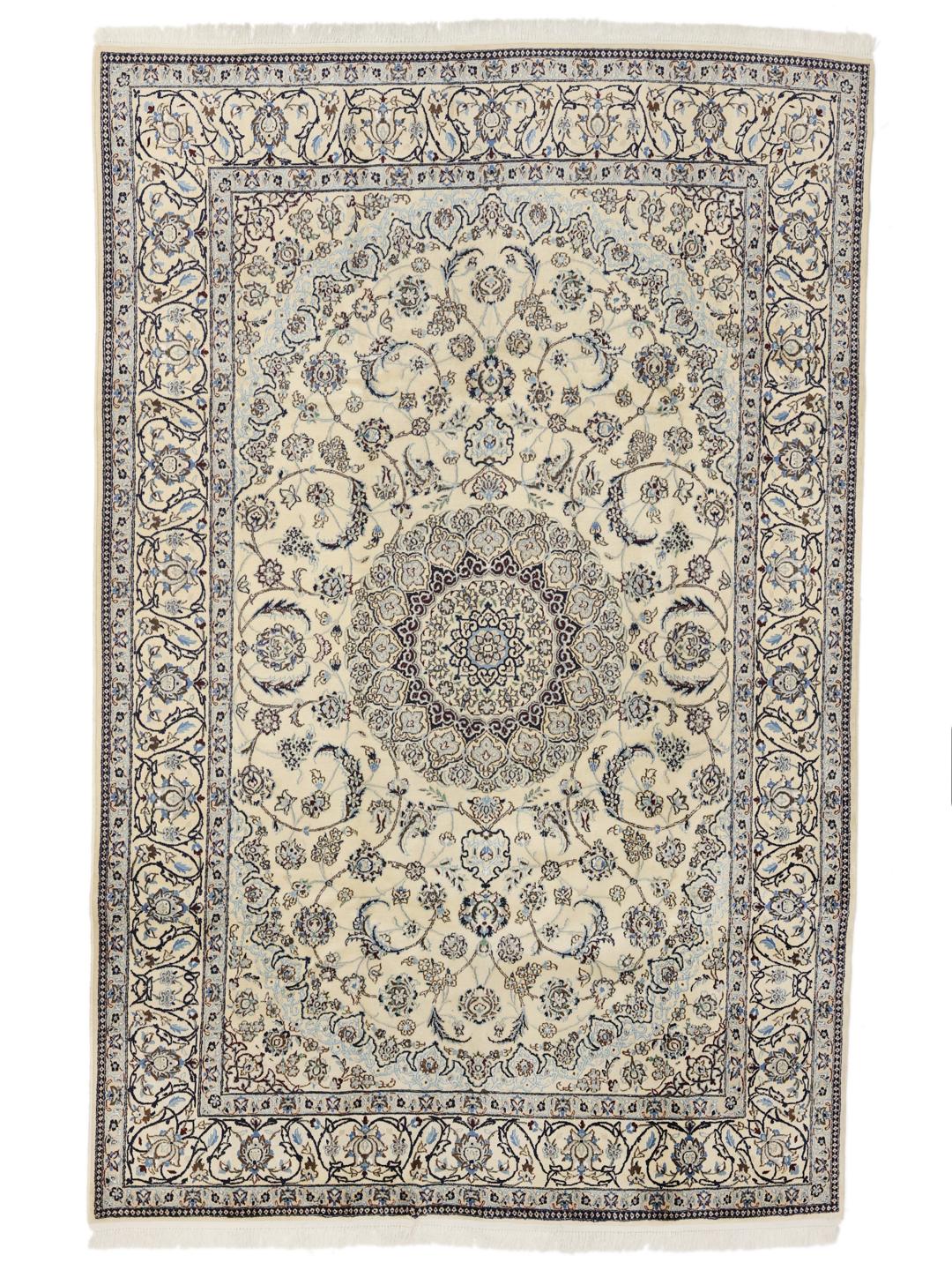
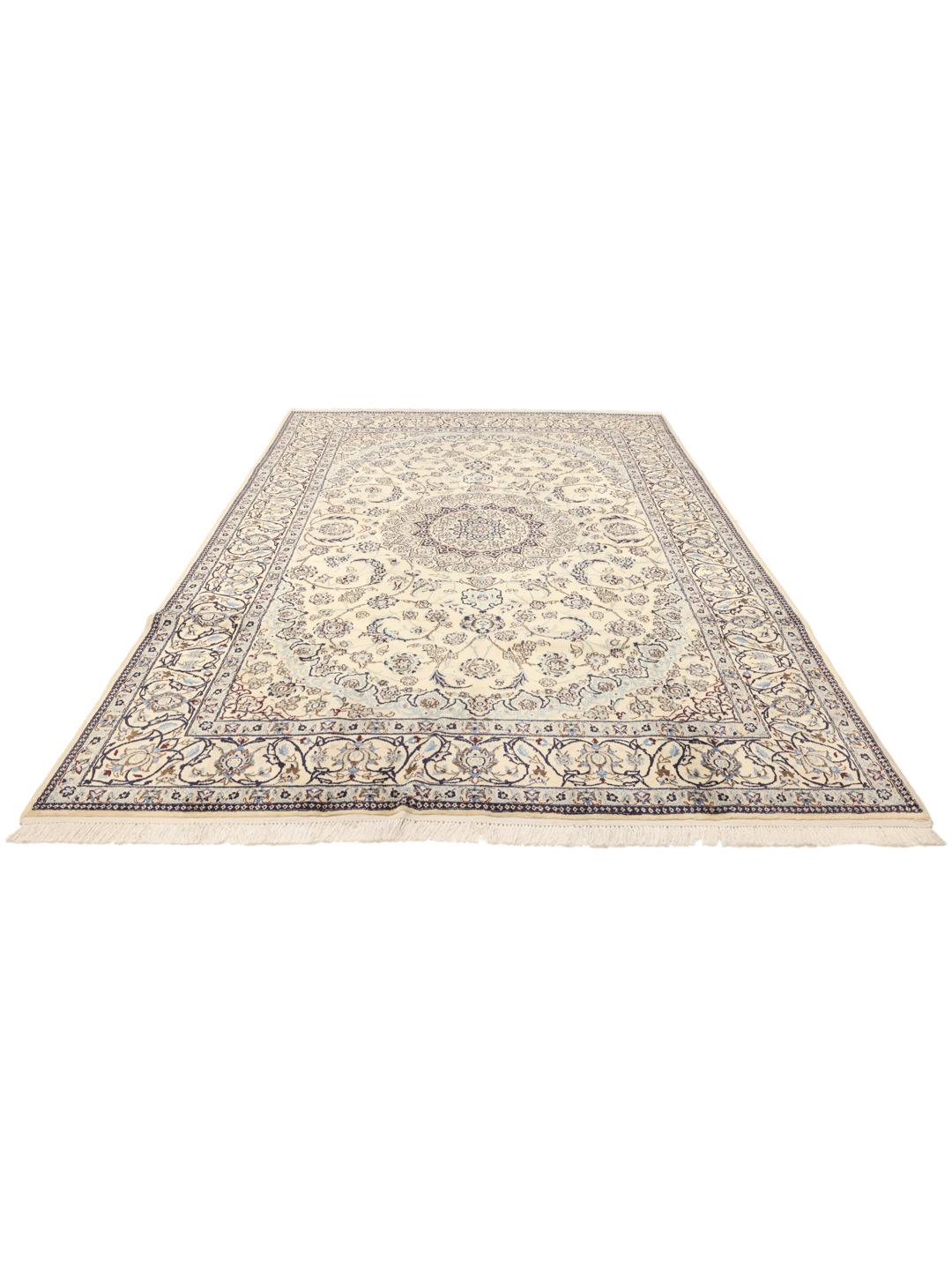
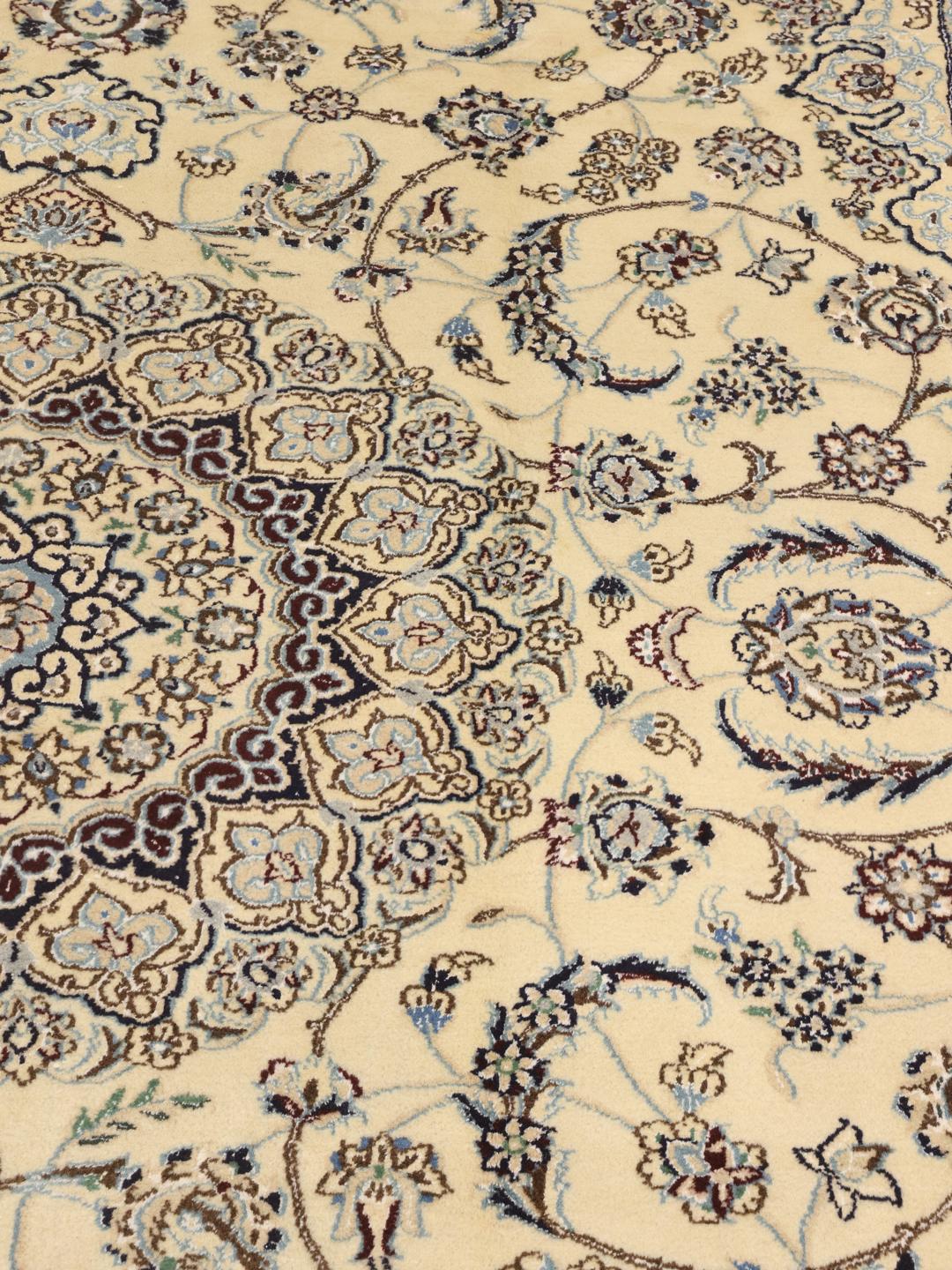
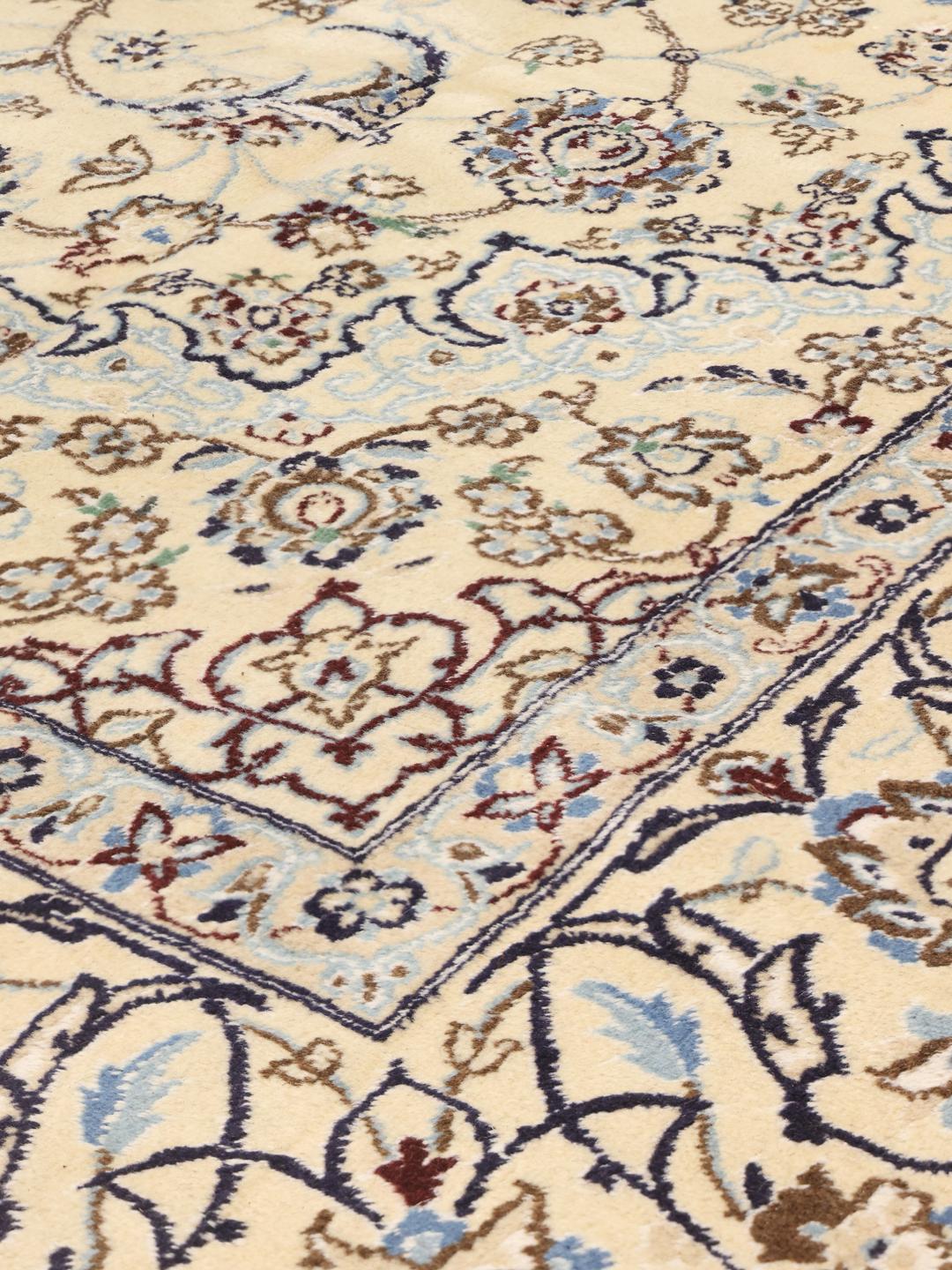
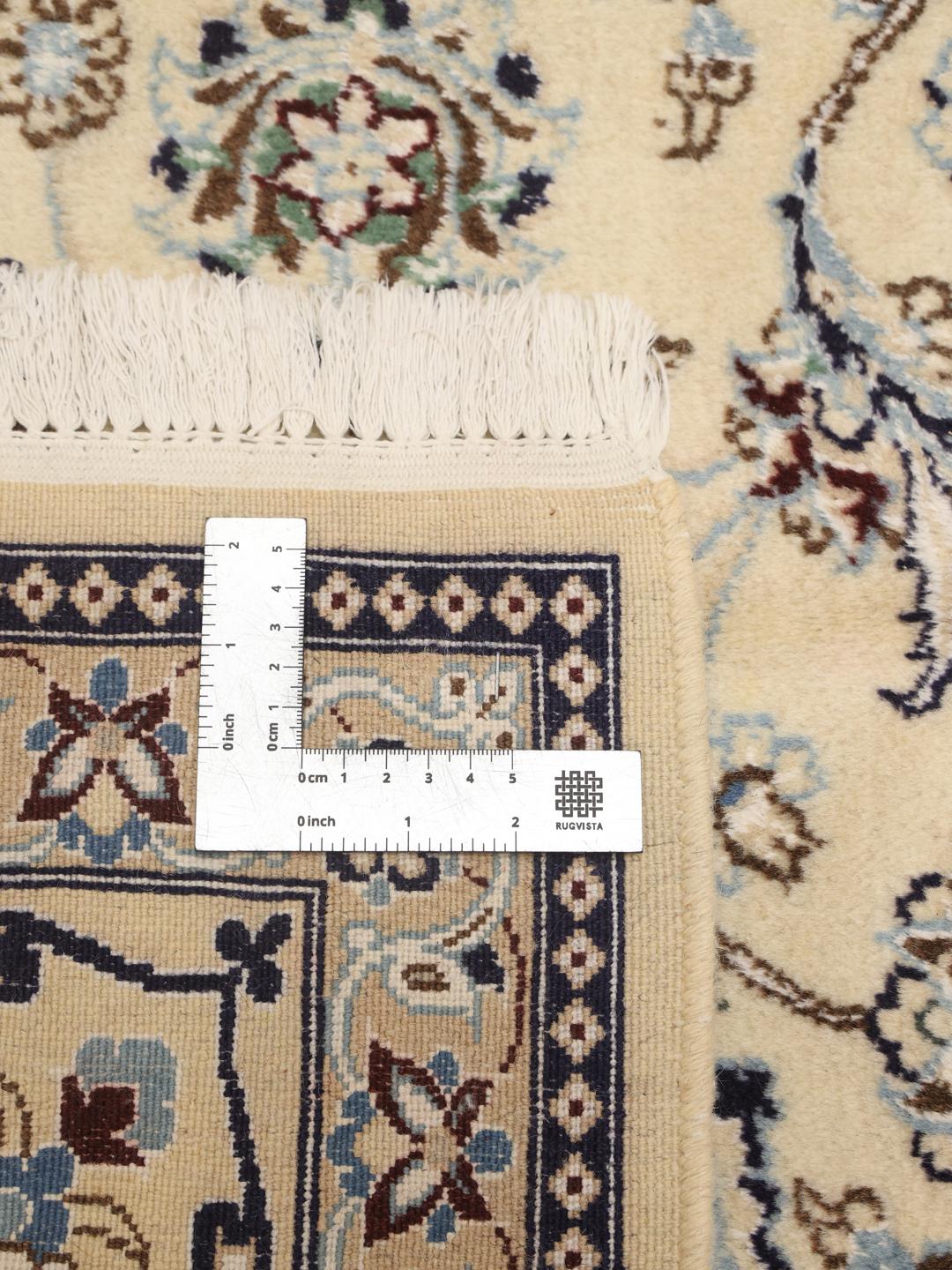
Visually, these rugs are defined by their signature medallion designs and intricate floral scrollwork, often referred to as Islimi patterns. While many traditional rugs favour deep, saturated tones, the Nain style is famously recognised for its refined palette of ivory, beige, and soft blue, which gives these pieces a light, airy, and distinctly elegant appearance.
Collectors value Nain rugs not only for their beauty but for the immense skill required to execute such fine designs. Owning a piece from this tradition is an investment in cultural heritage, representing a level of dedication to craft that has been preserved and refined over decades, making it a centrepiece of any serious collection.