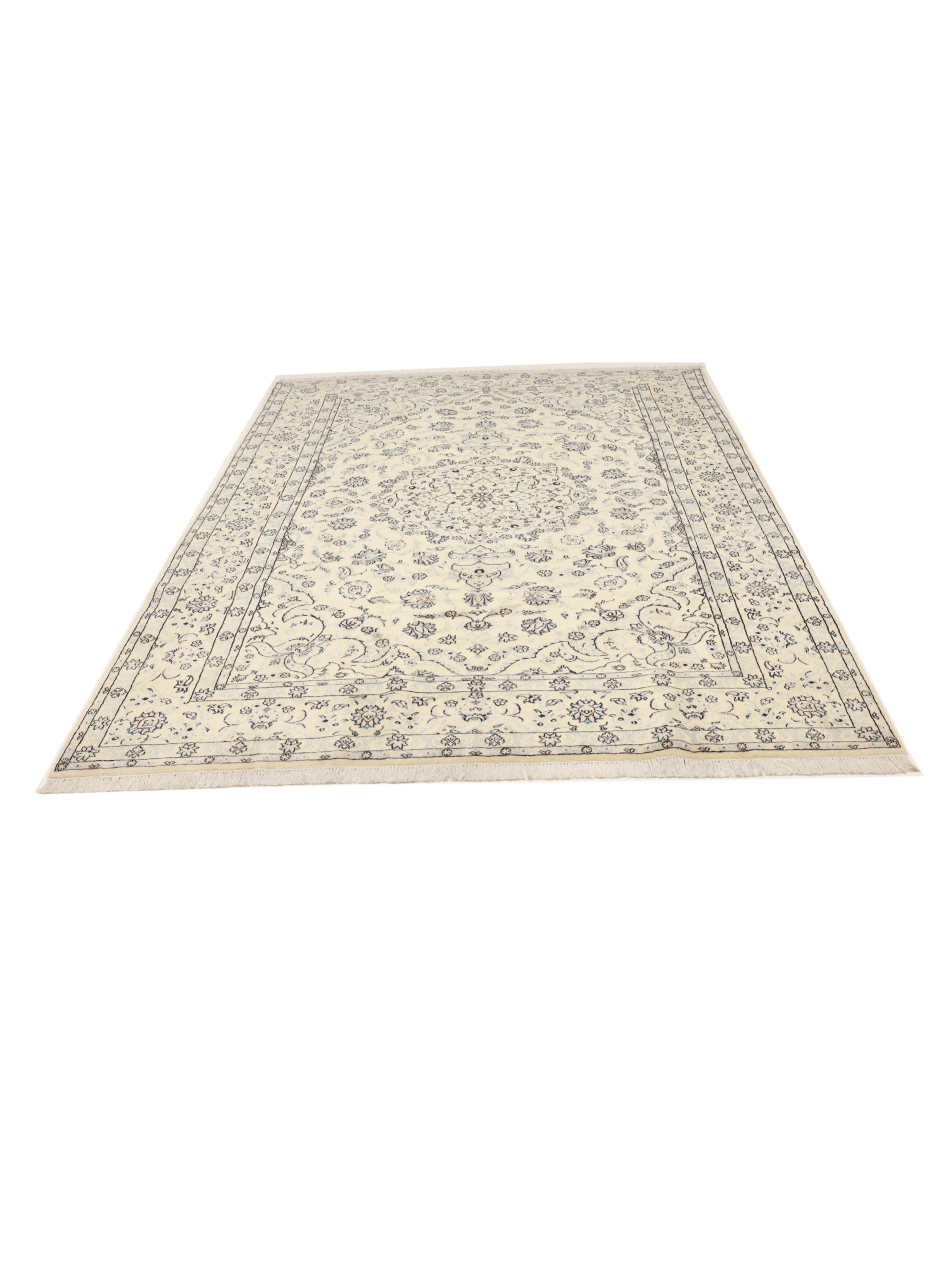
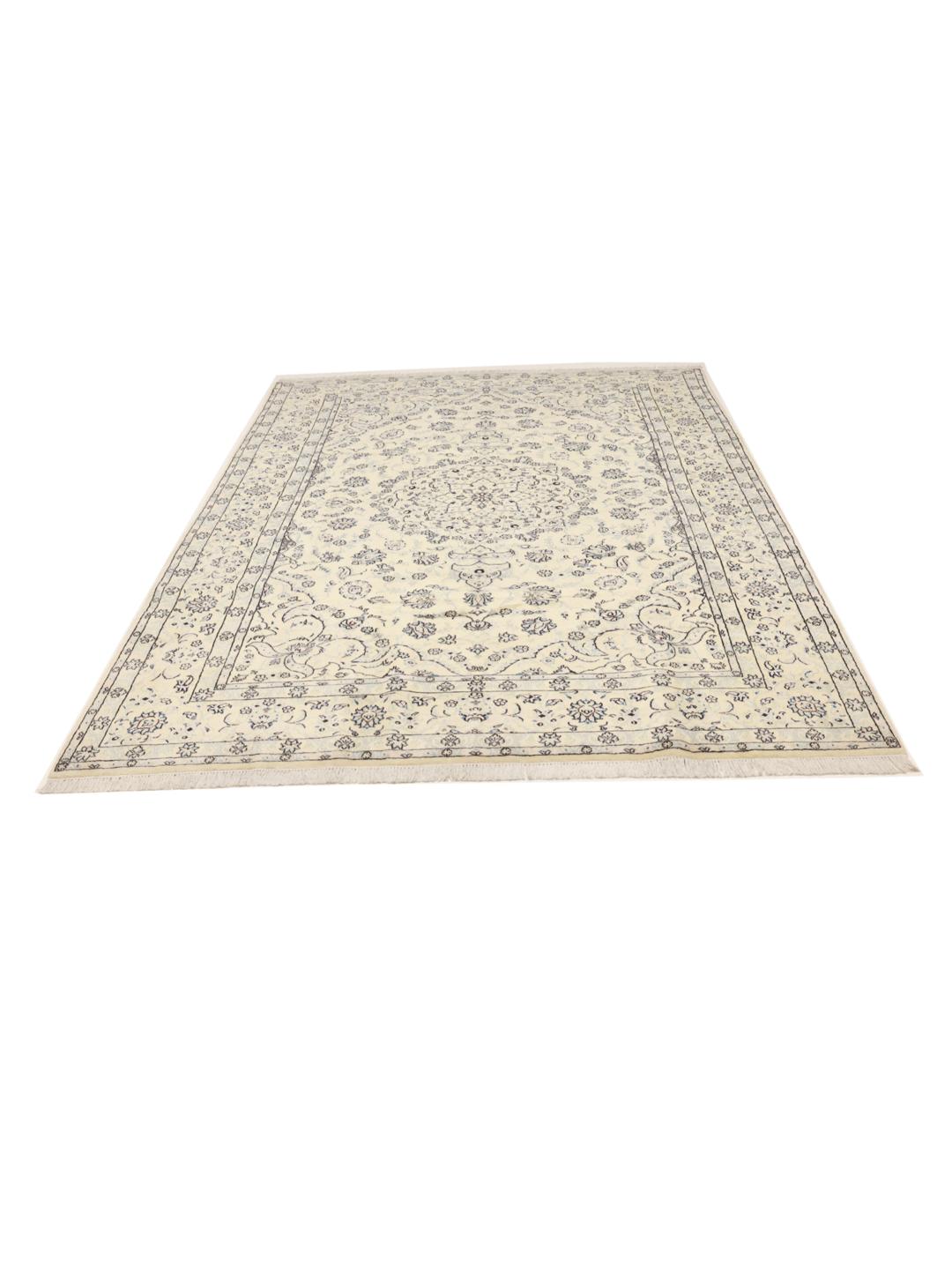
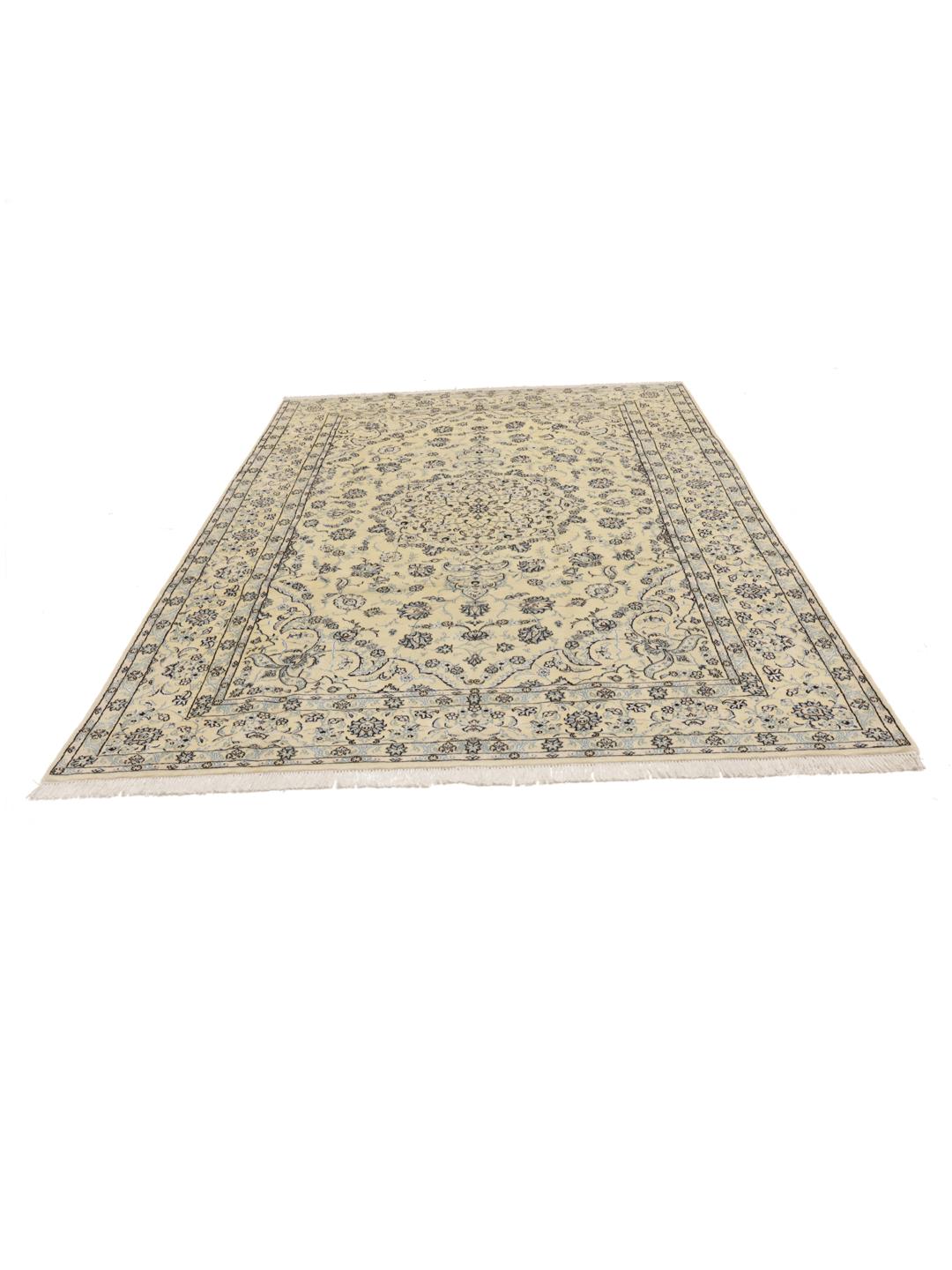
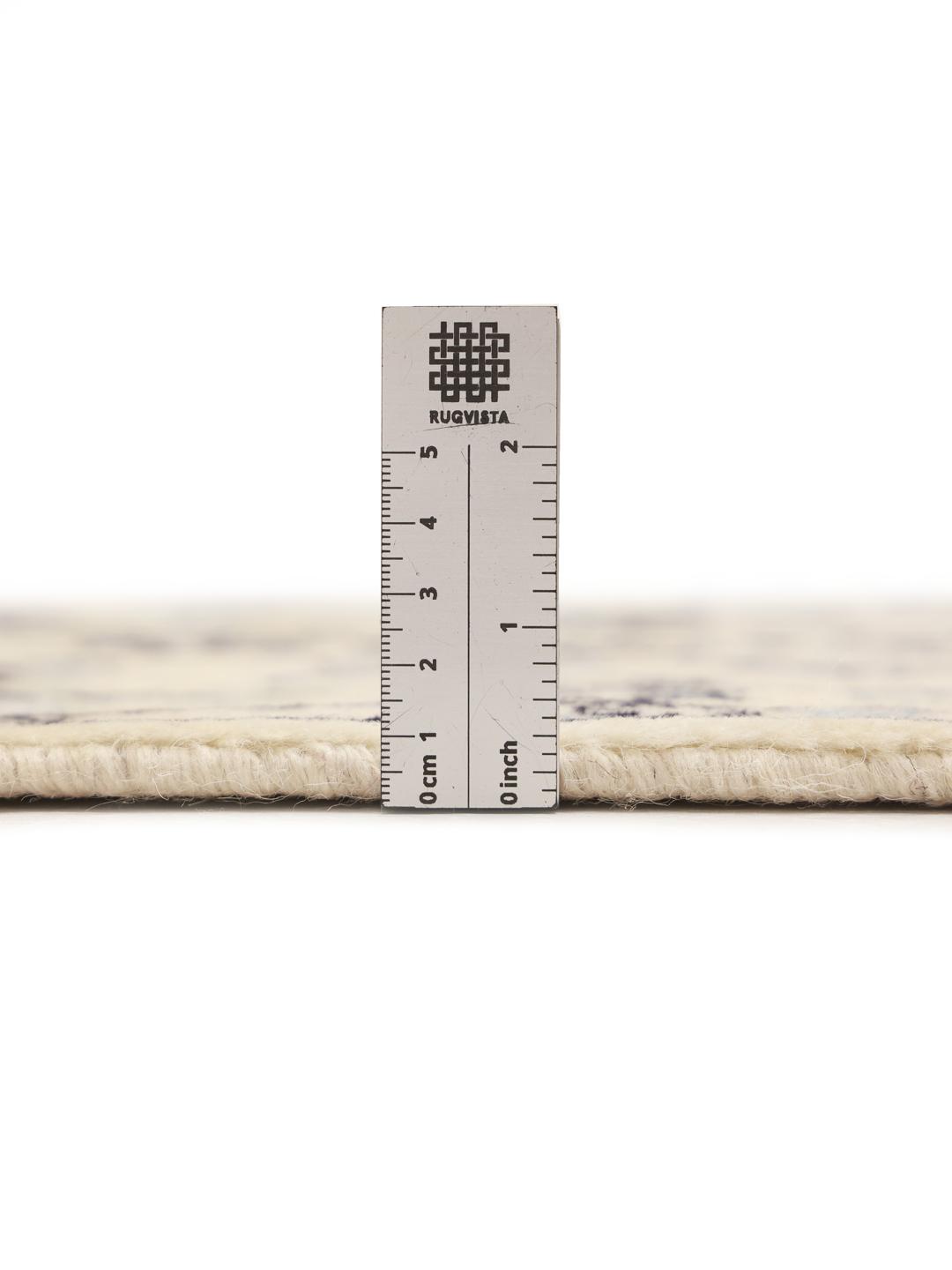
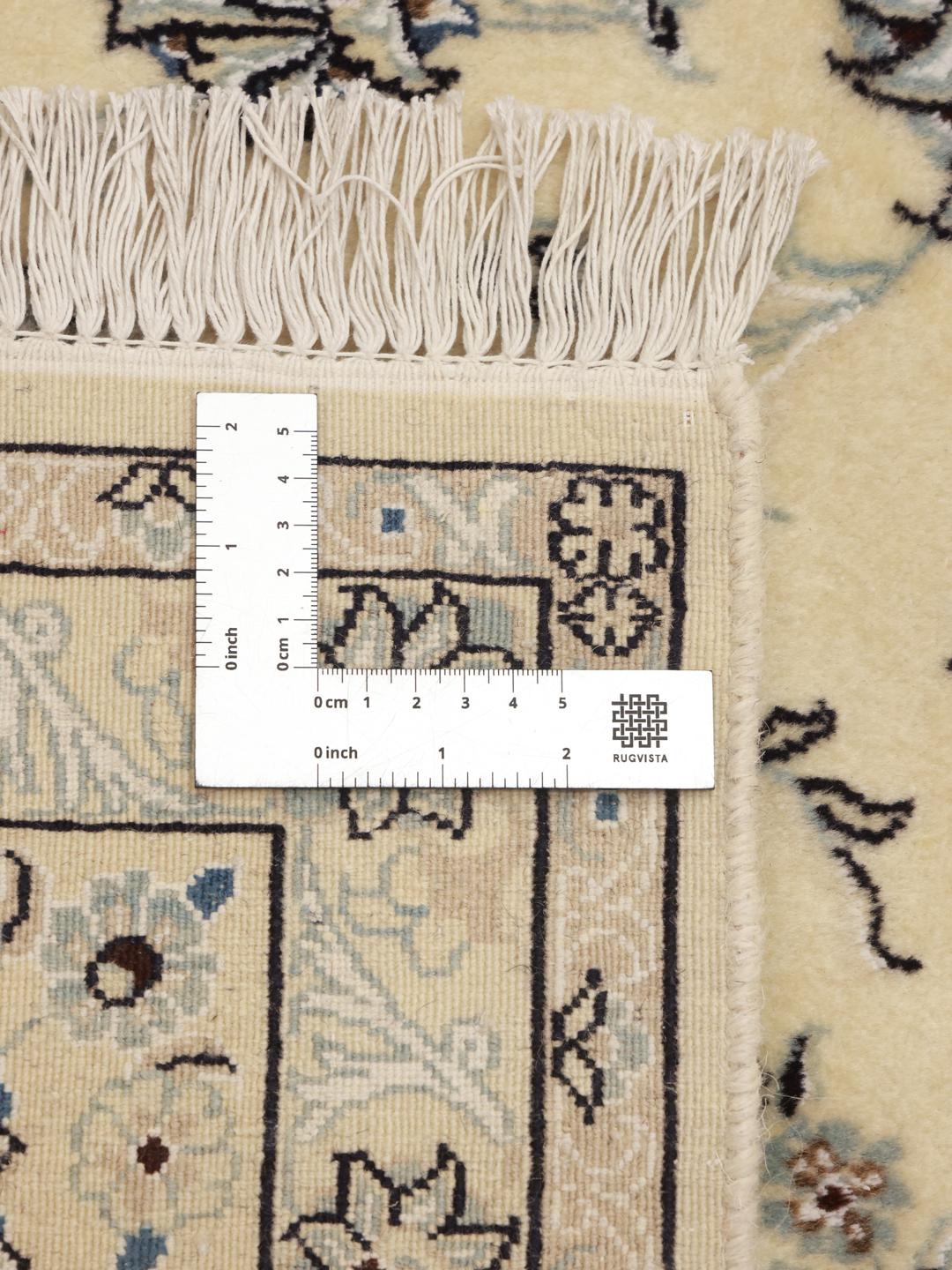
The Nain rug tradition originates from the city of Nain, located in the heart of the Middle East. Originally a centre for the production of high-quality wool textiles, the city transitioned into fine rug weaving in the early 20th century. This shift was inspired by the need to diversify local craft, leading to the development of a distinct style characterised by its light, harmonious colour palettes and extremely refined, intricate floral designs.
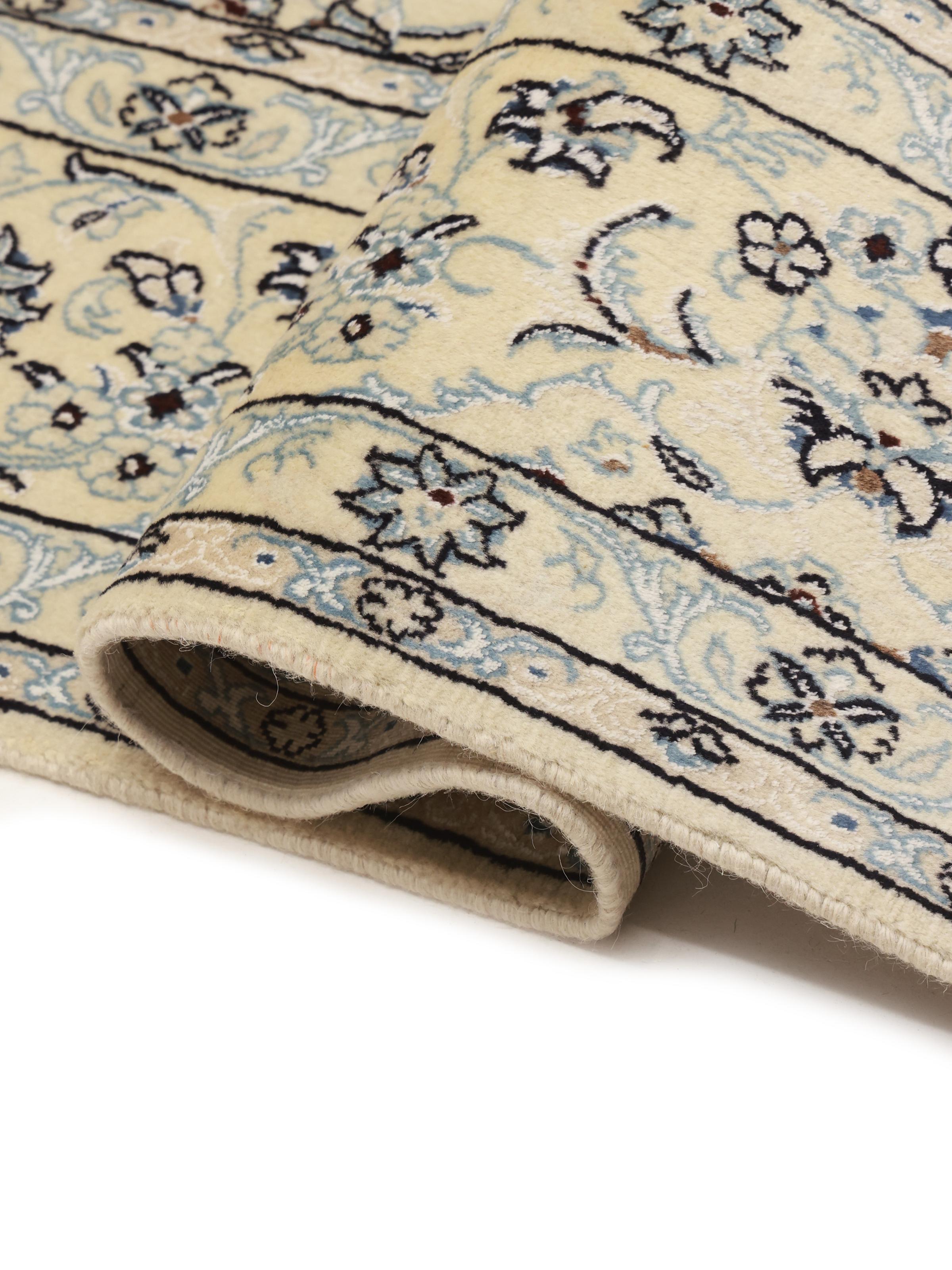
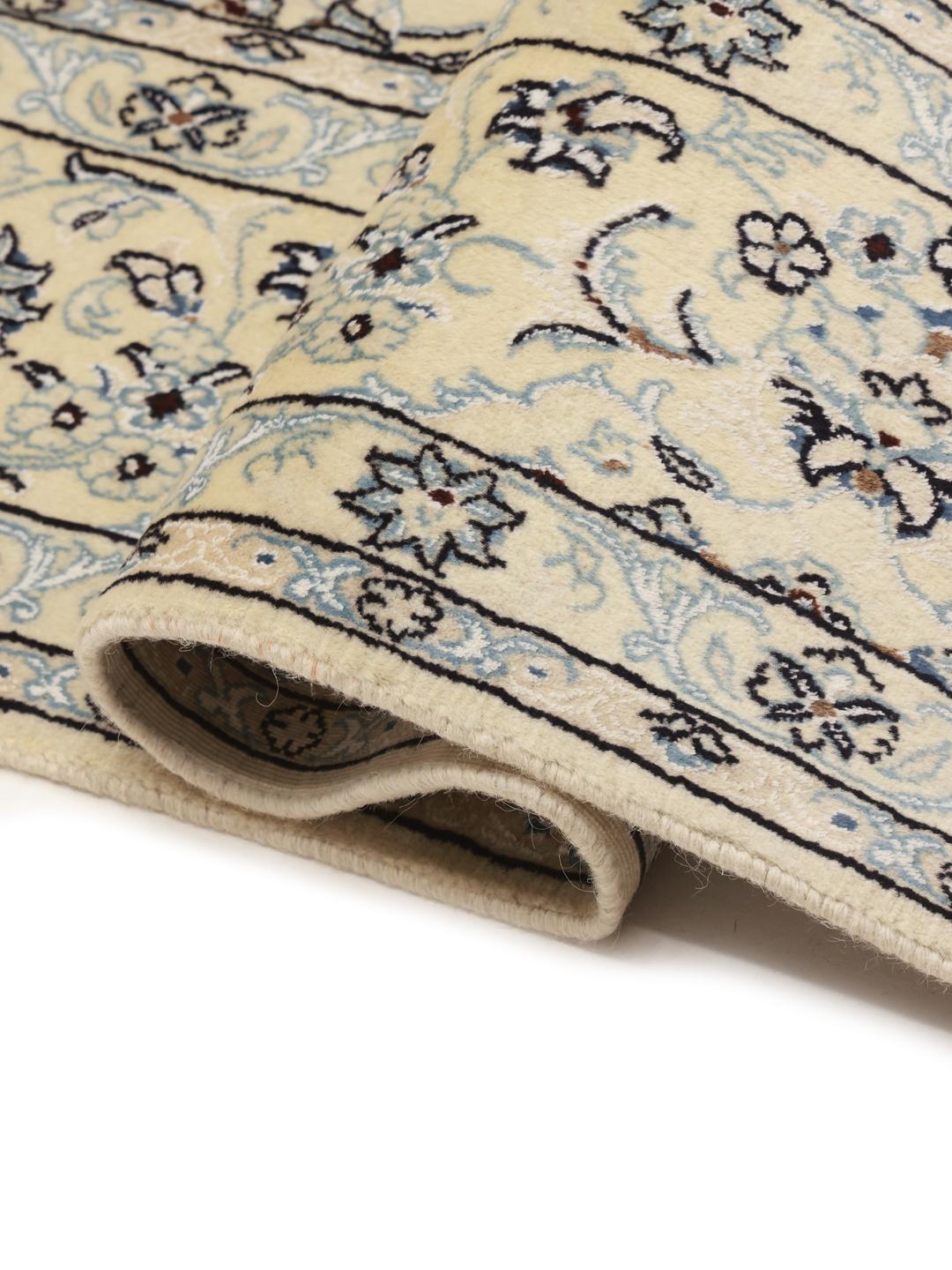
The '9La' designation is a vital piece of terminology for those who appreciate high-quality construction. In the language of these rugs, 'La' refers to the number of threads used in the fringe, with a lower number indicating a finer, more complex weave. A 9La rug is celebrated for its balance between intricate pattern detail and a substantial, plush pile, making it a favourite for those who desire both visual beauty and a comfortable, soft feel underfoot.
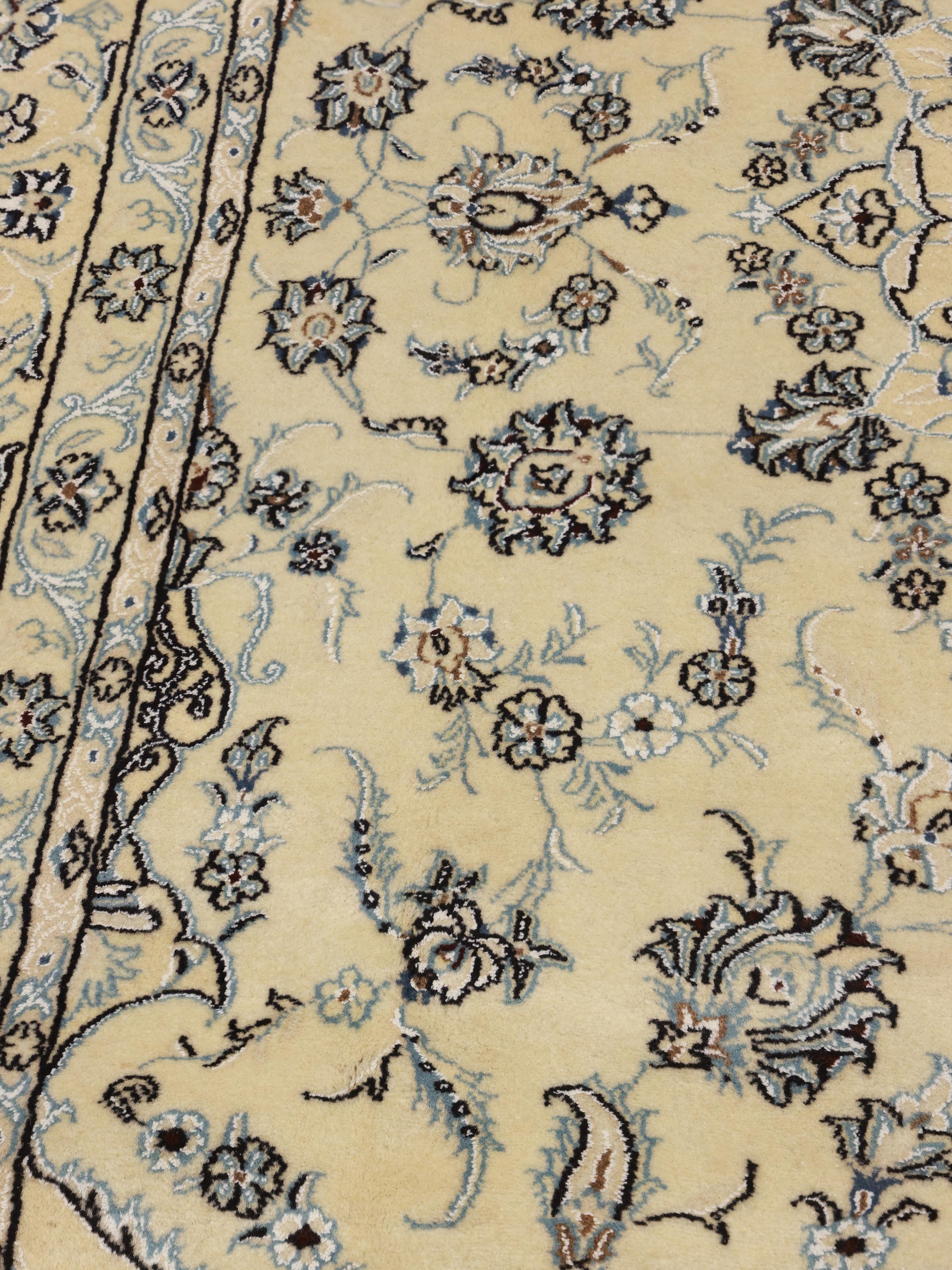
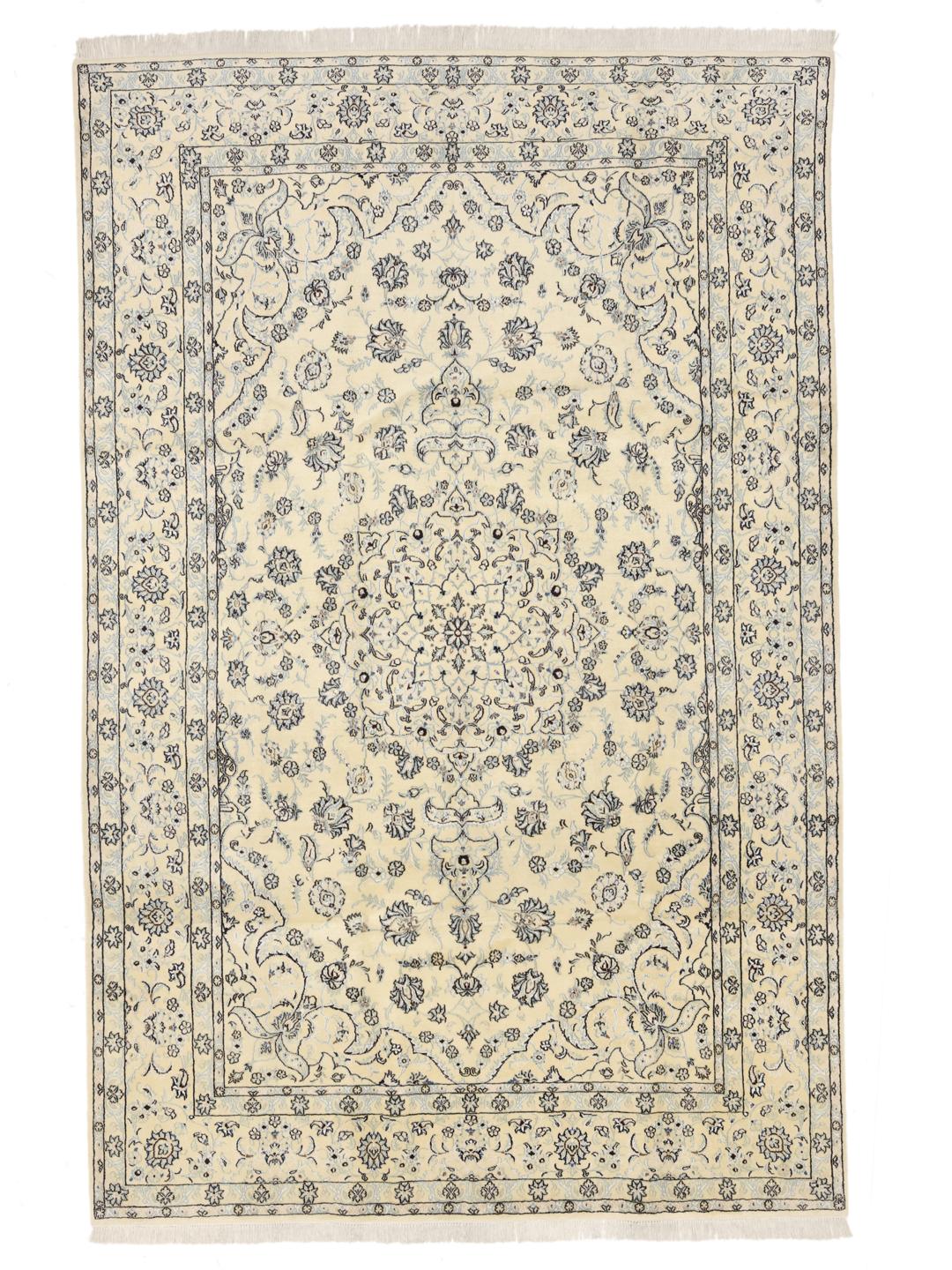
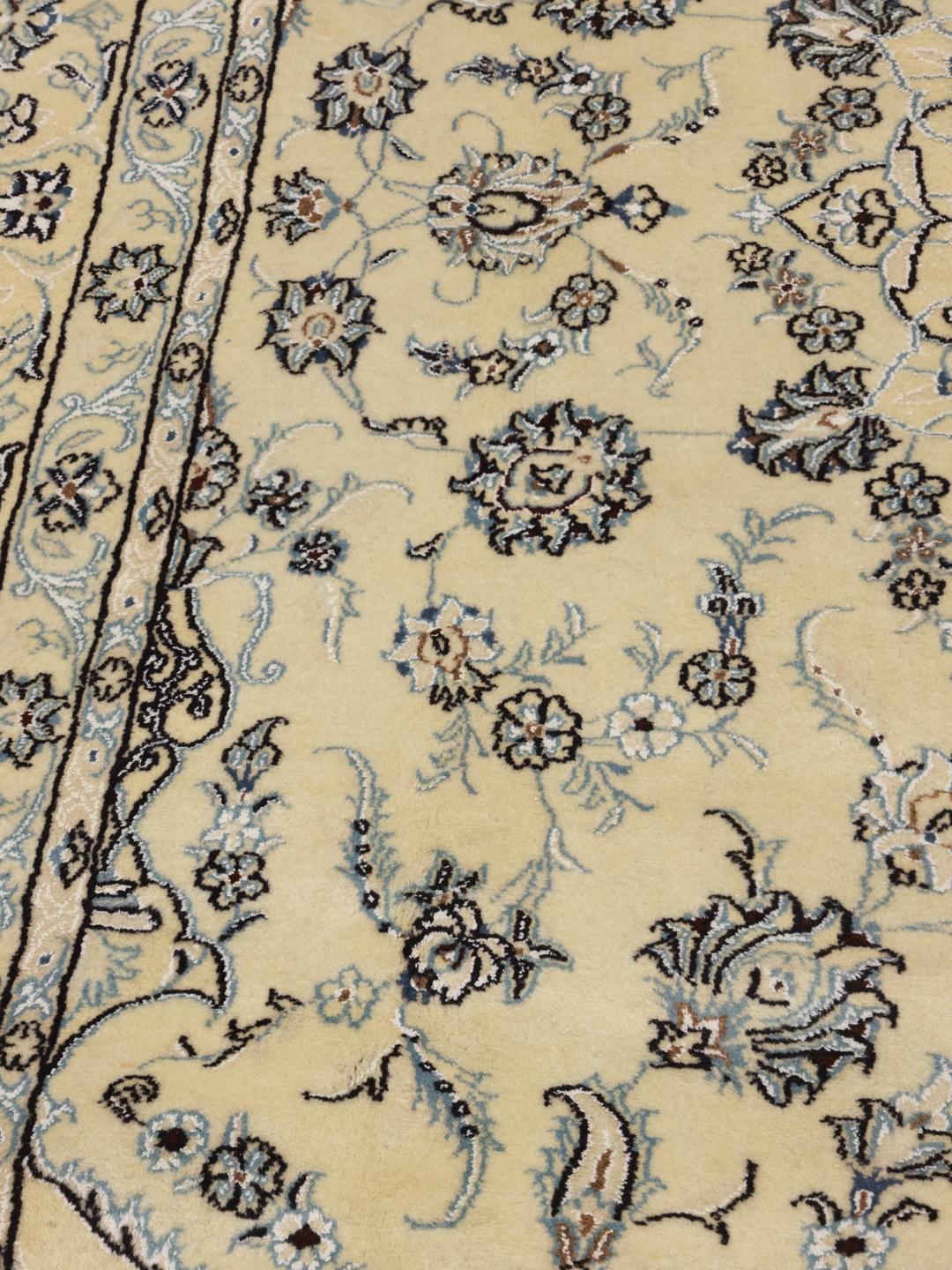
Visually, these rugs are often recognised by their delicate, curvilinear patterns, often featuring central medallions surrounded by elaborate arabesques and floral sprays. The colour tradition typically involves soft creams, ivories, and blues, which lends these pieces a serene and sophisticated look. Any variation in these traditional motifs or colours is highly prized, as it reflects the artistic freedom and individual touch of the weaver, making each piece a unique expression of its maker.
Owning a piece from this tradition is a commitment to preserving a legacy of skill and cultural heritage. These rugs are highly sought after by collectors not just for their beauty, but for the immense patience and expert knowledge required to produce them. To possess such a rug is to have a tangible connection to a history of artistry, where every thread tells a story of dedication, cultural identity, and the pursuit of perfection.