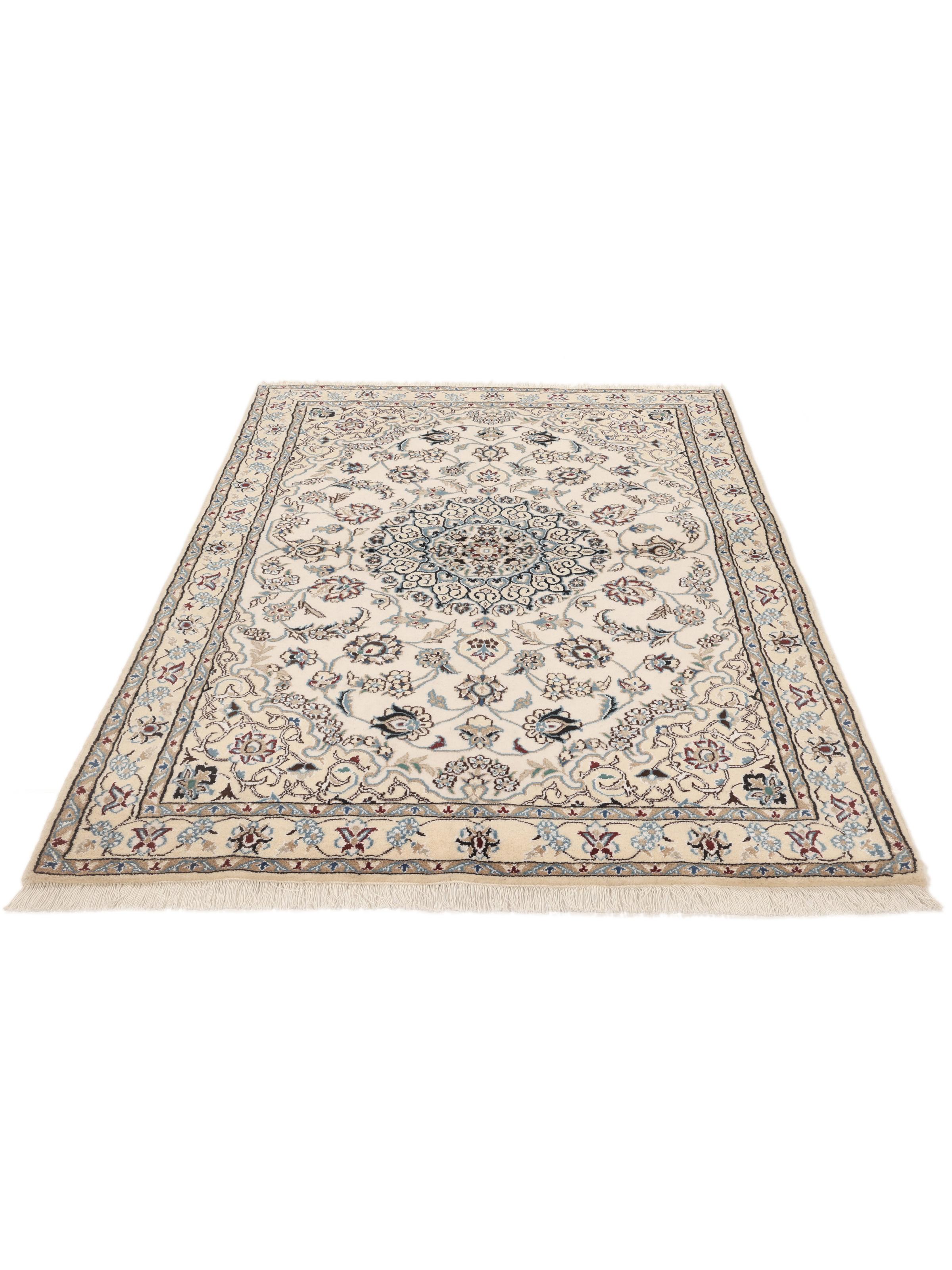
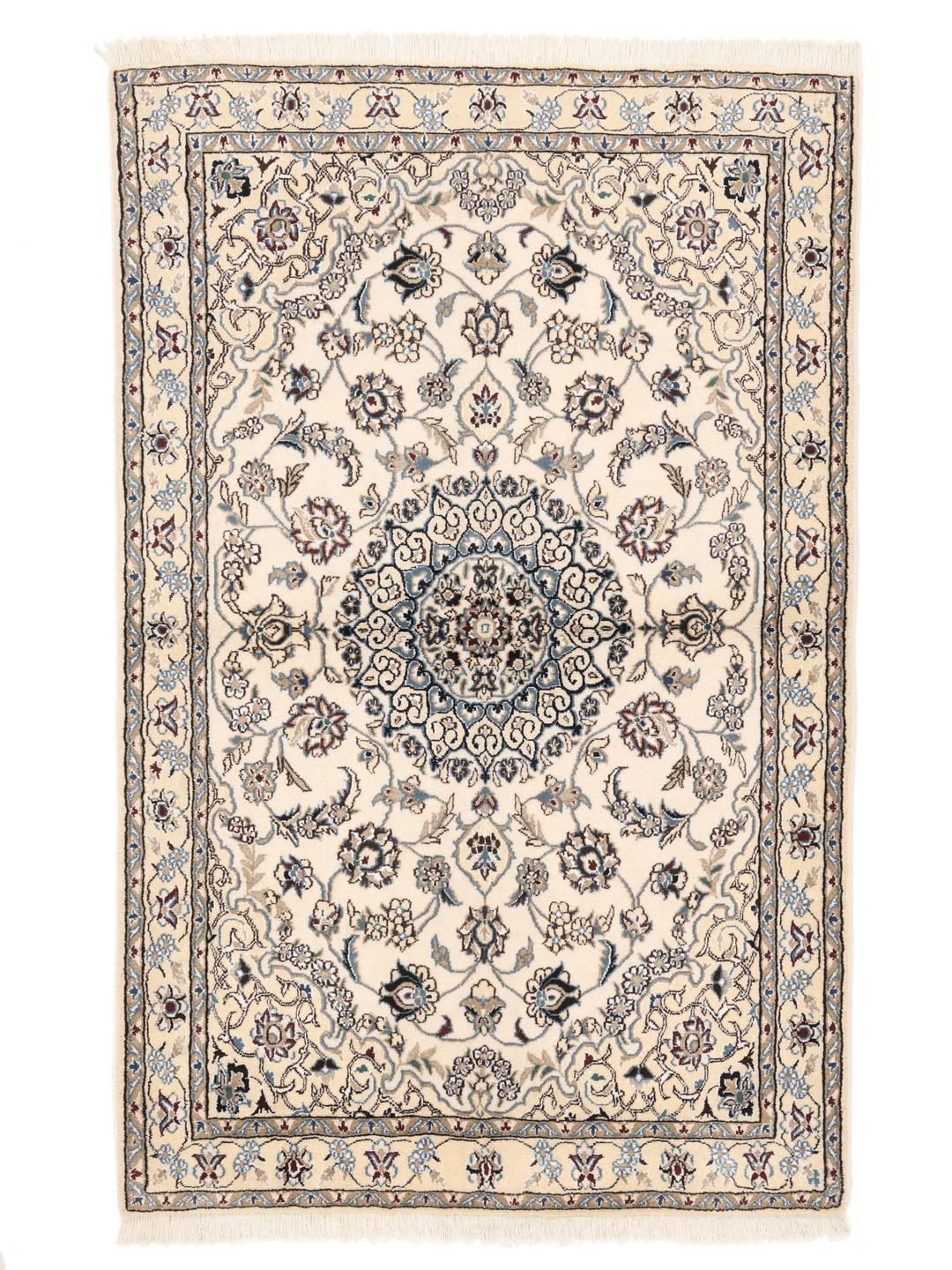
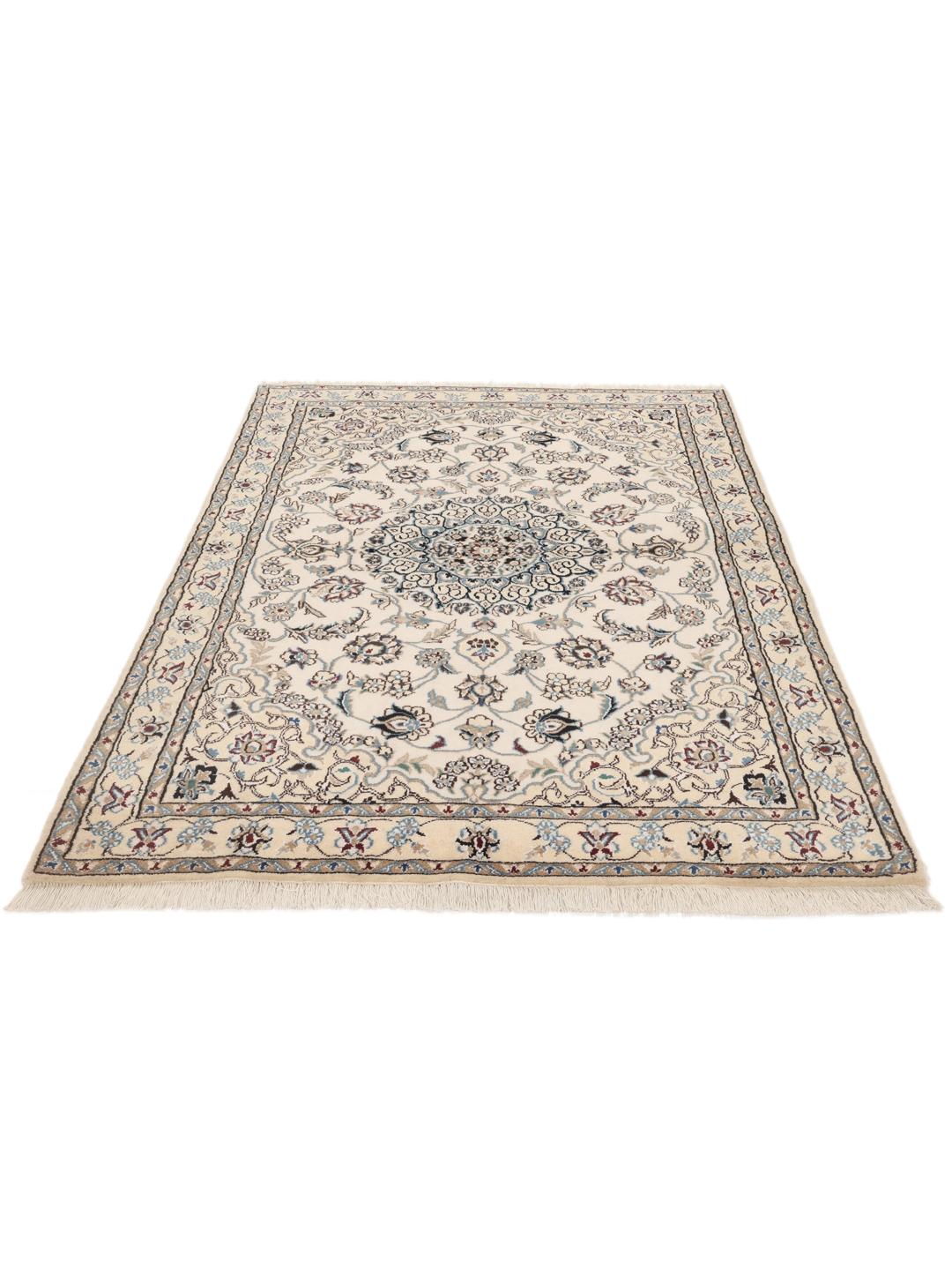
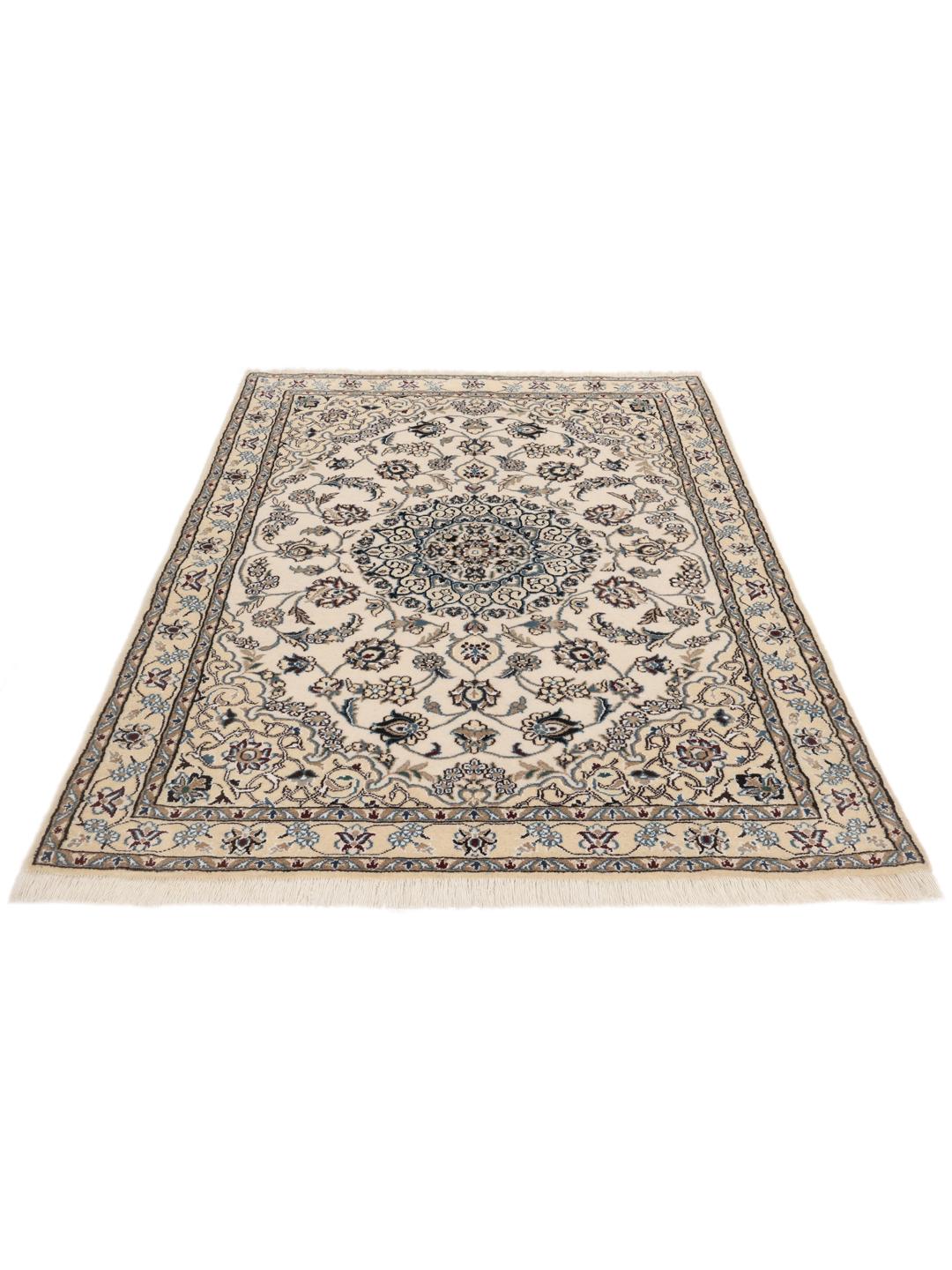
The Nain rug tradition originates from the historic city of Nain in the Middle East, a town once famous for its high-quality woolen textiles. While the region initially focused on producing fine cloaks and garments, it evolved into one of the most prestigious centres for rug weaving in the 20th century. Today, these rugs are celebrated for their sophisticated aesthetic and their use of superior materials.
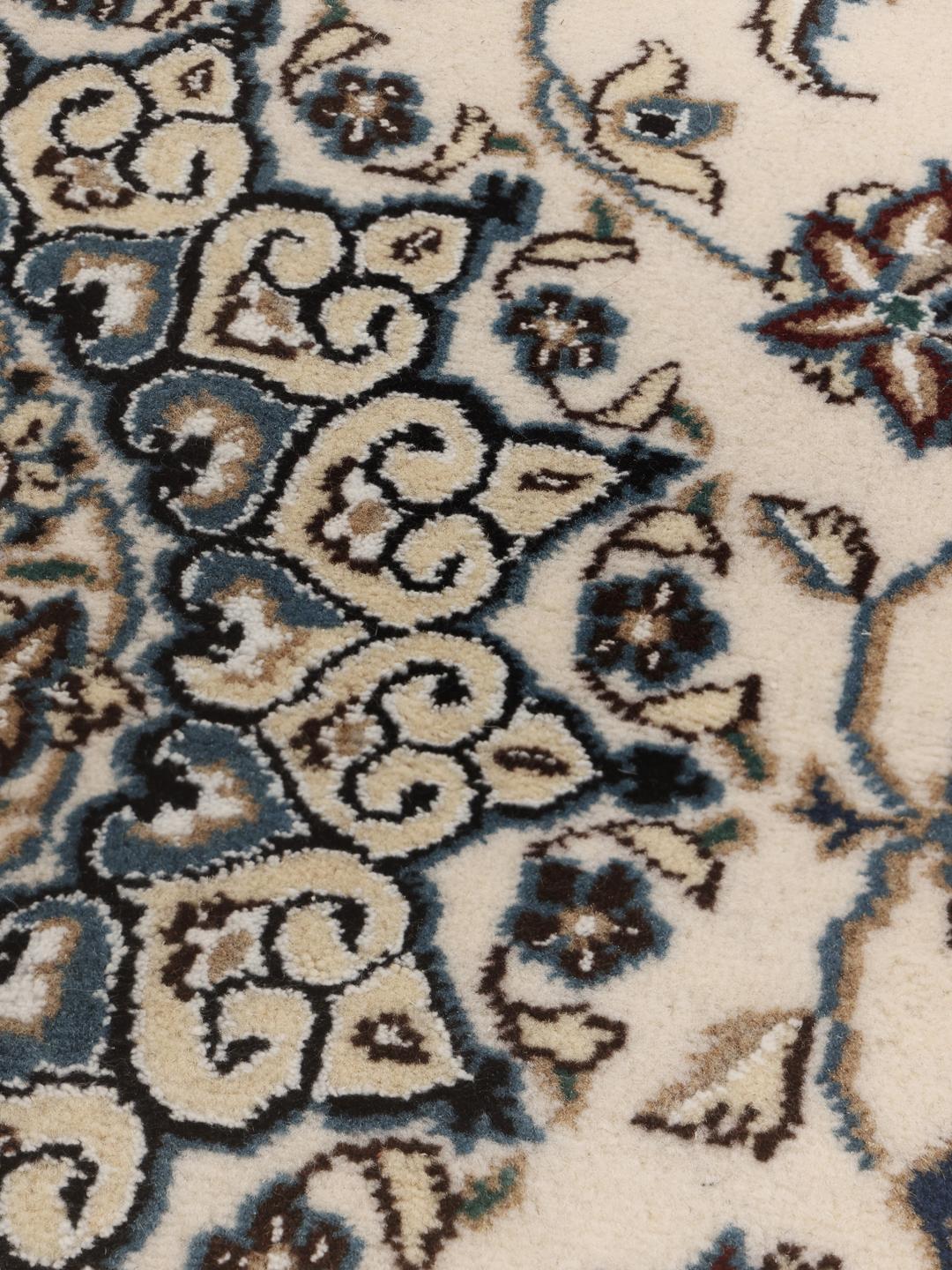
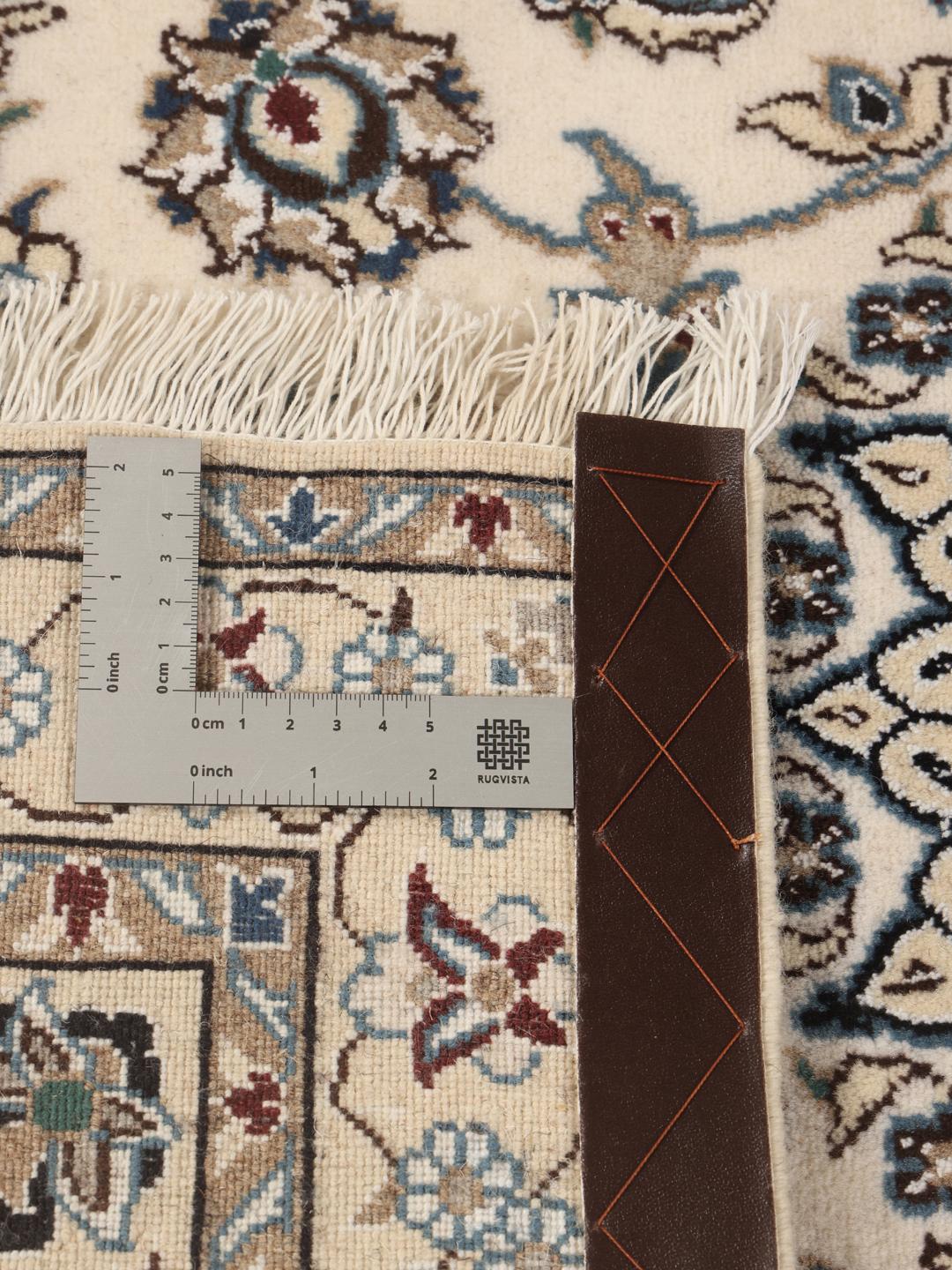
The term '9La' refers to the specific classification of the rug based on the thickness of the thread used in the foundation. In the Nain tradition, the 'La' system indicates the number of strands of yarn twisted together in each warp thread. A 9La rug is crafted with a balance that allows for a high level of detail while maintaining a soft, comfortable pile that is ideal for residential use.
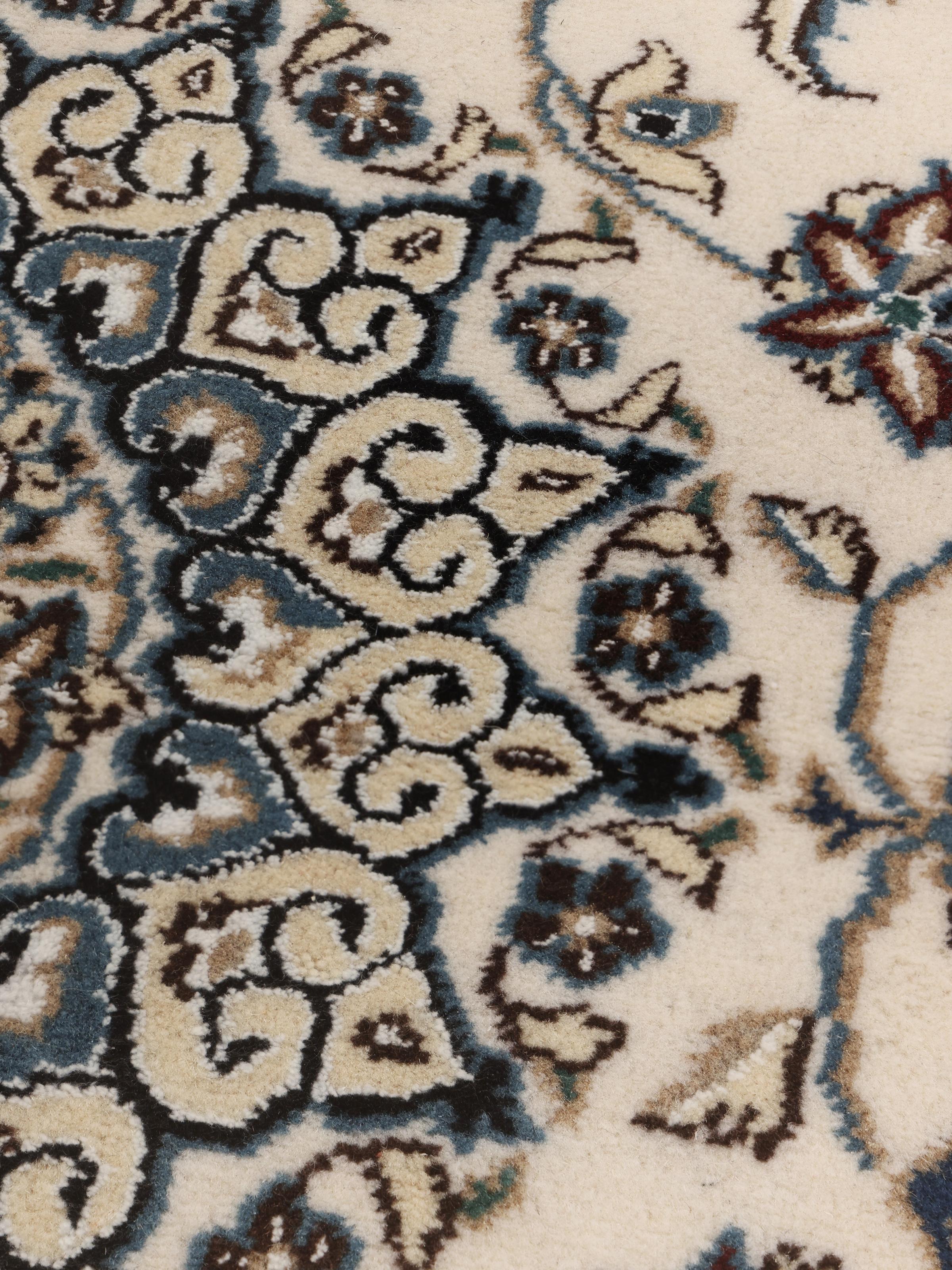
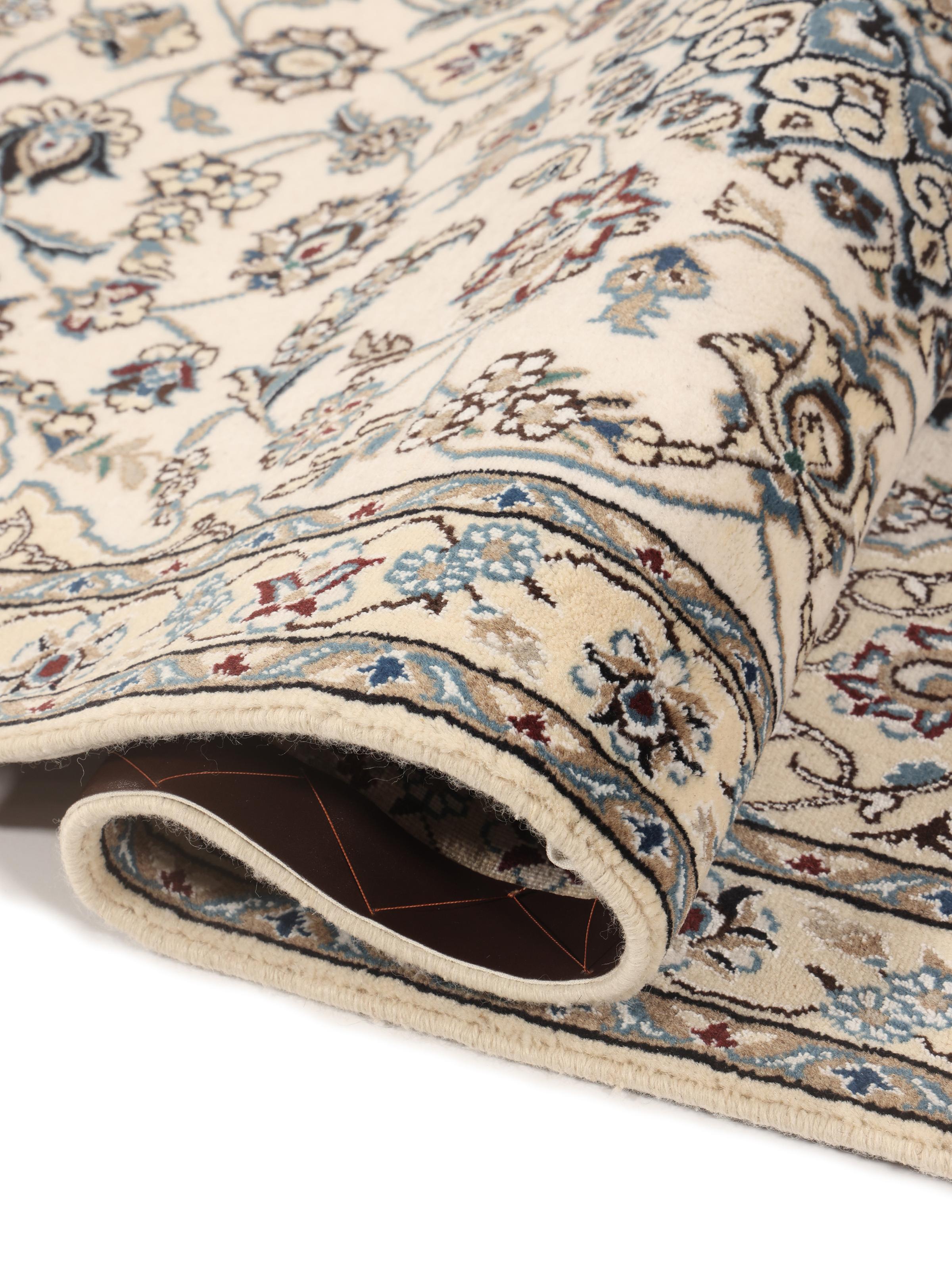
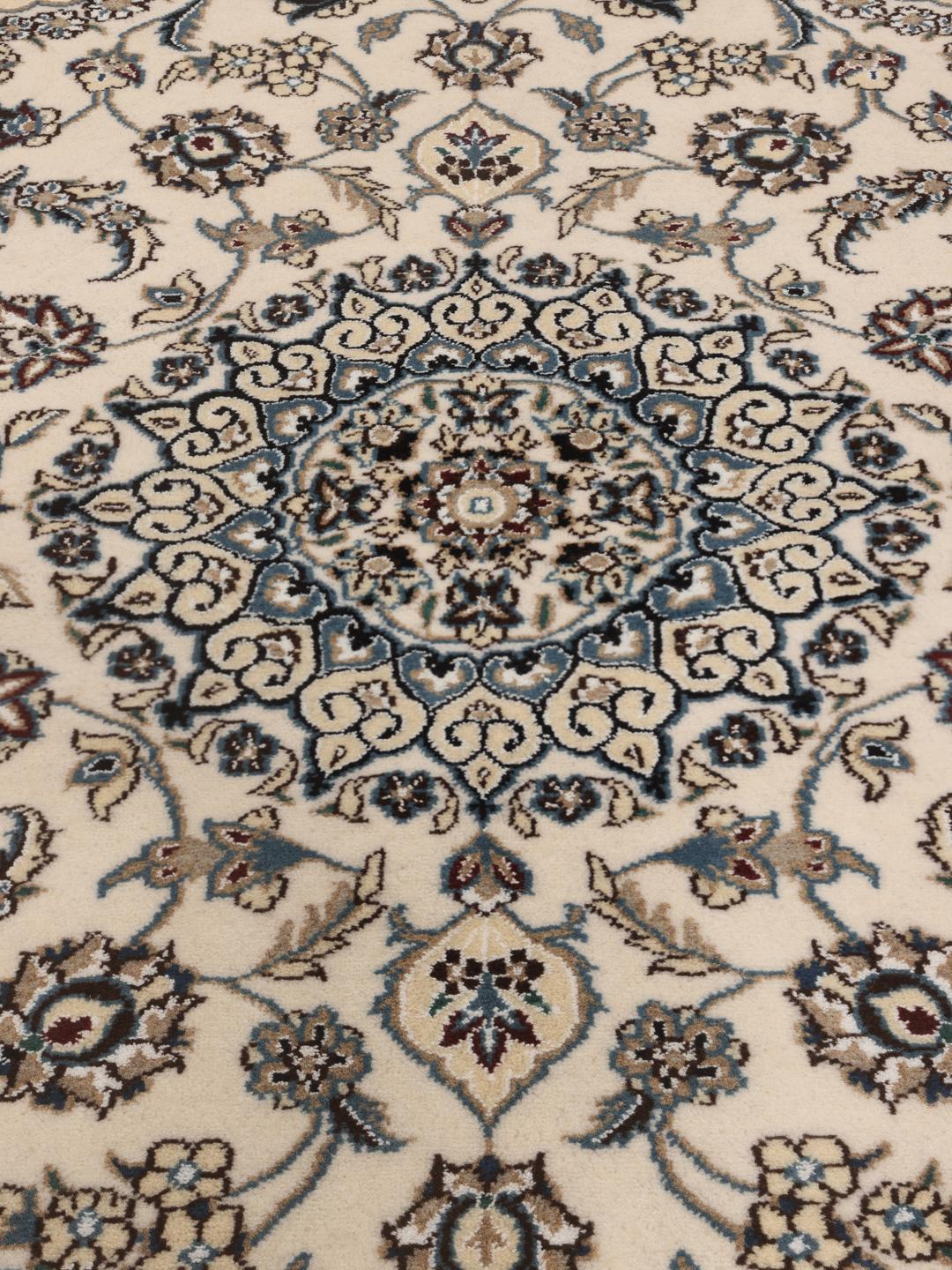
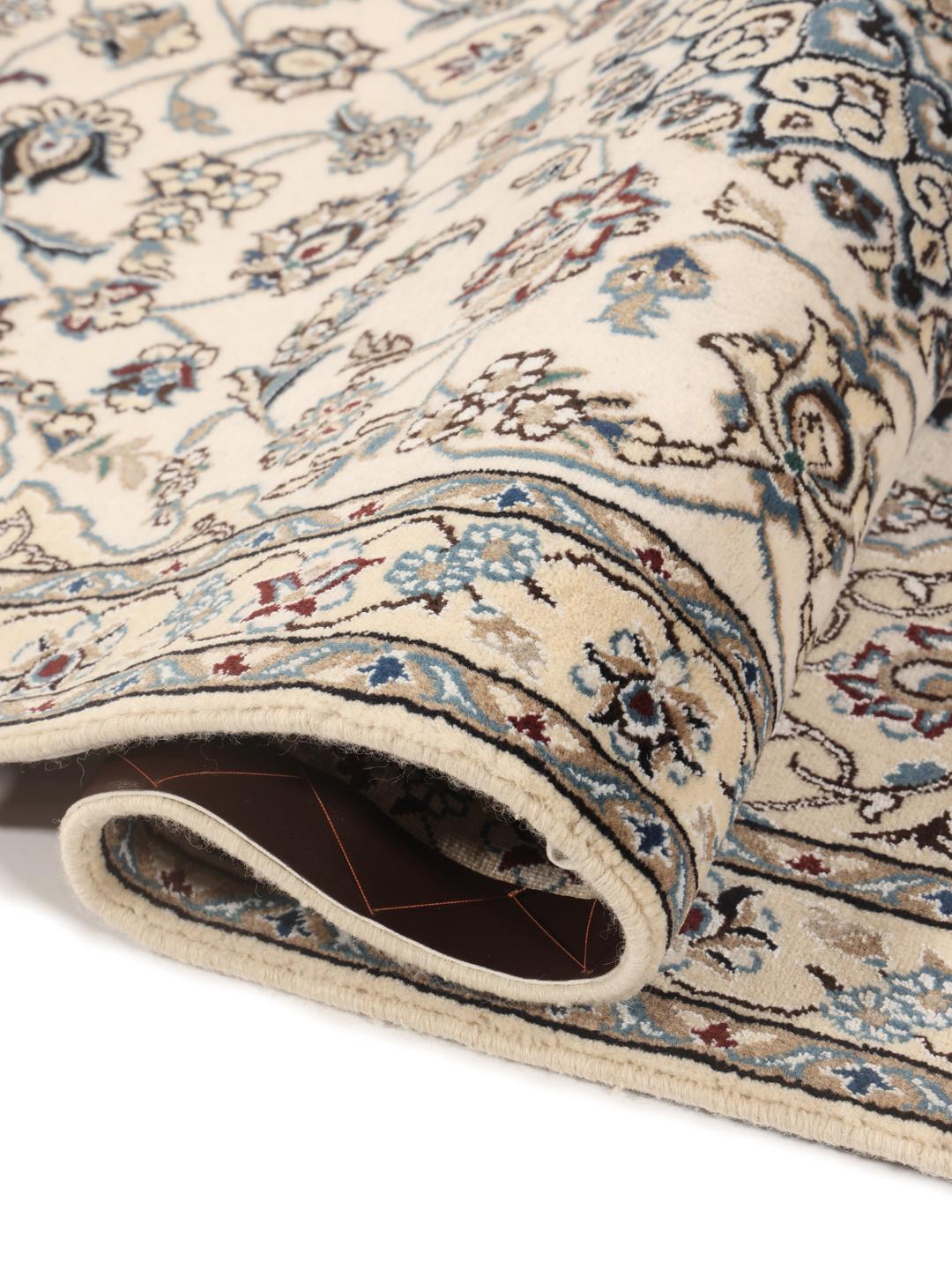
Nain rugs are instantly recognisable for their signature design language. They often feature delicate, flowing floral vines and complex central medallions, typically rendered in a refined palette of beige, cream, and soft blues. The patterns are inspired by classical garden motifs, often incorporating subtle, intricate borders that frame the field, resulting in a look that is both ornate and remarkably balanced.
Collecting a Nain rug is an investment in cultural heritage and exceptional skill. Because of the precision required to create these intricate designs, they are highly valued by collectors and enthusiasts alike. Owning one is a way to connect with a centuries-old tradition of artistry, ensuring that the legacy of these master weavers continues to be appreciated in modern homes.