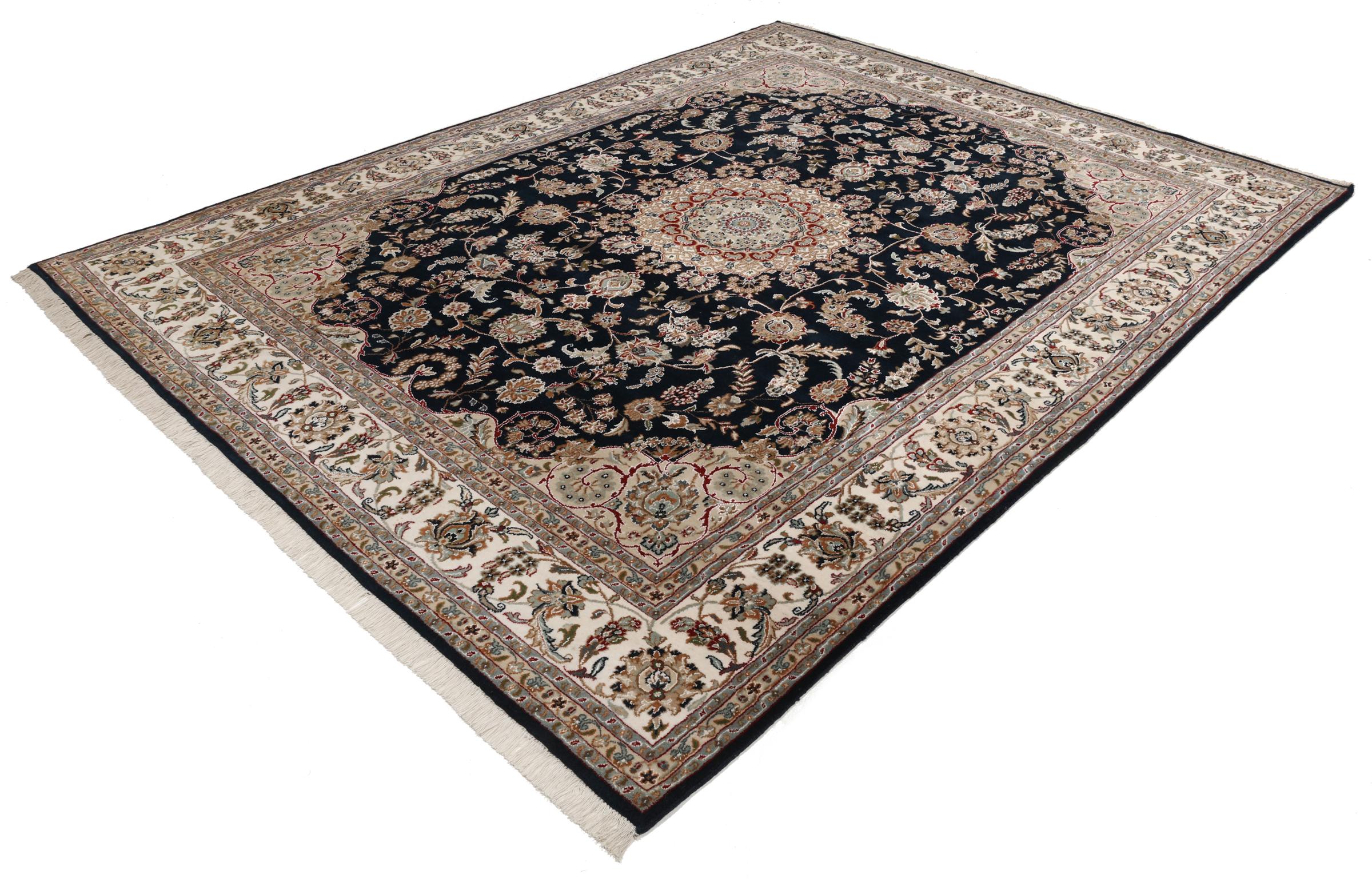
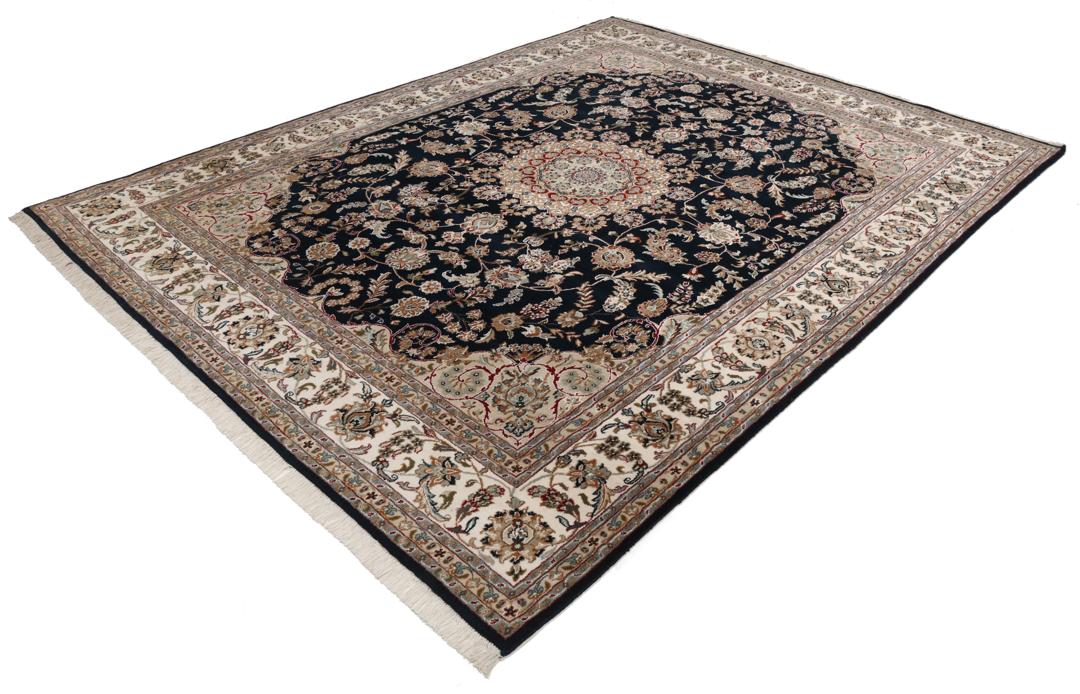
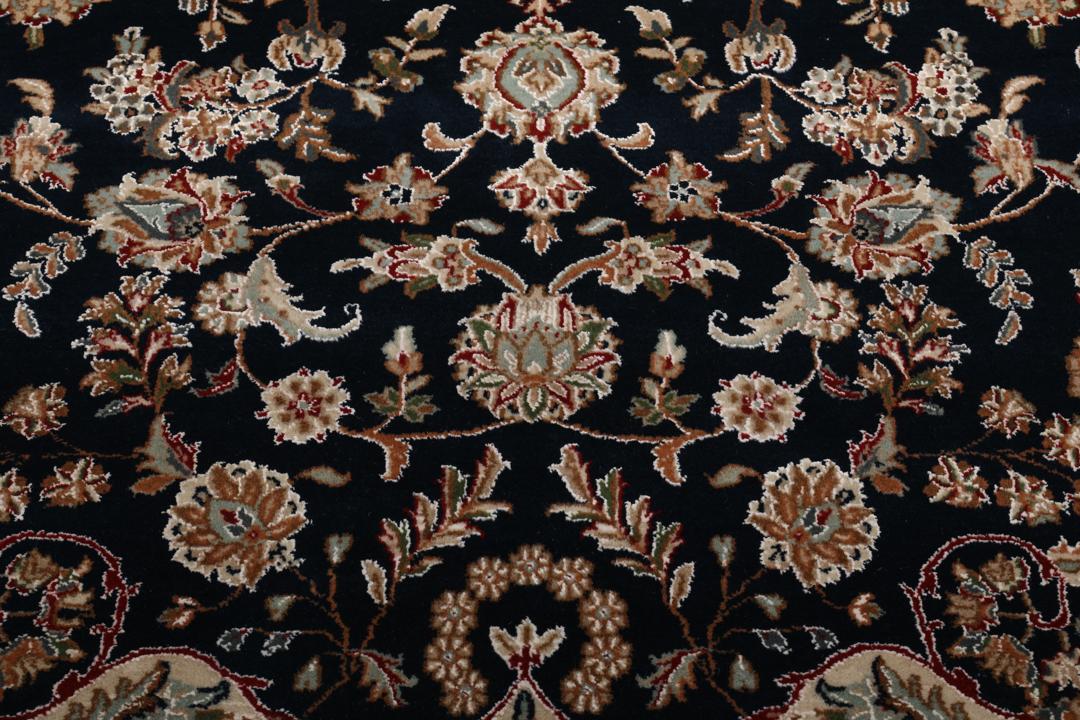
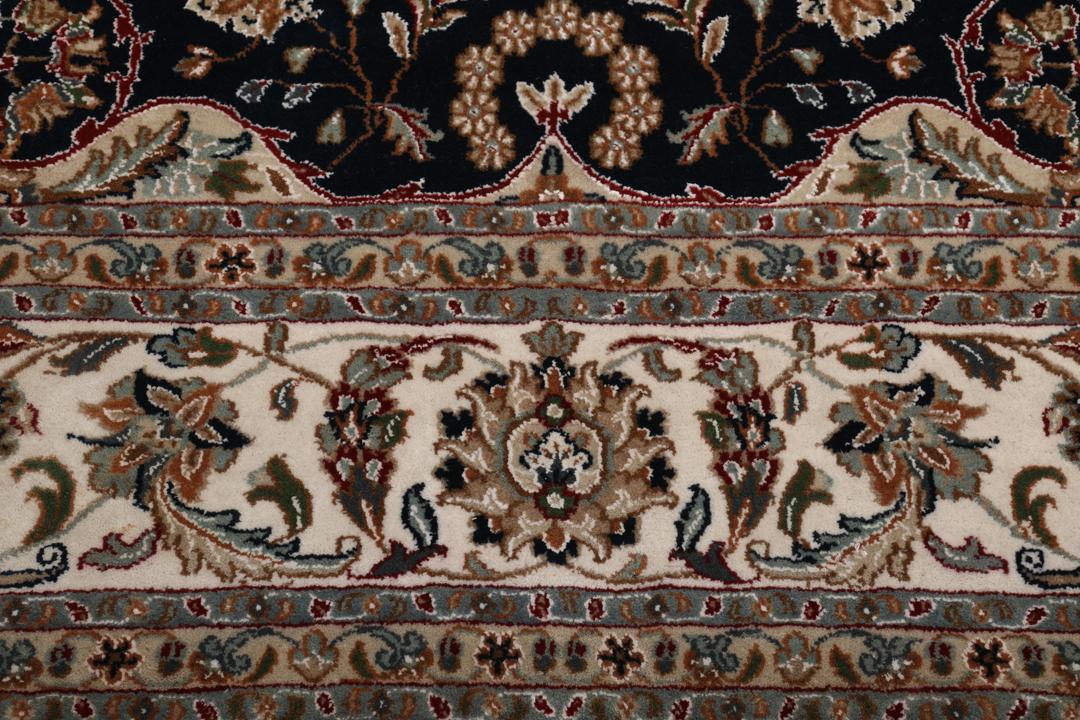
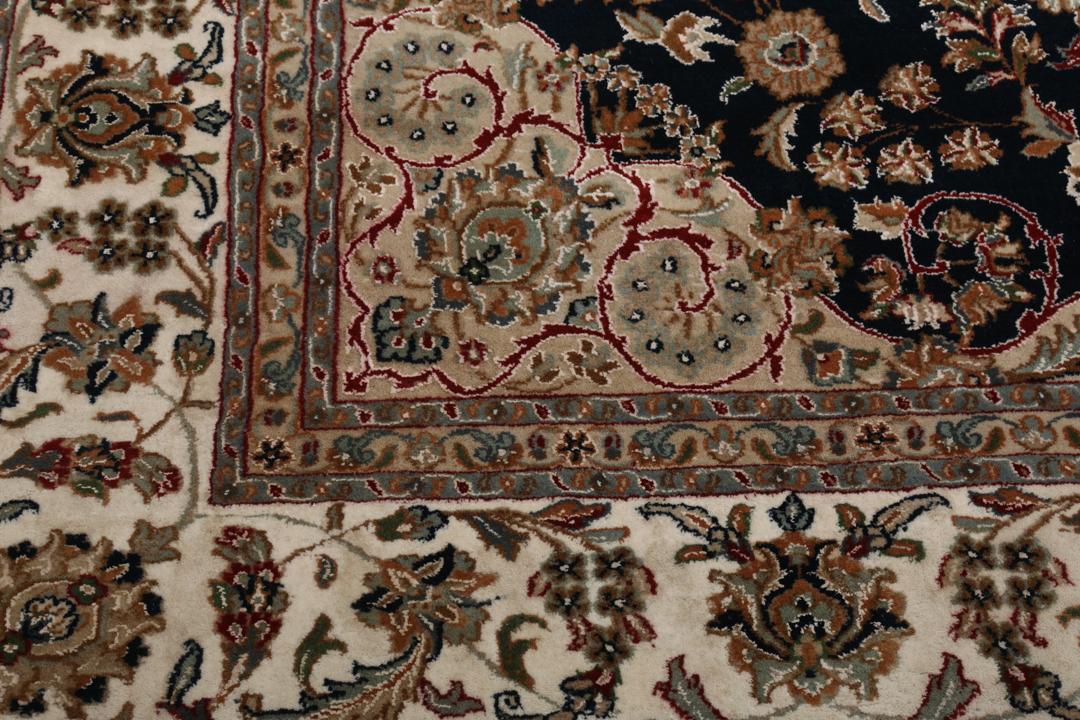
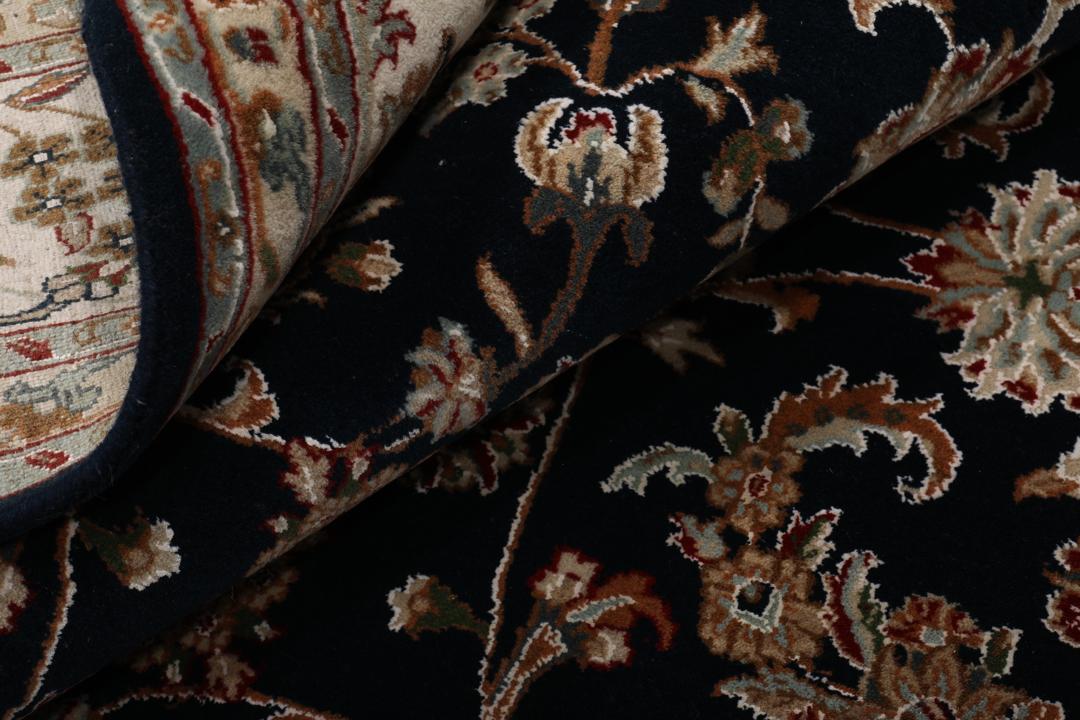
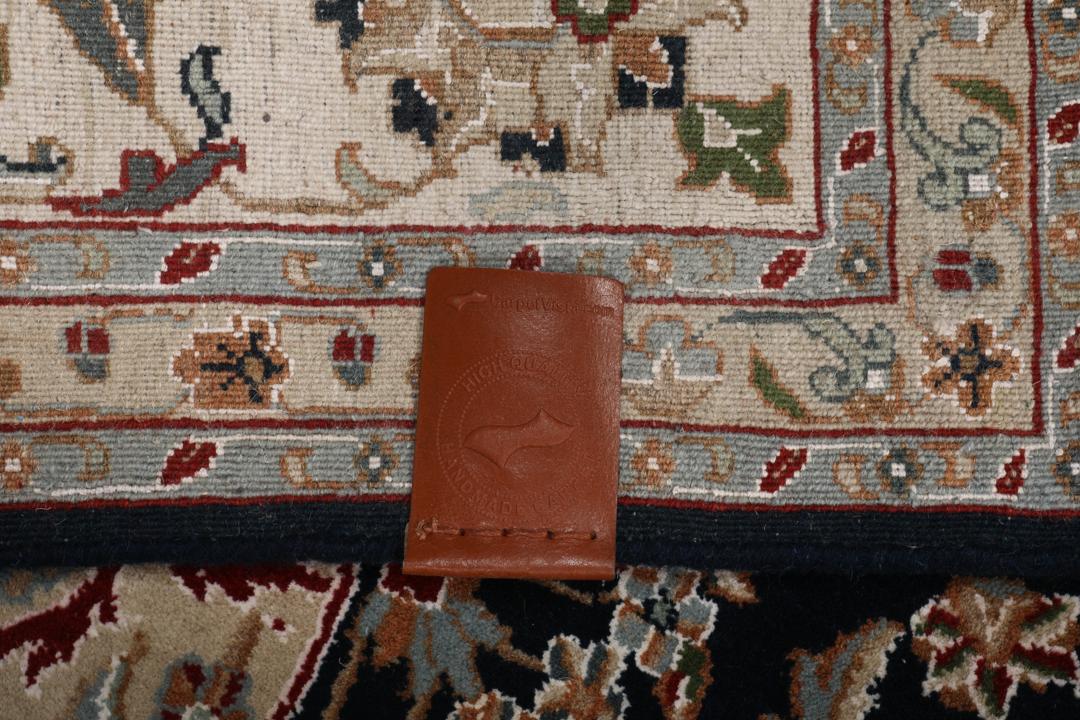
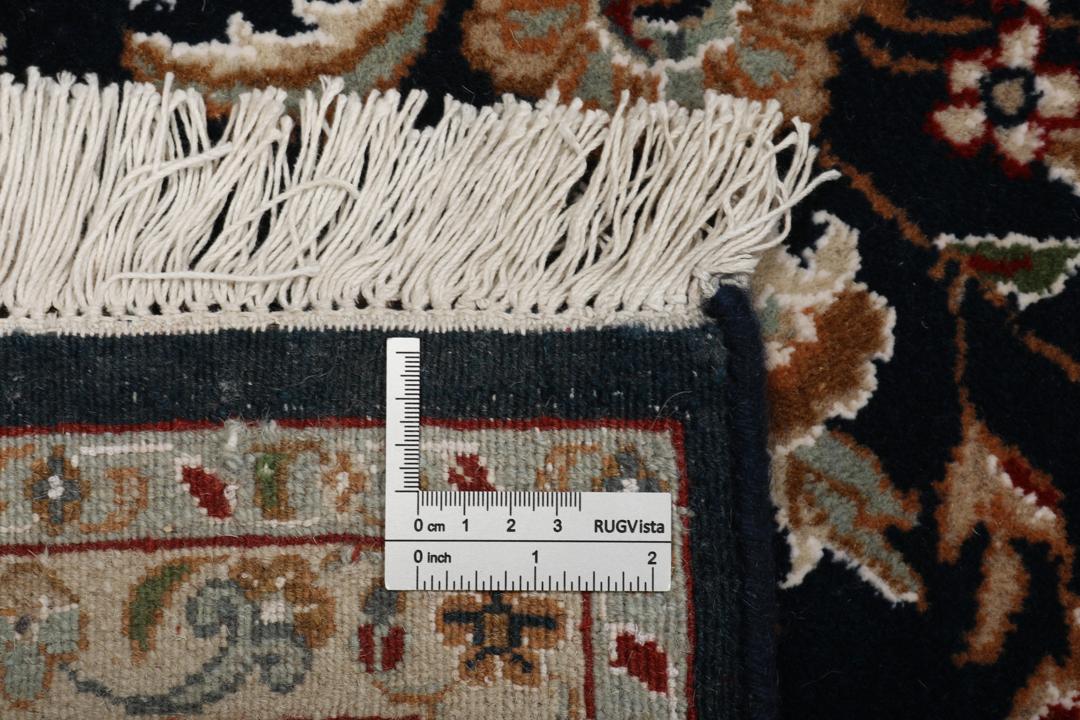
Nain rugs originate from the historic city of Nain in the Middle East, a town once famous for producing fine religious garments and textiles. Over time, the weavers shifted their focus to creating rugs that mirrored the elegance and refinement of their earlier work. Today, the Nain tradition is celebrated worldwide for its sophisticated aesthetic and high level of technical precision.
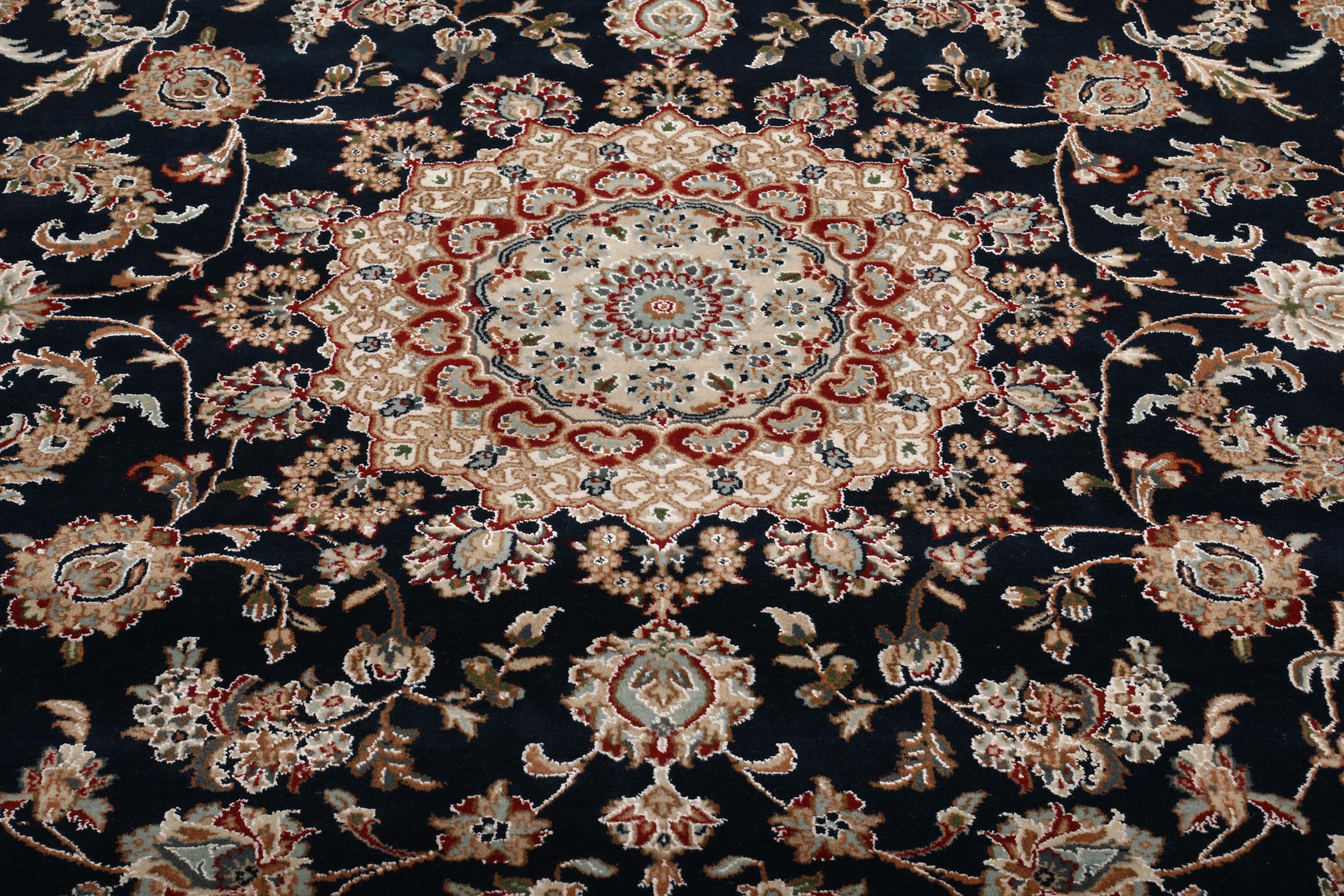
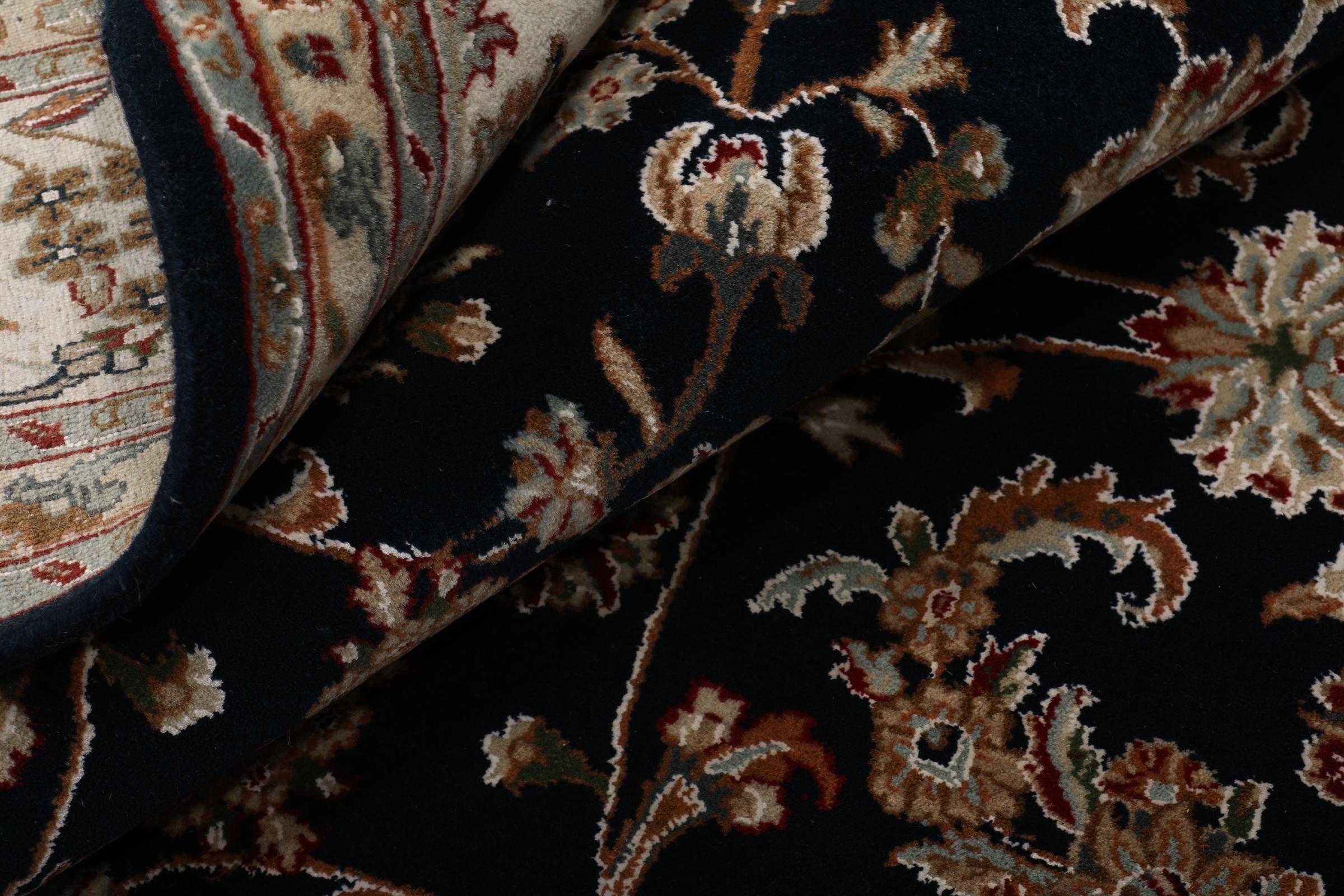
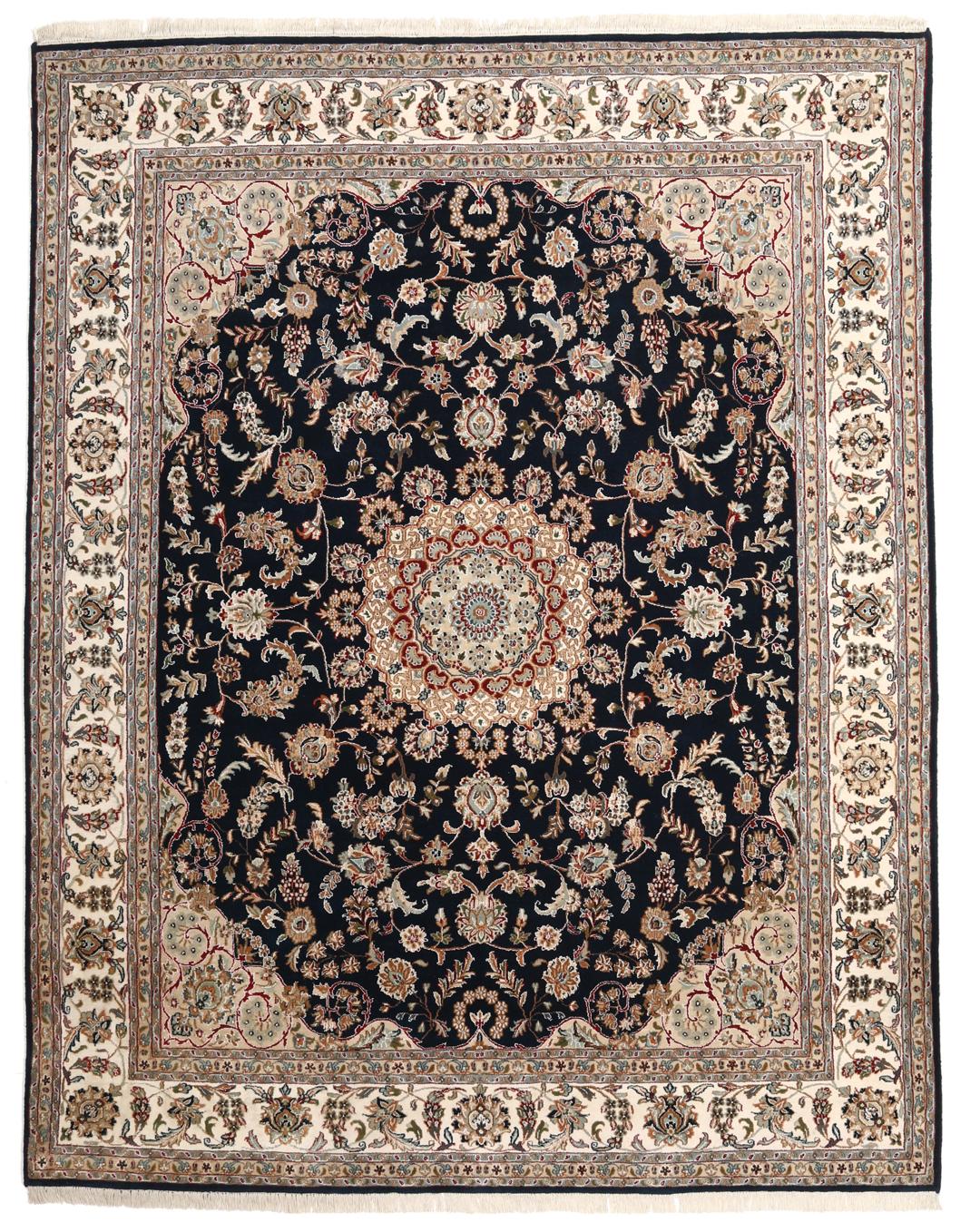
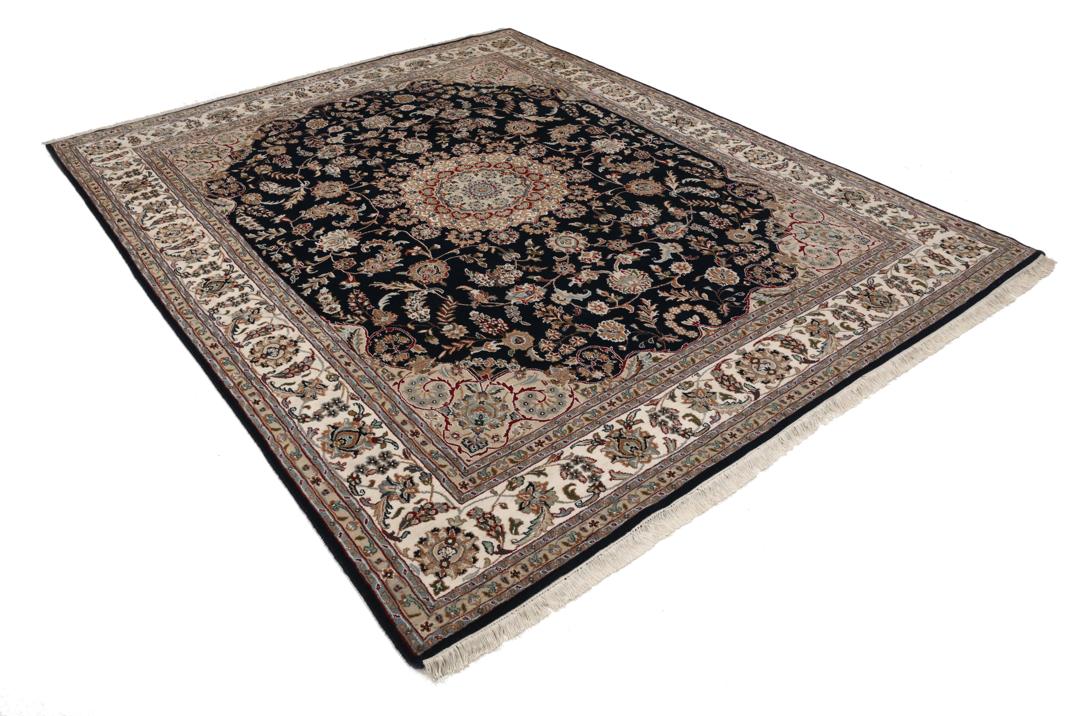
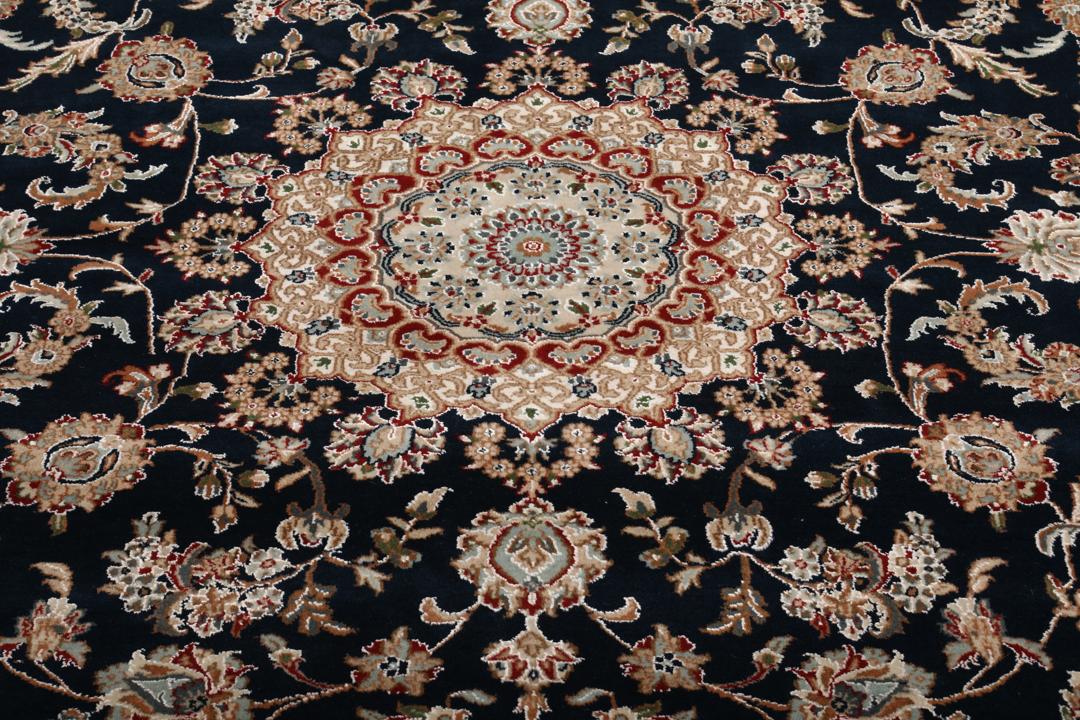
The term Nain refers to a specific style characterised by a formal, balanced layout, often featuring a central medallion surrounded by lush, intricate floral patterns. The use of high-quality materials is essential to this style, as the fine details of the patterns require a material that can hold sharp, clear lines. This tradition prioritises a harmonious blend of colours, often utilising soft, natural palettes that emphasise grace and composure.
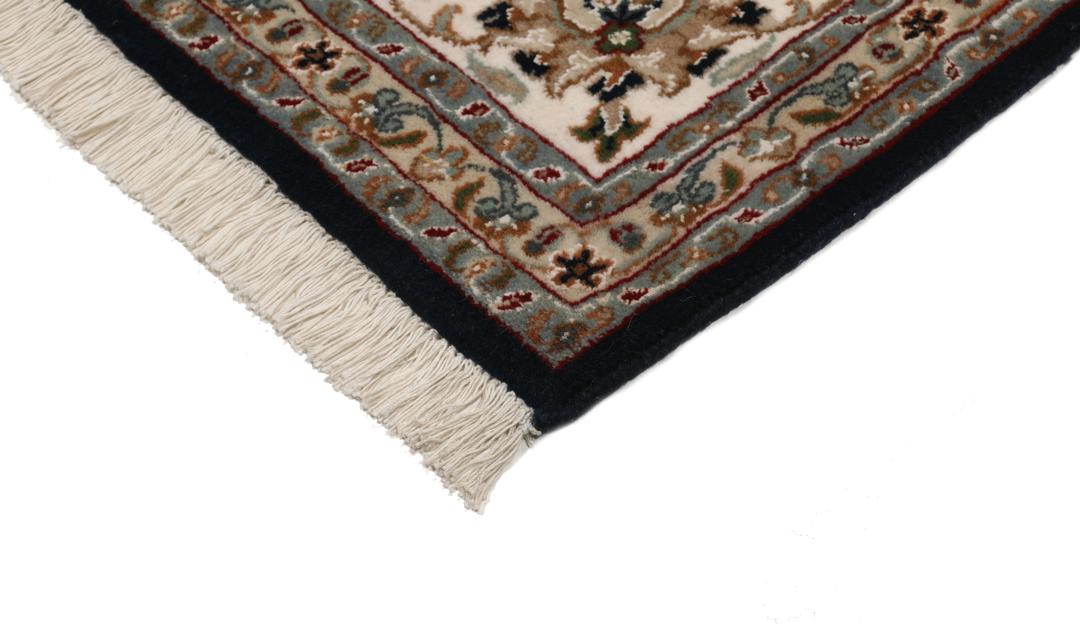
Signature elements of this tradition include the use of curvilinear designs, where stems, leaves, and blossoms wind gracefully across the field. These patterns are typically framed by a detailed border that complements the central medallion. While the style is deeply rooted in tradition, the Nain Indo rugs represent an evolution of this craft, bringing the classic Middle Eastern design language to new regions and interpretations.
Collecting a rug from this tradition is a way to honour a rich history of textile artistry. These pieces are valued not only for their beauty but for the immense skill required to execute such complex, flowing designs. Owning one means participating in a long-standing legacy of craft, where every rug serves as a bridge between ancient techniques and modern home living.