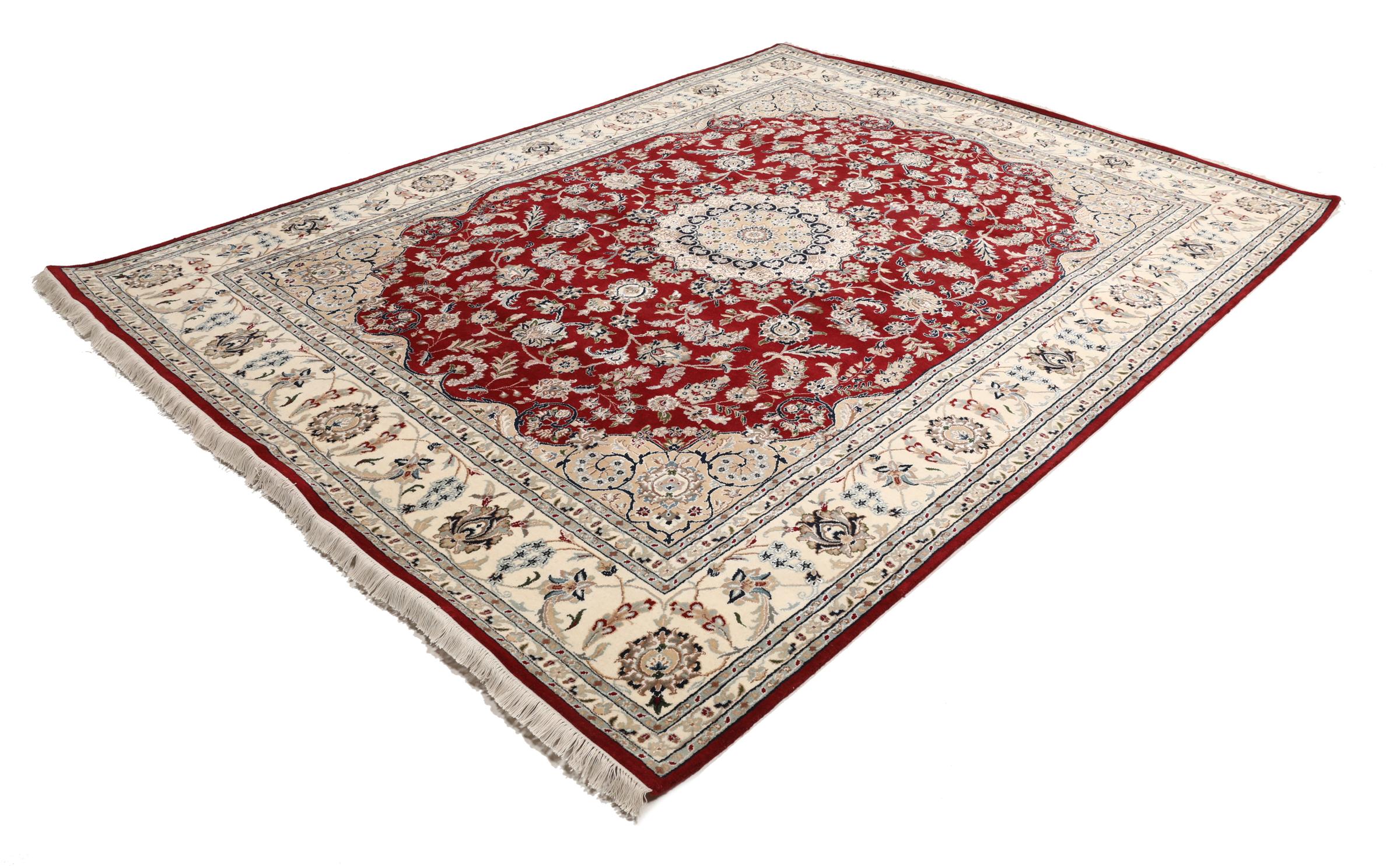
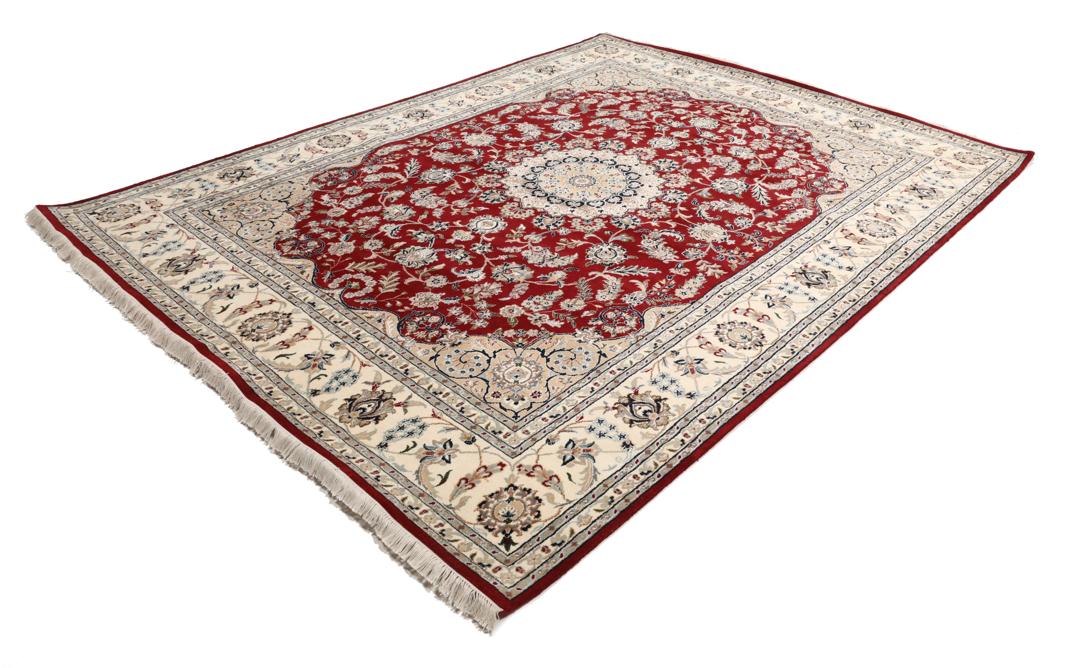
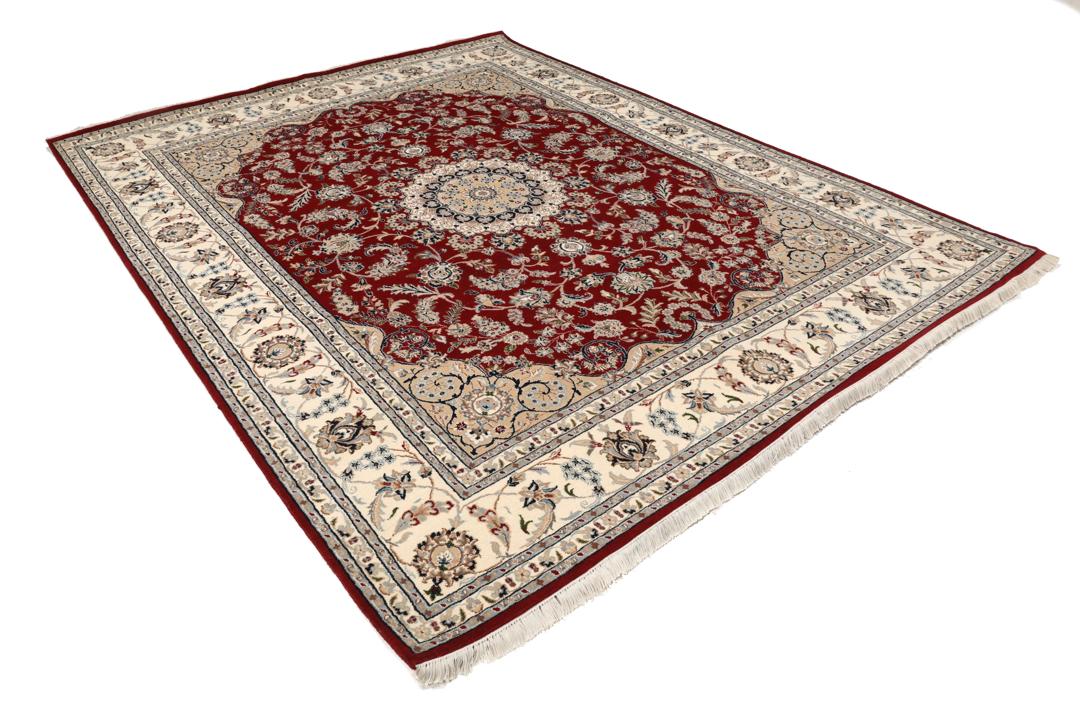
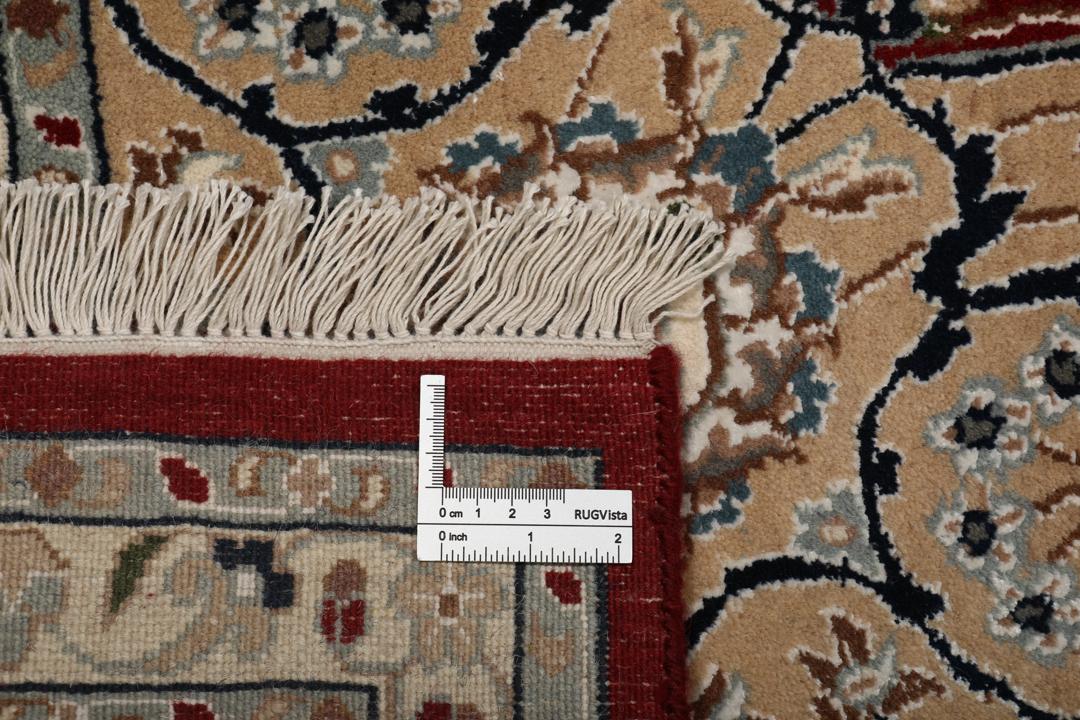
Nain rugs originate from the historic town of Nain in the central region of the Middle East, a location renowned for producing some of the most sophisticated and elegant floor coverings in the world. While the tradition began in the early 20th century, the style quickly gained a reputation for its refined aesthetic, often drawing inspiration from the intricate patterns found in historic textiles and royal architecture.
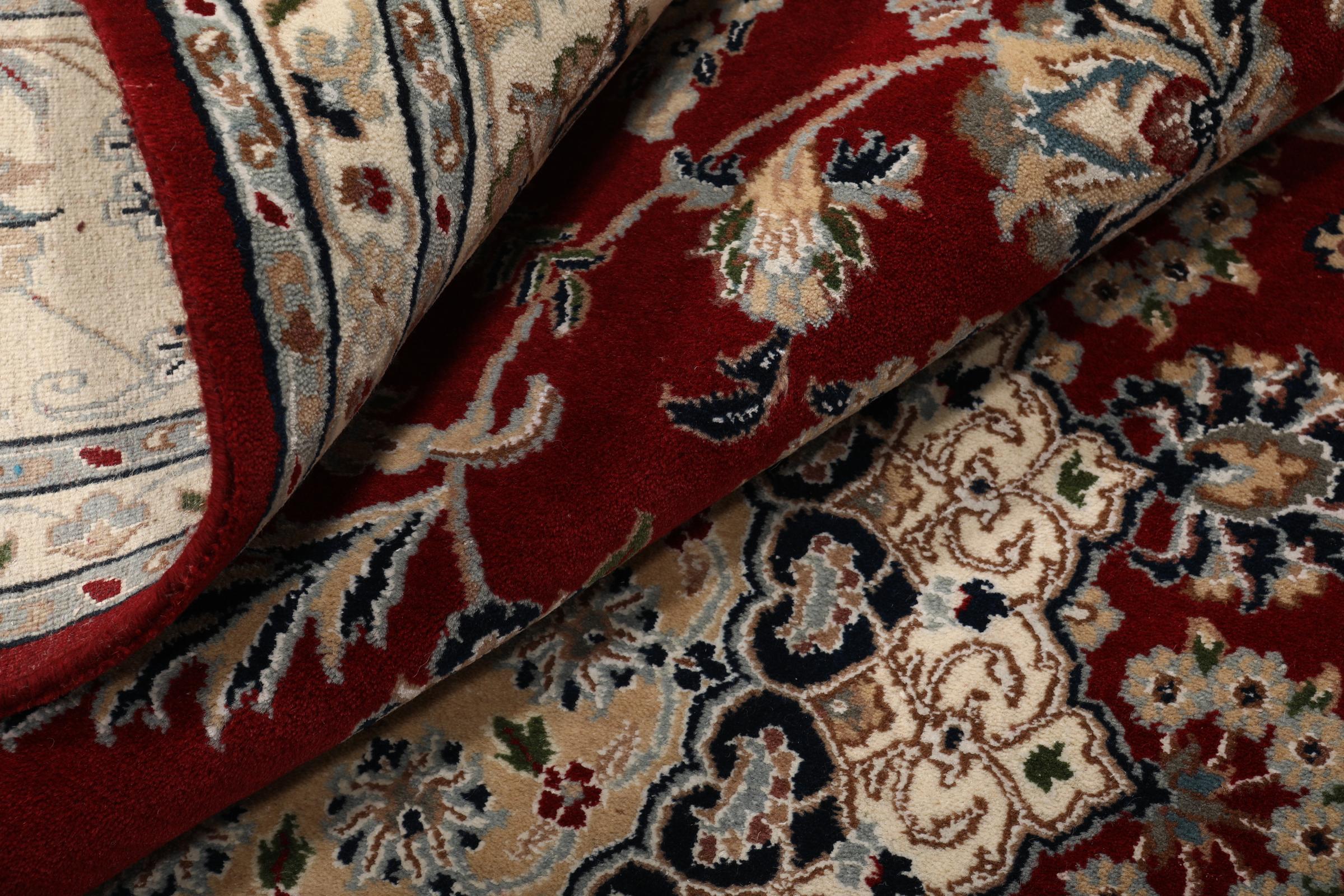
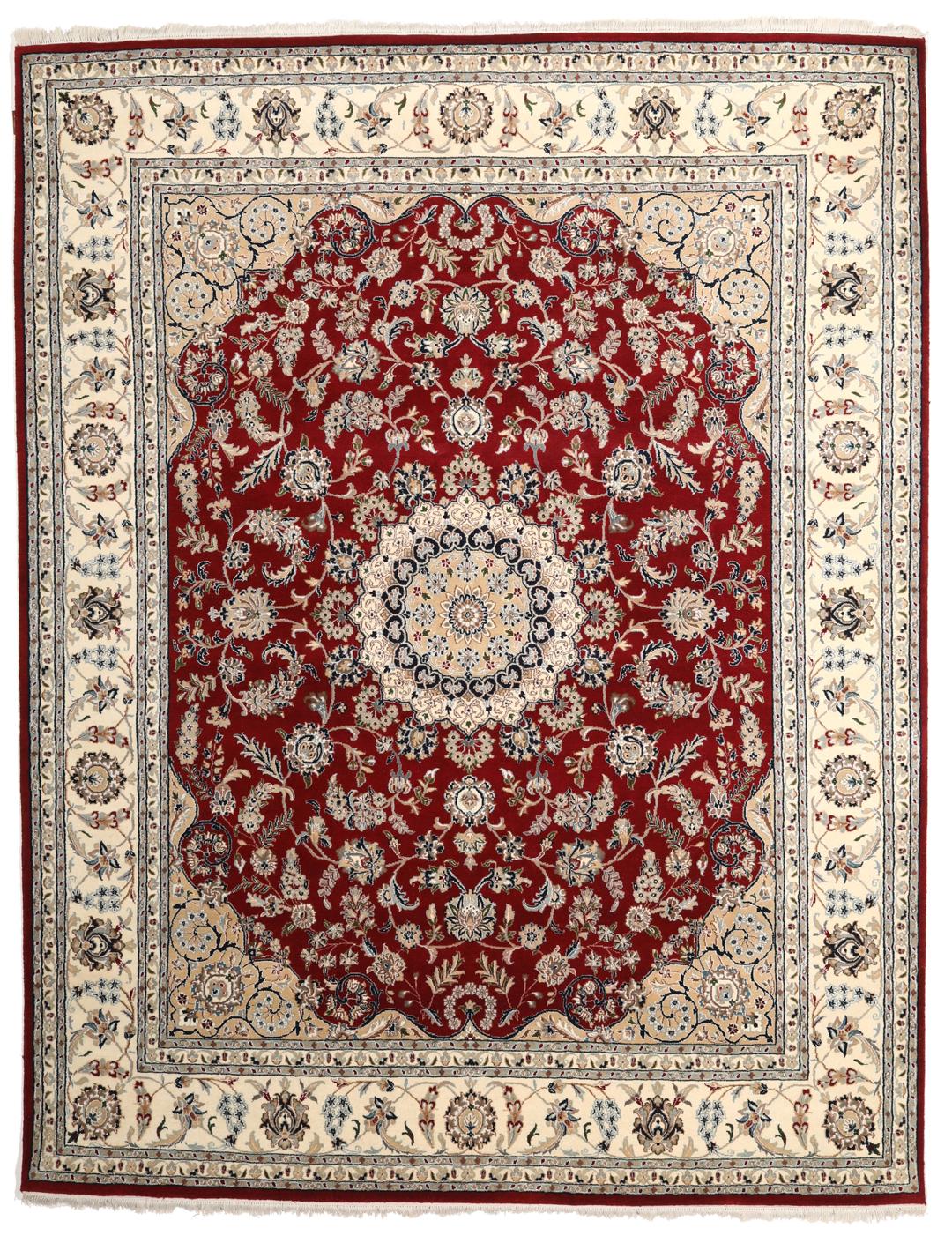
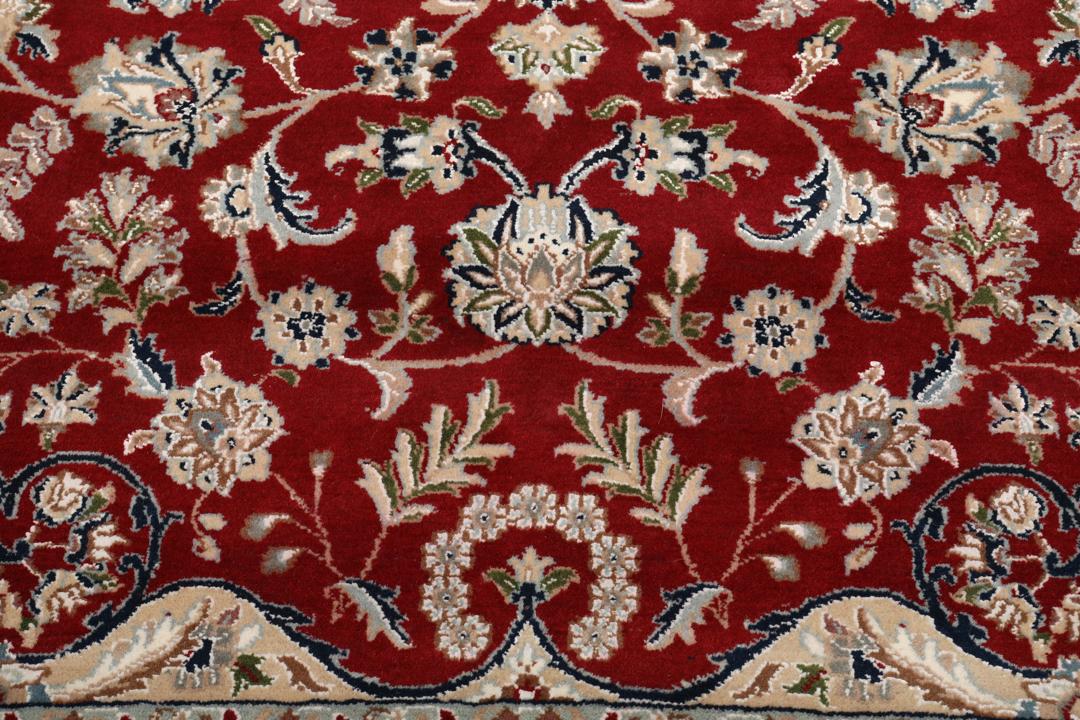
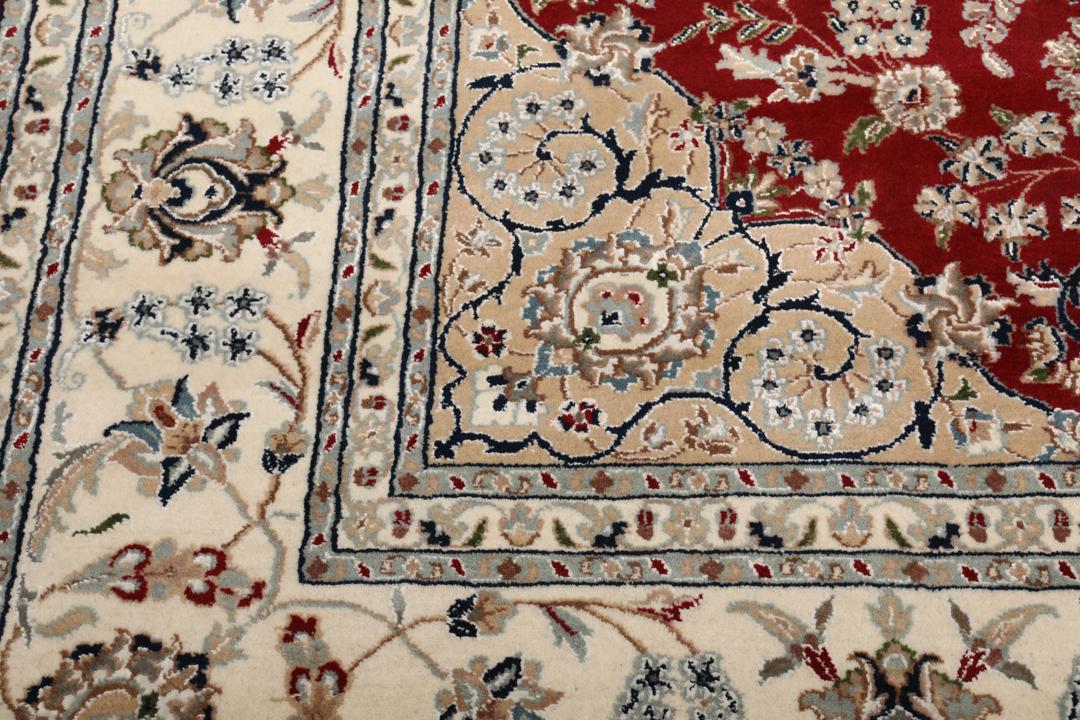
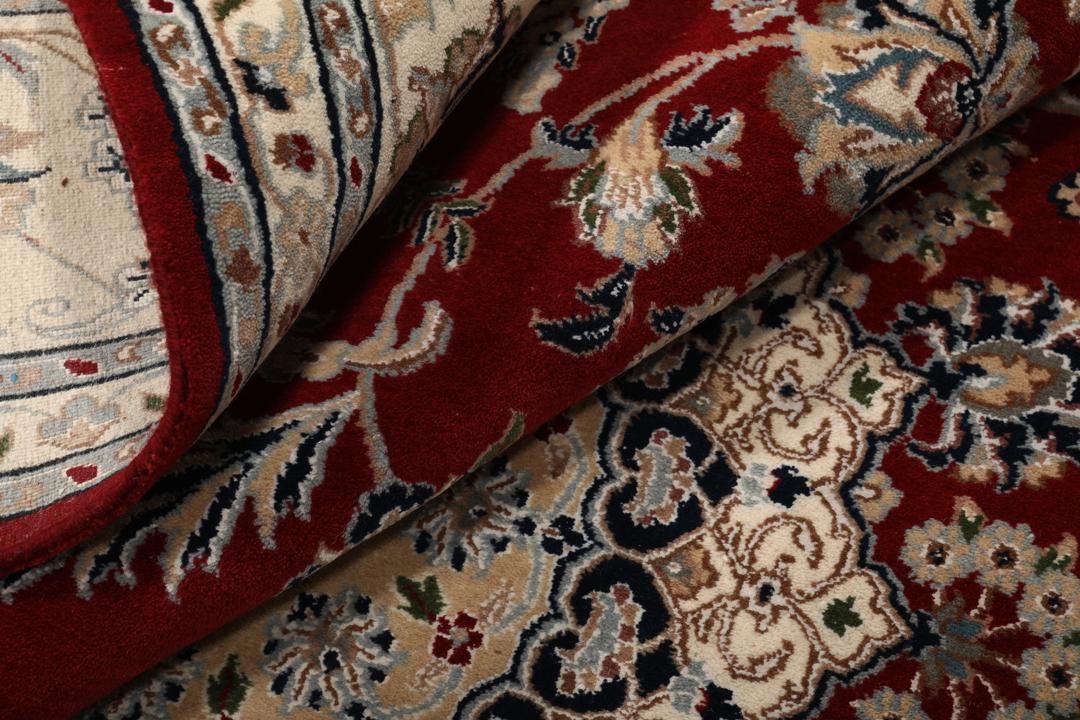
The term 'Nain' refers to a specific design tradition characterised by its high level of detail and a harmonious balance between the field and the border. These rugs are celebrated for their use of complex floral motifs and central medallions, which reflect a meticulous attention to composition. In the modern era, these traditional designs are masterfully interpreted in India, where artisans continue to honour the original aesthetic through dedicated hand-knotting techniques.
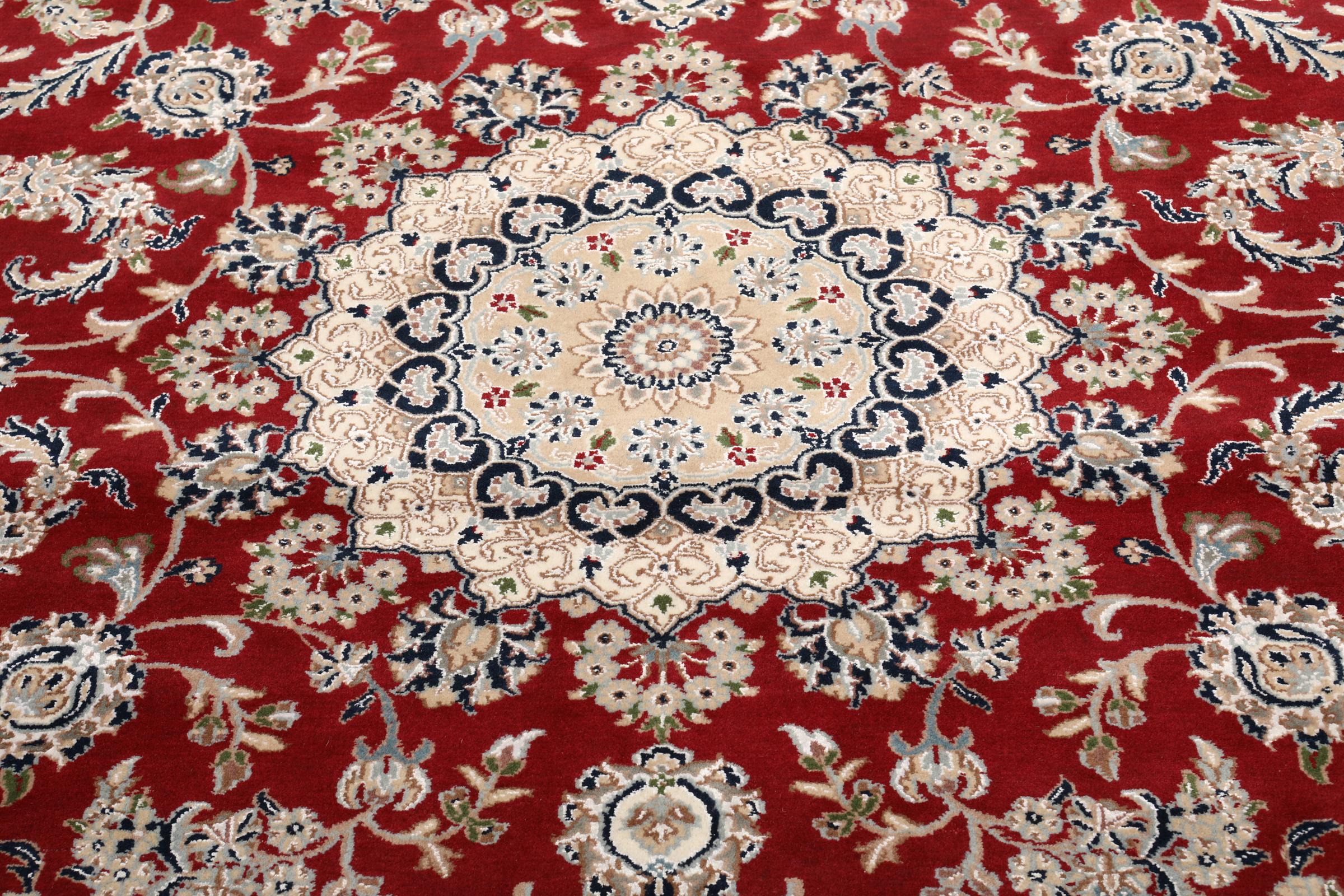
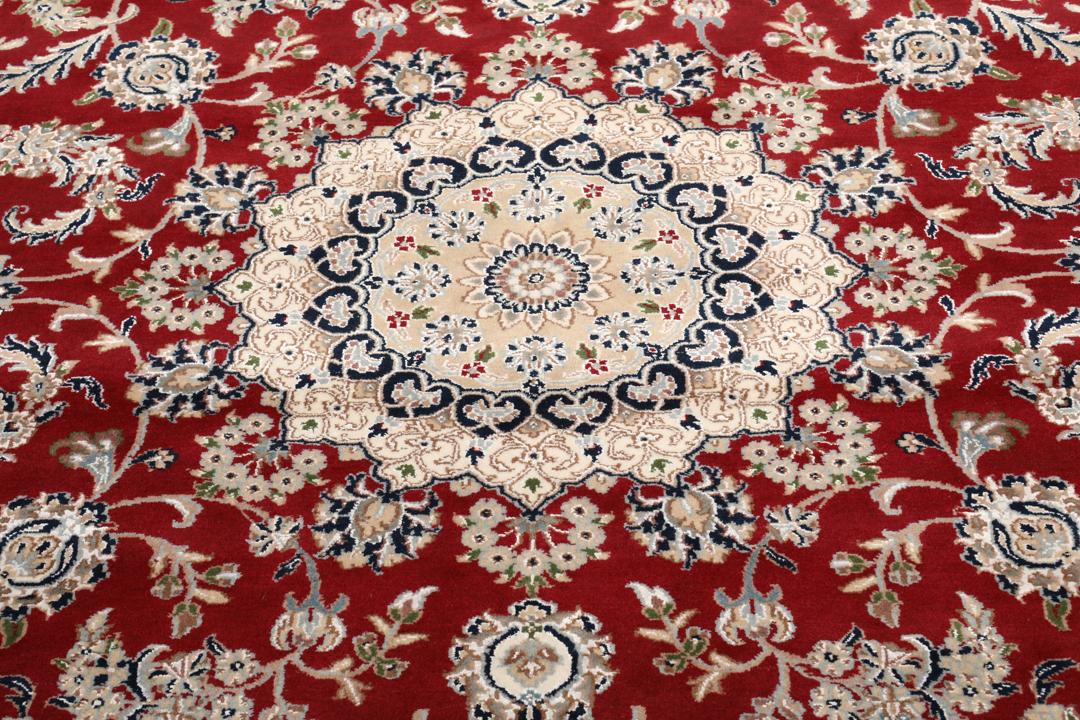
A key feature of this design tradition is the use of a formal, balanced layout. The classic Nain pattern typically features a large, central medallion surrounded by scrolling vines, palmettes, and delicate floral sprays. This visual language is designed to draw the eye toward the heart of the rug, creating a sense of order and grace that complements both traditional and more contemporary interior settings.
Collecting a rug from this lineage means investing in a piece of cultural history. These rugs are highly valued not only for their aesthetic beauty but also for the skill required to produce such intricate patterns. By choosing a piece that draws from this storied tradition, you are bringing home a symbol of craftsmanship that has been refined over generations, ensuring that your rug remains a treasured element of your home decor.