The city of Nain, located in the heart of the Middle East, is globally renowned for producing some of the most sophisticated and elegant rugs in existence. Originally a centre for high-quality wool textile production, the region transitioned into the art of rug weaving in the early 20th century, quickly establishing a reputation for unparalleled finesse and a distinct, refined aesthetic.
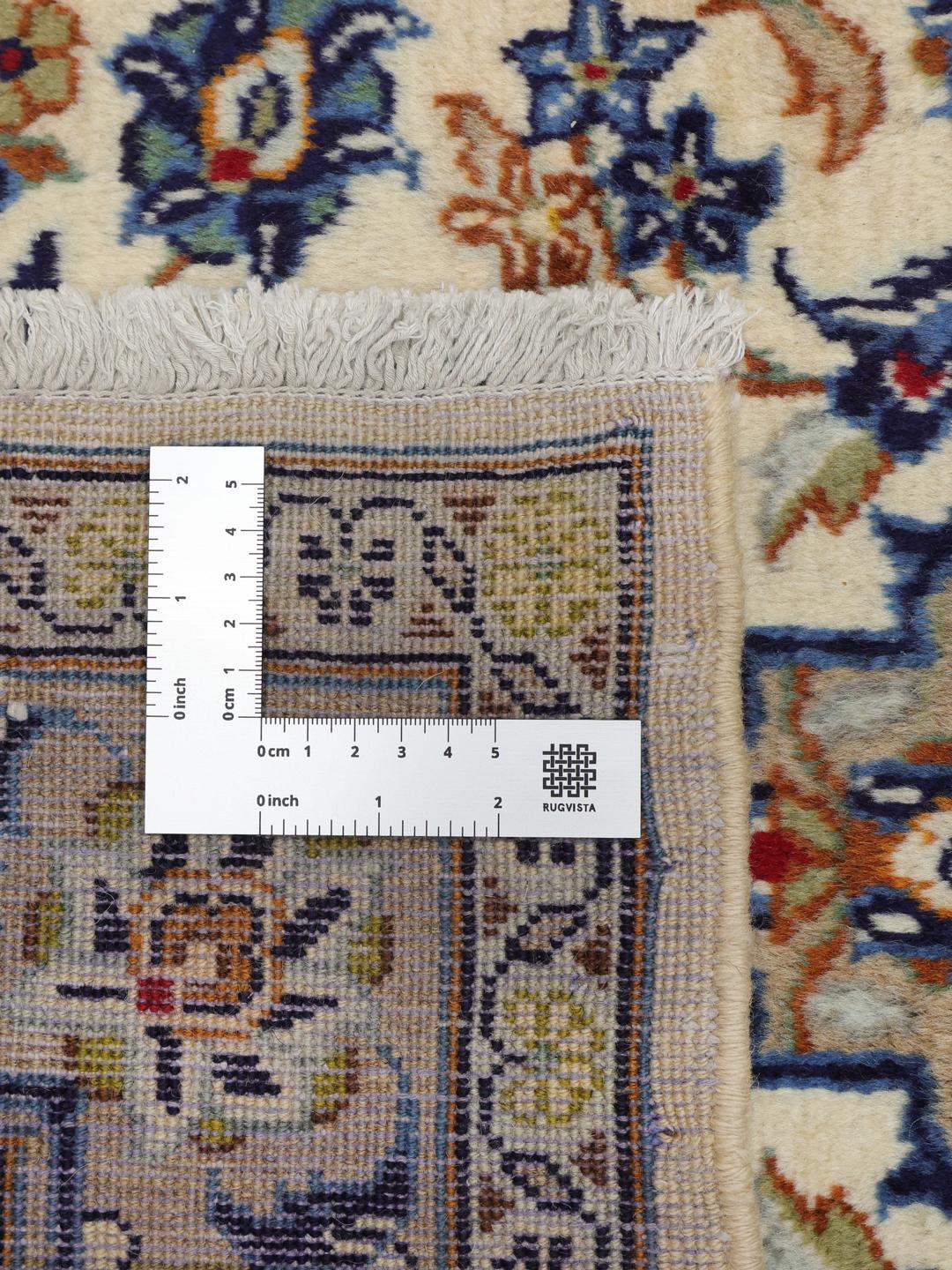
Nain rugs are celebrated for their technical excellence and the use of high-quality materials. The weaving process often incorporates a precise knotting technique that allows for highly detailed, curvilinear patterns. This technical rigour ensures that the rugs are not only visually stunning but also possess a structural density that contributes to their longevity and enduring value.
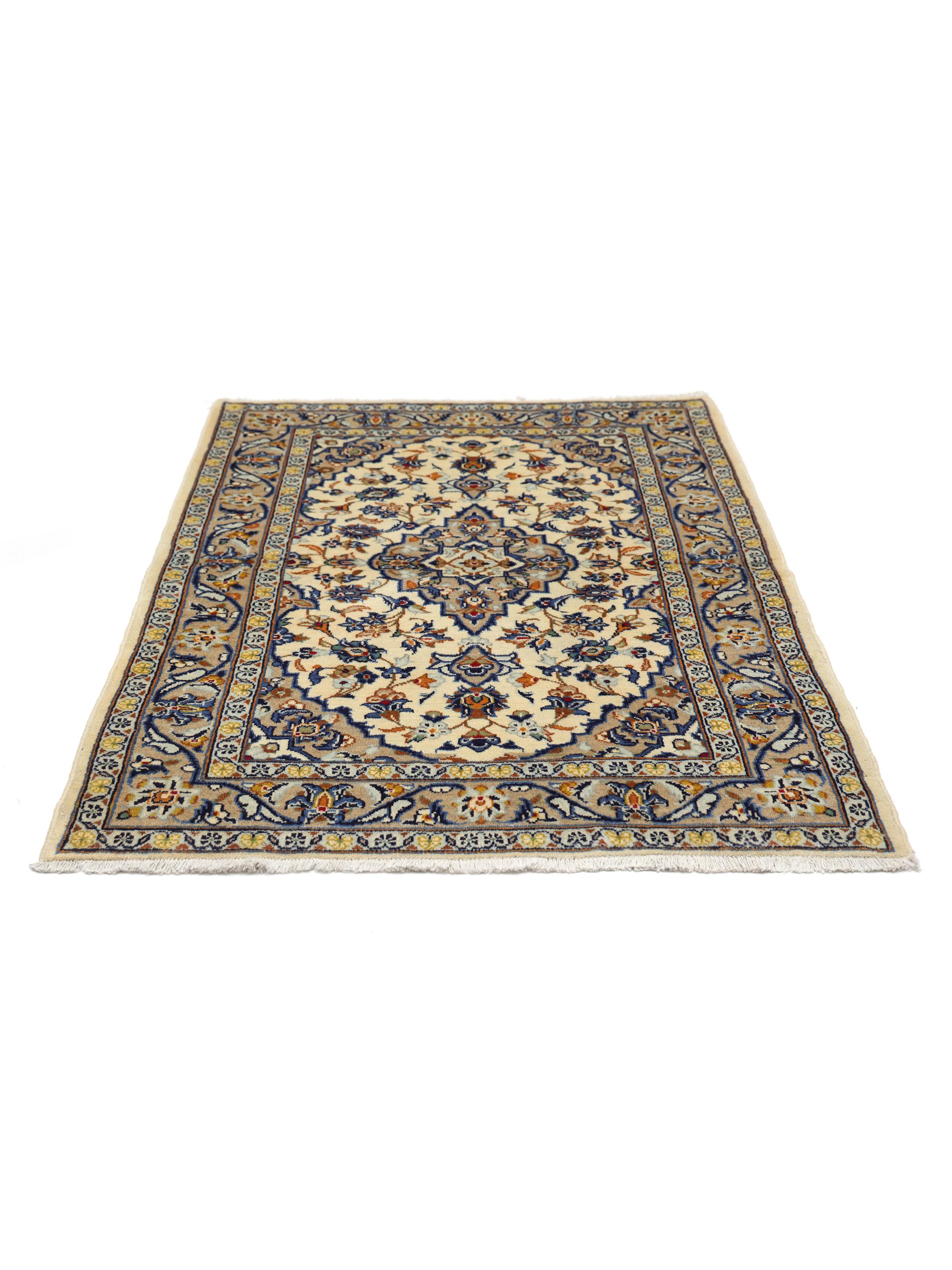
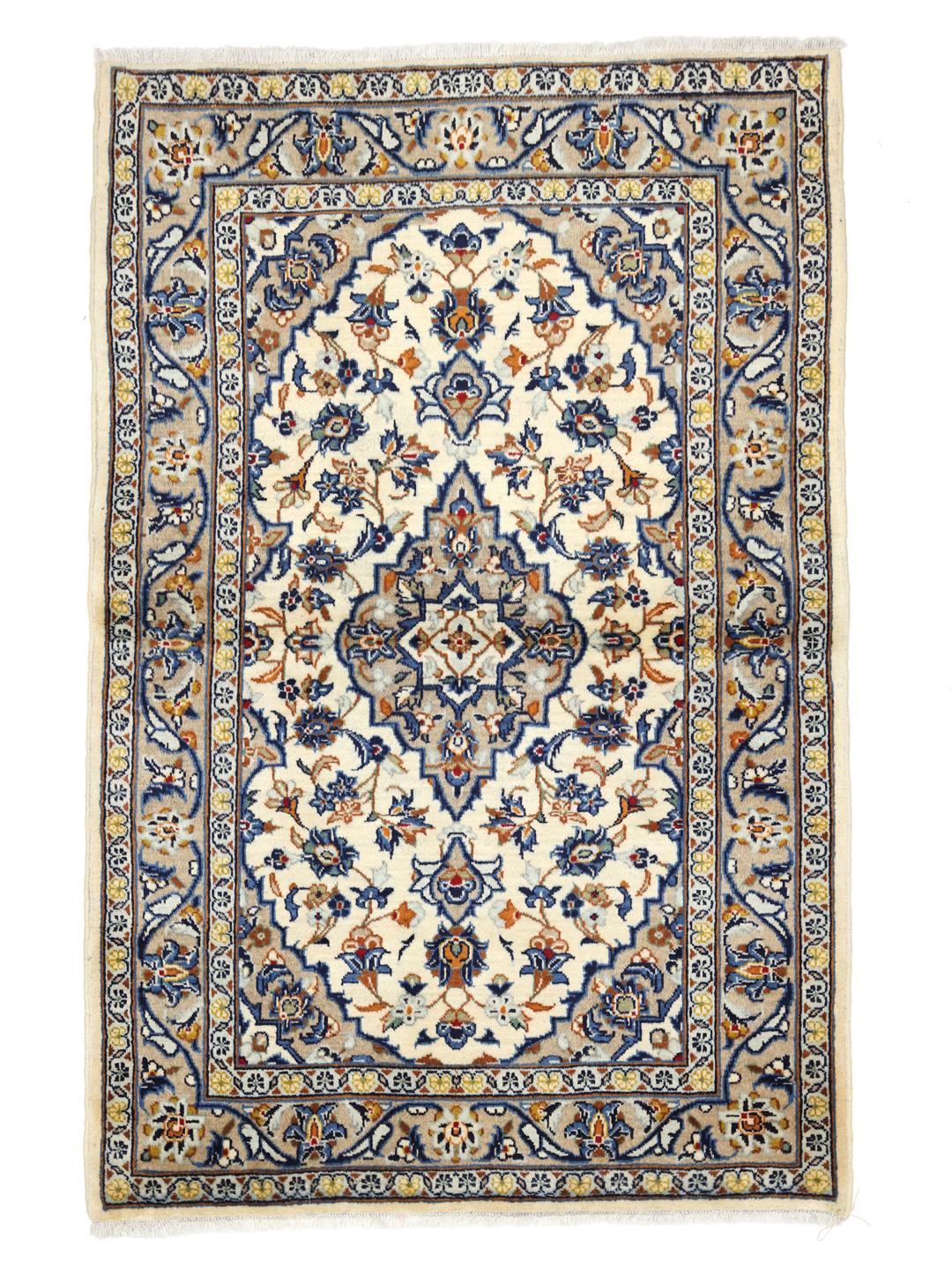
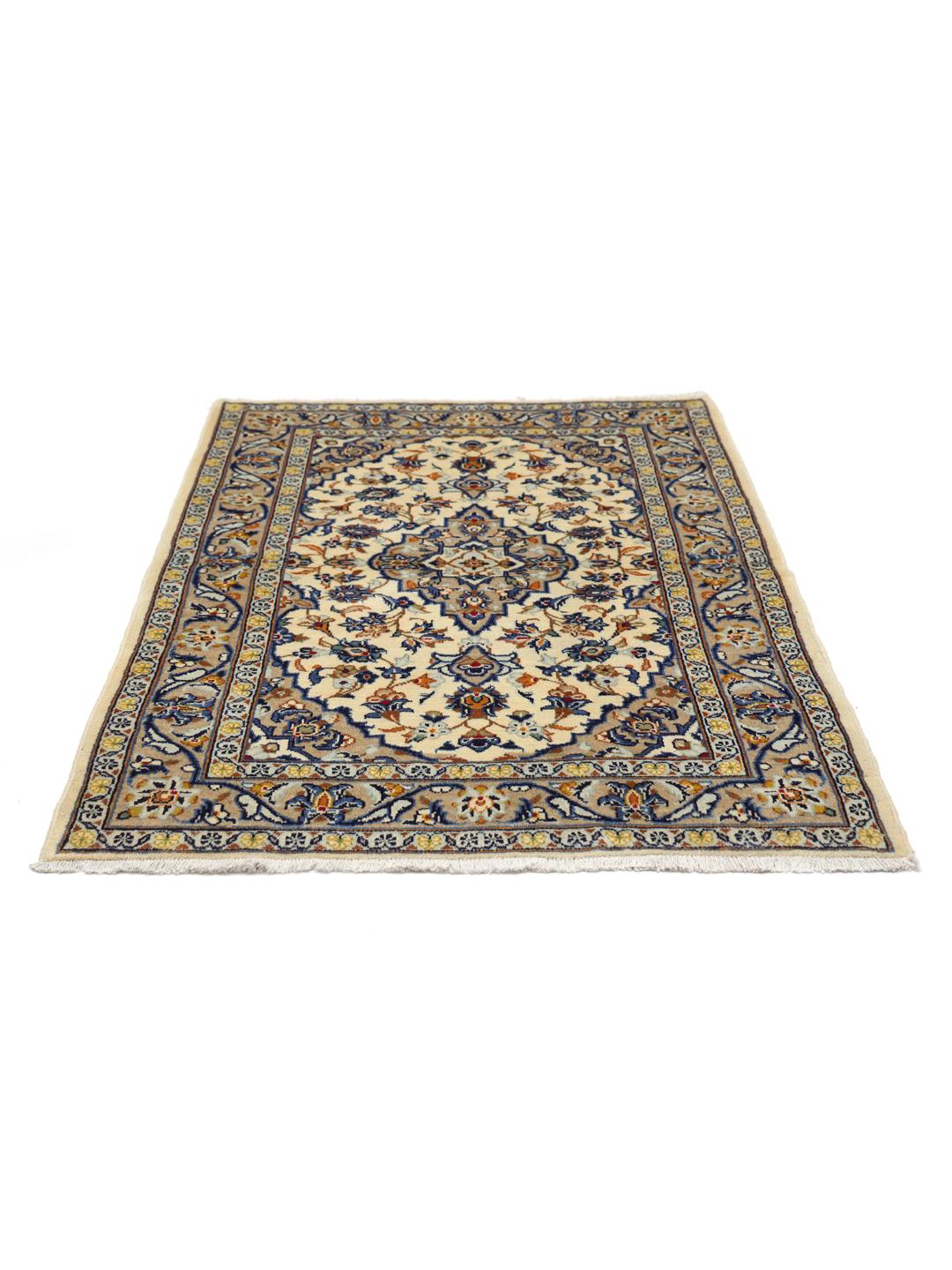
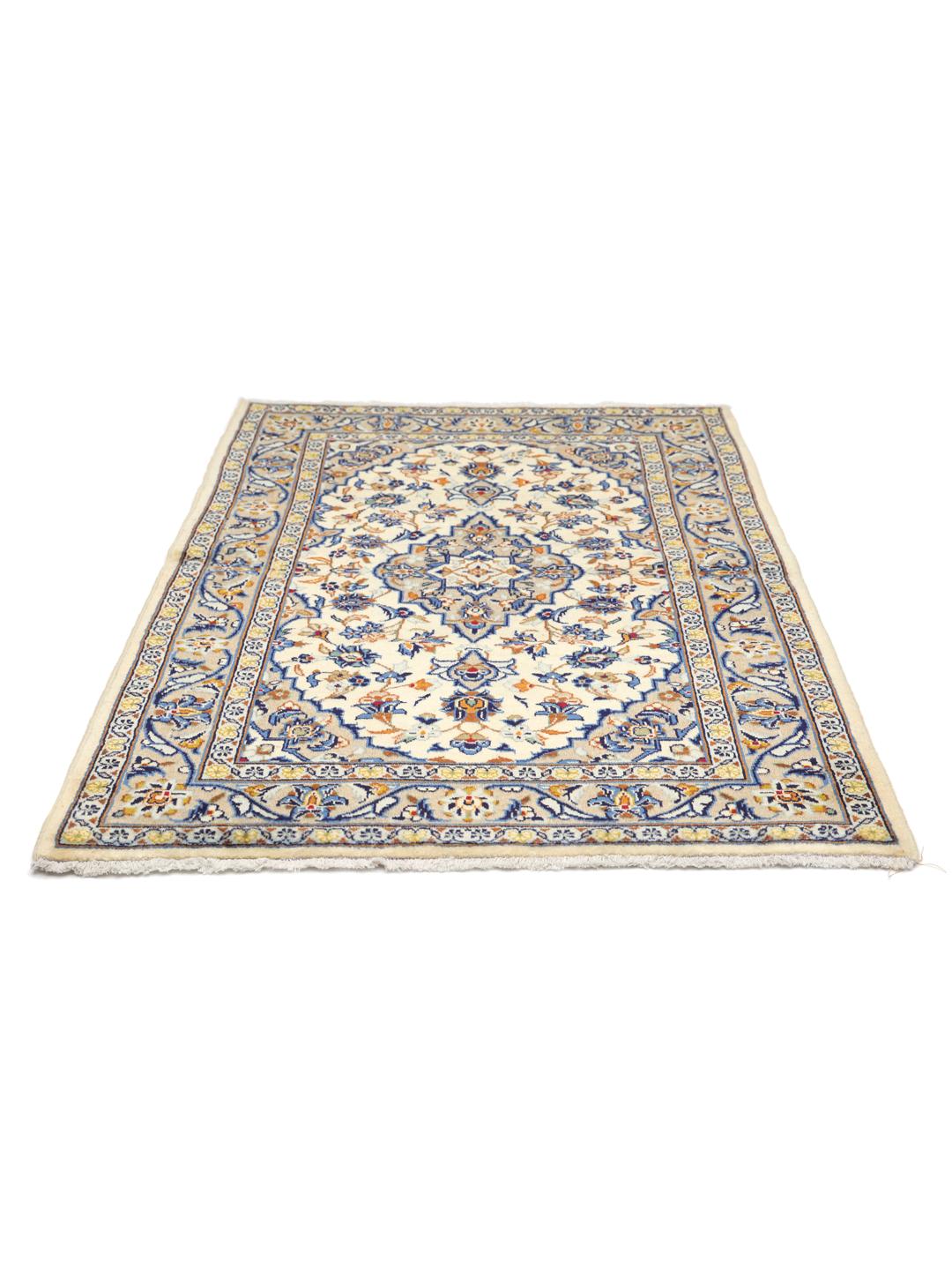
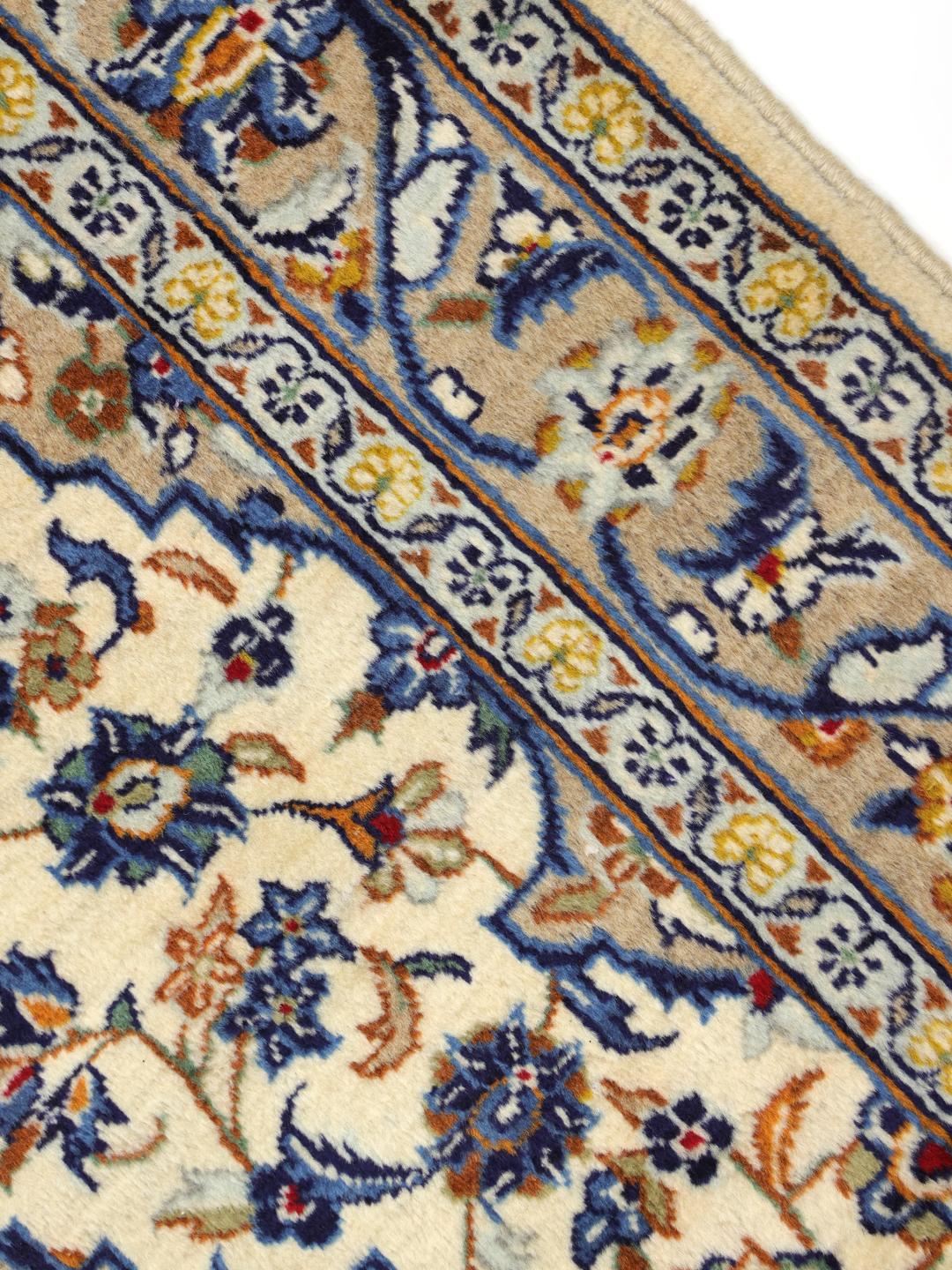
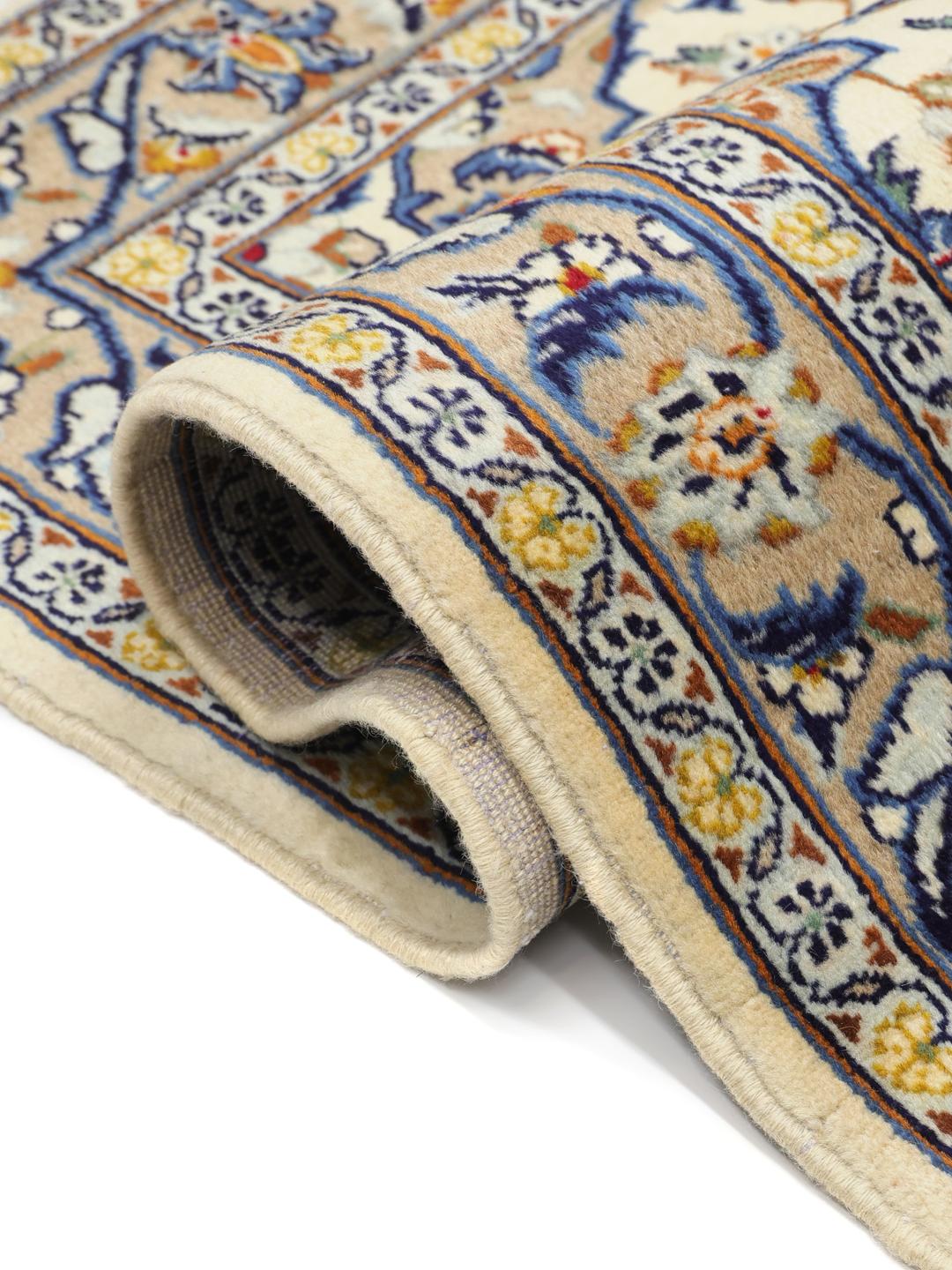
The visual language of a Nain rug is typically defined by a central medallion surrounded by flowing floral sprays, arabesques, and intricate vine work. While many traditional examples favour a palette of ivory, beige, and various shades of blue, the artistry lies in how these colours interact to create a sense of depth and balance. The borders are often complex, mirroring the elegance of the field and framing the design with formal, symmetrical precision.
Collecting a rug from this tradition is an acquisition of cultural heritage. These pieces are highly valued by collectors not only for their aesthetic beauty but as symbols of immense skill and patience. Owning a Nain rug means participating in a centuries-old dialogue of craft, where every thread tells a story of regional identity and the pursuit of perfection in home design.