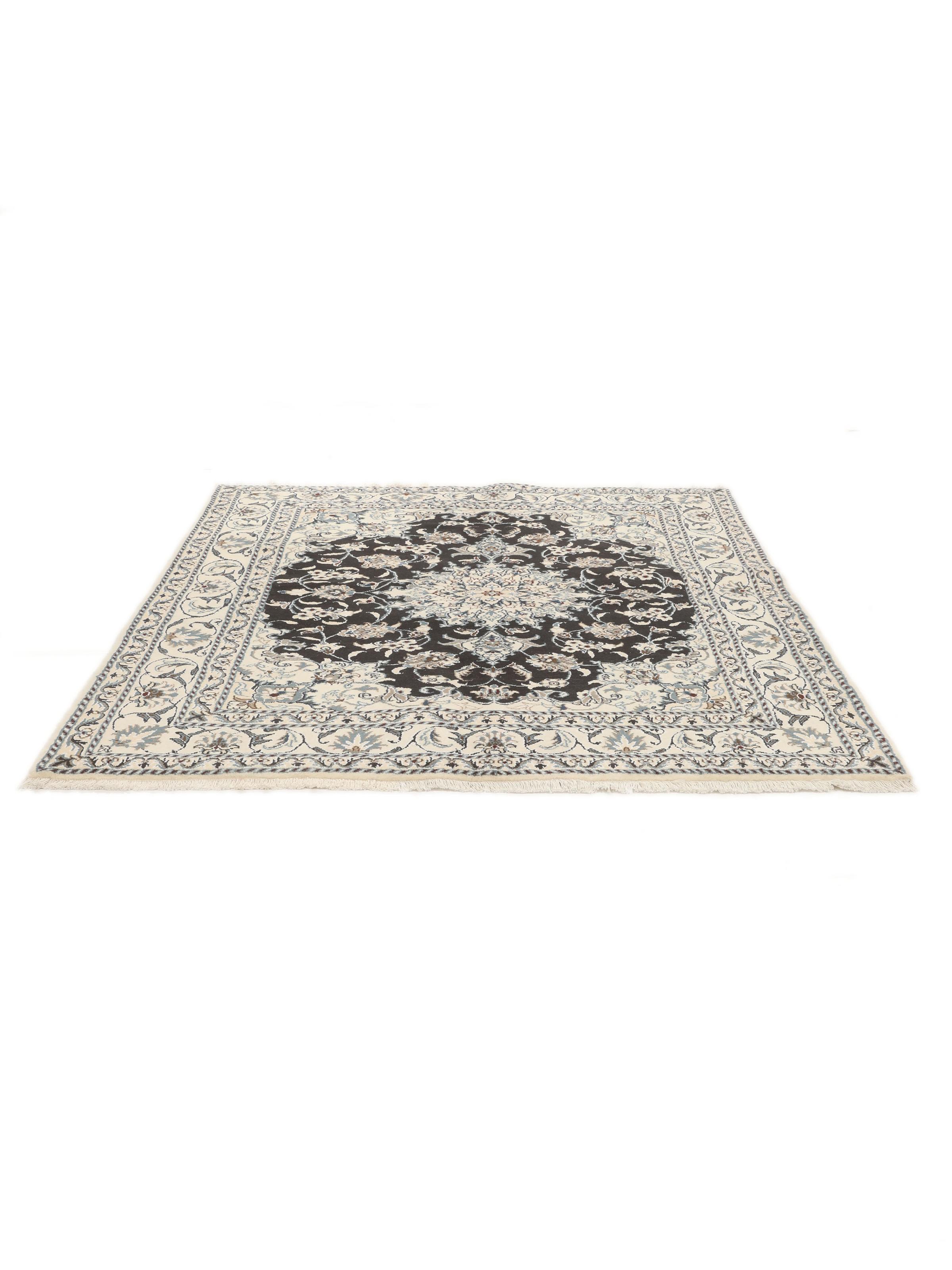
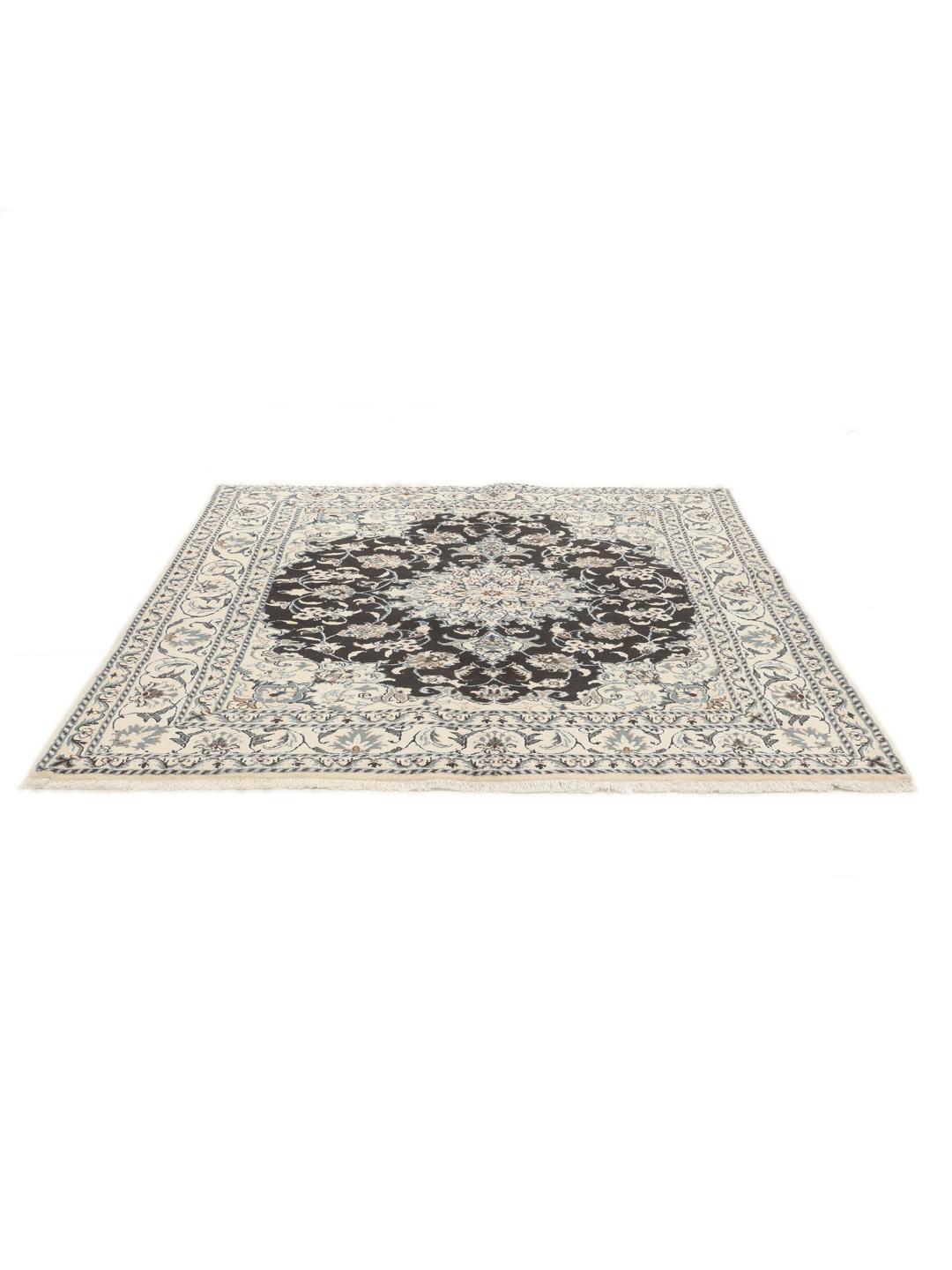
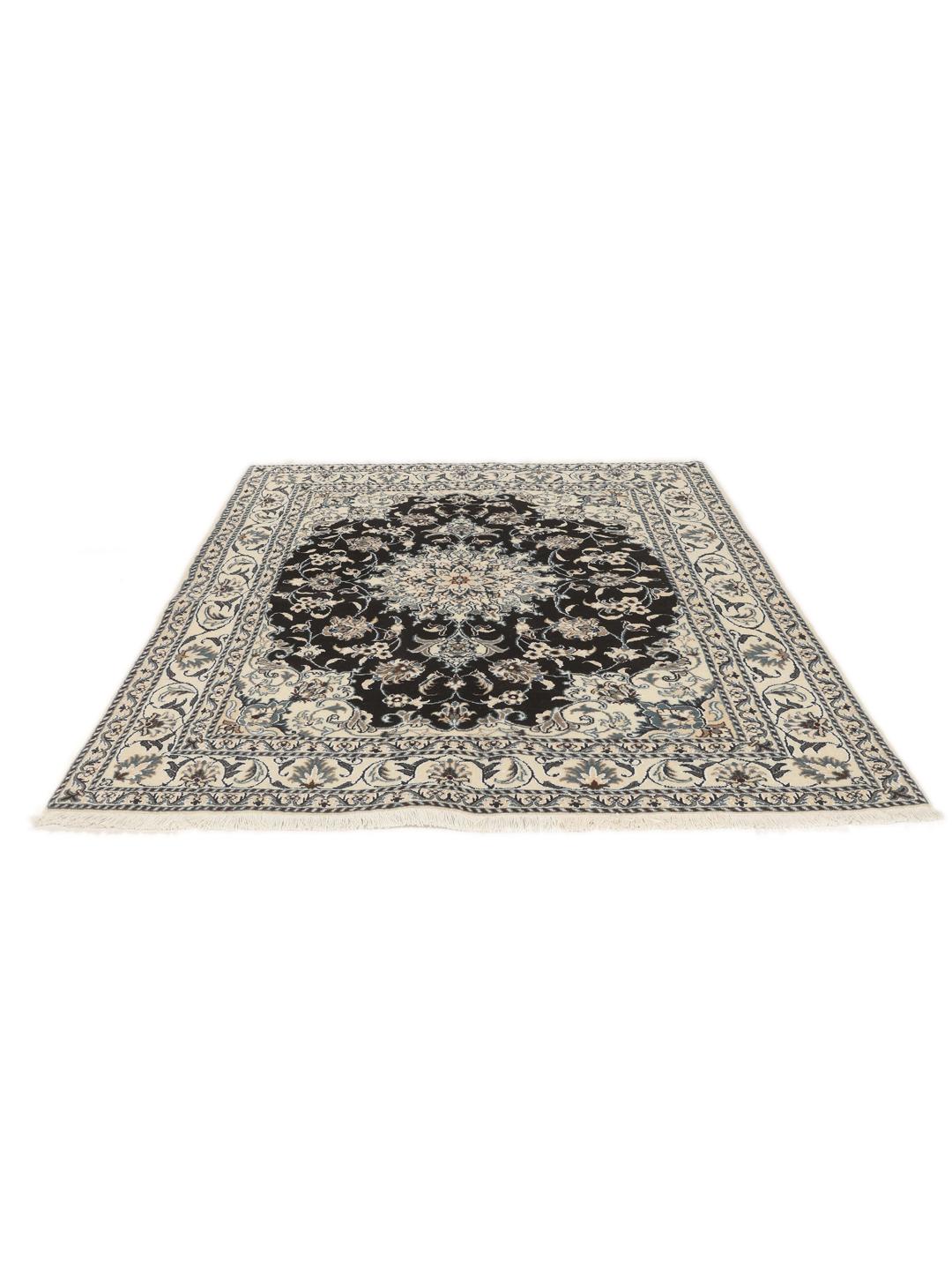
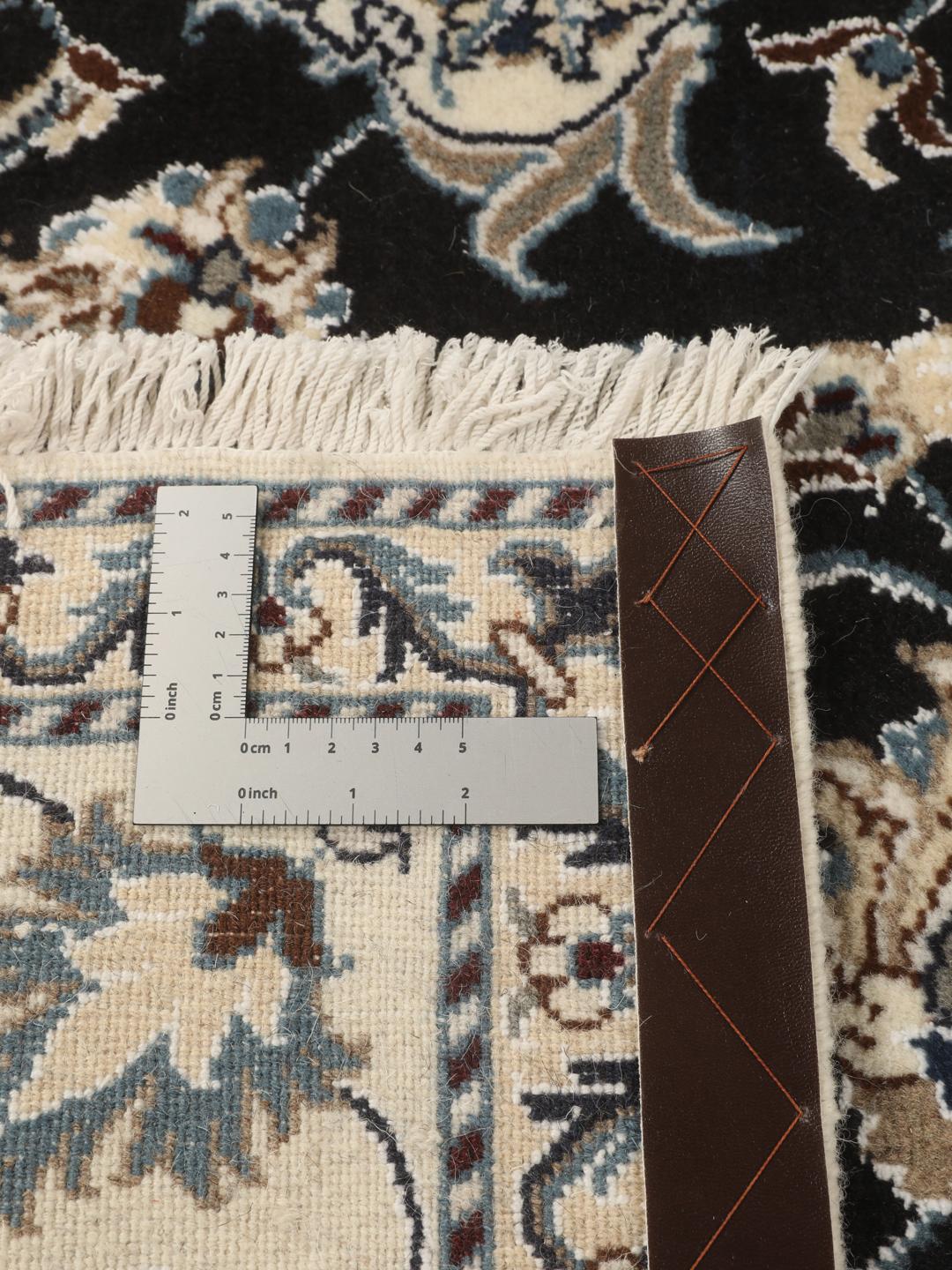
Nain rugs originate from the historic city of Nain, located in the heart of the Middle East. Historically known for producing some of the world's finest textiles, the city transitioned from a centre of high-quality cloak weaving to one of the most respected hubs for fine, hand-knotted rugs during the early 20th century. This evolution allowed local artisans to apply their mastery of detail to floor coverings, resulting in a distinct style that is globally celebrated.
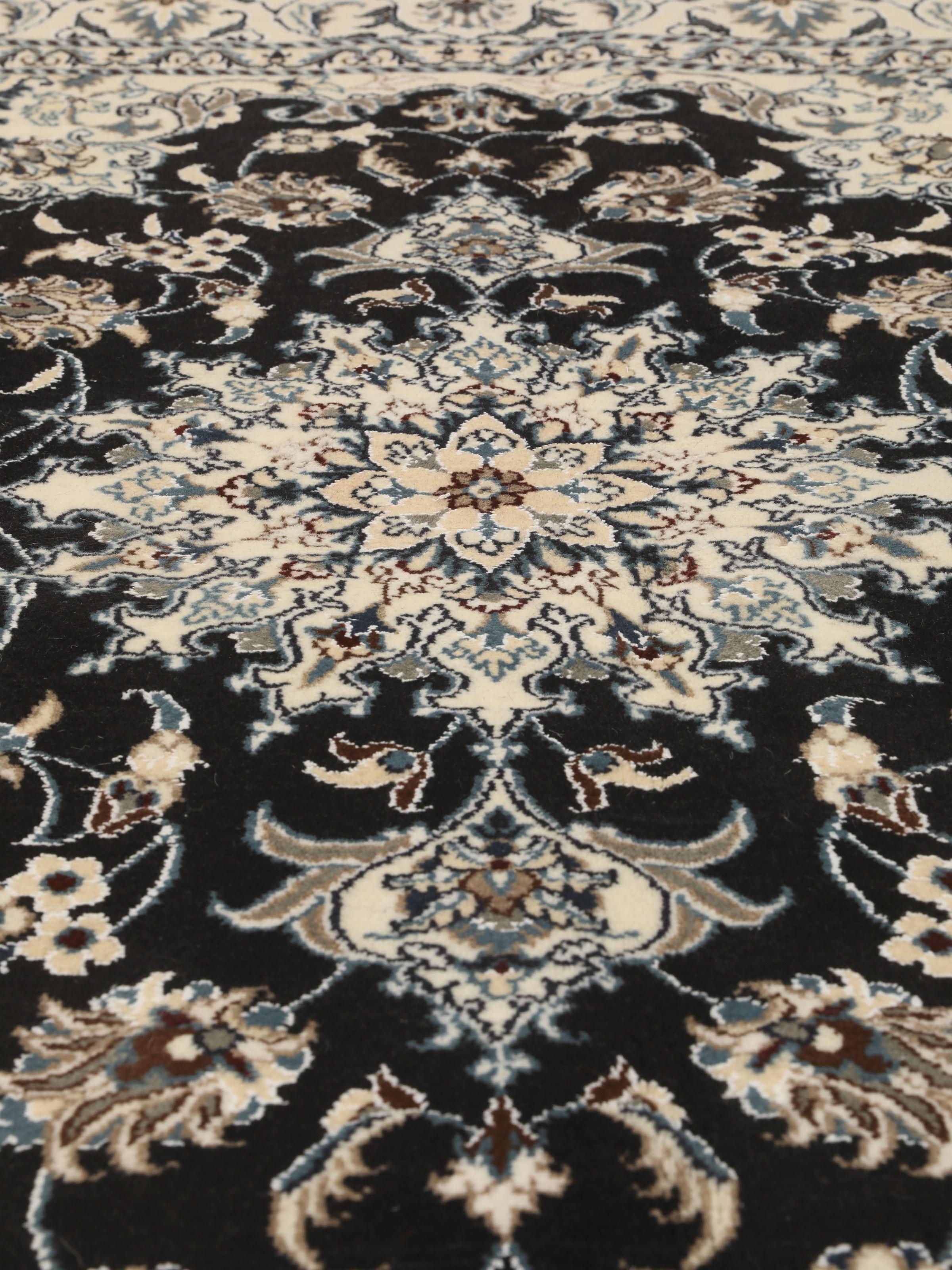
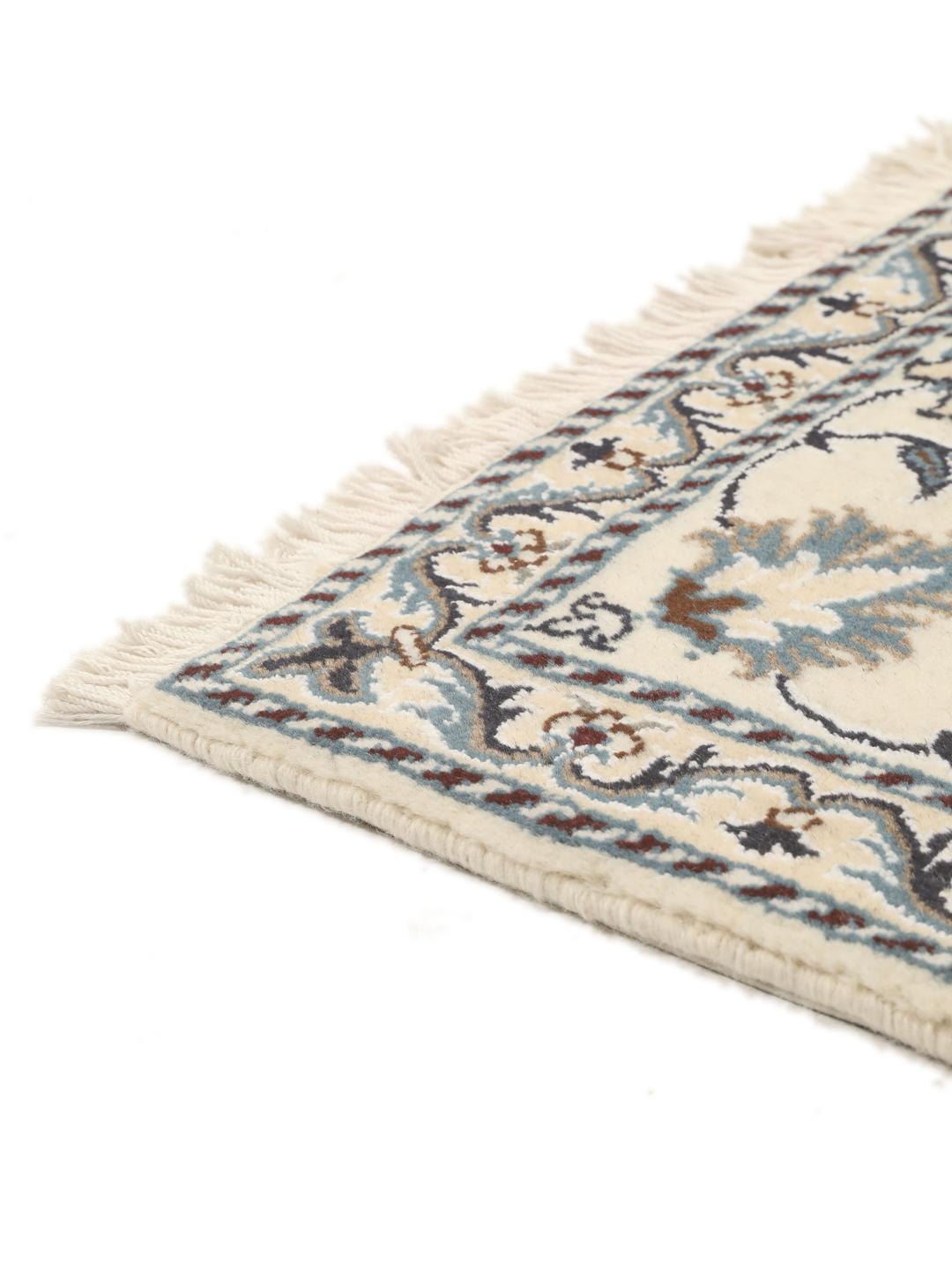
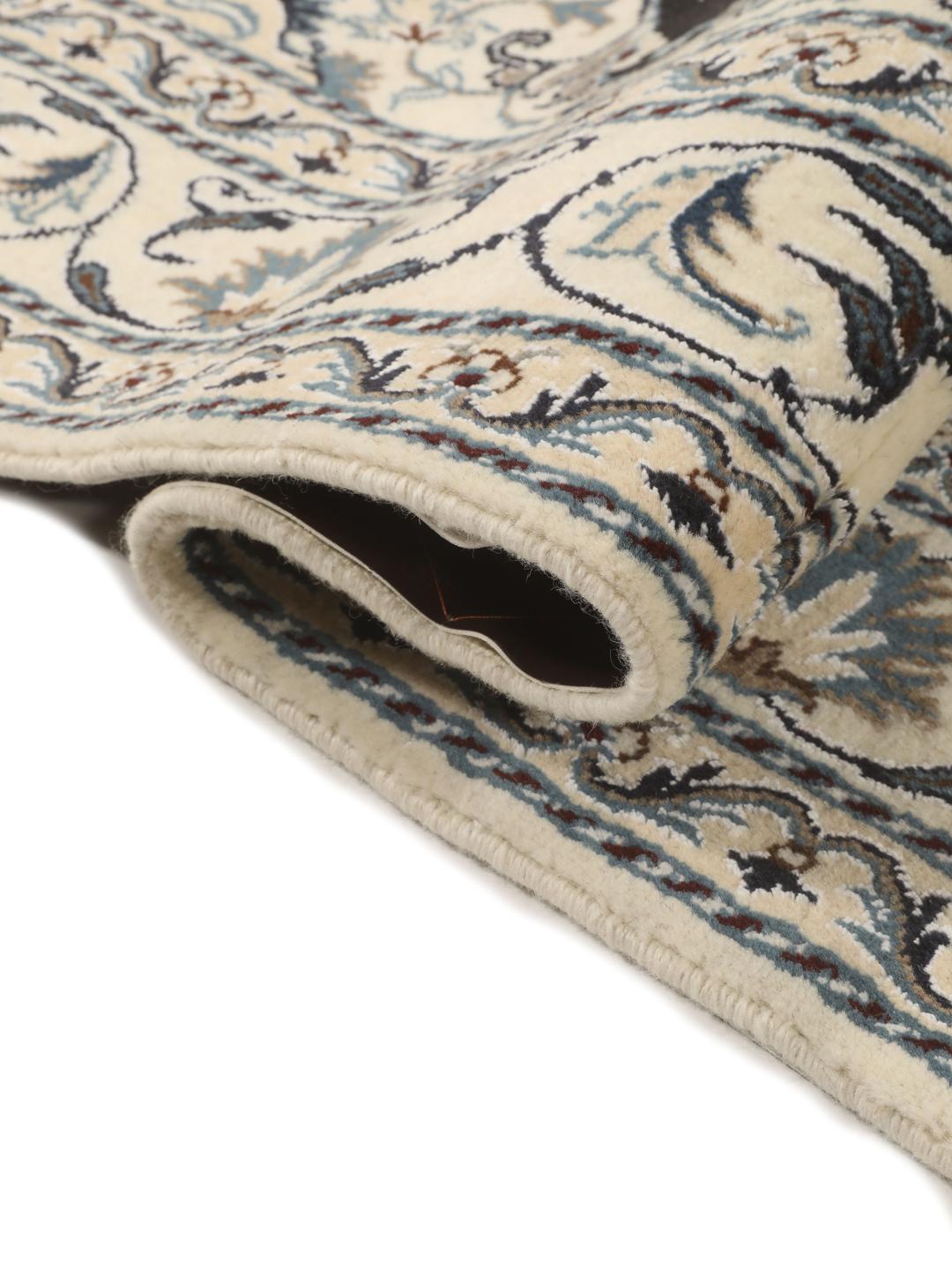
The quality of a Nain rug is often defined by its fine construction and the balance of its motifs. The term refers to a standard of excellence where the density of the knots allows for very precise, flowing patterns that appear almost like silk embroidery. This refined approach to weaving is what sets these rugs apart, ensuring they offer a crisp visual appeal that remains relevant across generations.
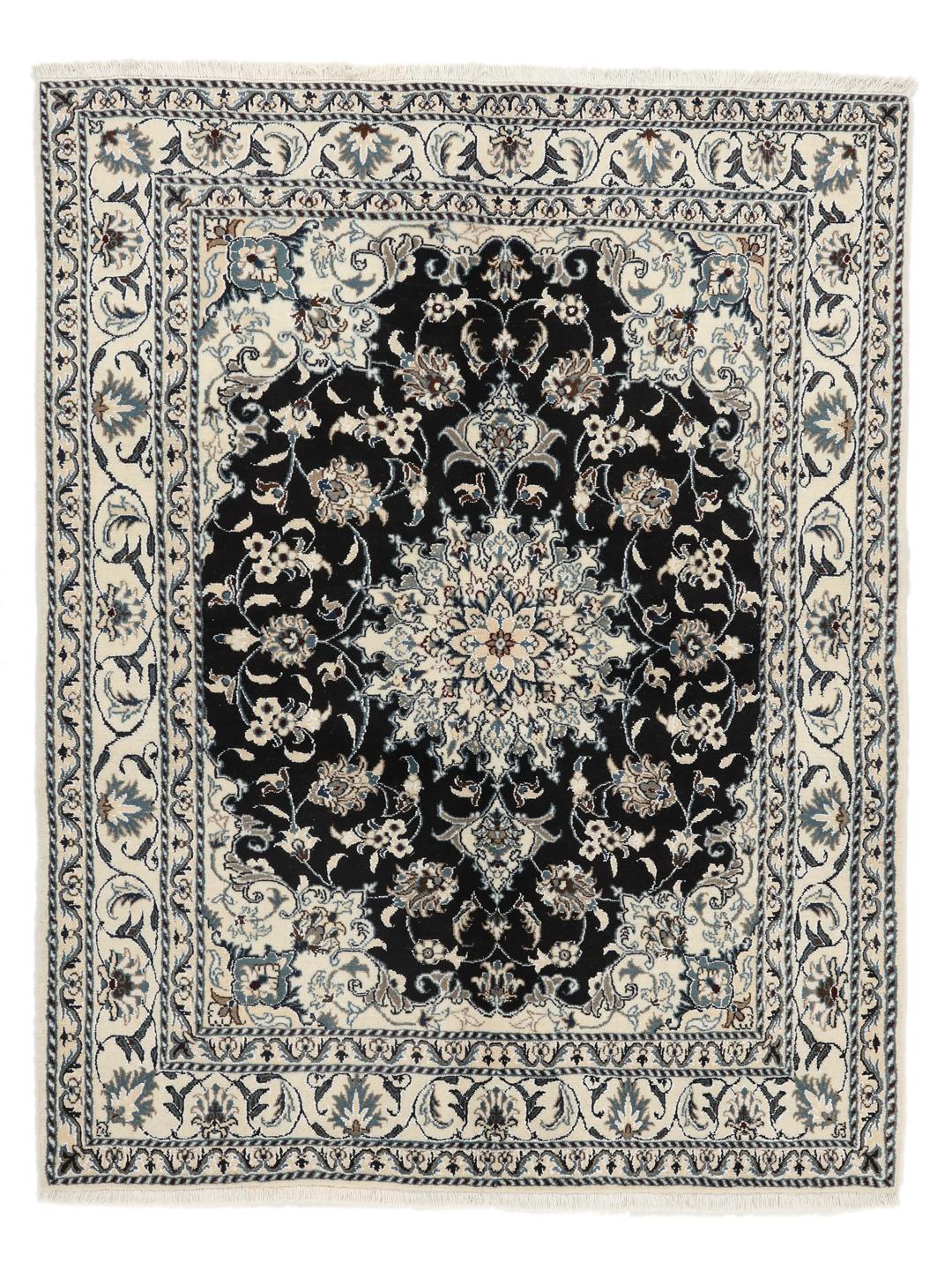
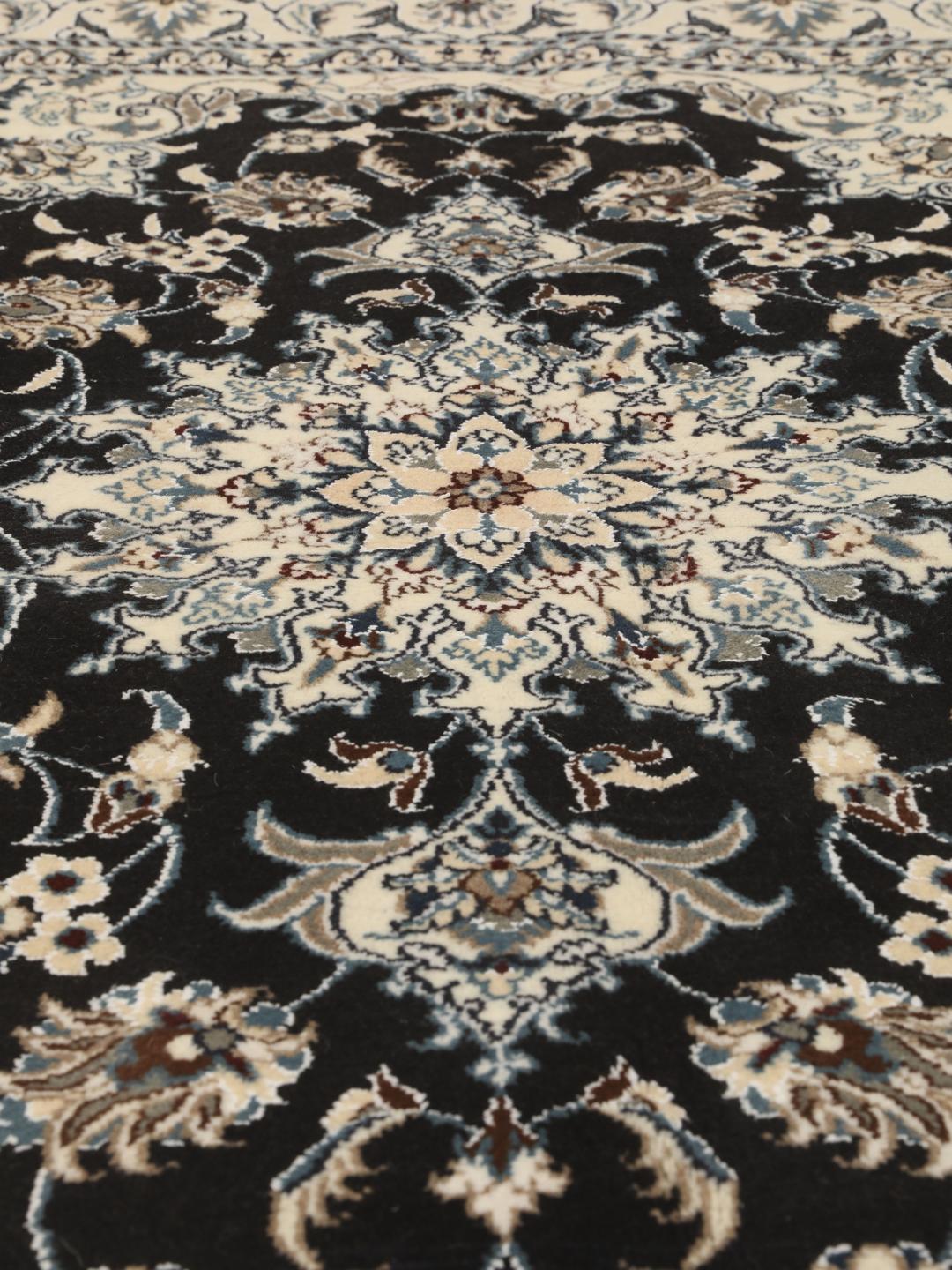
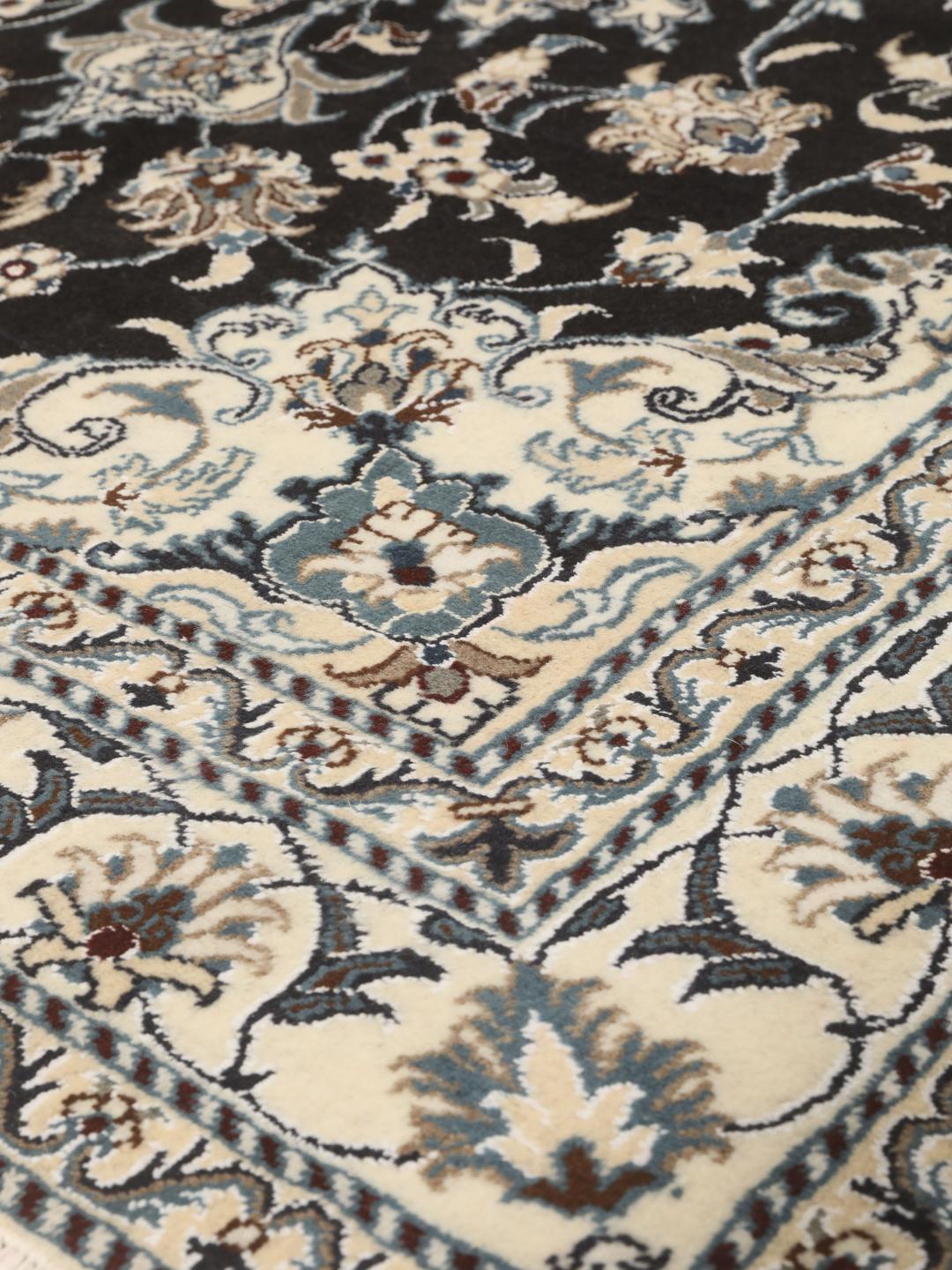
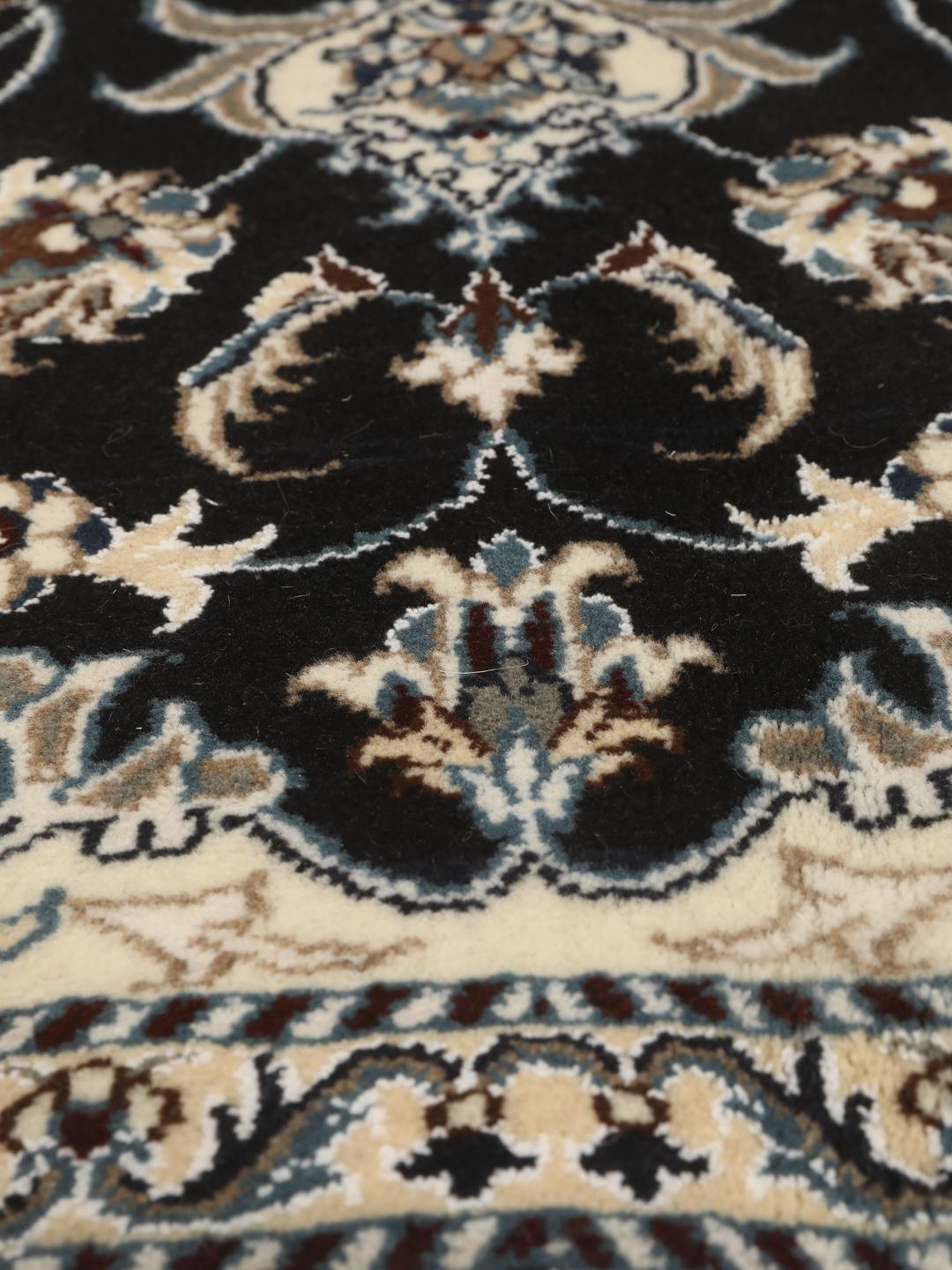
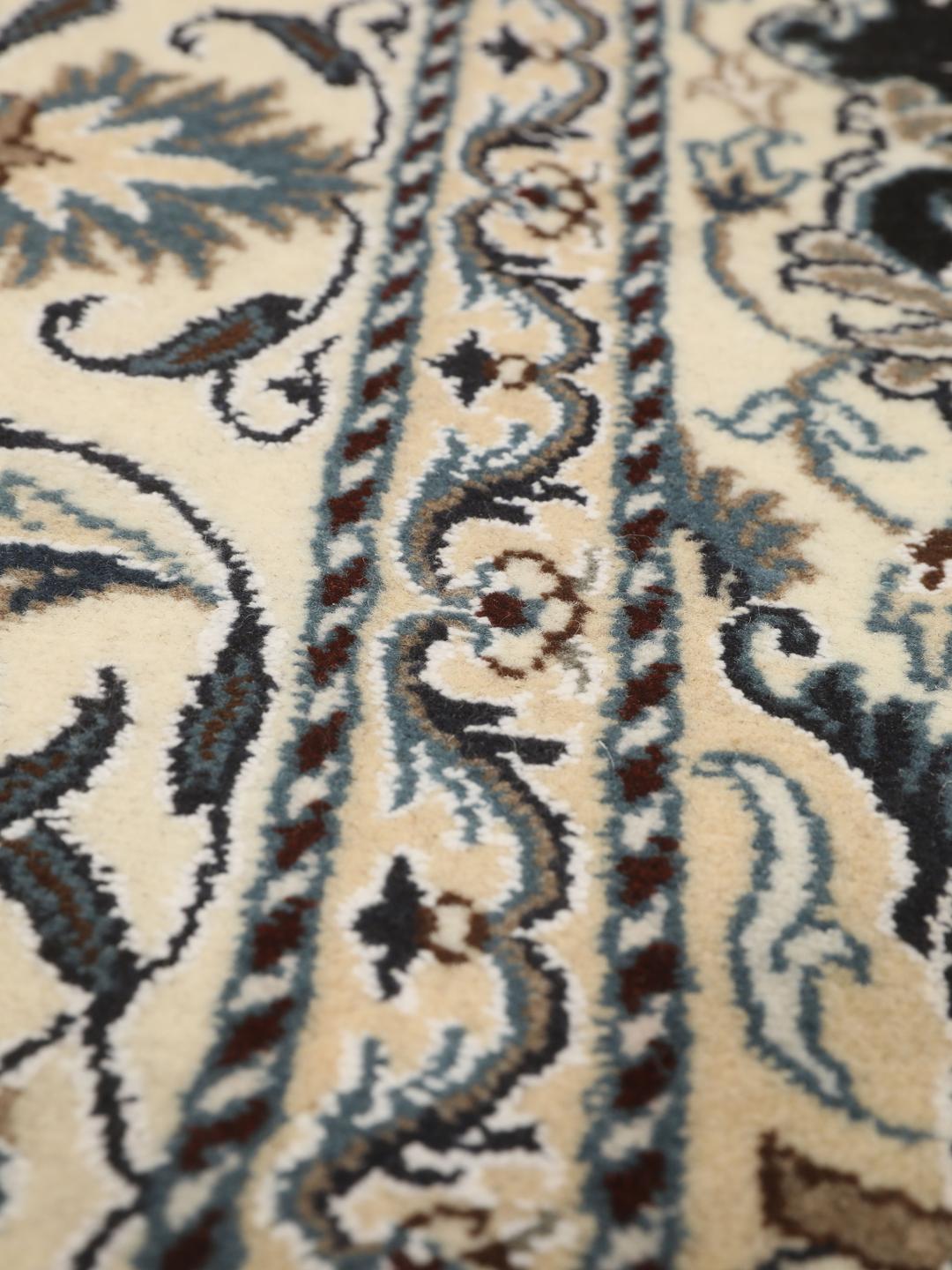
Visually, these rugs are defined by their signature central medallion and elaborate floral scrollwork. They frequently employ a palette that highlights the contrast between the field and the border, often using ivory, blue, and black tones to create a sense of depth. The floral motifs are not merely decorative but are symbolic of the garden traditions of the region, representing a connection to nature and artistry.
Owning a piece from this tradition is an investment in cultural heritage and technical skill. These rugs are highly valued by collectors for their ability to maintain their aesthetic integrity over decades. By bringing a Nain into your home, you are acquiring a piece of history that reflects a deep-rooted dedication to craft, ensuring that your space is enriched by a legacy of beauty and sophistication.