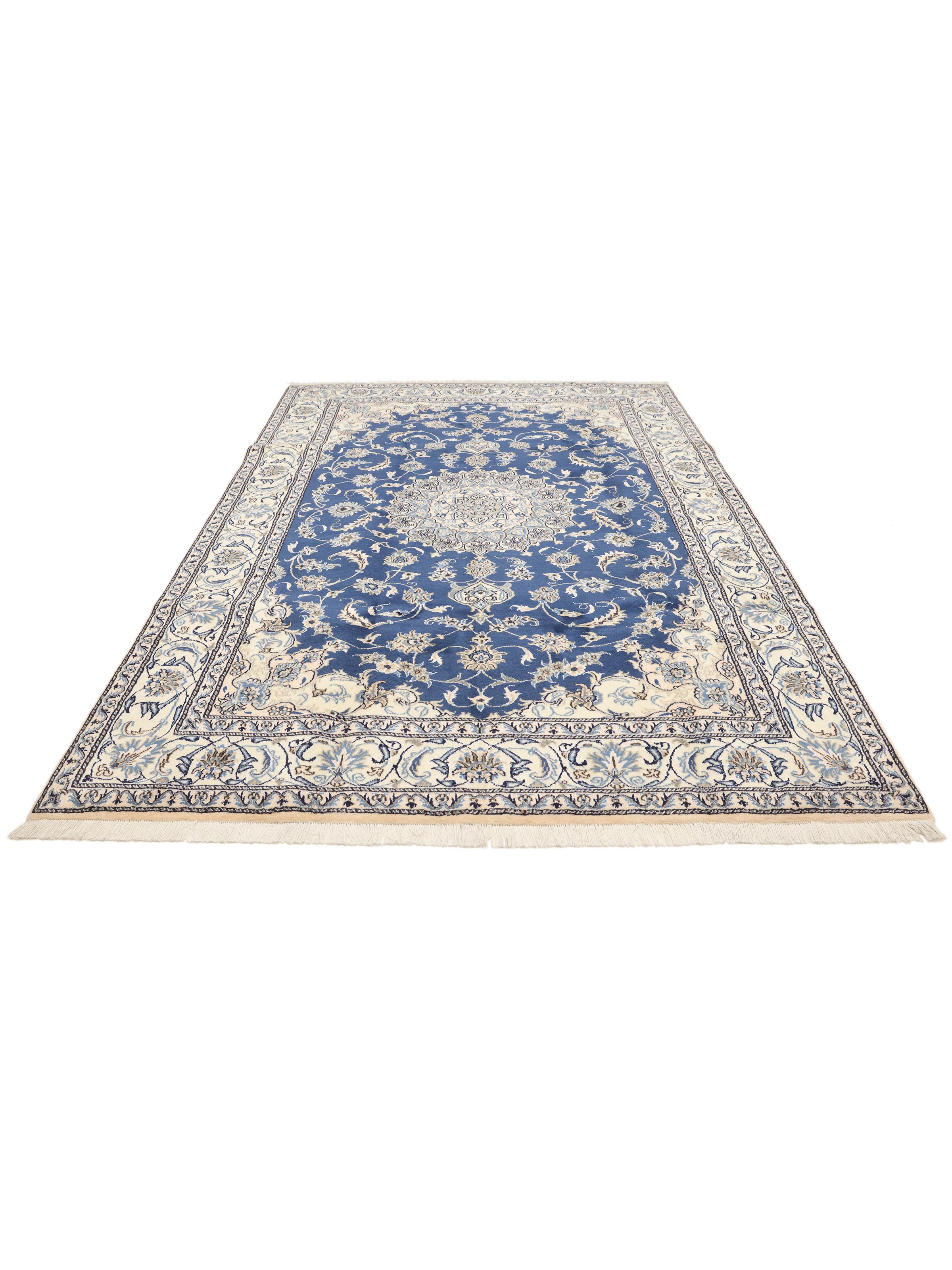
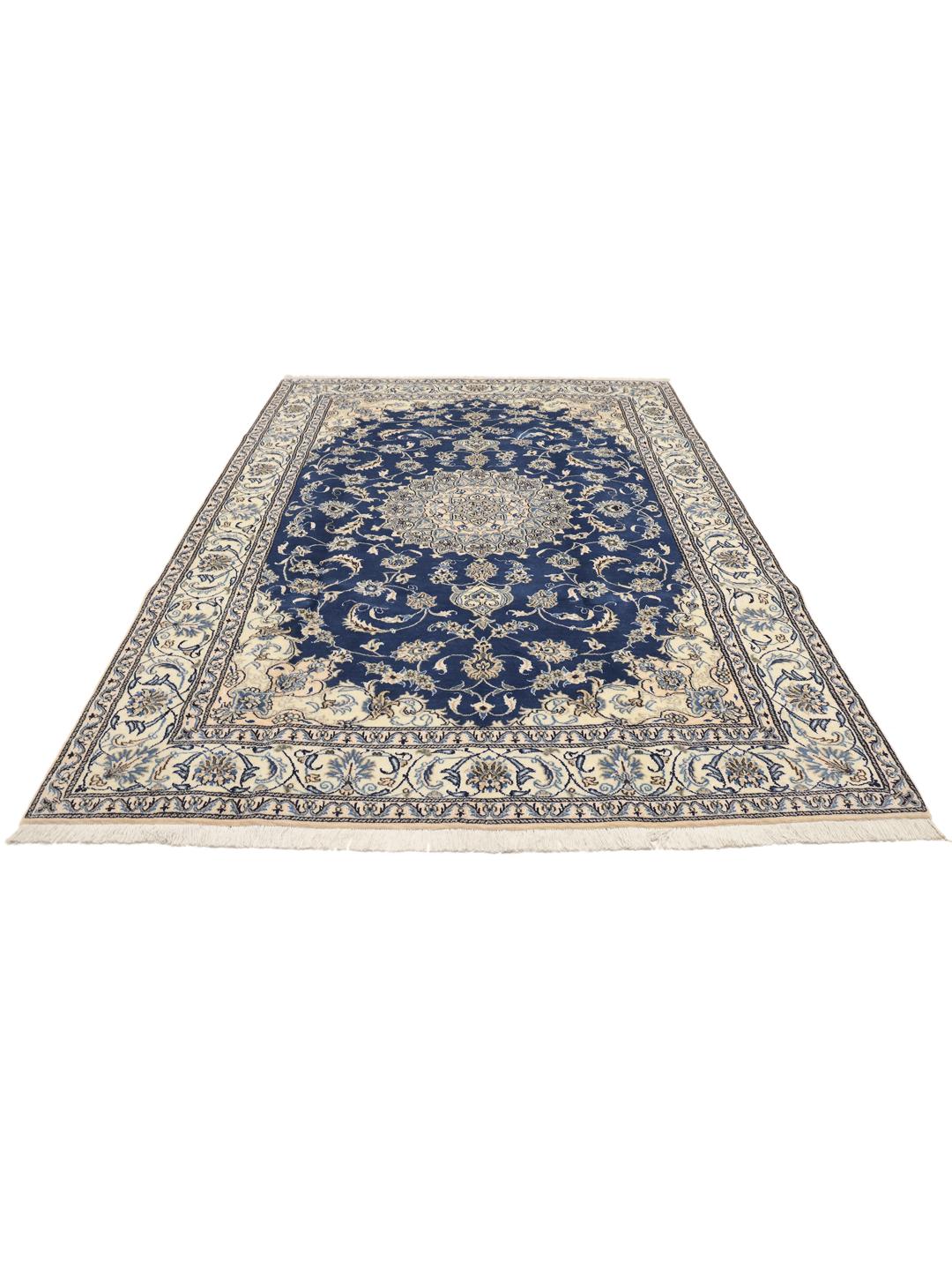
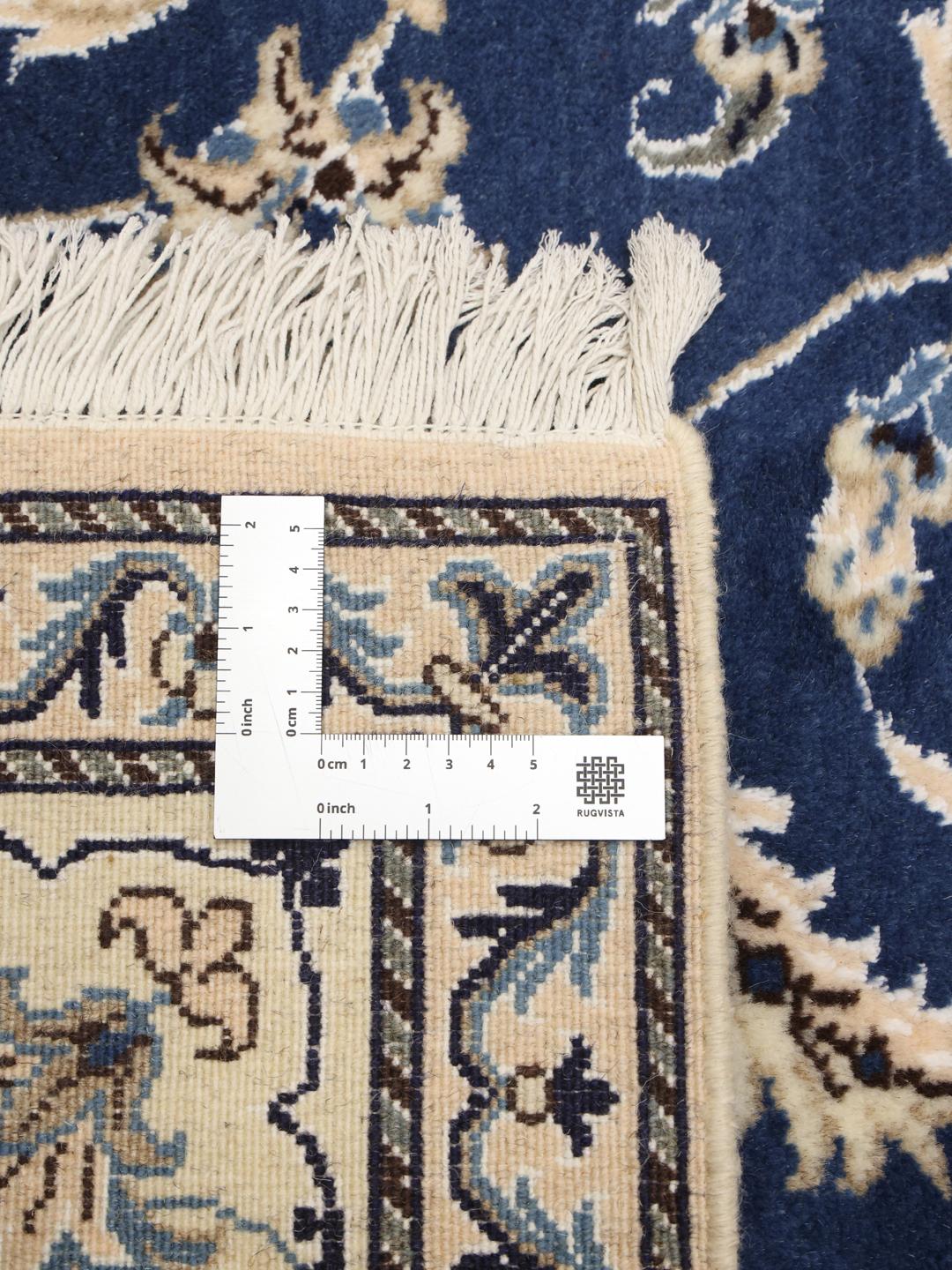
The Nain rug tradition hails from the historic town of Nain, located in the heart of the Middle East. Originally known for producing fine wool textiles and religious garments, the region pivoted to rug weaving in the early 20th century. By combining traditional techniques with a signature refined aesthetic, Nain quickly rose to prominence as a centre for some of the most sophisticated weaving in the world.
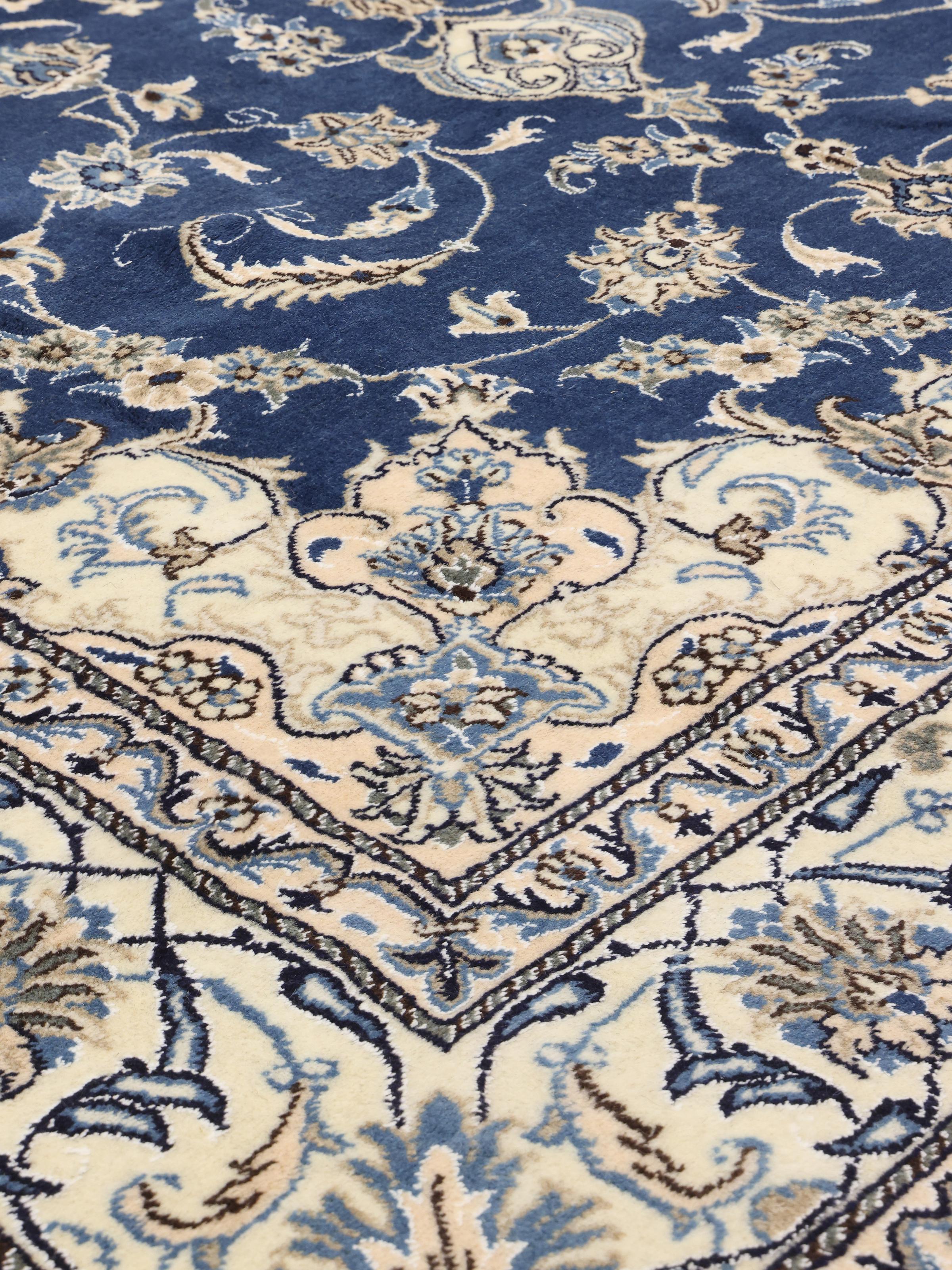
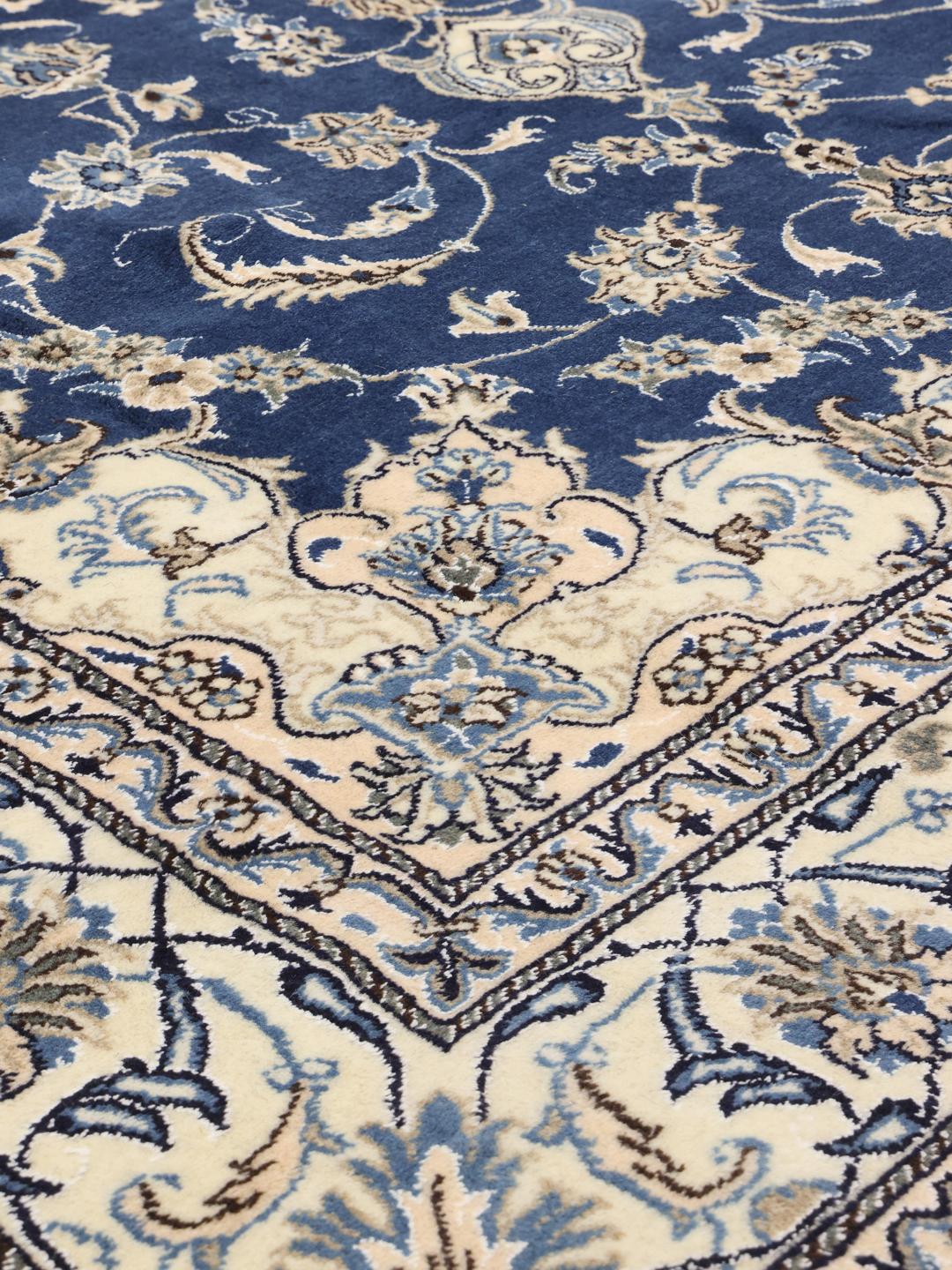
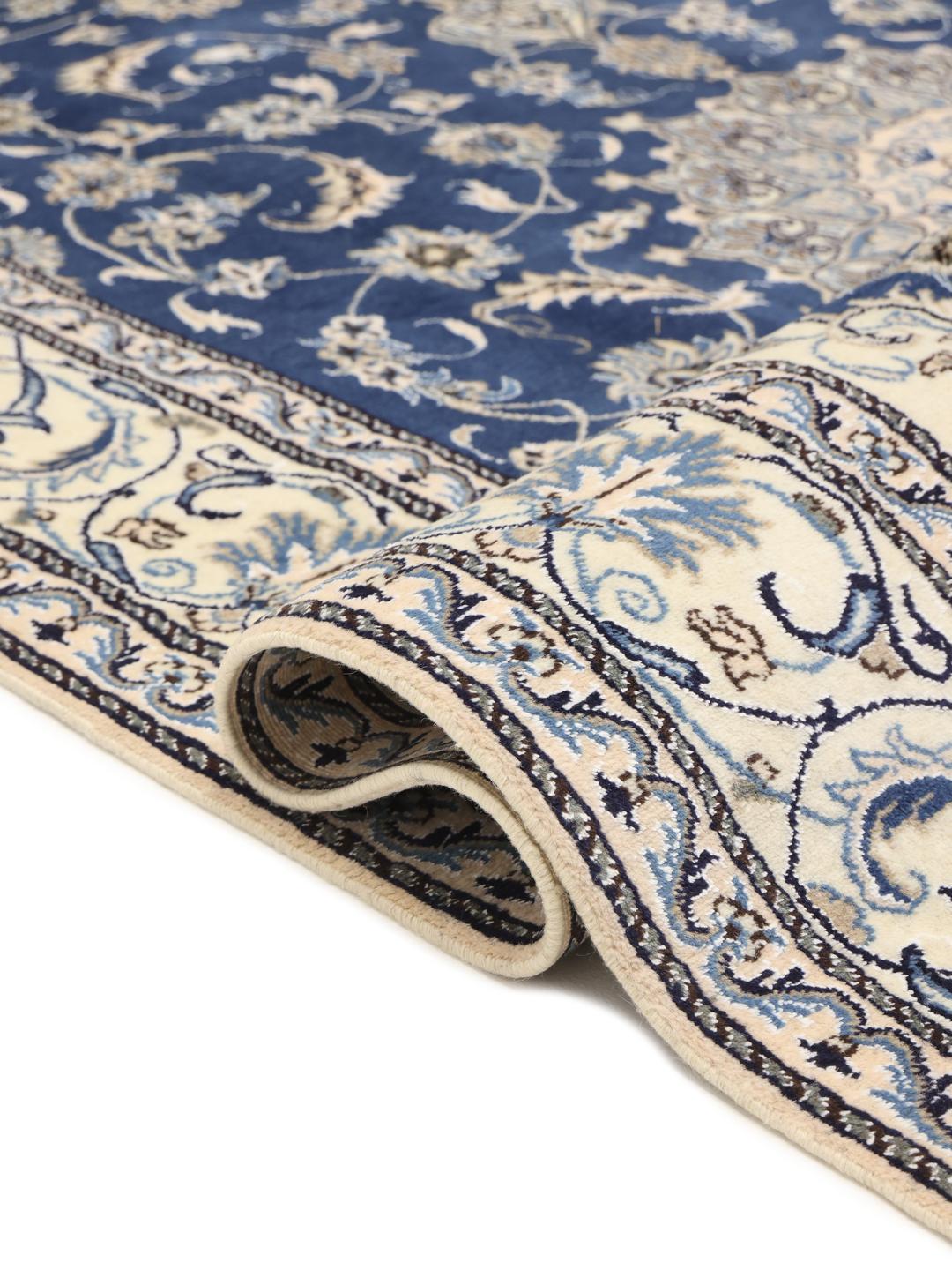
A key feature of these rugs is the use of distinct quality grades, often categorised by the number of threads in the foundation. This meticulous approach ensures that the resulting pile is tightly packed and incredibly durable. The precision of the knotting is not merely a technical choice but a commitment to creating a surface that remains lustrous and vibrant for decades of use.
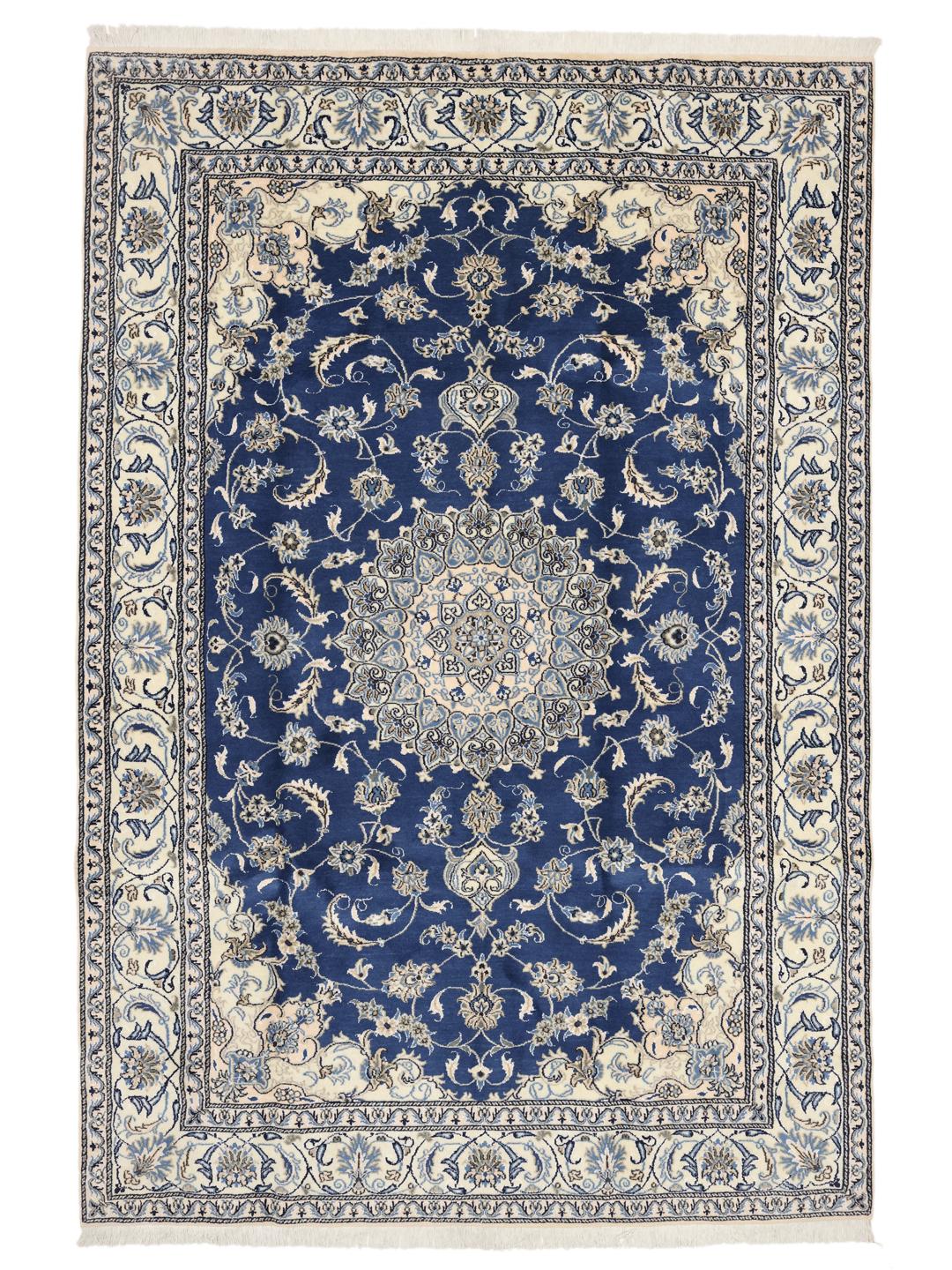
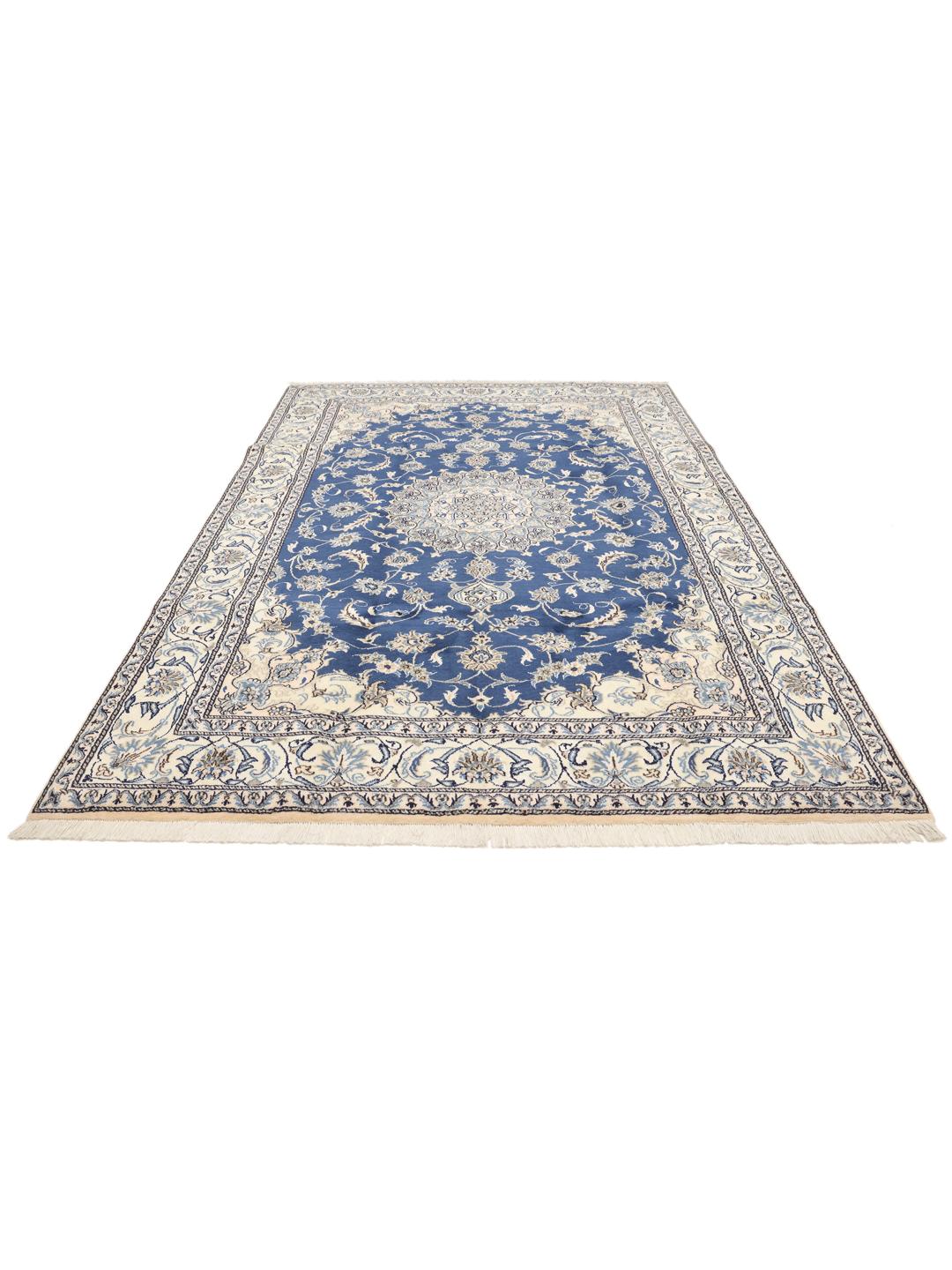
Visually, these rugs are celebrated for their harmonious designs, which often feature a central medallion surrounded by flowing floral arabesques and intricate vine work. While traditional palettes often favour soft blues, creams, and whites, the balance and symmetry of the patterns remain a constant, reflecting a deep-seated appreciation for order and elegance in design.
Owning a piece from this tradition is an investment in cultural history. These rugs are highly sought after by collectors and homeowners alike, not just for their aesthetic appeal, but for the human skill and dedication they represent. They are considered heirloom-quality items that connect the contemporary home to a long, storied past of artistic excellence.