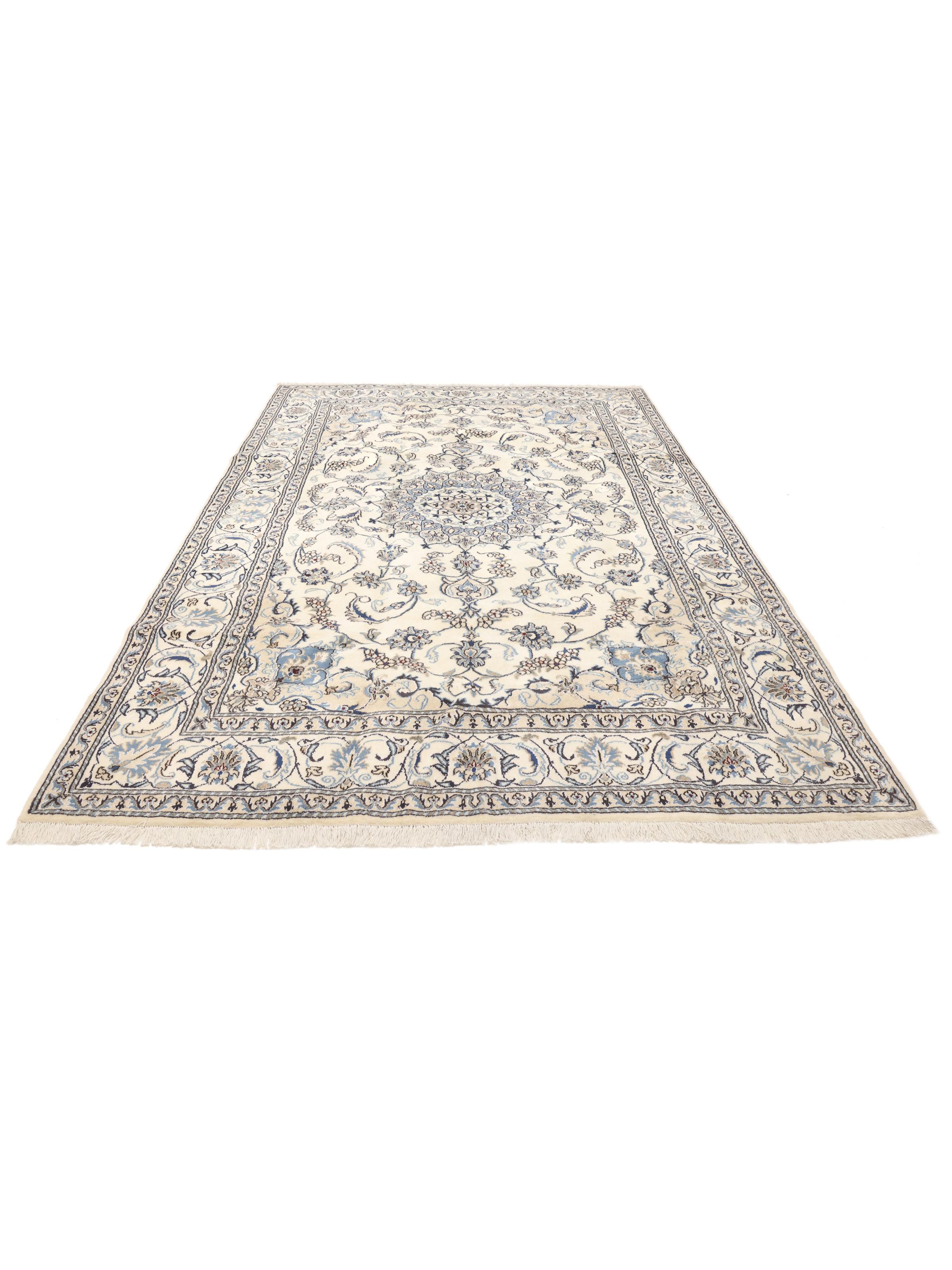
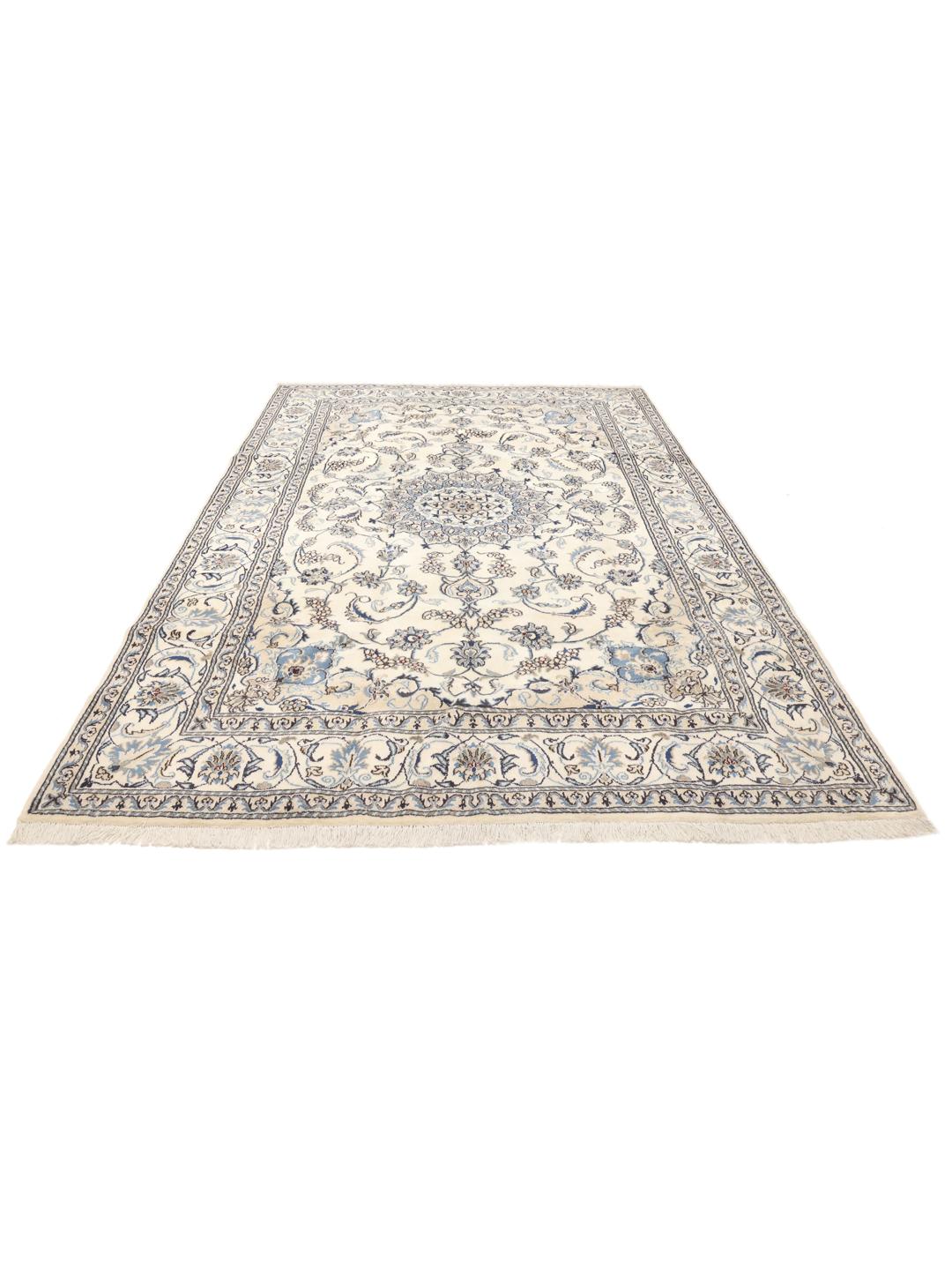
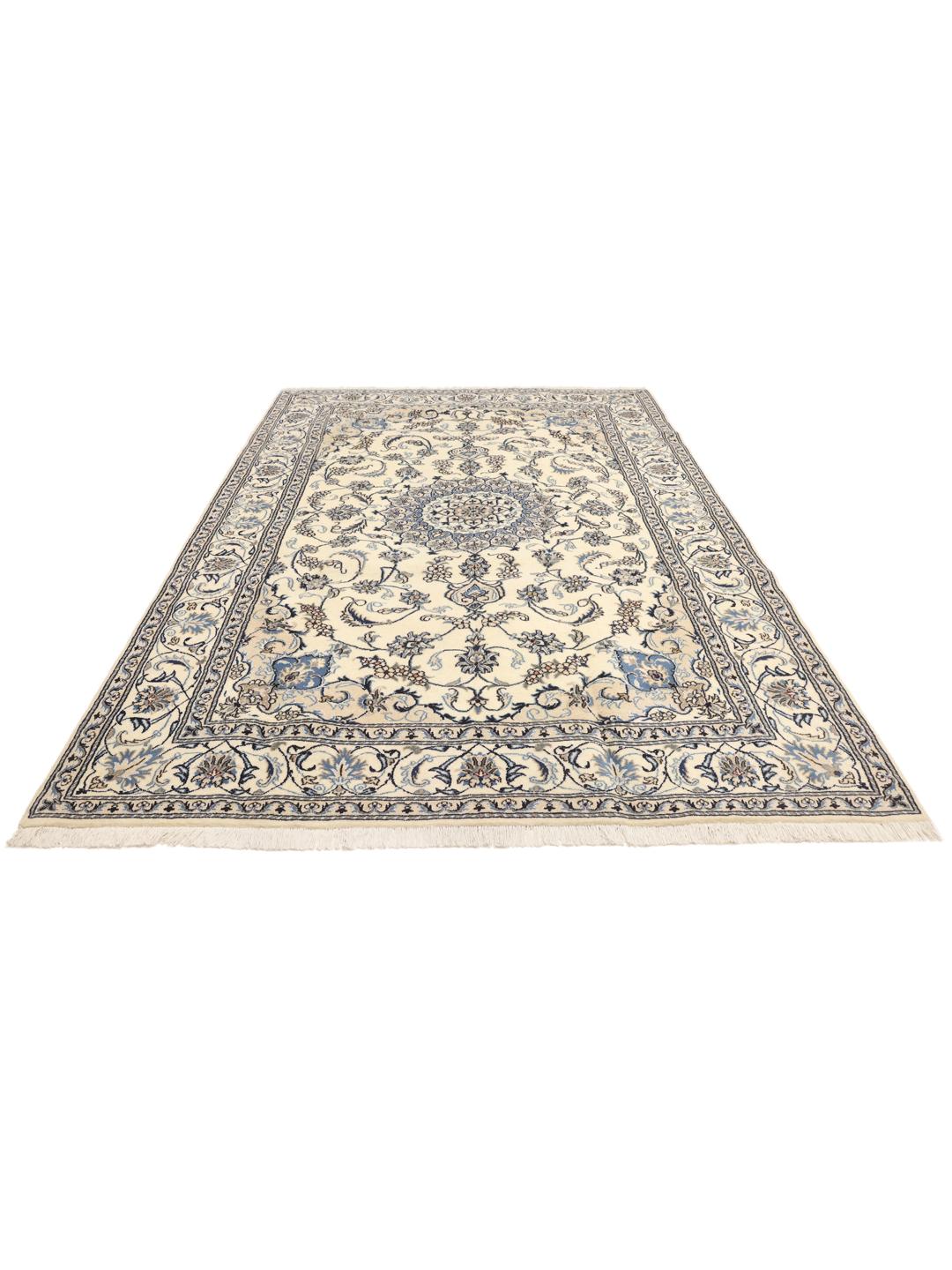
Nain rugs originate from the historic desert town of Nain, located in the central part of the Middle East. Originally known for producing fine wool garments and cloaks, the local weaving community shifted their expertise toward rug making in the early 20th century, quickly establishing a reputation for producing some of the most sophisticated and elegant pieces in the region.
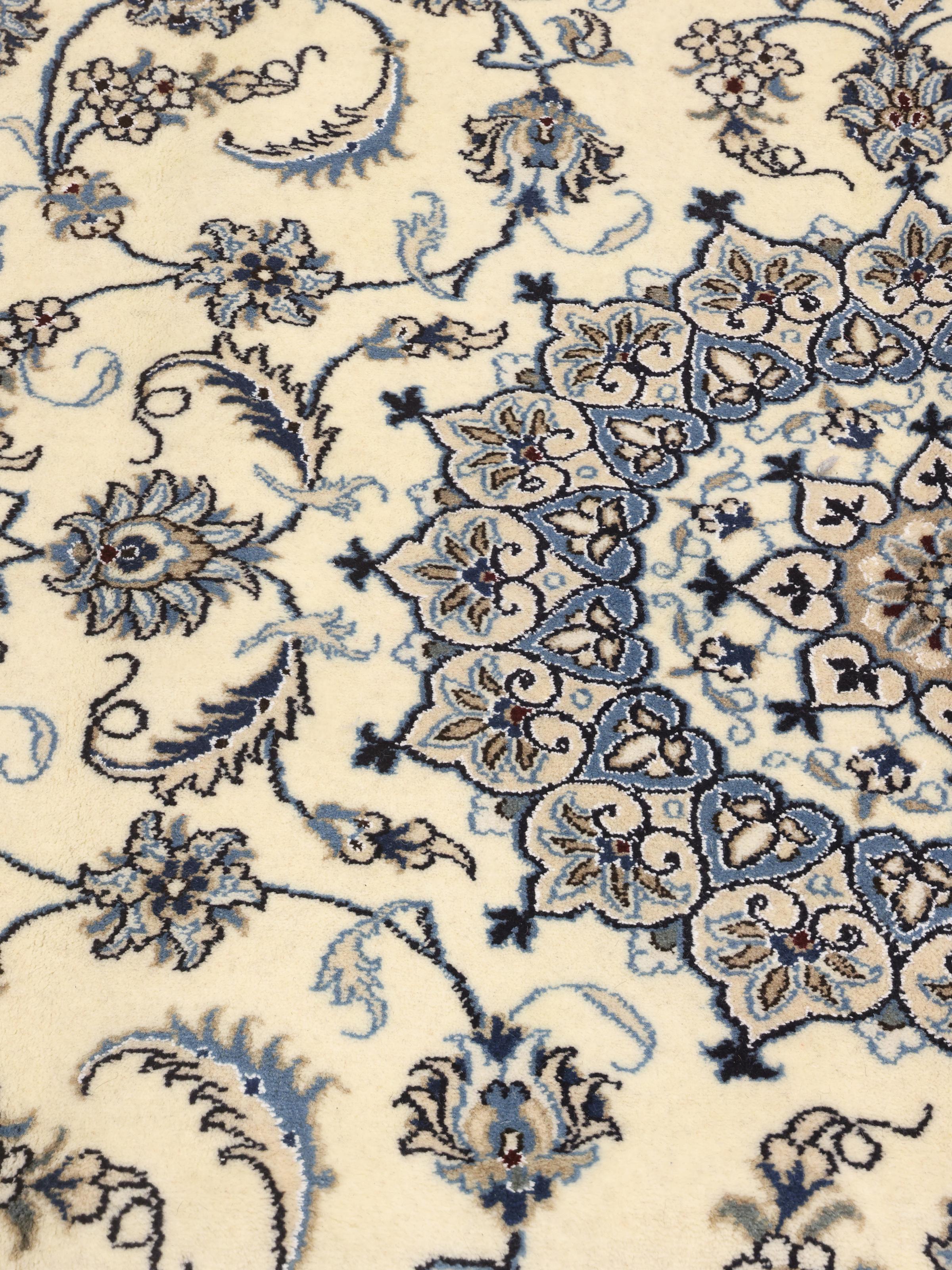
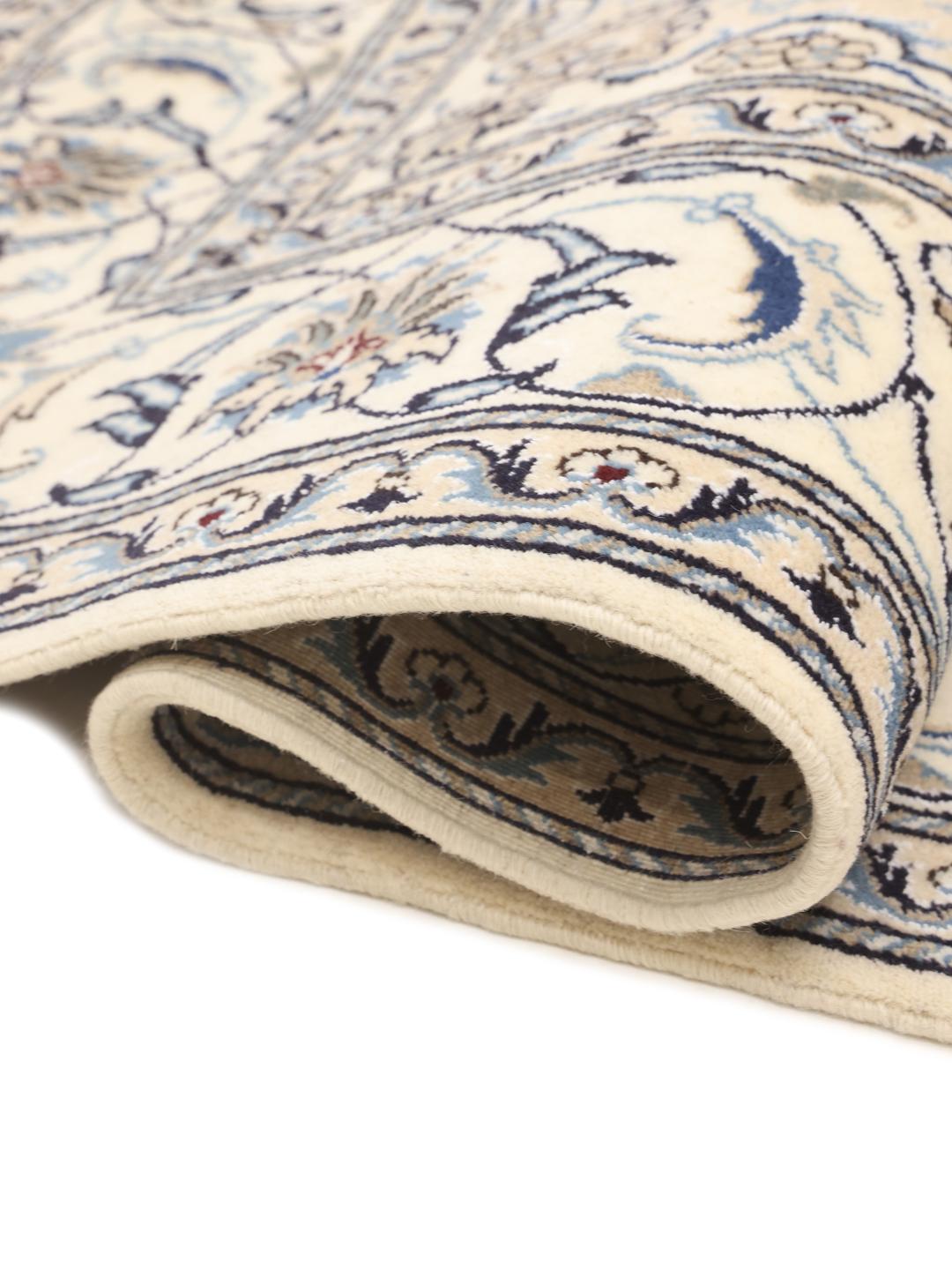
The quality of a Nain rug is often evaluated by the fineness of its construction, which is traditionally measured by the number of knots and the inclusion of silk highlights. These rugs are highly regarded for their precise, curvilinear patterns that require a high degree of technical skill and a steady hand to execute correctly, ensuring both beauty and lasting structural integrity.
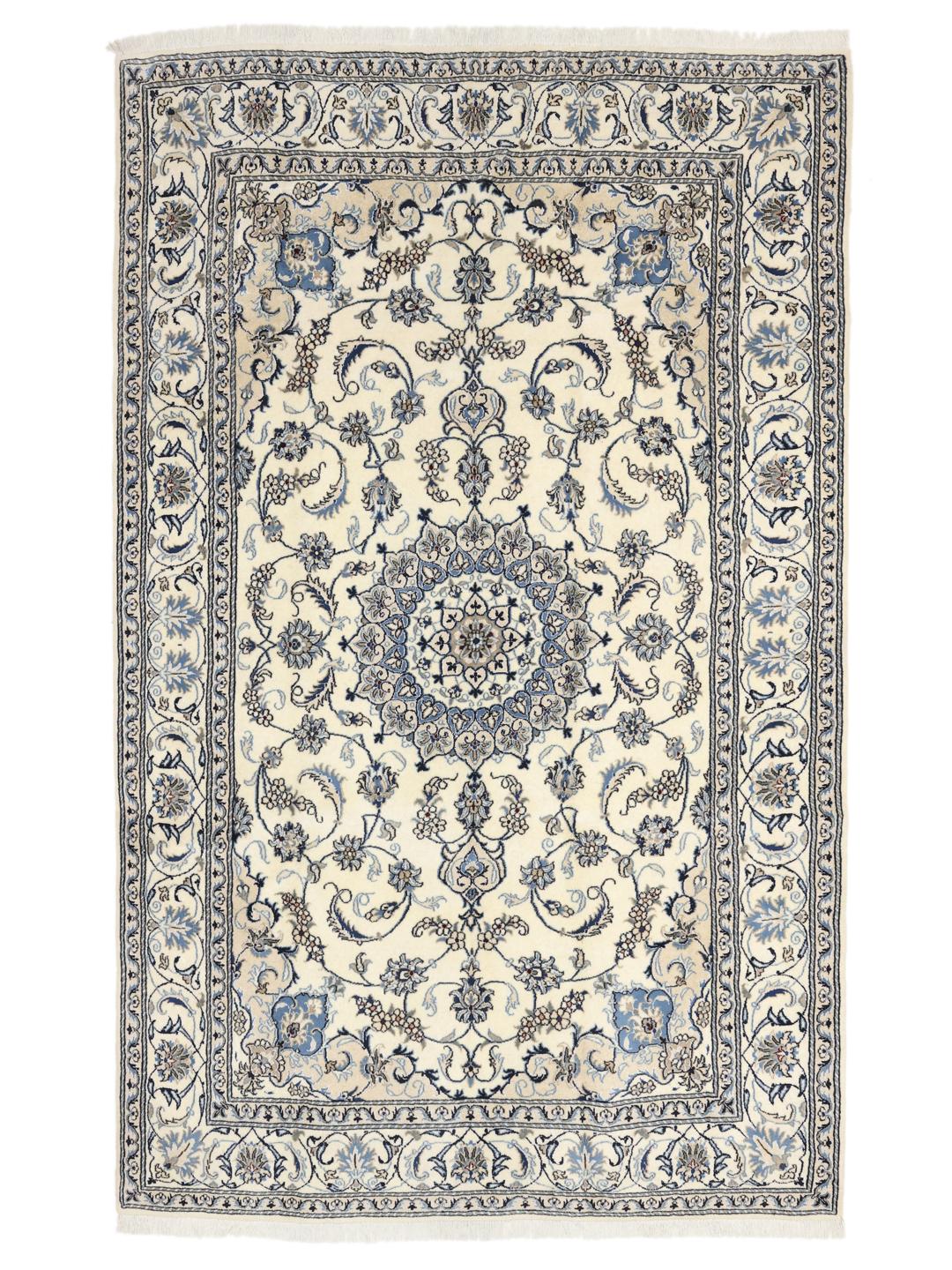
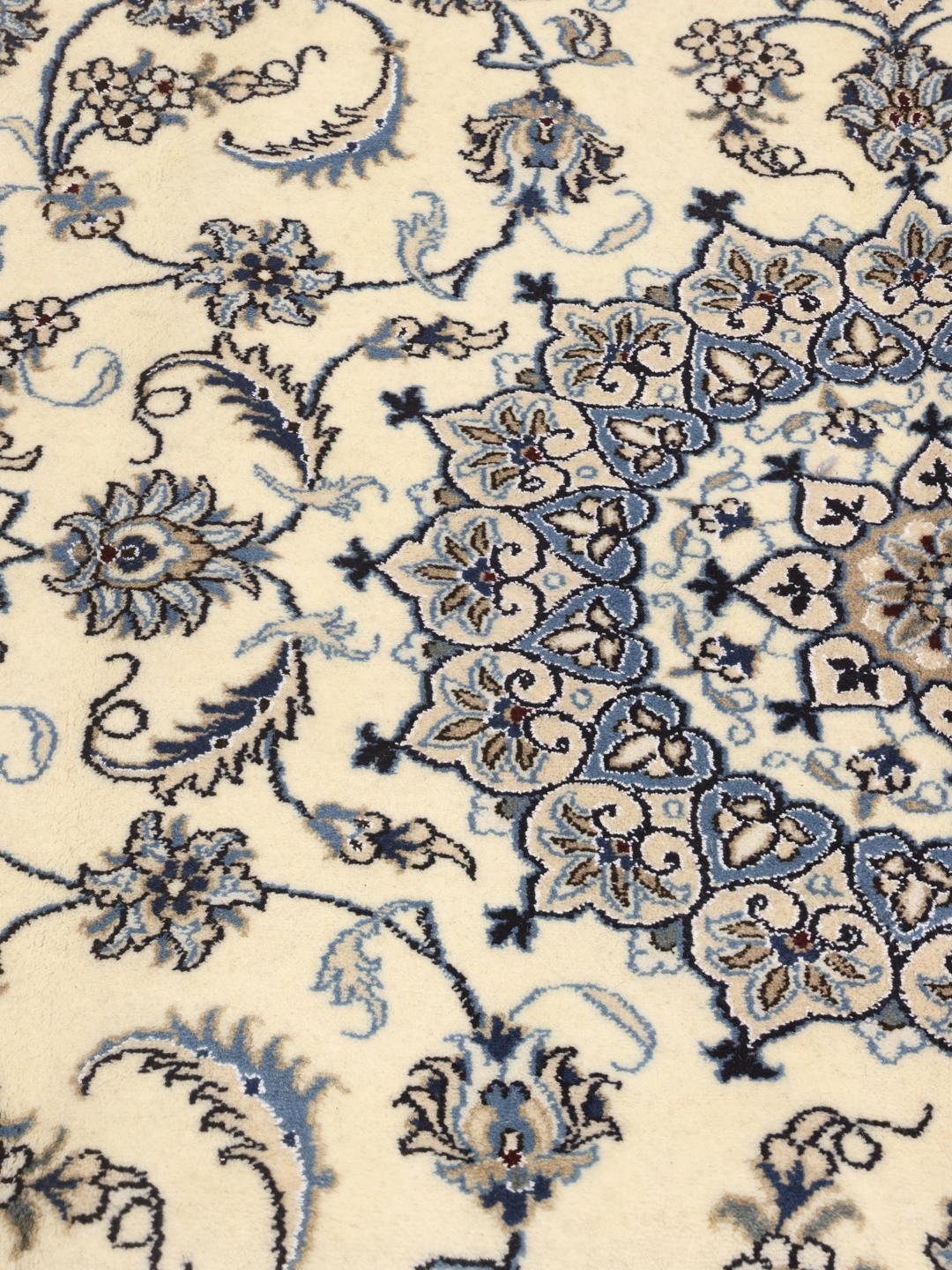
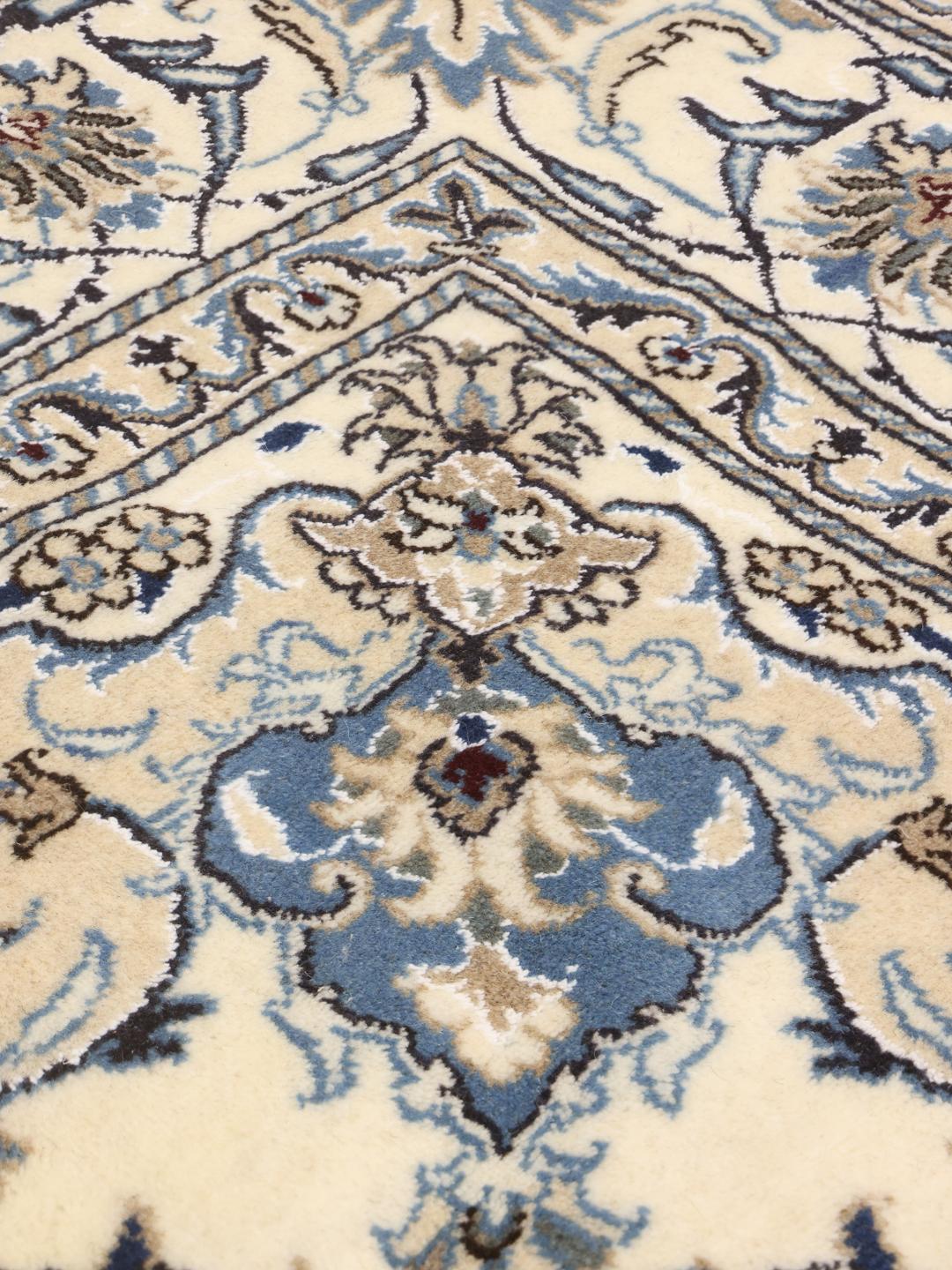
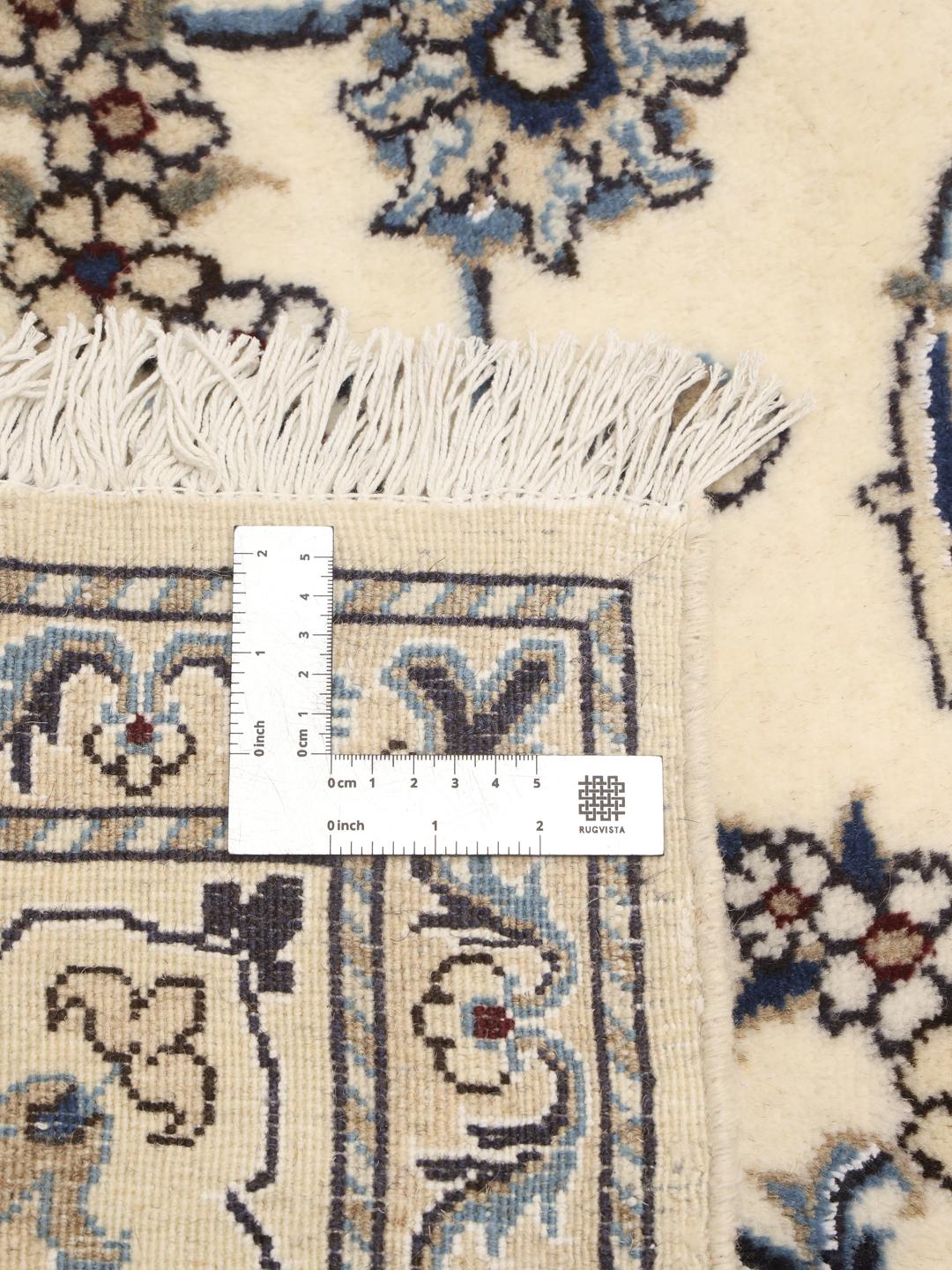
Signature design elements of this tradition include a central medallion, often surrounded by elaborate floral arrangements, vines, and palmettes. The colour palettes are typically restrained and elegant, favouring soft tones that allow the complex patterns to stand out without feeling overwhelming, which makes them highly versatile for a range of sophisticated interiors.
Collectors value these rugs for their balance of artistic expression and technical mastery. Owning a piece from this tradition is considered a mark of appreciation for the heritage of Middle Eastern craftsmanship, representing a legacy of skill that has been passed down through generations of dedicated weavers.