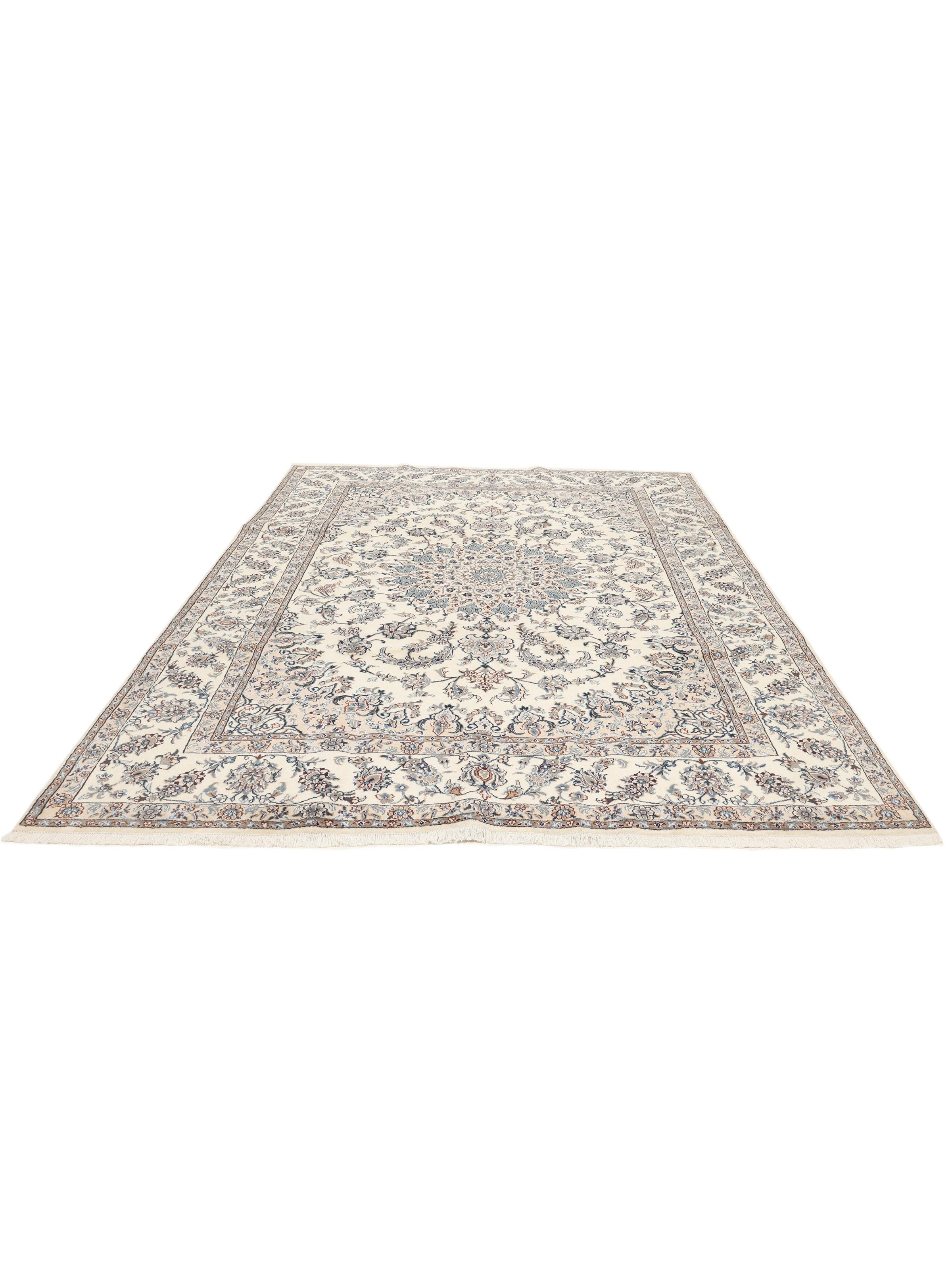
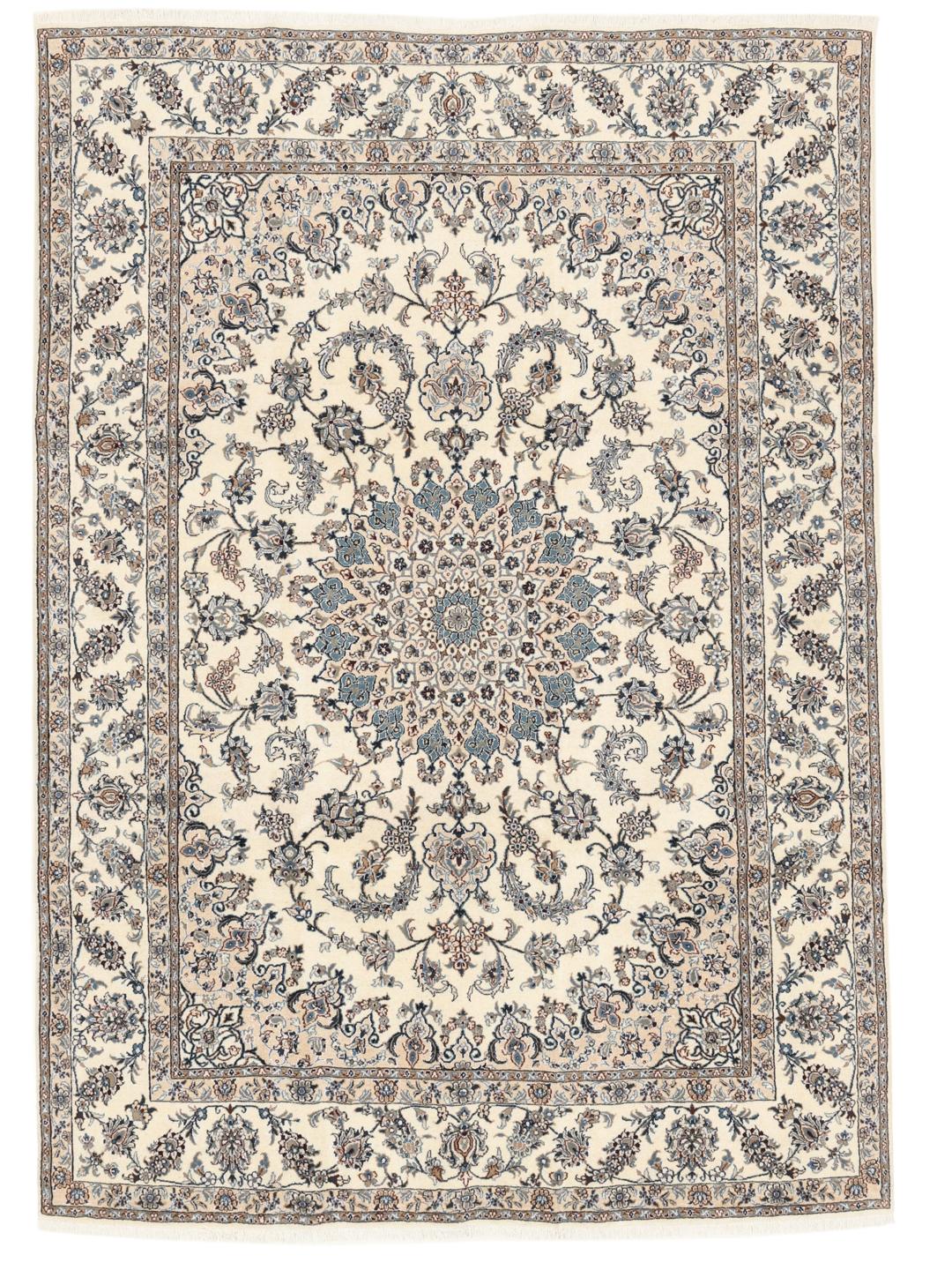
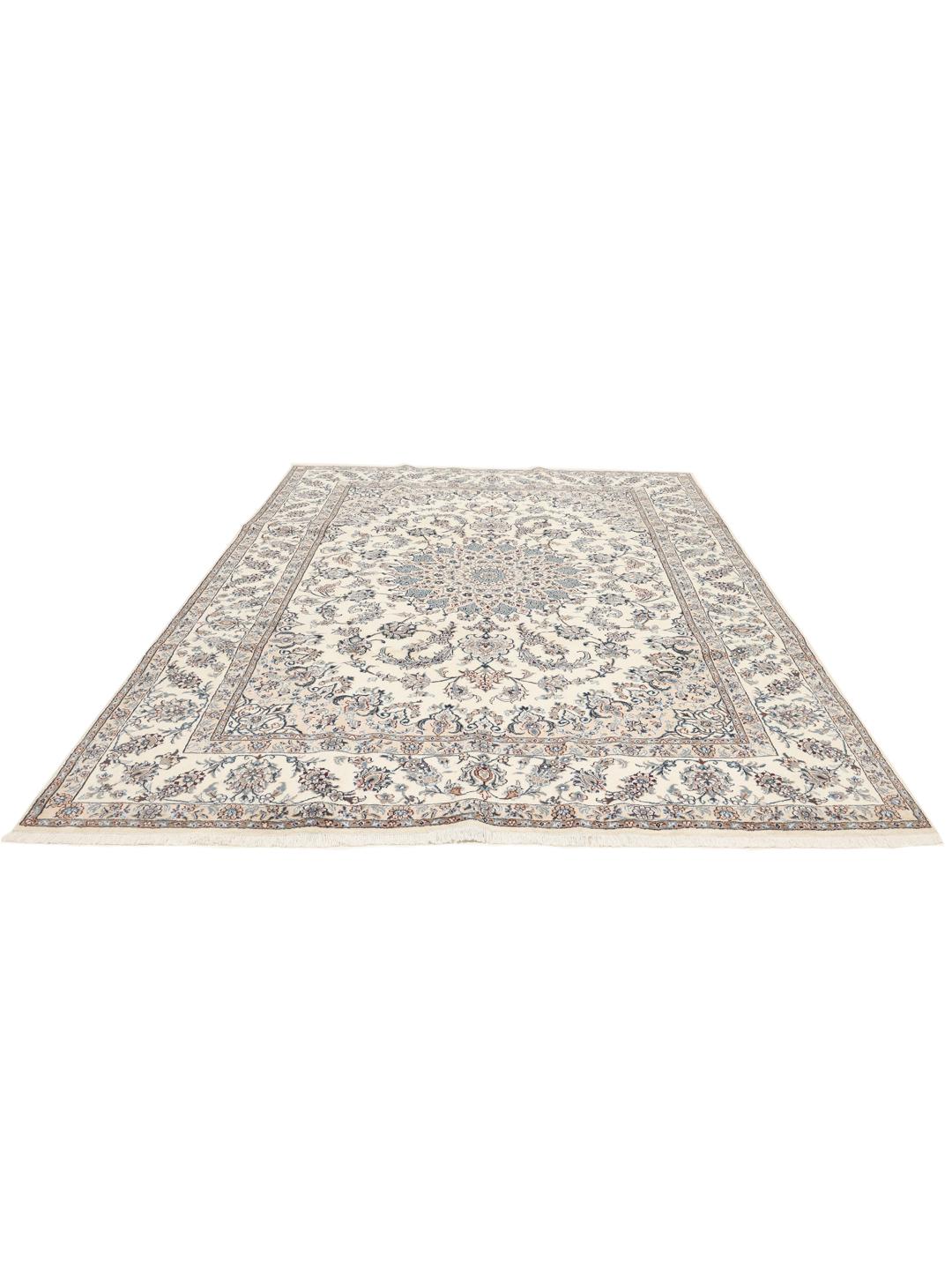
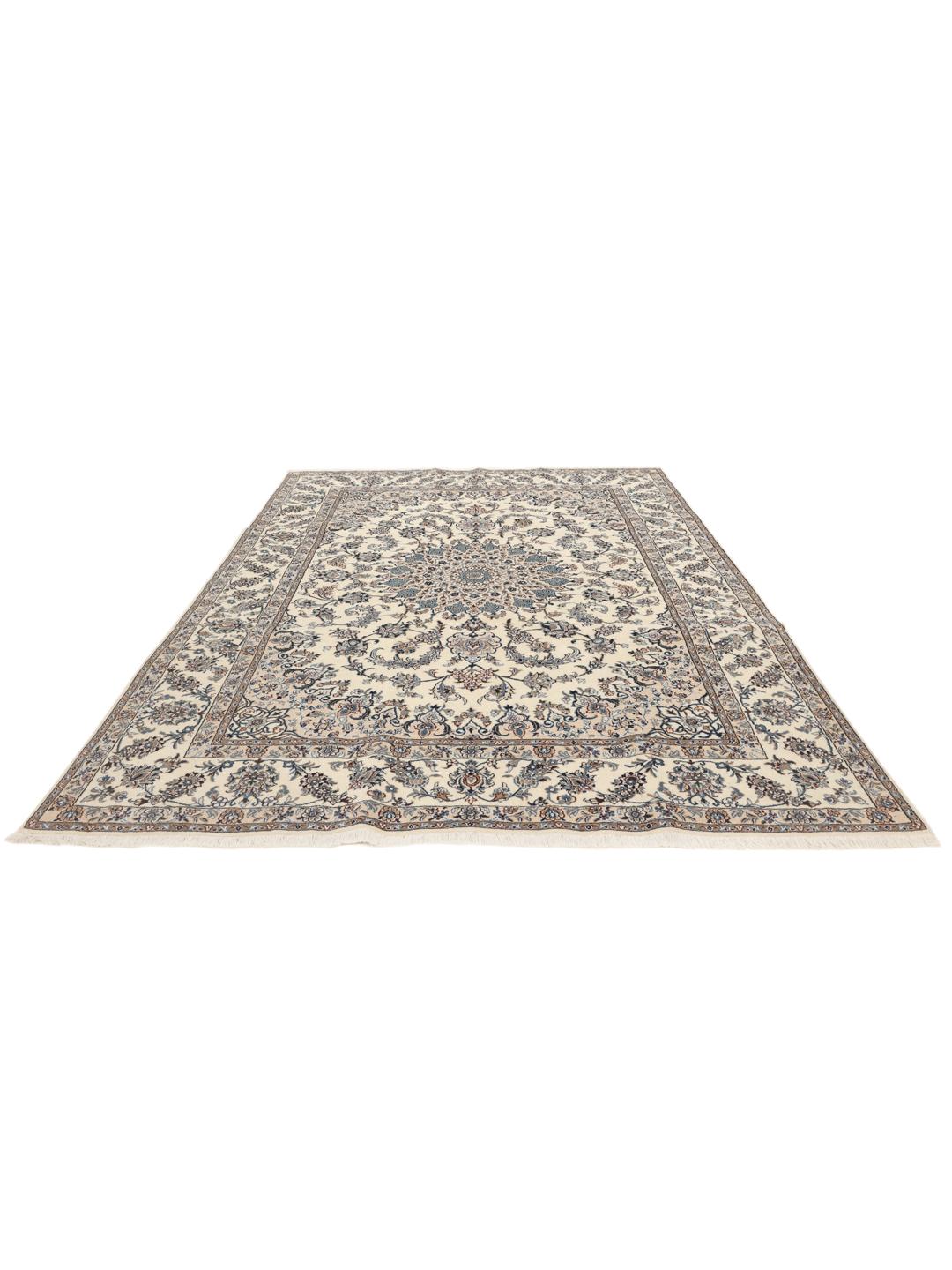
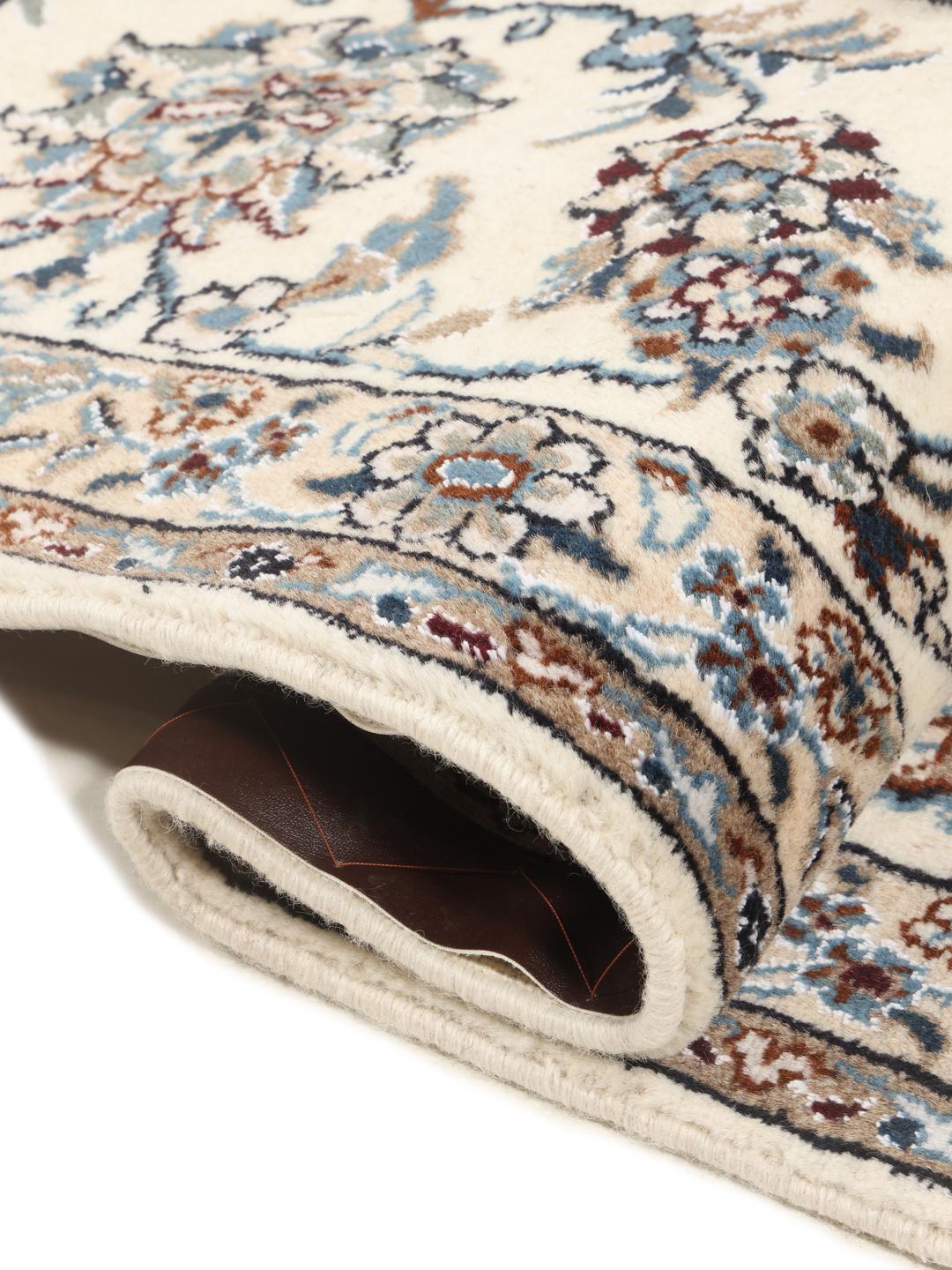
Nain rugs originate from the historic town of Nain, located in the heart of the Middle East. Originally known for producing high-quality wool textiles, the town transitioned to rug weaving in the early 20th century, quickly establishing a reputation for creating some of the most sophisticated and visually refined pieces in the region.
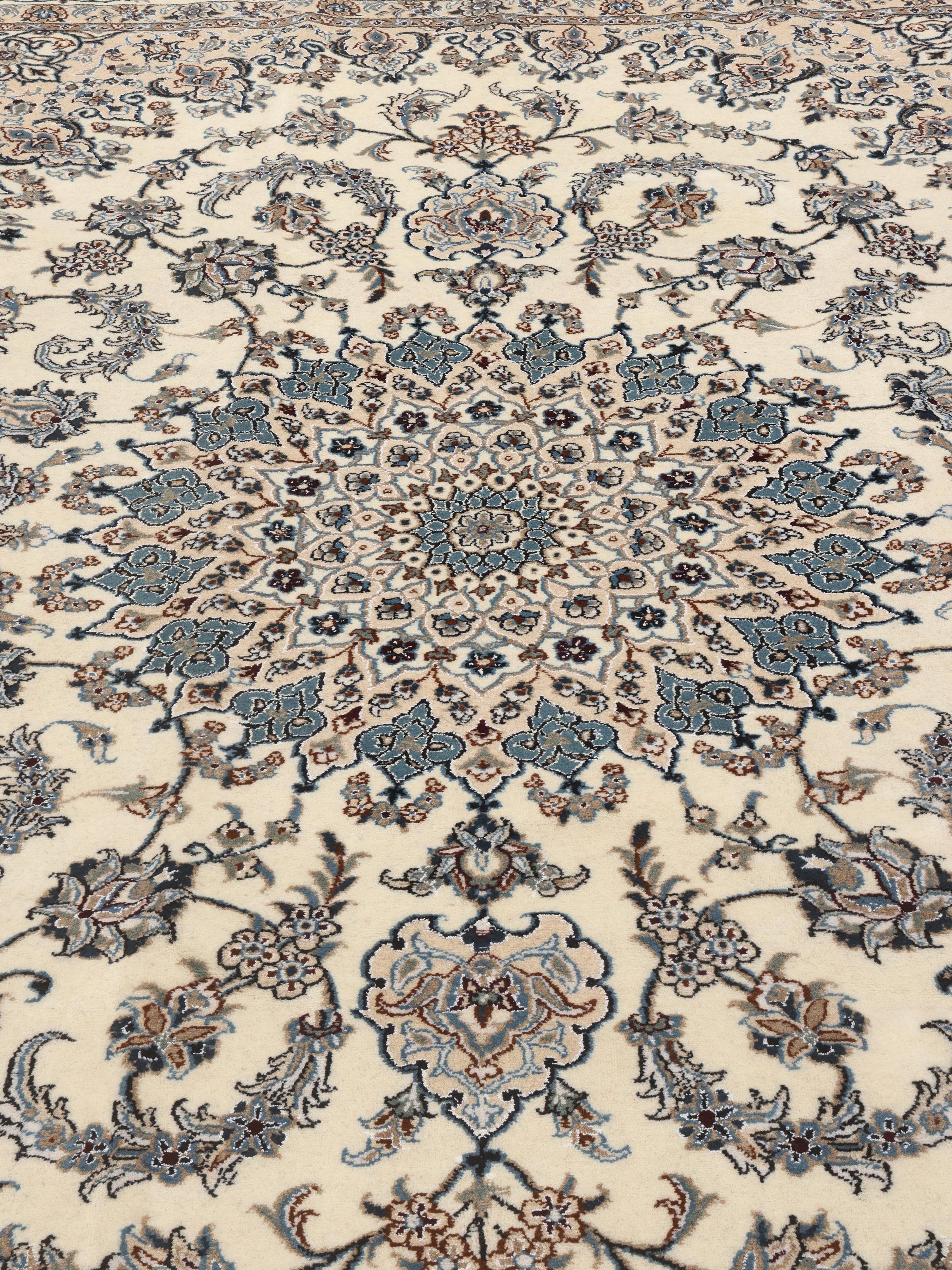
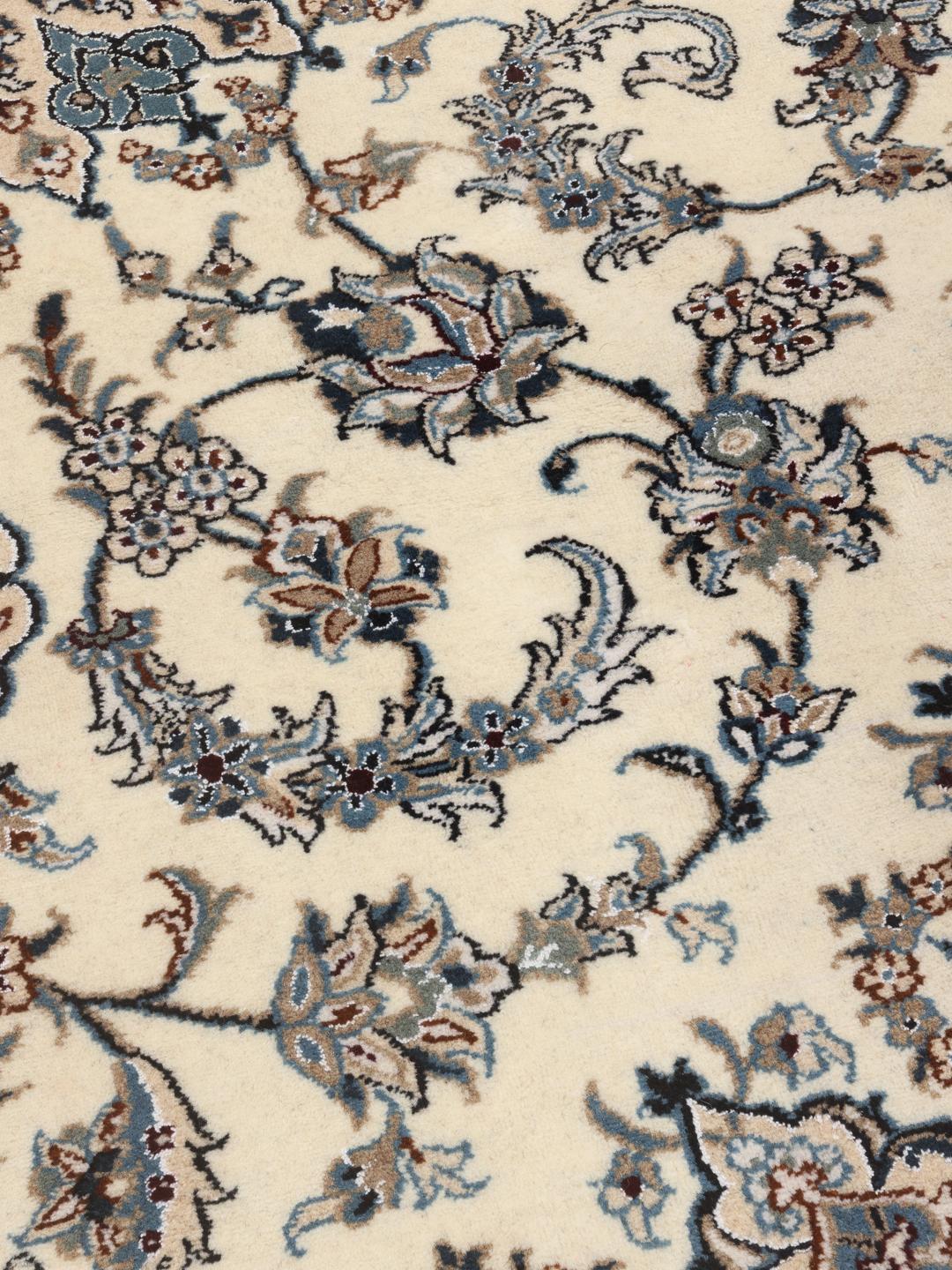
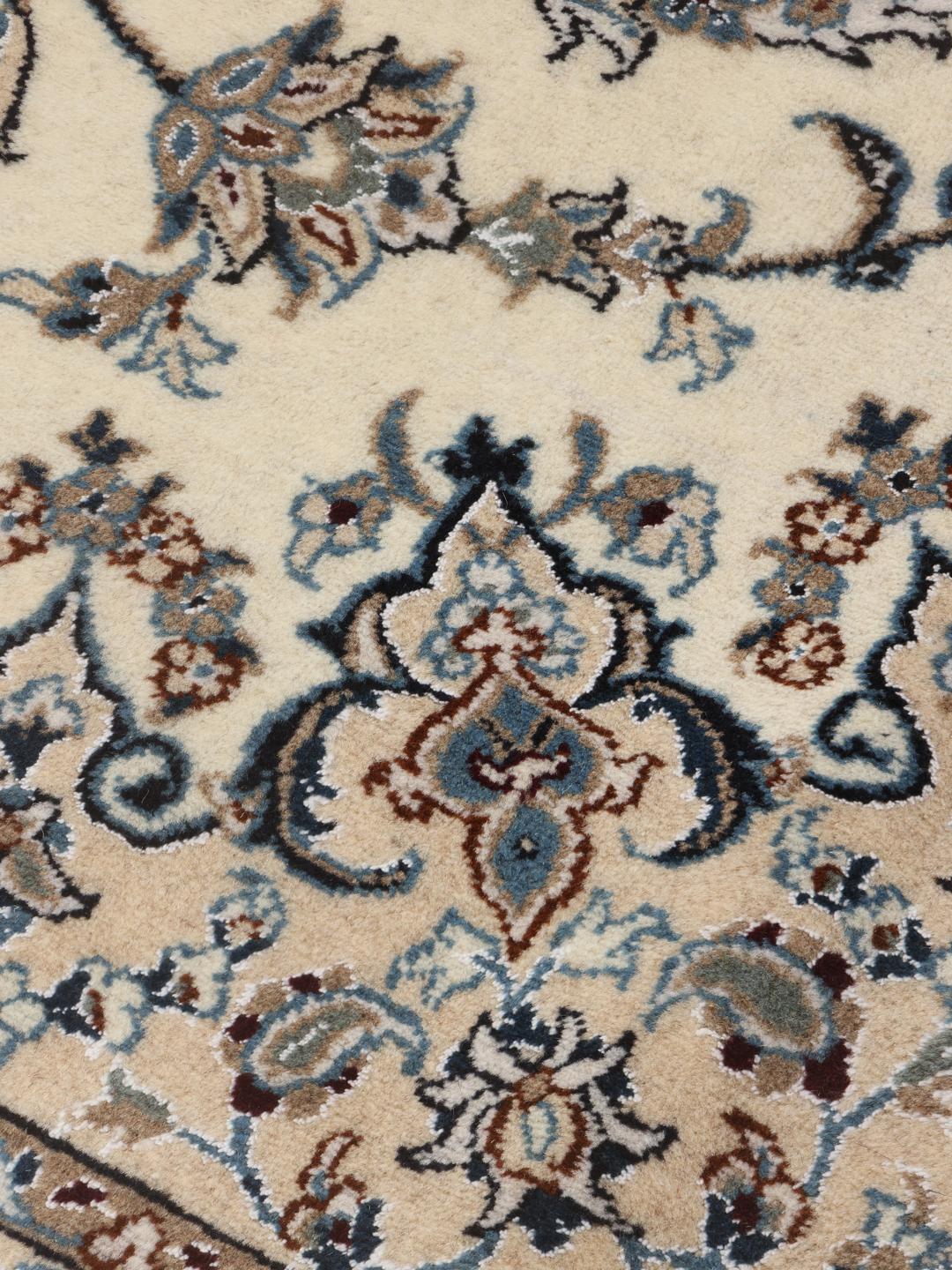
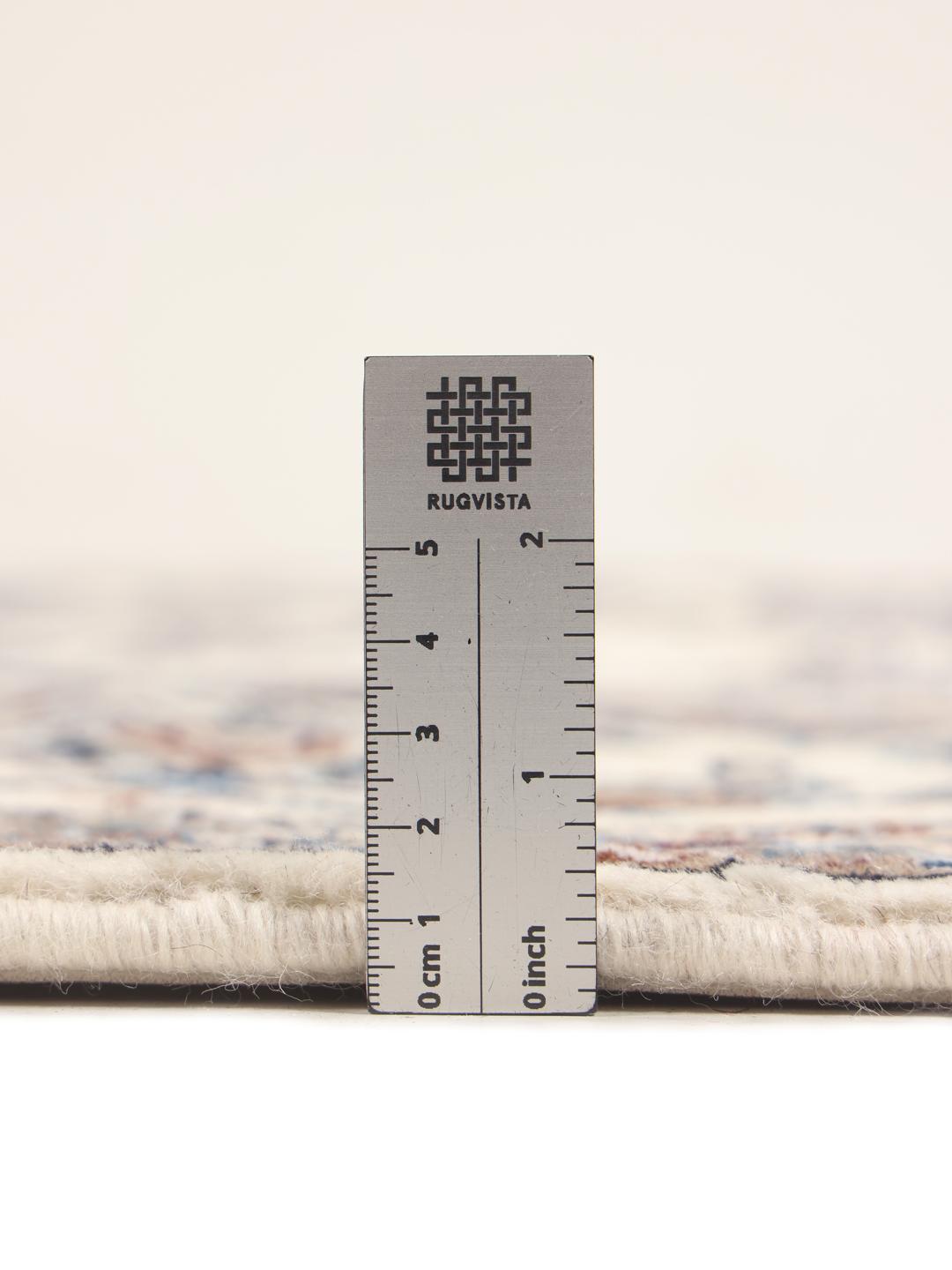
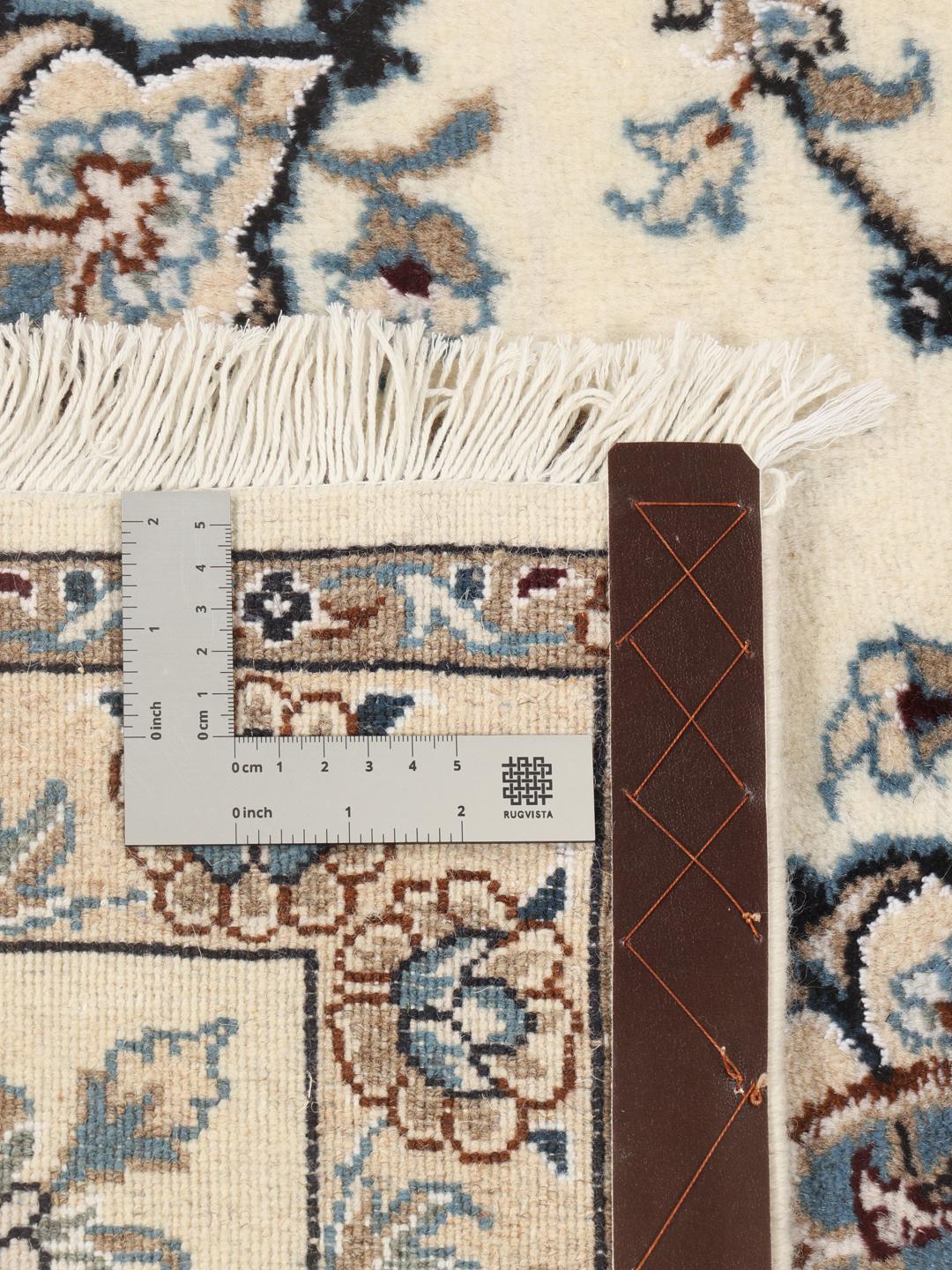
The quality of a Nain is often defined by its fine construction and the use of high-quality materials, which allow for exceptionally detailed patterns. The term itself has become synonymous with a specific standard of elegance, often characterized by a high knot density that enables the intricate, curvilinear floral designs and delicate borders that define the style.
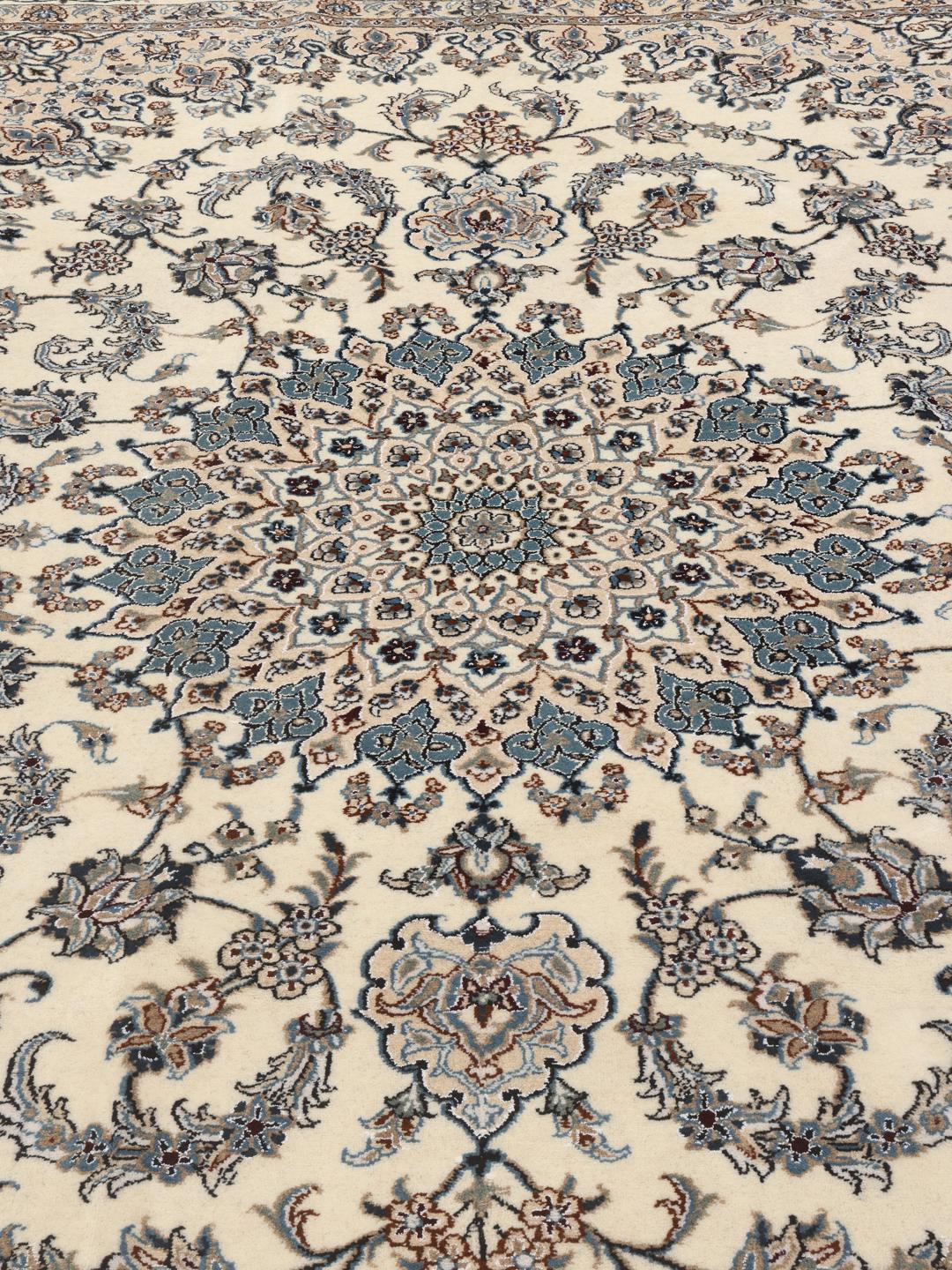
Signature design elements of the Nain tradition include a central medallion surrounded by dense floral scrolls, often referred to as Shah Abbasi motifs. These patterns are deeply rooted in the artistic heritage of the region, drawing inspiration from historical garden designs and architecture, with a colour palette that traditionally favours soft, natural tones accented by shades of blue.
Today, these rugs are highly sought after by collectors and homeowners alike for their blend of technical skill and artistic beauty. Owning a piece from this tradition signifies an appreciation for enduring craft and cultural heritage, as each rug represents a bridge between the ancient traditions of the region and the contemporary home.