Nain rugs originate from the historic city of Nain, located in the heart of the Middle East. Originally known for producing high-quality wool textiles and religious garments, the region pivoted to fine rug production in the early 20th century. This transition allowed local weavers to apply their mastery of detail and precision to intricate floor coverings, quickly establishing Nain as a centre for some of the most refined and sought-after rugs in the world.
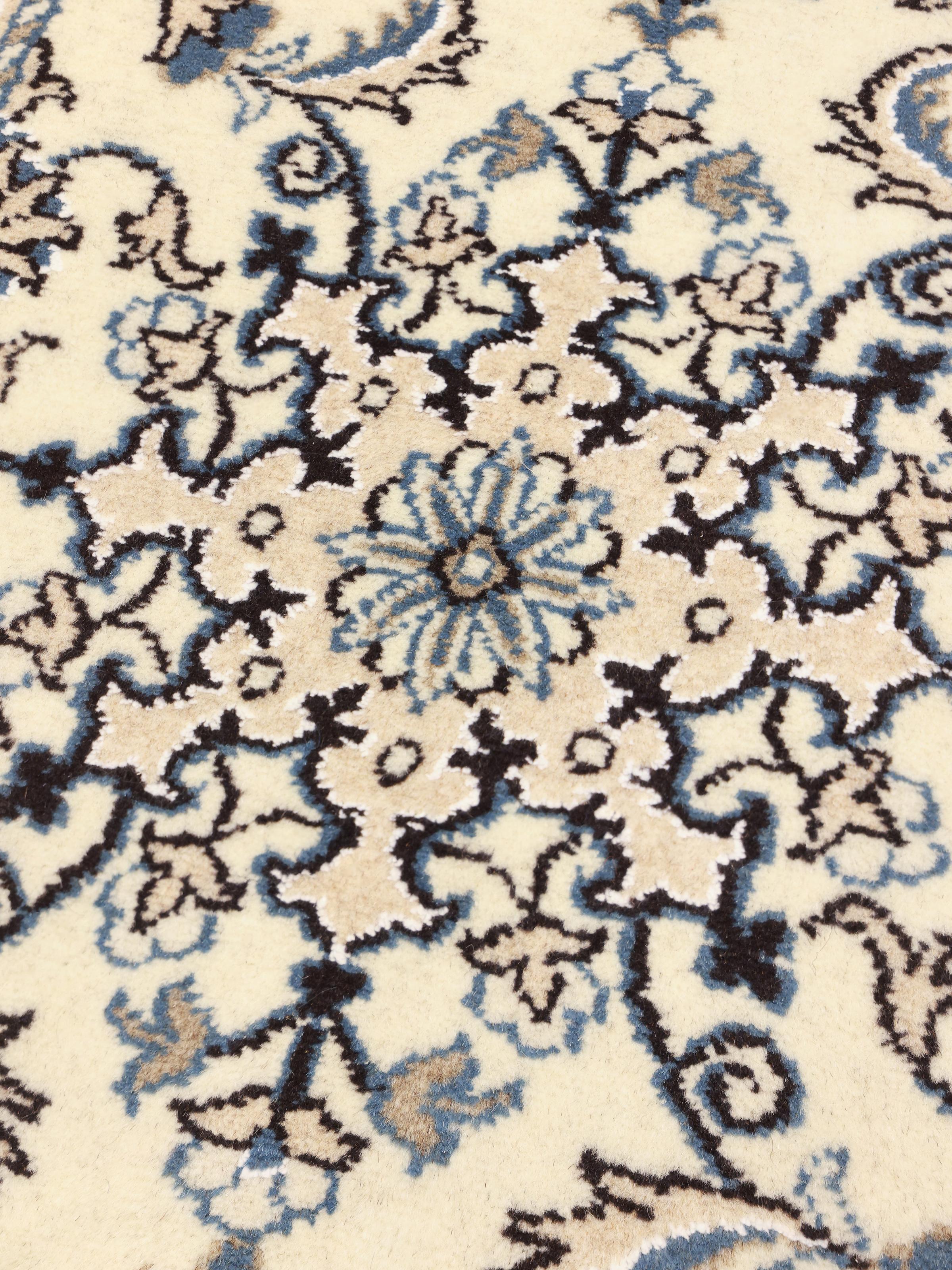
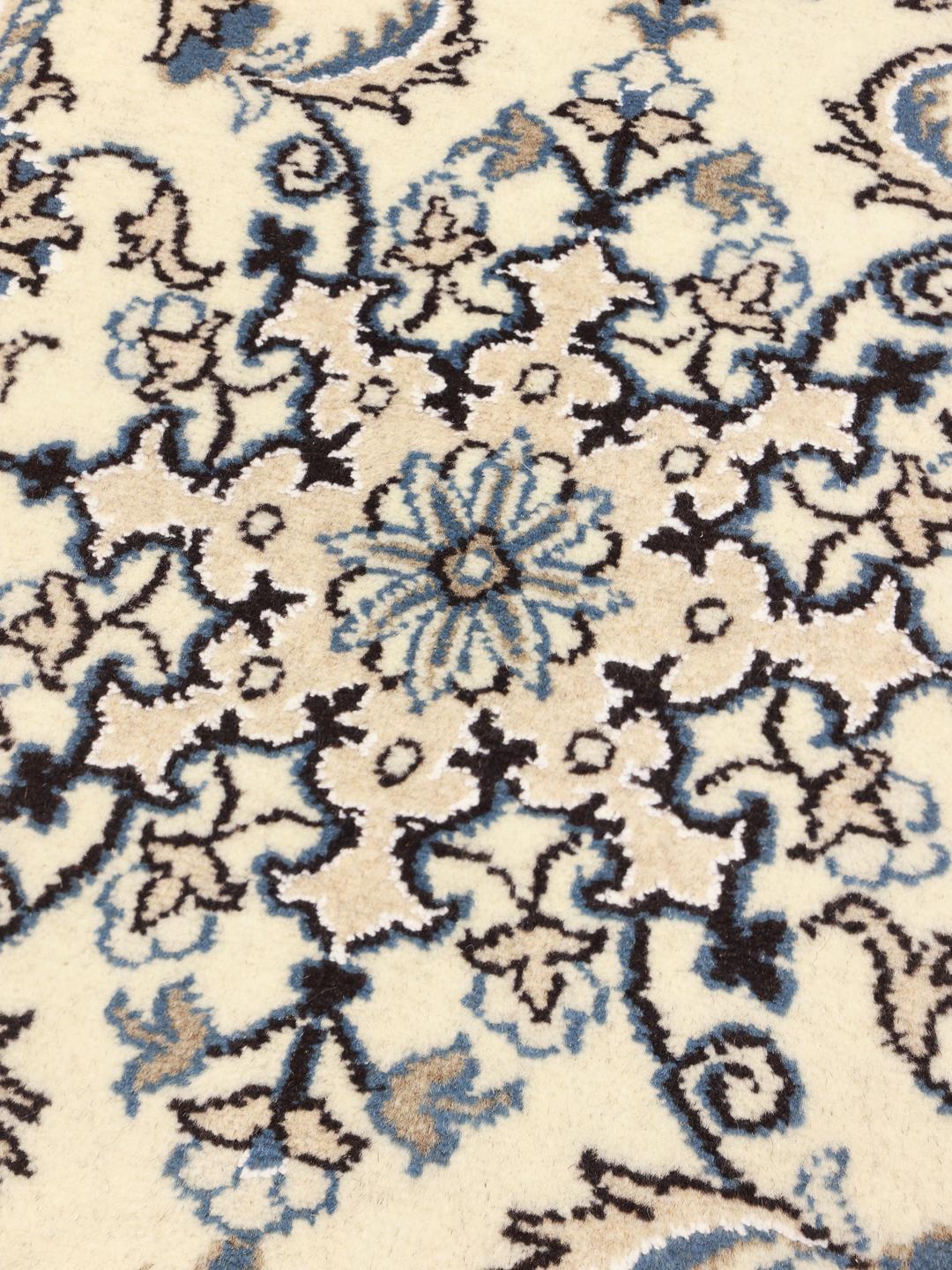
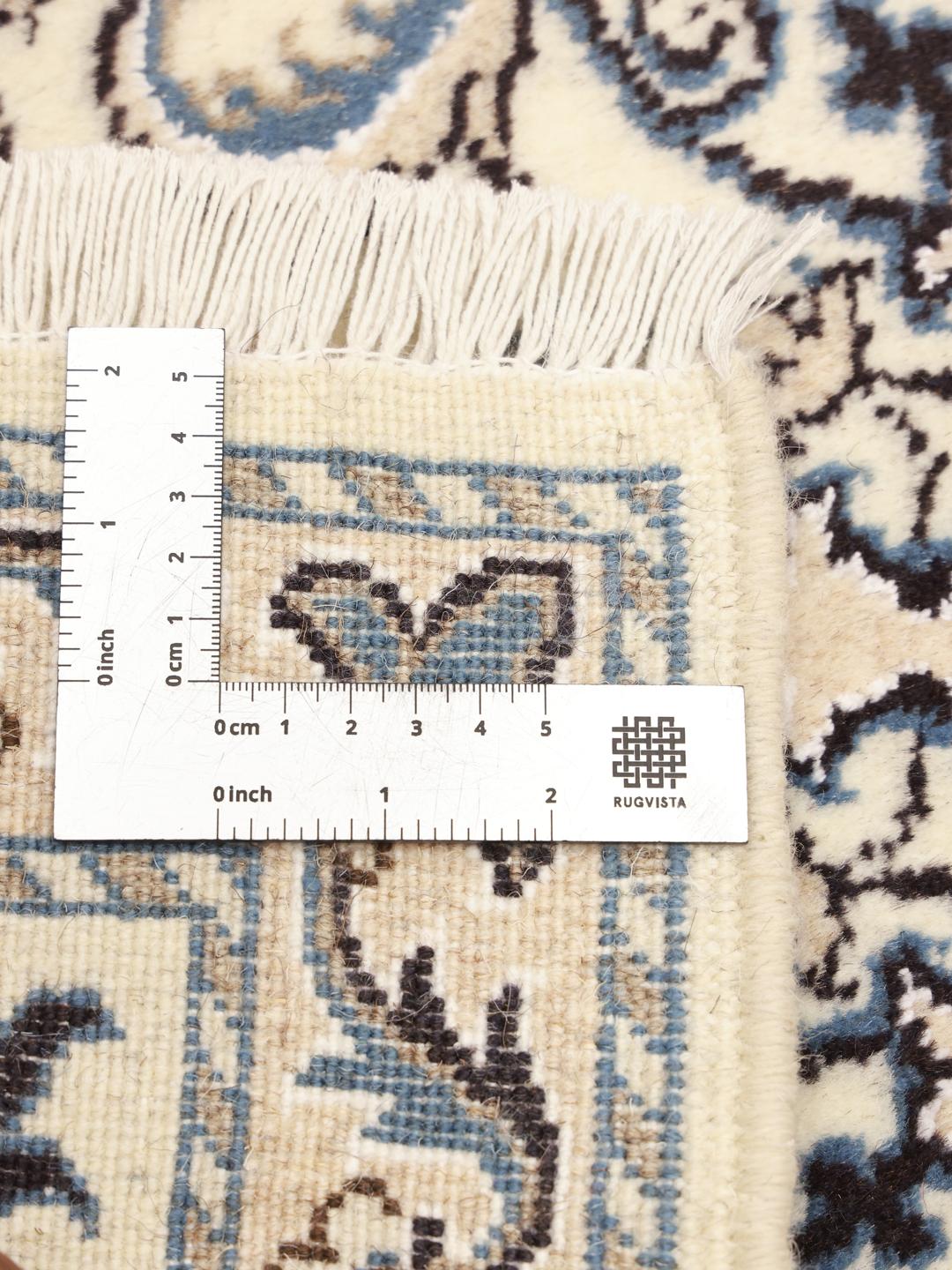
The quality of a Nain rug is often evaluated by its construction and the fineness of its weave. These pieces are known for their sophisticated use of silk highlights combined with wool, though the primary pile remains the focus of the craft. The term 'La' is often used in the context of Nain rugs to denote the number of threads used in the foundation, which directly correlates to the fineness of the knotting and the complexity of the final design.
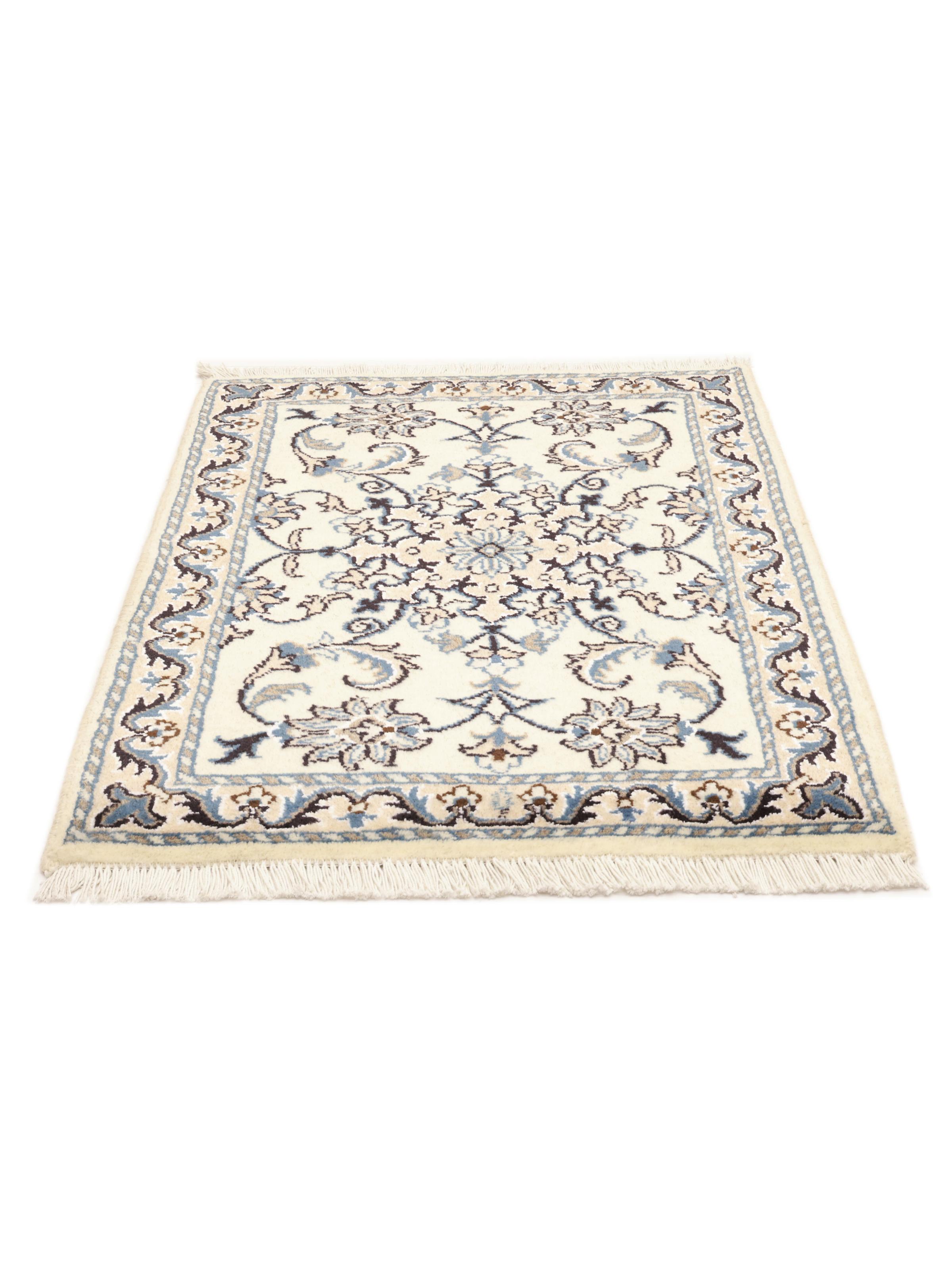
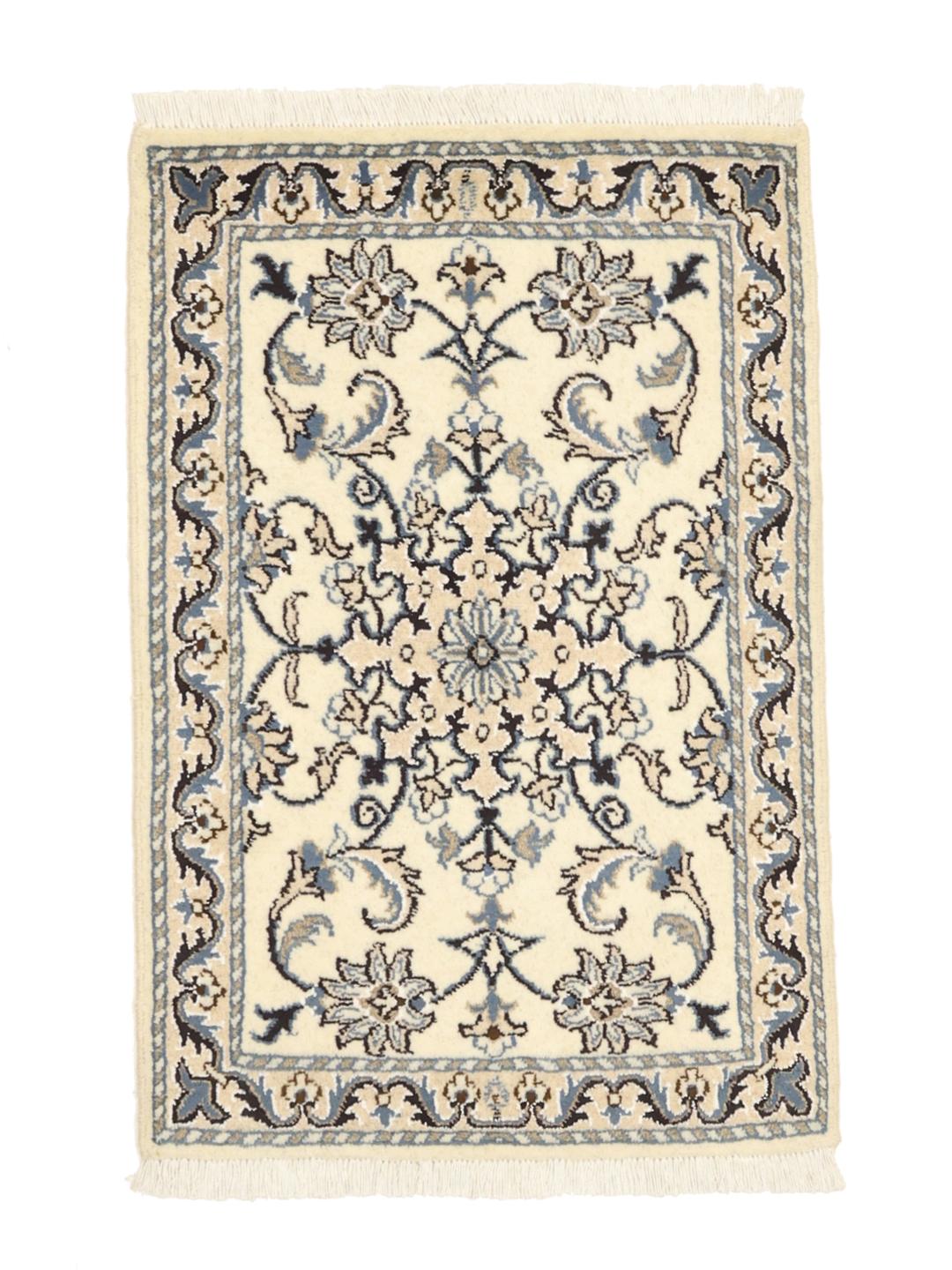
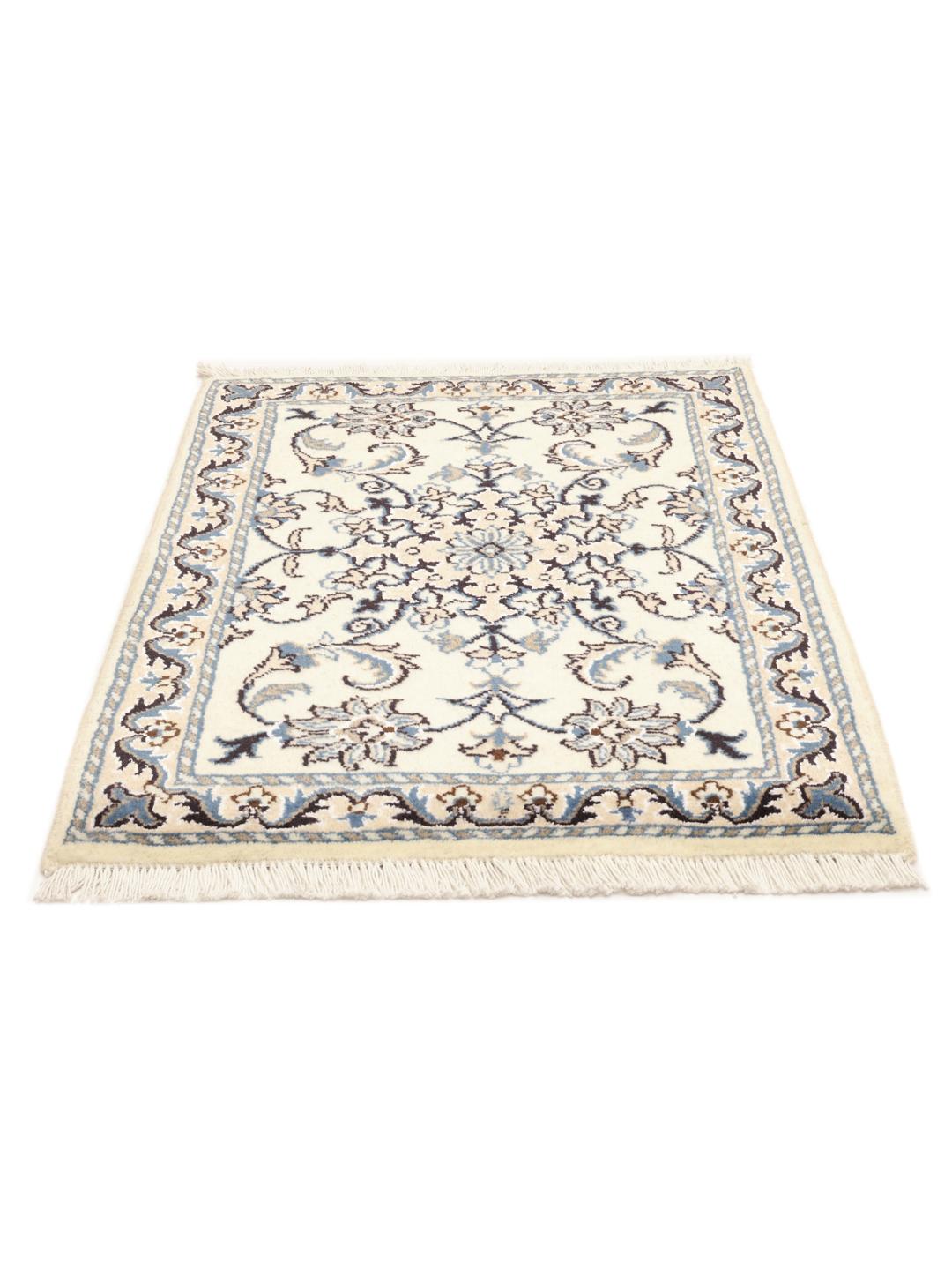
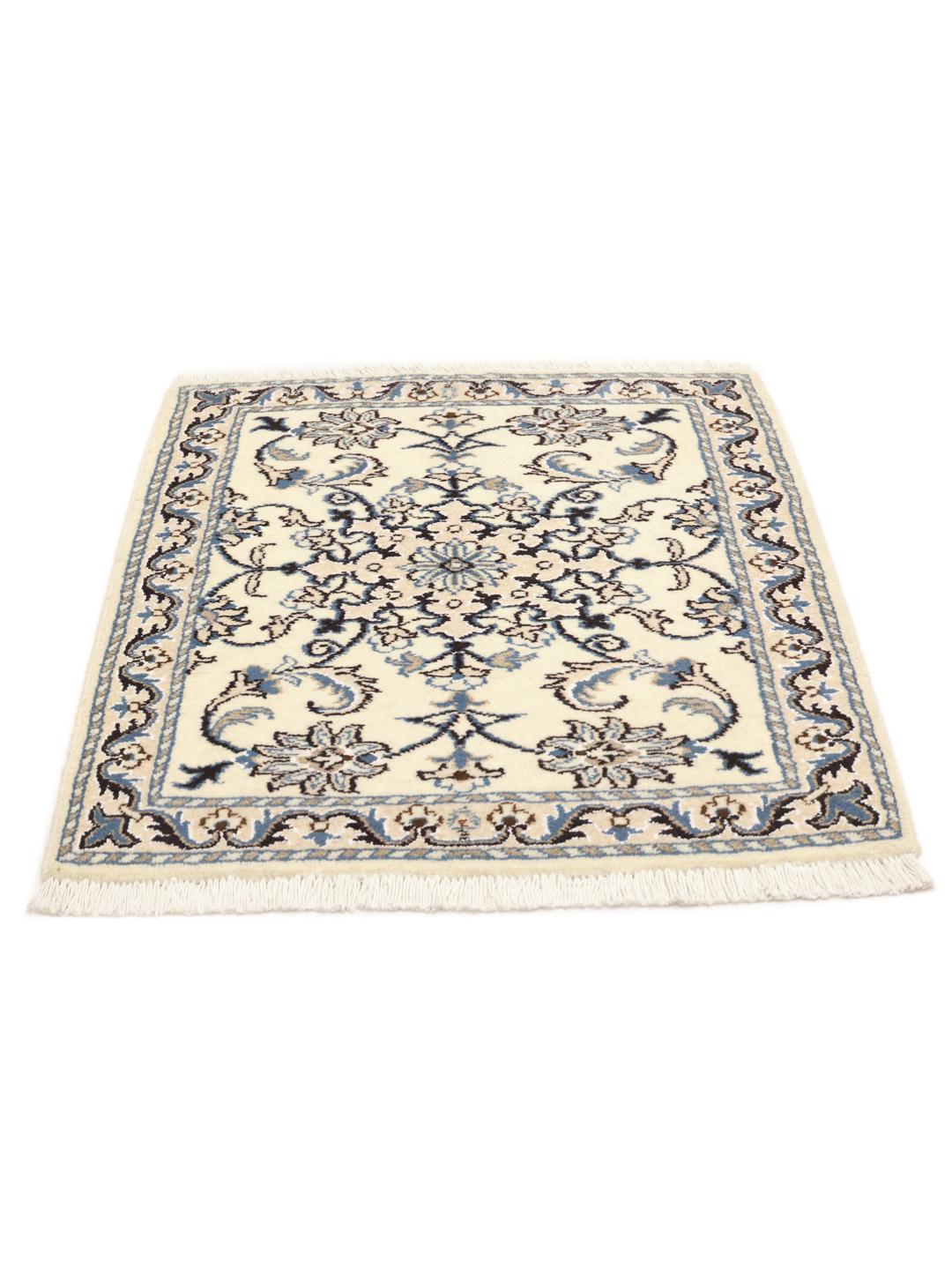
Visually, these rugs are celebrated for their balanced, curvilinear designs. They typically feature a central medallion surrounded by dense, flowing floral motifs, vines, and palmettes. While many traditional examples favour a palette of ivory, blue, and beige, the elegance of the design allows it to adapt beautifully to many different settings. The formal, symmetrical layout is a hallmark of the Nain tradition, reflecting a deep appreciation for order and beauty.
Collecting a Nain rug is an investment in a storied tradition of craftsmanship that has been refined over generations. These rugs are highly valued for their artistic integrity and the immense skill required to produce them. Owning one is a way to connect with a rich cultural heritage, as each piece serves as a testament to the artisan's dedication to maintaining traditional techniques while creating beauty that resonates in the modern home.