The tradition of rug-making in the Himalayan regions of Nepal and Tibet is deeply rooted in local culture, where textiles have long served as essential protection against the harsh mountain climate. While early pieces were often functional floor coverings for monasteries and homes, the craft has evolved into a sophisticated art form that is celebrated globally for its unique aesthetic and construction methods.
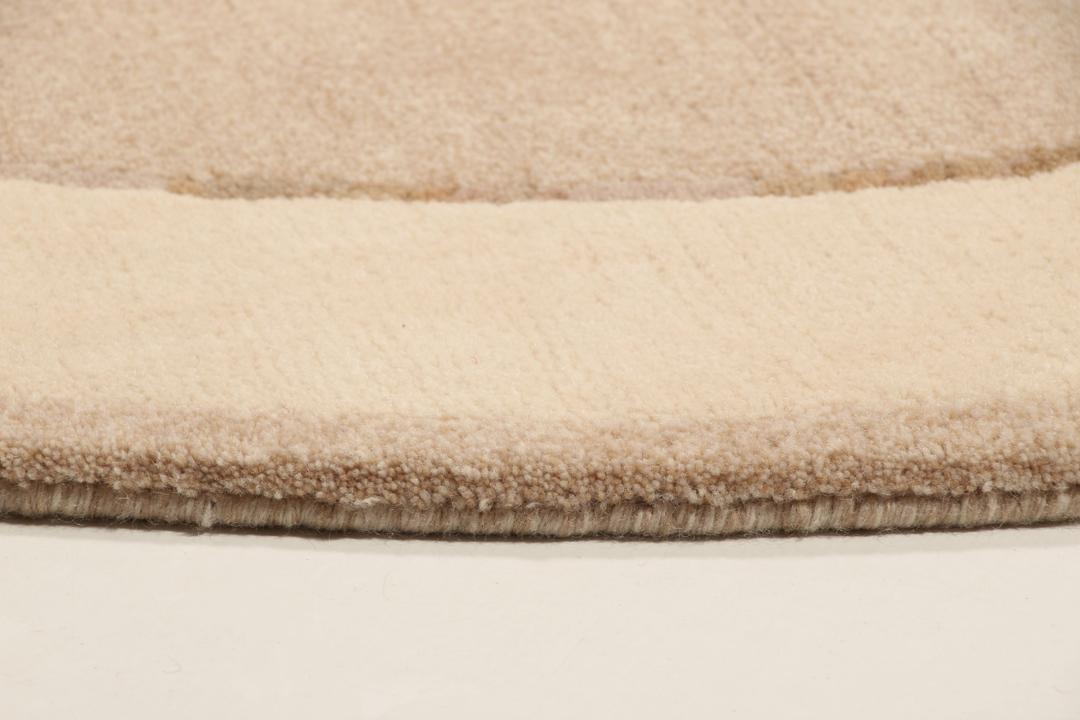
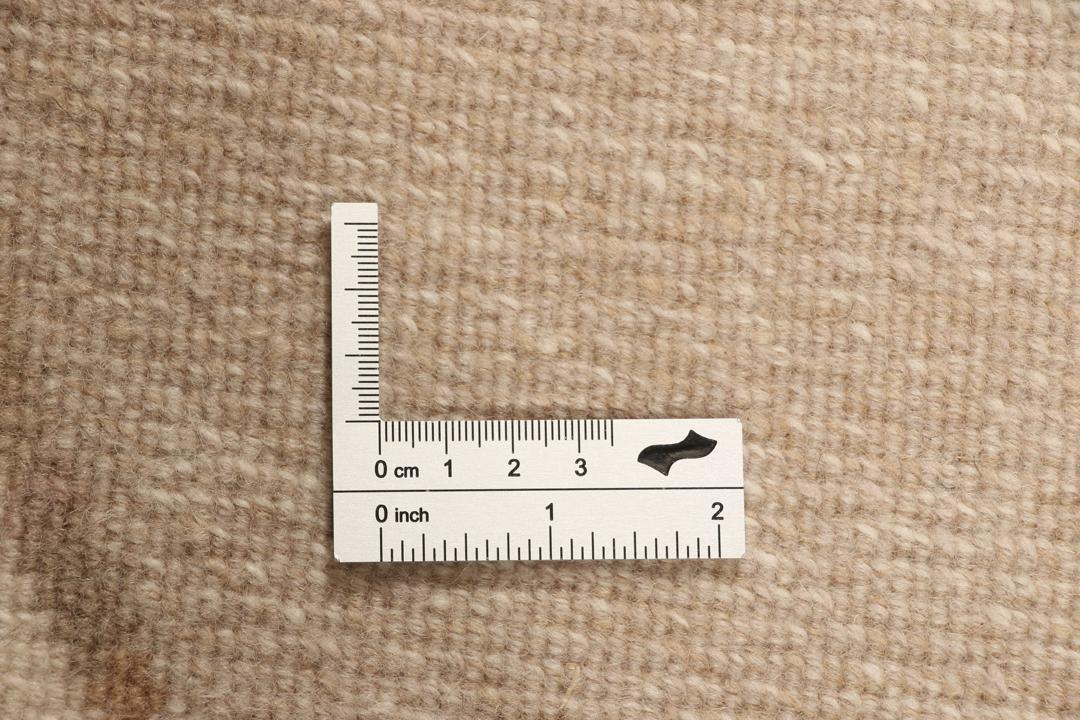
The term 'hand-knotted' refers to the classic technique of tying individual knots to the foundation, a process that creates a highly durable and dense pile. This method is the hallmark of authentic, long-lasting rugs, as it allows for intricate details and a resilient surface that resists wear and tear far better than mass-produced alternatives.
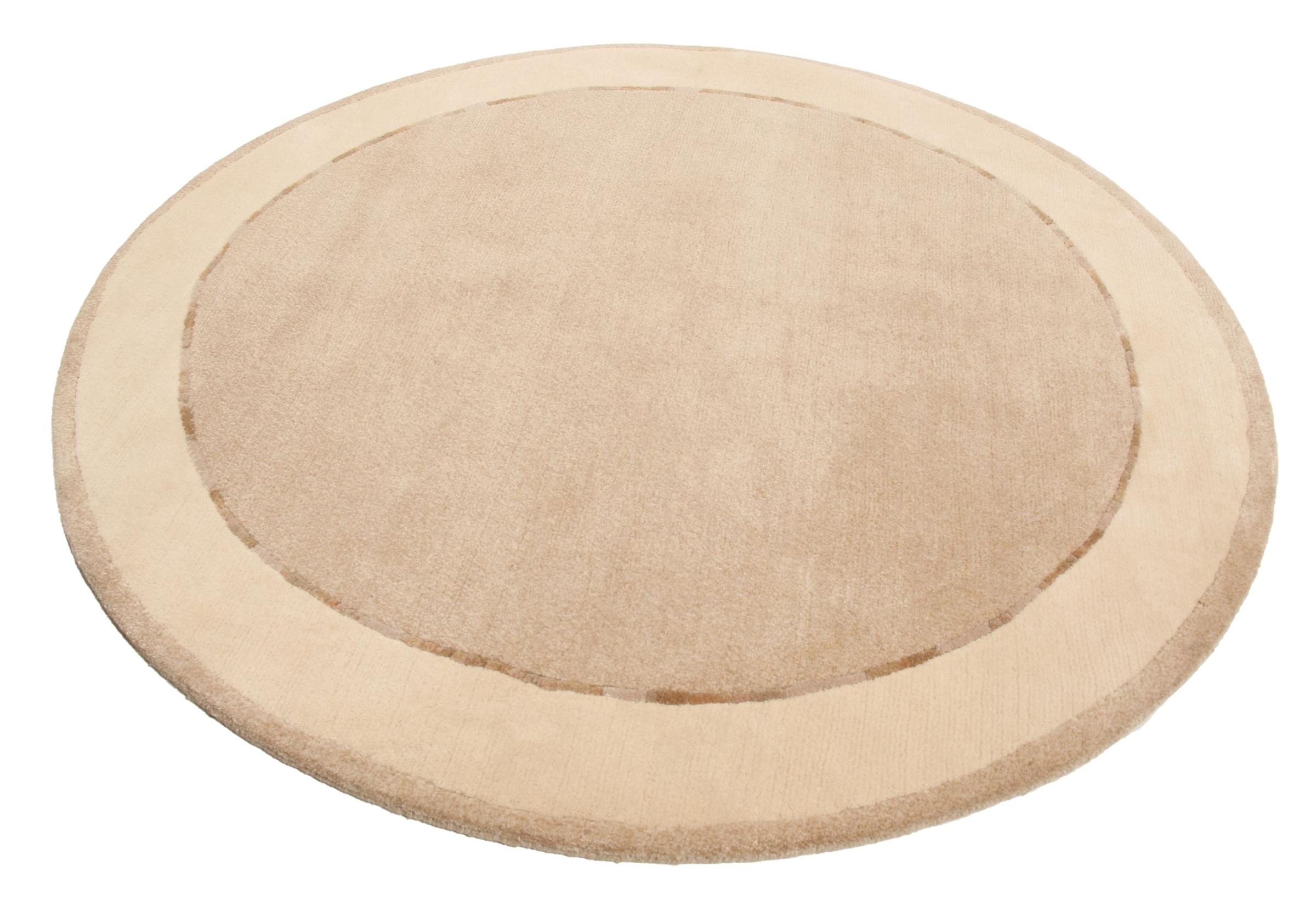
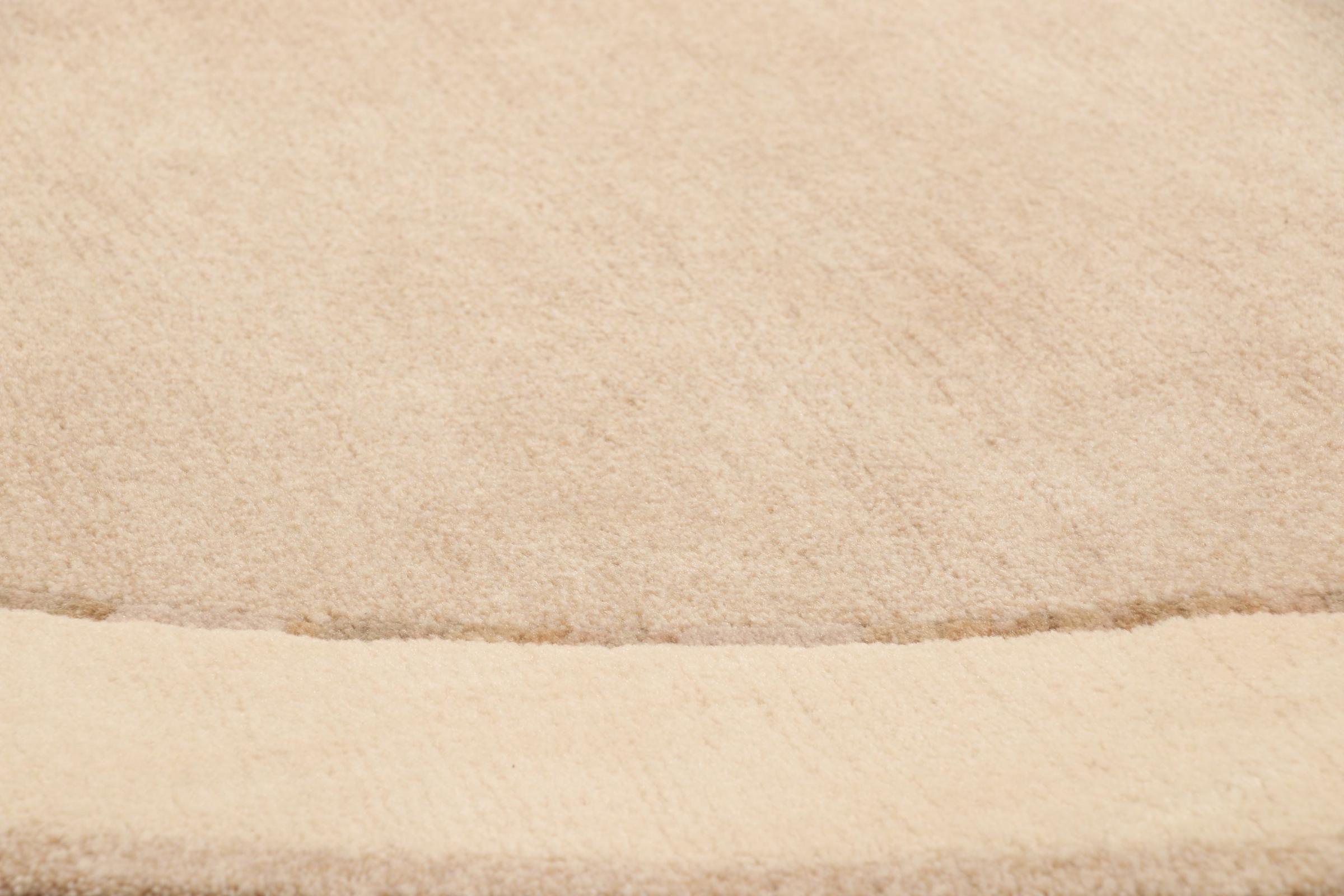
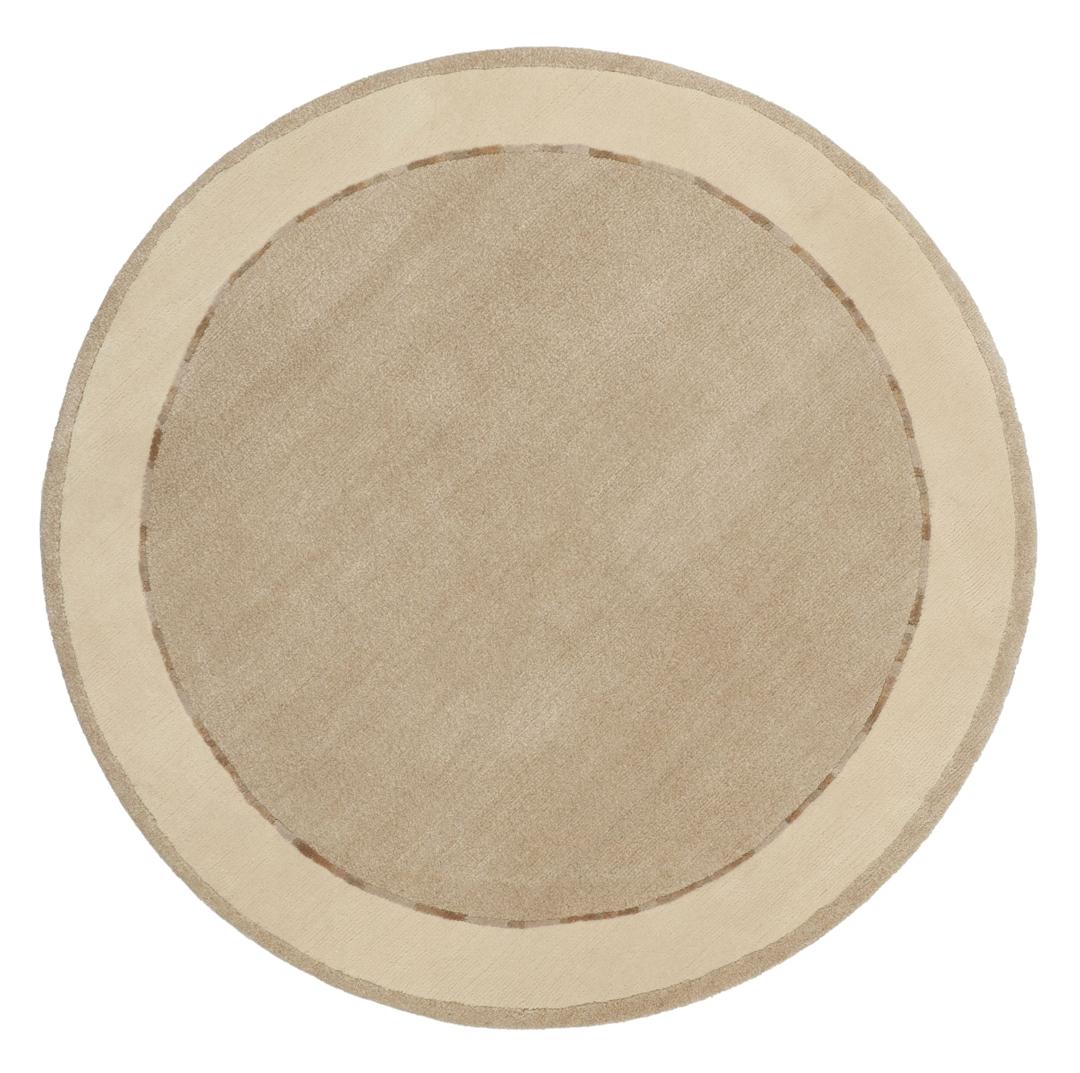
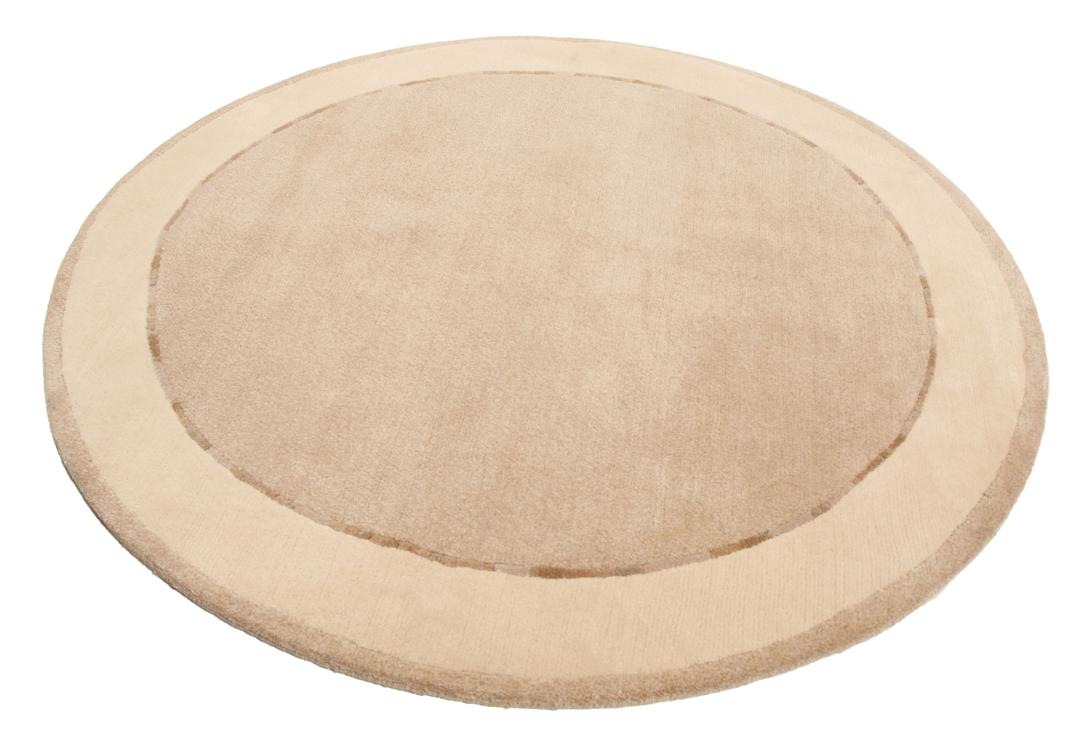
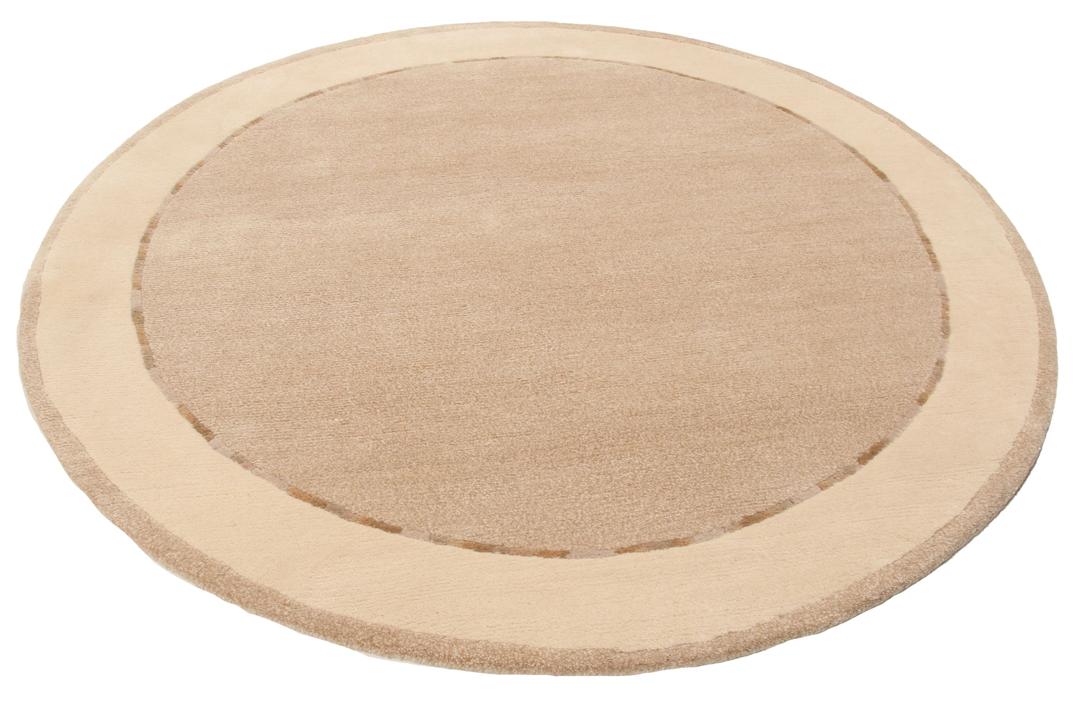
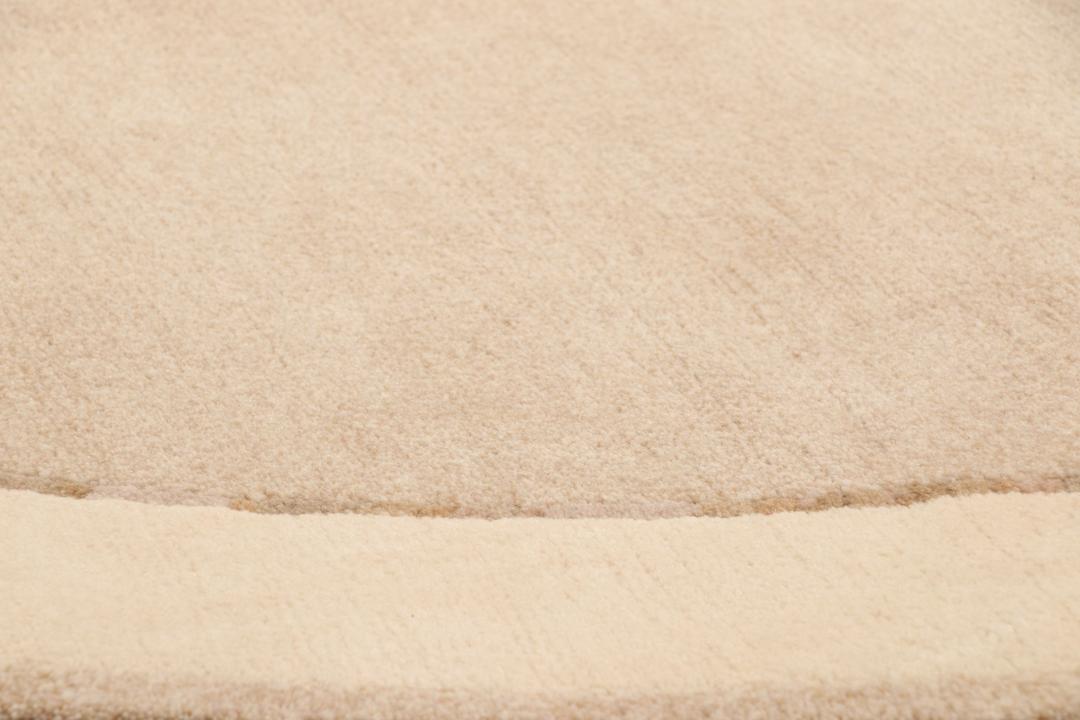
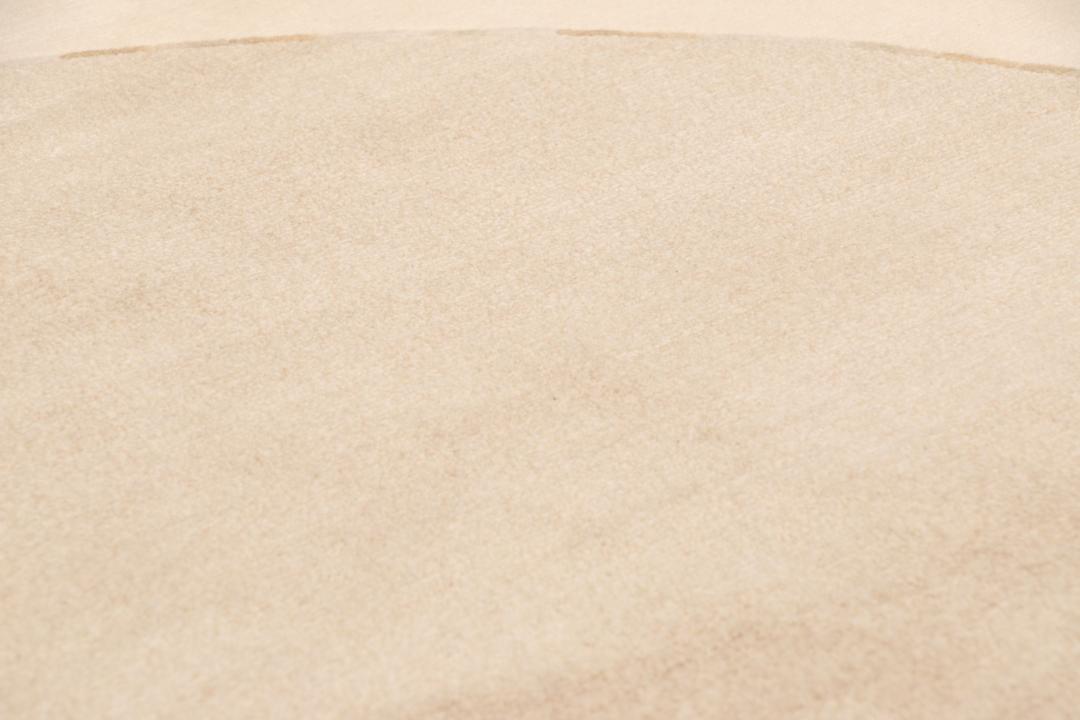
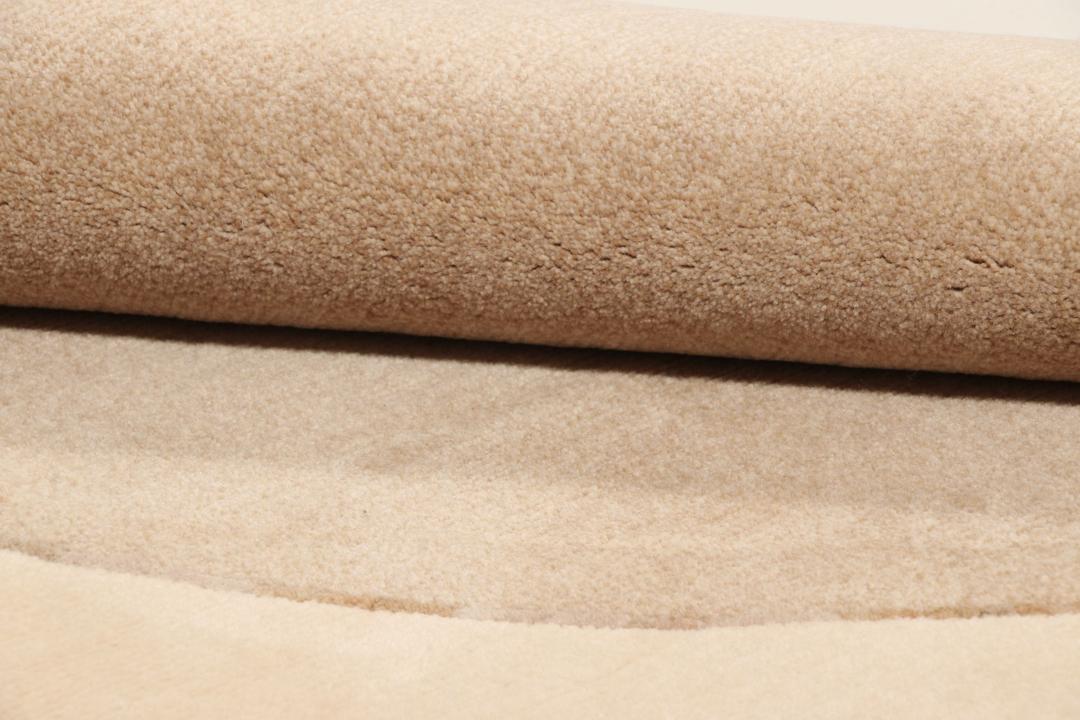
Visually, these rugs are often defined by their balance and simplicity. While many traditions focus on complex, repeating motifs, this piece leans into a modern sensibility, emphasising the natural beauty of the Wool and the clean, circular form. The subtle border detail adds a refined touch, showcasing the weaver's ability to manipulate the pile to create depth and interest without relying on busy patterns.
Owning a hand-knotted rug from this region is an investment in cultural heritage and human skill. These pieces are valued by collectors and homeowners alike for their authenticity and the quiet dignity they bring to a room. By choosing this rug, you are supporting a legacy of traditional craftsmanship that values slow, deliberate work over the speed of modern manufacturing.