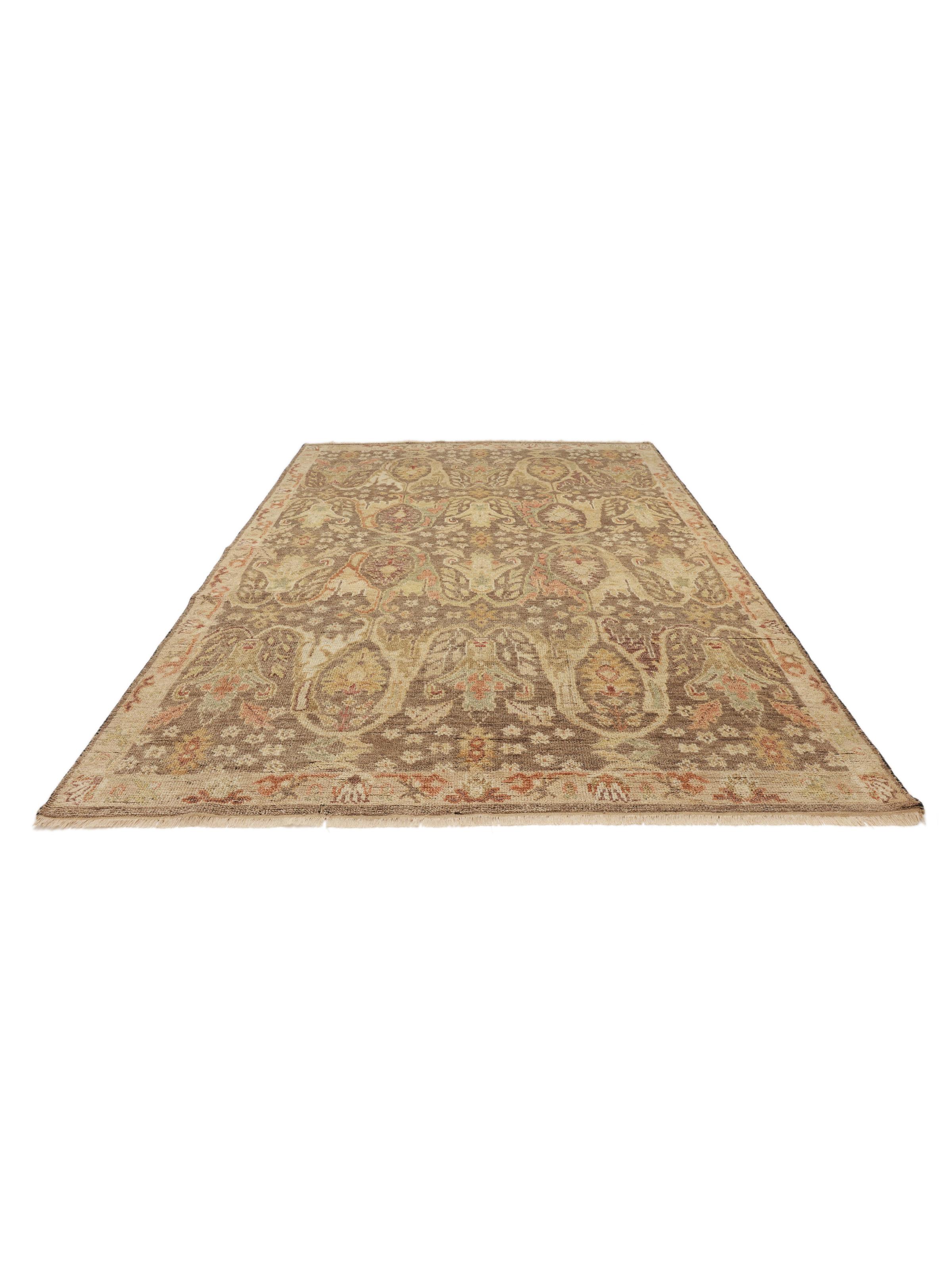
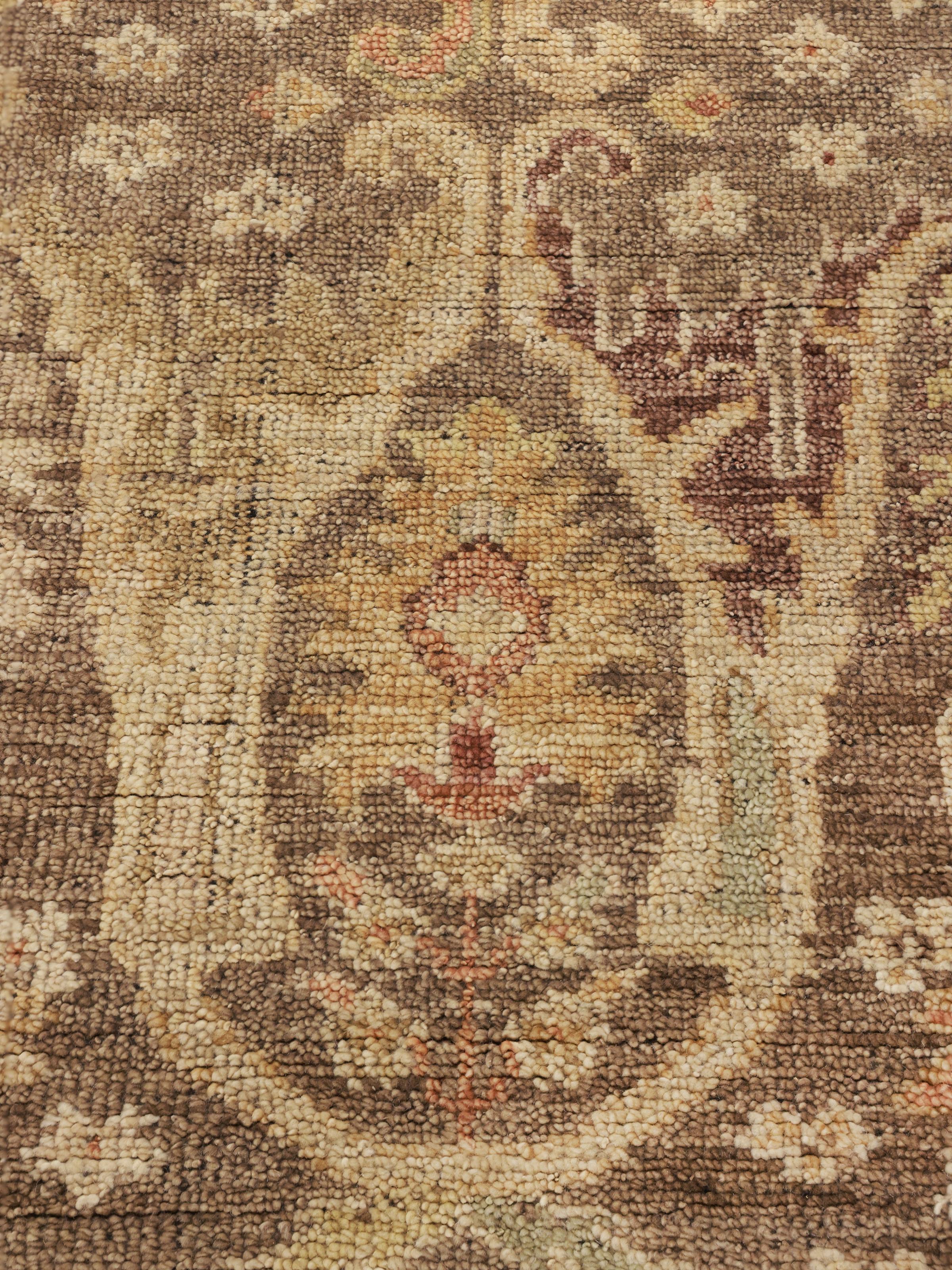
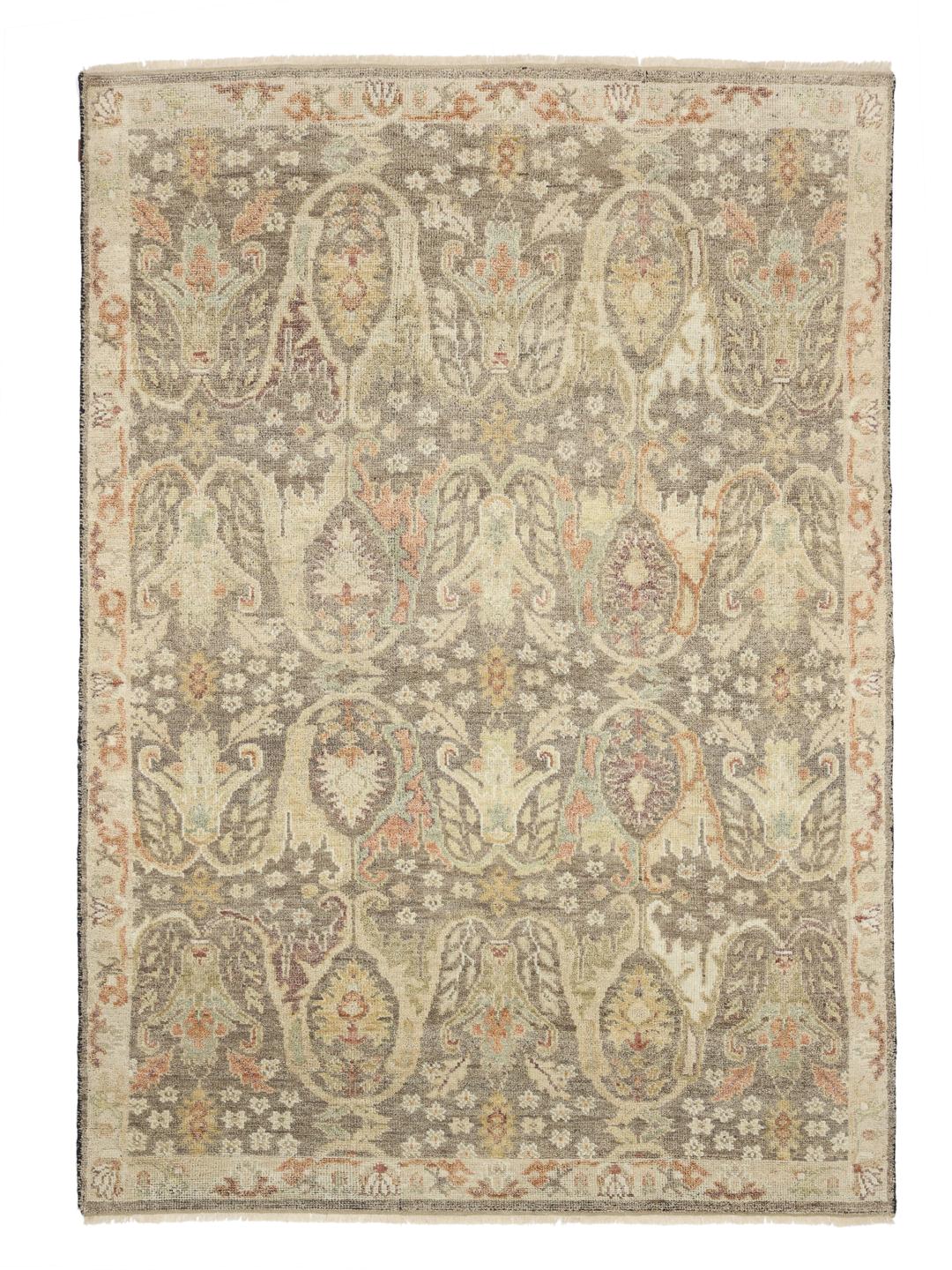
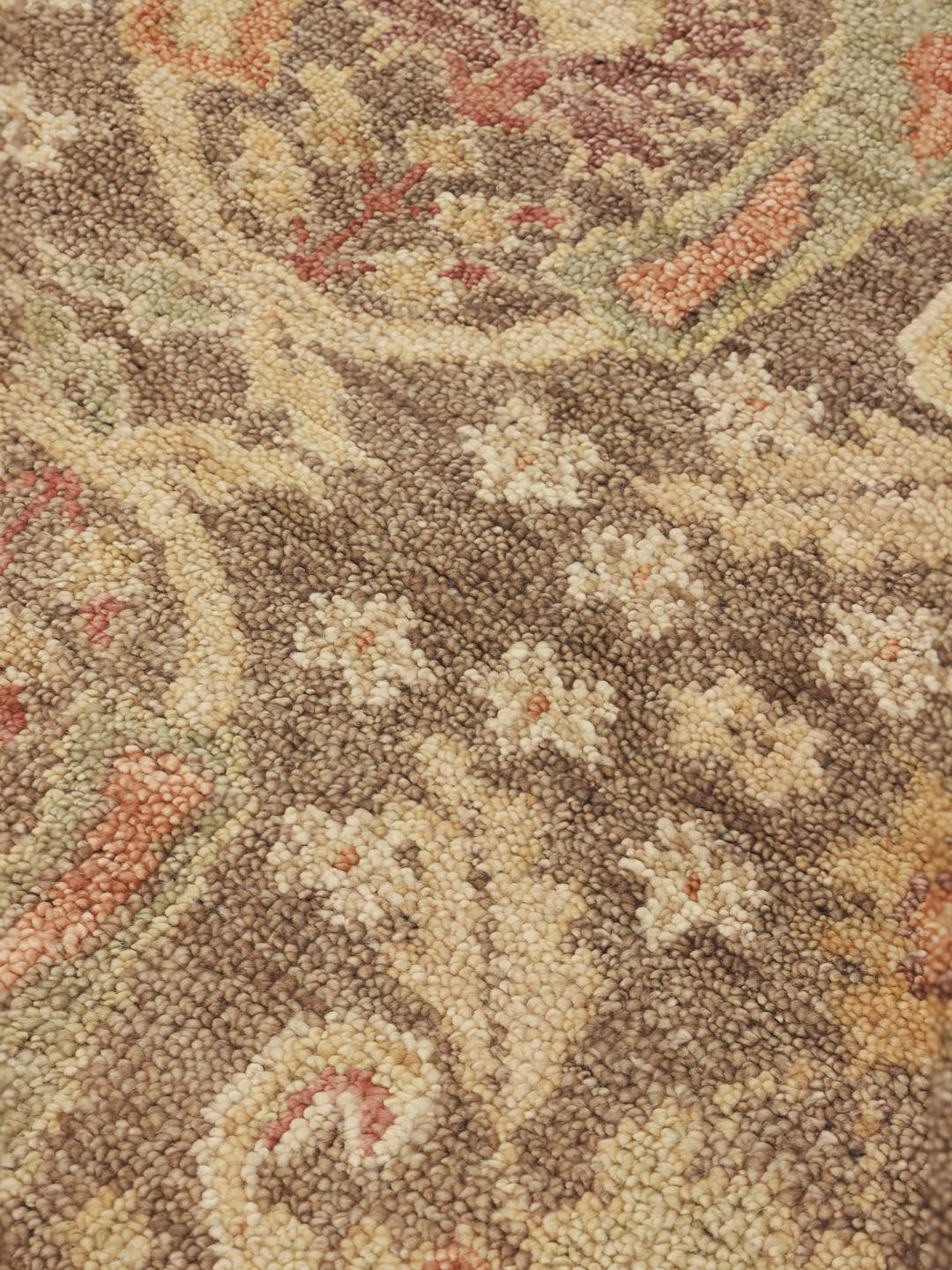
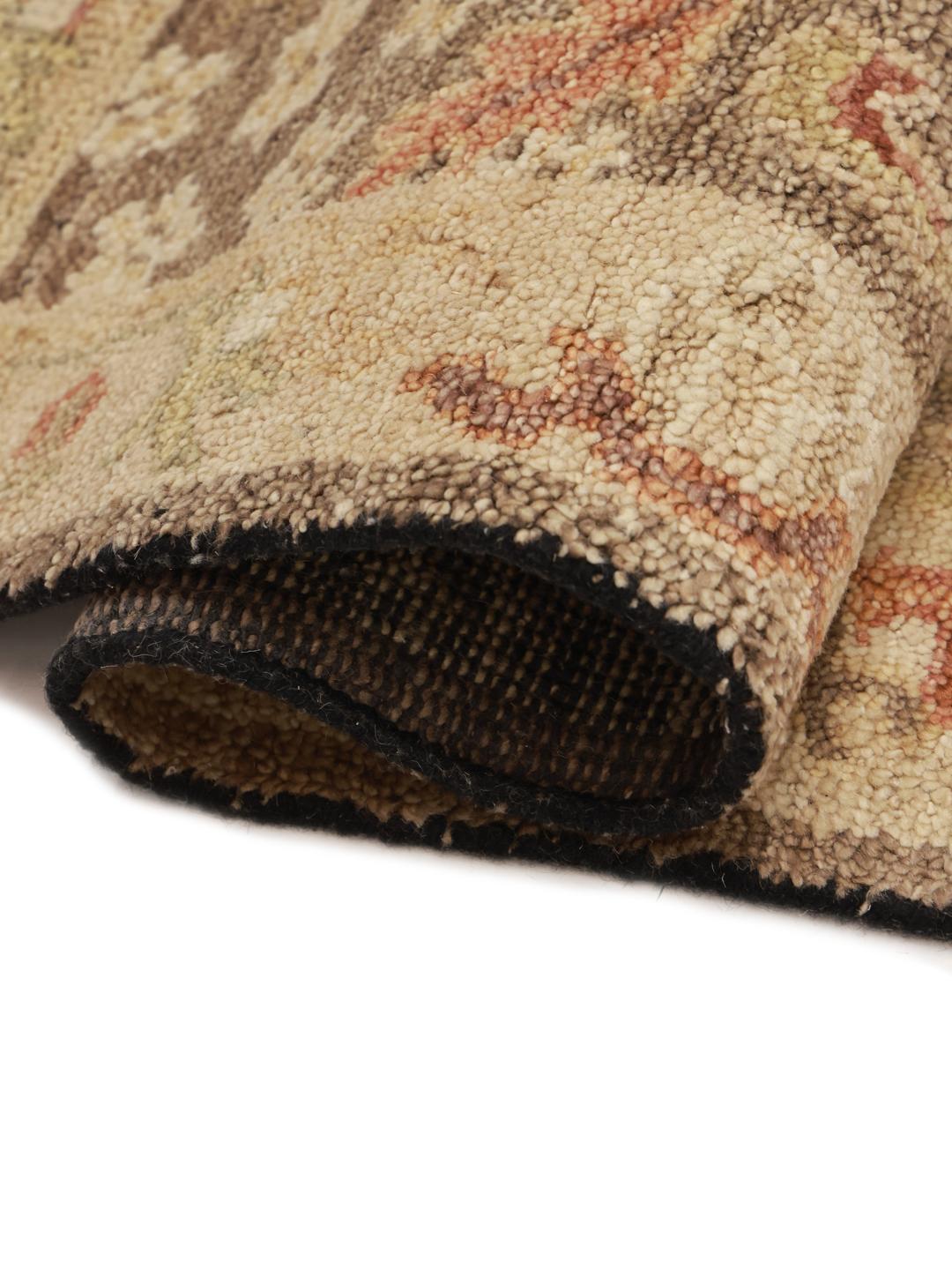
The Usak tradition originates from the historic city of Usak in western Turkey, which served as a major centre for rug production from the 15th through the 17th centuries. Known for their large-scale patterns and refined colour palettes, Usak rugs were historically favoured by European royalty and featured in many Renaissance paintings.
Today, the legacy of these traditional designs is skillfully continued by weavers in India, who interpret the classic Usak aesthetic through a contemporary lens. By blending ancient motifs with modern sensibilities, these rugs maintain the soulful, organic feel of their predecessors while adapting perfectly to the needs of modern homes.
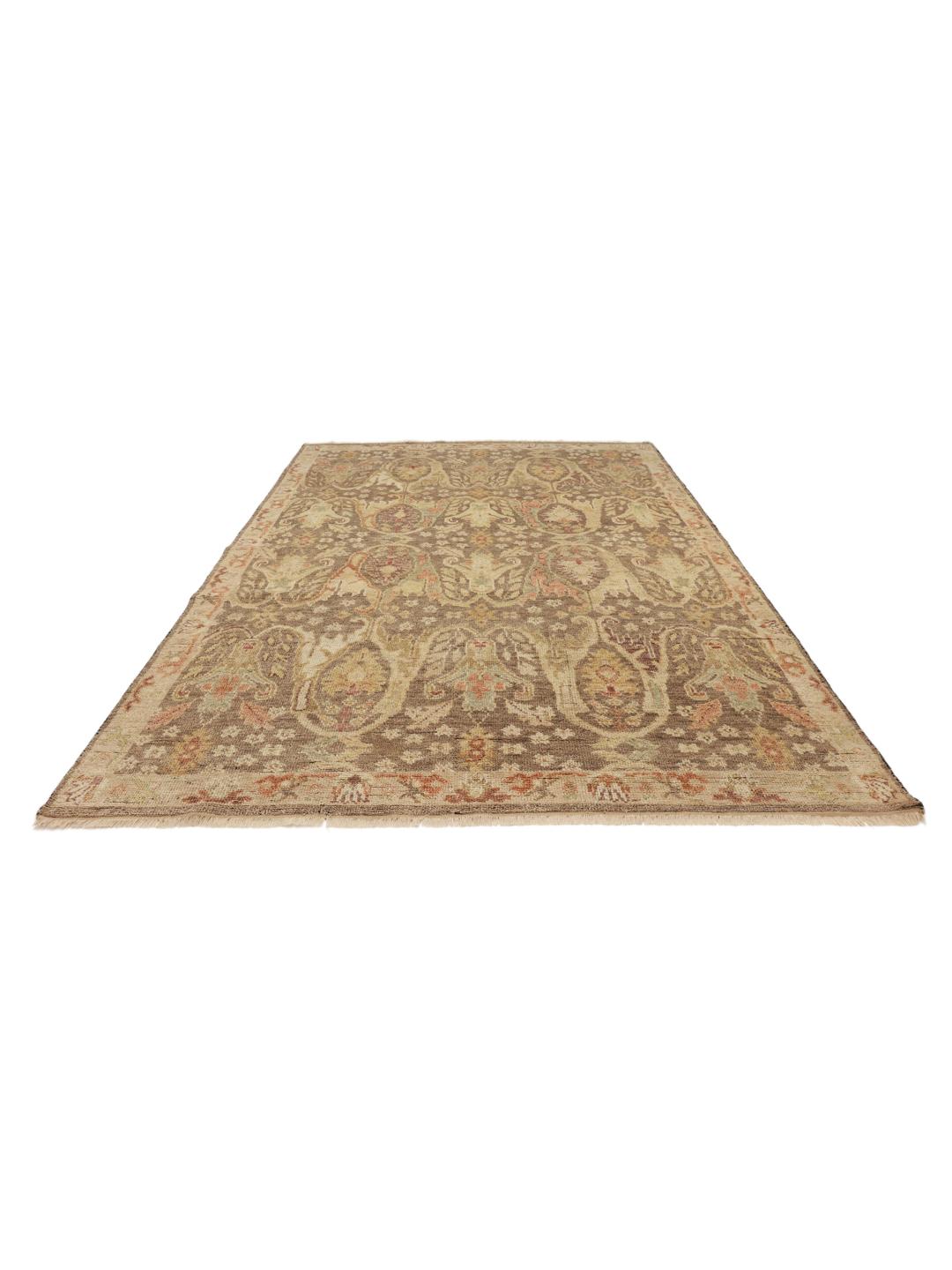
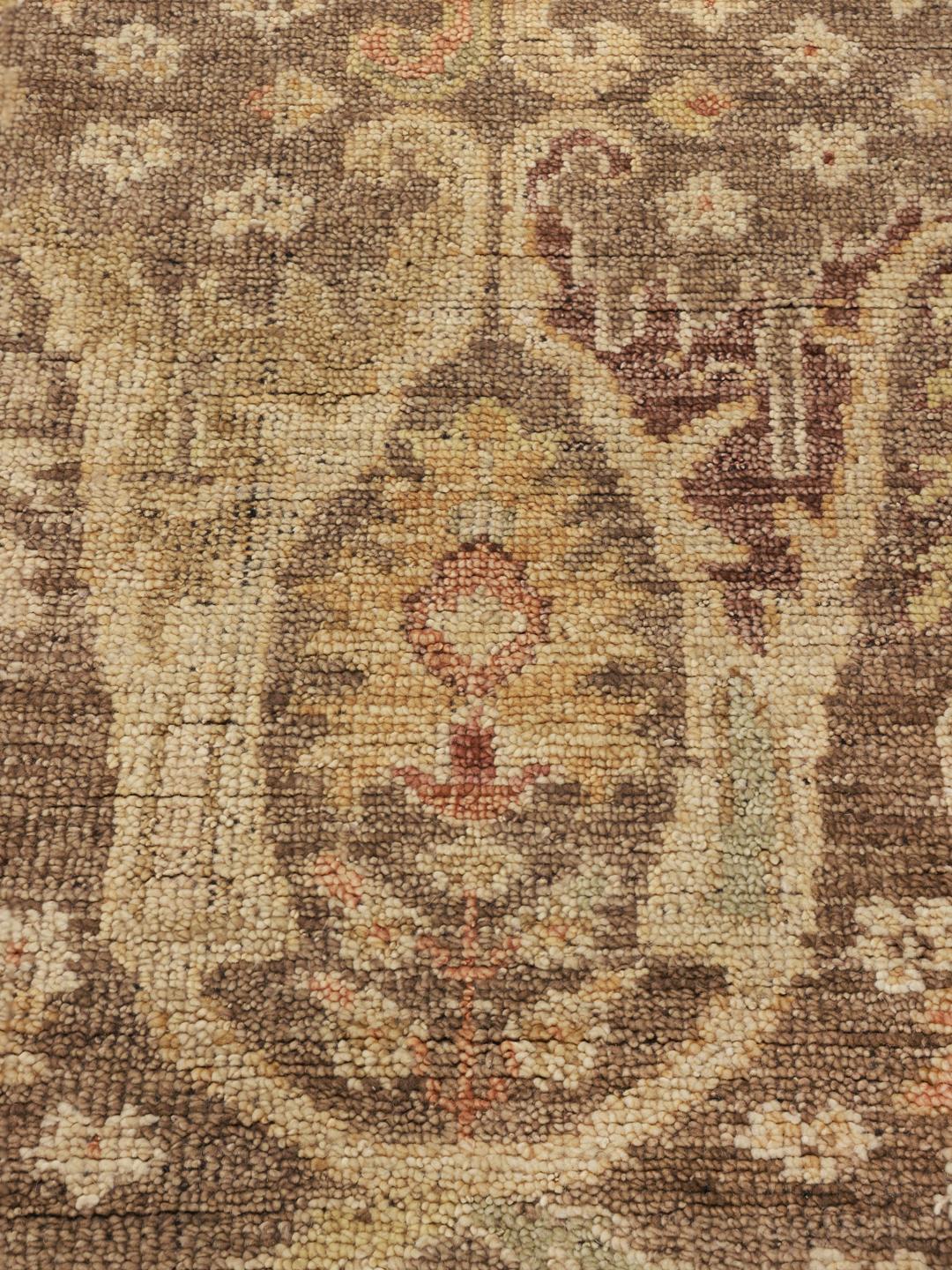
The design language of the Usak style is defined by its grand, flowing patterns—often featuring oversized floral medallions, palmettes, and vine work. Unlike the rigid, geometric patterns found in many other regional styles, the Usak aesthetic prioritises a softer, more fluid composition that feels both airy and balanced.
Collecting a piece from this tradition is a way to connect with a long-standing history of textile artistry. Each rug serves as a bridge between past and present, offering an experience of heritage that is grounded in the skill and patience of the weavers who keep this tradition alive.