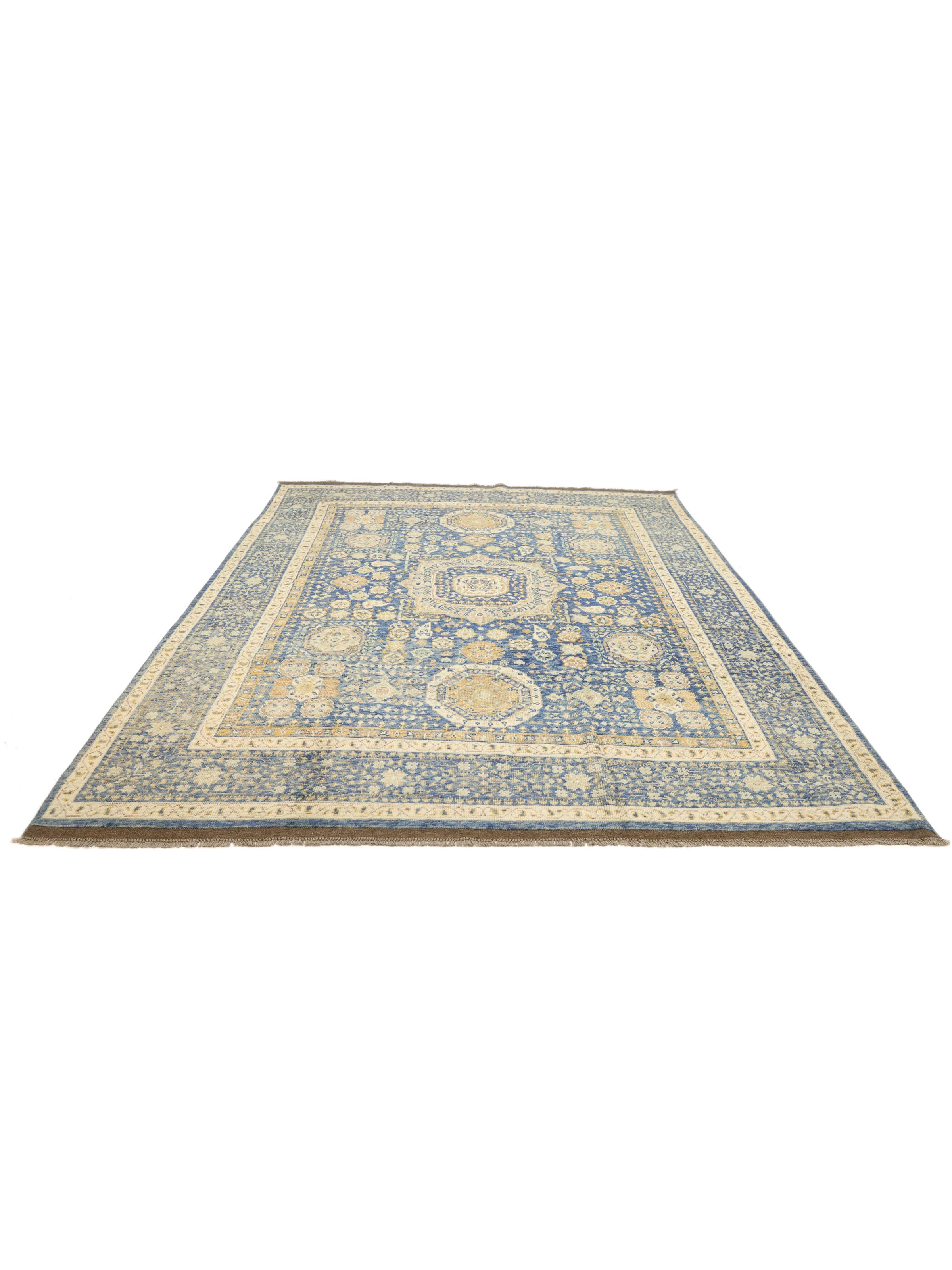
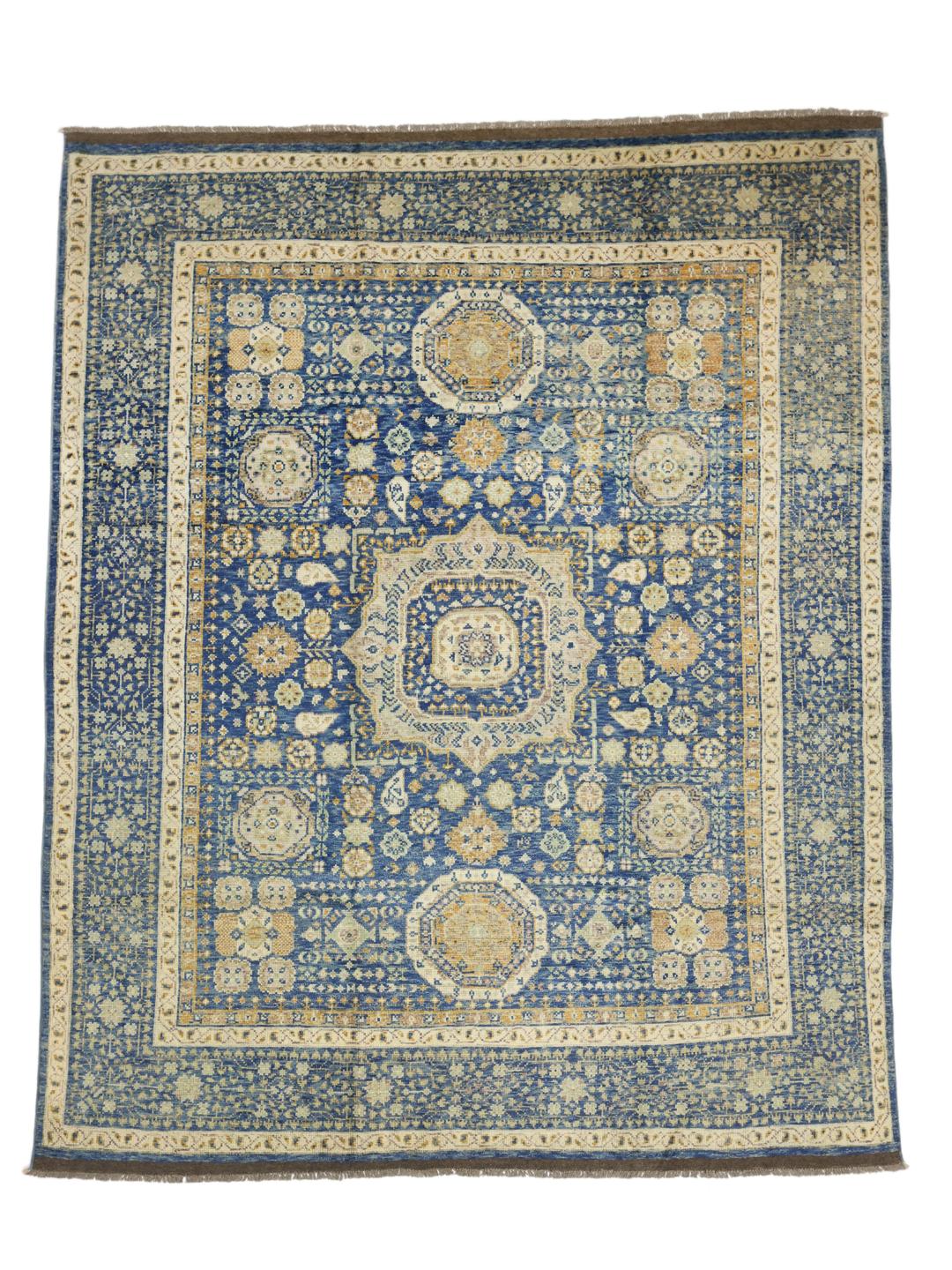
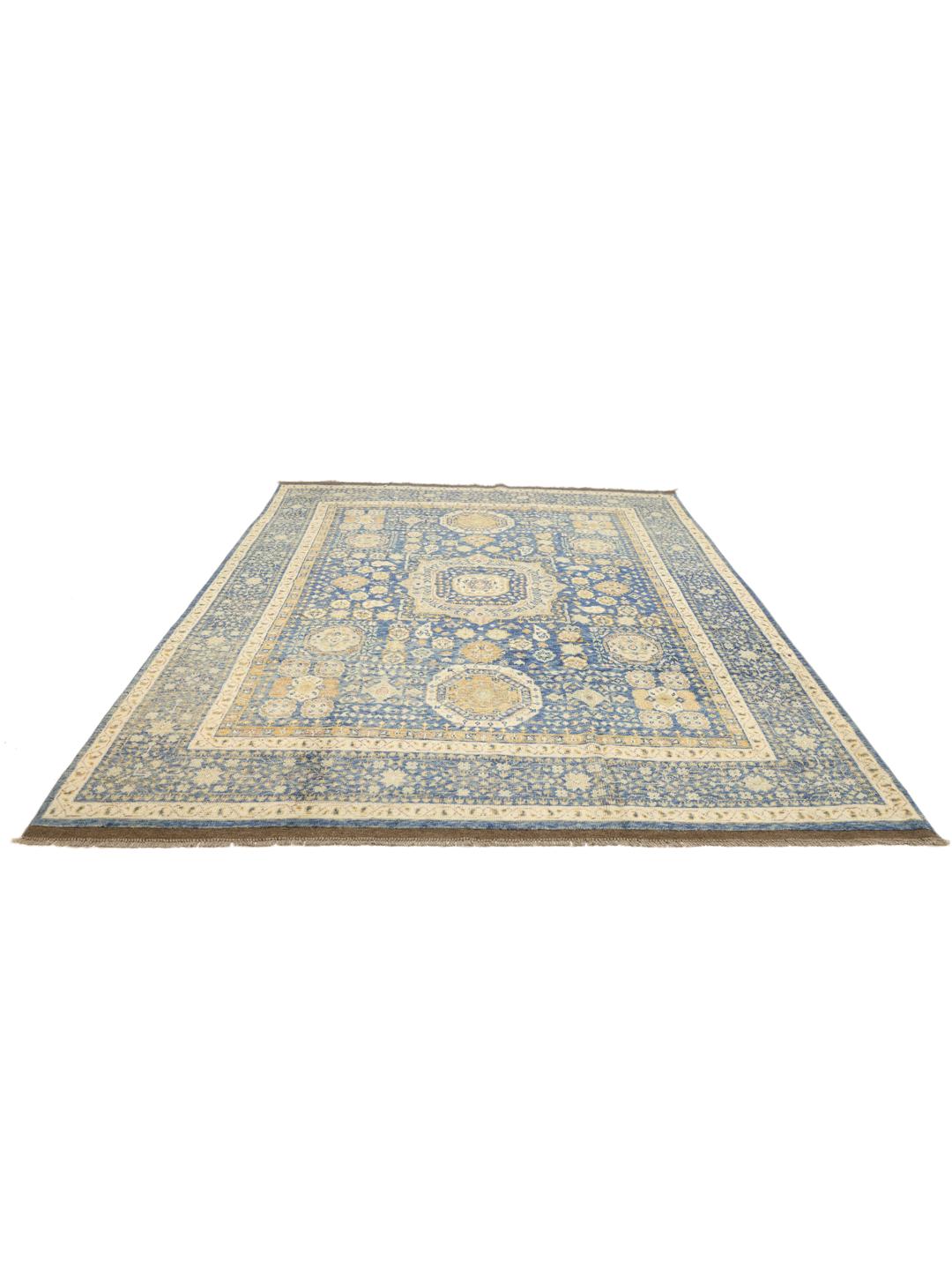
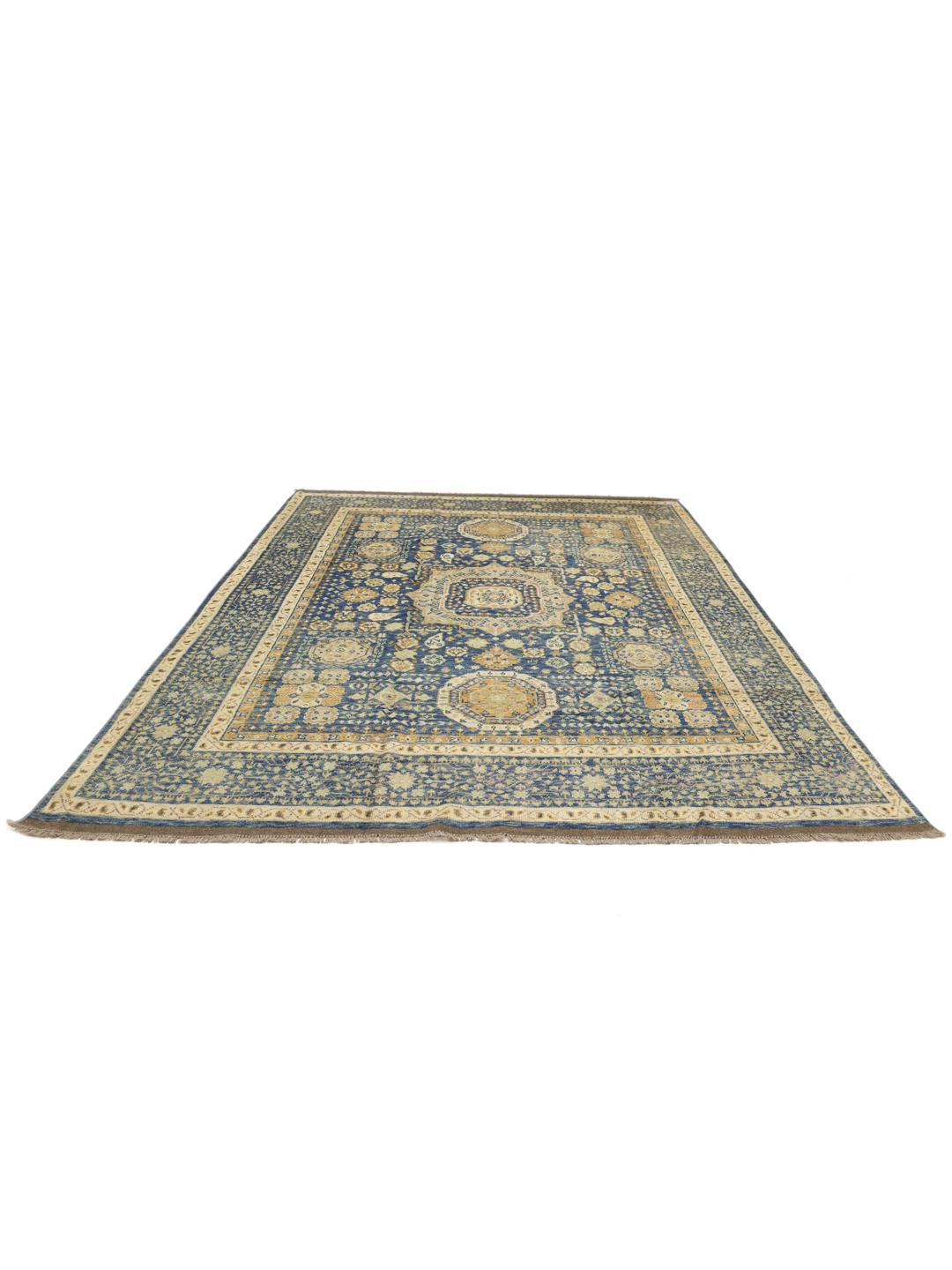
The Usak rug tradition traces its roots back to the historic town of Usak in western Turkey, which served as a major centre for rug production as early as the 15th century. Over time, the distinctive patterns and weaving techniques associated with this style spread across the Middle East, finding a new home in the skilled workshops of Afghanistan. This migration of craft has allowed the Usak style to evolve, blending historical motifs with the unique regional sensibilities of Afghan artisans.
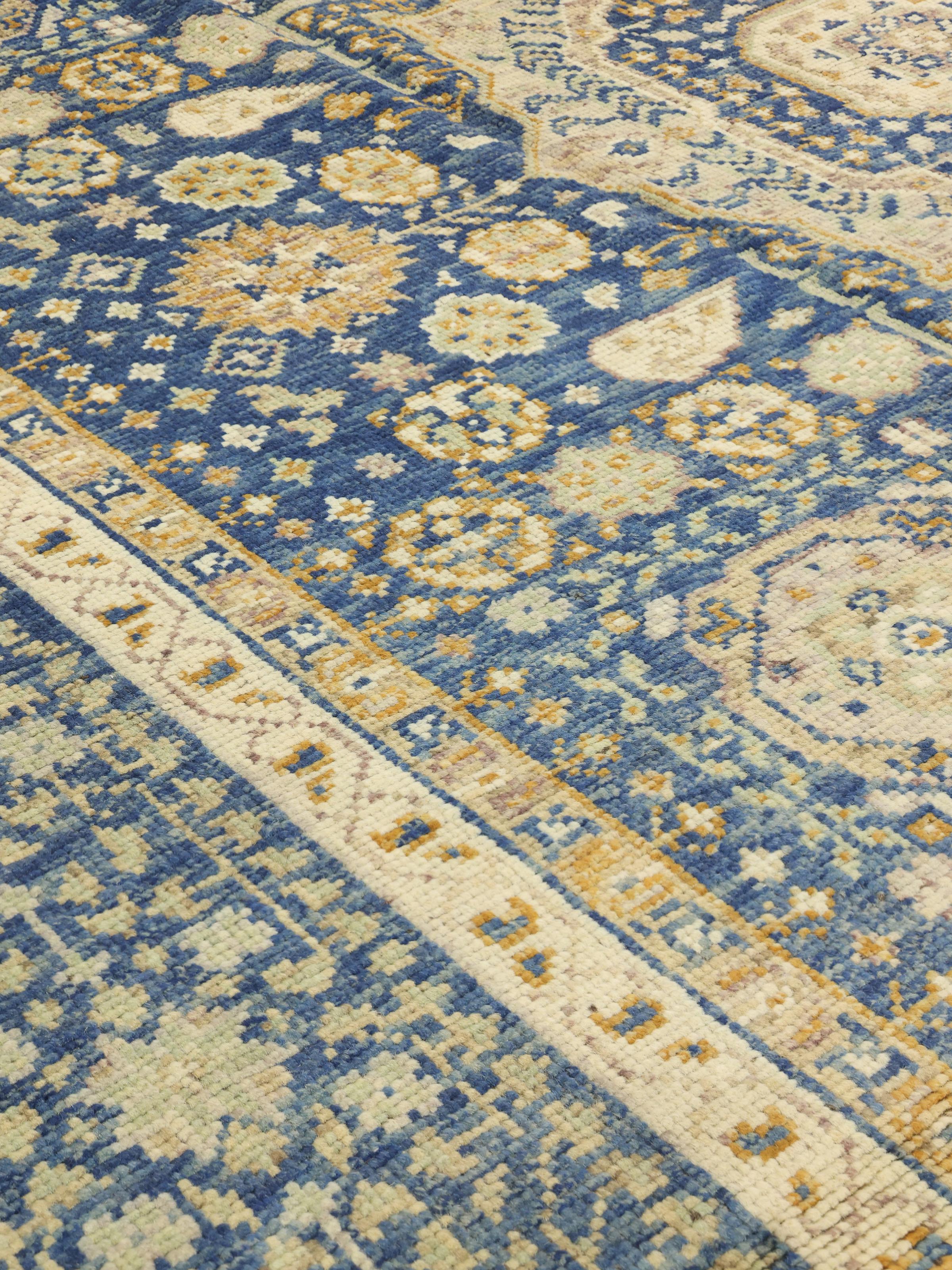
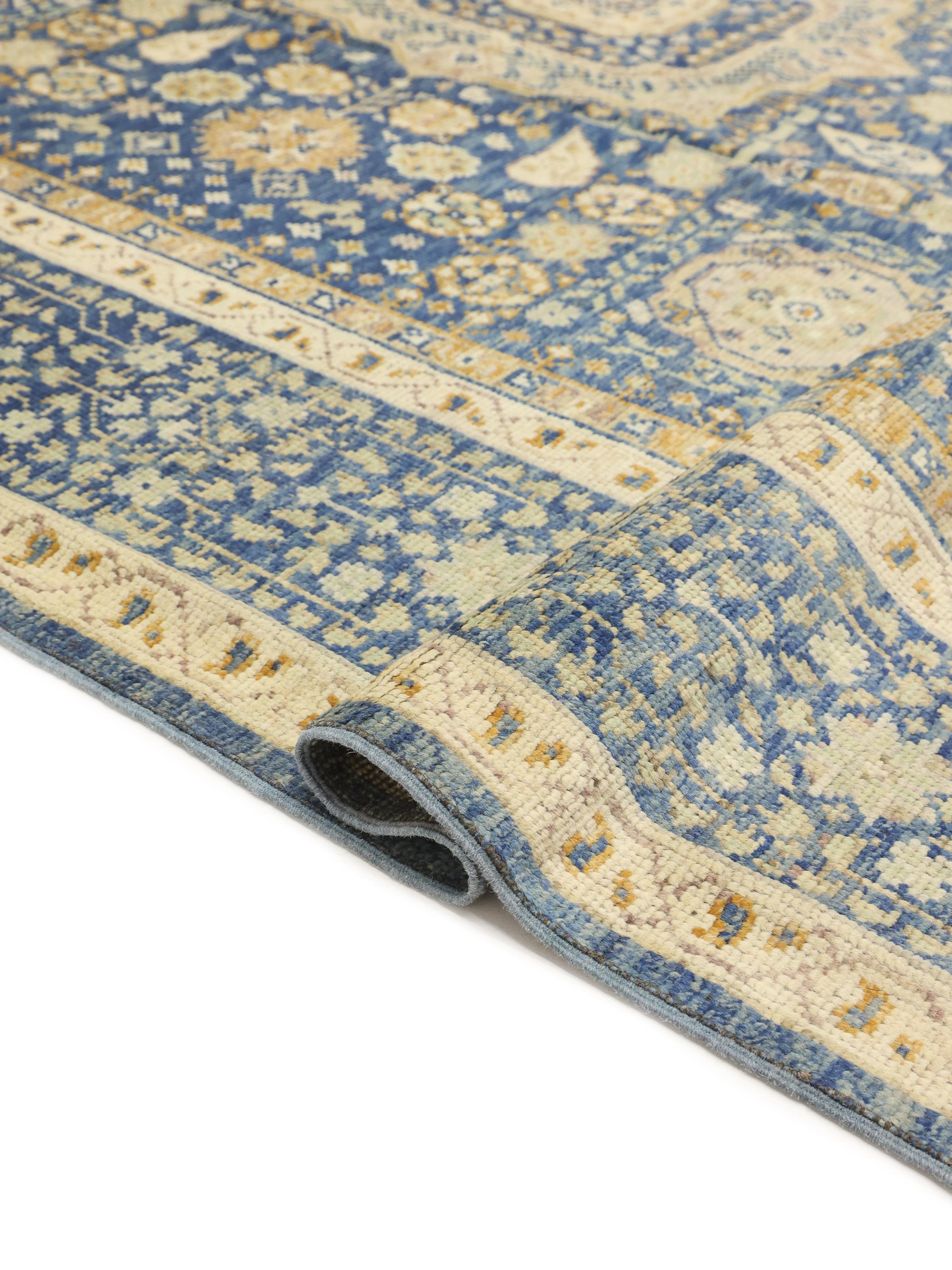
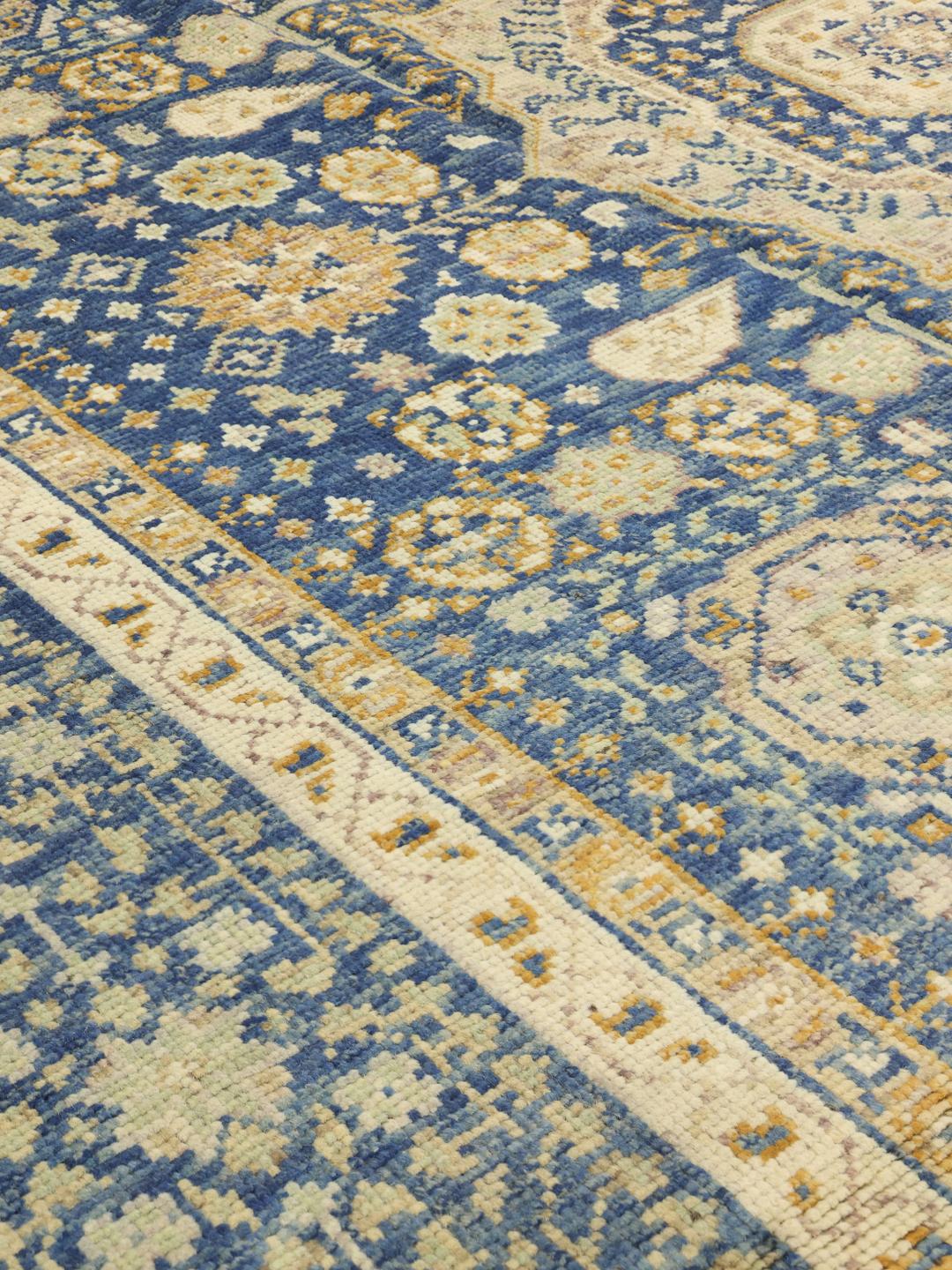
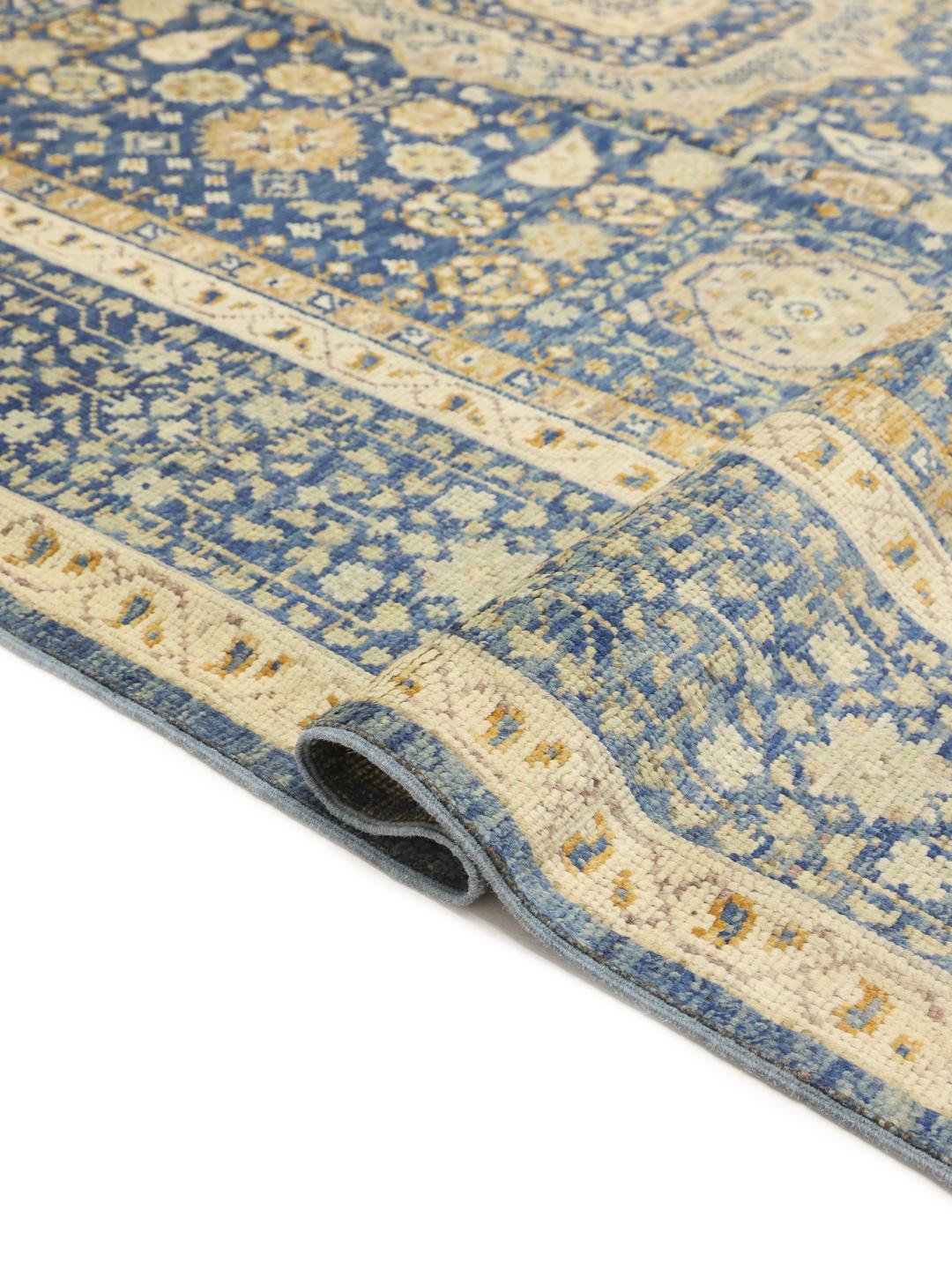
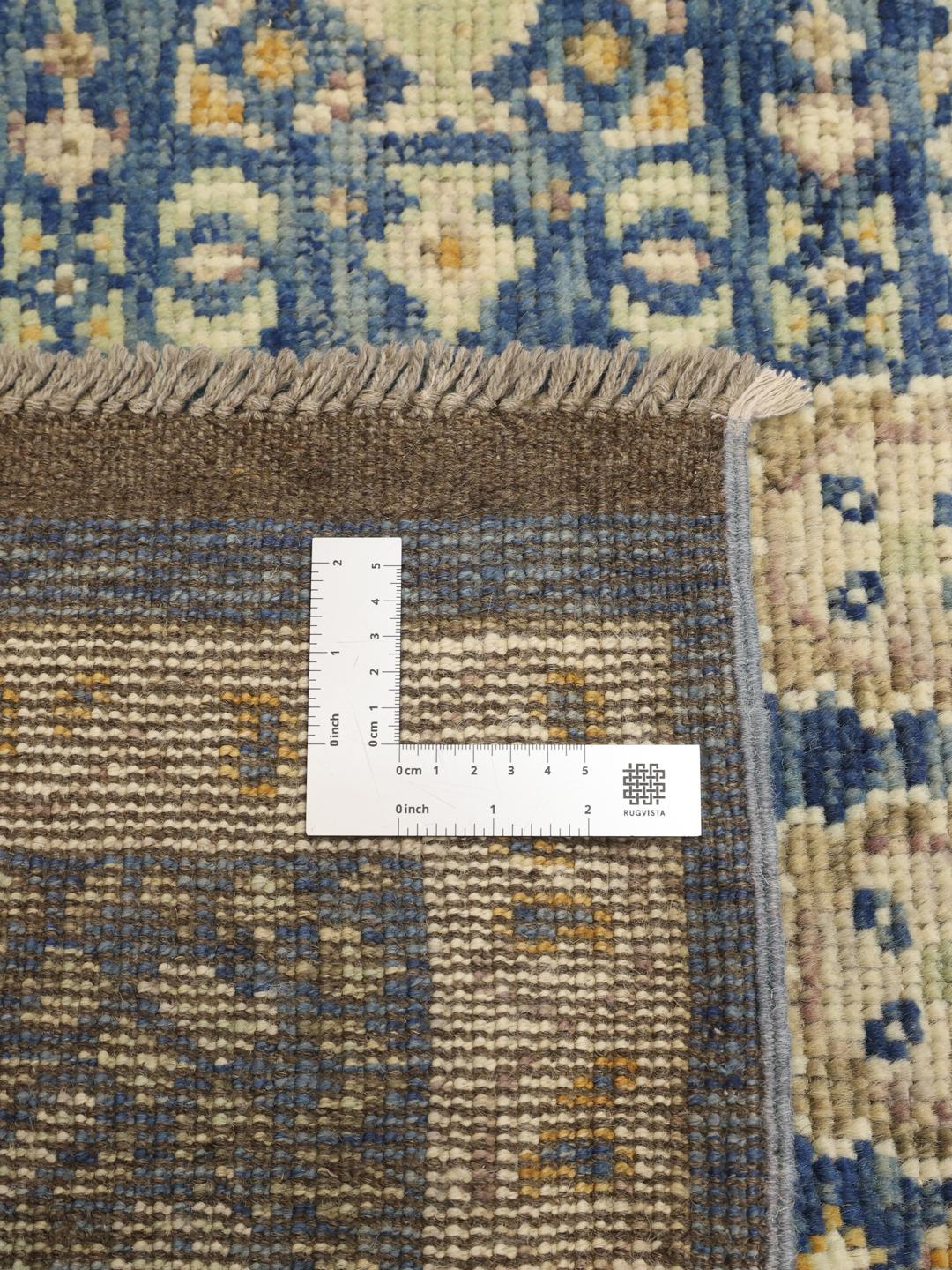
The term Usak refers to a specific design language characterised by large-scale, often floral or medallion-based compositions. In the context of Afghan production, these rugs are celebrated for their use of high-quality wool, which is known for its natural sheen and resilience. The wool is typically processed and spun to create a soft yet dense pile, ensuring that the rug is not only visually stunning but also capable of enduring the rigours of a busy household.
Signature design elements of the Usak style include expansive fields often adorned with oversized palmettes, vine scrolls, and central medallions. Unlike the tightly packed geometric patterns found in some other traditions, the Usak aesthetic is defined by a sense of spaciousness and grace. The borders are frequently as elaborate as the central field, featuring intricate floral vines that frame the composition and provide a sense of balance and harmony.
Owning an Afghan-made Usak rug is an investment in cultural heritage. Collectors and enthusiasts value these pieces for their ability to bridge the gap between traditional history and modern interior design. By preserving these ancient patterns and techniques, current artisans keep a vital part of the global craft narrative alive. When you bring an Usak rug into your home, you are acquiring a piece of history that continues to tell its story through every knot and fibre.