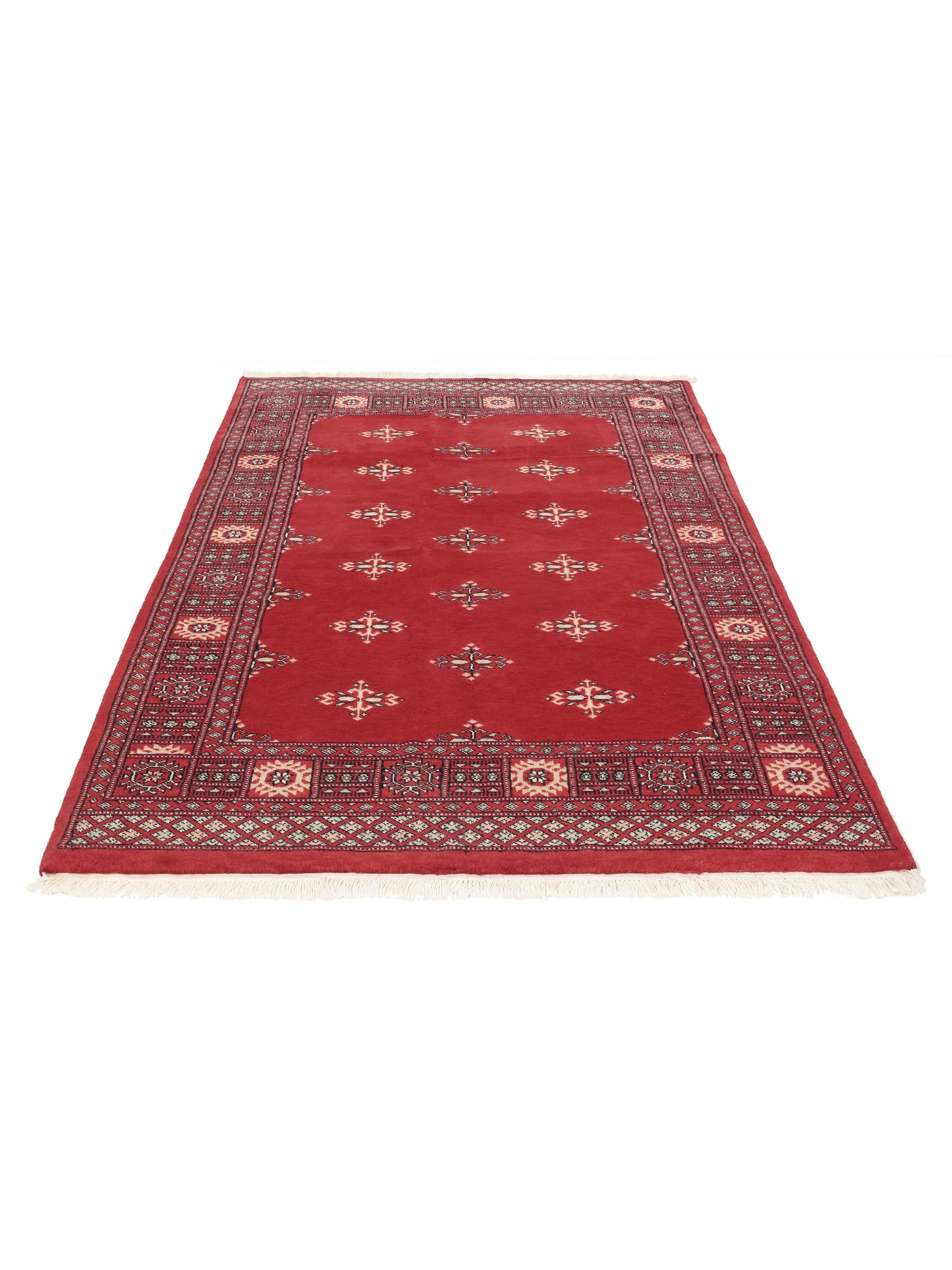
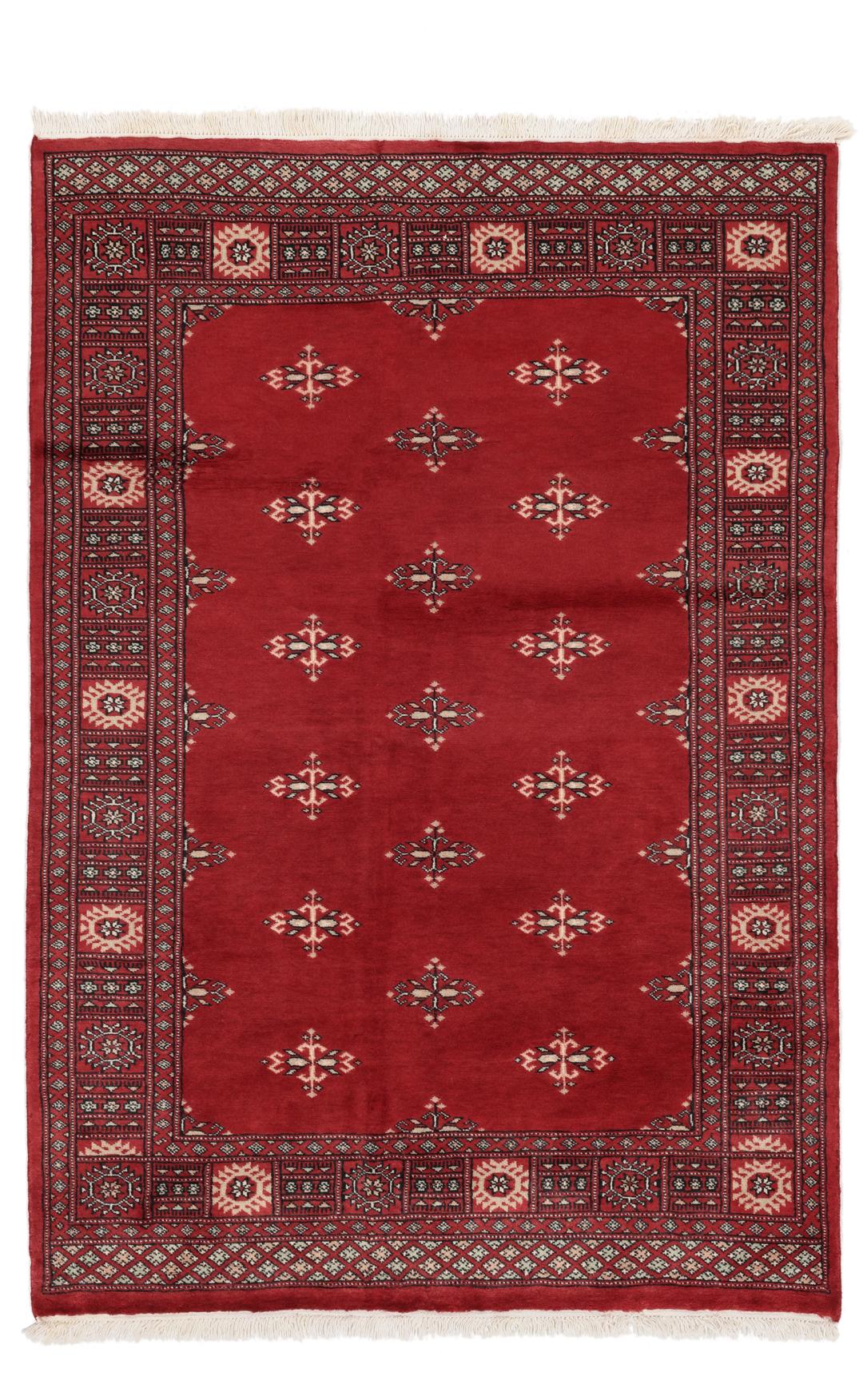
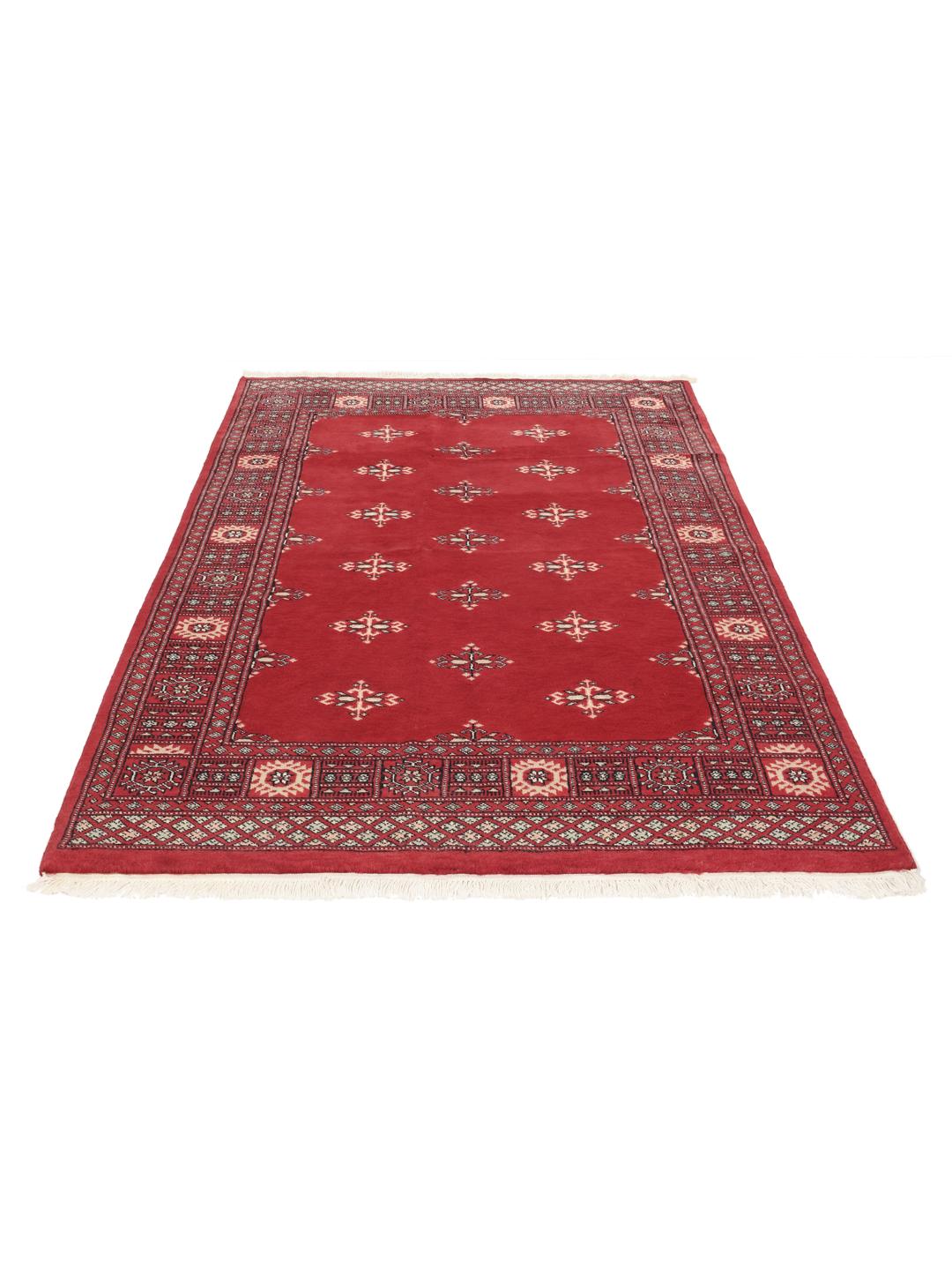
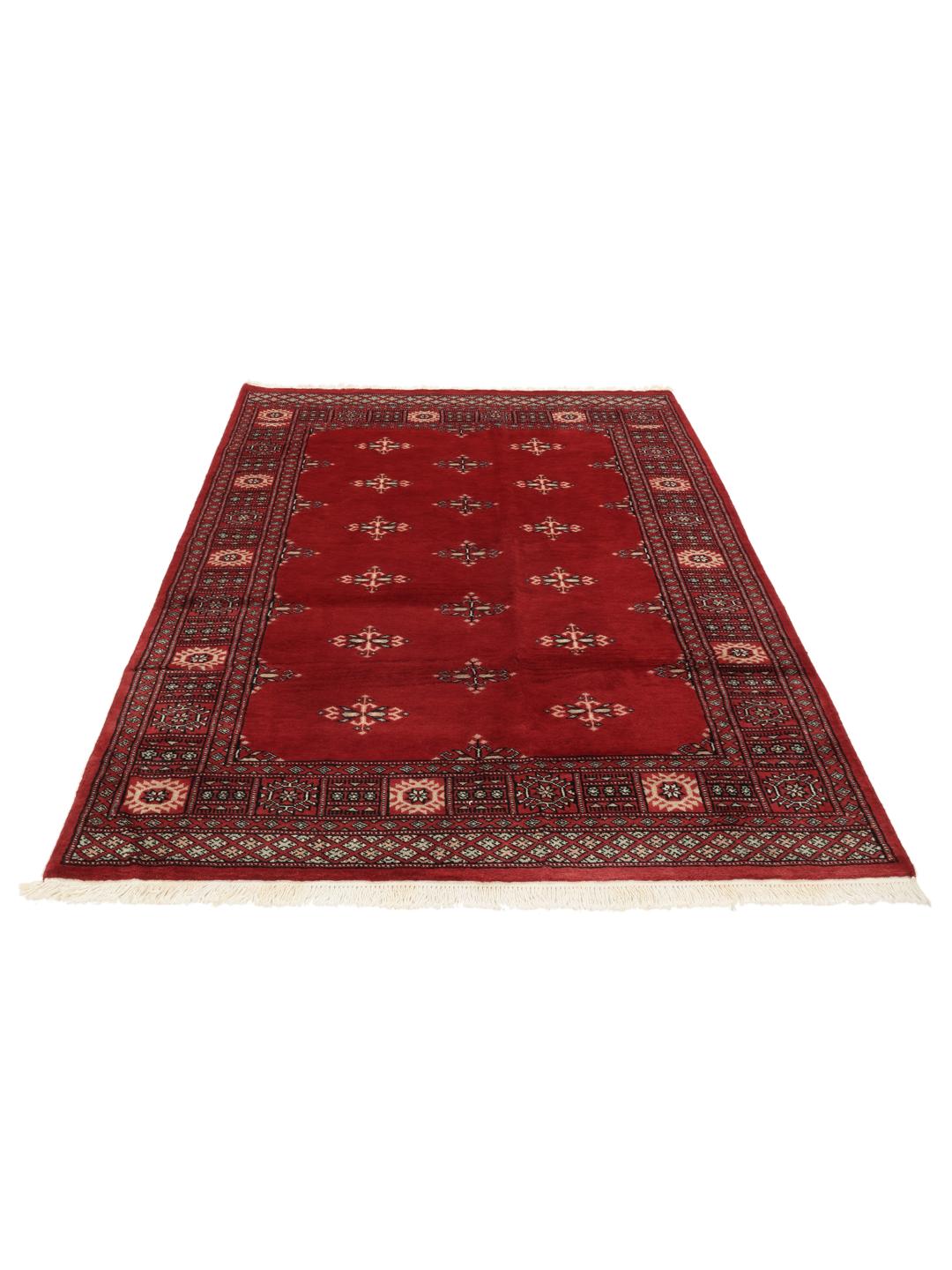
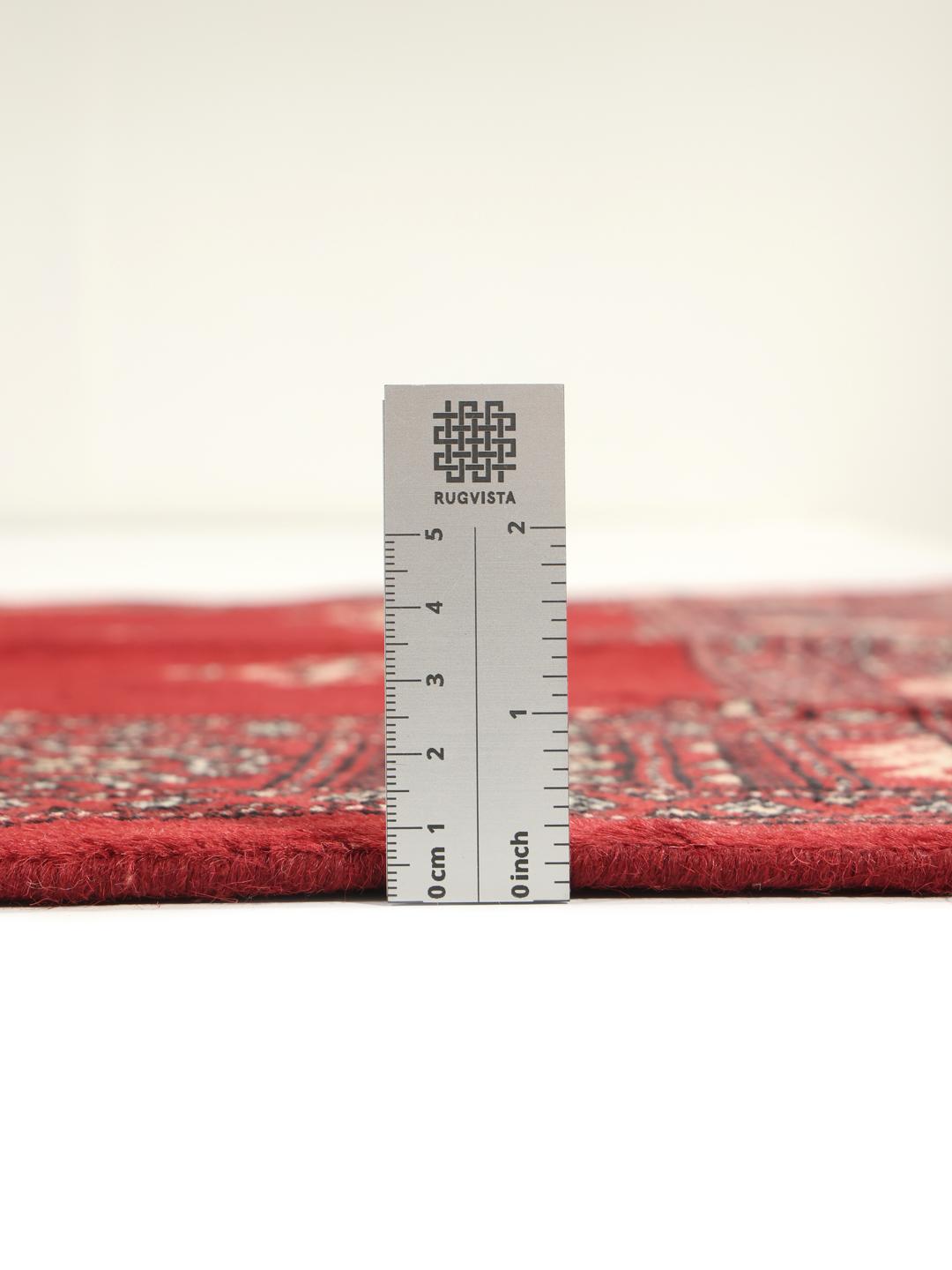
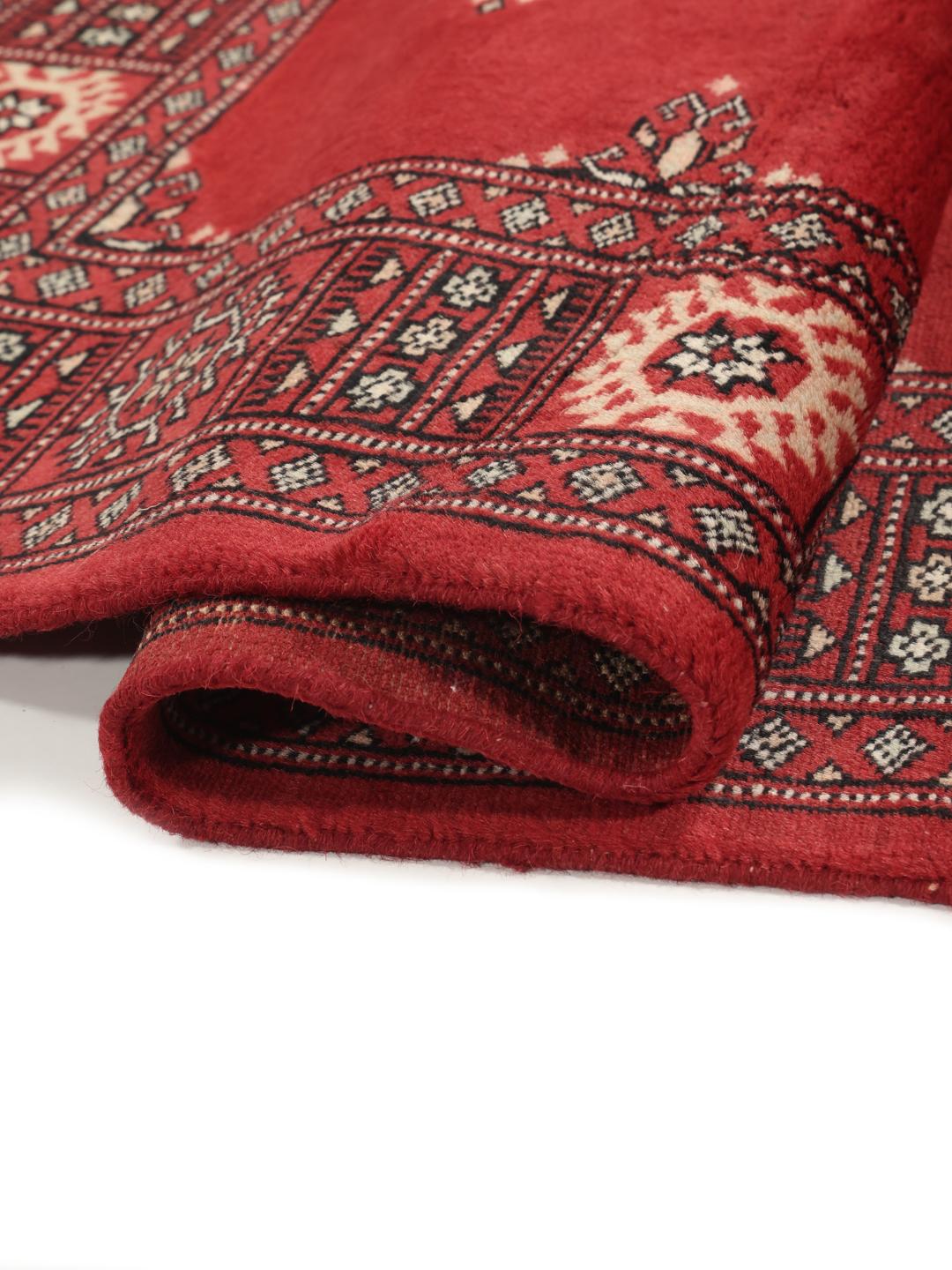
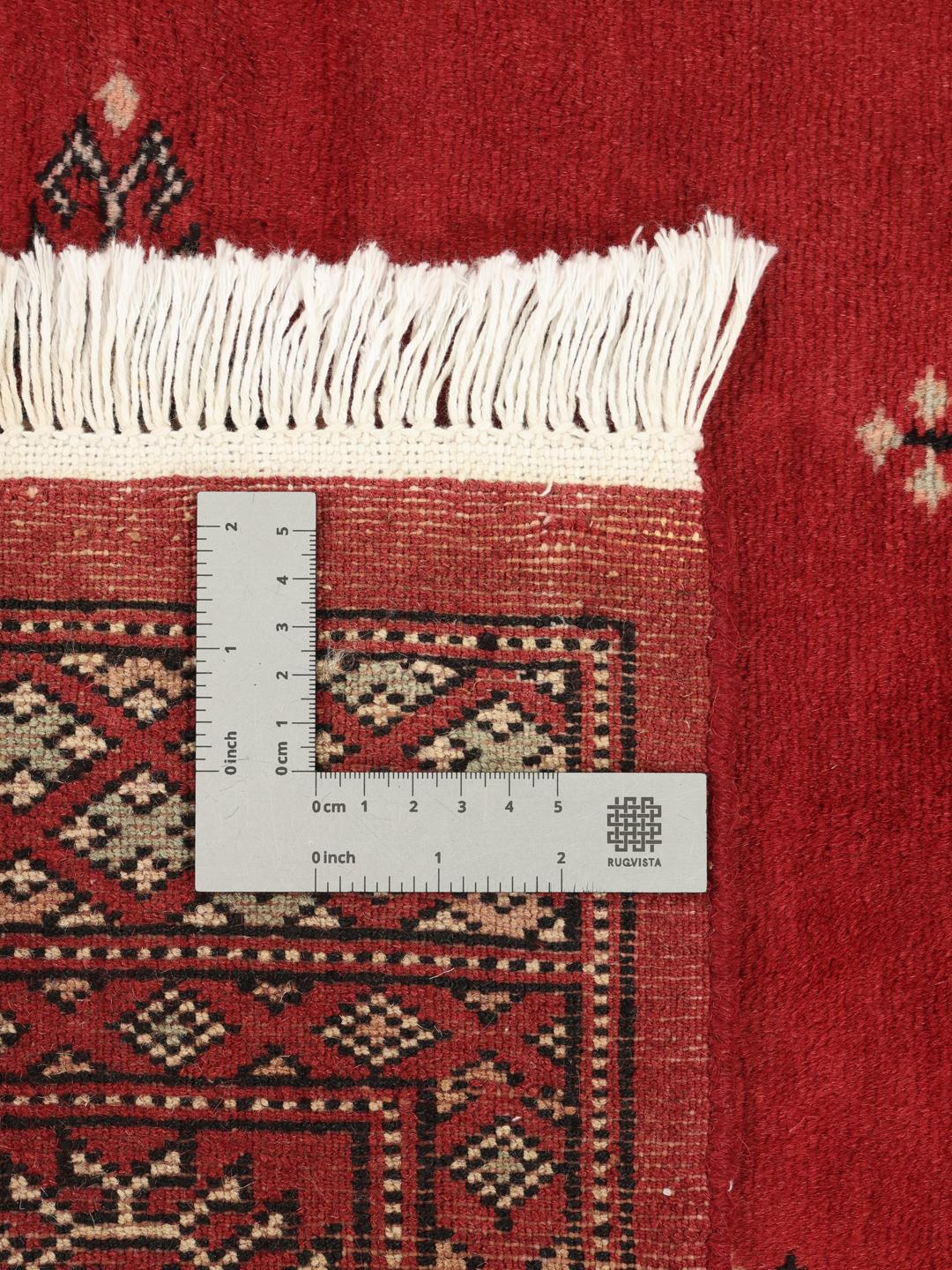
The Bokhara rug tradition is deeply rooted in the history of Central Asia, taking its name from the ancient Silk Road city of Bukhara, which served as a vital hub for trade and cultural exchange for centuries. While the style originated from nomadic tribes who wove these intricate pieces to provide warmth and insulation in their tents, the finest examples today are predominantly crafted in Pakistan.
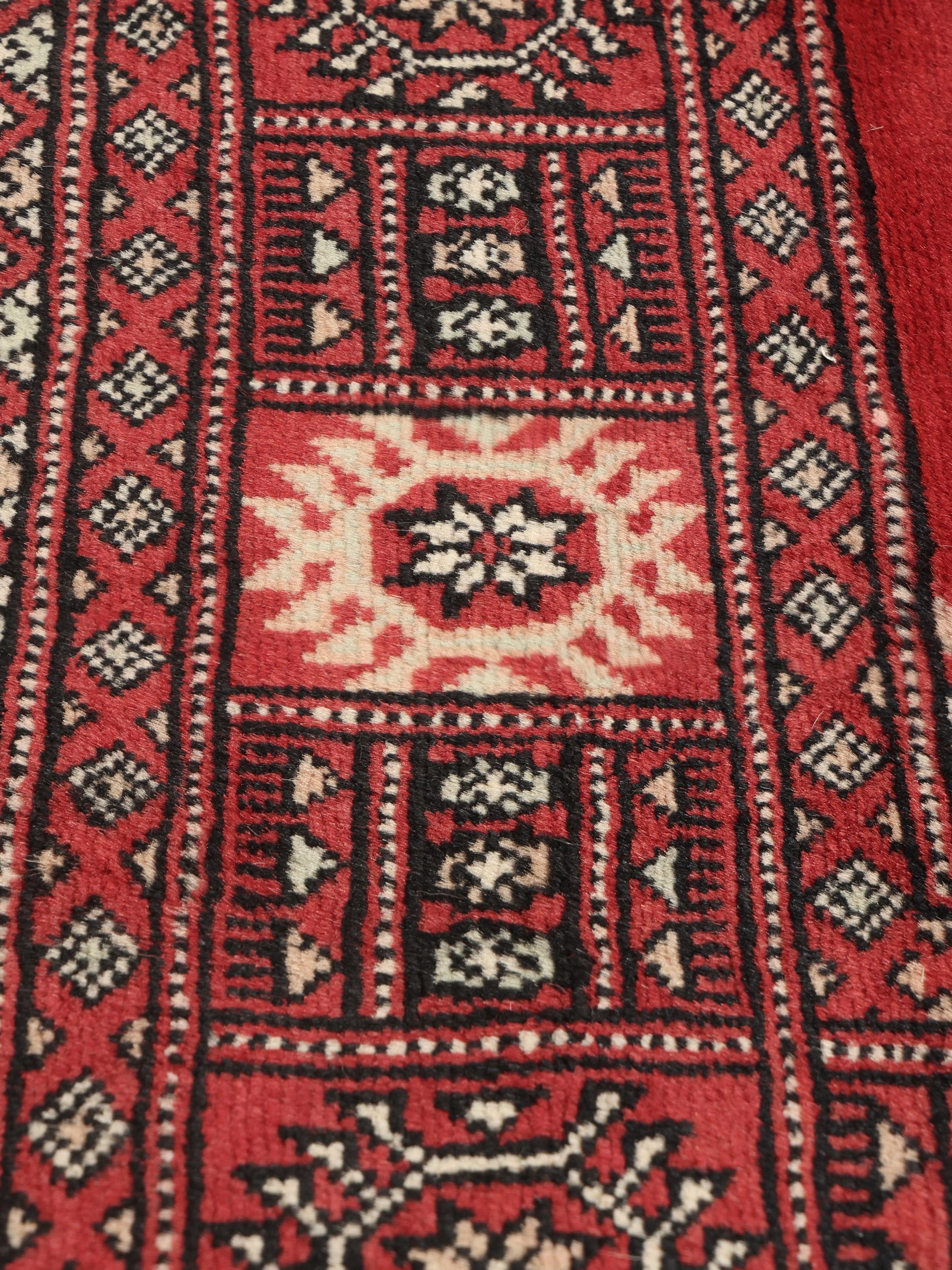
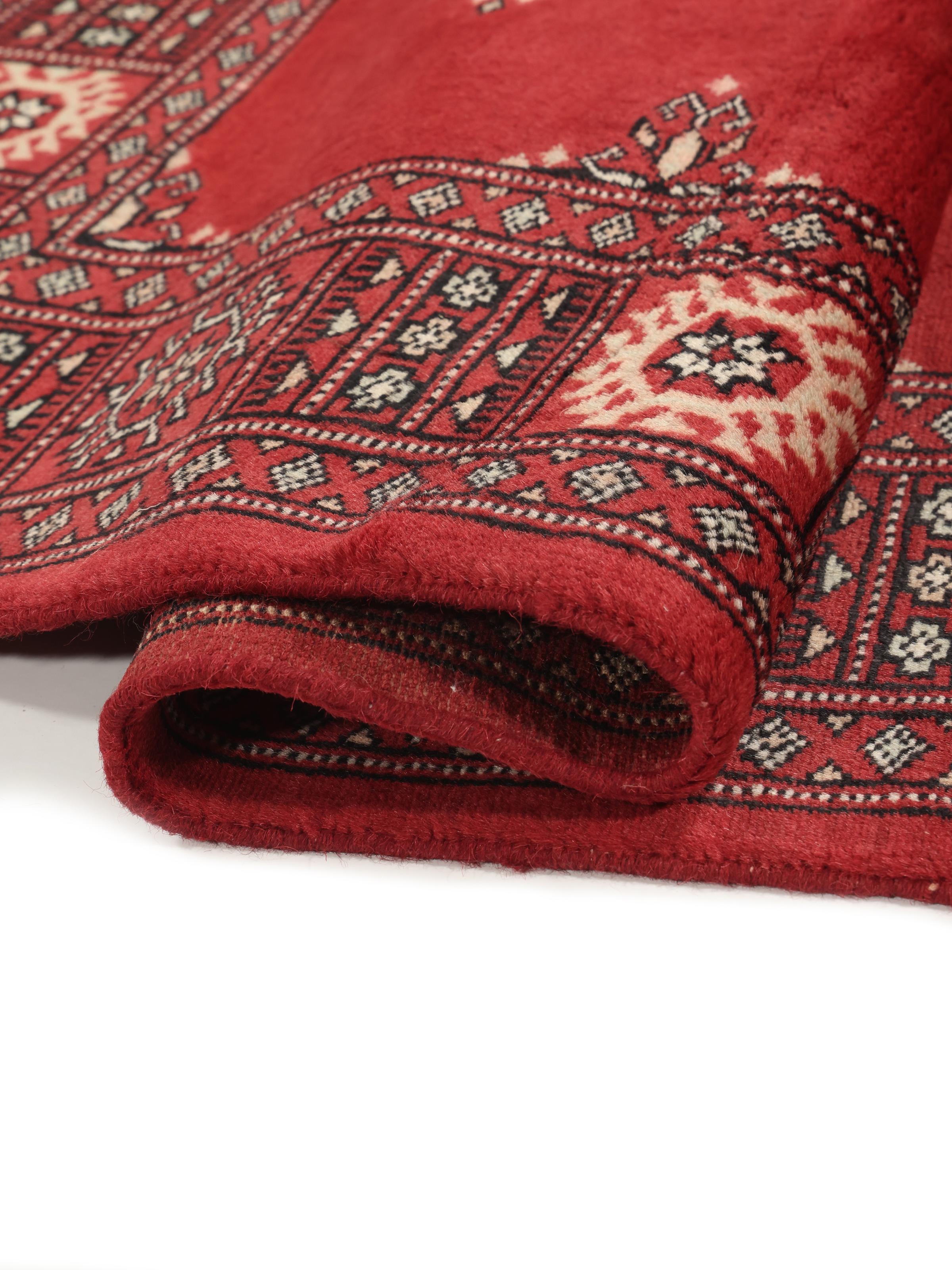
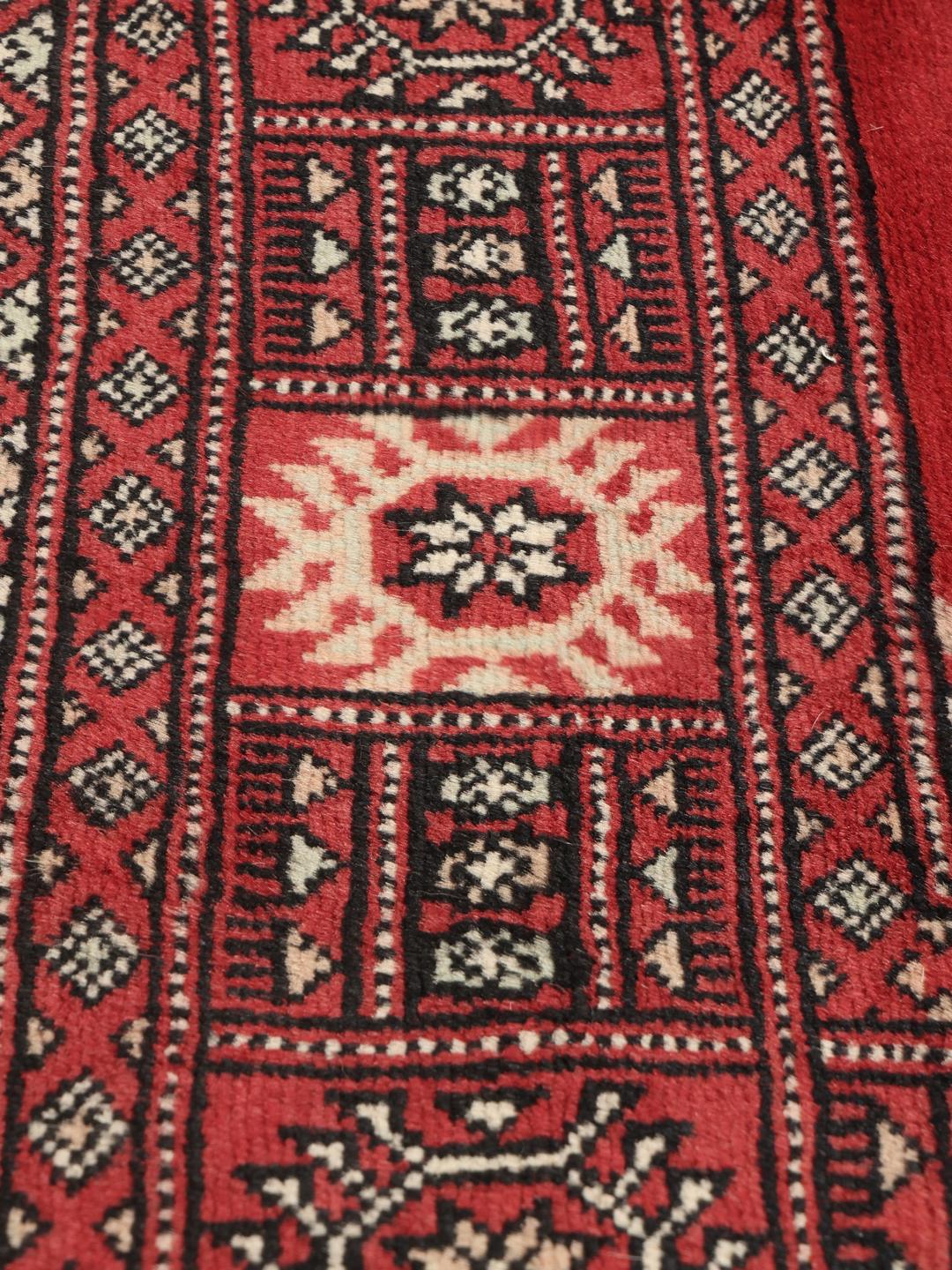
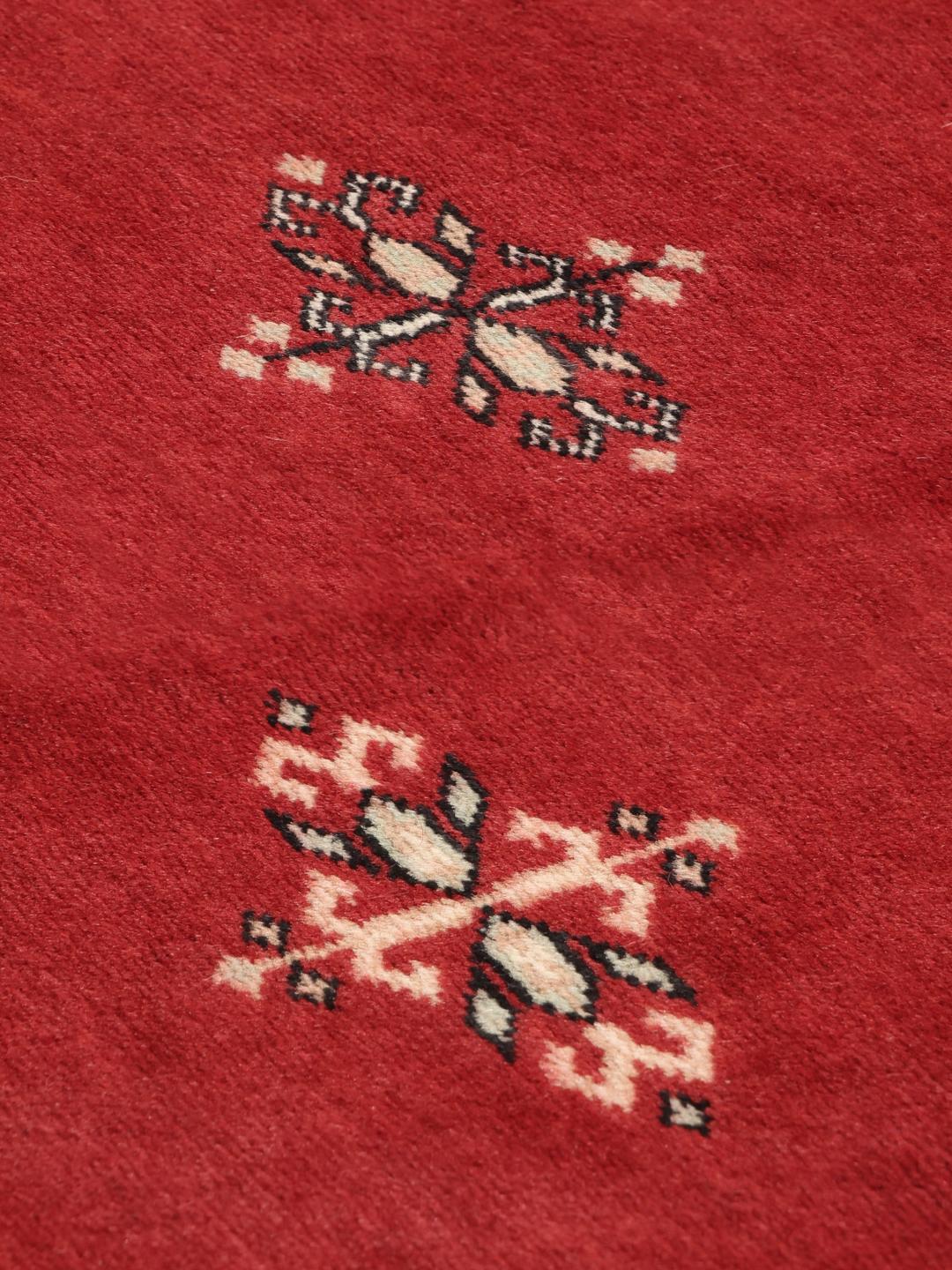
The term 2ply refers to the construction of the pile, where two strands of Wool are twisted together before being knotted. This technique is essential for quality, as it creates a denser, more lustrous, and remarkably durable surface that stands up to heavy use while retaining its soft, inviting texture.
Visually, these rugs are defined by their field of repeating gul motifs, which are often octagonal or elephant-foot shaped medallions arranged in precise rows. These are typically framed by elaborate, geometric borders that showcase the symmetry and balance central to this design tradition, creating a harmonious and structured aesthetic.
Collecting a Pakistan Bokhara is an investment in a living tradition that values skill, patience, and visual storytelling. These rugs are highly regarded for their ability to bring a sense of heritage into the modern home, serving as a testament to the enduring appeal of hand-crafted artistry and the cultural significance of the regions where they are produced.