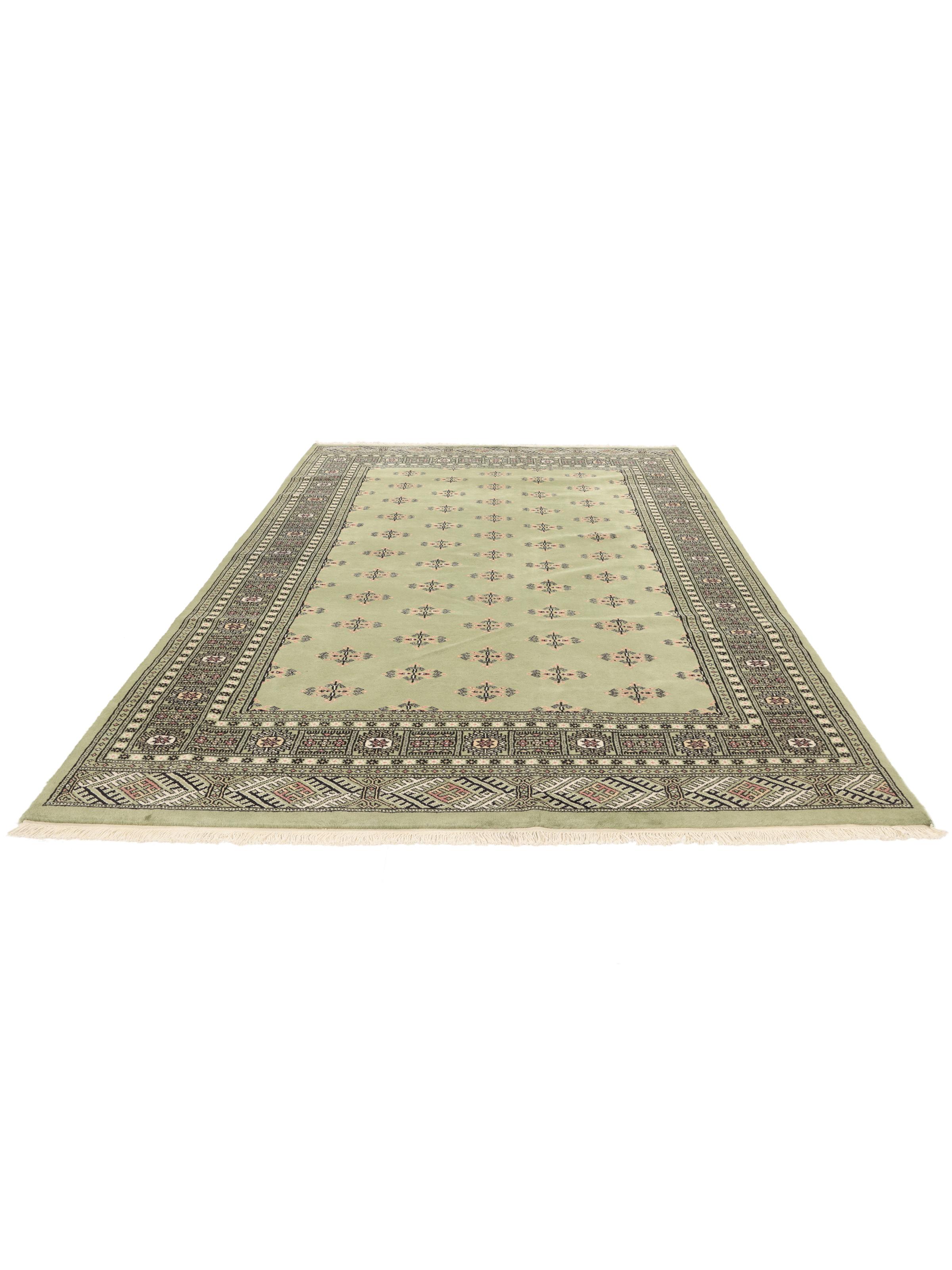
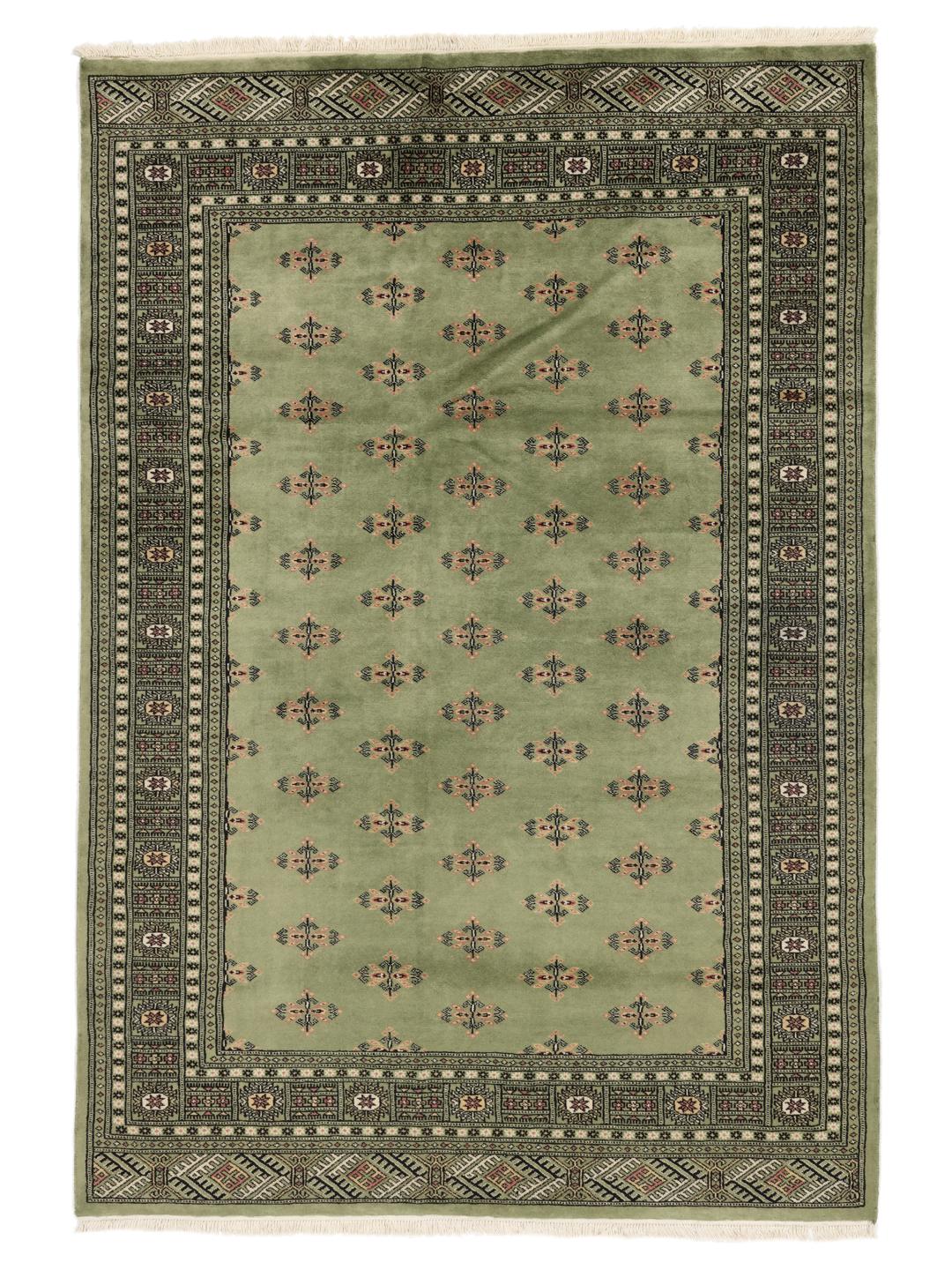
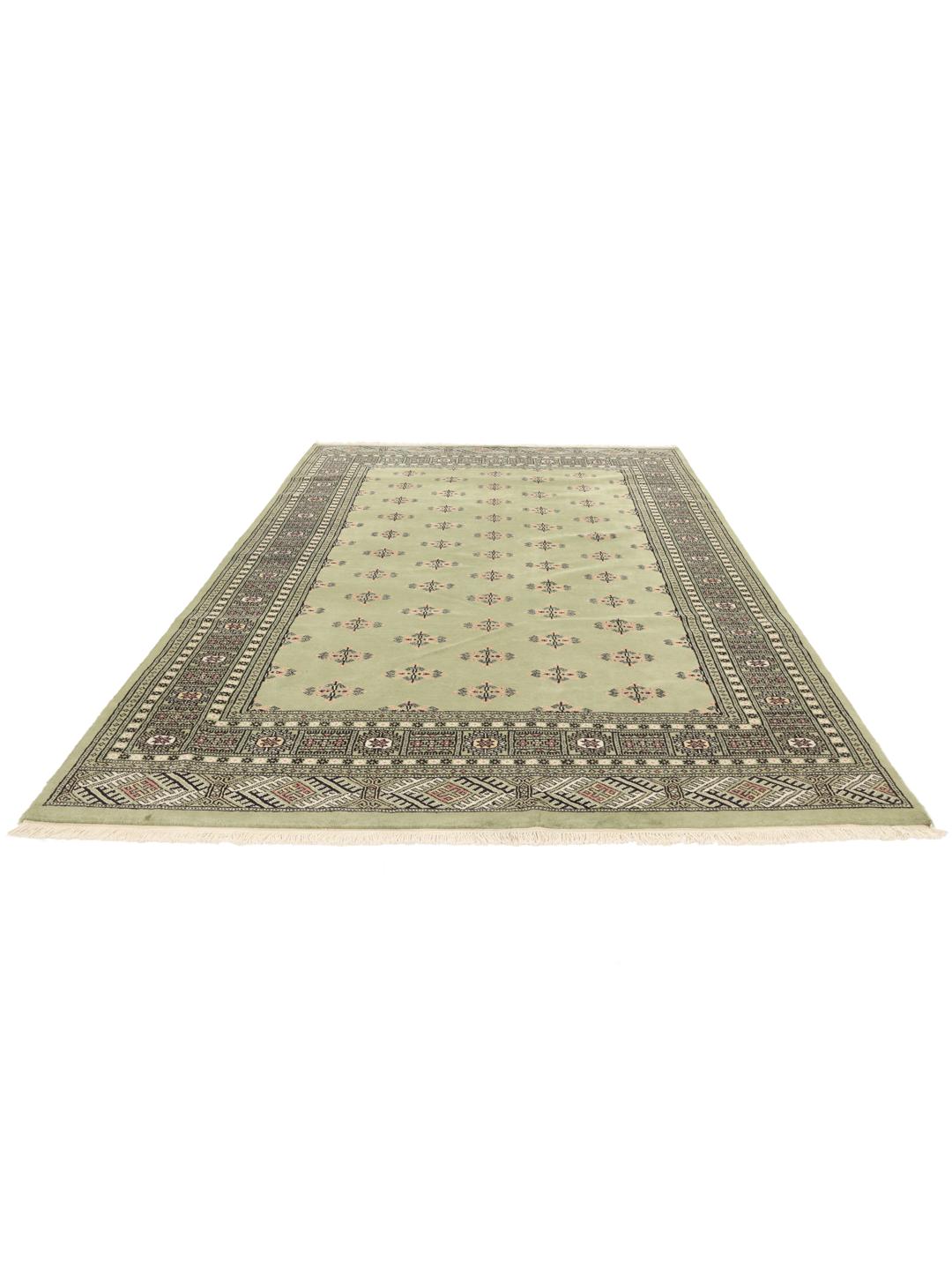
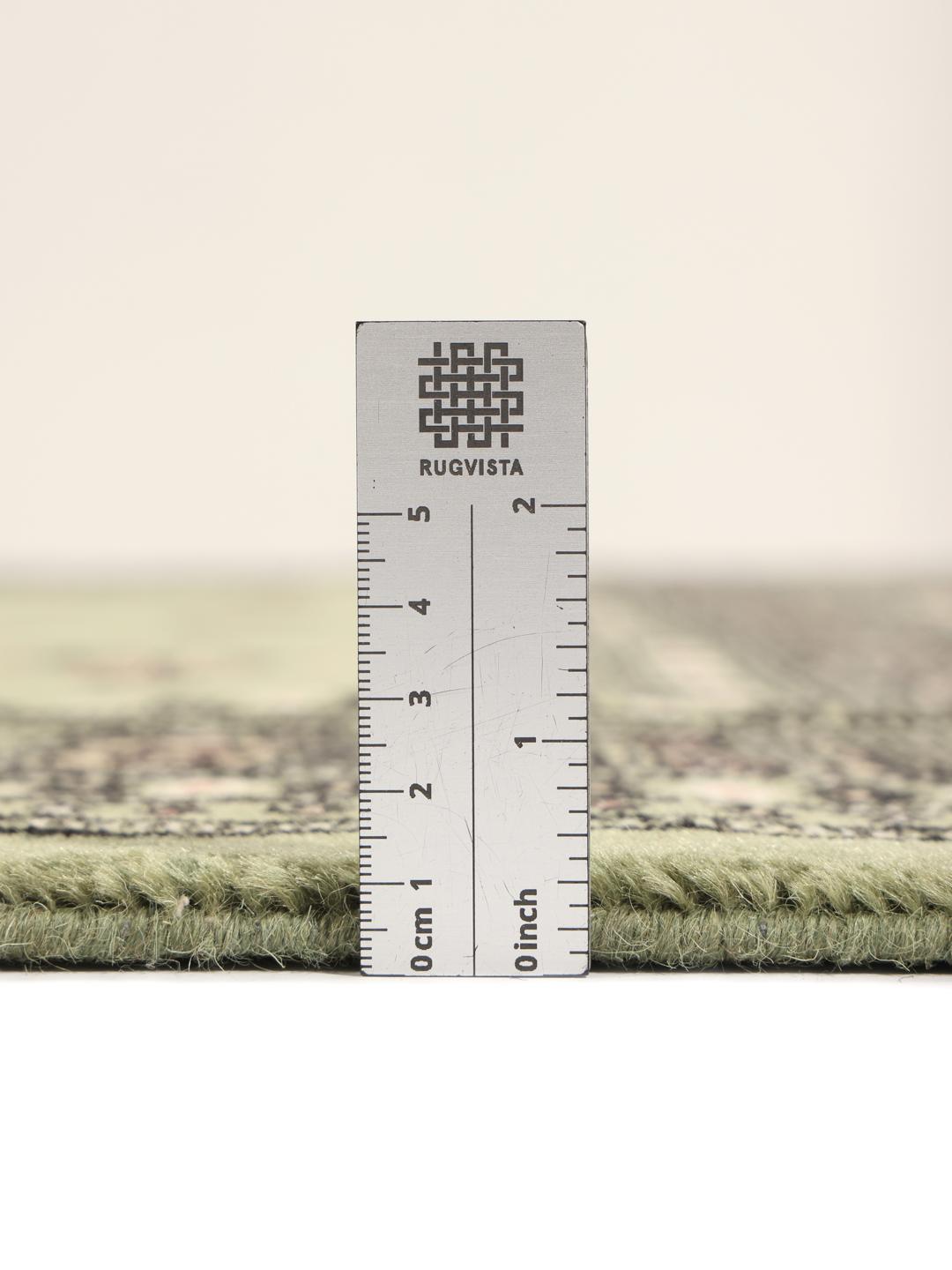
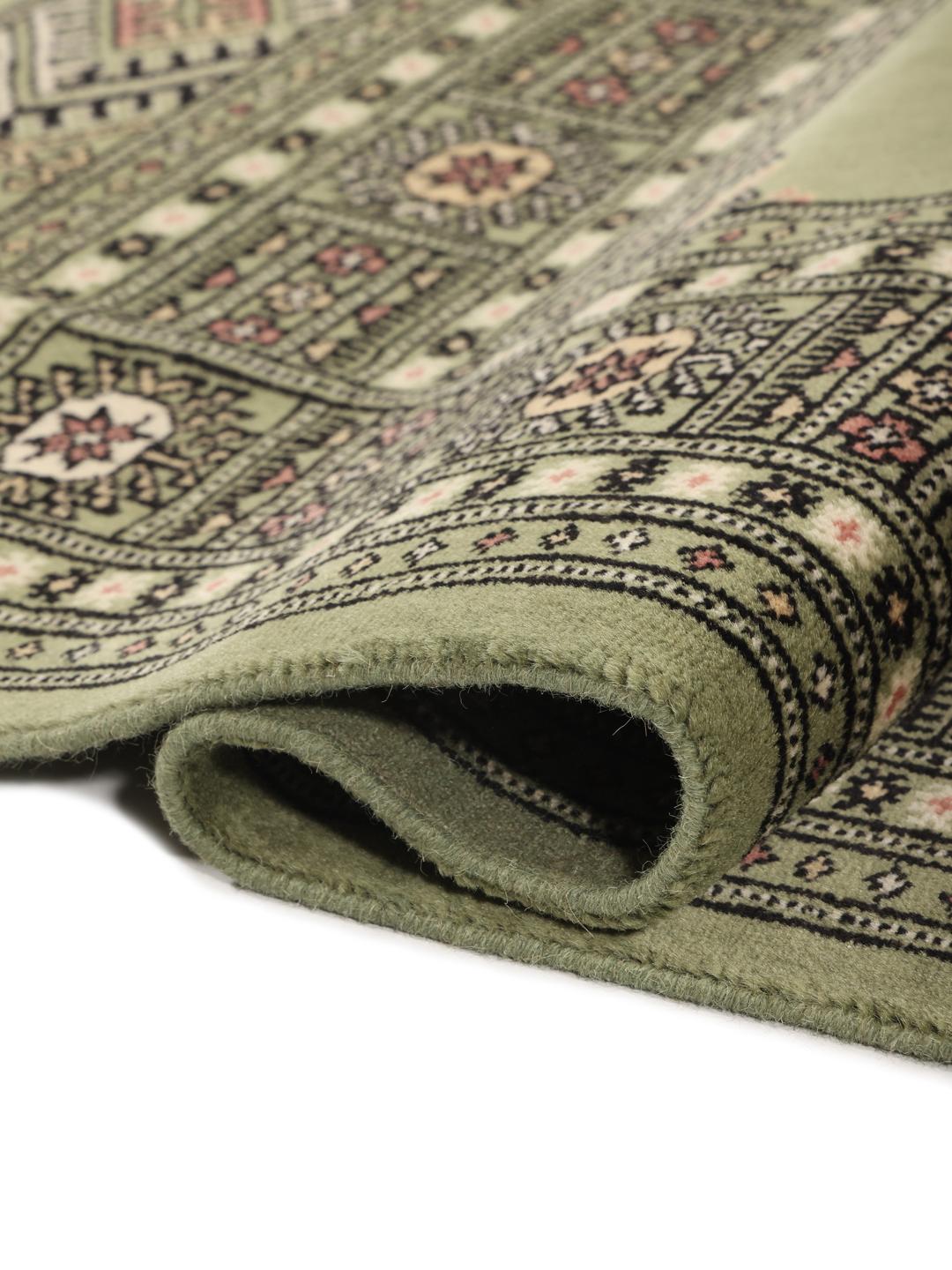
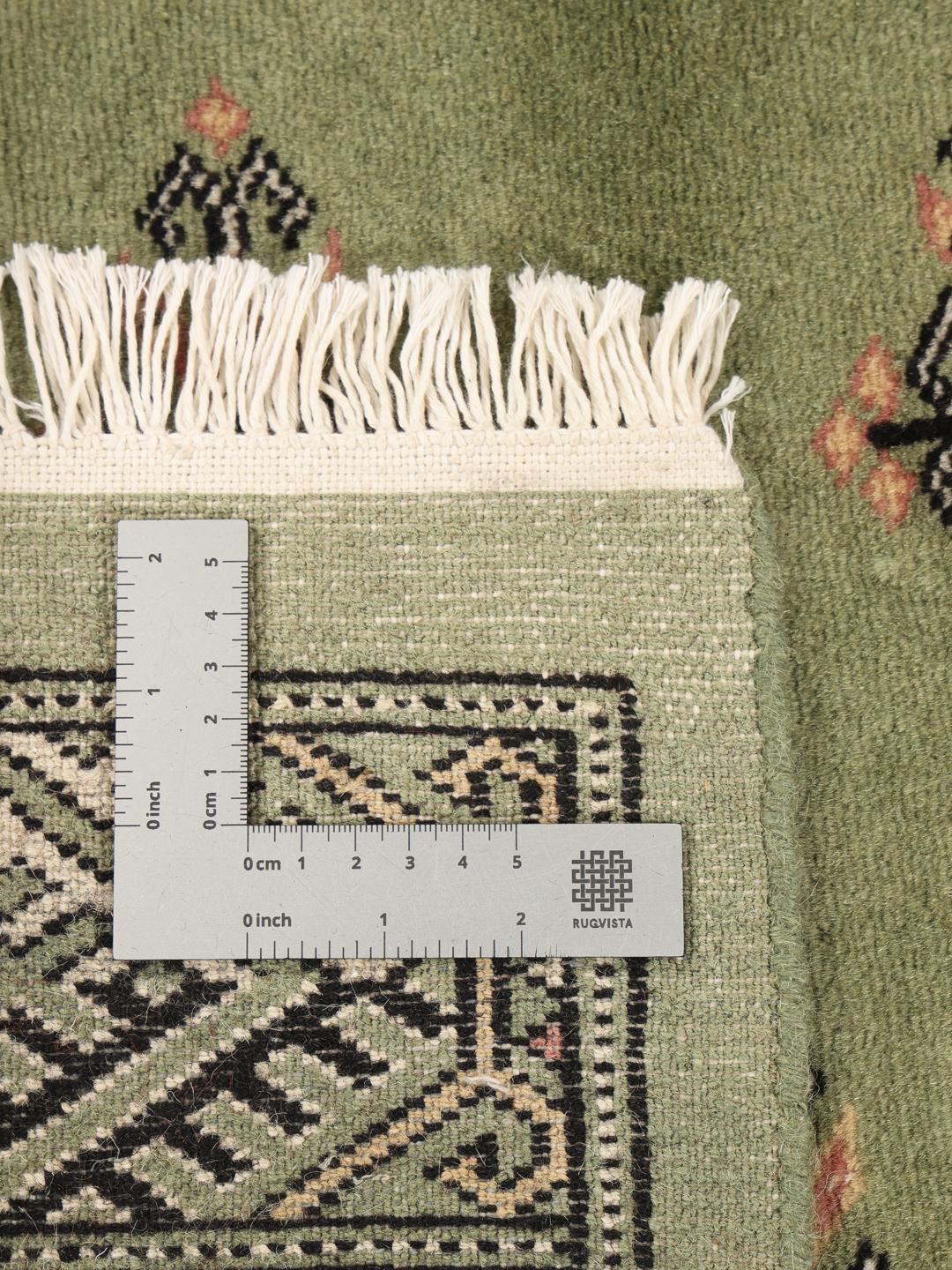
The Bokhara rug tradition finds its roots in the ancient Silk Road city of Bukhara, which served as a historic crossroads for trade and cultural exchange in Central Asia. Over generations, the techniques and signature styles migrated, and today, some of the finest examples of this tradition are produced in Pakistan, where artisans have perfected the art of the Bokhara style.
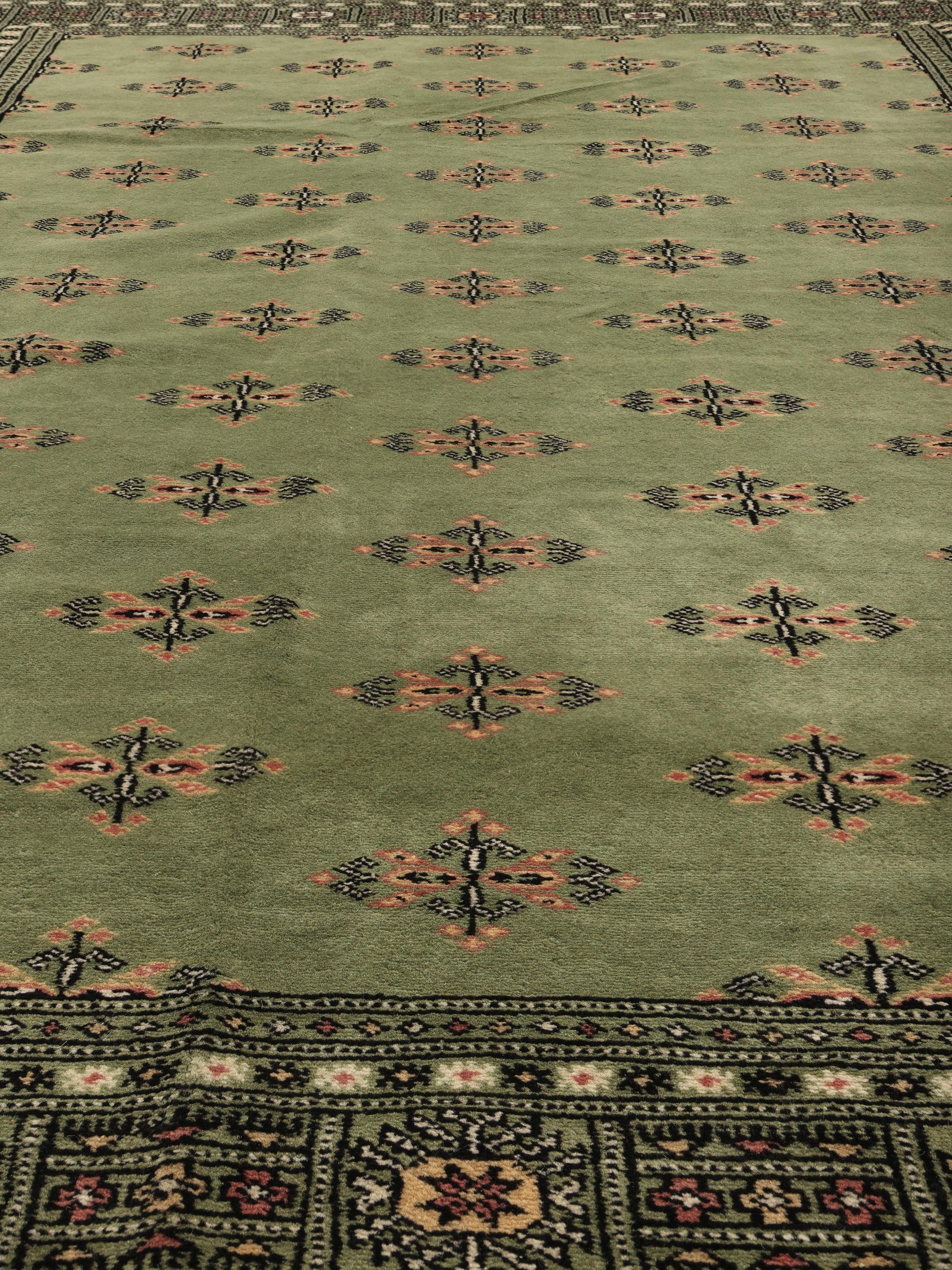
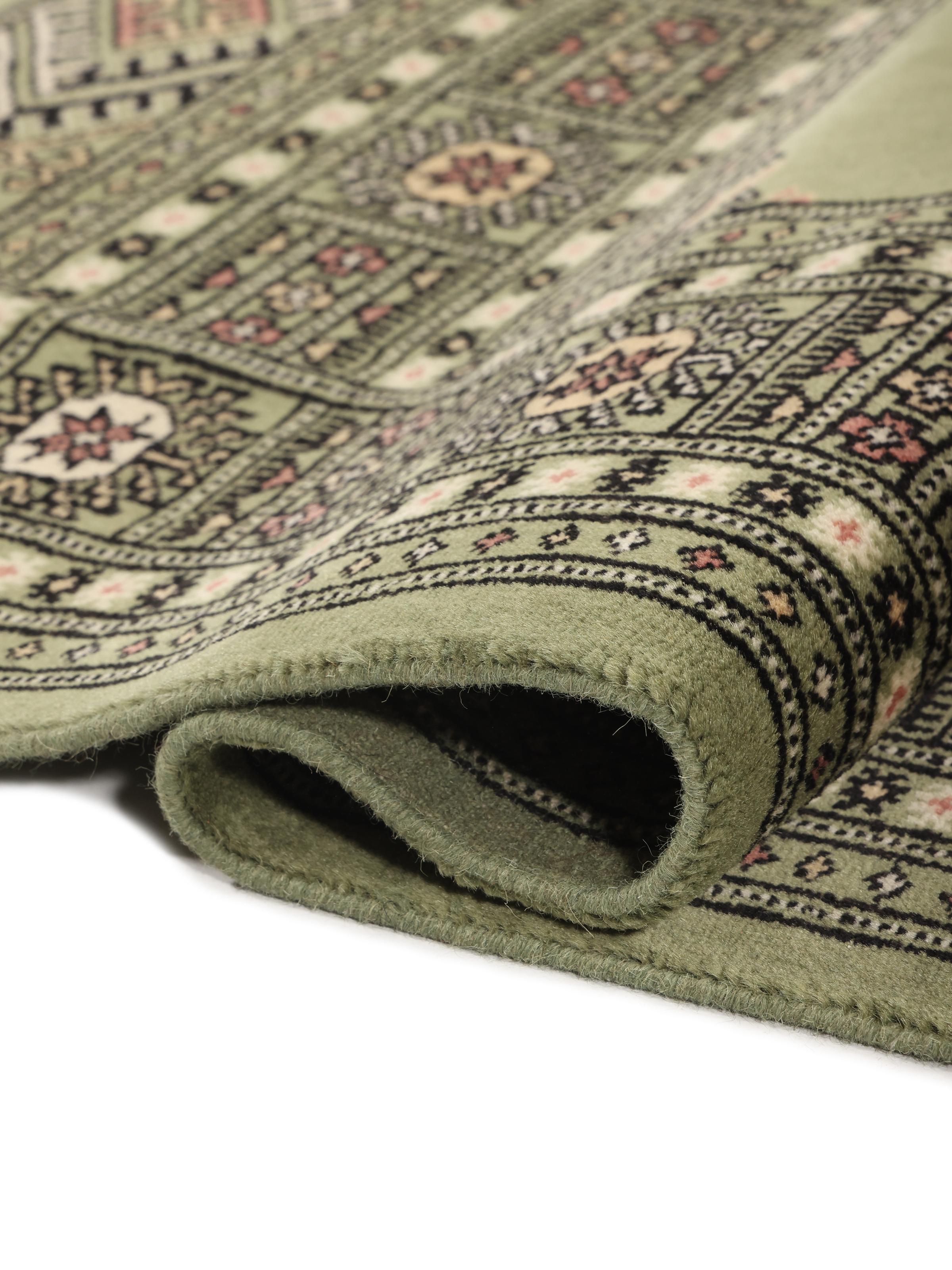
The '2ply' designation refers to the specific way the wool is prepared, where two strands are twisted together before being knotted. This technical choice is significant because it produces a pile that is not only denser and more luxurious but also significantly more durable and lustrous than single-ply alternatives. It is a hallmark of quality that ensures the rug maintains its beauty through years of use.
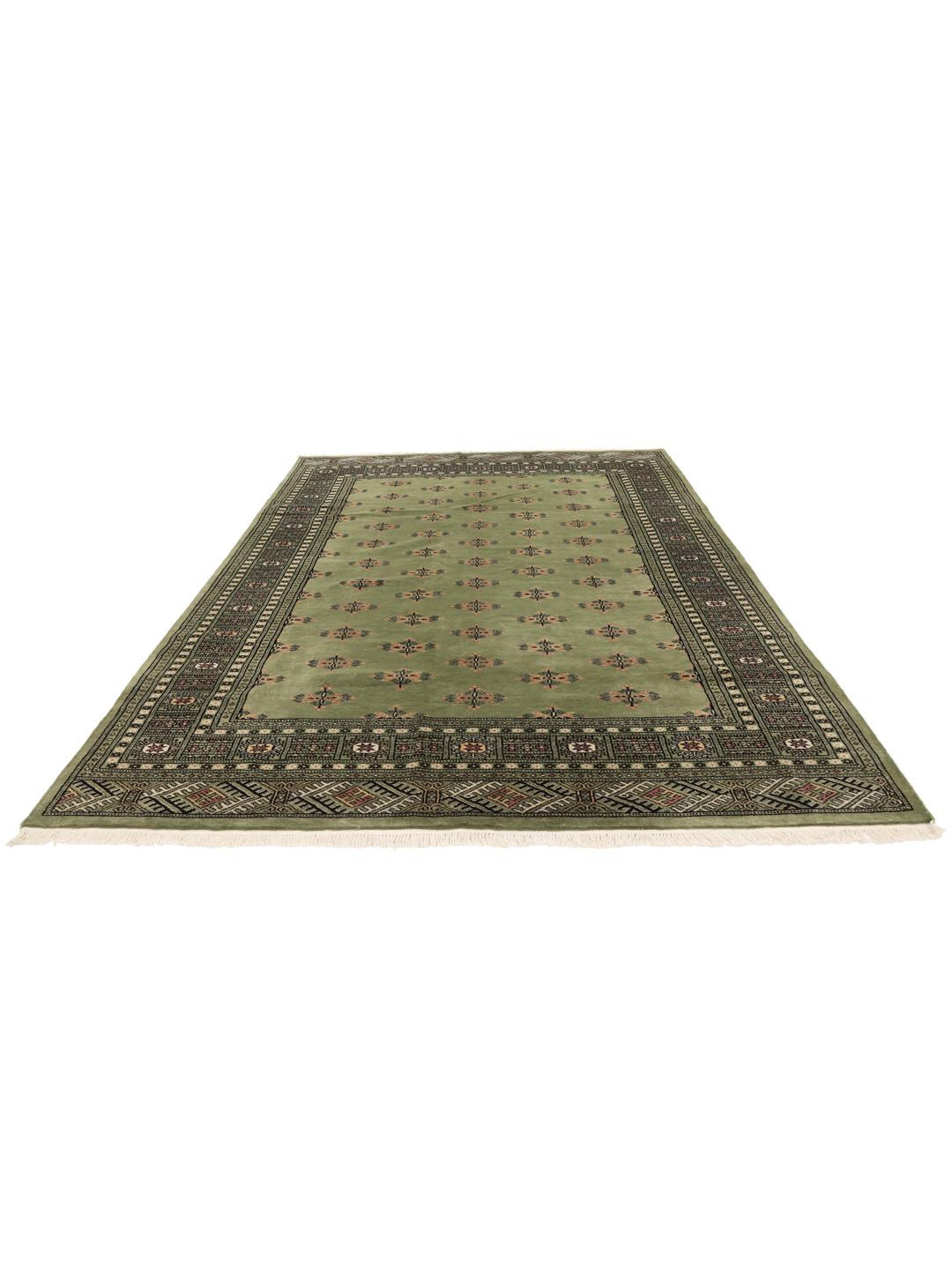
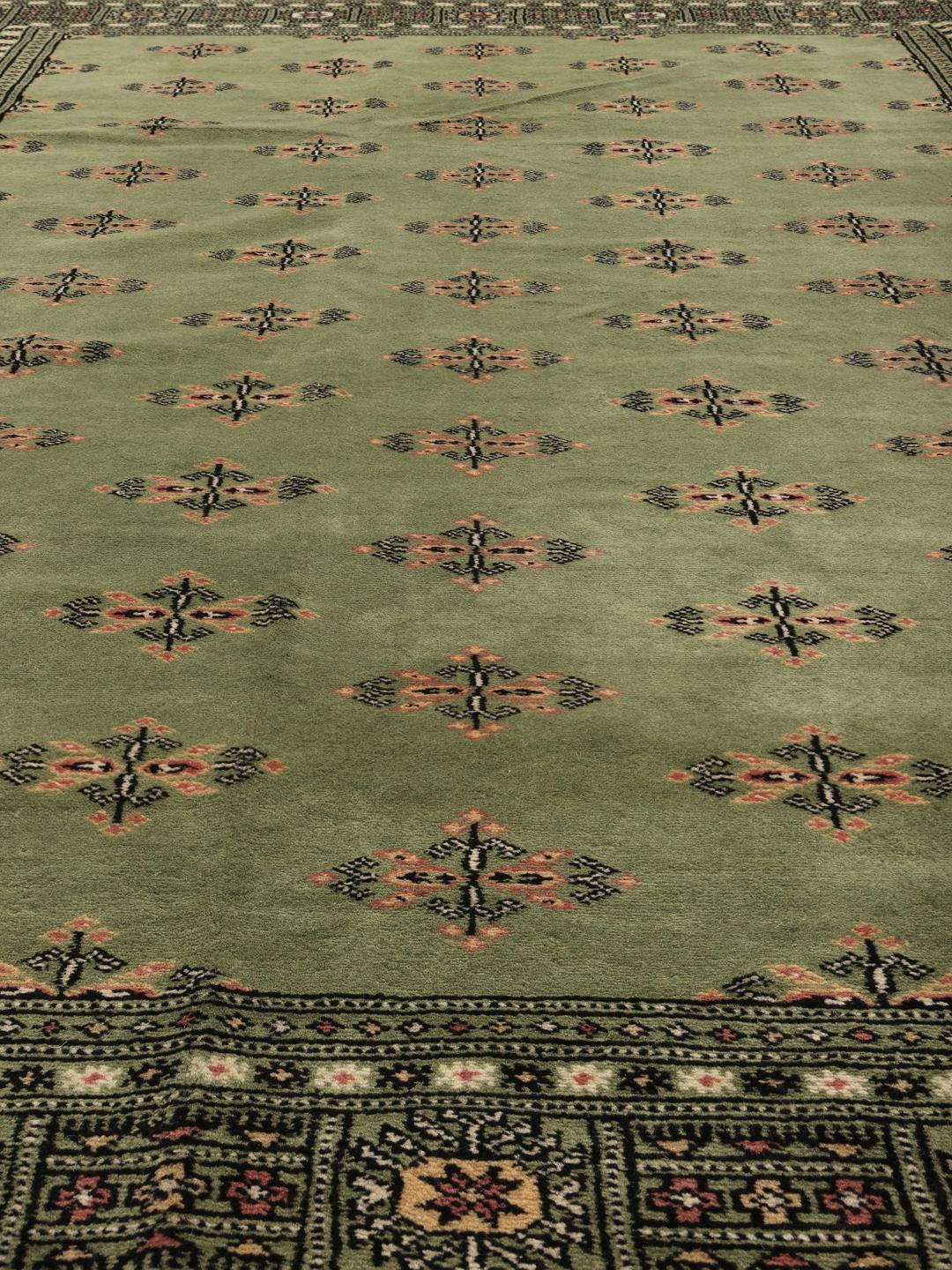
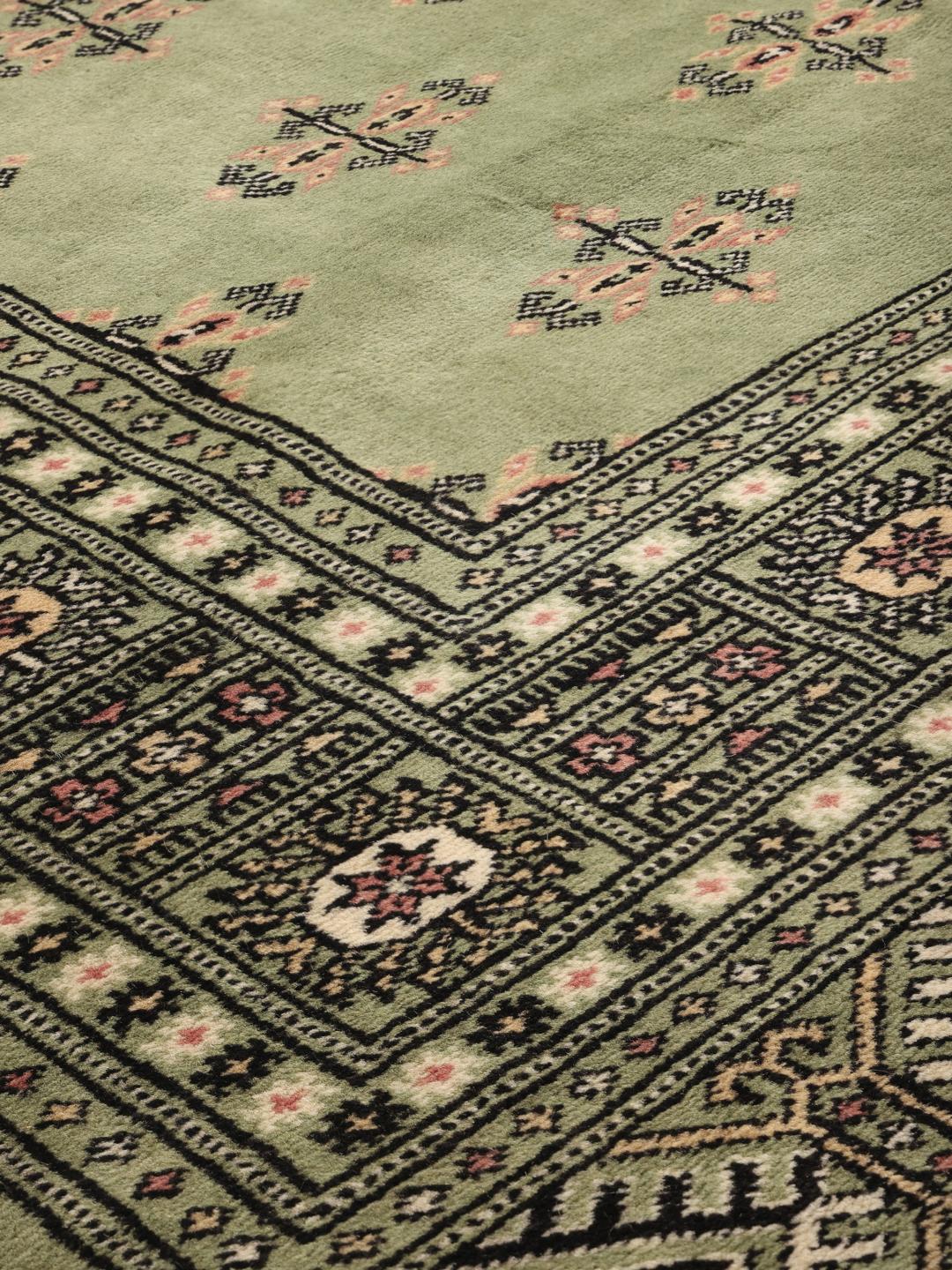
Visually, these rugs are defined by their rhythmic field, typically filled with repeating 'gul' motifs, which are stylized, octagonal elephant-foot medallions. These are often enclosed by intricate, multi-layered borders that demonstrate a mastery of geometry and balance, creating a harmonious and structured look that is instantly recognisable.
Owning a piece from this tradition is an investment in cultural heritage and refined skill. These rugs are highly valued by collectors and homeowners alike, not just for their aesthetic grace, but for the story of human craftsmanship they represent. They bridge the gap between ancient nomadic art and contemporary home design, offering a timeless quality that transcends trends.