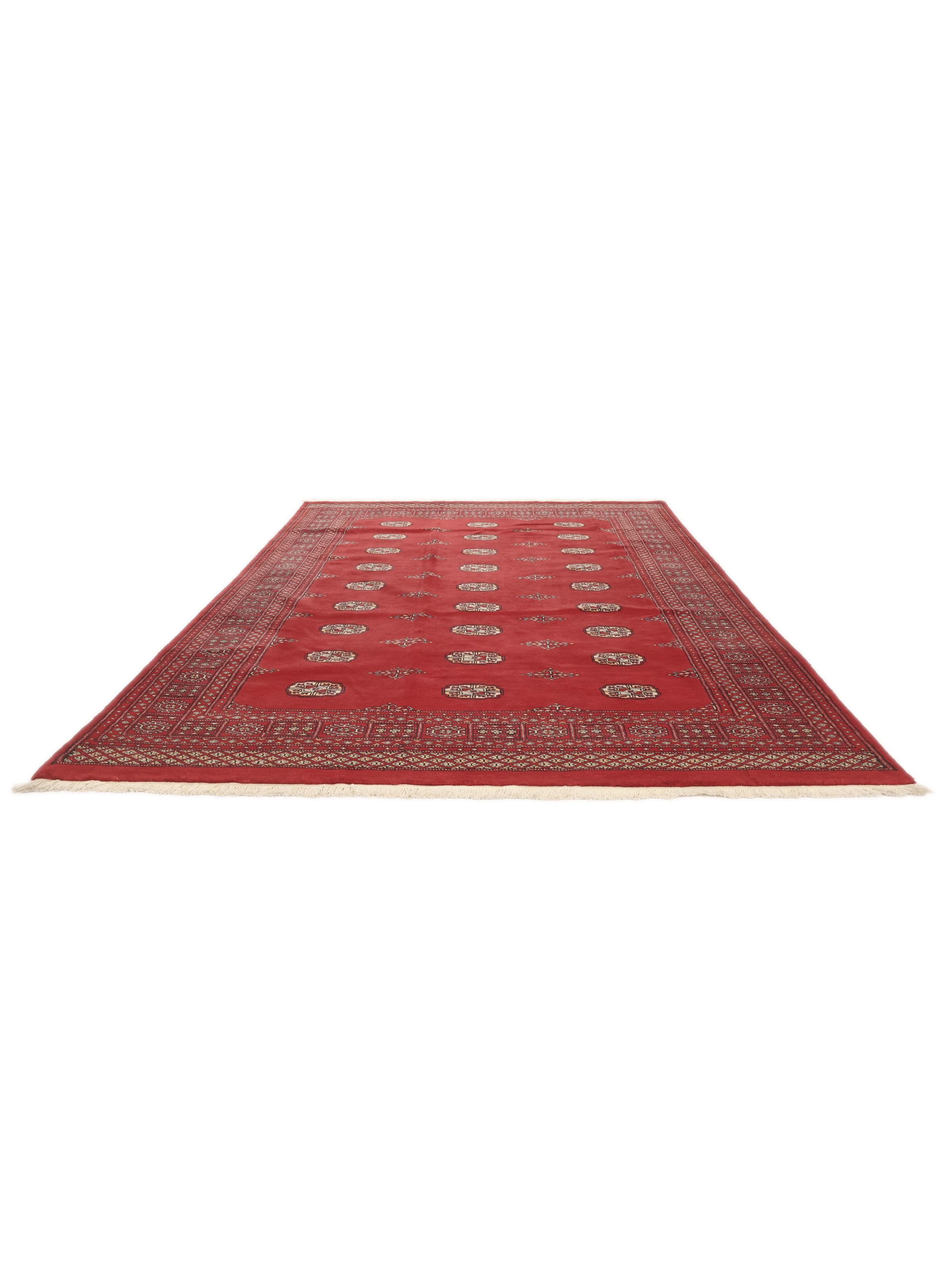
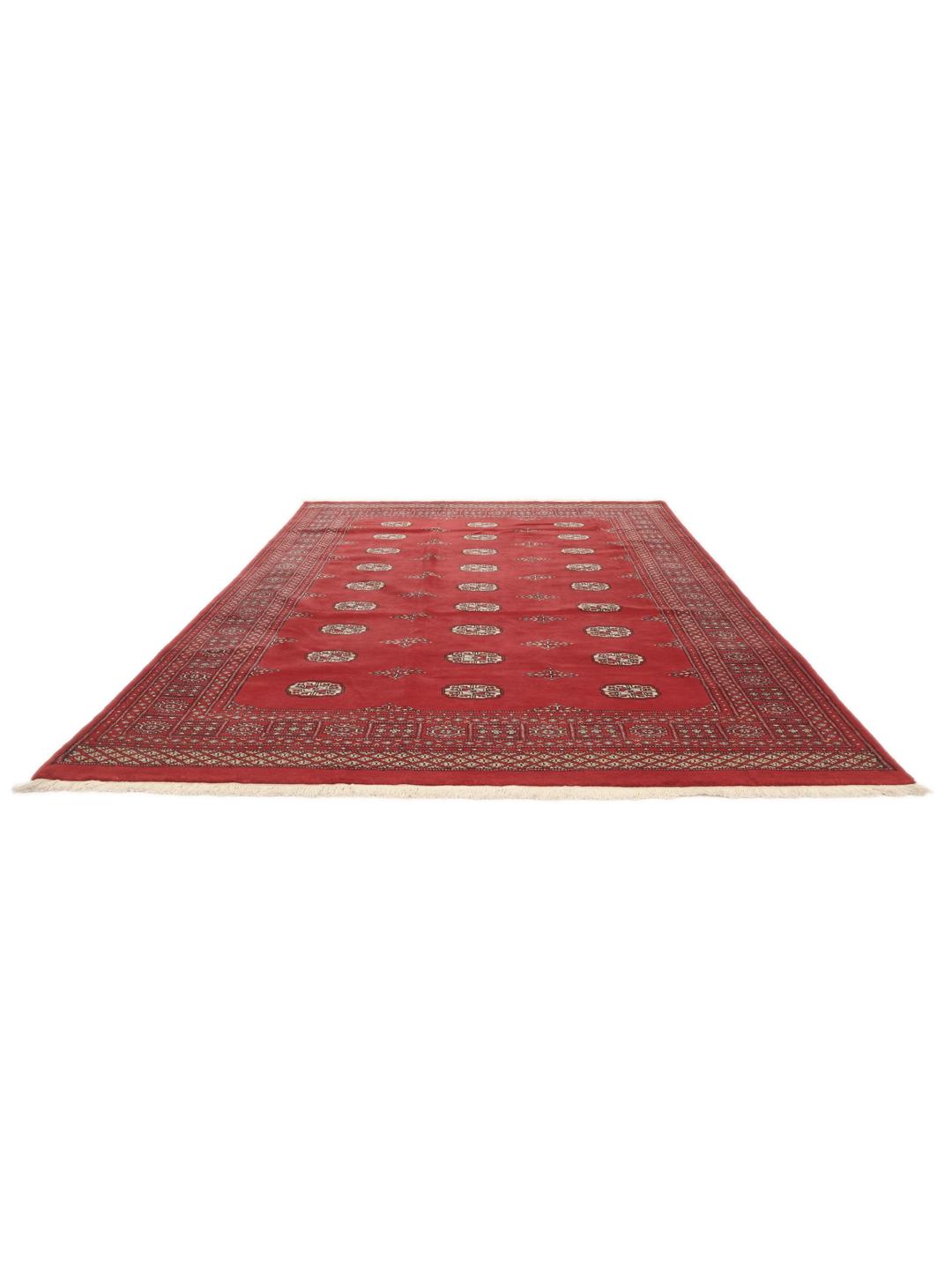
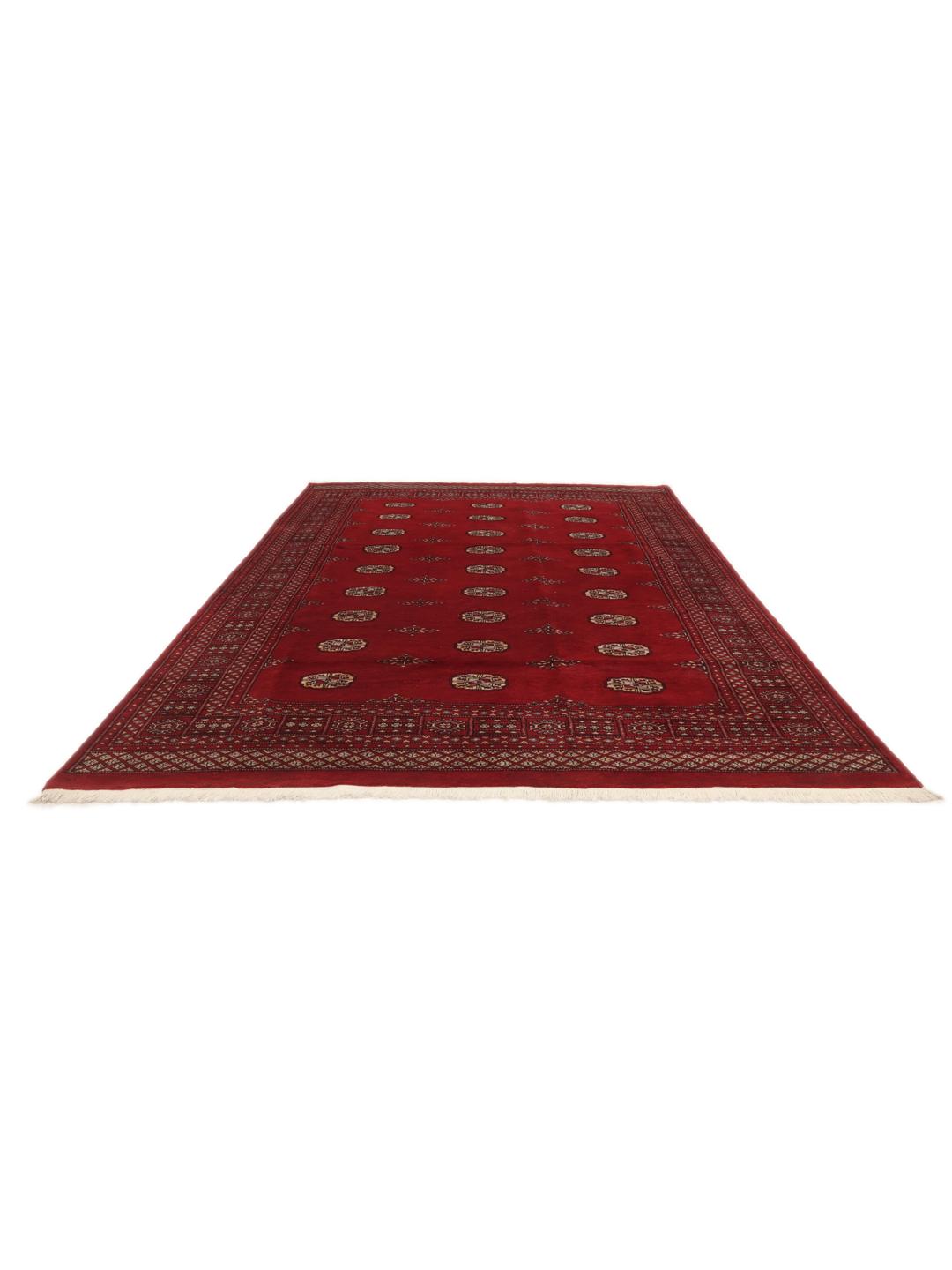
The Bokhara rug tradition is deeply rooted in the history of the Silk Road, taking its name from the ancient city of Bukhara in Central Asia. While the designs originated with nomadic tribes, the finest examples of these rugs are today masterfully produced in Pakistan, where weavers have refined the techniques over generations to achieve a consistent and high-quality finish.
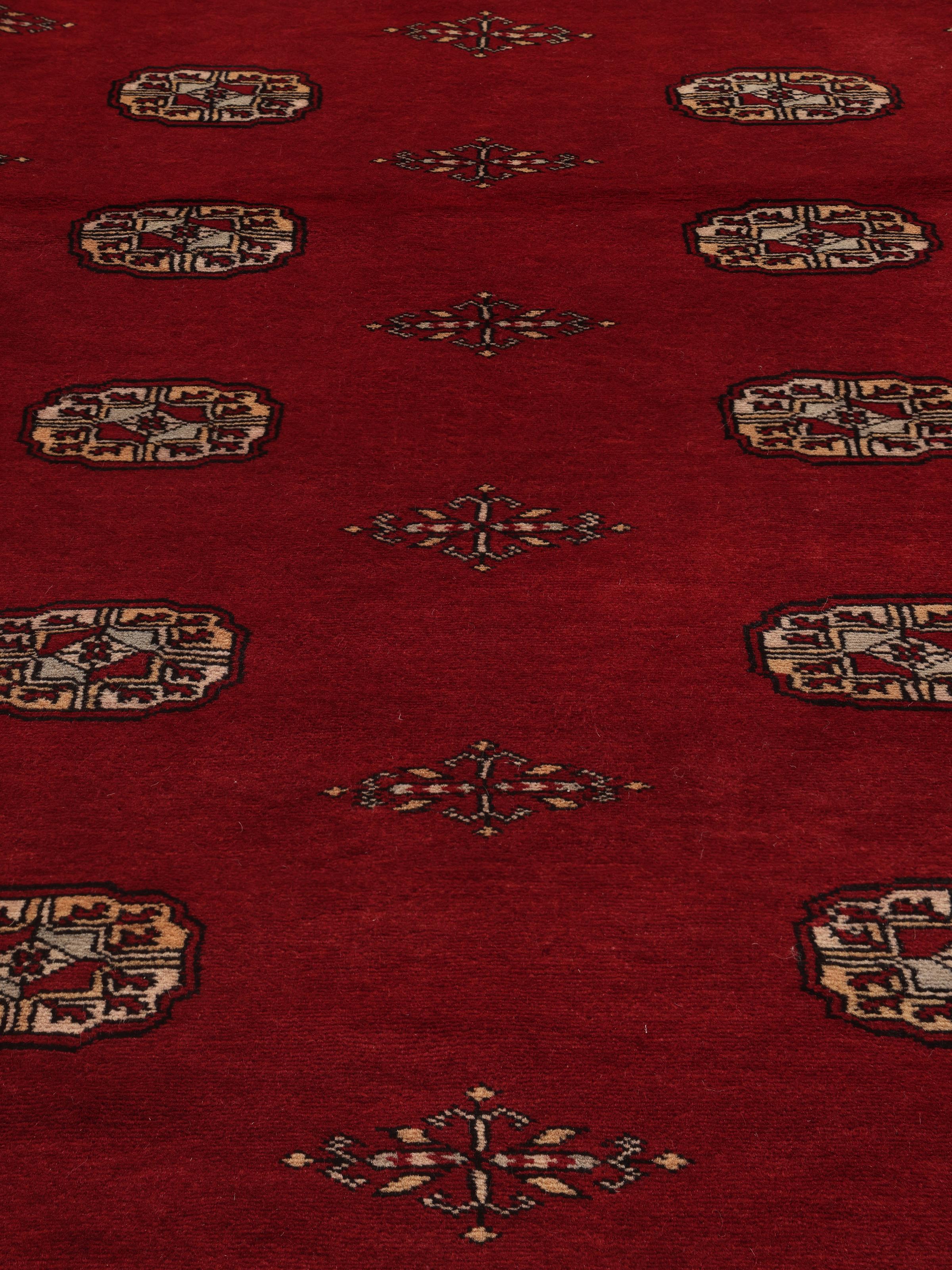
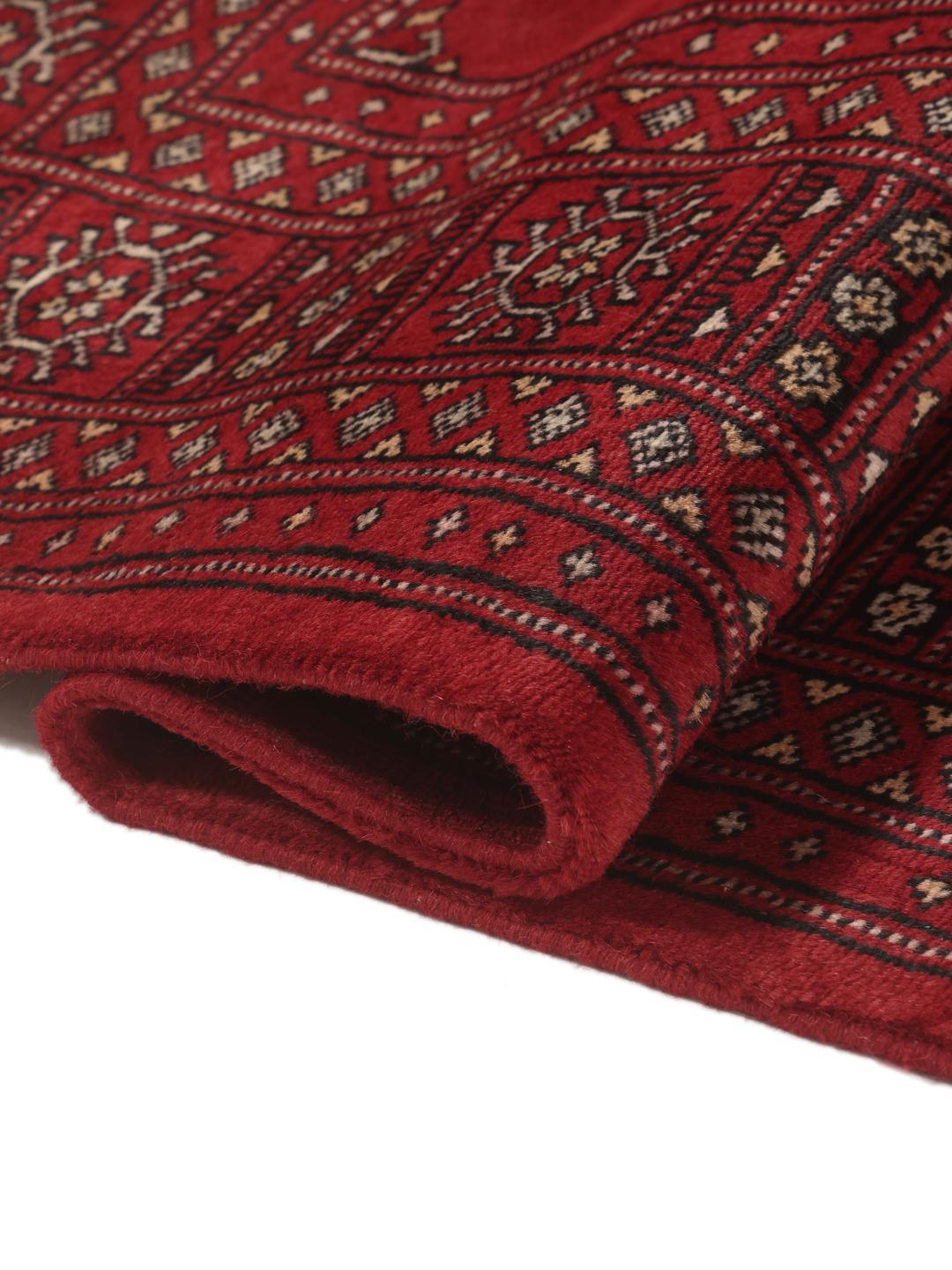
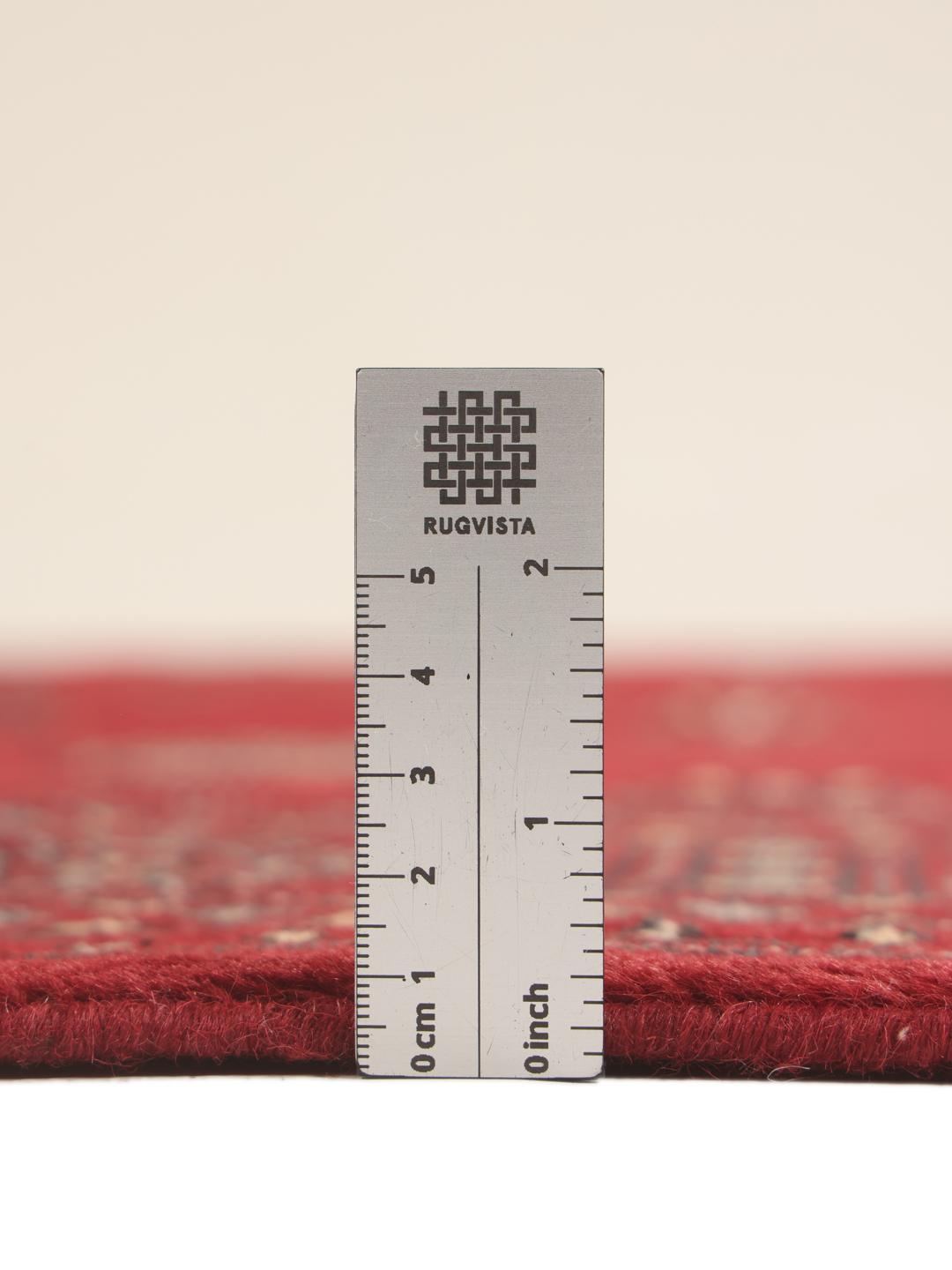
The '2ply' designation is a significant indicator of quality, referring to the use of two strands of wool twisted together to create the pile. This construction method is preferred because it produces a denser, more lustrous, and significantly more durable pile compared to single-ply alternatives, ensuring the rug retains its softness and visual appeal over time.
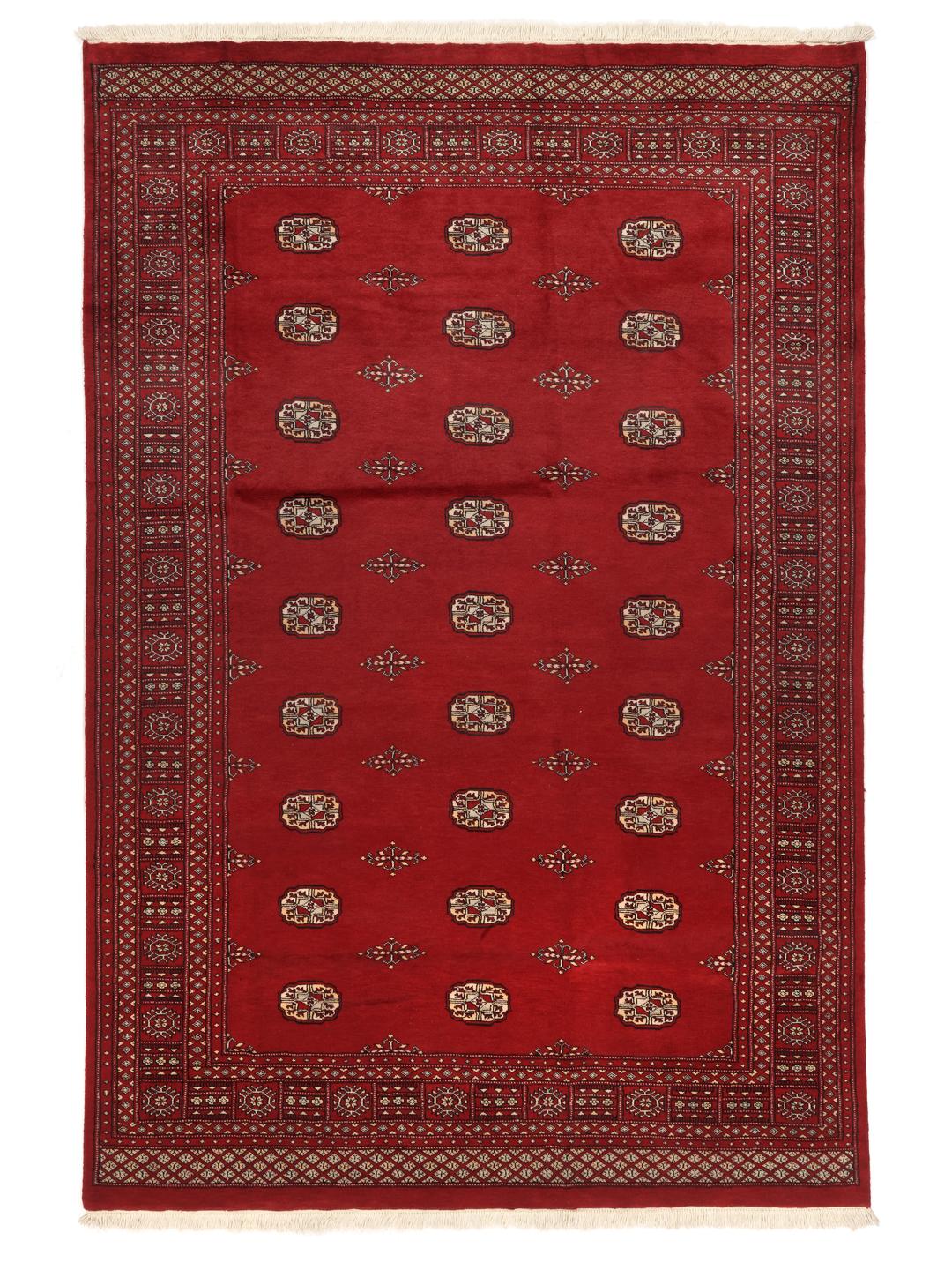
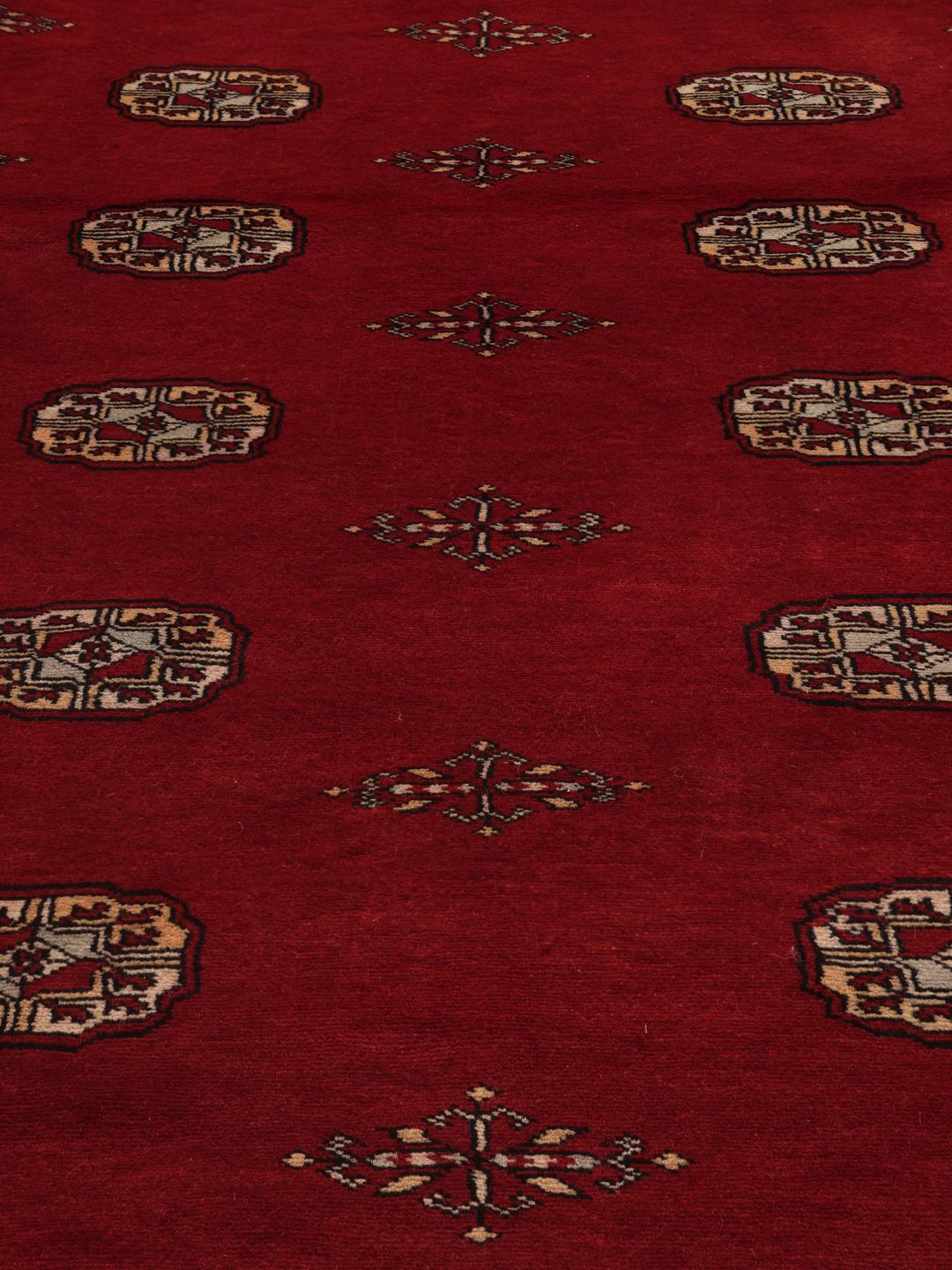
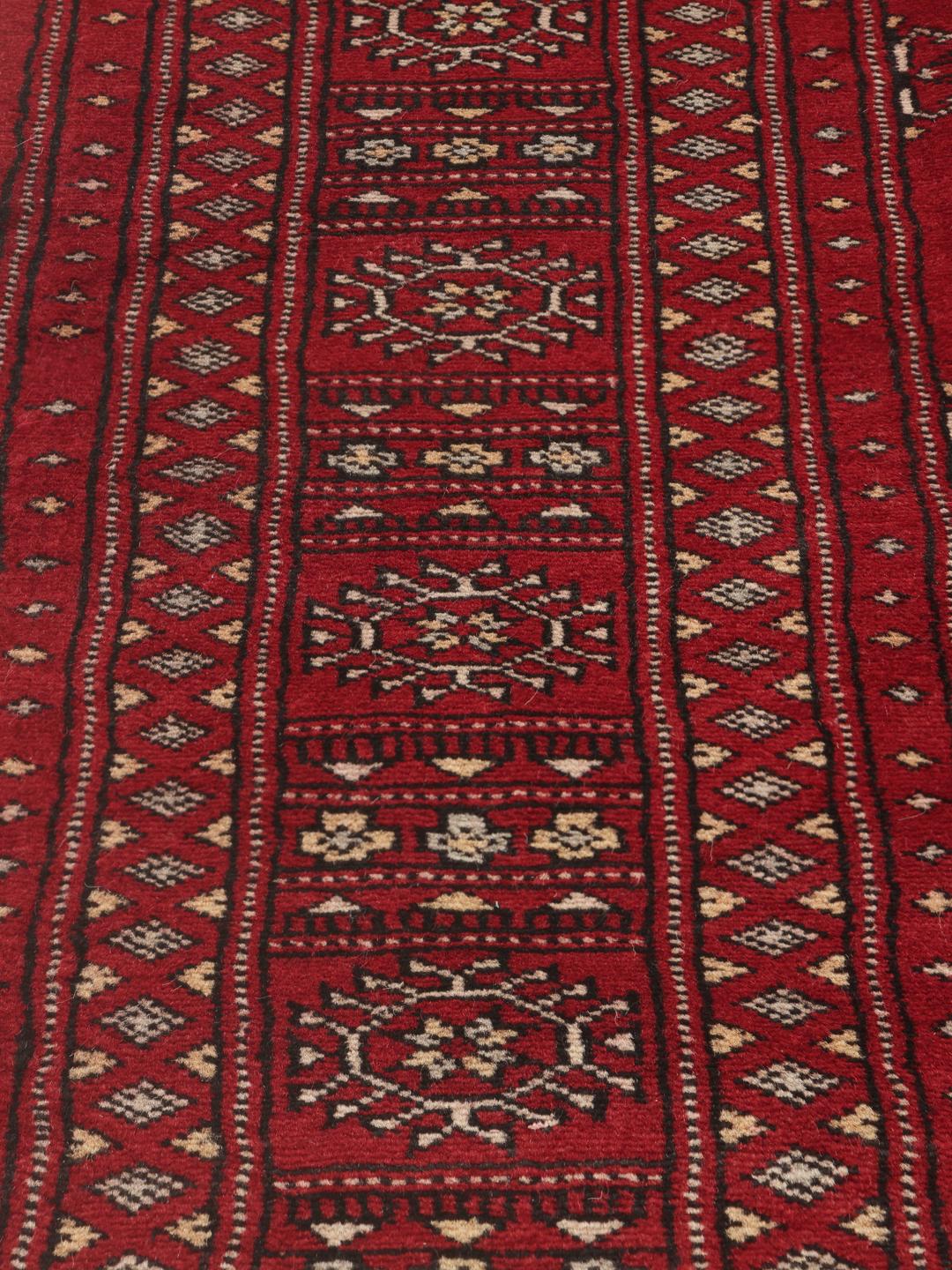
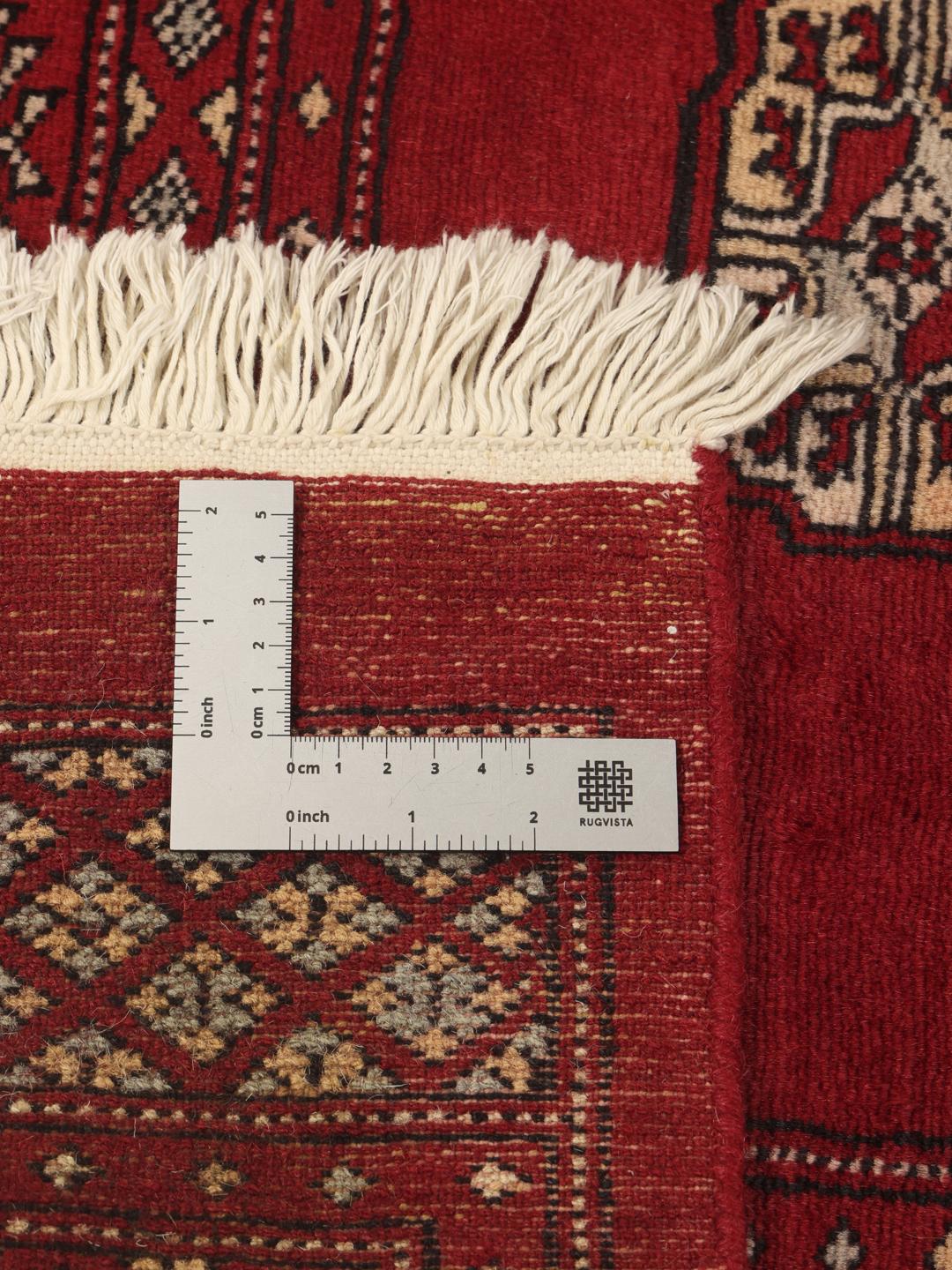
Visually, these rugs are defined by the repeating 'gul' motif, a stylized, octagonal pattern that represents the elephant's footprint, traditionally arranged in orderly rows across the field. The geometric precision of these motifs, framed by intricate, multi-layered borders, creates a balanced and formal aesthetic that has remained a hallmark of the style for centuries.
Owning a hand-knotted Pakistan Bokhara is an investment in a storied tradition of craftsmanship. These rugs are highly valued by collectors and homeowners alike for their ability to bridge the gap between historical artistry and modern comfort, serving as a testament to the skill required to translate ancient patterns into enduring floor coverings.