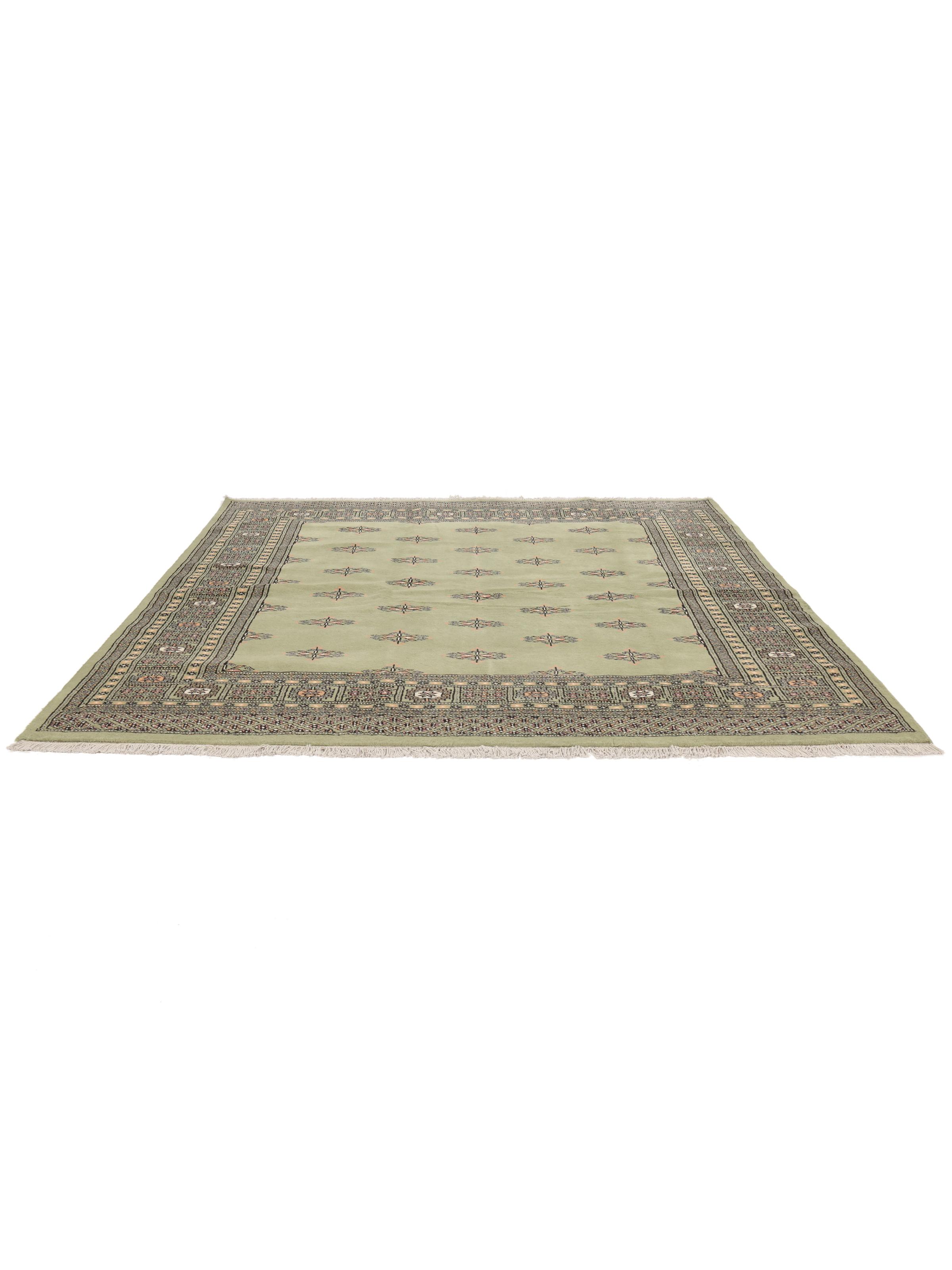
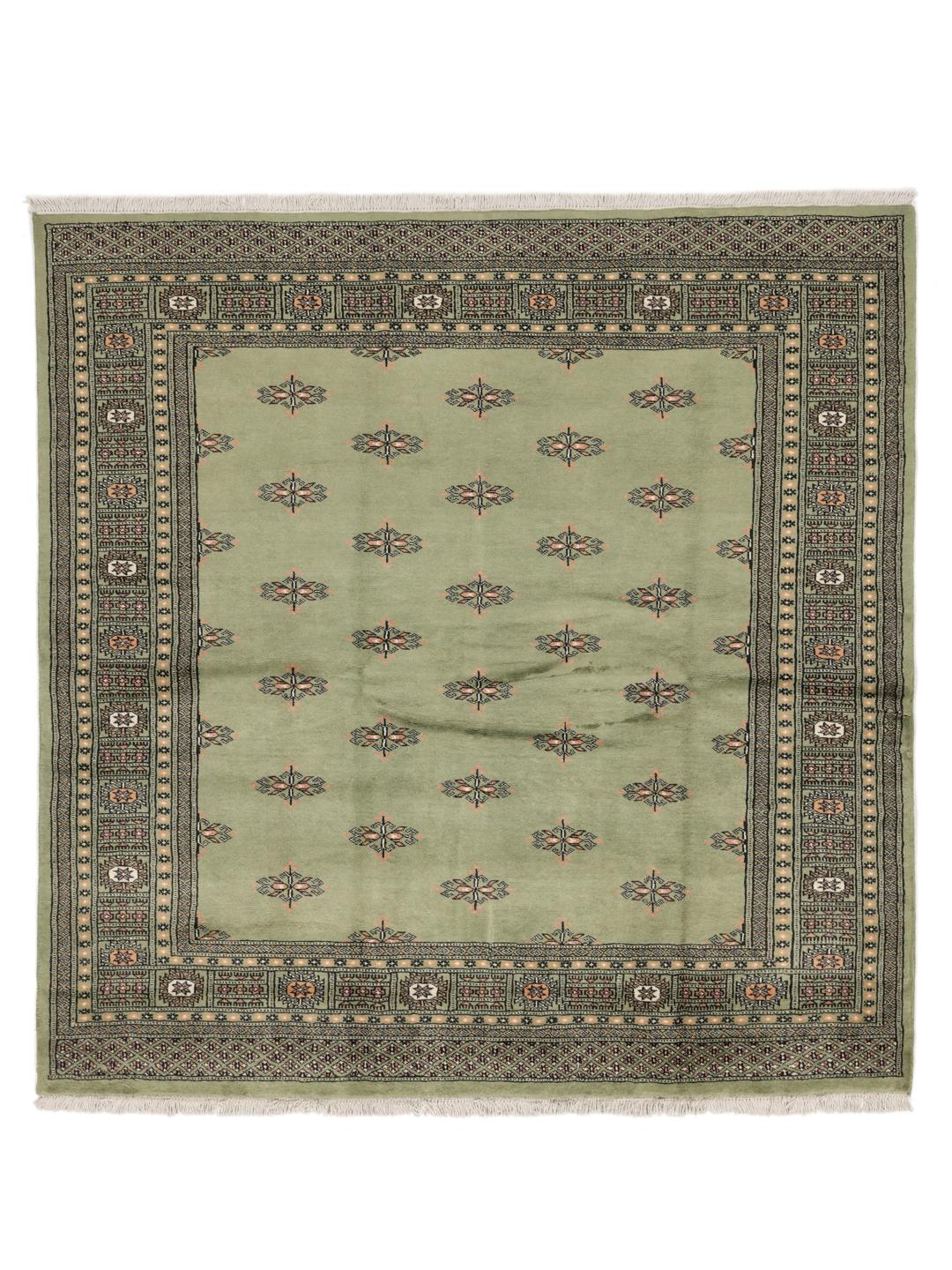
The Bokhara rug tradition is deeply rooted in the history of the Central Asian Silk Road. While the name originates from the ancient city of Bukhara, the most celebrated examples today are crafted in Pakistan, where the tradition has been preserved and refined for generations. These rugs represent a bridge between historical nomadic artistry and modern home comfort.
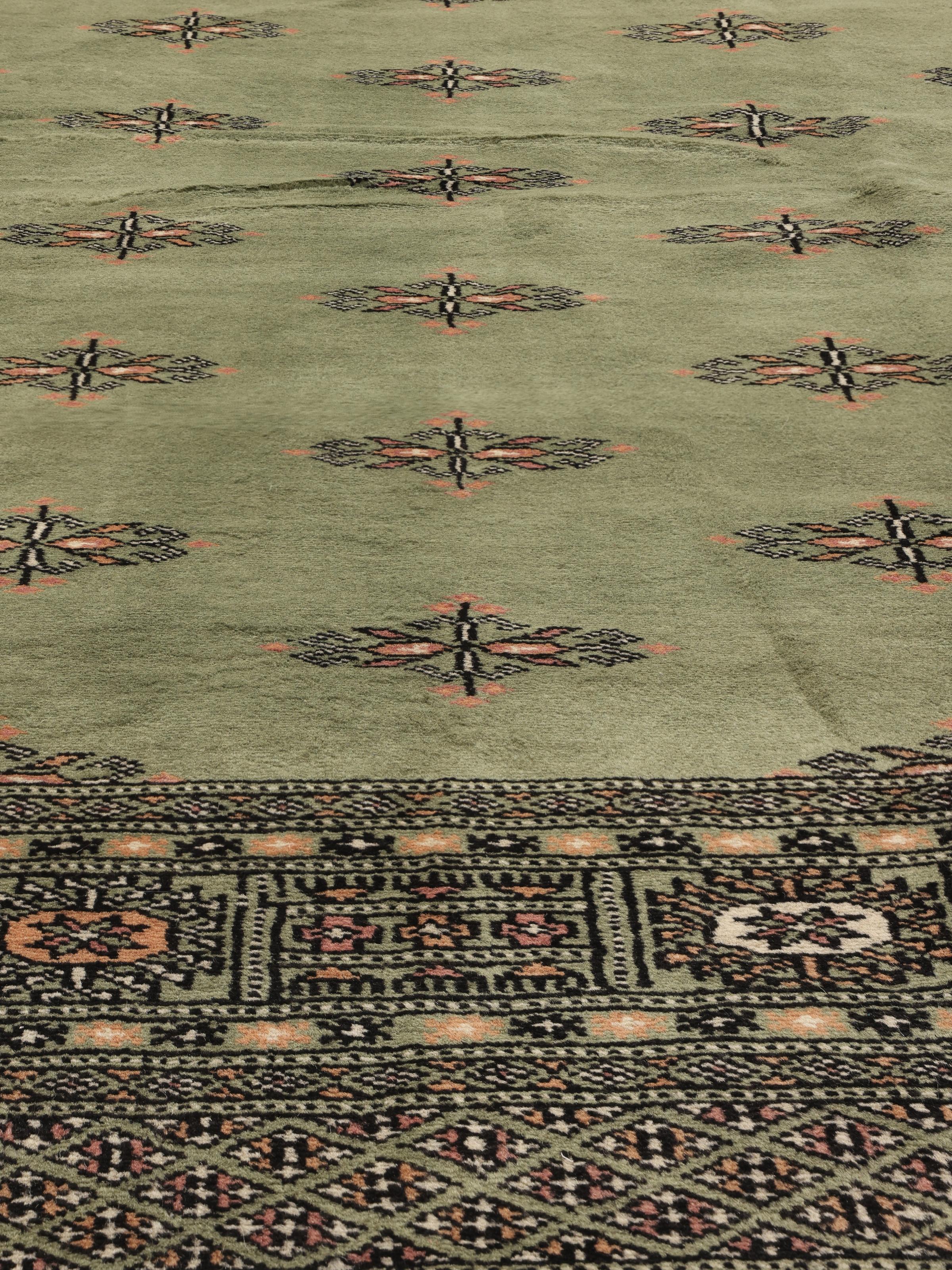
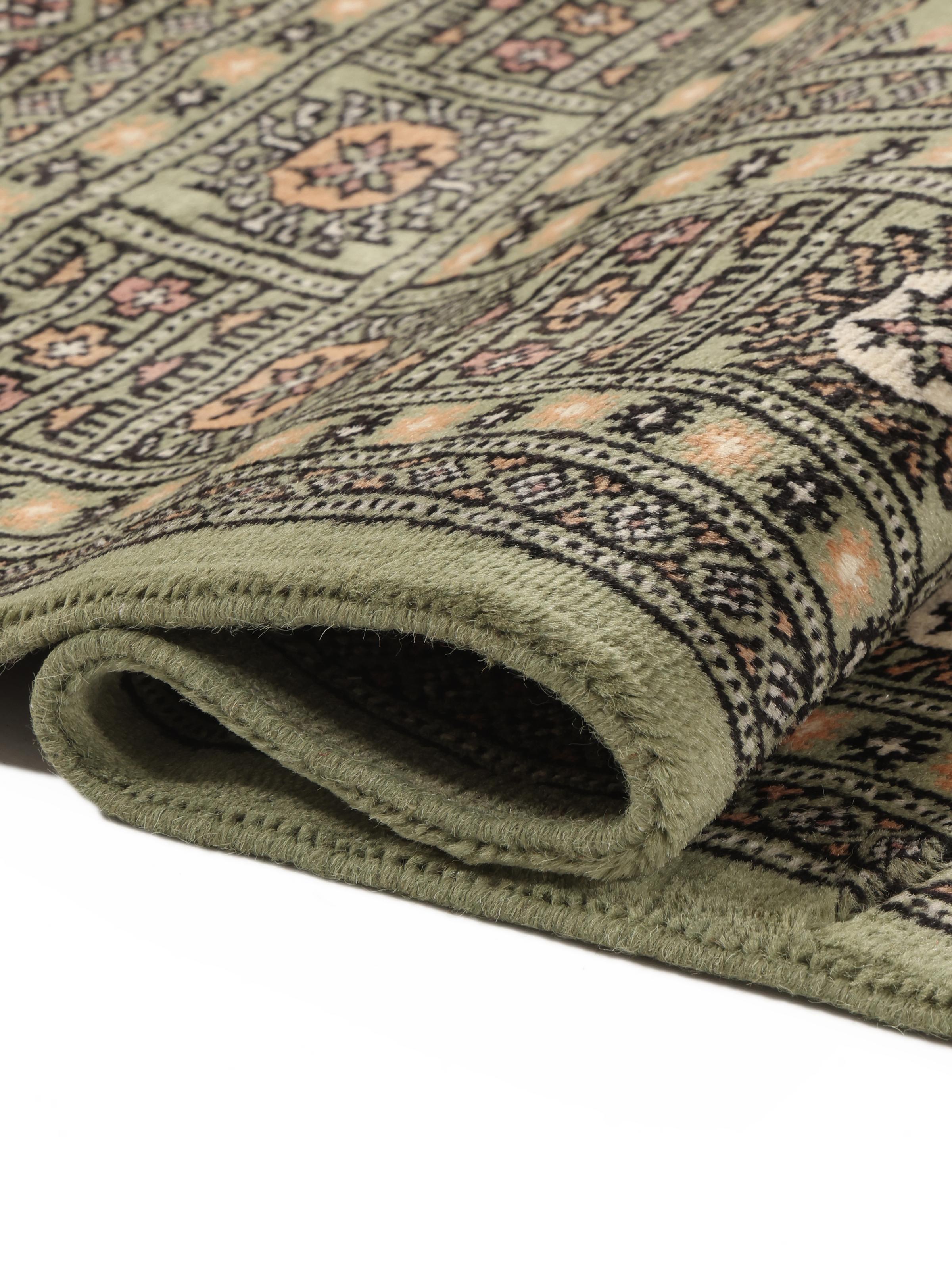
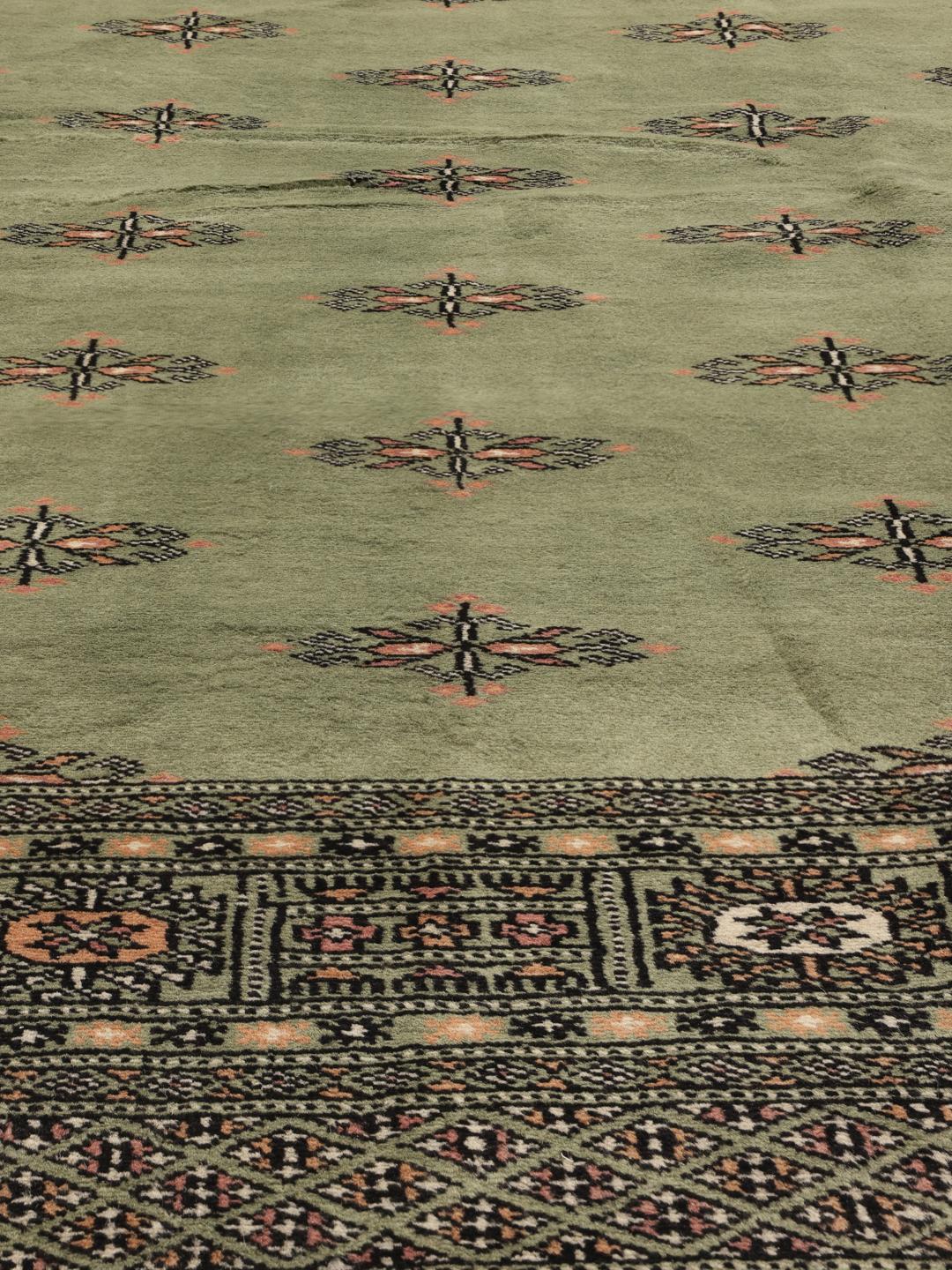
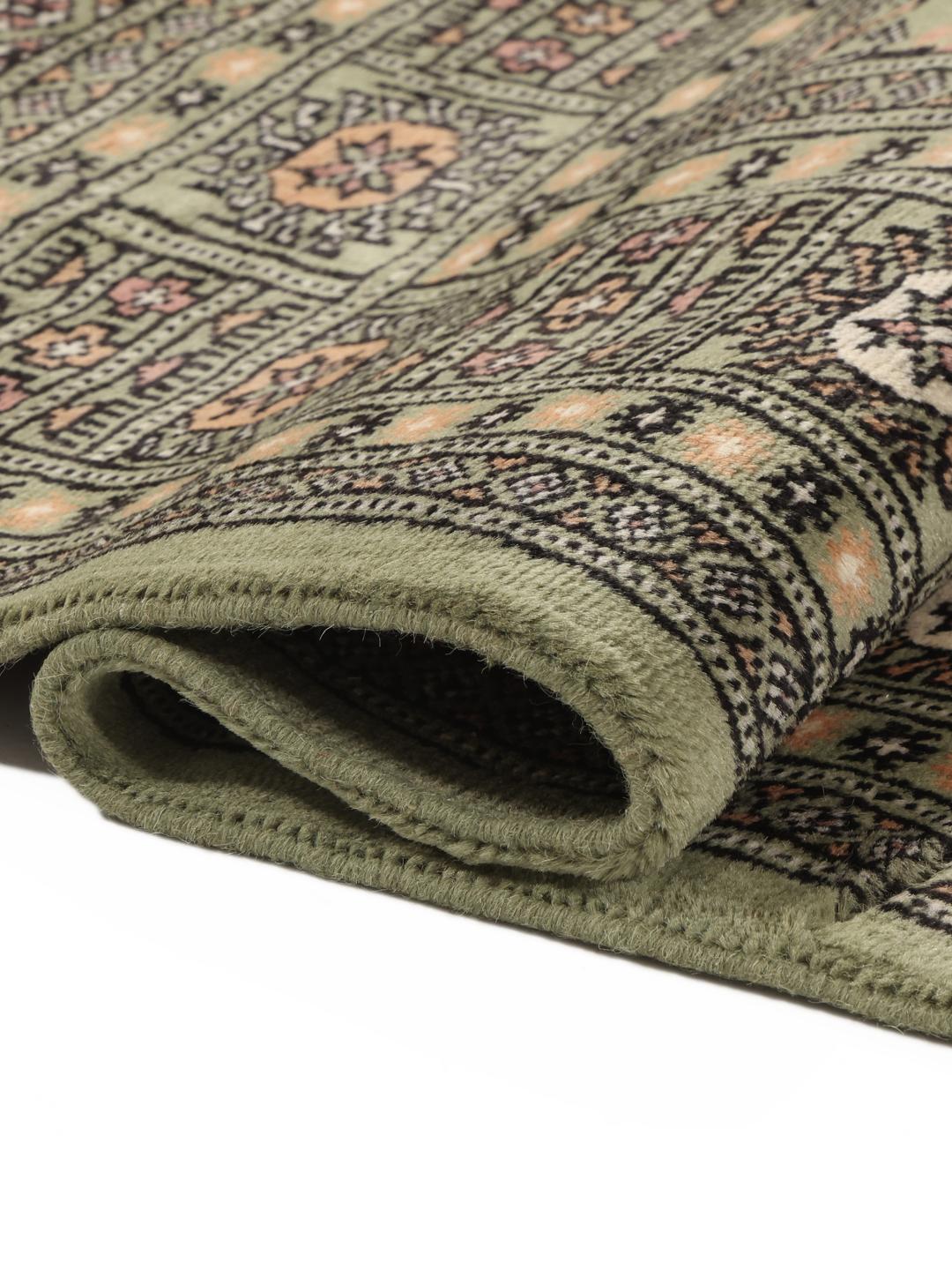
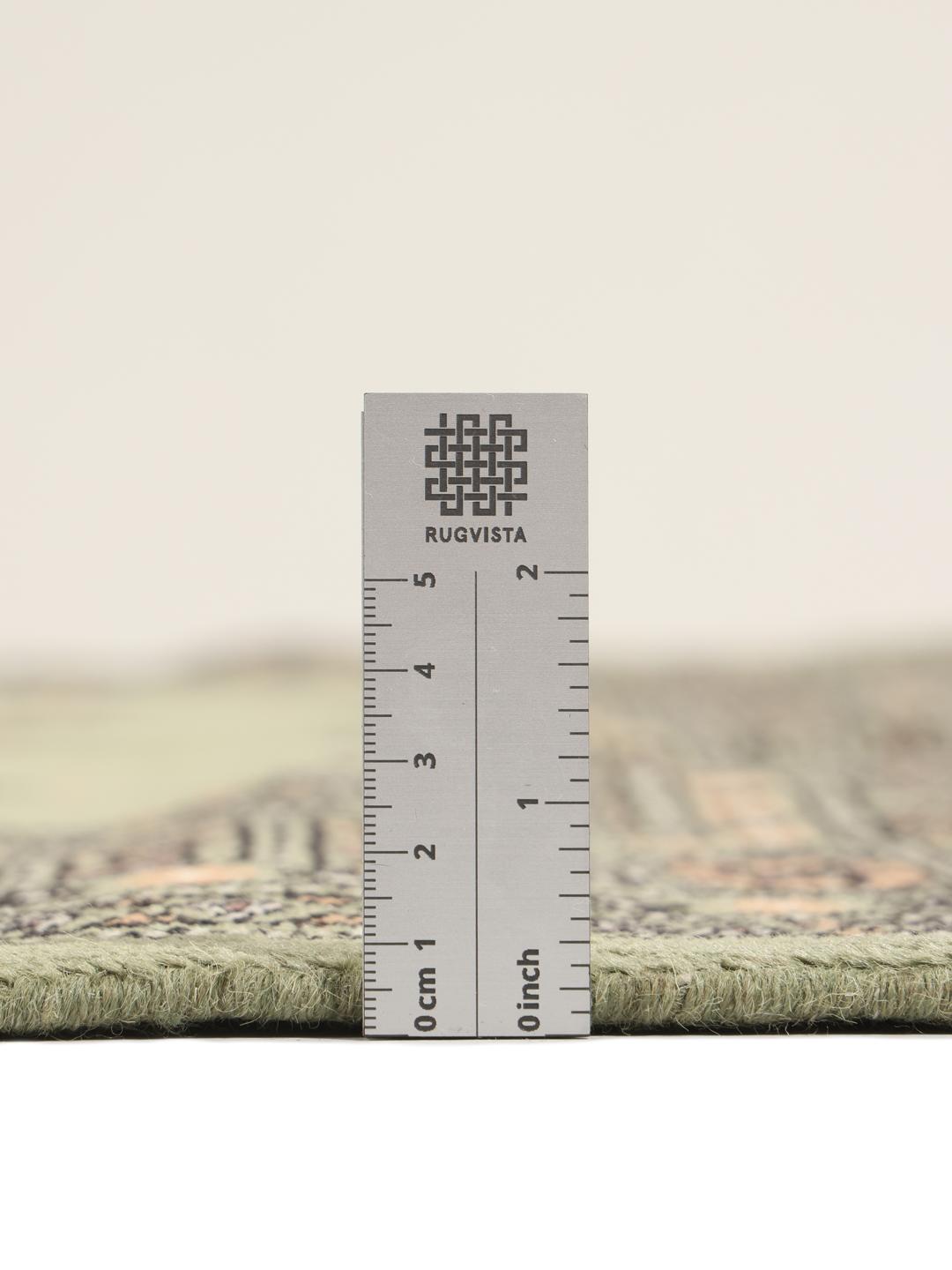
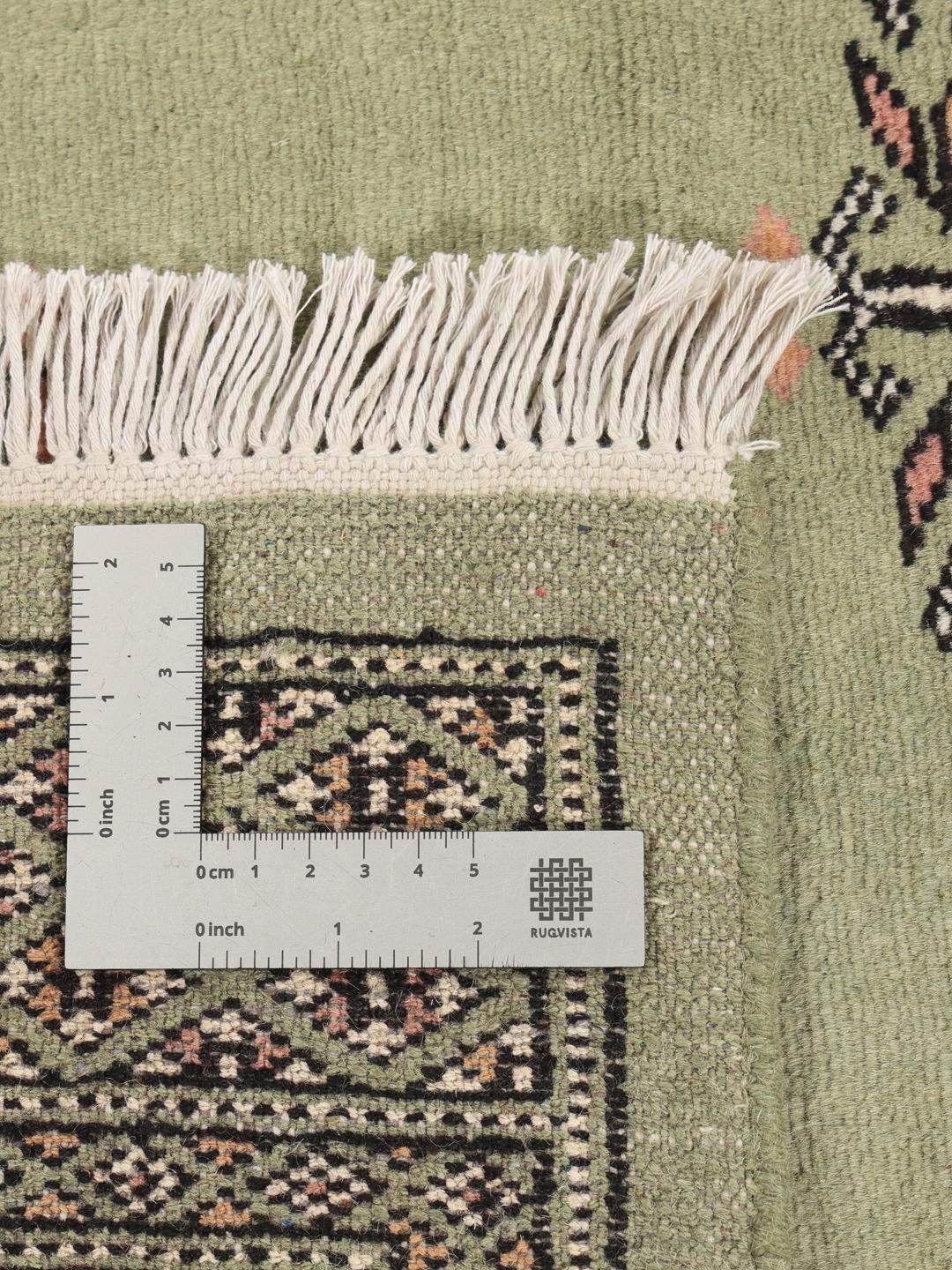
The '2ply' designation refers to the construction of the pile, where two strands of wool are twisted together before being knotted. This technical choice is significant because it produces a pile that is thicker, more lustrous, and exceptionally resilient. For the owner, this means a rug that not only looks more vibrant but also feels more substantial and wears better over time.
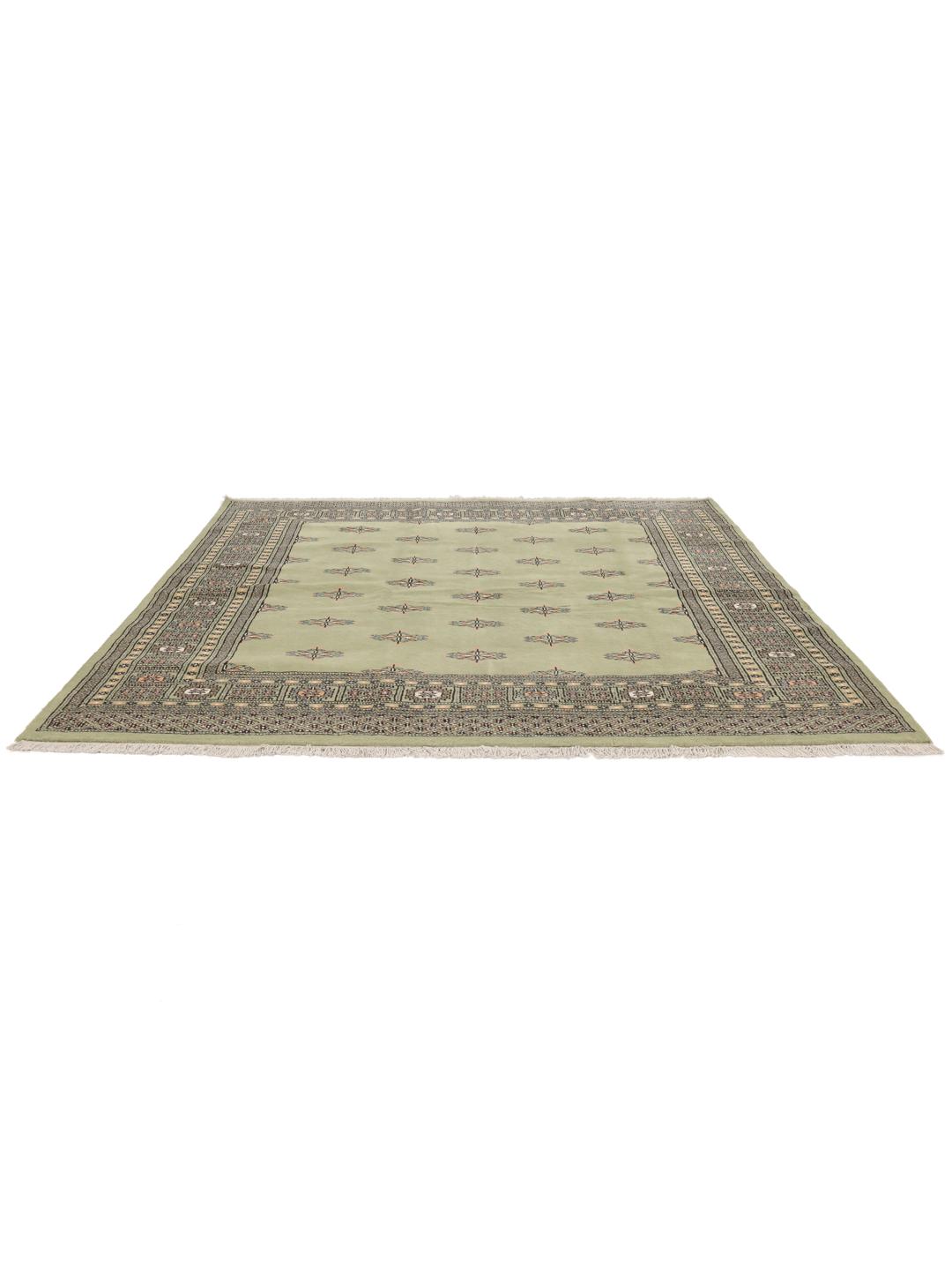
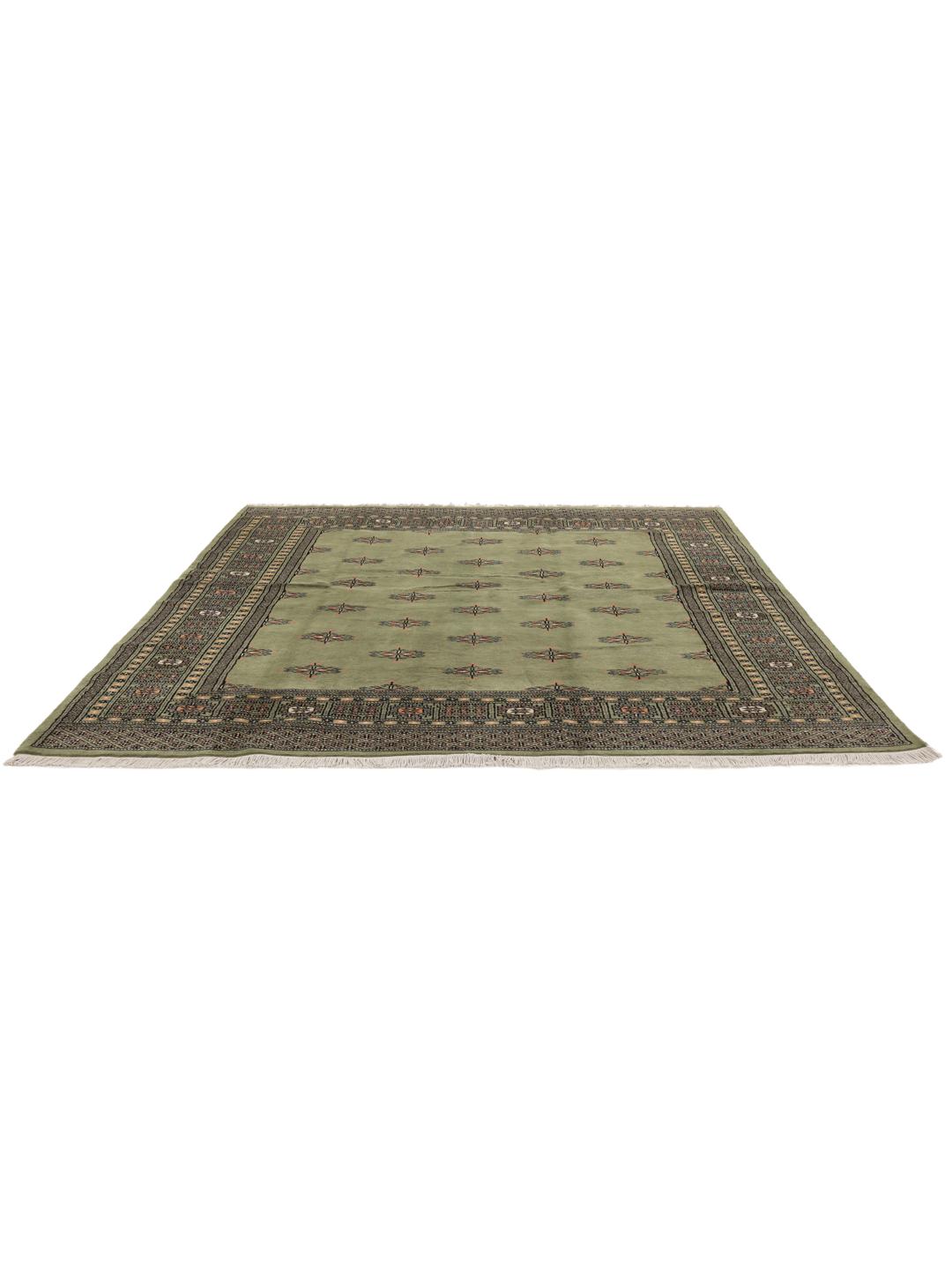
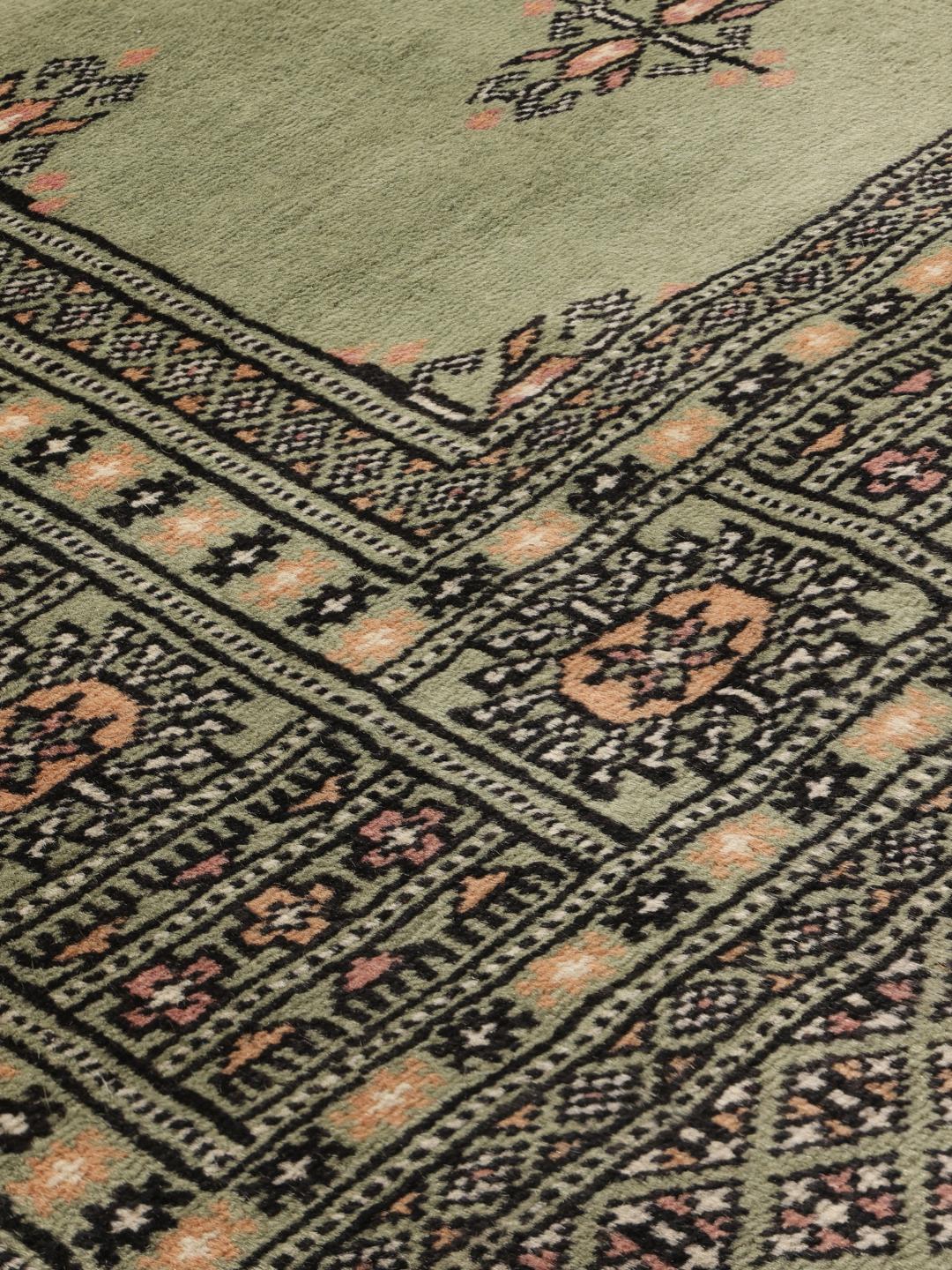
Visually, these rugs are defined by their repetitive 'gul' motifs, which are often described as elephant-foot medallions. These geometric shapes are typically arranged in clean, orderly rows, framed by intricate, formal borders that draw the eye inward. The use of a serene green field is a sophisticated variation on the more traditional red palettes, offering a calmer and more contemporary aesthetic while keeping the classic spirit of the design.
Owning a hand-knotted rug from this tradition is an act of preserving a heritage of skill. It is valued not just for its visual appeal, but for the human story woven into every inch of the fabric. These pieces are collected by those who appreciate the intersection of cultural history and functional art, serving as a testament to a craft that has remained largely unchanged for centuries.