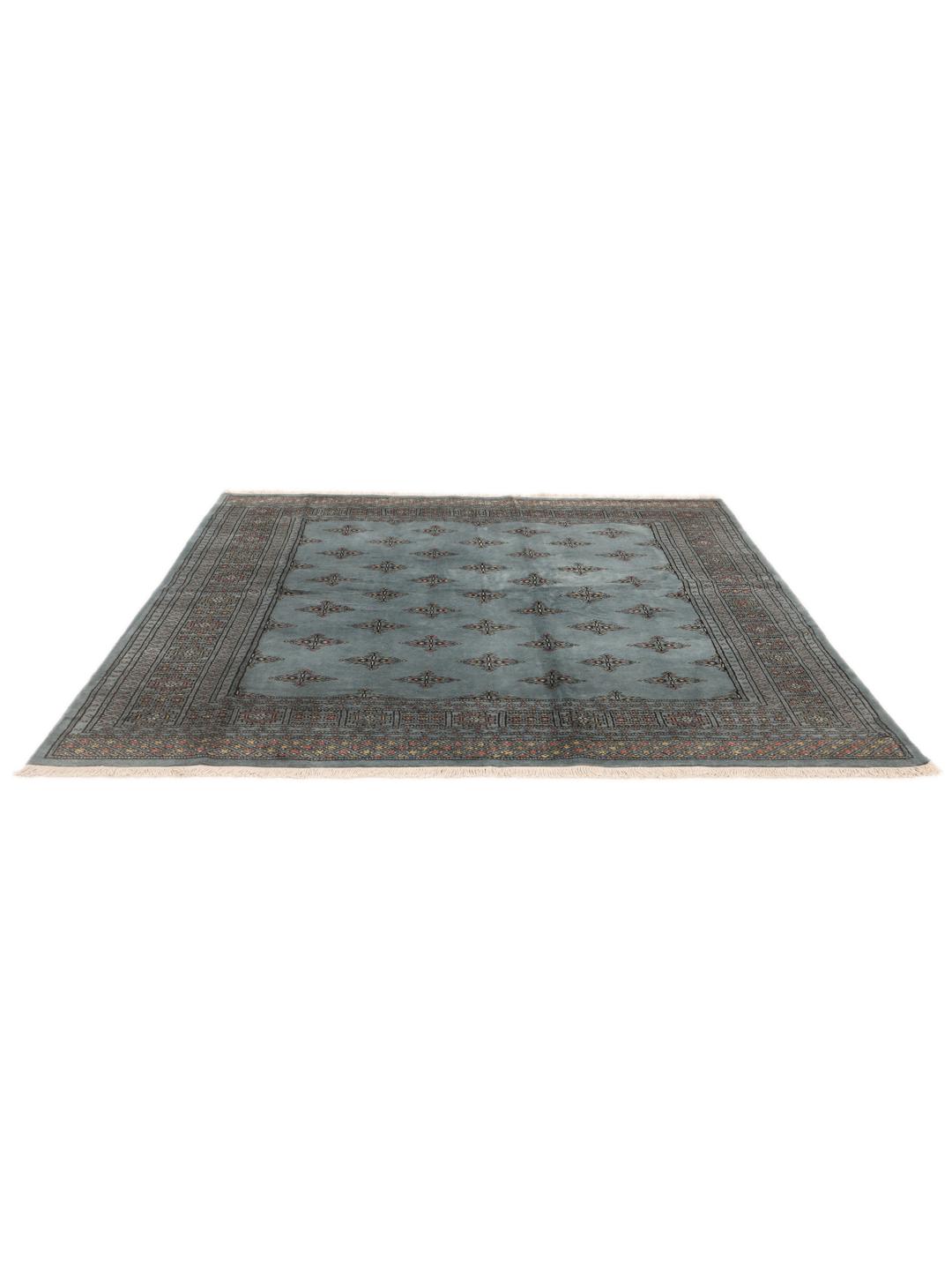
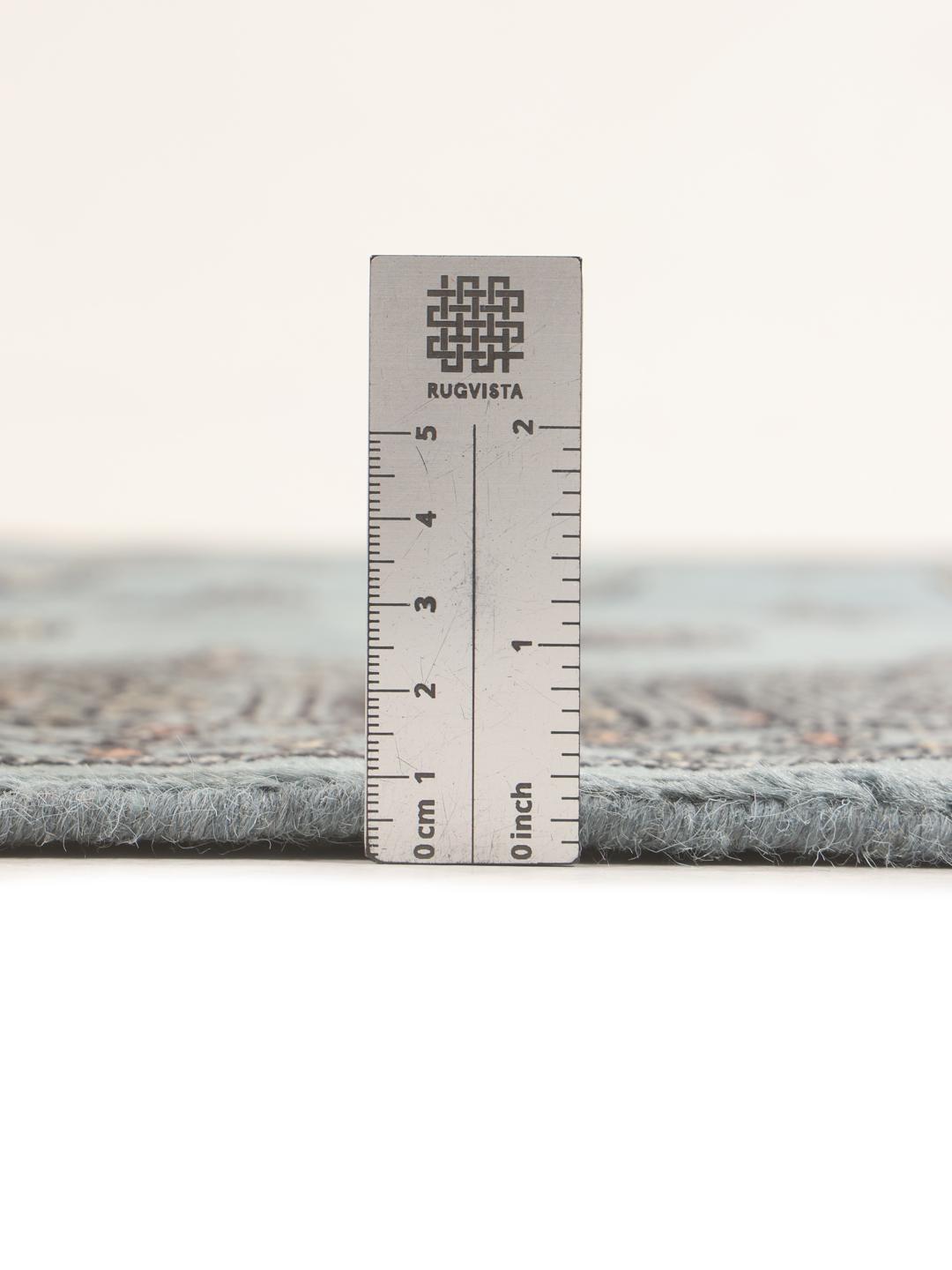
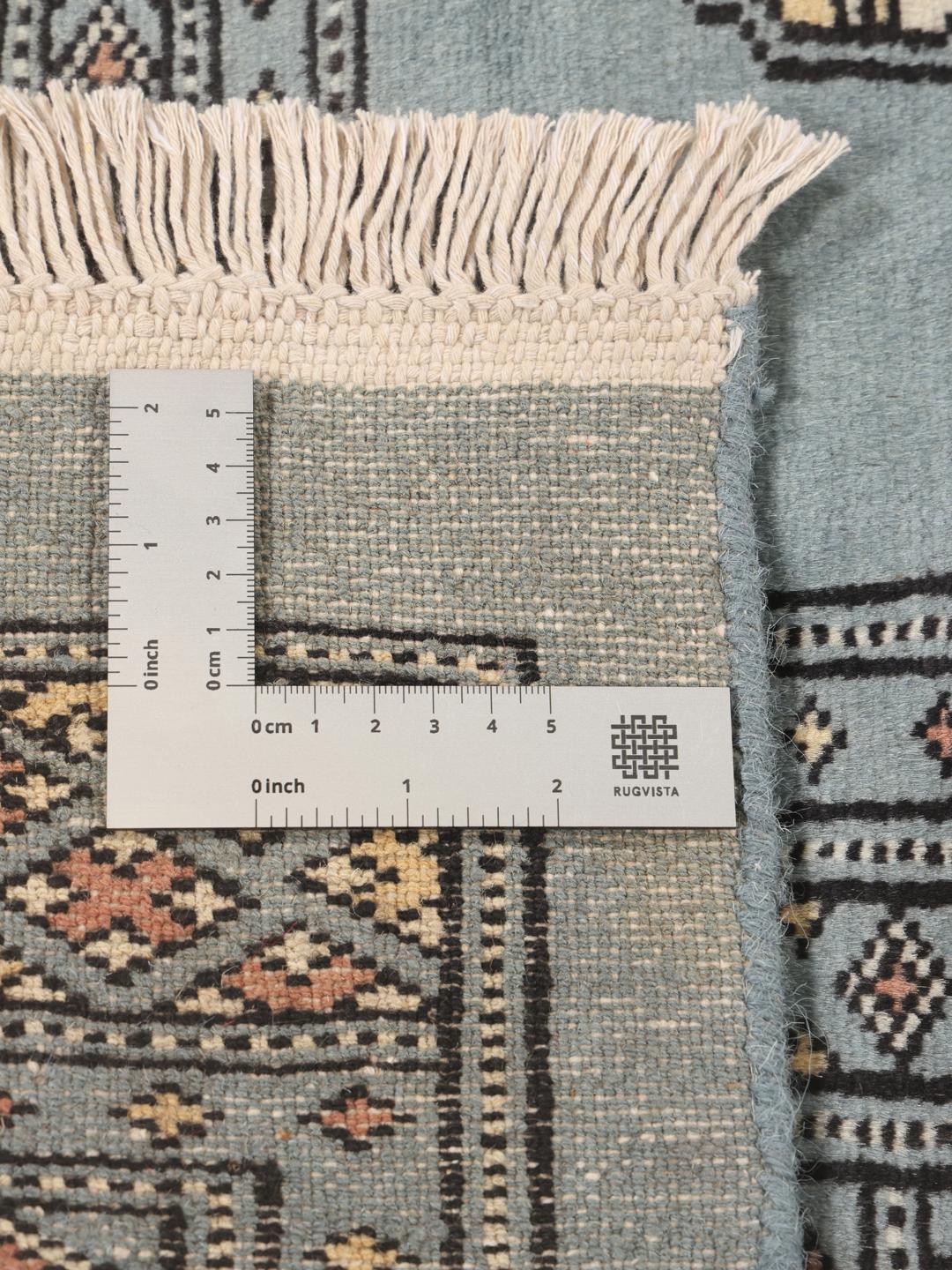
Bokhara rugs are deeply rooted in the history of the ancient Silk Road, drawing their name from the legendary city of Bukhara in Central Asia. While the traditional designs originated with nomadic tribes, the finest examples of these rugs are now masterfully produced in Pakistan, where the tradition has been refined over generations.
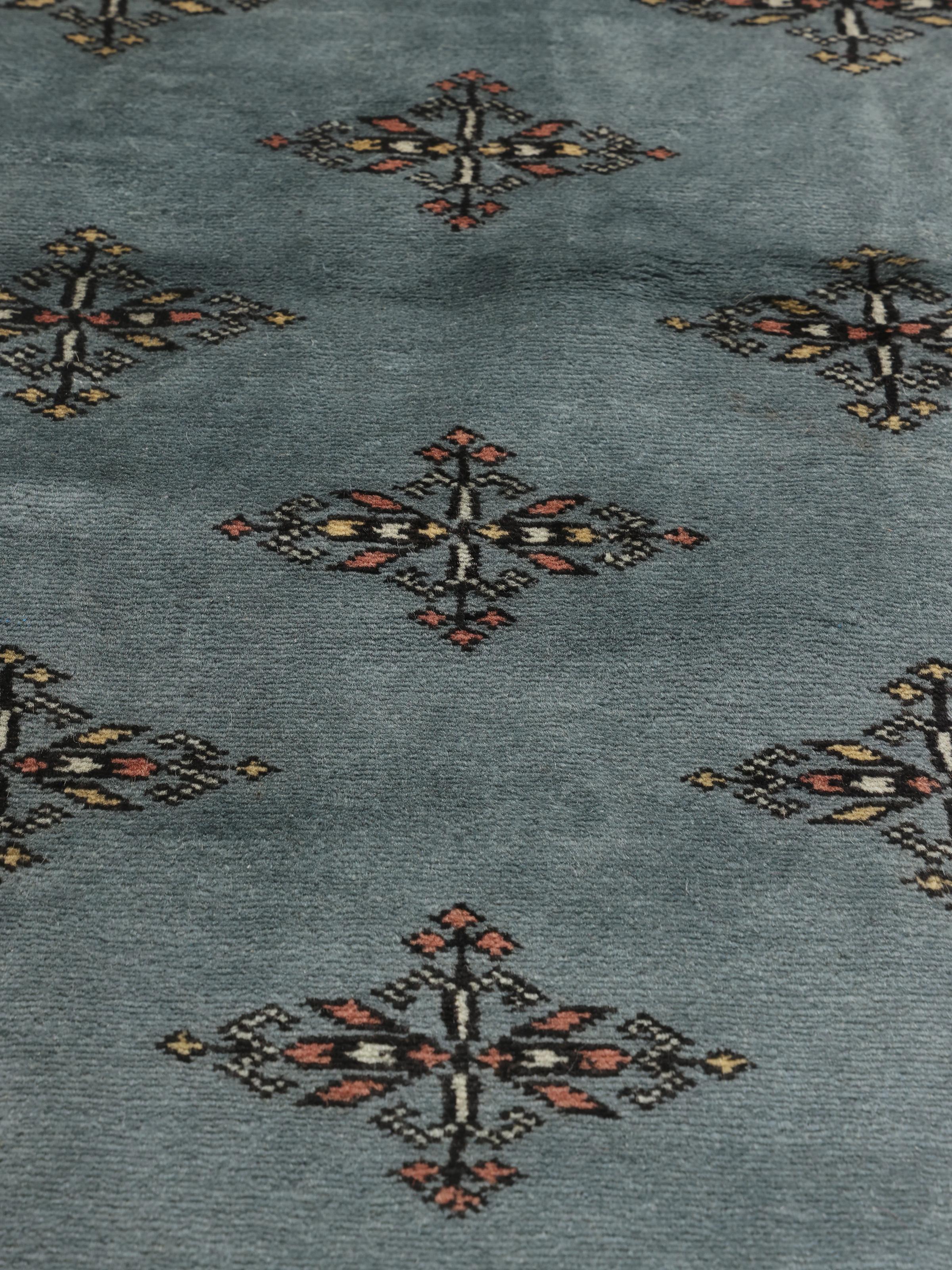
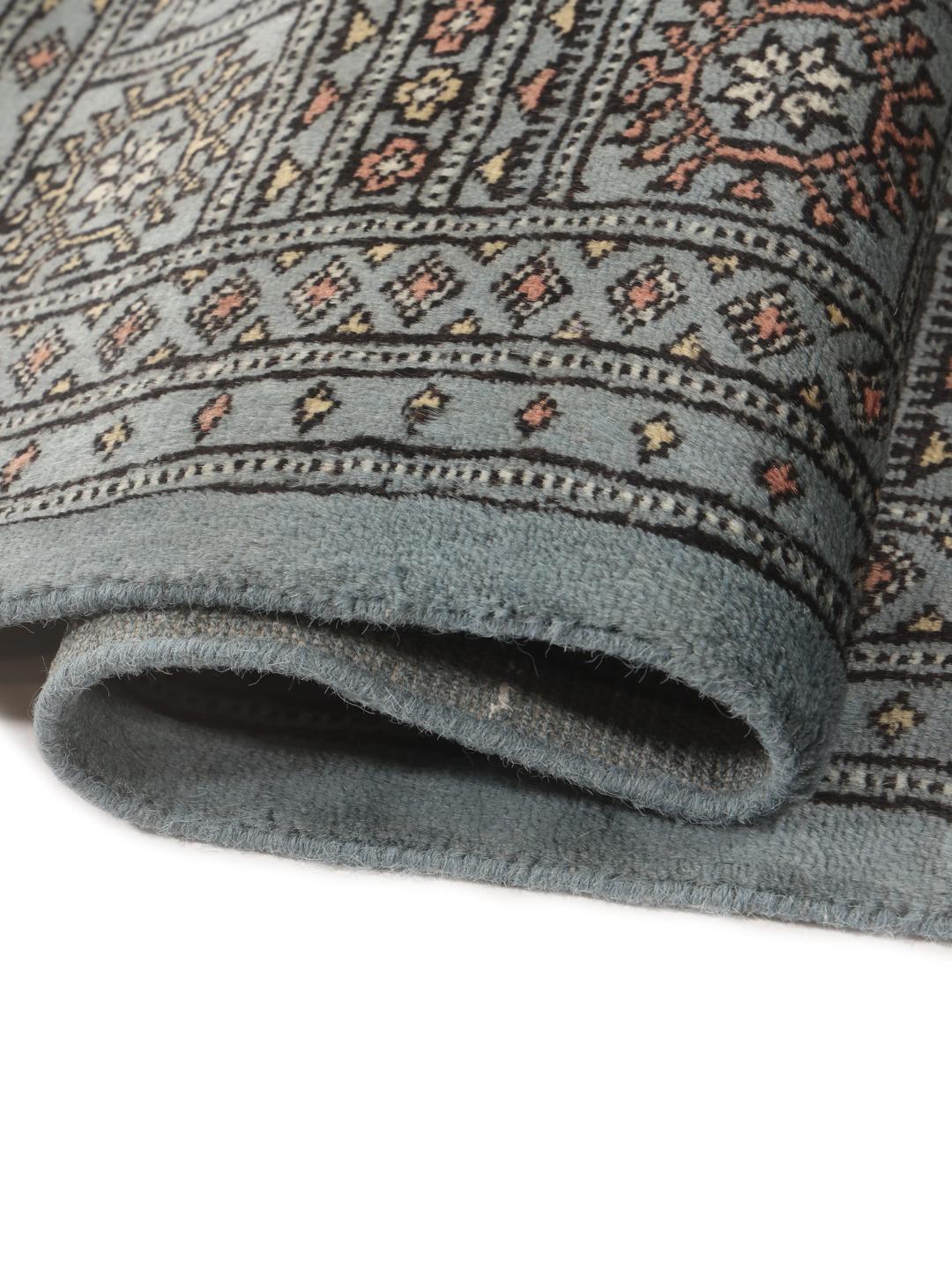
The '2ply' designation refers to the specific way the wool is prepared before weaving. By twisting two strands of wool together, the artisan creates a yarn that is more lustrous, durable, and resilient than single-strand alternatives. This technique is essential for achieving the soft, velvety sheen that collectors appreciate in a high-quality rug.
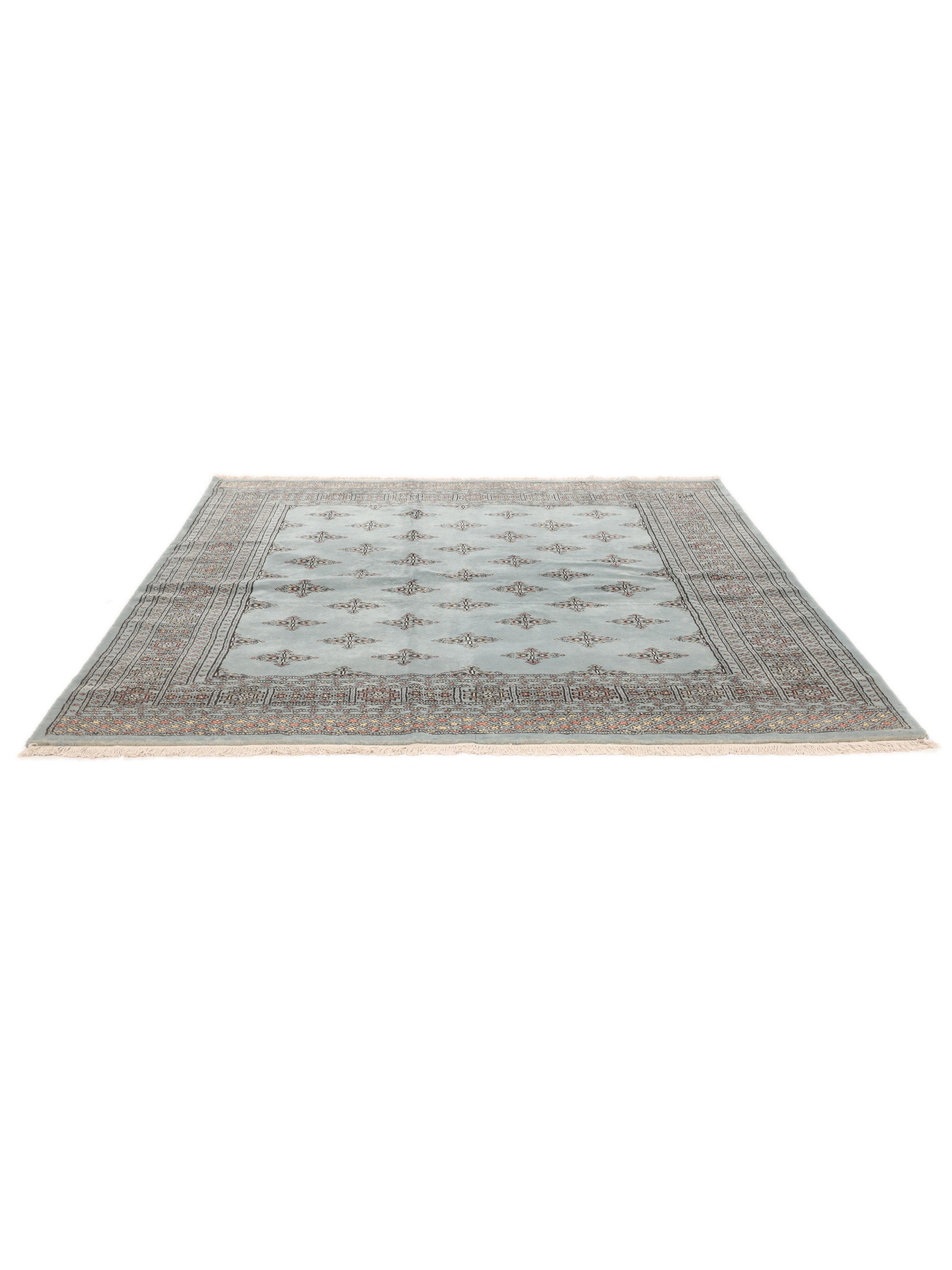
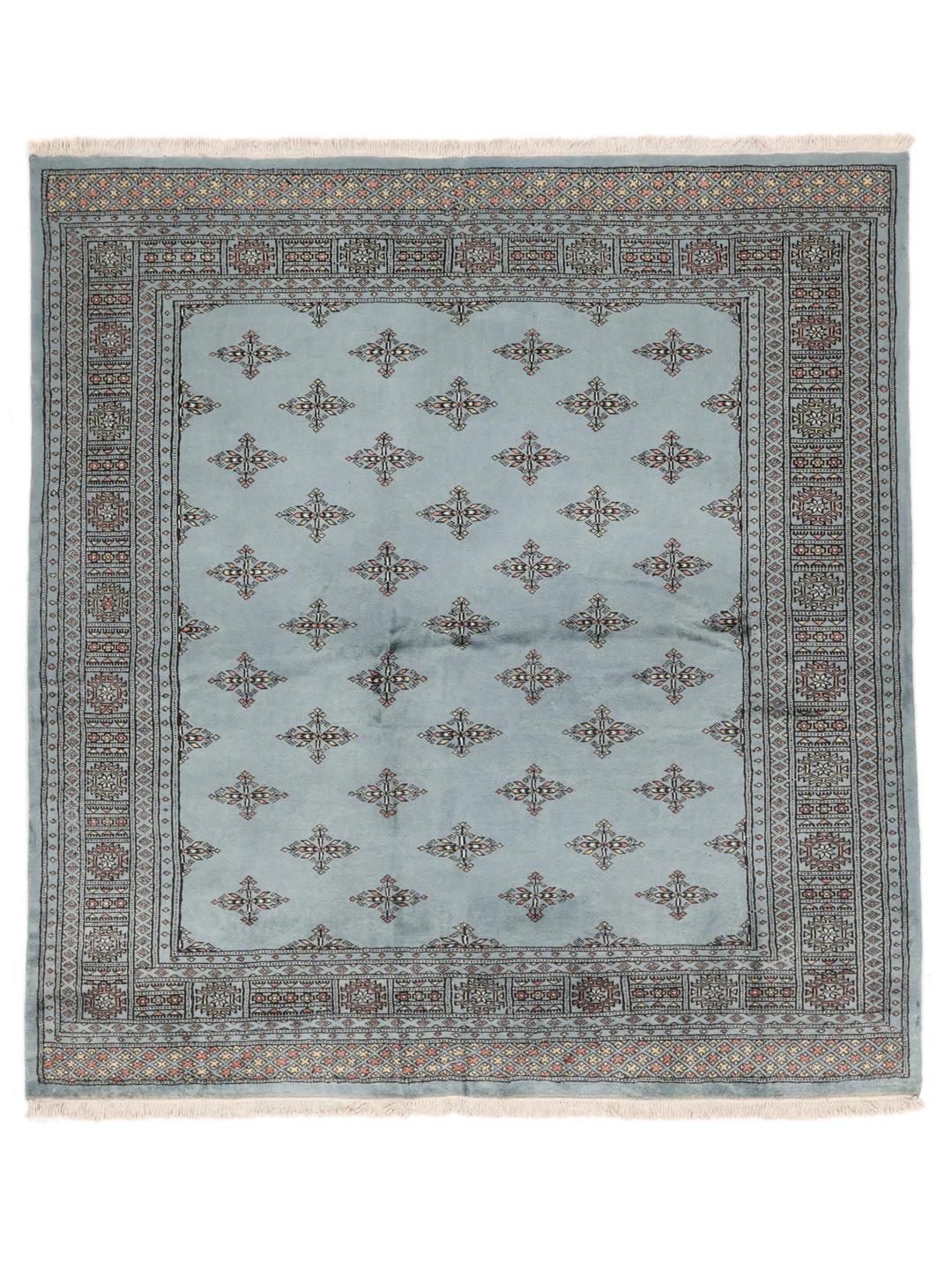
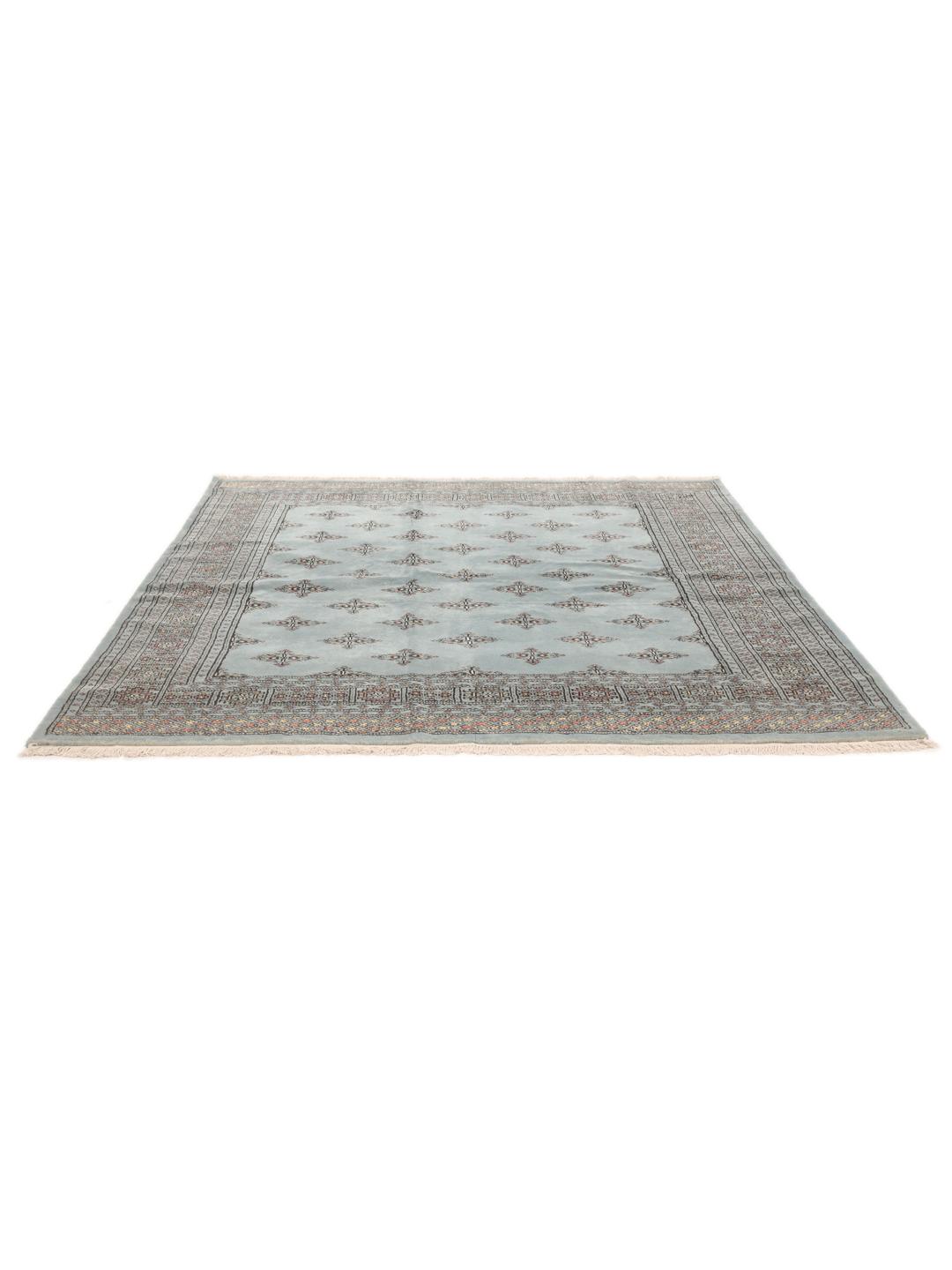
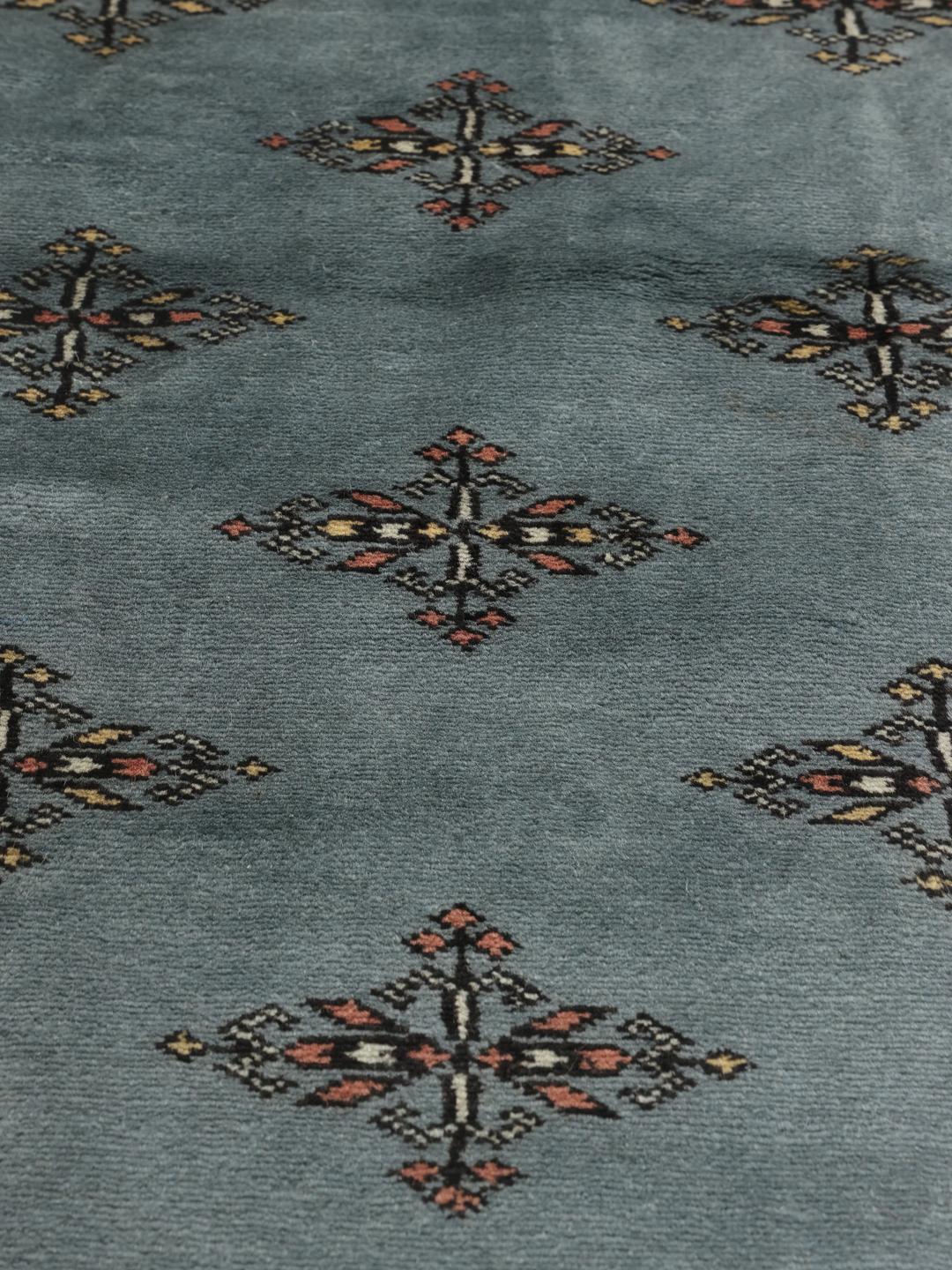
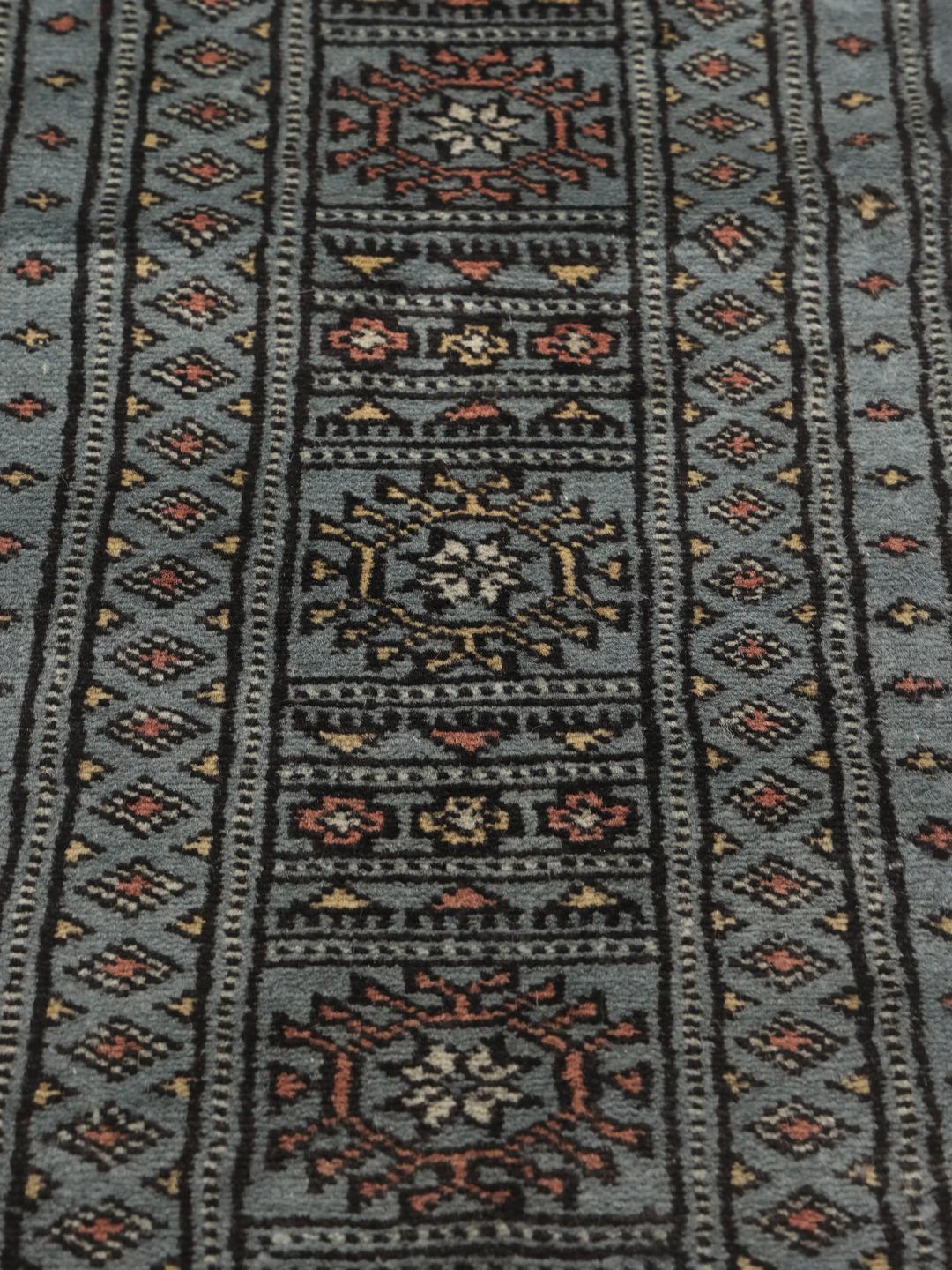
The signature design of a Bokhara is defined by its repetitive 'gul' motifs—often octagonal or diamond-shaped medallions arranged in precise rows. These motifs are framed by intricate, multi-layered borders that demonstrate the weaver's mastery of geometry and proportion. The blue field of this particular piece is a sophisticated variation on the classic, more traditional red colourways.
Owning a hand-knotted rug from this tradition is about more than just floor decor; it is about preserving a legacy of craft. Each piece serves as a link to a centuries-old history of artistry, valued by collectors for its cultural weight, the skill required to produce it, and the lasting beauty it brings to a home.