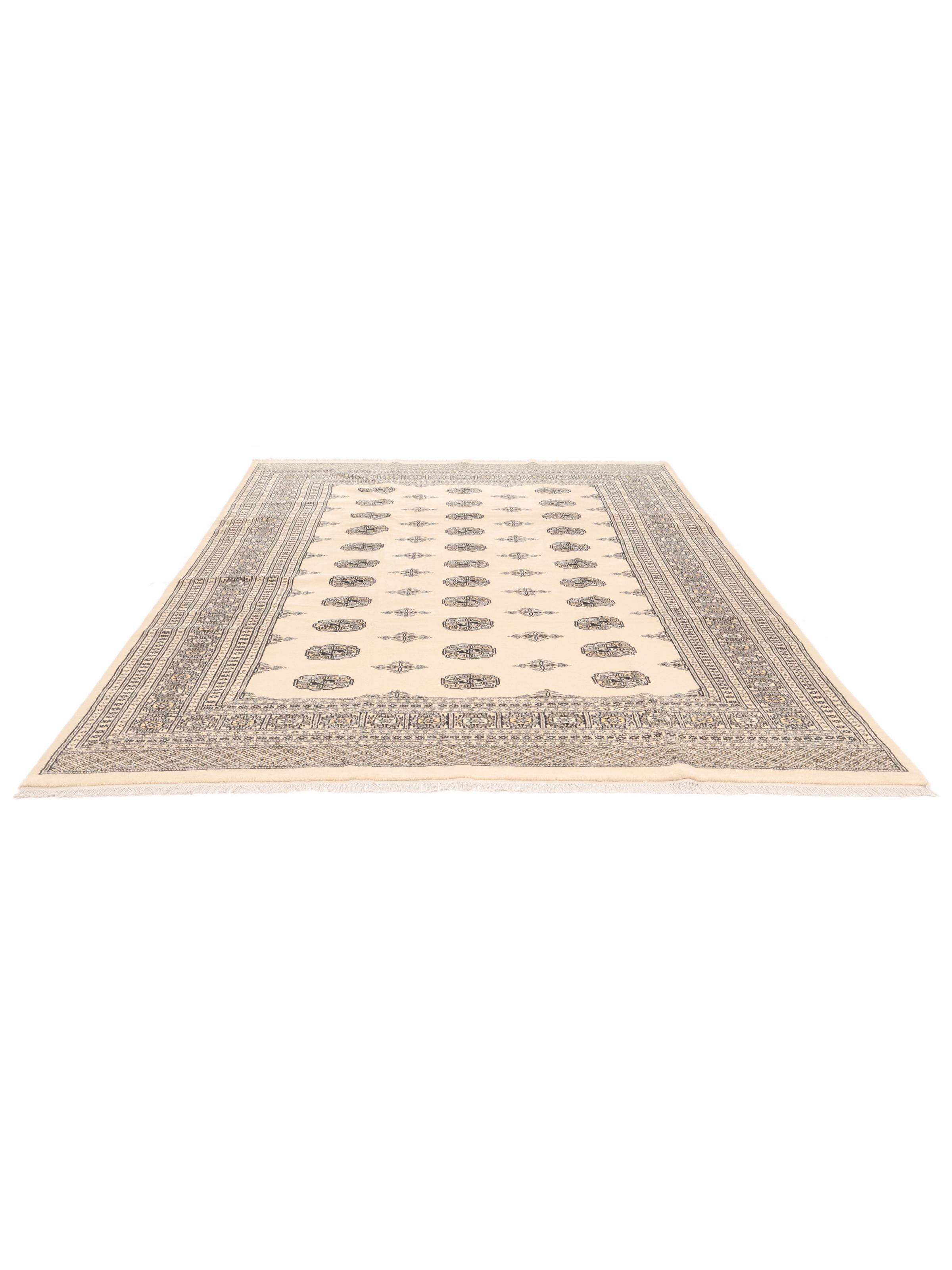
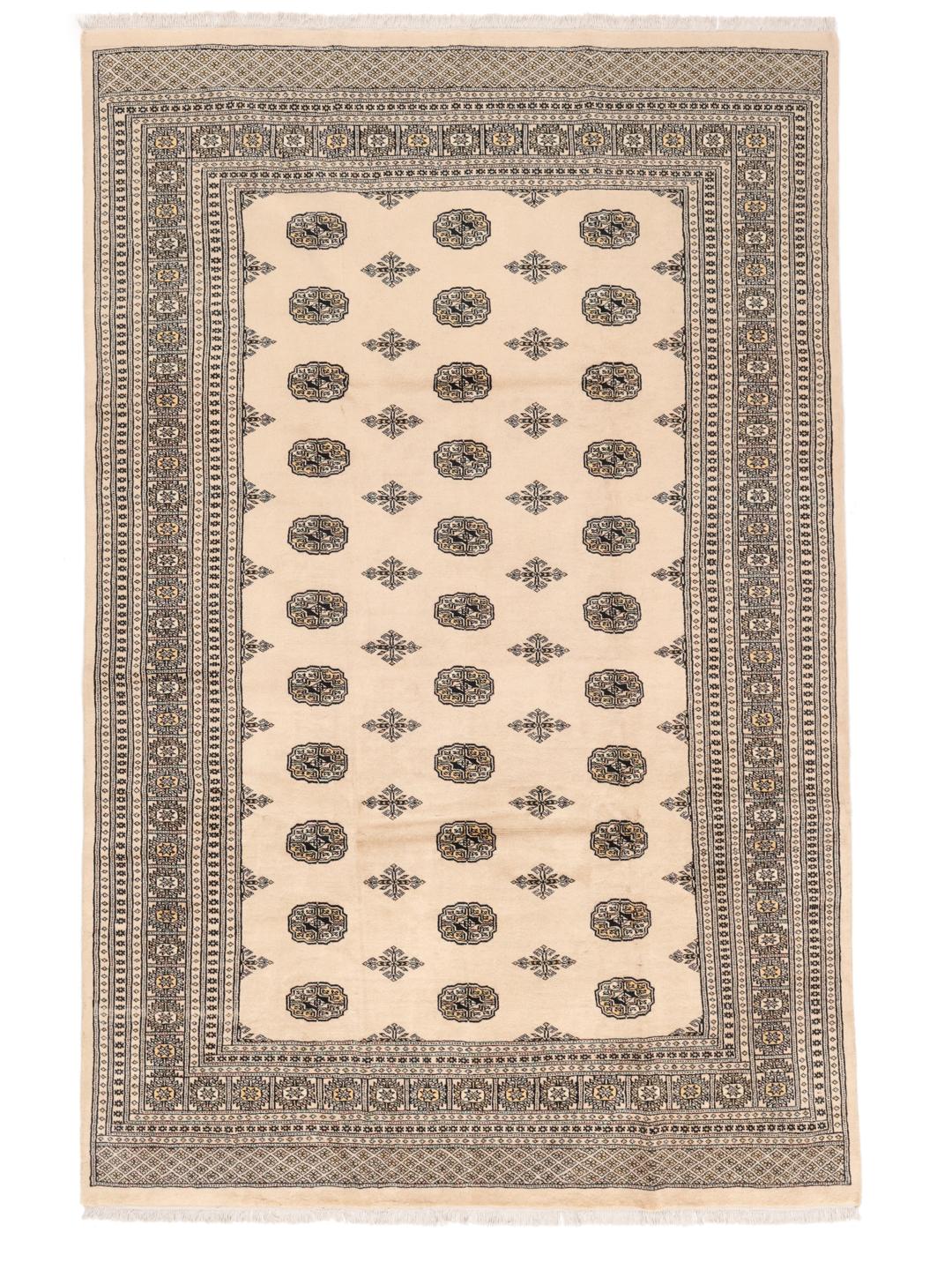
The Bokhara rug tradition finds its roots in the ancient Silk Road city of Bukhara, once a vital hub for the exchange of textiles and culture. While the design lineage traces back to Central Asian nomadic tribes, the finest examples of this style are now masterfully woven in Pakistan, where artisans have honed the technique to achieve exceptional clarity and consistency.
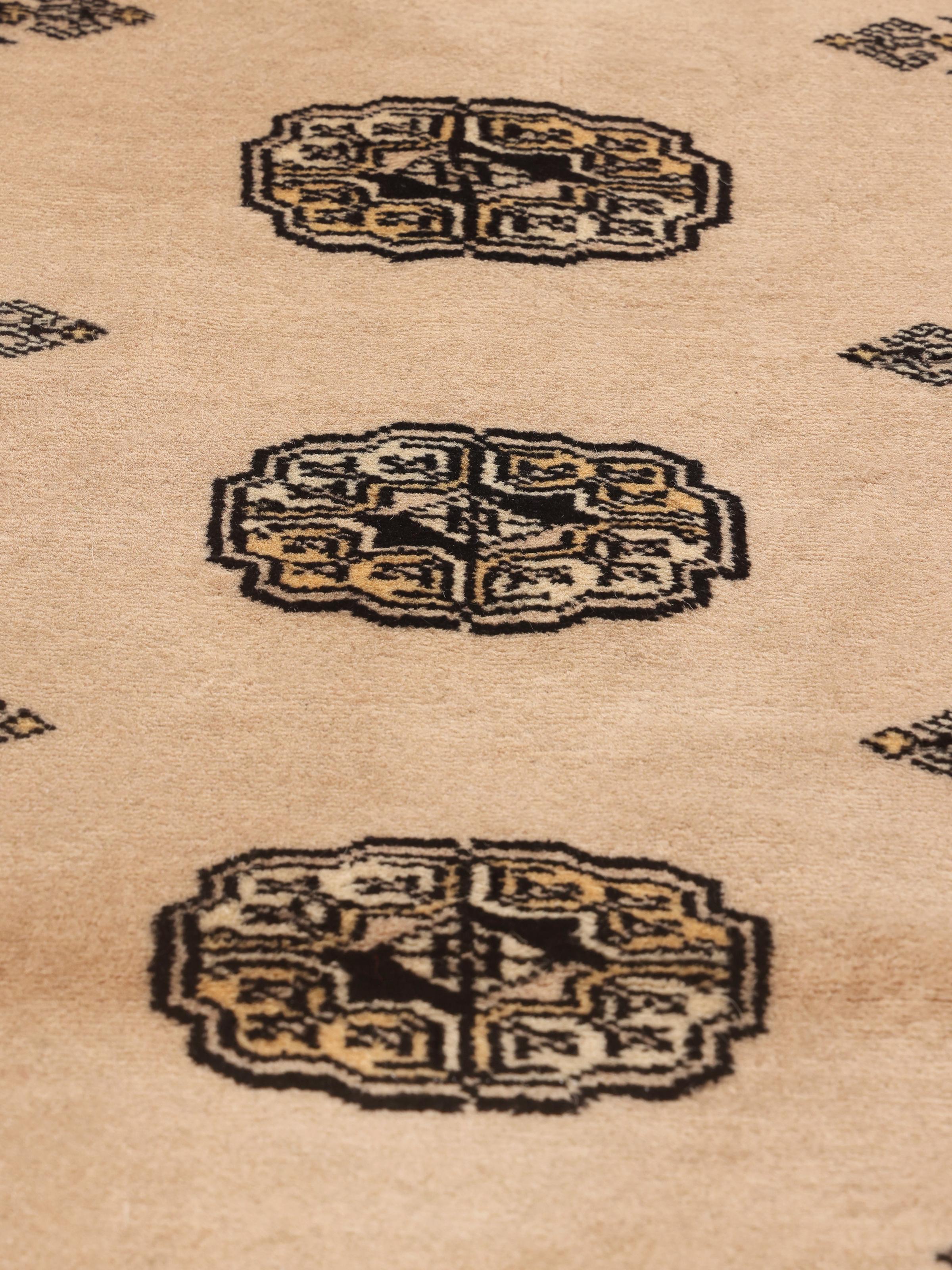
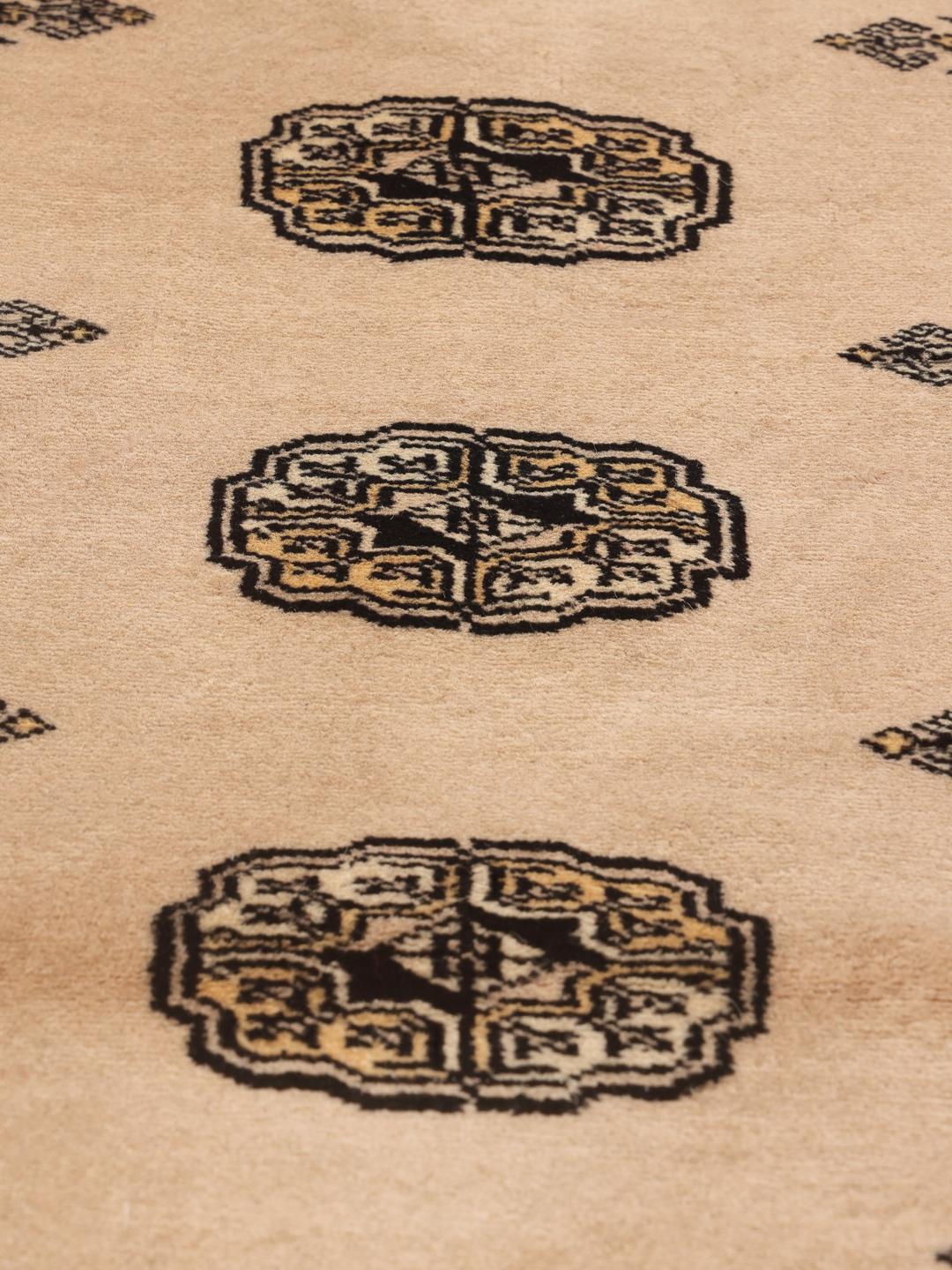
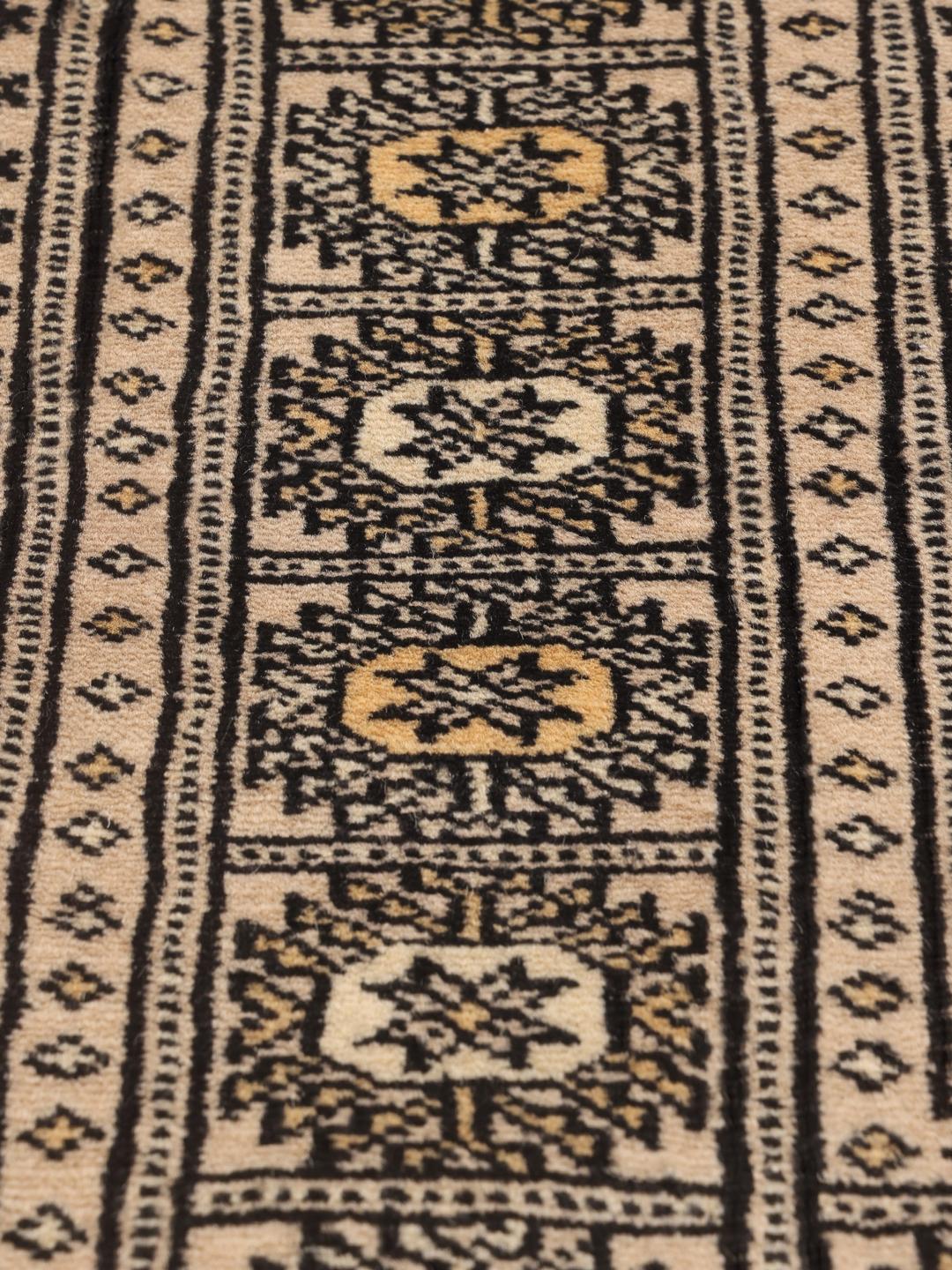
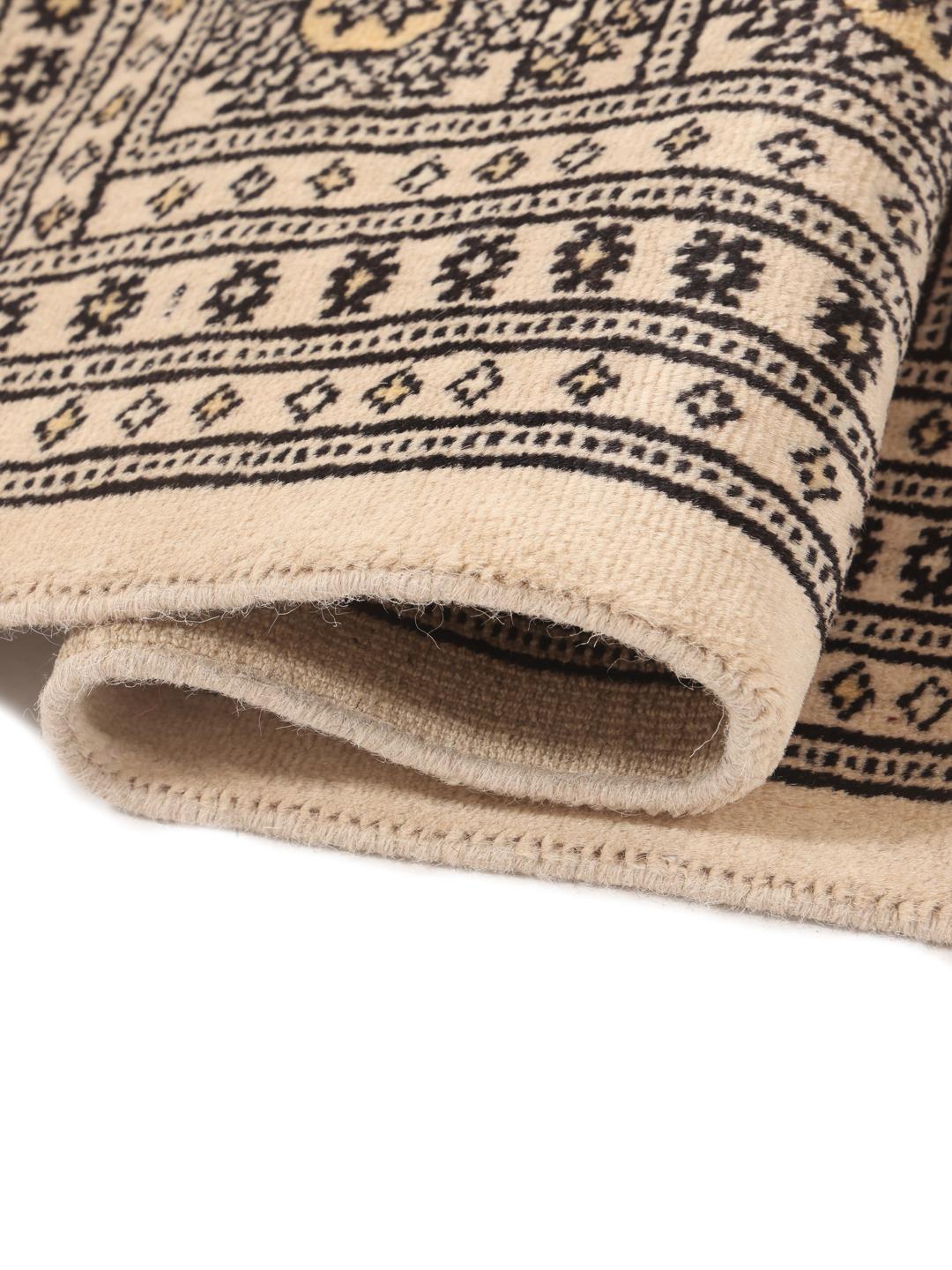
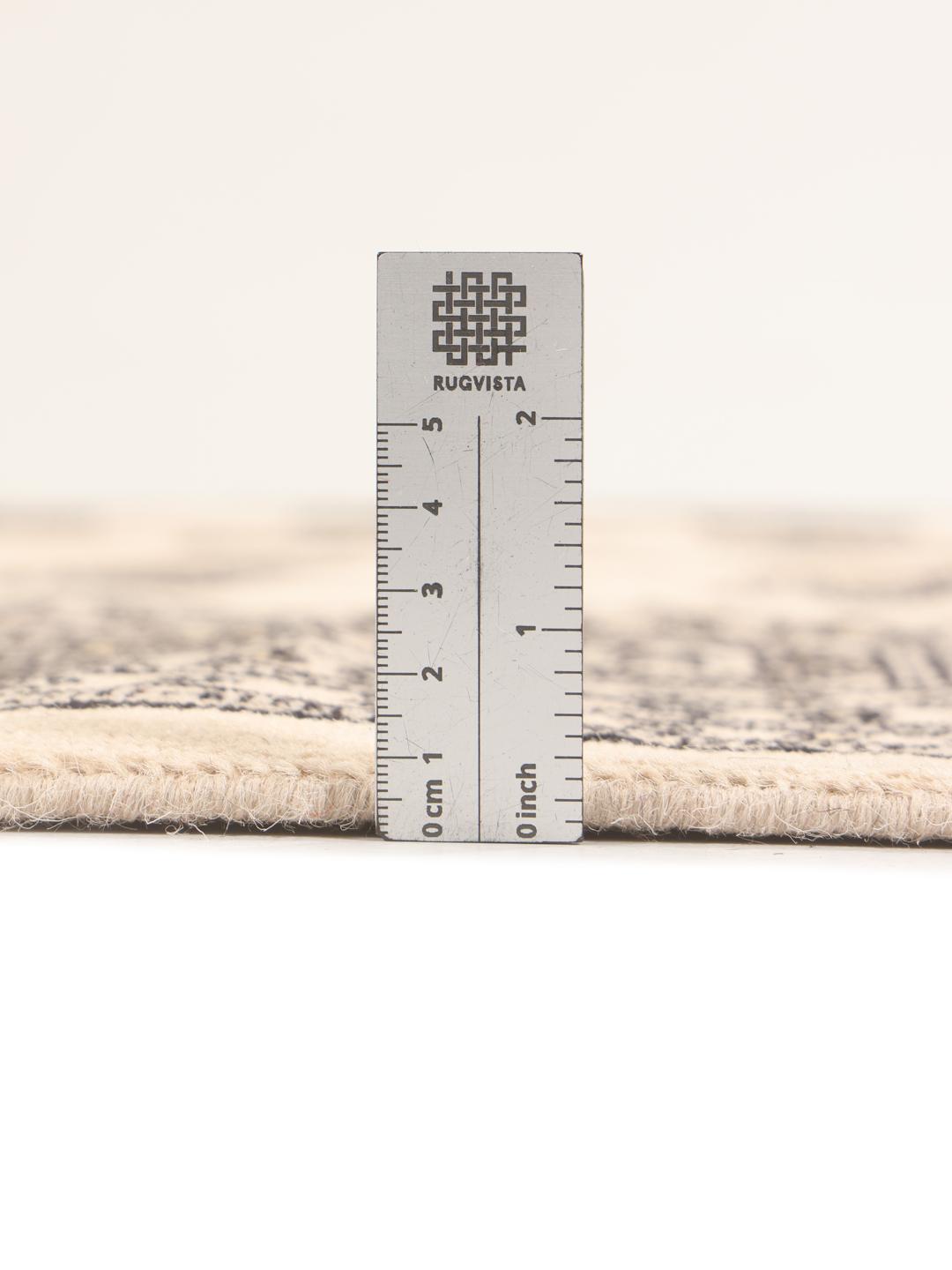
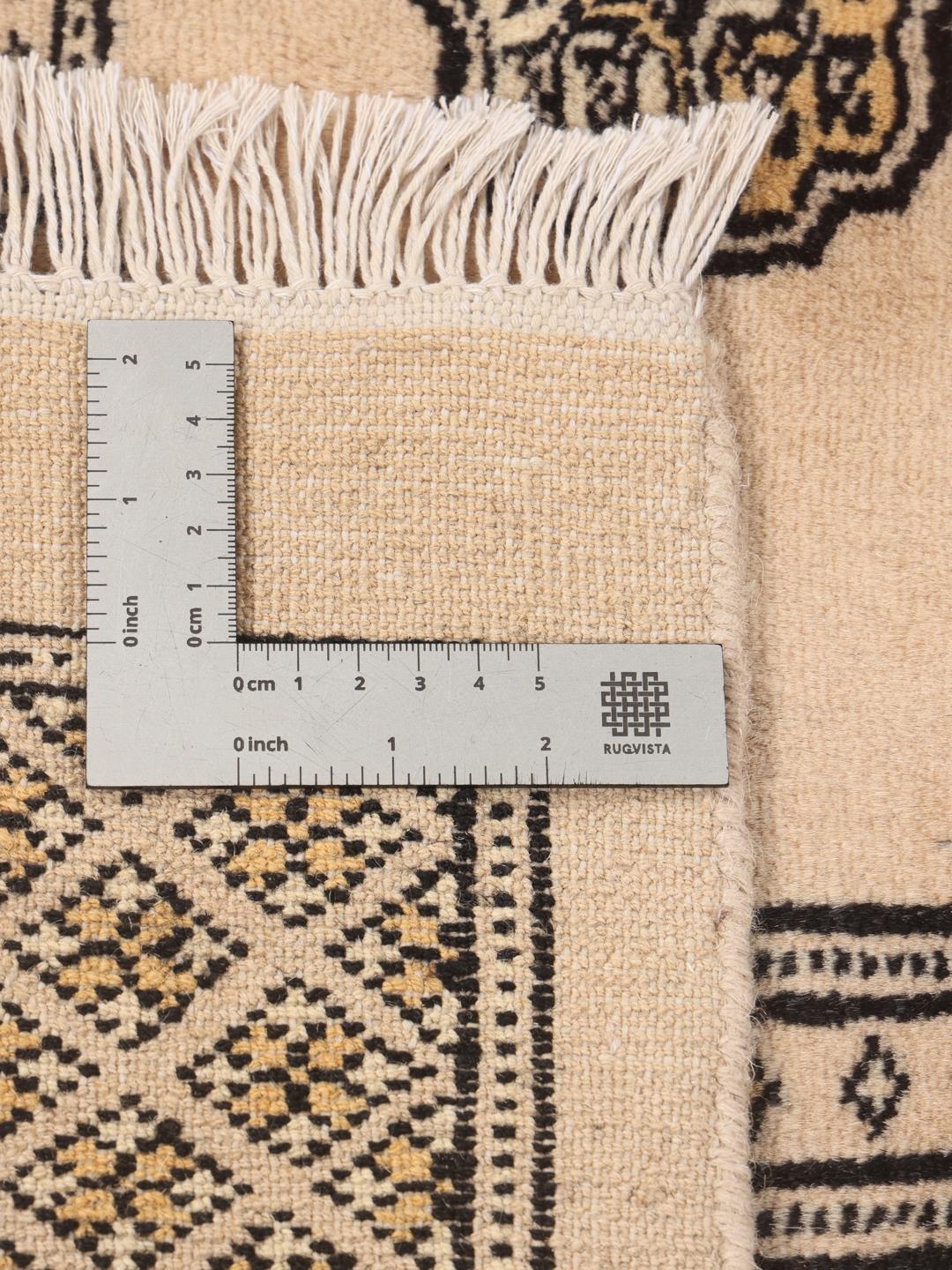
The term 2ply refers to a specific method where two strands of wool are twisted together before being knotted into the foundation. This technique is significant because it results in a pile that is significantly more lustrous, dense, and durable than single-ply alternatives, ensuring the rug remains a soft and vibrant part of your home for generations.
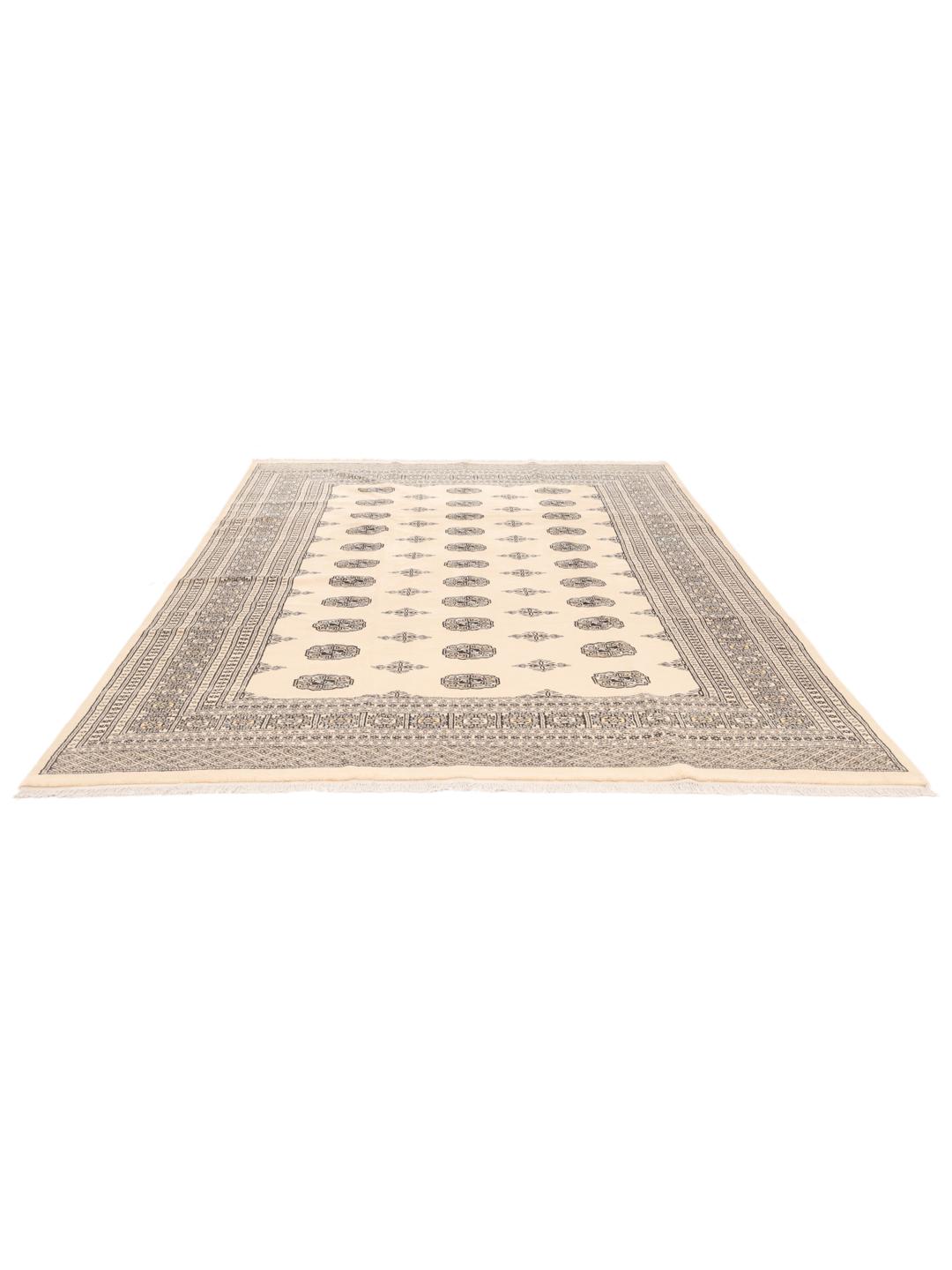
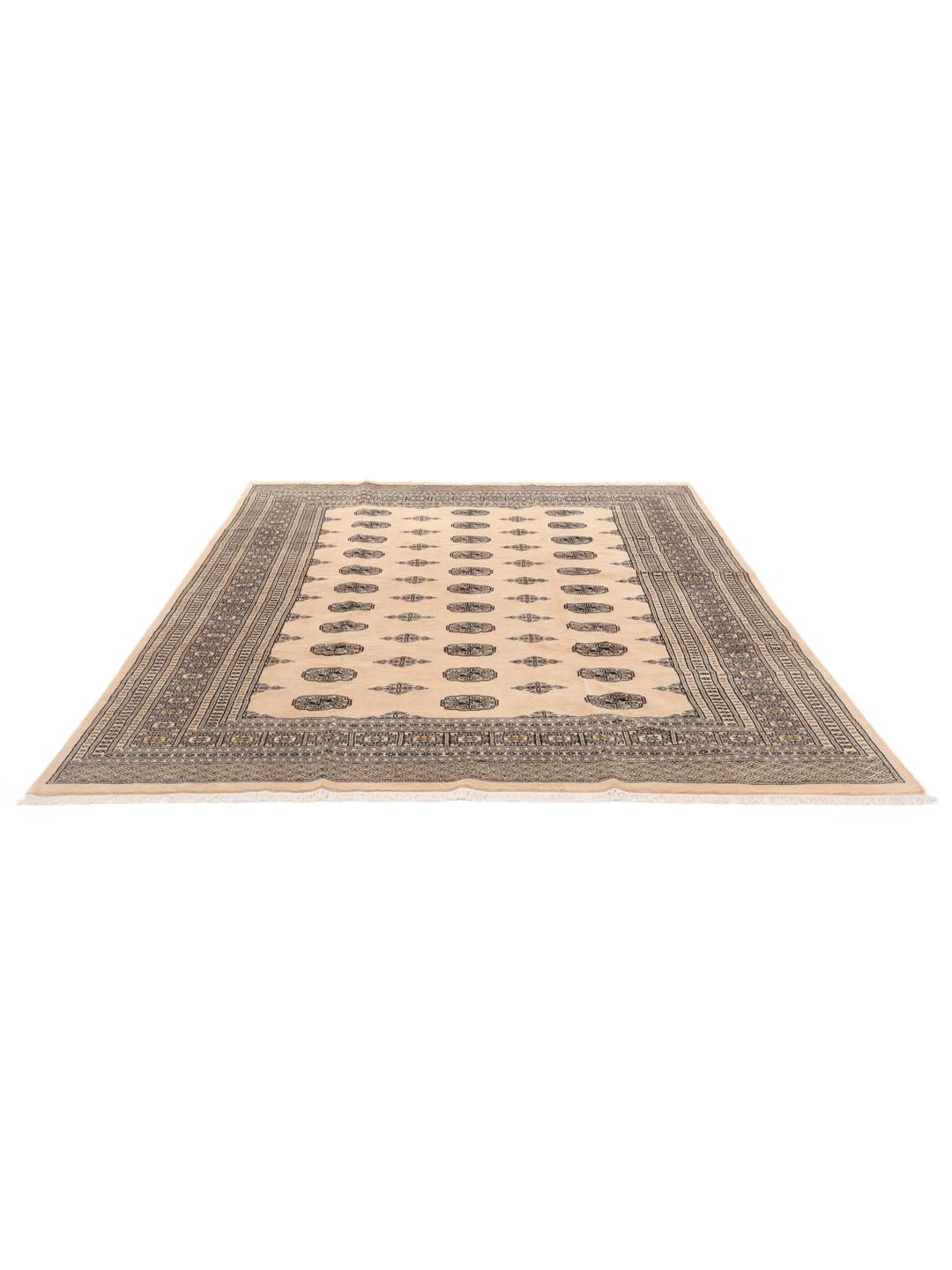
Visually, this tradition is defined by the iconic gul motif, which appears here as repeating octagonal medallions arranged in structured rows. These symbols are deeply historical, often representing the tribal heritage of the weavers, and are framed by elaborate, geometric borders that provide a sense of balance and formal elegance.
Owning a piece from this tradition is an investment in cultural heritage and human skill. These rugs are highly valued by collectors not only for their visual beauty but for the connection they offer to a centuries-old craft, representing a level of dedication that stands in stark contrast to modern, mass-produced items.