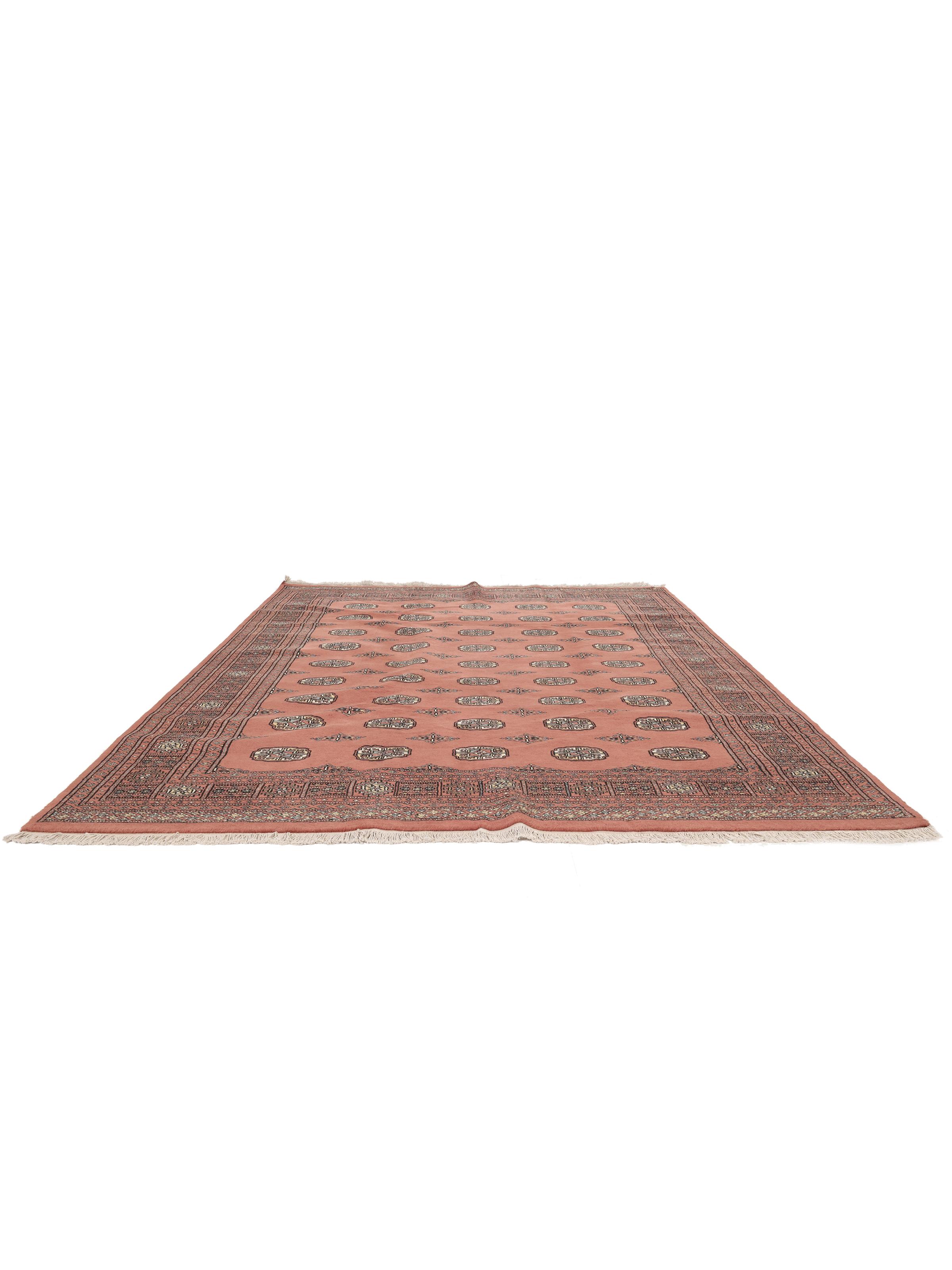
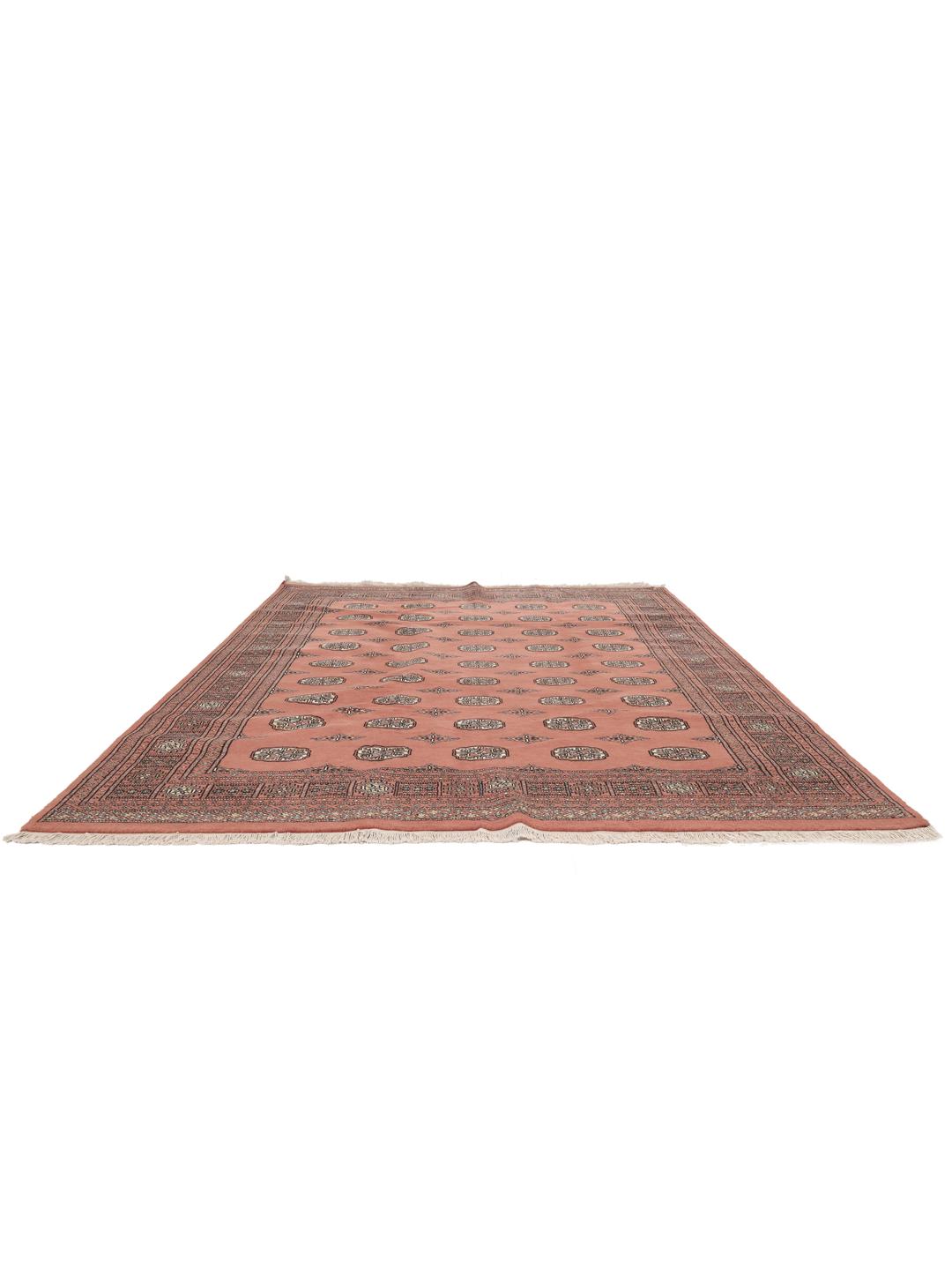
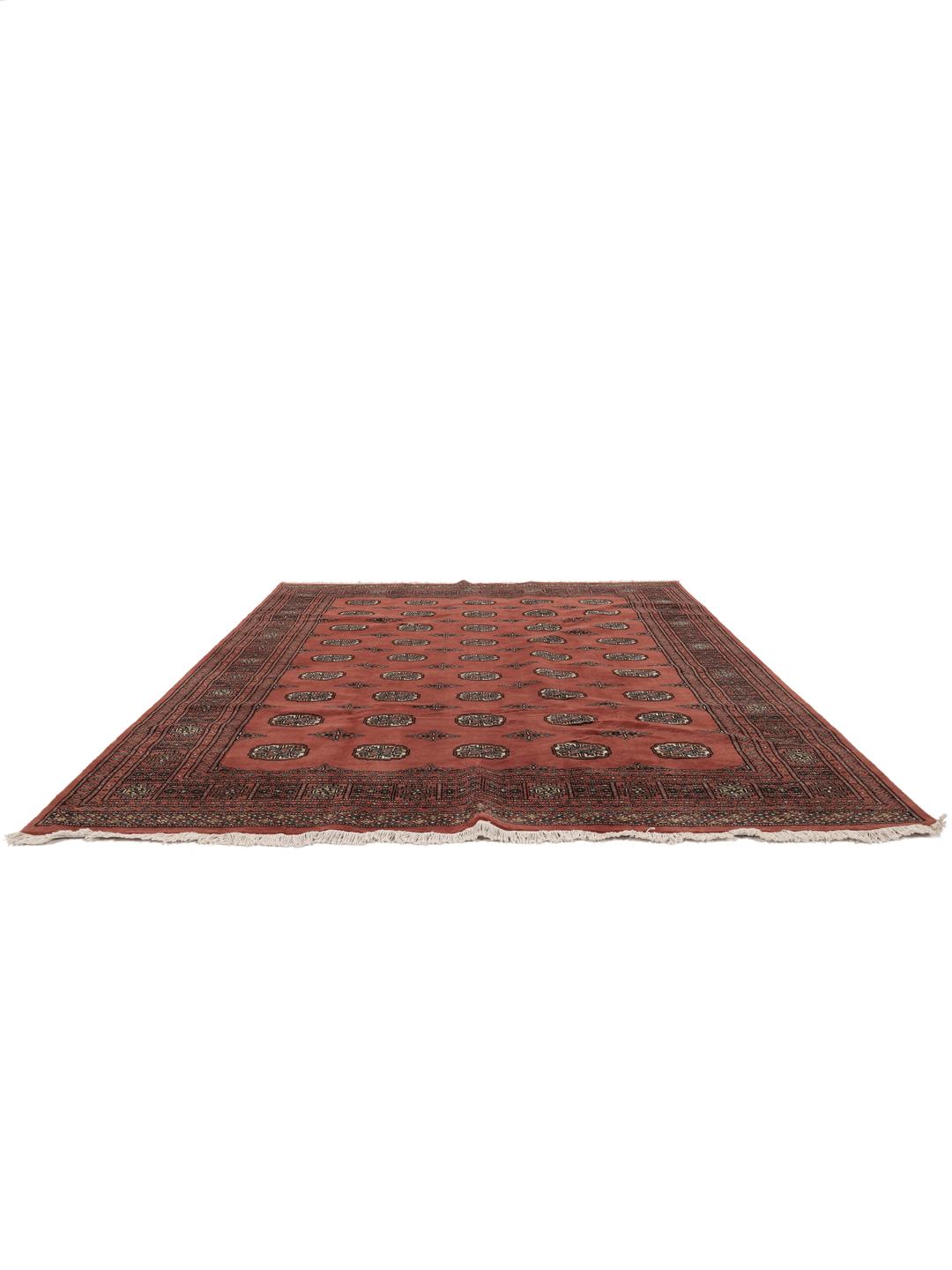
The history of Bokhara rugs is a fascinating story of cultural migration and evolution. While the style takes its name from the ancient Silk Road city of Bukhara in modern-day Uzbekistan, the production of these fine rugs largely migrated to Pakistan, where weavers have refined the tradition to an exceptional level of quality.
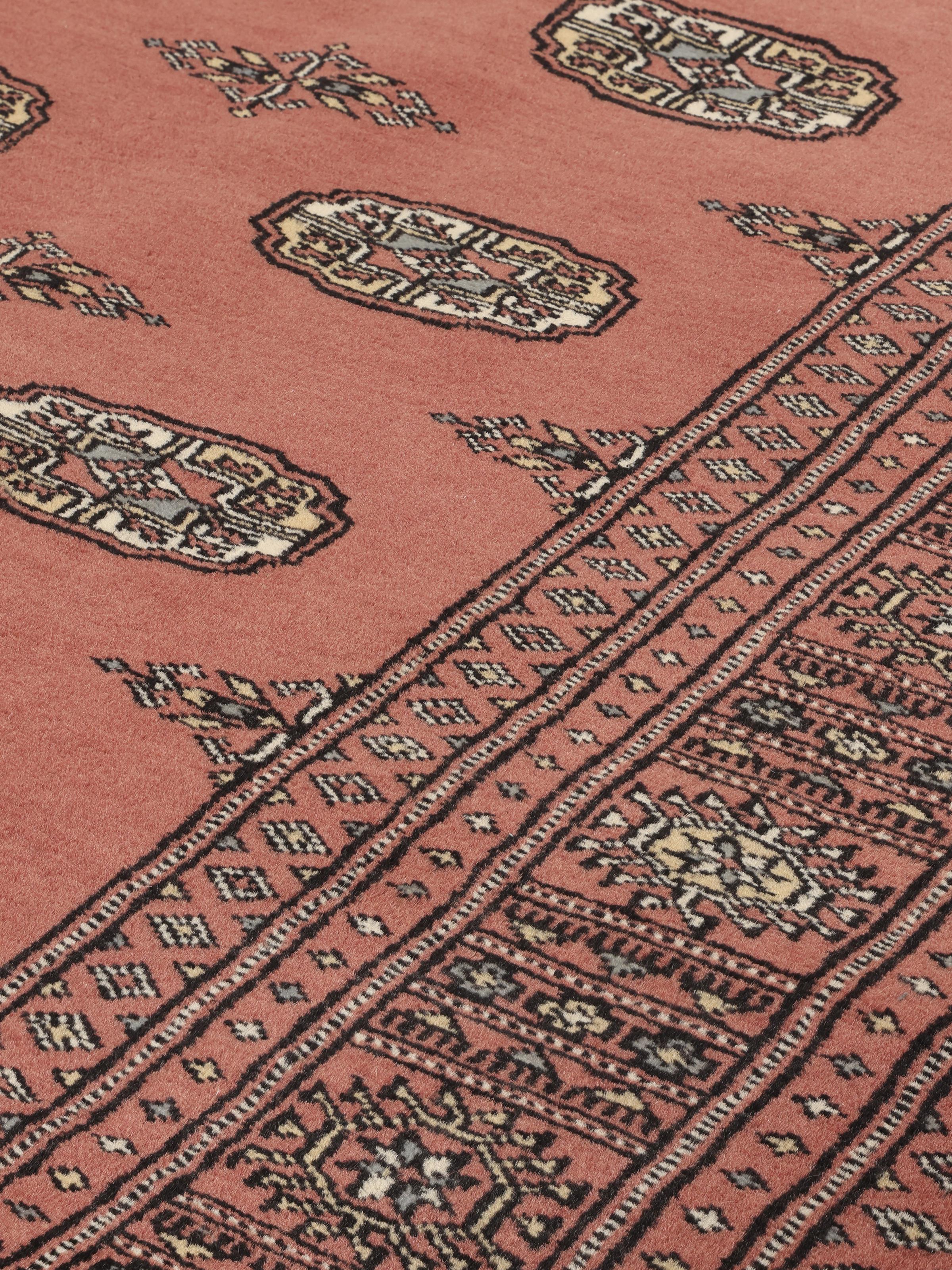
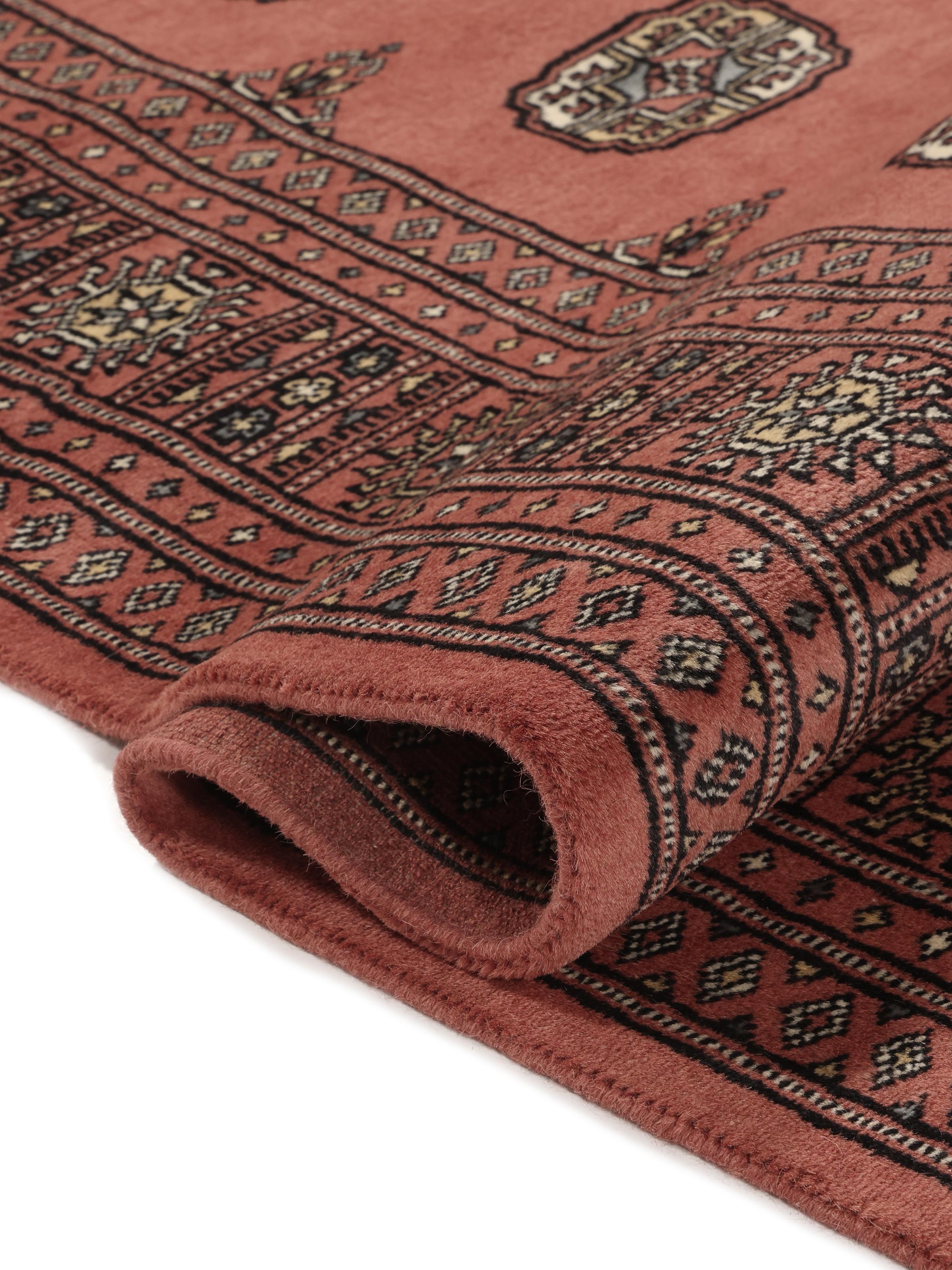
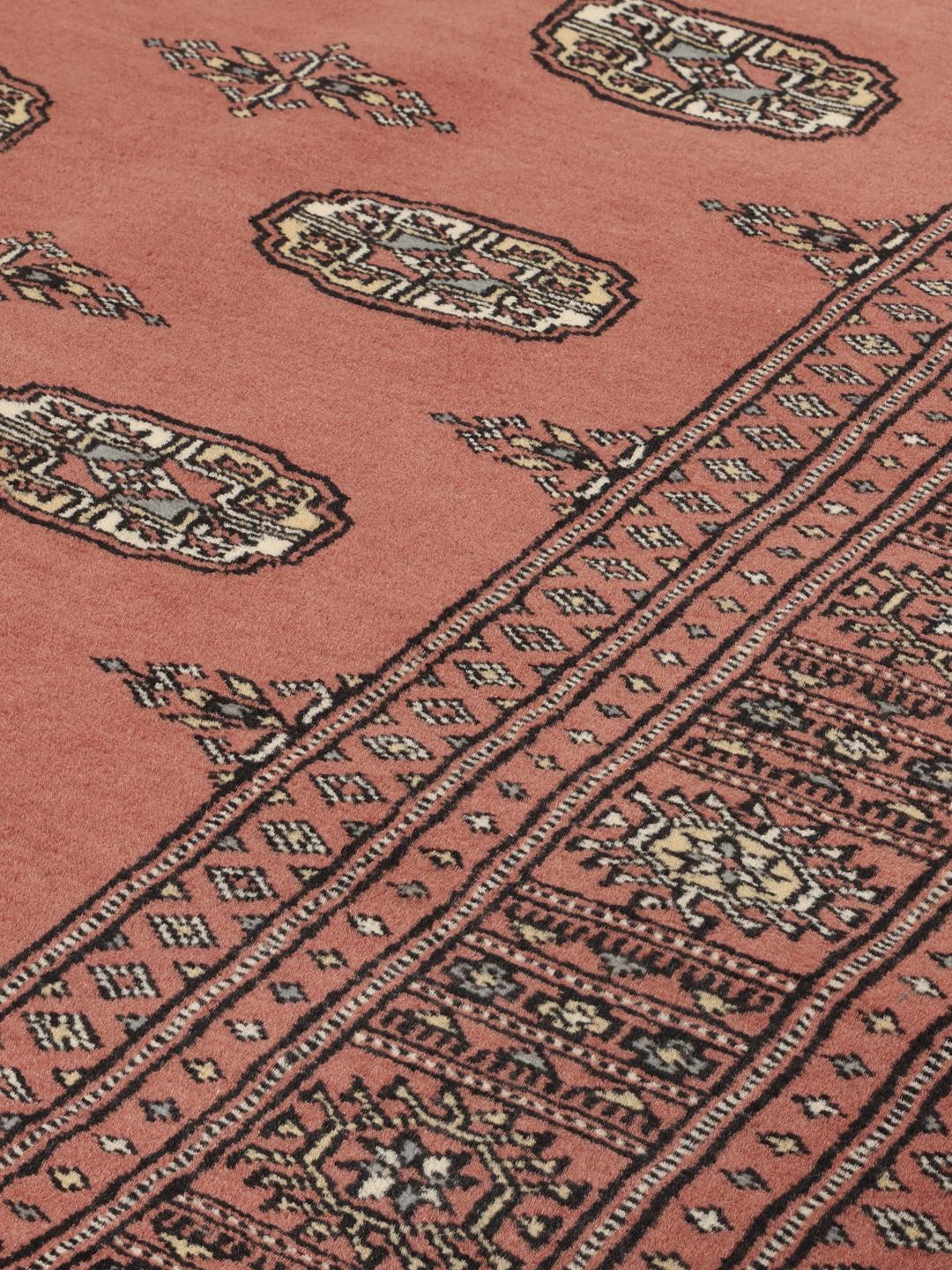
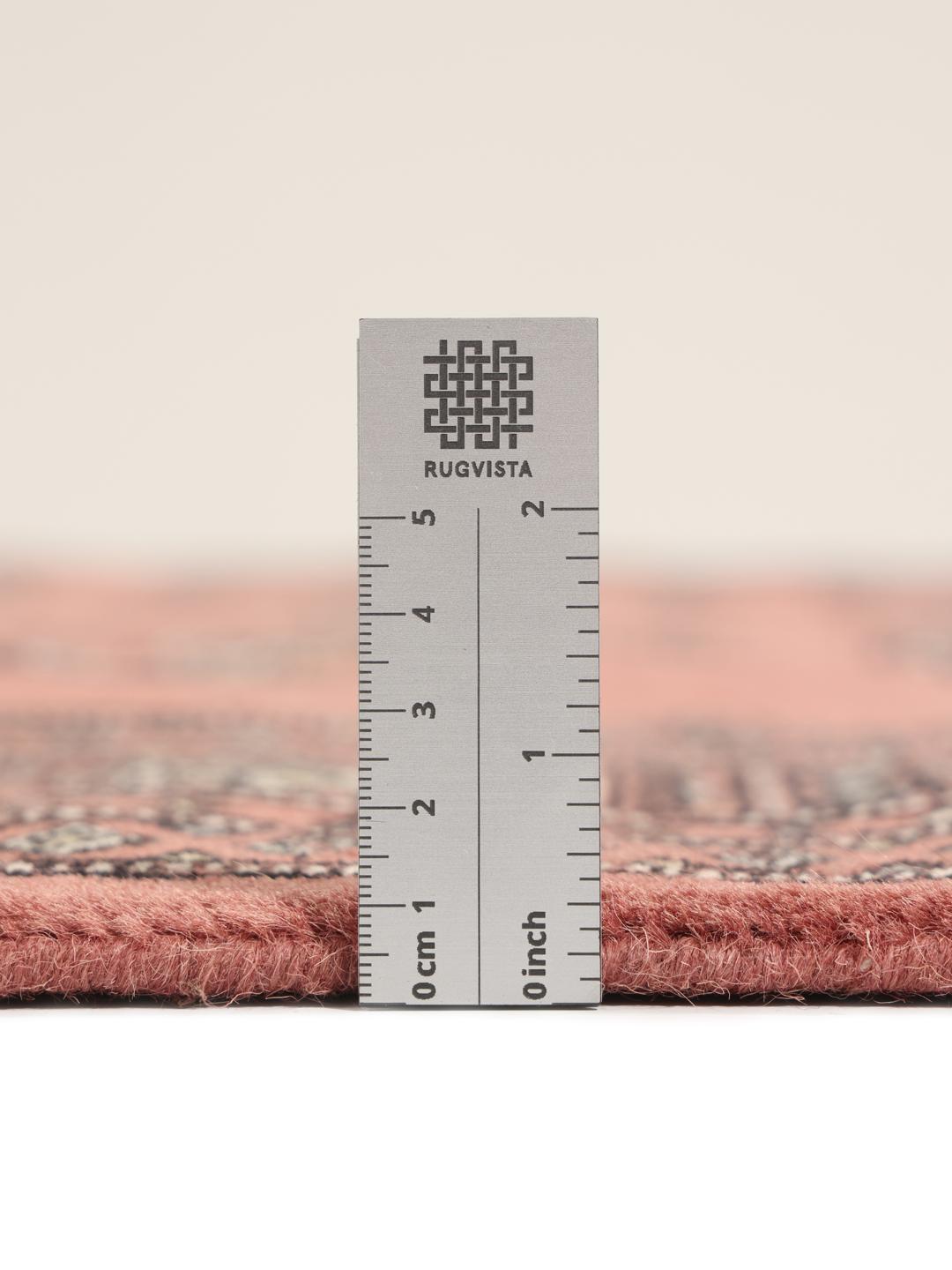
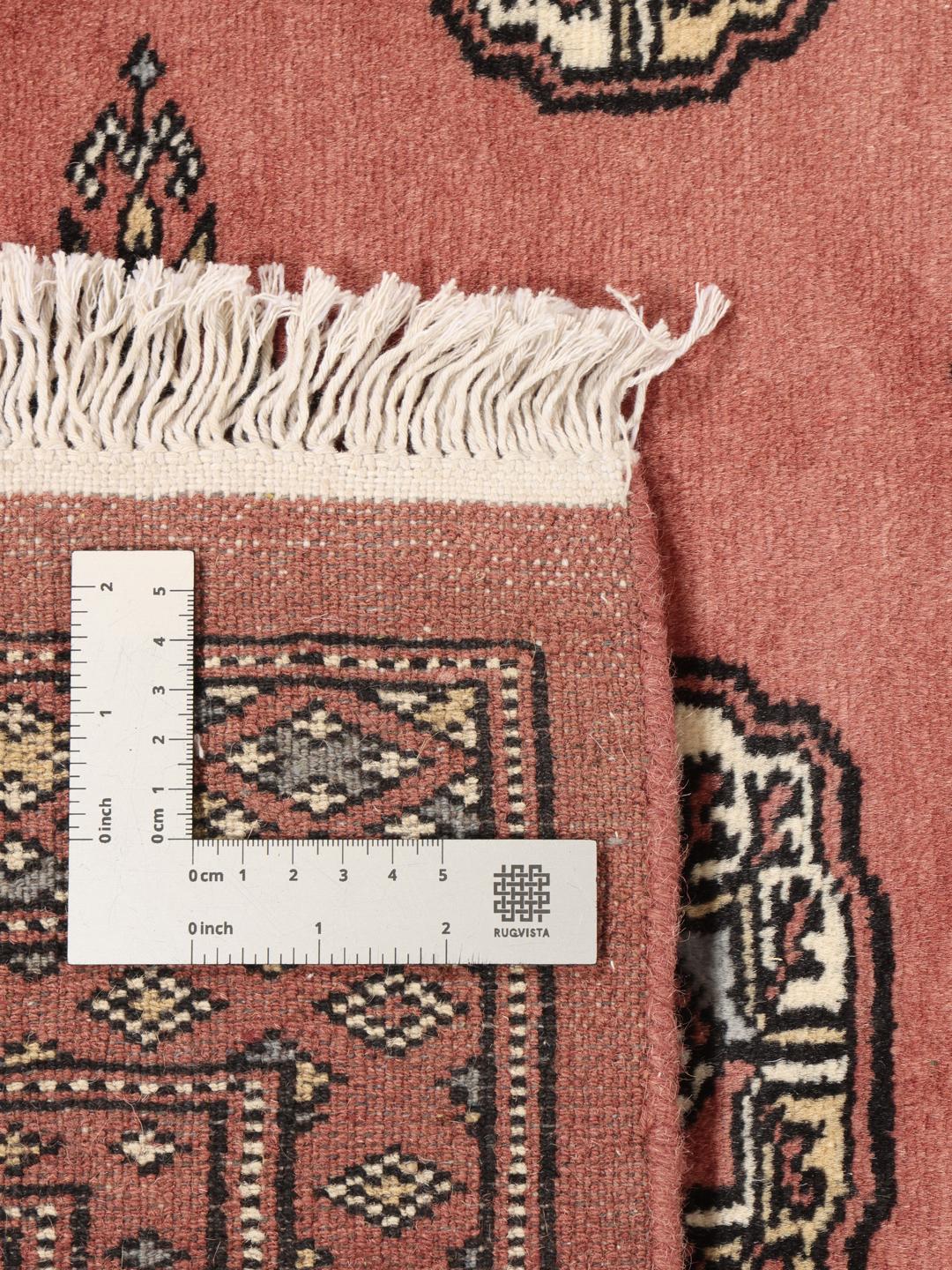
The term 2ply refers to the construction of the pile, where two strands of wool are twisted together before being knotted. This technical detail is significant because it produces a pile that is noticeably denser, more lustrous, and far more durable than rugs made with a single-ply yarn, ensuring the rug retains its form and vibrancy for generations.
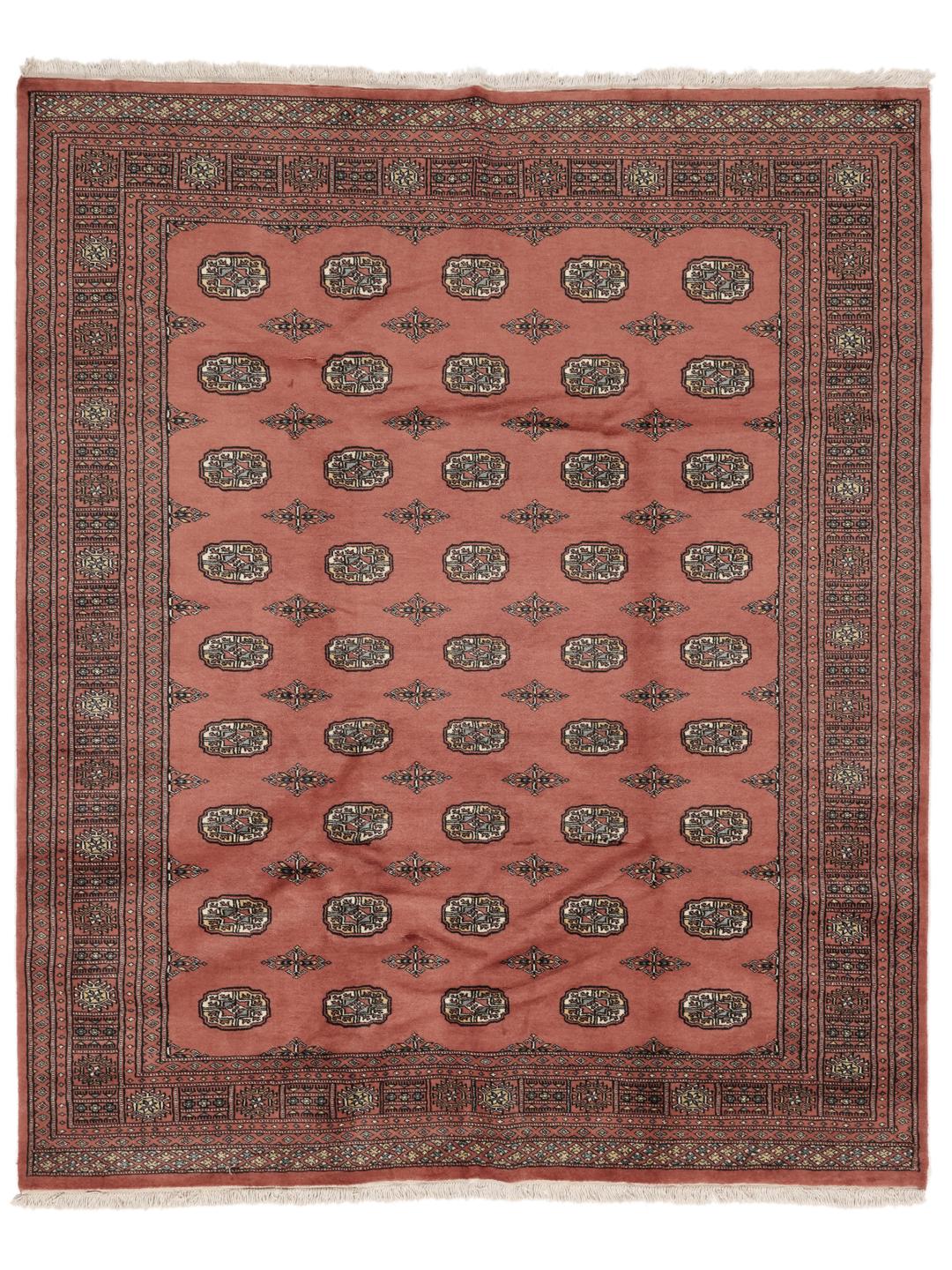
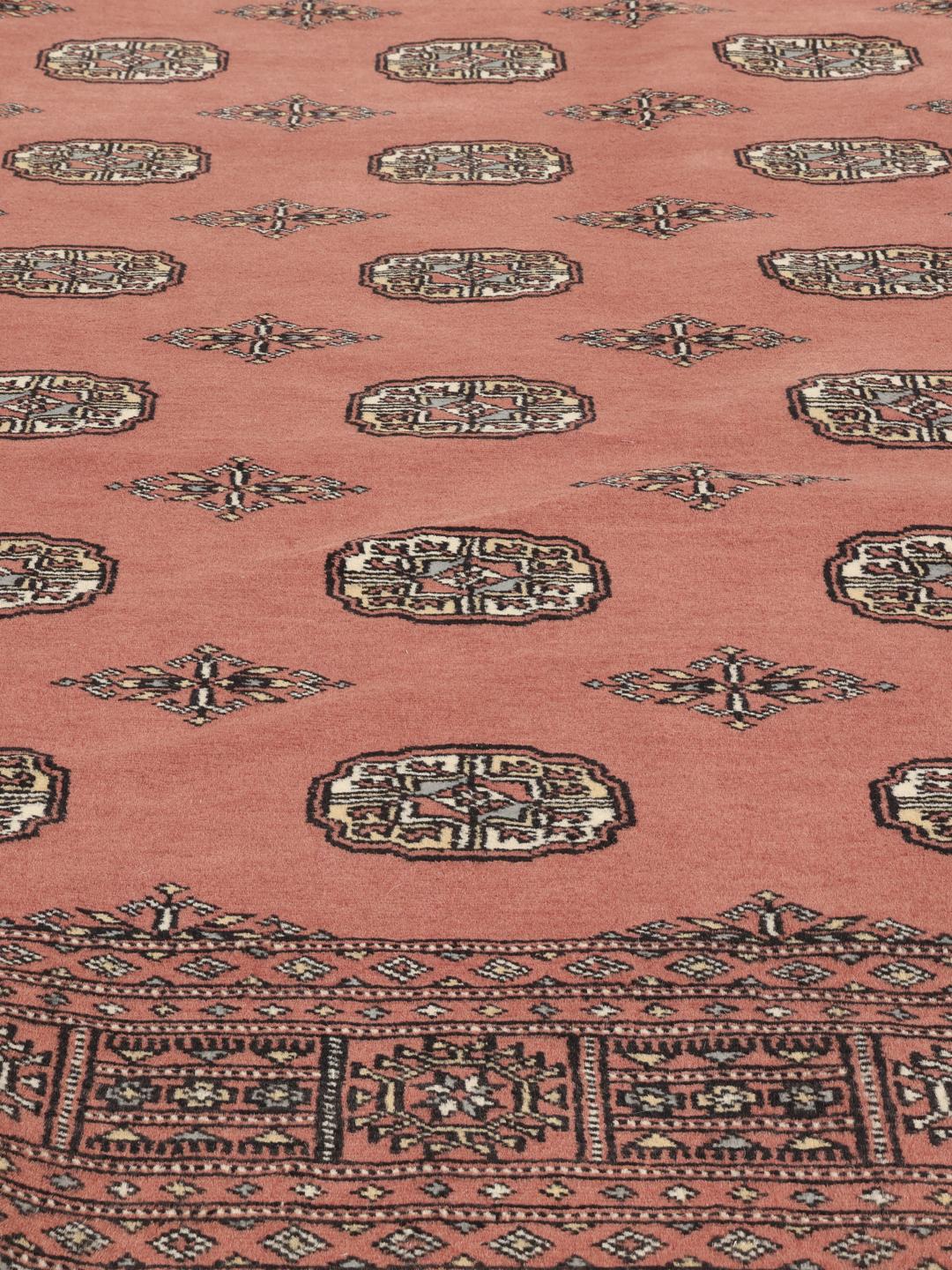
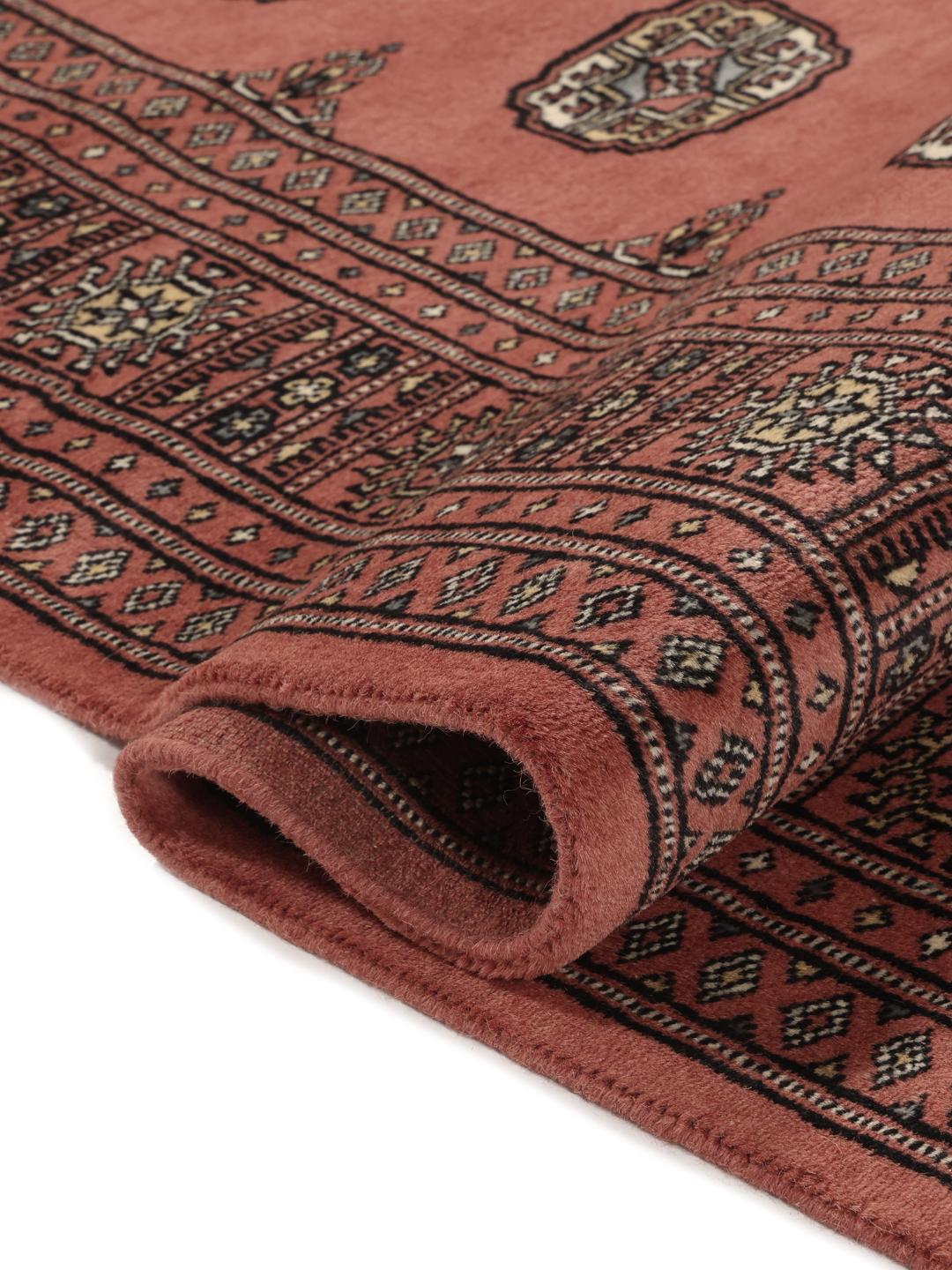
Visually, these rugs are defined by their field of repeating gul motifs, which are stylized, elephant-foot-shaped medallions arranged in precise rows. These are typically framed by elaborate, geometric borders that provide a formal, structured frame to the organic, flowing patterns within, creating a look that is both complex and deeply balanced.
Owning a piece from this tradition is about more than just floor decor, it is about connecting with a legacy of skill and heritage. These rugs are highly valued by collectors for their consistency, their cultural weight, and the way they represent the enduring beauty of hand-crafted artistry in a modern world.