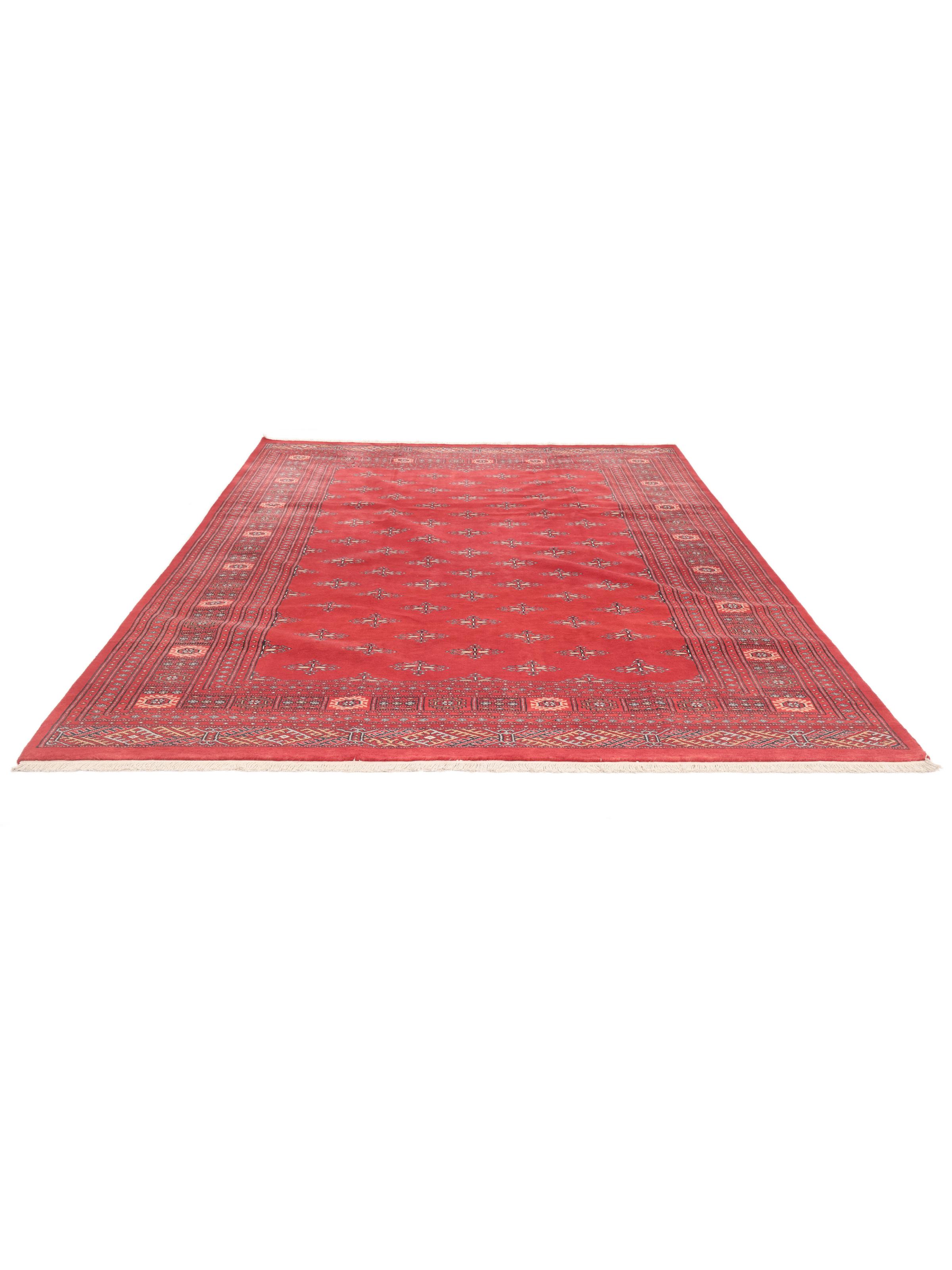
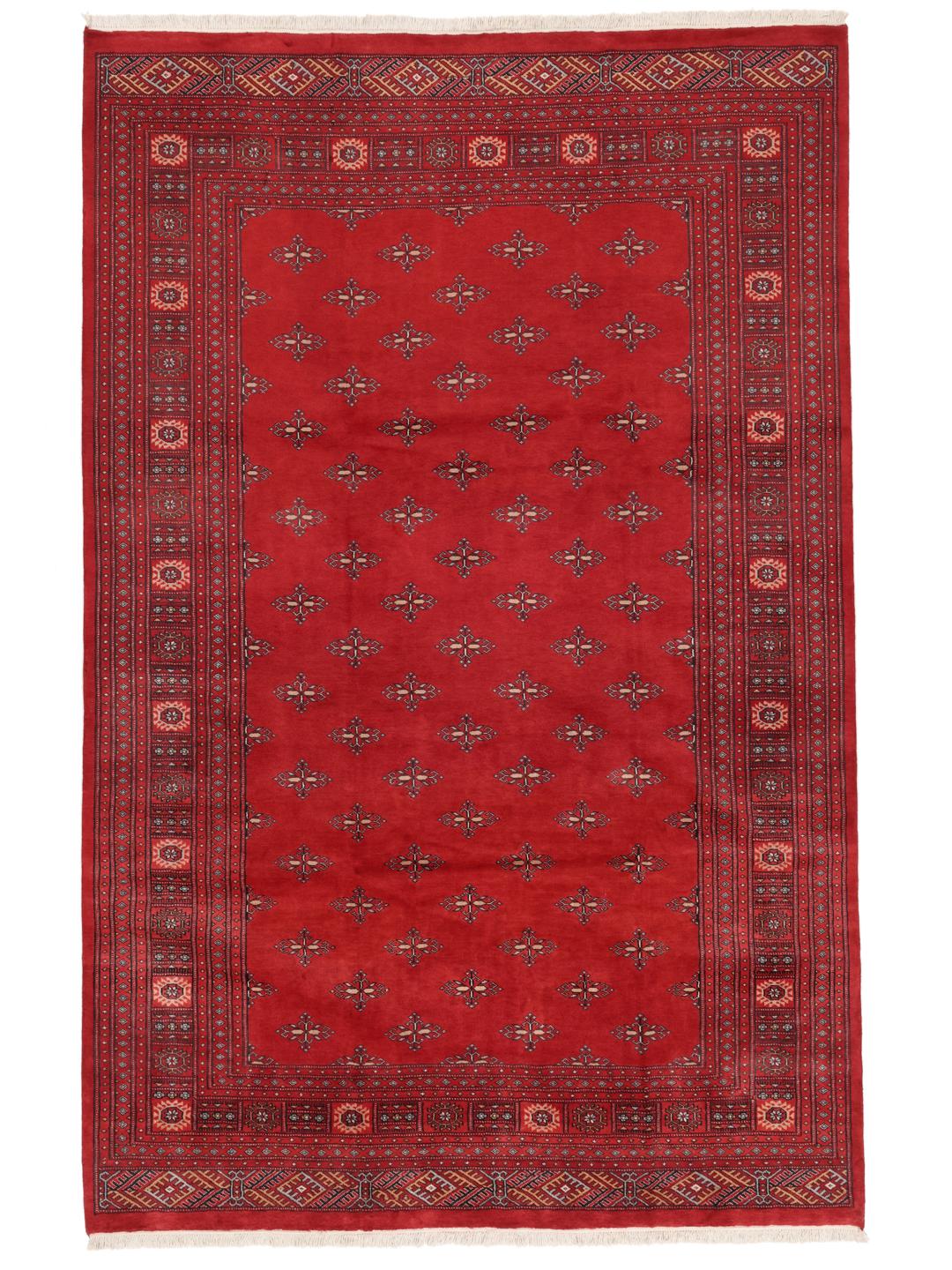
Bokhara rugs take their name from the ancient Silk Road city of Bukhara in Central Asia, a historical hub of textile trade and cultural exchange. While the design lineage traces back to nomadic tribes of the region, the finest examples of the Bokhara style today are primarily crafted in Pakistan. This migration of design reflects the evolution of rug-making as techniques and aesthetic traditions travelled across borders, eventually finding a home in the workshops of Pakistani master weavers.
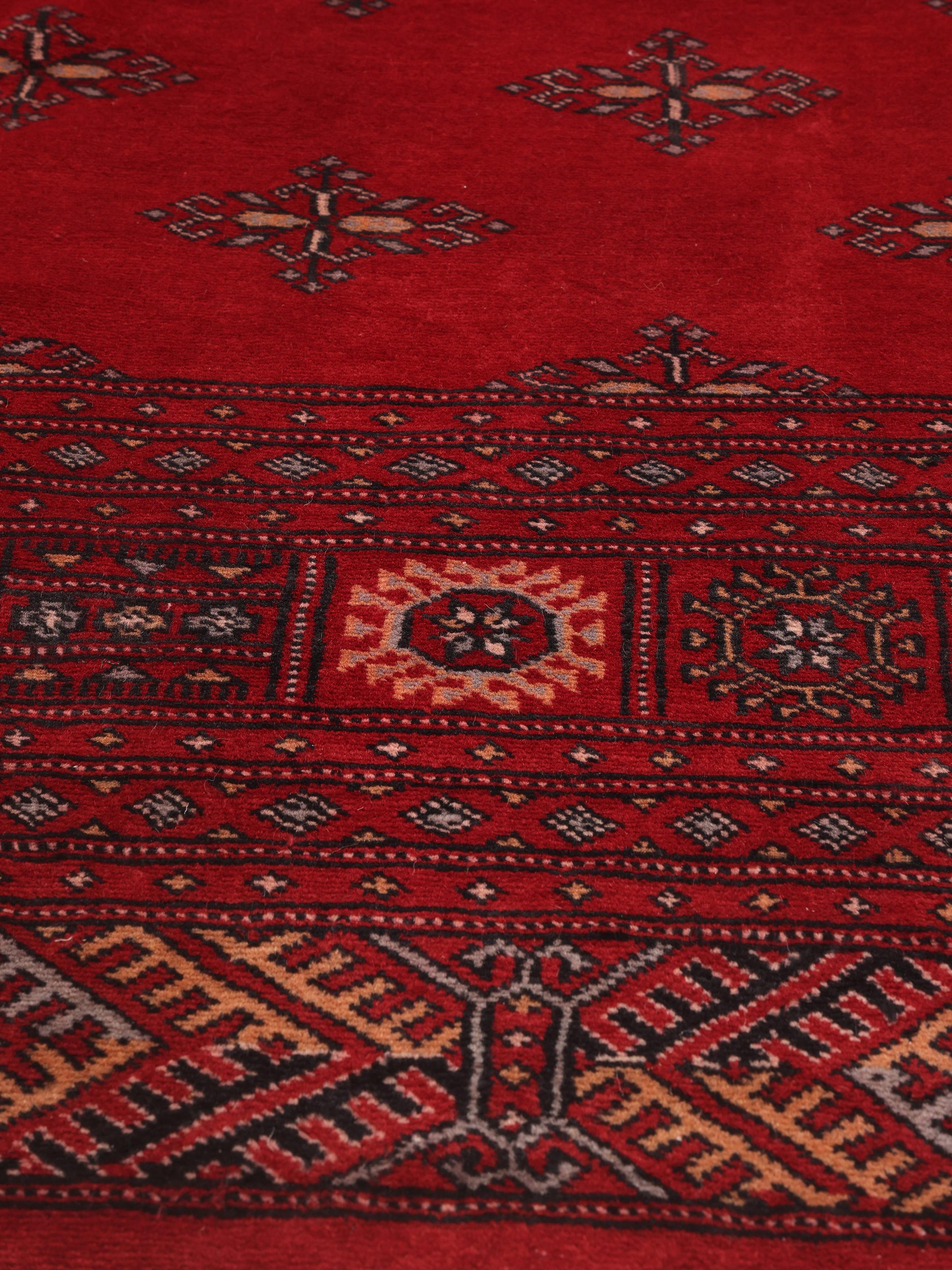
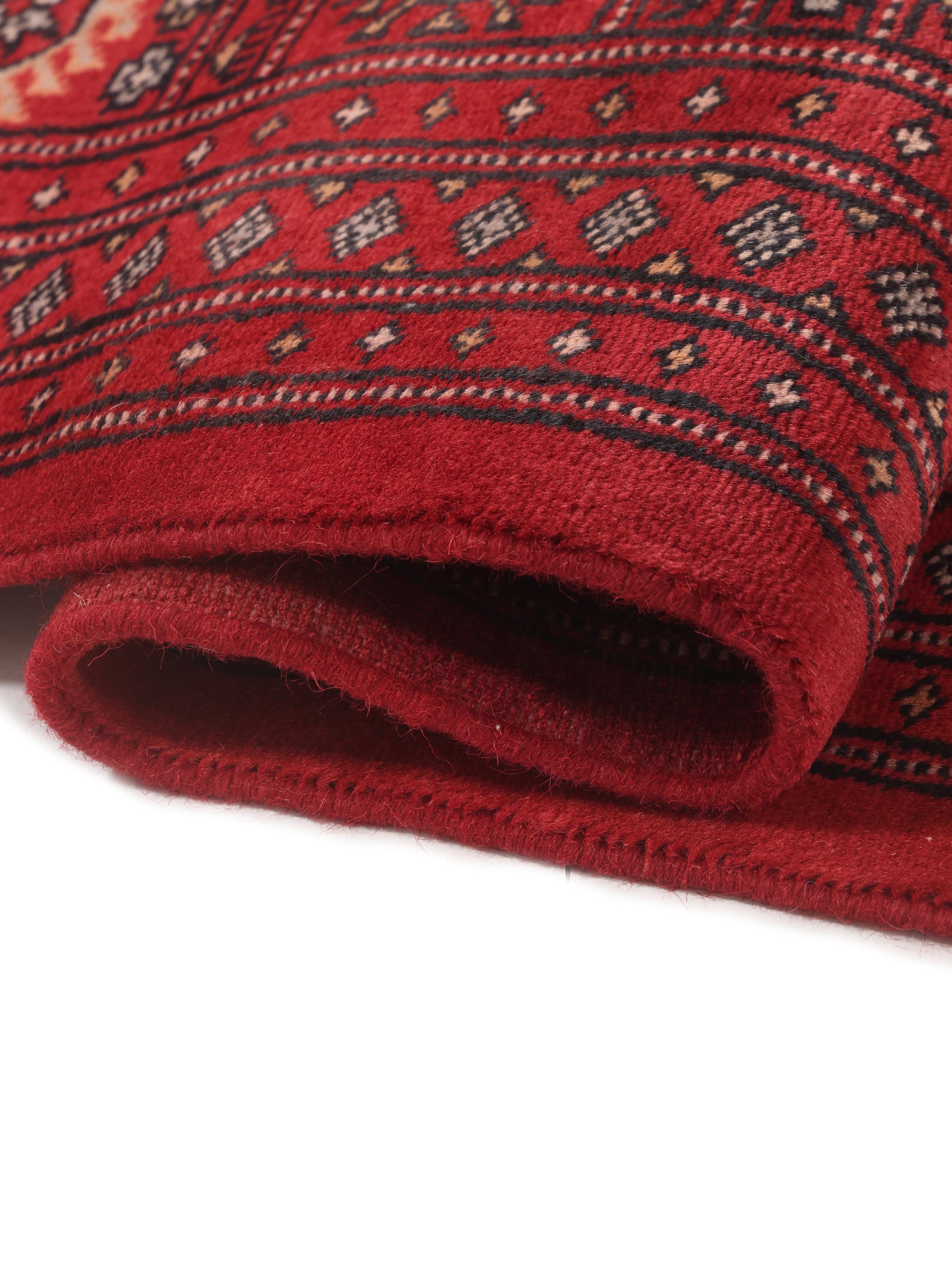
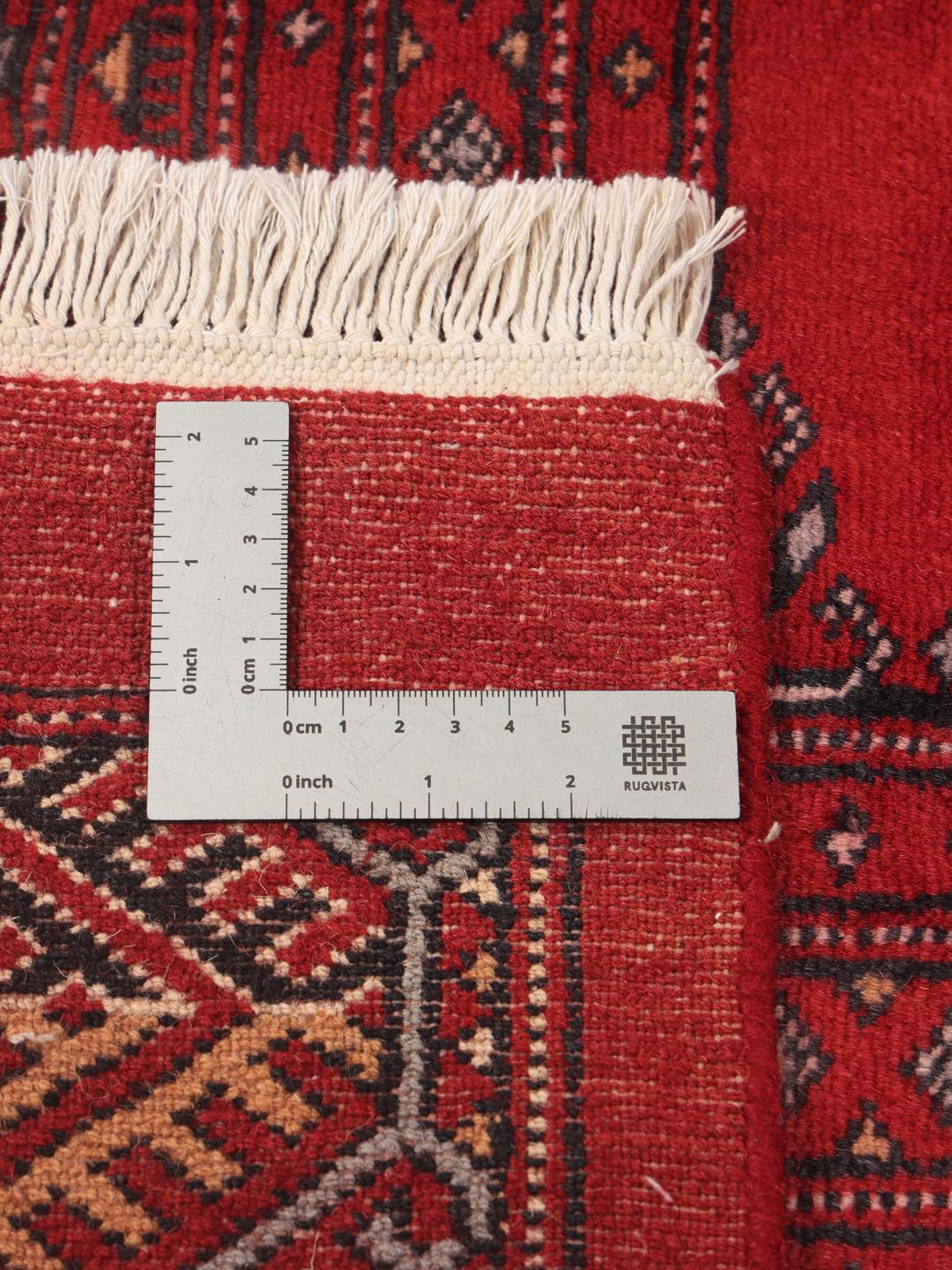
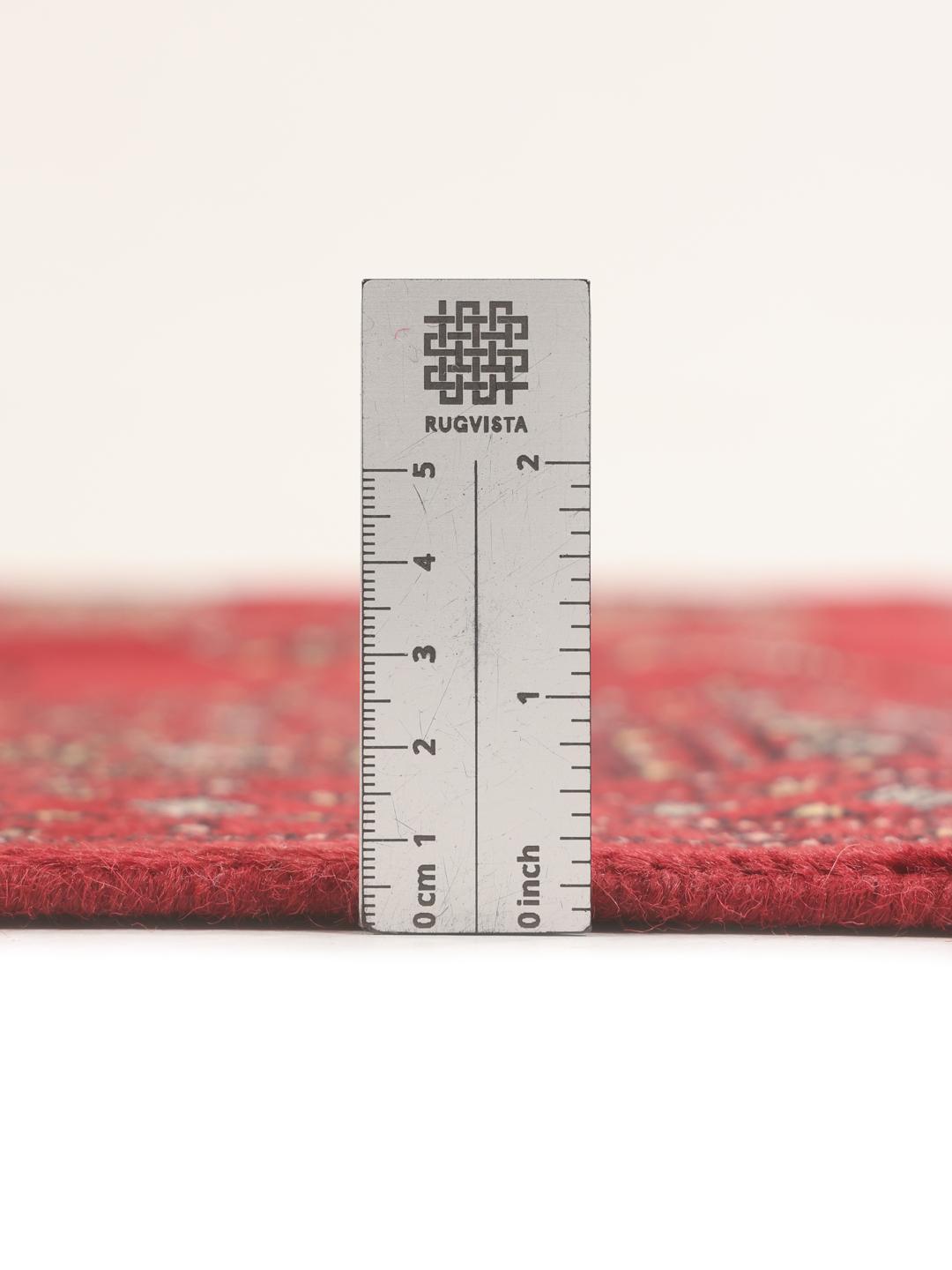
The '2ply' designation is a mark of quality that refers to the construction of the pile. In this technique, two strands of wool are twisted together before being knotted onto the foundation. This creates a fuller, more substantial pile that is notably more lustrous and durable than single-ply alternatives. It provides the rug with a deep, luxurious feel and ensures that it can maintain its form and vibrancy even with regular use in a family home.
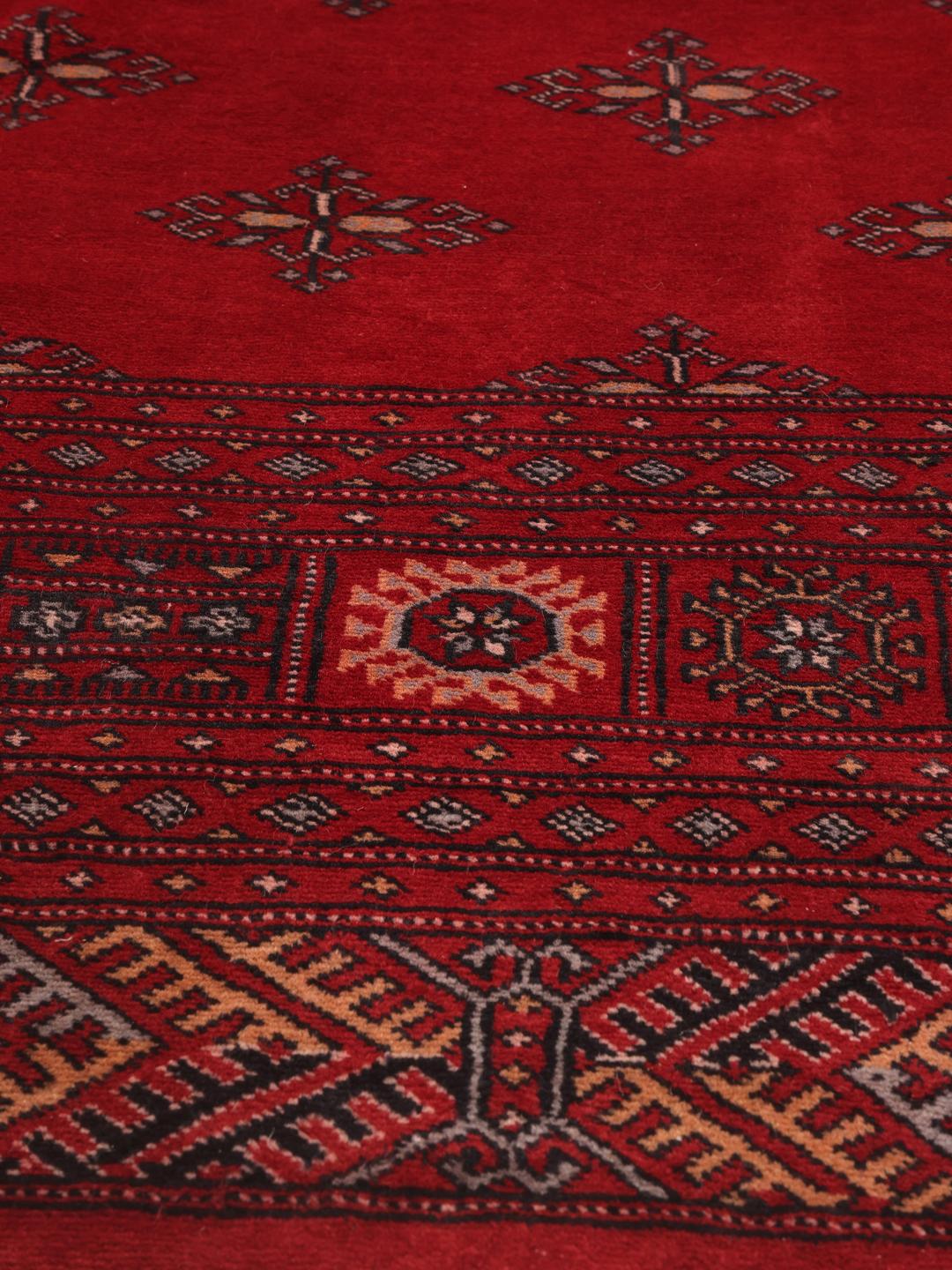
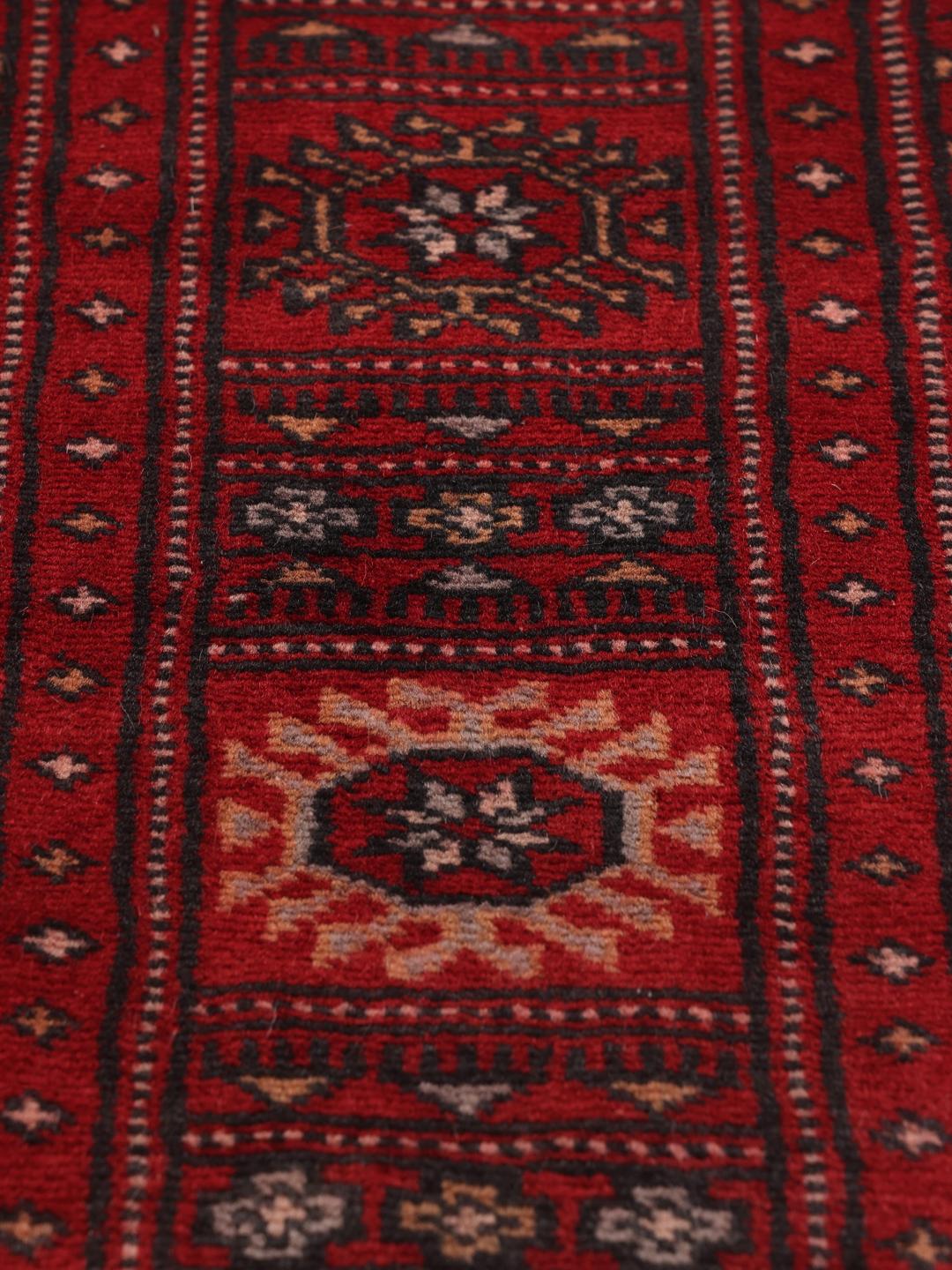
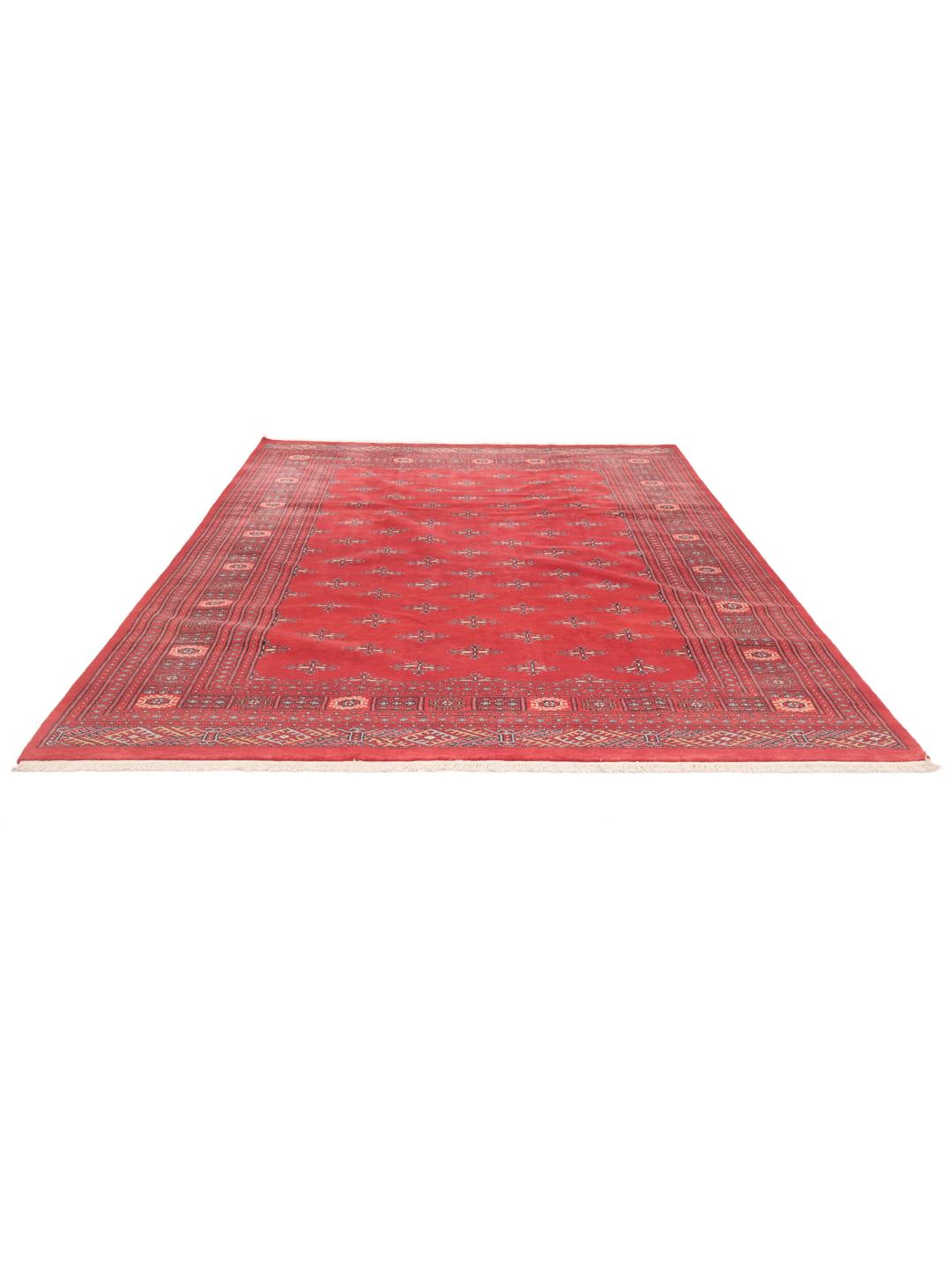
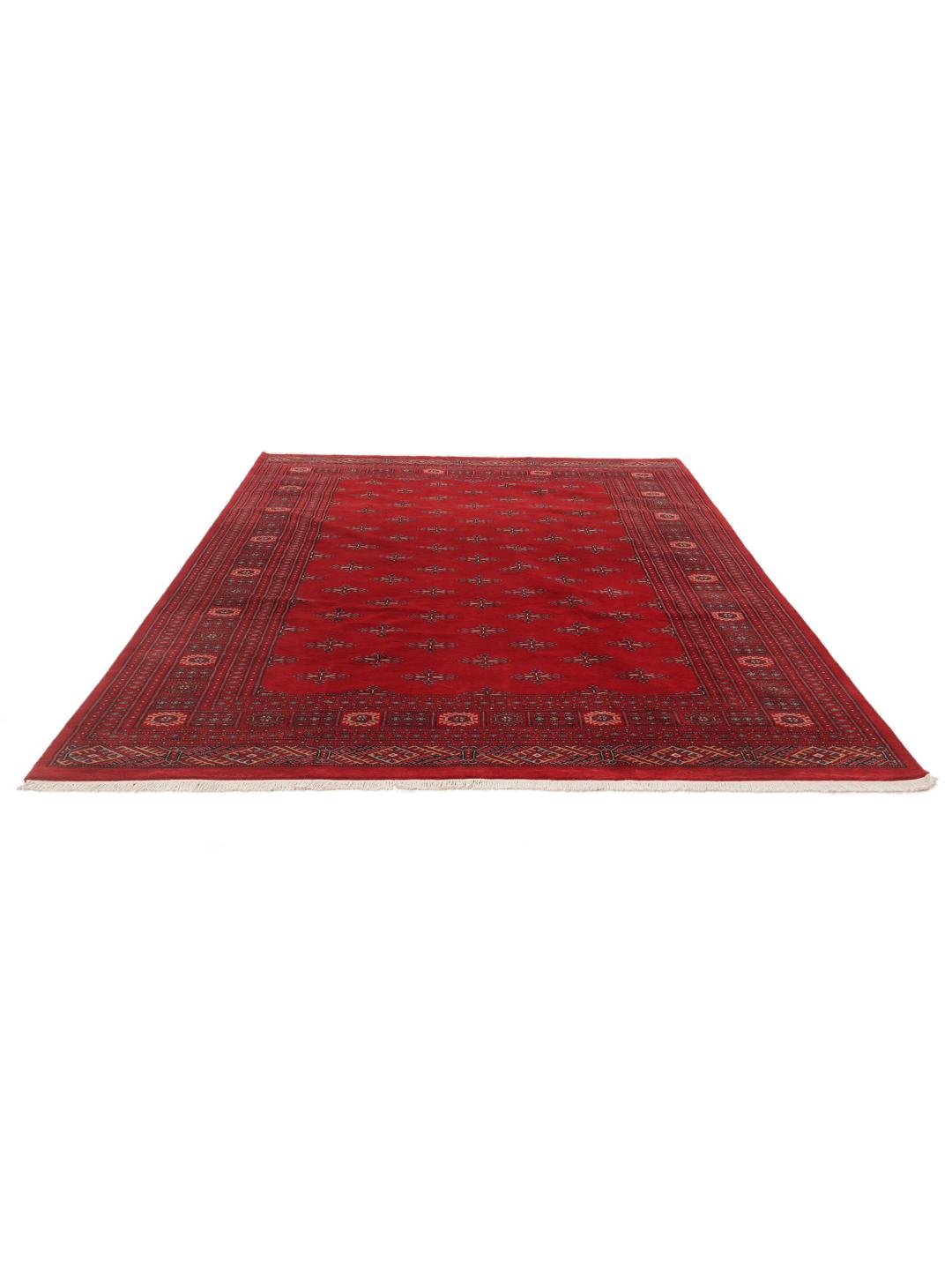
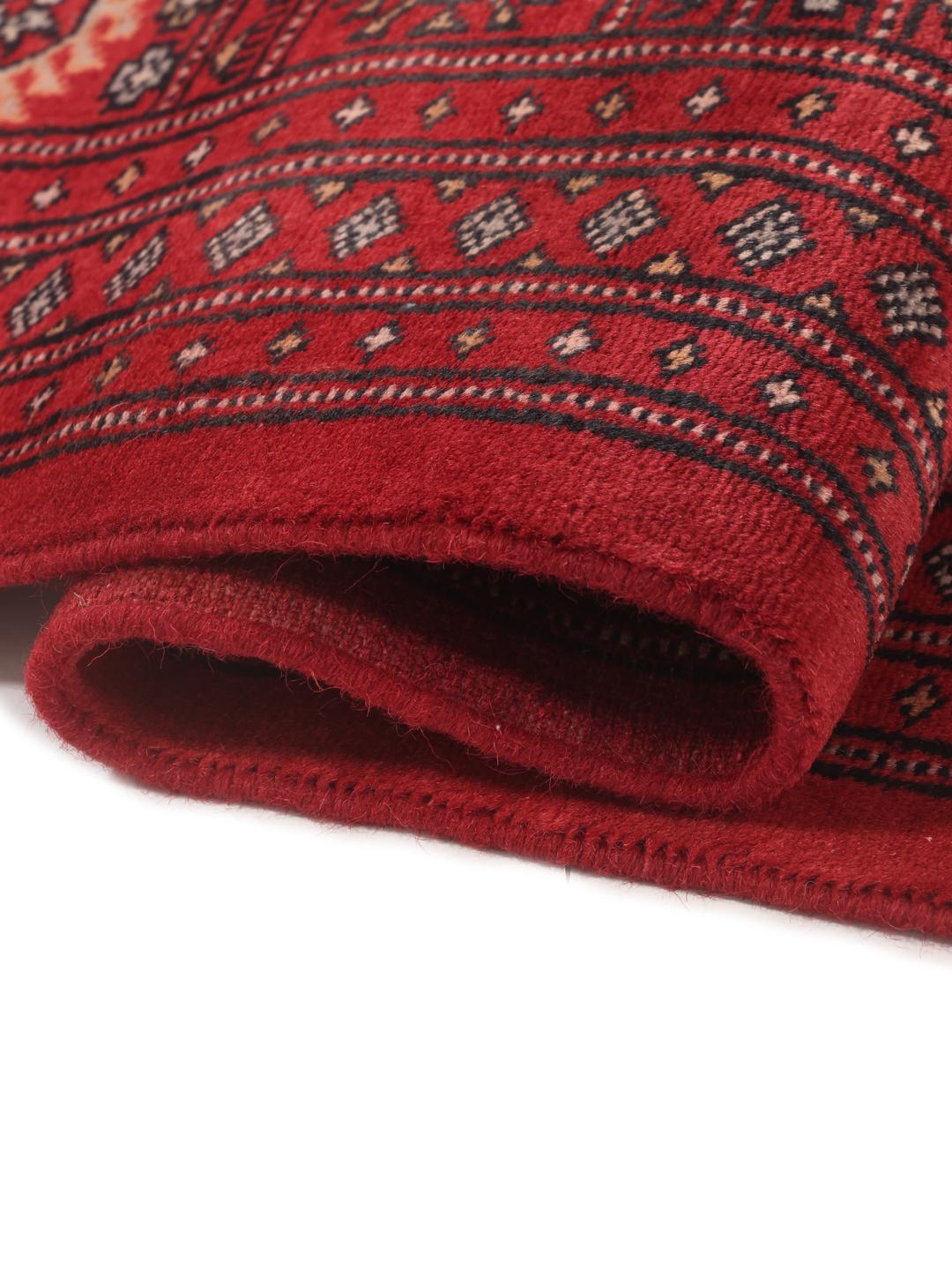
The visual language of the Bokhara is defined by its iconic gul motifs—repeating, octagonal medallions that resemble elephant footprints. These are arranged in structured, horizontal rows across the field, typically enclosed by intricate, multi-layered borders. The symmetry and rhythmic repetition of these symbols are hallmarks of the tradition, designed to create a sense of harmony and order. The deep, warm red field is the classic signature of this style, representing a centuries-old preference for vibrant, earthy pigments.
Owning a hand-knotted rug from this tradition is an act of preserving a sophisticated craft. These rugs are highly valued for their balance of complexity and restraint, making them staples for collectors who appreciate heritage and longevity. By bringing a piece like this into your home, you are connecting to a long lineage of artisans who have perfected their skill over generations, ensuring that your investment is one of cultural weight and enduring aesthetic value.