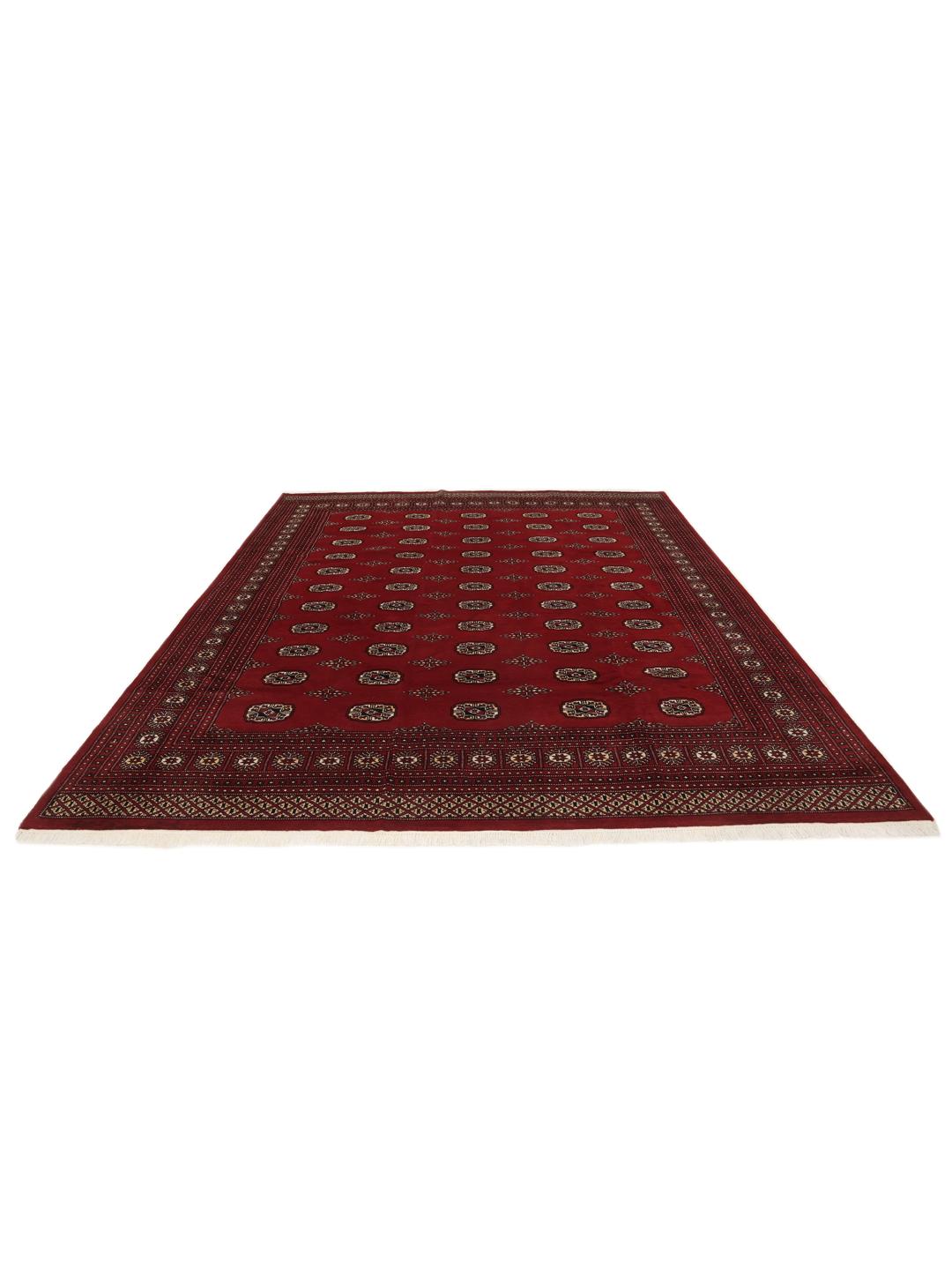
The Bokhara rug tradition is deeply rooted in the history of the Silk Road. While the name traces back to the ancient city of Bukhara in Central Asia, where these designs were first created by nomadic tribes, the finest contemporary examples are masterfully woven in Pakistan. This evolution reflects the migration of weaving knowledge and the adaptation of traditional aesthetics to new cultural landscapes.
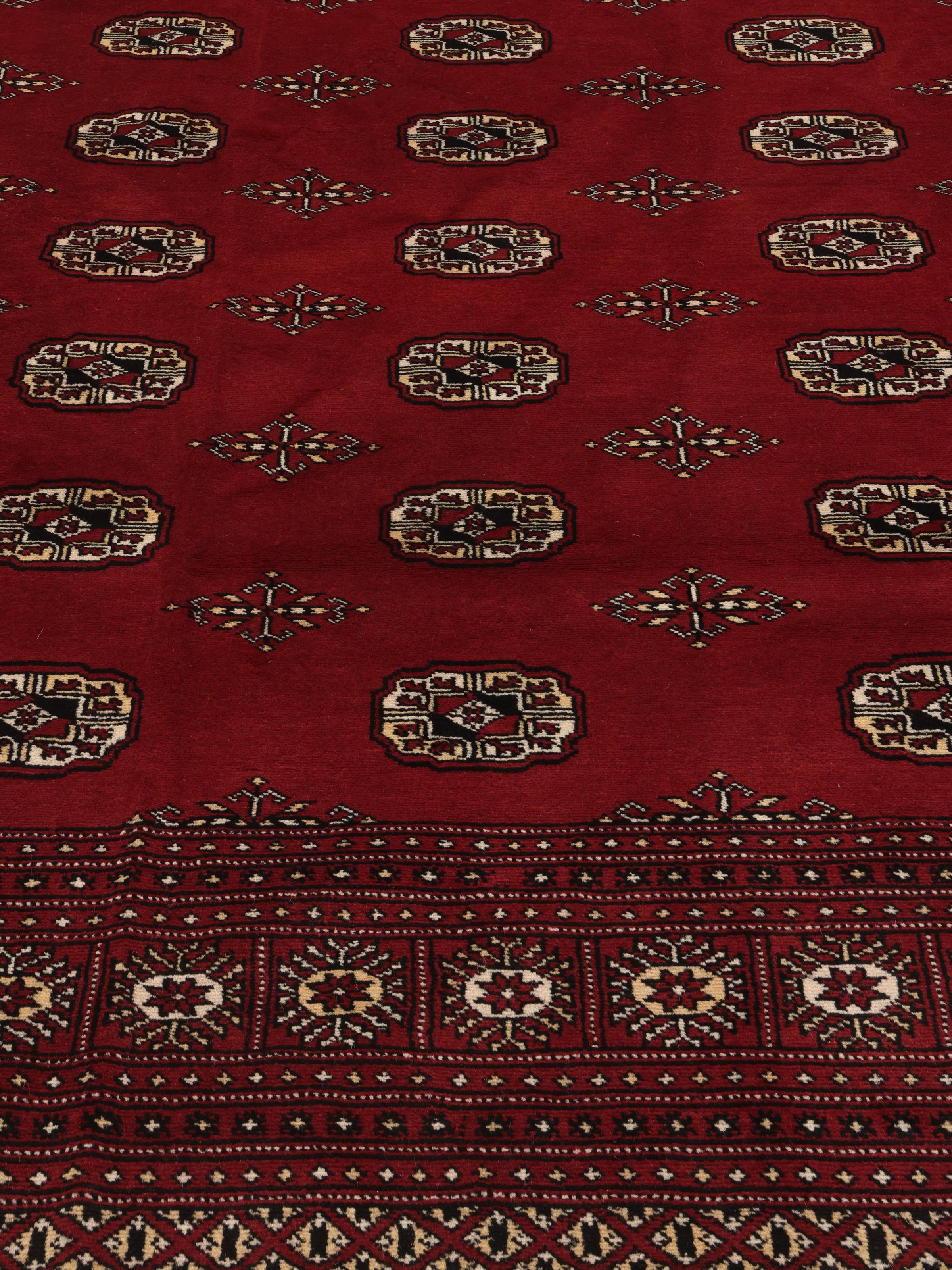
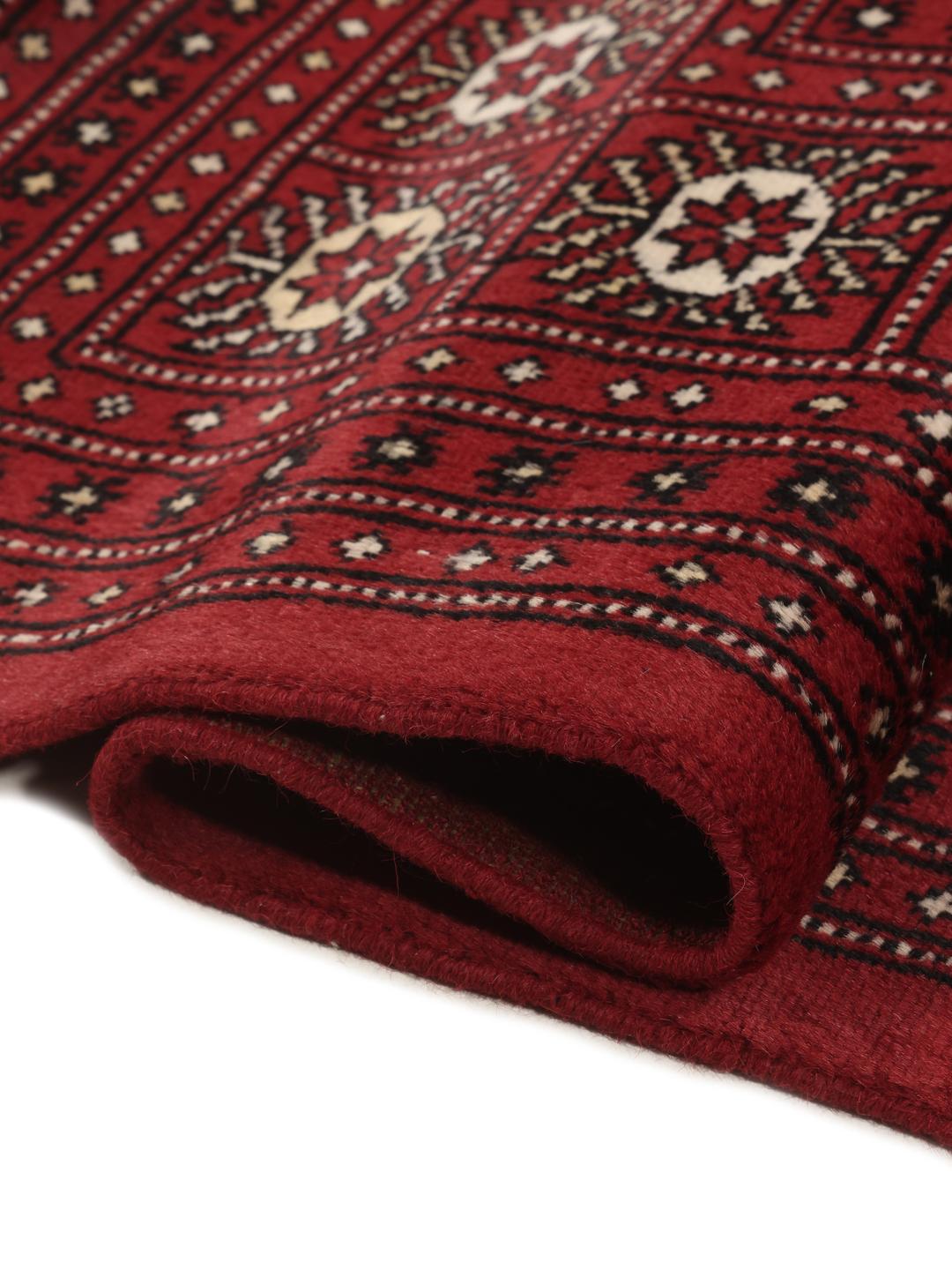
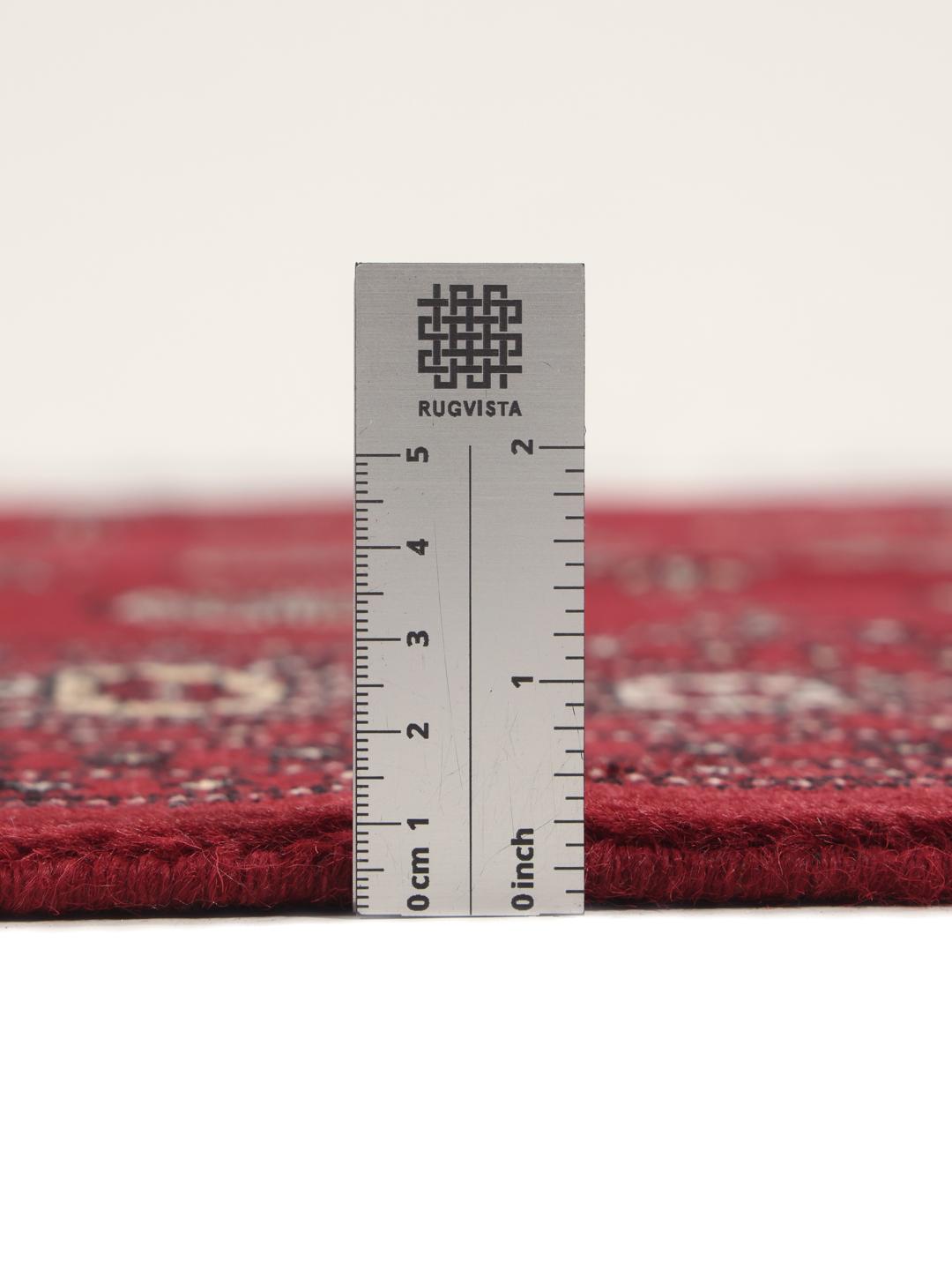
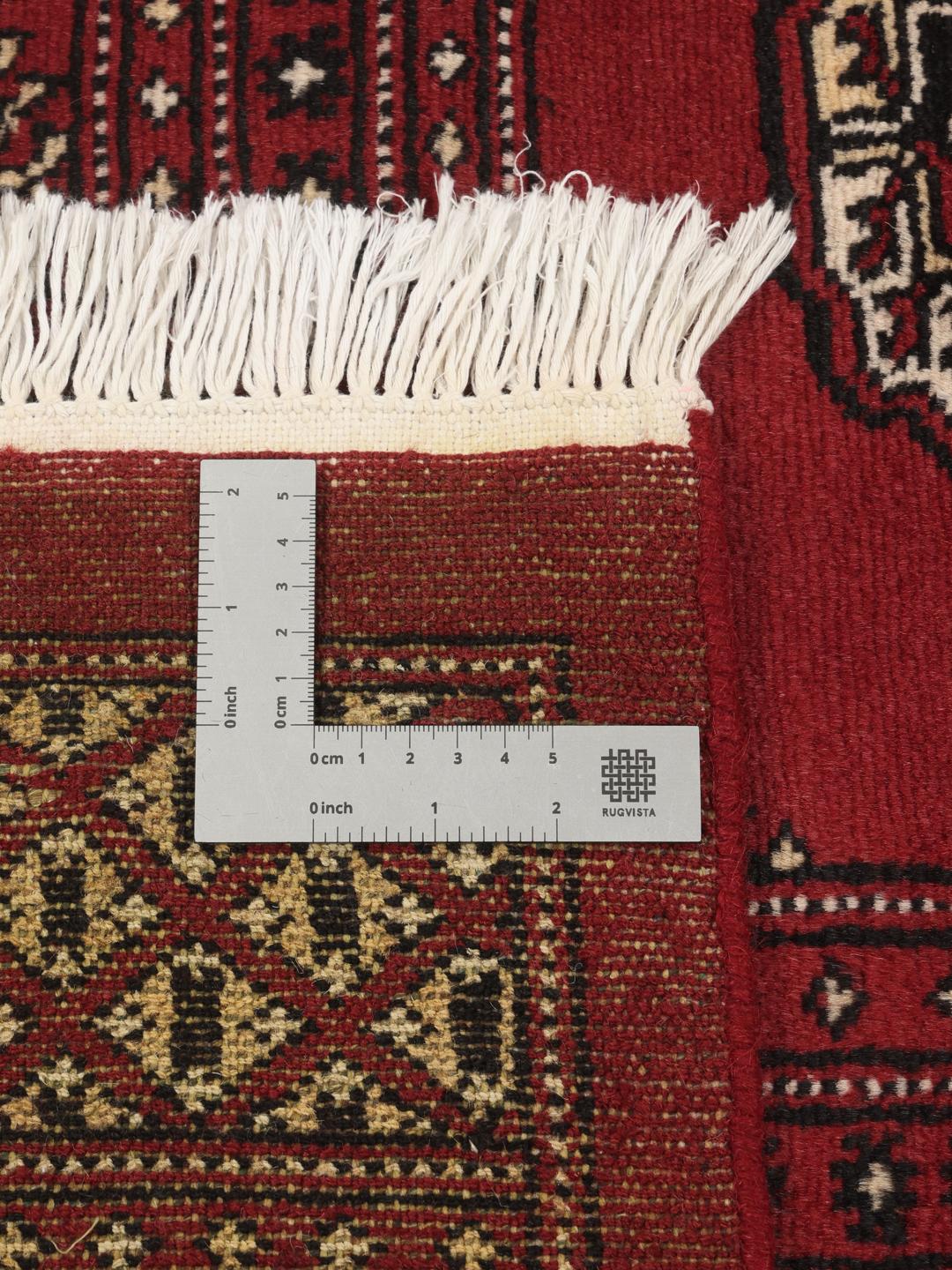
The term 2ply refers to the specific way the wool yarn is prepared, where two individual strands are twisted together before being knotted. This process is essential for creating a pile that is thicker, more lustrous, and significantly more durable than single-ply alternatives. It is a technical choice that directly impacts the rug's longevity and its ability to maintain a soft, inviting texture.
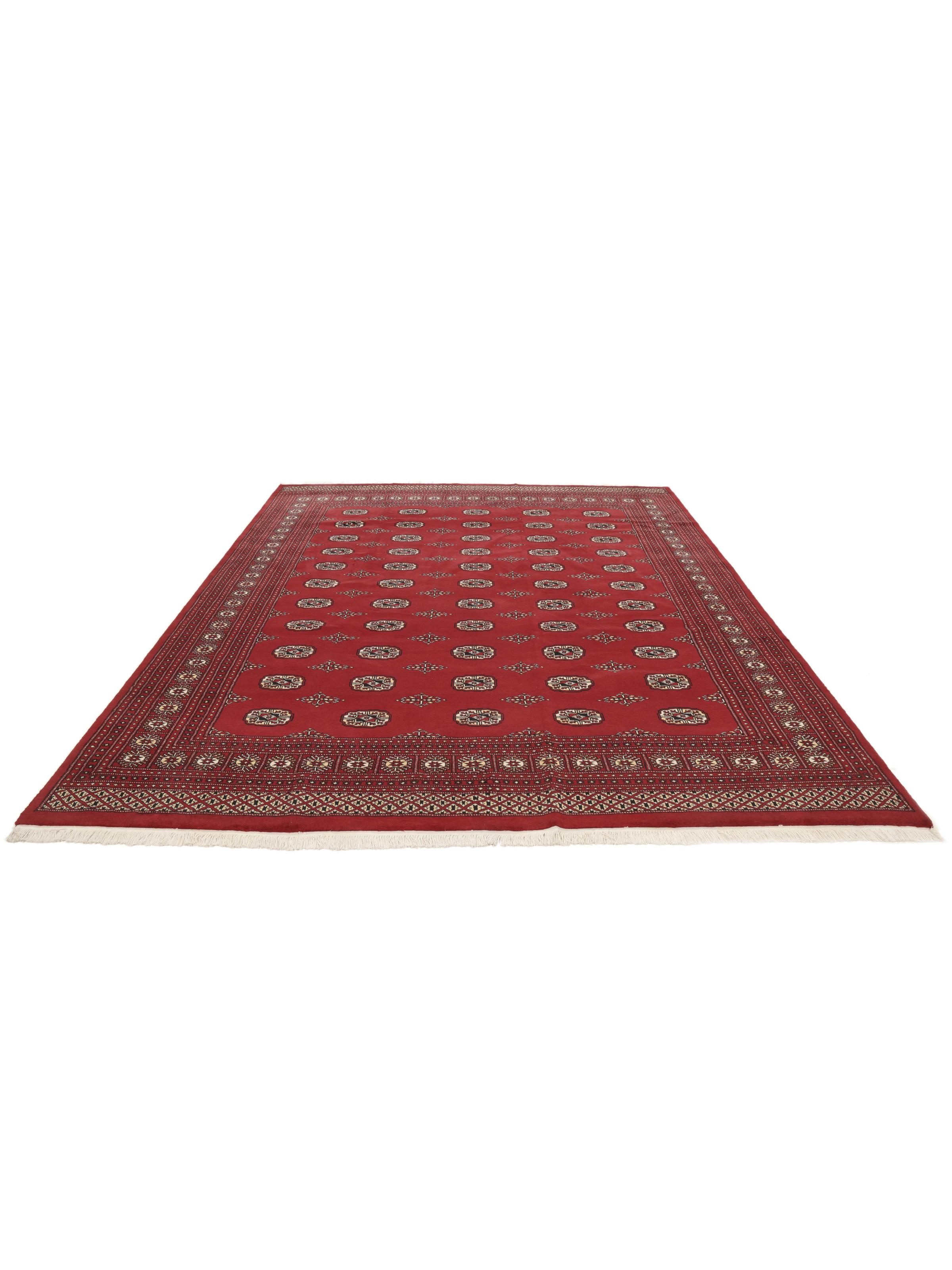
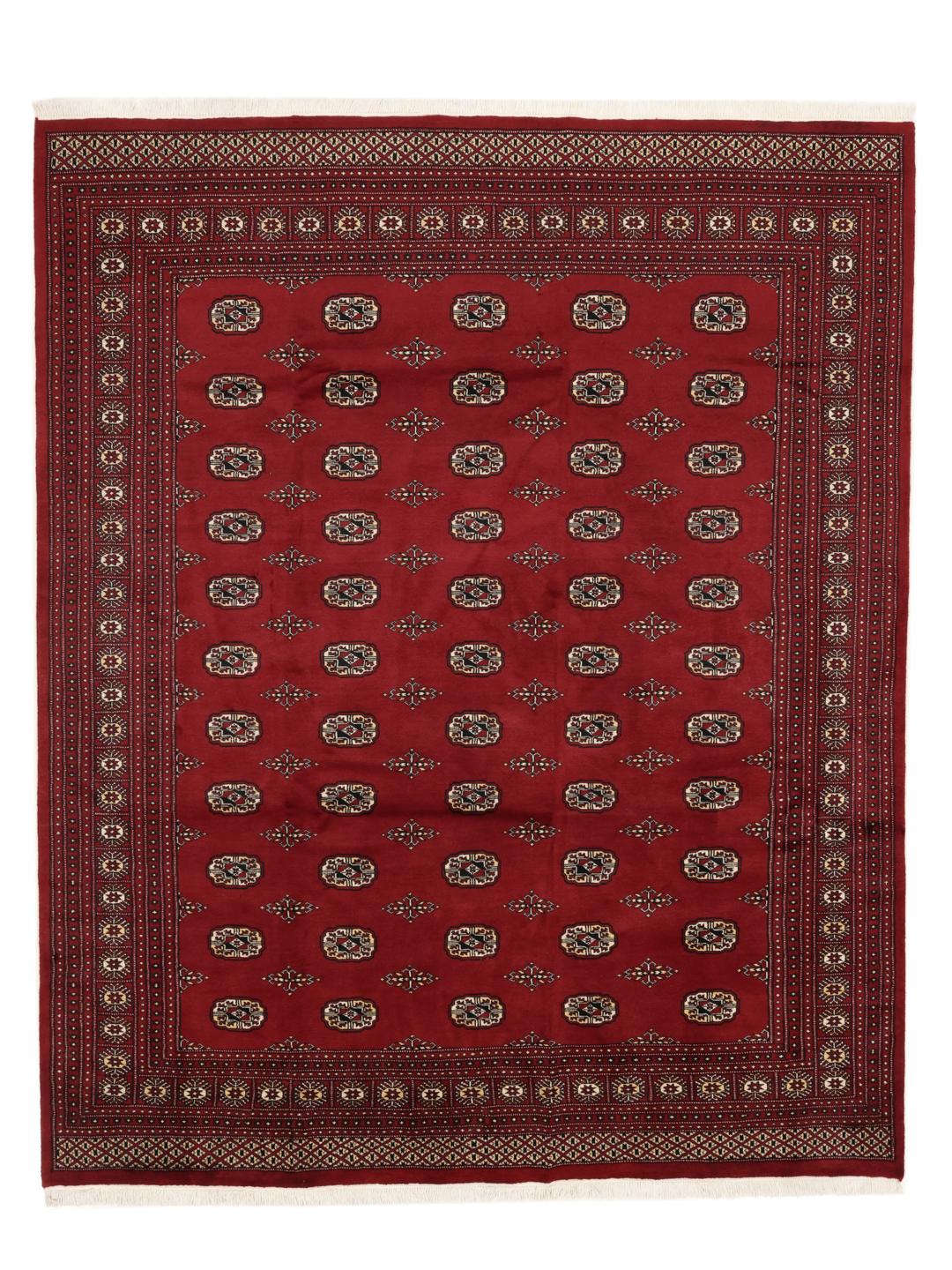
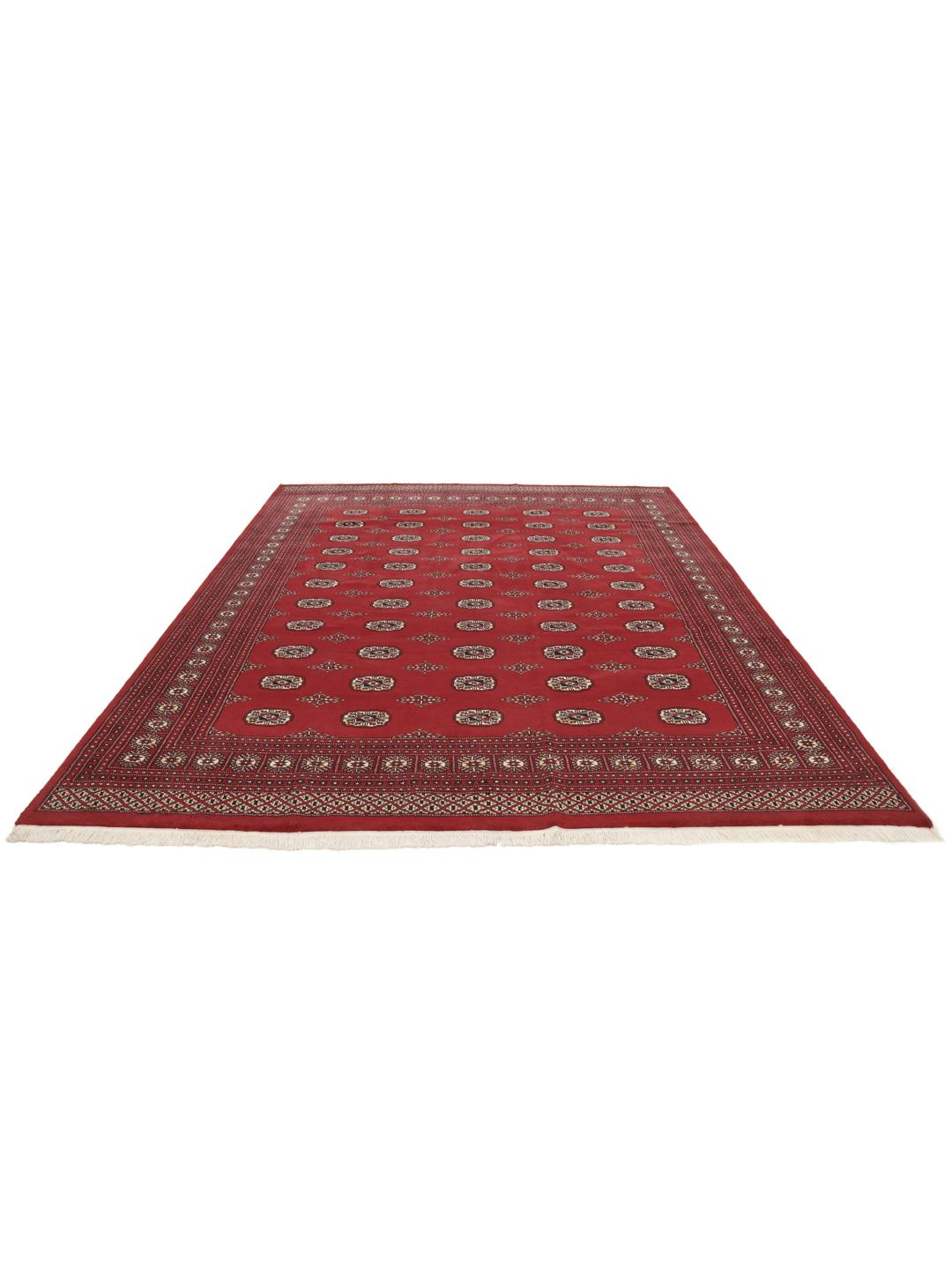
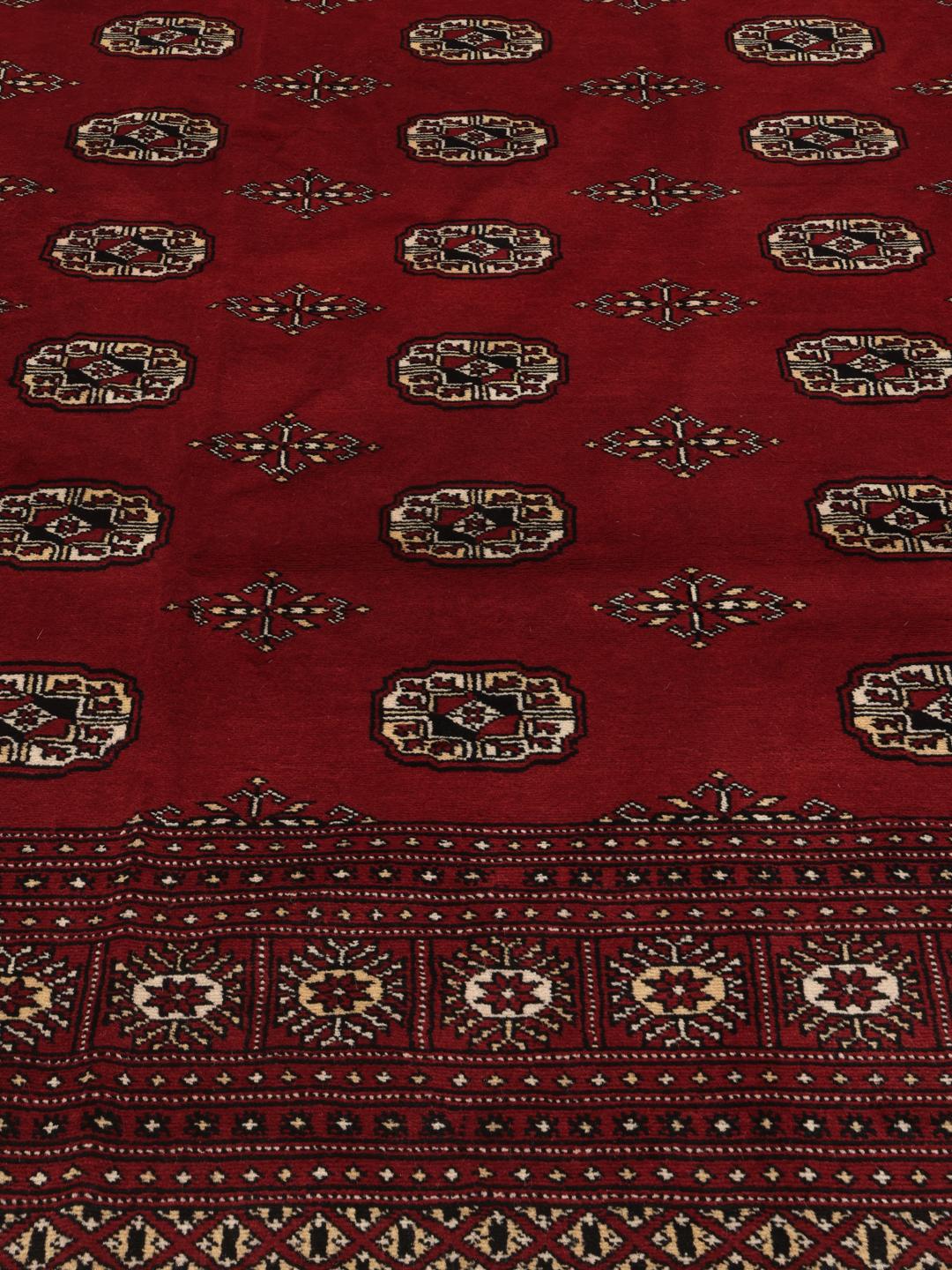
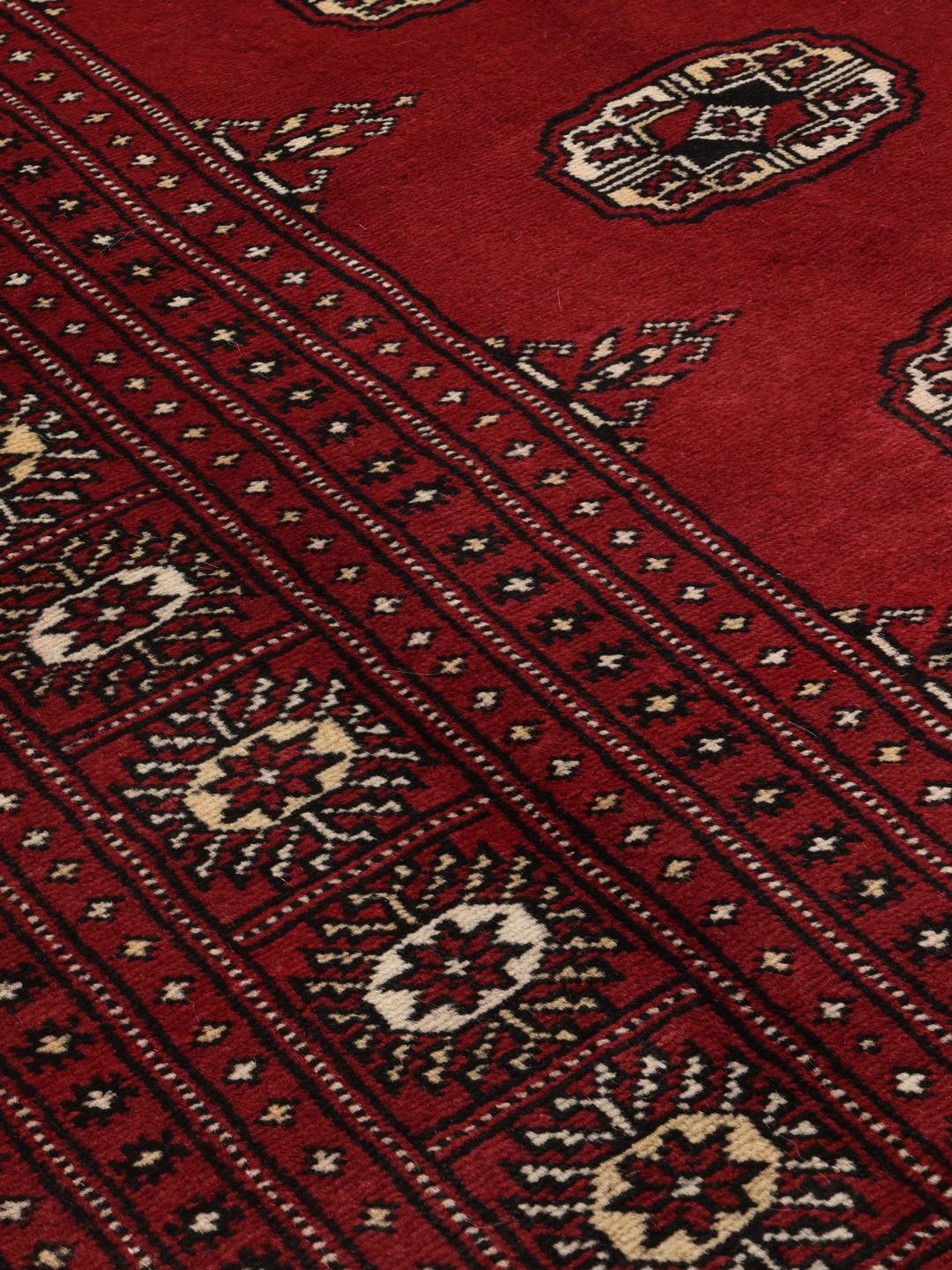
Visually, these rugs are defined by the repeating gul motif, an octagonal or elephant-foot shaped design that symbolises protection and prosperity. The field is typically organised in clean, rhythmic rows, framed by intricate, formal borders. A deep, rich red is the classic colour choice for this style, evoking a sense of warmth and tradition that has remained popular for generations.
Collectors value these rugs not only for their beauty but for the immense skill required to produce them. Owning a piece from this tradition is an investment in cultural heritage and human craftsmanship. It represents a commitment to quality and a respect for the time-honoured techniques that have kept this art form relevant and highly sought after in homes around the world.